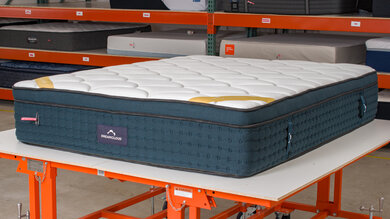
The DreamCloud Premier Rest Hybrid is a mid-range bed-in-a-box mattress. Its design features a layer of pocket springs topped with four layers of foam: a polyfoam transition layer, memory foam upper comfort layer, and a quilted top with polyfoam, memory foam, and fiber fill.
It's a medium-plush mattress, suitable for lighter, average-sized side sleepers and lighter back and stomach sleepers. Heavier stomach sleepers and average-sized and heavier back and stomach sleepers, will likely sink too deeply into this mattress for comfort and prefer something firmer to keep the spine aligned. This isn't a very bouncy mattress, and it doesn't contour your body very closely. Still, you do sink moderately into it, creating a feeling of being cushioned without being tightly hugged.
Our Verdict
-
6.7Light Weight
-
8.4Average Weight
-
8.9Heavy Weight
Suitable for lighter and average-sized side sleepers and lighter back and stomach sleepers.
Disappointing edge support limits the useable sleeping area.
Not ideal for heavier stomach sleepers or average-sized and heavier back and stomach sleepers.
-
7.3Light Weight
-
6.6Average Weight
-
6.0Heavy Weight
Suitable for lighter and average-sized side sleepers and lighter back and stomach sleepers.
Disappointing edge support limits the useable sleeping area.
Not ideal for heavier stomach sleepers or average-sized and heavier back and stomach sleepers.
-
7.1Light Weight
-
6.2Average Weight
-
5.4Heavy Weight
Suitable for lighter and average-sized side sleepers and lighter back and stomach sleepers.
Disappointing edge support limits the useable sleeping area.
Not ideal for heavier stomach sleepers or average-sized and heavier back and stomach sleepers.
Changelog
-
Updated Jul 30, 2026:
We've mentioned the Casper Cooling Select Hybrid in the Bounciness box for users who want a mattress with more 'push back.'
- Updated Mar 09, 2026: We converted this review to Test Bench 1.2. We've added sub-usages to the sleeping position usages in the Our Verdict section to clearly show the suitability of a mattress for your weight and sleeping position.
- Updated Feb 12, 2026: We converted this review to Test Bench 1.1. We've added new tests, including Body Conformity, Support, and Comfort Layers Envelopment, and also added scoring to the Bounciness test. Our usage scores have also changed, with new usages 'Side Sleeping,' 'Back Sleeping,' and 'Stomach Sleeping' replacing the 'Sleeping' verdict. We've also added 'Pressure Relief' and 'Support' performance usages. You can find more details in the full changelog.
-
Updated Oct 21, 2025:
Compared its edge support to the Beautyrest Mattress's.
-
Updated Oct 06, 2025:
We rewrote portions of this review to align with Test Bench 1.0.1, which adds a Longevity verdict and a score to the Foam Layer Mass Density box for users interested in the mattress's durability.
- Updated Oct 06, 2025: Converted this review to Test Bench 1.0.1. We've added scoring to the Foam Layer Mass Density section and a new 'Longevity' performance usage. Read more about it in our Changelog.
- Updated Sep 18, 2025: Review published.
- Updated Aug 12, 2025: Early access published.
- Updated Jul 29, 2025: Our testers have started testing this product.
Test Results
Longevity
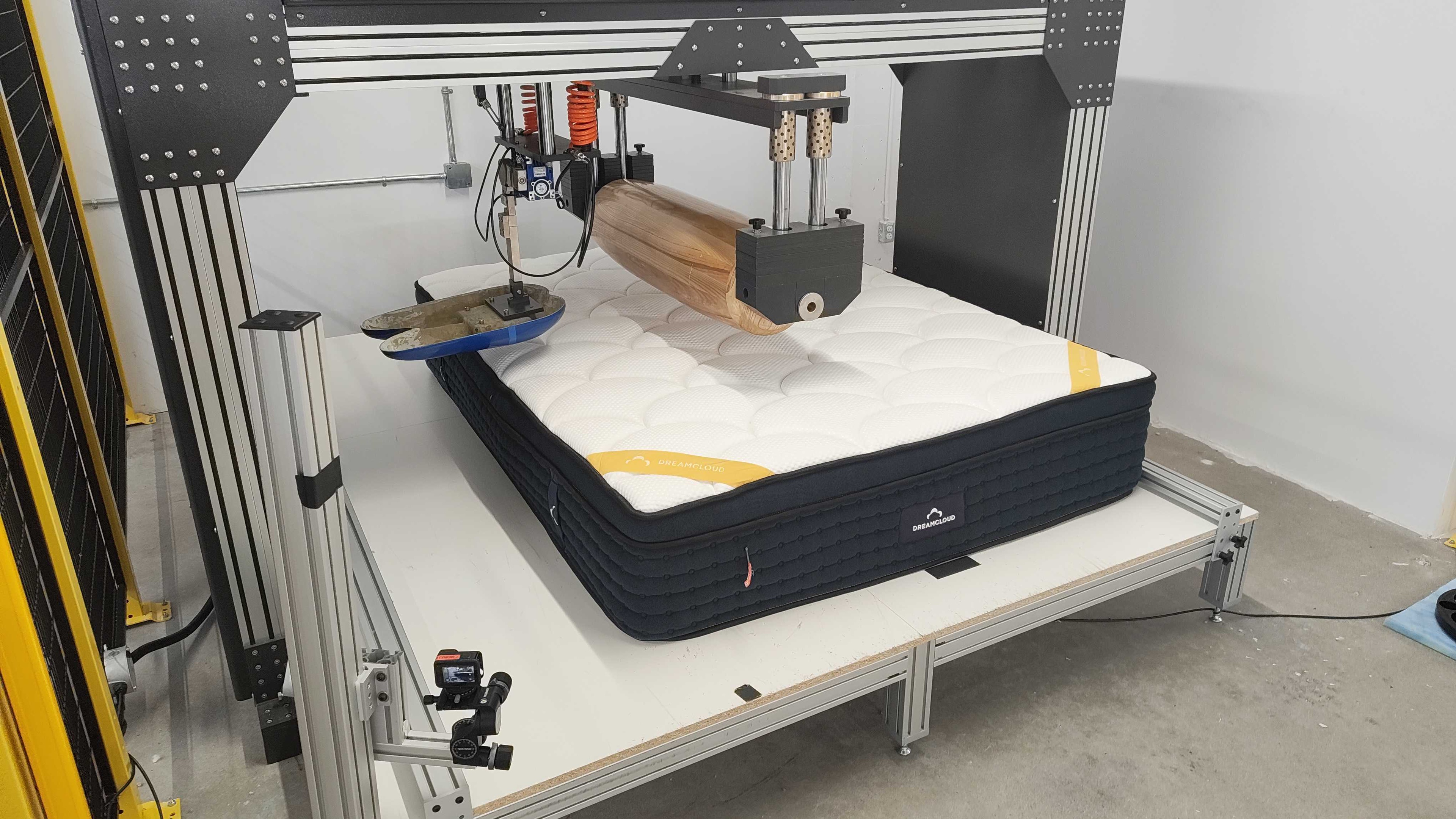
The DreamCloud Premier Rest is a passably durable mattress. The transition layer is made of dense, good-quality polyfoam, which helps the mattress resist sagging and deeper indentations. Unfortunately, the layers above are of lower quality. The quilted top contains a layer of polyfoam and a layer of memory foam, neither of which is dense enough to reach the standard for good quality. The comfort layer is made of low-quality memory foam, too. These layers are prone to sagging and developing permanent impressions, making the mattress as a whole more susceptible to wear and tear.
Suitable for lighter and average-sized side sleepers and lighter back and stomach sleepers.
Disappointing edge support limits the useable sleeping area.
Not ideal for heavier stomach sleepers or average-sized and heavier back and stomach sleepers.
Uses mostly low-quality foam, which will begin to sag sooner.
Most of the foam is not dense enough to be considered good quality. The memory foam and polyfoam layers in the quilted top are both less dense, low-quality foams. The density of the memory foam is 43 kg/m³ (2.7 lb/cu.ft.), while the polyfoam has a density of 23.7 kg/m³ (1.5 lb/cu.ft.). The memory foam upper comfort layer also consists of low-quality foam. These foams will begin to sag and form impressions faster than higher-quality foams. The one exception is the polyfoam transition layer, which is dense enough to reach the standard for good quality and should resist sagging for longer.
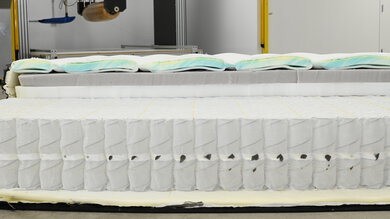
The DreamCloud Premier Rest Hybrid has four layers of foam above its pocket coil support system. The quilted top contains a layer of memory foam above a layer of polyfoam, which helps the mattress provide excellent motion isolation while remaining pretty easy to move around on. The upper comfort layer is soft memory foam, which allows you to sink further into the mattress. Springy polyfoam makes up the transition layer, pushing back to offer support and ensure you don't feel the individual springs below.
Pressure Relief
Suitable for lighter and average-sized side sleepers and lighter back and stomach sleepers.
Disappointing edge support limits the useable sleeping area.
Not ideal for heavier stomach sleepers or average-sized and heavier back and stomach sleepers.
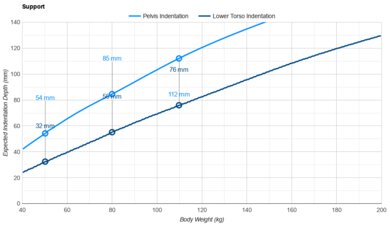
Support
Suitable for lighter and average-sized side sleepers and lighter back and stomach sleepers.
Disappointing edge support limits the useable sleeping area.
Not ideal for heavier stomach sleepers or average-sized and heavier back and stomach sleepers.
Cooling
The DreamCloud Premier Rest keeps you impressively cool. It keeps you cool as you fall asleep, transferring a good amount of heat away from you during the first hour of the night. Its performance is even more efficient throughout the rest of the night, so you don't wake up overheated, either. It's cooling enough even for hot sleepers.
Cooling enough for hot sleepers.
Suitable for lighter and average-sized side sleepers and lighter back and stomach sleepers.
Disappointing edge support limits the useable sleeping area.
Not ideal for heavier stomach sleepers or average-sized and heavier back and stomach sleepers.
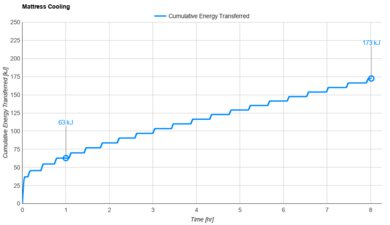
This mattress is impressively good at keeping you cool. It transfers a lot of heat away from you during the first hour of the night, keeping you cool as you fall asleep. Its performance is even better throughout the rest of the night, so you don't wake up overheated. Even if you sleep hot or live in a hot climate, this mattress will keep you cool.
Motion Dissipation
The DreamCloud Premier Rest provides excellent motion isolation. You still notice bigger movements, but they don't travel much throughout the mattress. So when your sleeping partner rolls over, you feel it in the lumbar but not much at the head or foot of the bed. The motion also dissipates quickly, so it's less likely to disturb or wake you.
Excellent motion dissipation makes movement less likely to wake you.
Suitable for lighter and average-sized side sleepers and lighter back and stomach sleepers.
Disappointing edge support limits the useable sleeping area.
Not ideal for heavier stomach sleepers or average-sized and heavier back and stomach sleepers.
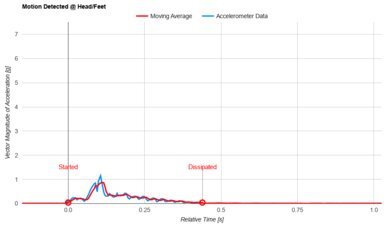
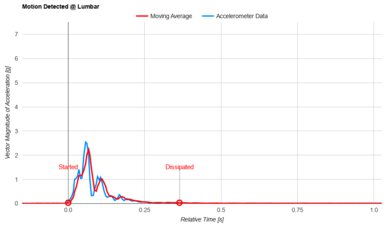
It has excellent motion isolation. You feel larger movements nearby, but very little motion travels throughout the mattress. So, when your pet hops onto the foot of the bed, you feel it around your feet, but not much anywhere else. Movement dissipates quickly, too, so it's less likely to wake you up.
Responsiveness
The DreamCloud Premier Rest has good responsiveness. It responds quickly when compressed, making it easy to move around and change sleeping positions. Still, it doesn't respond instantly like some other mattresses.
Good responsiveness makes it easier to move around.
Suitable for lighter and average-sized side sleepers and lighter back and stomach sleepers.
Disappointing edge support limits the useable sleeping area.
Not ideal for heavier stomach sleepers or average-sized and heavier back and stomach sleepers.
This mattress has good responsiveness. While it doesn't bounce back instantly like some options, it adapts fairly quickly, supporting your movements so you don't feel stuck in place.
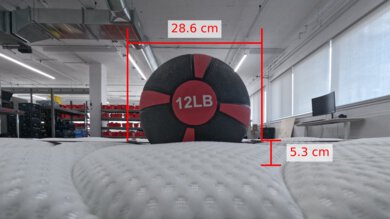
The springs are fairly bouncy, though compared to the springs in other hybrid models, they sit on the less bouncy end of the range. They push back somewhat, but combined with the less bouncy foam layers, they produce a mattress with very little bounce.
This is not a very bouncy mattress. While the spring layer pushes back a bit when compressed, it doesn't offer as much bounce as the springs in many other hybrids. The foam layers make the mattress even less bouncy, giving it low bounciness overall. This gives the mattress a sluggish feel and makes it harder to move around on.
For a bouncier option, consider the Casper Cooling Select Hybrid, which also has a Medium-Plush firmness level.
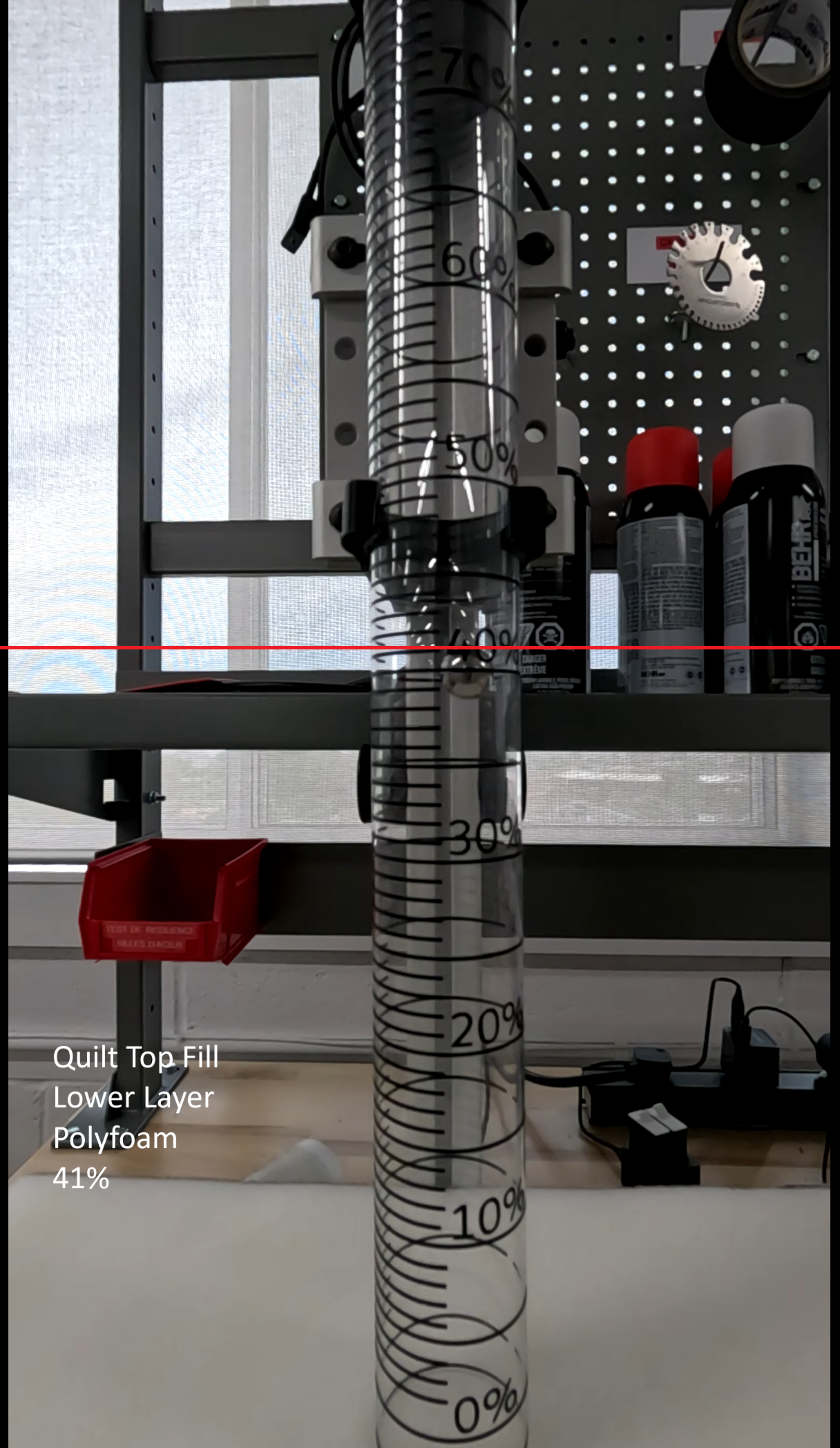
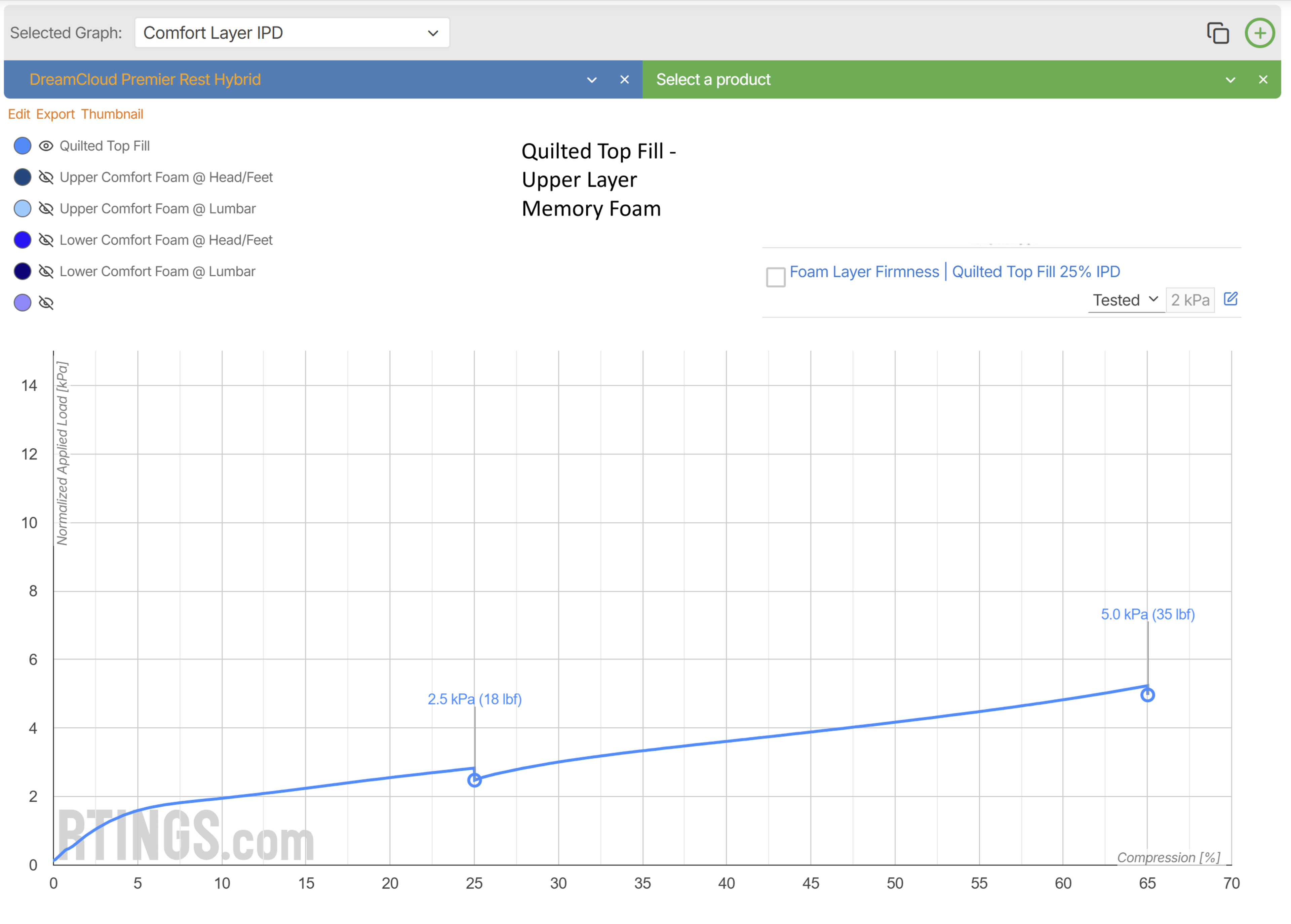
As a unit, the quilted top has low resilience, but the individual foams inside have very different amounts of resilience, or bounce. The memory foam upper layer has fairly low resilience, while the polyfoam lower layer has high resilience. These results are typical of these types of foam, and you can see the same pattern in the comfort and transition layers; the memory foam comfort layer has low resilience, while the polyfoam transition layer is very resilient, or bouncy. Together, these resilient and less resilient foams don't add much bounce, contributing to the mattress's low overall bounciness.
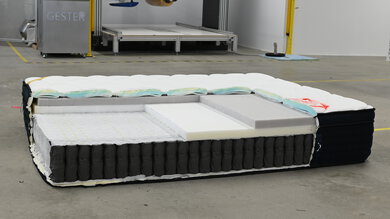
The DreamCloud Premier Rest Hybrid measured 14.1 inches (35.7 cm). It's tall enough that you'll likely need to use deep-pocket fitted sheets.
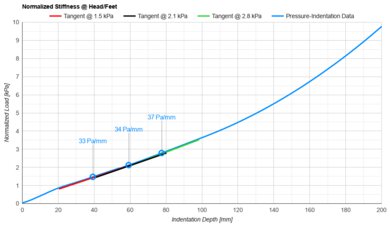
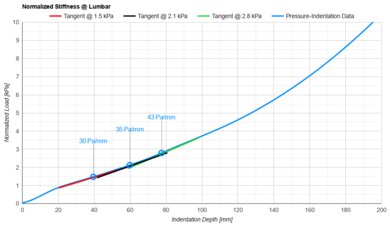
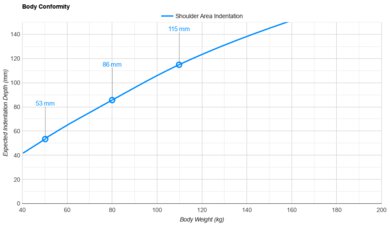
The DreamCloud Premier Rest Hybrid is medium-plush, so it's a good fit for light to average-sized side sleepers and lighter back and stomach sleepers. Heavier side sleepers, as well as heavier and even average-sized back and stomach sleepers, will likely find this mattress too soft and need more support to keep the spine in a straight line.
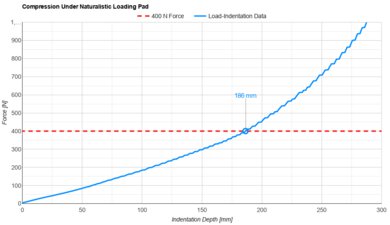
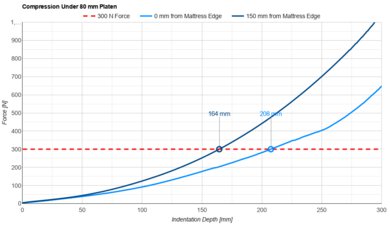
It has disappointing edge support. Although the edges are reinforced with 13-gauge pocket springs, they compress too easily to provide adequate support. Sitting or sleeping near the edge leaves you feeling like you could slip off, limiting the space you can comfortably use compared to mattresses with better edge support, like the Beautyrest Mattress. The lack of support also makes it more challenging to get in and out of bed, especially for people with mobility issues.
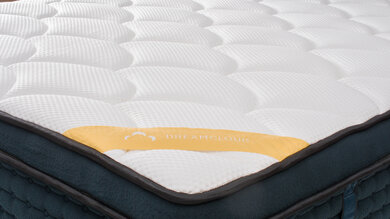
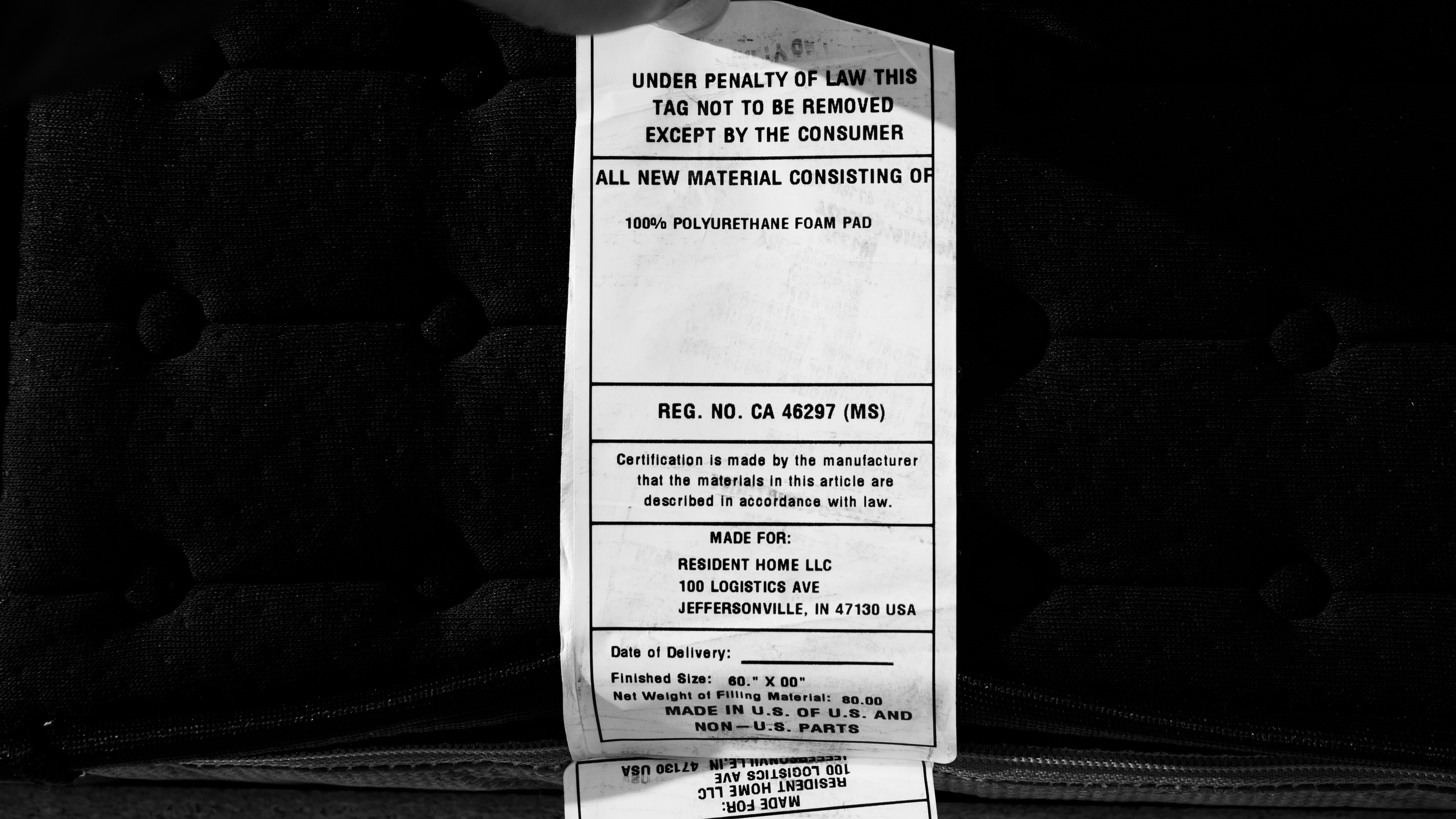
The tag on our unit states that the cover is 98% polyester and 2% rayon. It's not removable.
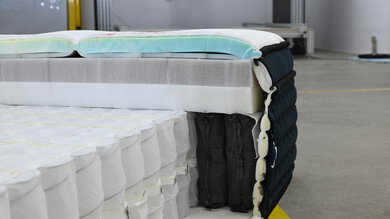
The edges are reinforced with thicker, 13-gauge springs that offer more resistance than the 15-gauge springs in the support layer. Unfortunately, they still compress too easily, leading to the mattress's poor edge support.
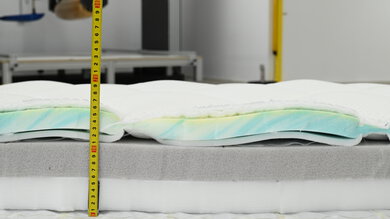
There are 5.8 inches (14.5 cm) of foam above the pocket spring support system. The quilted top has three layers: 0.35 inches (0.9 cm) of fiber fill, 1 inch (2.7 cm) of memory foam, and 0.35 inches (0.9 cm) of polyfoam. Most people will sink through these layers and feel a bit of the 2 inches (5 cm) memory foam layer below. The transition layer is also 2 inches (5 cm), which is thick enough to ensure you don't sink too far into the spring layer.
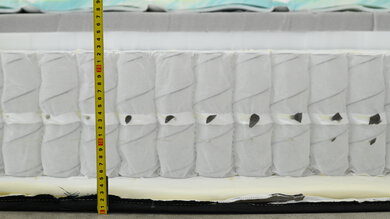
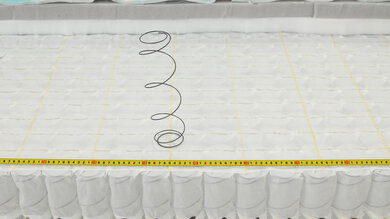
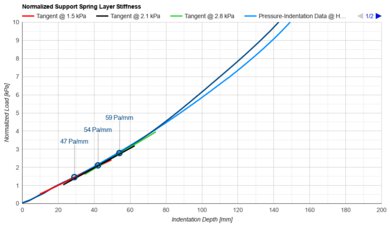
The support layer consists of pocket coils, which provide better motion isolation and contouring than other kinds of springs. The 15-gauge coils are soft, and the layer is not particularly dense, creating a flexible-feeling support and contributing to the mattress's medium-plush firmness level. Firmer 13-gauge coils are built into the sides, too, but they compress easily, resulting in disappointing edge support.
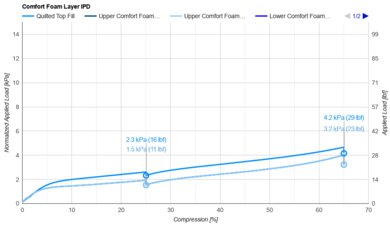
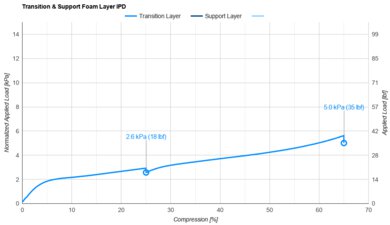
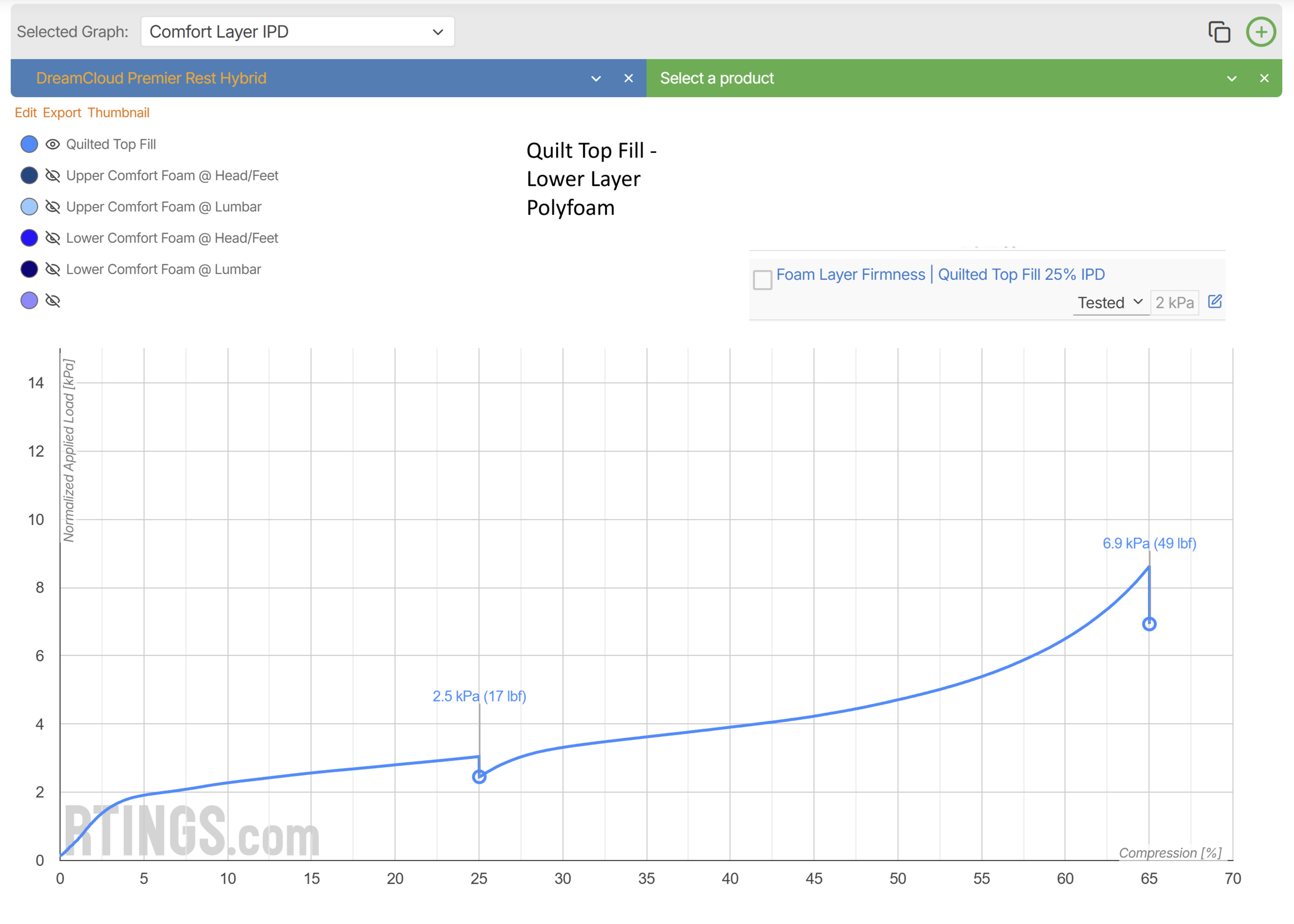
The quilted top contains two layers of foam: a soft polyfoam layer and a soft memory foam layer. It also has a layer of fiber fill, which adds a bit more softness. Together, these components create a soft quilted top. The memory foam upper comfort layer is even softer, and while the transition layer is the firmest overall, it's still just medium-soft, contributing to the medium-plush firmness of the mattress overall.

Popular Mattress Comparisons
The DreamCloud Premier Rest Hybrid is a decent mid-range bed-in-a-box mattress. DreamCloud also makes the DreamCloud Hybrid (Canadian Version) and DreamCloud Premier Hybrid (Canadian Version), with the Premier Rest Hybrid standing as the premium model in the lineup. Surprisingly, the less premium models actually outperform this one overall. The Hybrid is more responsive and has better edge support, while the Premier Hybrid has better edge support and matches its performance for both motion dissipation and responsiveness. The one area the Premier Rest Hybrid comes out ahead is cooling; it's the only option of the three that's cooling enough for hot sleepers. While the other models in the lineup have been discontinued in the U.S., but remain available in Canada, this model has been discontinued in the U.S., and a different model with the same name and a different design is available in Canada. You can expect it to perform differently.
If you're curious what we recommend, take a look at our picks for the best mattresses, the best memory foam mattresses, and the best mattresses for side sleepers.
The medium-firm Bear Elite Hybrid is a better choice than the medium-plush DreamCloud Premier Rest Hybrid for most people. The Bear has exceptional responsiveness and edge support, outperforming the DreamCloud by a wide margin. This makes it easier to move around and get in or out of bed. The DreamCloud has better motion isolation, however, so movement is less likely to wake you. It's also cooling enough for hot sleepers, unlike the Bear, so you may prefer it if you run hot.
The DreamCloud Premier Rest Hybrid and Tempur-Pedic TEMPUR-Adapt have different strengths and weaknesses, and you may prefer either depending on your priorities. The DreamCloud is a hybrid model with medium-plush firmness. It's the more responsive option, so it's easier to move around on, and, unlike the Tempur-Pedic, it's cooling enough for hot sleepers. The Tempur-Pedic is a medium all-foam option with better edge support, and while you still feel a bit like you could slip off when you sleep close to the sides, it's a much better option than the DreamCloud in this regard. It also has outstanding motion isolation, so it's a good choice if you sleep with a partner who tosses and turns.
The Serta Perfect Sleeper Innerspring and DreamCloud Premier Rest Hybrid are both medium-plush hybrids. While the Serta has better overall performance, both mattresses have their strengths, and you may prefer one over the other based on what matters to you. The Serta is more responsive and has better edge support, so it's easier to move around on. The DreamCloud offers better motion isolation, making it a good choice for light sleepers. It's also more cooling, and while the Serta still provides good cooling, only the DreamCloud offers sufficient cooling for hot sleepers.
The Boring Mattress is a better choice than the DreamCloud Premier Rest Hybrid. The biggest jump in quality is found in edge support. When you sleep near the edge of the DreamCloud, you feel like you could slip off, while the Boring provides much more support in this area. Beyond this aspect, the medium Boring outperforms the medium-plush DreamCloud in every area, though by a smaller margin. It also uses good-quality foam, while the DreamCloud uses mostly low-quality foam, which you can expect to sag and form indents sooner.
Differences Between Sizes And Variants
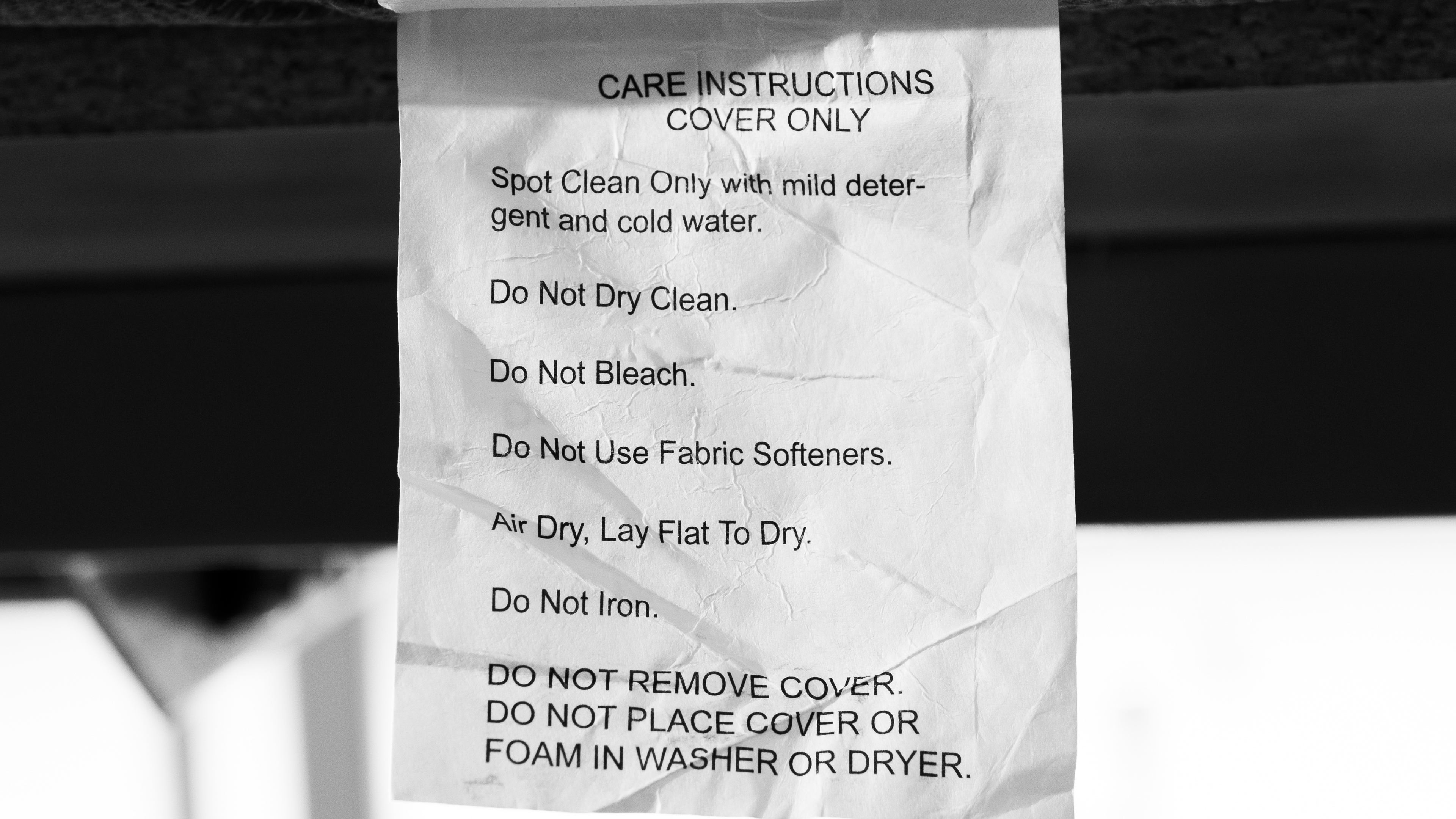
The DreamCloud Premier Rest Hybrid comes in Twin, Twin XL, Full, Queen, and King sizes. We tested a Queen-size model, and our results are only valid for that variant. See the first label, the second label, and the third label for our unit.

If you encounter another variant or experience a variant that performs differently, let us know in the comments.