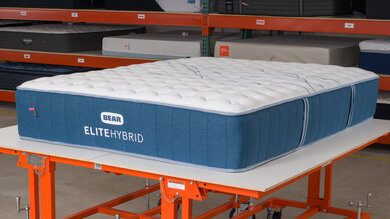
The Bear Elite Hybrid is a mid-range, bed-in-a-box mattress. It has a pocket spring support layer, polyfoam transition layer, memory foam comfort layer, and two layers of polyfoam in its quilted top.
This medium-firm mattress is ideal for light and average-sized back and stomach sleepers and heavier side sleepers. Heavier back and stomach sleepers should consider a firmer option to help keep the spine in a straight line, while lighter and average-sized side sleepers should consider a plusher mattress, so their hips and shoulders can sink far enough in. This mattress offers moderate contouring, but you don't sink very far into it, so you feel cradled and supported, but not tightly hugged or enveloped. It has enough bounciness to make moving around easy as well, so you don't feel 'stuck' when trying to shift sleeping positions.
Our Verdict
-
5.7Light Weight
-
7.4Average Weight
-
8.2Heavy Weight
Superb edge support extends the comfortable sleeping surface.
Ideal for light to average-sized back and stomach sleepers and heavier side sleepers.
Not ideal for heavier back and stomach sleepers or lighter and average-sized side sleepers.
-
7.6Light Weight
-
7.3Average Weight
-
7.4Heavy Weight
Superb edge support extends the comfortable sleeping surface.
Ideal for light to average-sized back and stomach sleepers and heavier side sleepers.
Not ideal for heavier back and stomach sleepers or lighter and average-sized side sleepers.
-
7.7Light Weight
-
7.4Average Weight
-
7.5Heavy Weight
Superb edge support extends the comfortable sleeping surface.
Ideal for light to average-sized back and stomach sleepers and heavier side sleepers.
Not ideal for heavier back and stomach sleepers or lighter and average-sized side sleepers.
Changelog
-
Updated Aug 27, 2026:
We added a note about the Casper Snow Max in the Cooling box for users who need more effective cooling to fall asleep.
- Updated Mar 09, 2026: We converted this review to Test Bench 1.2. We've added sub-usages to the sleeping position usages in the Our Verdict section to clearly show the suitability of a mattress for your weight and sleeping position.
- Updated Feb 12, 2026: We converted this review to Test Bench 1.1. We've added new tests, including Body Conformity, Support, and Comfort Layers Envelopment, and also added scoring to the Bounciness test. Our usage scores have also changed, with new usages 'Side Sleeping,' 'Back Sleeping,' and 'Stomach Sleeping' replacing the 'Sleeping' verdict. We've also added 'Pressure Relief' and 'Support' performance usages. You can find more details in the full changelog.
-
Updated Oct 06, 2025:
We rewrote portions of this review to align with Test Bench 1.0.1, which adds a Longevity verdict and a score to the Foam Layer Mass Density box for users interested in the mattress's durability.
- Updated Oct 06, 2025: Converted this review to Test Bench 1.0.1. We've added scoring to the Foam Layer Mass Density section and a new 'Longevity' performance usage. Read more about it in our Changelog.
-
Updated Aug 29, 2025:
Added the WinkBeds The WinkBed as a firmer option under Firmness.
- Updated Aug 11, 2025: Review published.
- Updated Aug 05, 2025: Early access published.
Test Results
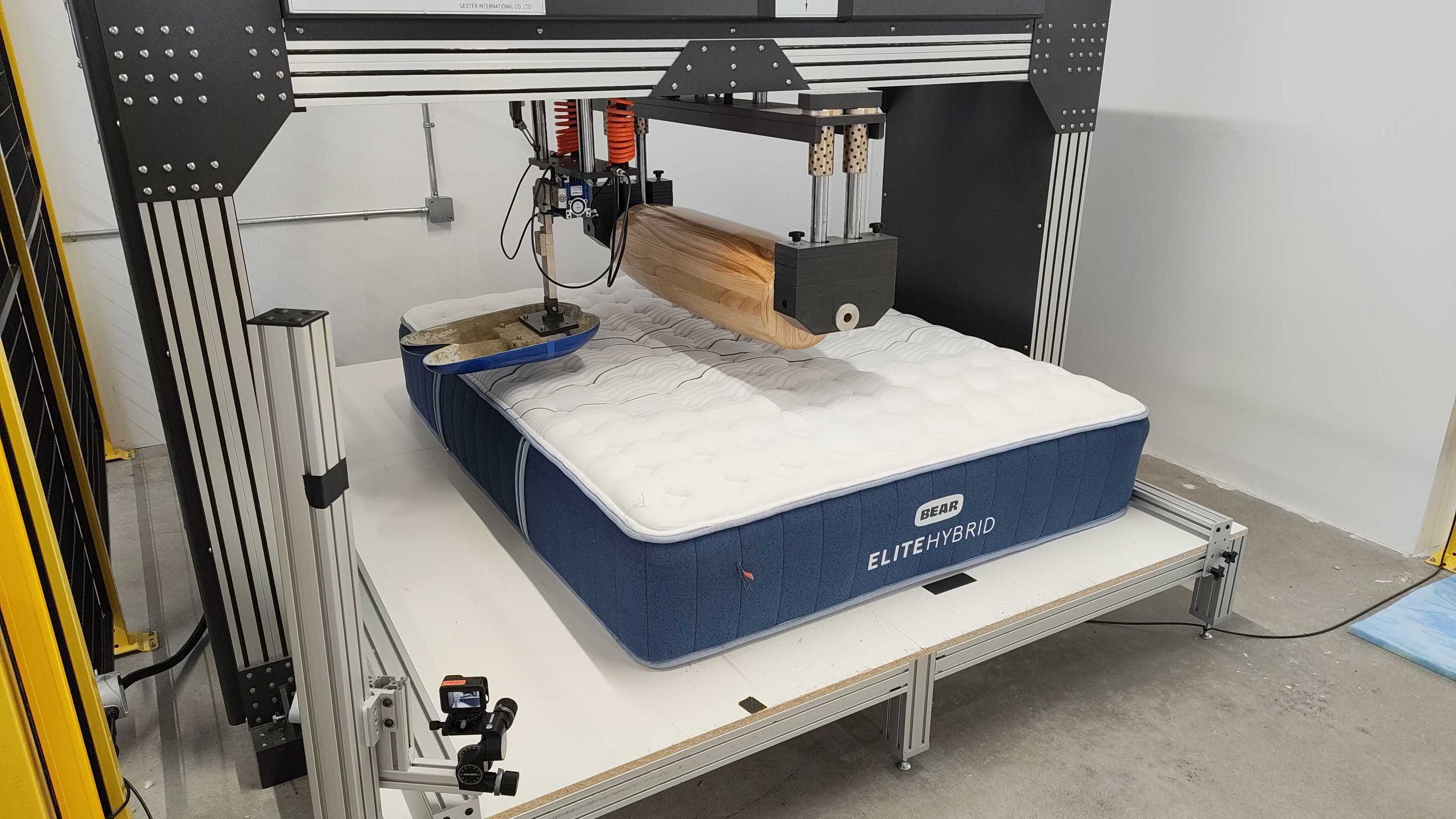
Longevity
The Bear Elite Hybrid is not a durable mattress. None of the foam layers is dense enough to meet the standard for good quality. You can expect the mattress to sag and form body impressions faster than mattresses made with higher-quality foam.
Superb edge support extends the comfortable sleeping surface.
Ideal for light to average-sized back and stomach sleepers and heavier side sleepers.
Uses only poor-quality foam which degrades faster.
Not ideal for heavier back and stomach sleepers or lighter and average-sized side sleepers.
None of the foam layers is dense enough to be considered good quality. The upper layer of foam in the quilted top is the weak point where durability is concerned, but at 22.9 kg/m3, the lower layer of foam in the quilted top isn't very durable either. The memory foam upper comfort layer and the polyfoam transition layer are both made of low-quality foam, too. As a result, this mattress will begin to sag and form indents prematurely.
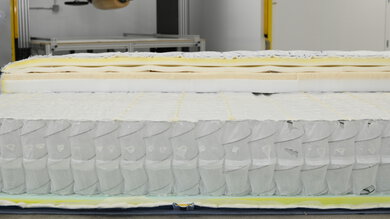
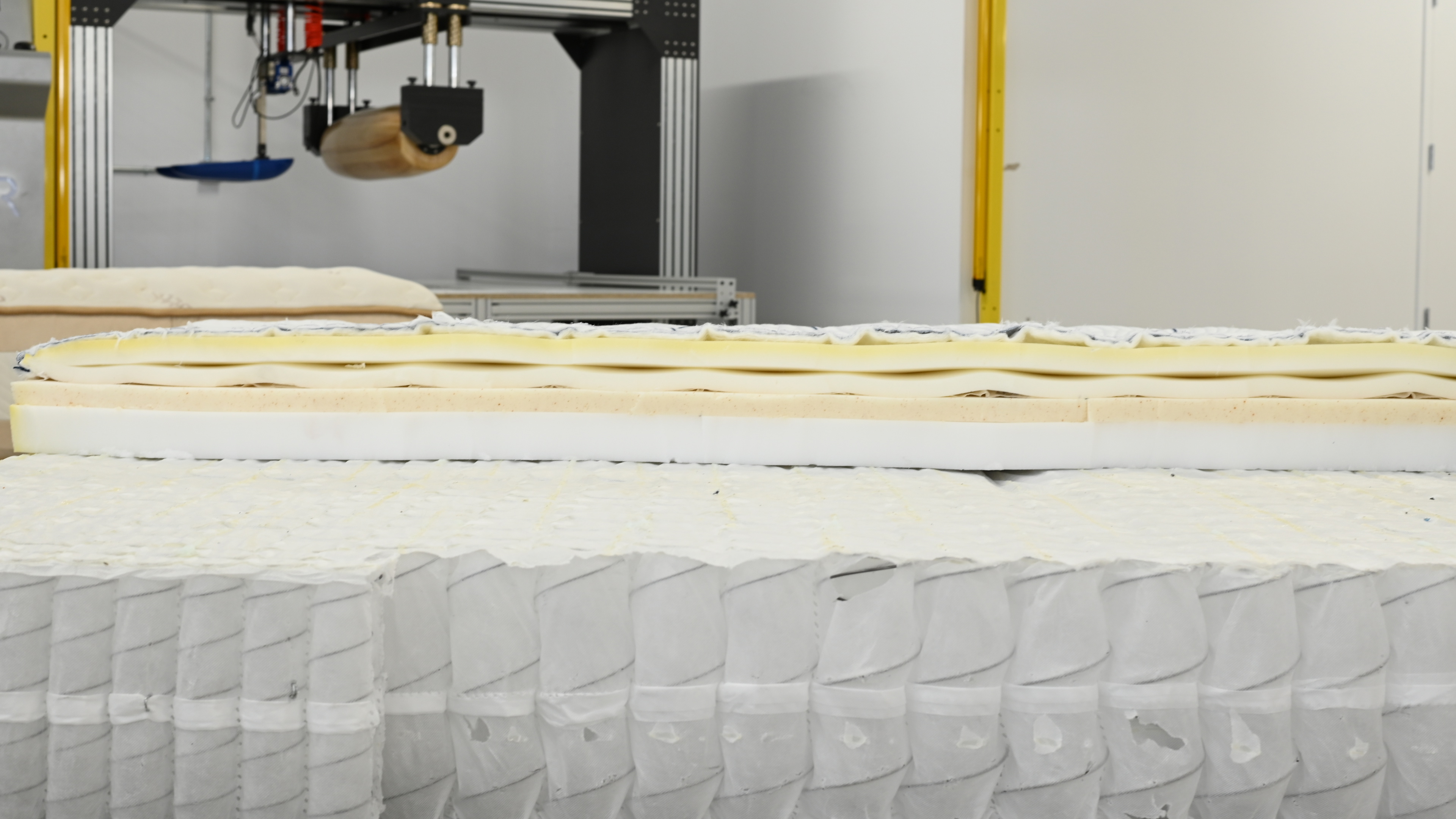
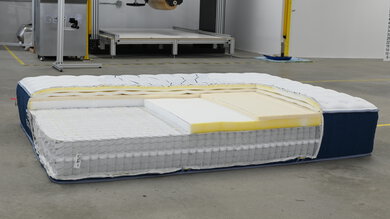
This mattress has four foam layers above its pocket spring support system. The quilted top contains two layers of polyfoam, providing a springy upper surface that's easy to move around on. The upper comfort layer is made of copper-infused memory foam, the same type as in the Helix Midnight Luxe 2024; it relieves pressure and increases contouring. This setup, with polyfoam layers above the layer of memory foam, helps ensure a responsive surface that adapts to your movements. There's also a transition layer made of polyfoam, which prevents you from sinking too far into the mattress or feeling the individual pocket springs below.
Pressure Relief
Superb edge support extends the comfortable sleeping surface.
Ideal for light to average-sized back and stomach sleepers and heavier side sleepers.
Not ideal for heavier back and stomach sleepers or lighter and average-sized side sleepers.
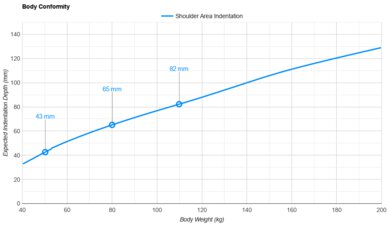
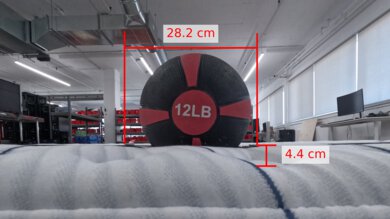
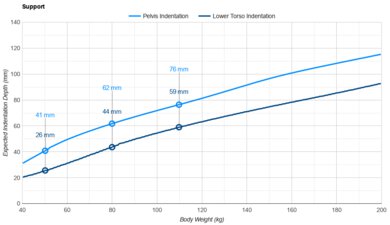
It offers moderate contouring, so the surface of the mattress stays pretty close to your body, creating a light hugging sensation. You don't sink very far into this mattress. Most people will sink into the quilted top, but how much you compress the layers below depends on your size. Heavier people will engage more with the memory foam layer below, increasing the contouring a bit.
Support
Superb edge support extends the comfortable sleeping surface.
Ideal for light to average-sized back and stomach sleepers and heavier side sleepers.
Not ideal for heavier back and stomach sleepers or lighter and average-sized side sleepers.
Cooling
The Bear Elite Hybrid is very good at cooling. It keeps you cool throughout the night, so you don't wake up overheated. It transfers heat more slowly at the beginning of the night, though, so if you have a hard time falling asleep because of the heat or you sleep hot in general, you might need something with more efficient cooling.
Very good cooling keeps you comfortable throughout the night.
Superb edge support extends the comfortable sleeping surface.
Ideal for light to average-sized back and stomach sleepers and heavier side sleepers.
Not ideal for heavier back and stomach sleepers or lighter and average-sized side sleepers.
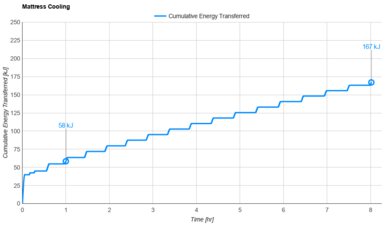
This mattress transfers a lot of heat throughout the night, keeping you cool, especially if you tend to wake up overheated. It's not as efficient at the beginning of the night, but it should suffice unless you're a hot sleeper who has trouble falling asleep in a warm environment. If you prefer more efficient cooling during the first hour of the night, try the Casper Snow Max.
Motion Dissipation
The Bear Elite Hybrid provides very good motion dissipation. While you still feel larger movements, like when your sleeping partner rolls over or a pet hops on the bed, you mainly feel it near the source and much less so throughout the mattress. Motion also dissipates quickly, so it's less likely to wake you.
Superb edge support extends the comfortable sleeping surface.
Very good motion isolation means you feel less of your sleeping partner's movements.
Ideal for light to average-sized back and stomach sleepers and heavier side sleepers.
Not ideal for heavier back and stomach sleepers or lighter and average-sized side sleepers.
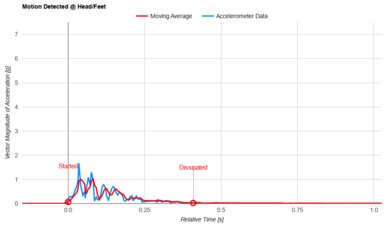
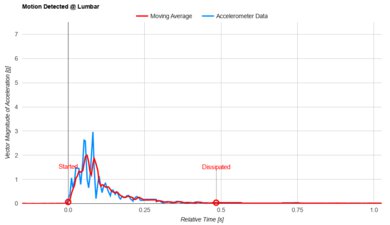
This mattress isolates motion very well. You still feel larger movements, but they dissipate as they travel throughout the mattress and don't last long. So, when your sleeping partner rolls over, you feel it for just a moment, mostly in the lumbar and much less at the head and foot of the bed. Overall, the movement isn't likely to disturb you.
Responsiveness
The Bear Elite Hybrid is exceptionally responsive. When you compress it, it recovers nearly instantly, supporting you as you shift sleeping positions or just move around on the mattress, so you don't feel 'stuck in place.'
Fantastic responsiveness makes it easy to shift sleeping positions.
Superb edge support extends the comfortable sleeping surface.
Ideal for light to average-sized back and stomach sleepers and heavier side sleepers.
Not ideal for heavier back and stomach sleepers or lighter and average-sized side sleepers.
The Bear Elite Hybrid is exceptionally responsive. It bounces back virtually instantly when compressed, adapting quickly enough to support your movements and making it easy to shift sleeping positions.
The springs aren't very bouncy compared to other innerspring and hybrid models. Still, they offer enough 'push back' to produce a moderately bouncy mattress when combined with the foam layers.
The Bear Elite Hybrid Mattress is moderately bouncy. It's not as bouncy as most innerspring or latex mattresses, but it also doesn't have the 'lifeless' feeling of some foam mattresses, which makes it easier to move around on.
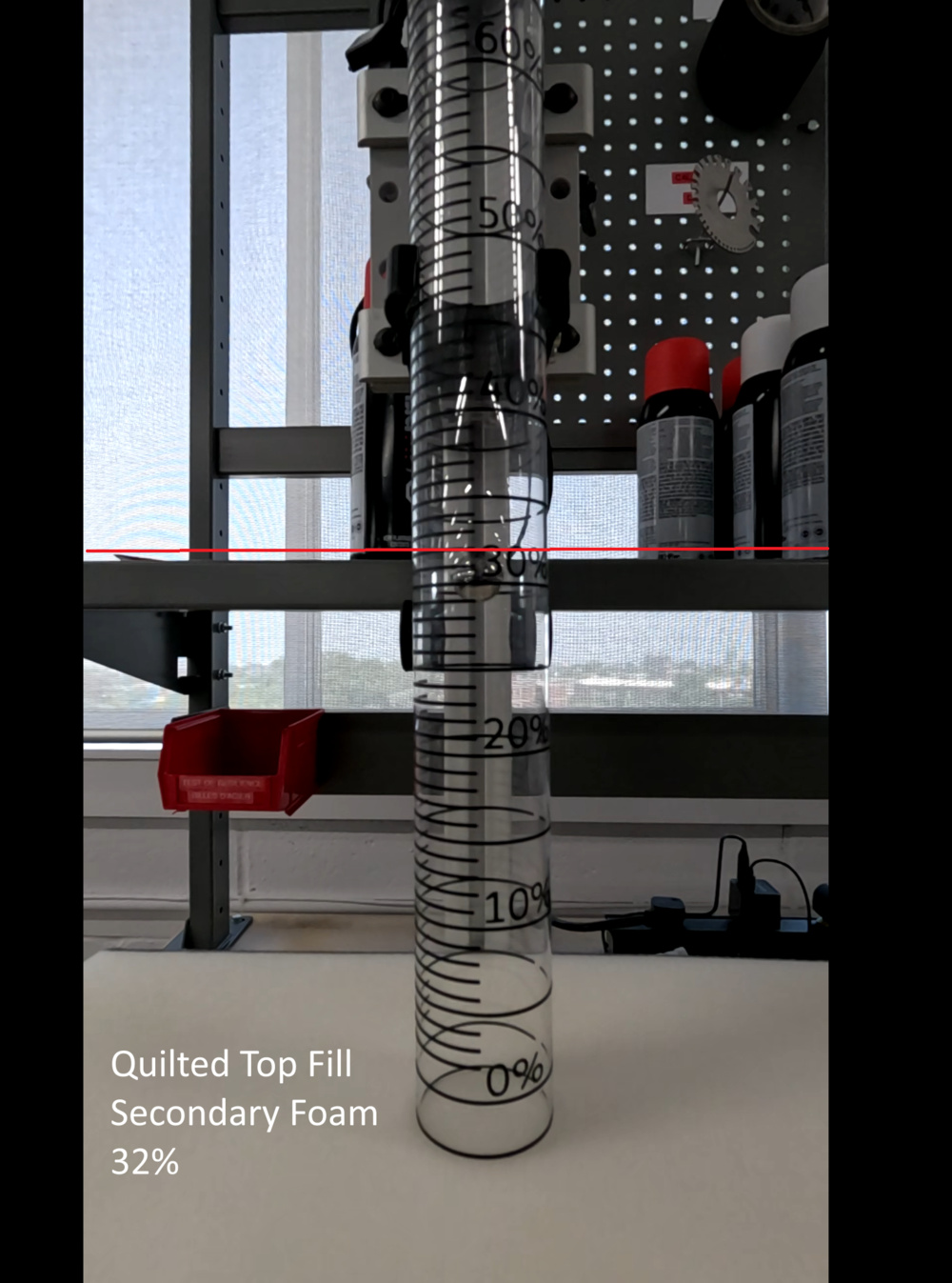
The first layer of foam in the quilted top is the most resilient in the mattress, while the second layer has a lower resilience of 32%. These springy top layers make it easy to move around and shift sleeping positions. The transition layer of polyfoam above the pocket springs is fairly resilient as well, ensuring you don't sink too far into the mattress. The upper comfort memory foam layer, on the other hand, offers very little resilience. This is expected of memory foam and makes the mattress less bouncy overall.
The Bear Elite Hybrid Mattress is advertised as 14 inches (35.5 cm), and ours measured just shy of this, so you likely need deep-pocket fitted sheets.
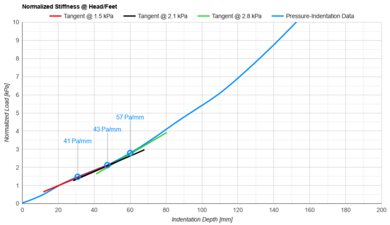
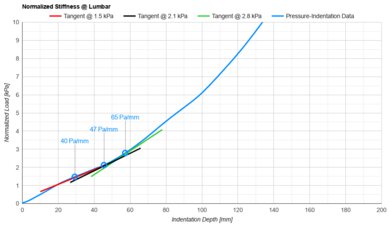
The Bear Elite Hybrid Mattress is medium-firm, making it a good choice for lighter and average-sized back and stomach sleepers as well as heavier side sleepers. Heavier back and stomach sleepers might want a firmer option like the WinkBeds The WinkBed so they don't sink too far in, while lighter and average-sized side sleepers may want something softer so their hips and shoulders can sink further down, keeping the spine aligned.
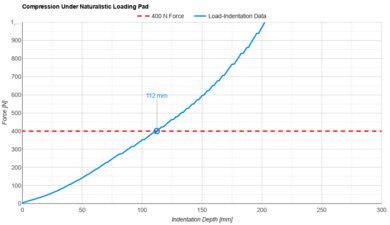
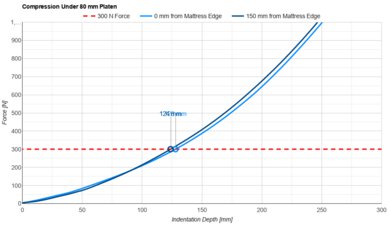
The Bear Elite Hybrid has fantastic edge support. Thanks to the tightly coiled pocket springs on the left and right sides, you can comfortably sit or sleep near them. This extends the comfortable sleeping surface and makes it easier to get in and out of bed, especially for those with mobility issues.
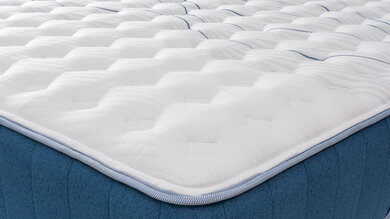
While the manufacturer doesn't specify what the cover is made of, they do say that it contains HydroCool technology, which is meant to wick moisture away from you as you sleep. They also offer an upgrade to a Celliant Infused Cover. The upgraded version is marketed towards athletes and meant to improve performance recovery times.
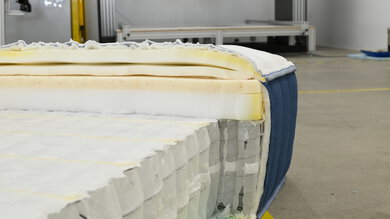
The left and right sides of the mattress are reinforced with 15-gauge pocket coils. While this is a higher gauge than in the rest of the mattress, the springs are more tightly wound and, therefore, more difficult to compress, leading to the mattress's exceptional edge support.
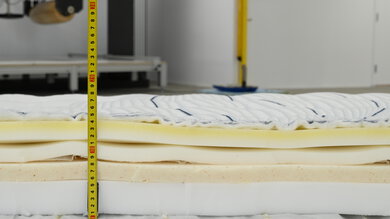
Above the pocket spring layer, there is 4.6 inches (11.8cm) of foam. The quilted top has two layers of foam: the first is 1 inch (2.5 cm), and the second is 0.7 inches (1.8 cm) thick. These layers provide a cushioned, responsive surface that makes the mattress easy to move around on. Below the quilted top, there's a 1-inch (2.5 cm) comfort layer of memory foam, which alleviates pressure points and increases the overall contouring. There's also a 2-inch (5 cm) polyfoam transition layer, so you don't sink too deeply or feel the individual springs beneath you.
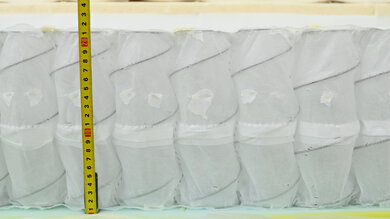
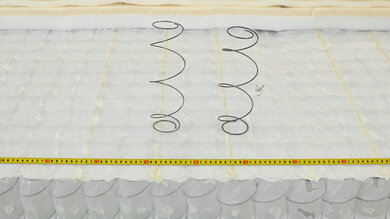
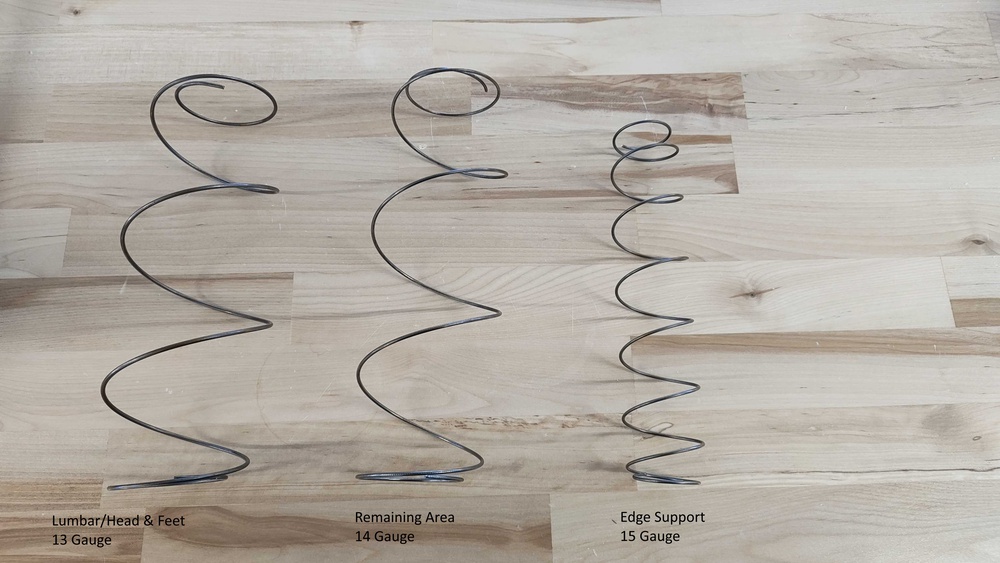
The support layer is made of pocket springs, which are individually encased to provide better motion isolation and contouring. The springs are zoned, with three different types used. There are firm, 13-gauge springs at the lumbar and head/foot of the bed, while the remaining surface uses thinner 14-gauge springs that are a bit easier to compress. The left and right sides are also reinforced with even thinner 15-gauge springs, but they're more tightly wound, offering more resistance to support you when you sit or sleep at the edge of the bed.
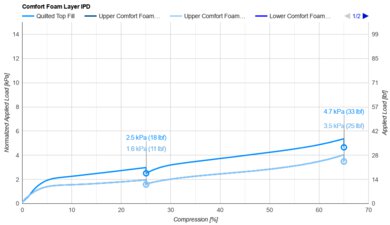
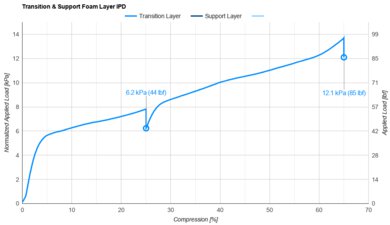
There are two layers of foam in the quilted top: the first layer is soft, while the second layer is medium-firm. Together, they create a good balance of softness and support. Below the quilted top, there's a layer of memory foam. It's very soft, which is expected of memory foam, and helps relieve pressure and contour your body. The transition layer is much firmer, offering even support for the parts of your body that don't sink quite far enough to engage the spring layer.
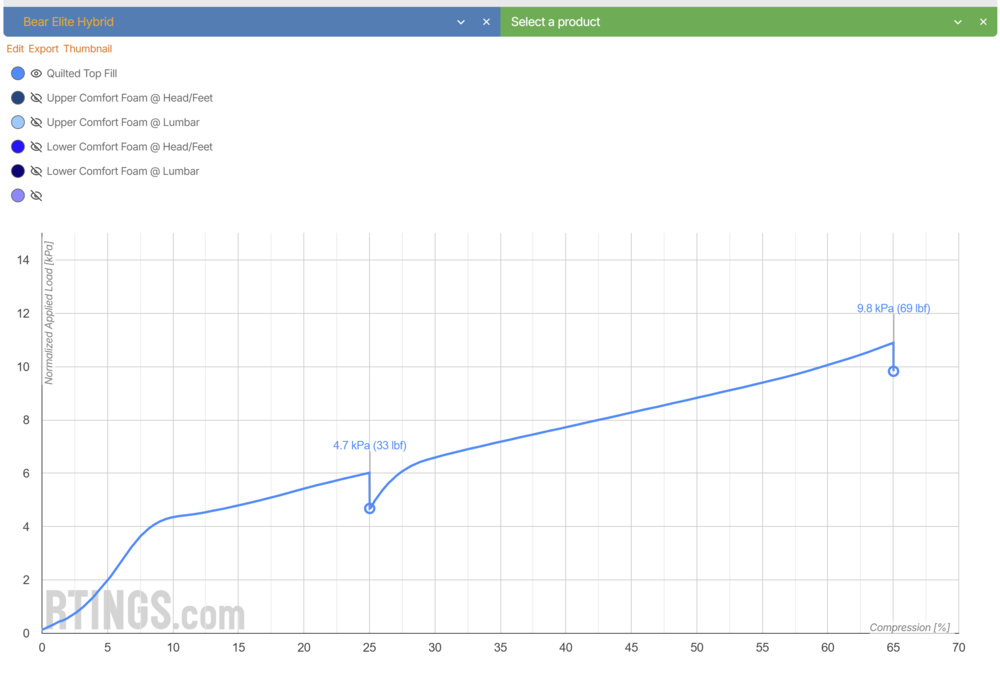
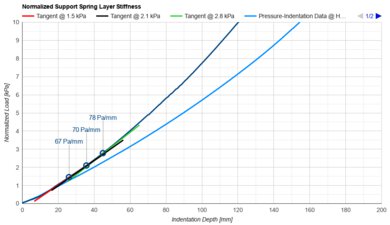
Pocket springs make up the firmest layer of the mattress. They support the heaviest parts of your body, like the lumbar, hips, and shoulders, depending on how you sleep. While the lumbar area and head/foot of the bed contain the same firm, 13-gauge springs at the same density, there's increased stiffness at the lumbar. This is because our testing captures a couple of rows of the 14-gauge springs that make up the remainder of the area. You'll engage more or less with these firmer springs, depending on your size. Combined with the foam layers, the pocket springs produce a medium-firm mattress.
Popular Mattress Comparisons
The Bear Elite Hybrid is a mid-range bed-in-a-box mattress that offers excellent performance, though with some caveats. It stands out for its exceptional responsiveness, which matches the performance of models like the Saatva Latex Hybrid, despite not including any latex, which is typically more responsive. This mattress has very good motion isolation as well, though some models that perform worse overall, like the Nectar Classic Hybrid, isolate movement even better. Similarly, it offers very good cooling, but unlike the Casper Snow, it may not be cooling enough for those who have a hard time falling asleep in a warm environment. Although it performs well compared to other hybrids, its low-density, poor-quality foam wears out faster than higher-quality foam, like in the Boring Mattress, which resists indentations and lasts longer. Overall, it's still a good option, especially if you prefer a very responsive mattress, but you shouldn't expect it to last as long as options with higher-quality foam.
If you're wondering what else we recommend, see our picks for the best mattresses and the best mattresses for side sleepers.
The Bear Elite Hybrid or the Helix Midnight Luxe 2025 are good for different needs. The Bear's better support performance makes it a better option for average-weight and heavier back and stomach sleepers. The Helix's better pressure relief makes it a more comfortable option for side sleeping, especially for average-weight and lighter people. It's a better choice for hot sleepers, and unlike the Bear, it mostly contains good-quality foam.
The Bear Elite Hybrid performs better than the WinkBeds The WinkBed. The Bear offers significantly better edge support, making it a better option for individuals with mobility issues who want a solid edge to push off from when getting in and out of bed. It's more responsive, which makes it easier to move around in your sleep, and it performs marginally better in terms of cooling and motion dissipation.
For most people, the Bear Elite Hybrid is a better mattress than the Nectar Classic Hybrid. The Bear provides more responsiveness and better edge support, so it's easier to move around, and you can comfortably sleep right near the sides. However, the Nectar is better at isolating motion, so if you're a light sleeper or sleep with a partner, it may be a better fit.
For most people, the Bear Elite Hybrid is a better option than the Helix Midnight Luxe 2024. It's a more responsive option with better edge support, so it's easier and more comfortable to move around, sleep near the edges, and get in and out of bed. The Bear is slightly more cooling as well, though the difference is very small. That said, the Helix is better at isolating motion, so if you sleep with a partner who tosses and turns, you may still prefer it.
The Bear Elite Ultra Hybrid and Bear Elite Hybrid may sound like variants of the same mattress, but they're actually suited to different sleepers. The Ultra Hybrid is more plus (although we tested both in the Medium firmness), making it better for side sleepers. The Hybrid is firmer, so it's more suited to stomach sleepers. The Ultra is more durable, with higher-quality foam throughout, and provides better pressure relief. On the other hand, the Hybrid has a bouncier, more responsive feel, which some people may prefer.
The Bear Elite Hybrid is a better option than the Saatva Classic (Luxury Firm). While both mattresses are fantastically responsive, the Bear outperforms the Saatva in every other area. It keeps you cooler both as you fall asleep and throughout the night and does a better job of isolating motion, so you're less likely to wake up when your sleeping partner tosses and turns. The Bear also has better edge support, so it's more comfortable to sleep near the sides.
The Bear Elite Hybrid is a better mattress than the DreamCloud Hybrid (Canadian Version) for most people. The Bear stands out for its fantastic responsiveness and edge support, and while the DreamCloud is just a bit less responsive, it struggles with edge support. This performance makes the Bear easier to move around on and means you can comfortably sleep right next to the edge, unlike on the DreamCloud, which leaves you feeling like you could slip off. The Bear is also slightly more cooling, though neither is ideal for hot sleepers. The one area in which the DreamCloud comes out ahead is motion isolation, so if you're a light sleeper or sleep with a partner who tosses and turns, it may still be a contender.
The Bear Elite Hybrid is a better choice for most people than the Helix Midnight 2024. The Bear is a medium-firm option that stands out for its edge support and responsiveness. These strengths make it very easy to move around on and mean you can comfortably sleep right next to the sides. The Bear also has better motion isolation than the Helix, so movement is less likely to disturb you. The Helix has a medium level of firmness. It's slightly more cooling than the Bear, but only by a hair, and neither option is quite cooling enough for hot sleepers. Unless you need a softer option, the Bear is the better choice.
The medium-firm Bear Elite Hybrid is a better choice than the medium-plush DreamCloud Premier Rest Hybrid for most people. The Bear has exceptional responsiveness and edge support, outperforming the DreamCloud by a wide margin. This makes it easier to move around and get in or out of bed. The DreamCloud has better motion isolation, however, so movement is less likely to wake you. It's also cooling enough for hot sleepers, unlike the Bear, so you may prefer it if you run hot.
The Bear Elite Hybrid is better than the Casper Snow for most people. The Bear is a lot more responsive, making it significantly easier to move around and change sleeping positions. It also offers much more edge support, so you can sleep near the sides without feeling like you might fall off, unlike with the Casper. On the other hand, the Casper is a bit better at isolating motion, so you feel less of your sleeping partner's movements. It's also cooler, and while the Bear still performs very well in this regard, if you sleep hot, you may prefer the Casper.
The Bear Elite Hybrid is better for most people than the Puffy Royal. Both mattresses have a medium-firm feel with good cooling and motion dissipation, but the Bear offers significantly edge support, so you can sit or sleep on the side of the bed more comfortably.
The Bear Elite Hybrid and Plank Firm Luxe have different strengths. The Bear is better for average-weight back and stomach sleepers, since it offers better support and pressure relief for people in that category. The Plank offers better support for heavier back/stomach sleepers, and you can flip it over and use its 'Extra Firm' side. The Plank also offers better motion isolation, so you may prefer it if you sleep with a partner.
Differences Between Sizes And Variants
The Bear Elite mattress comes in Twin, Twin XL, Full, Queen, King, California King, and Split King sizes. There are three firmness levels available: soft, medium, and firm. We tested the medium Queen-size option, and our results are only valid for that variant. See the first label and the second label for our unit.
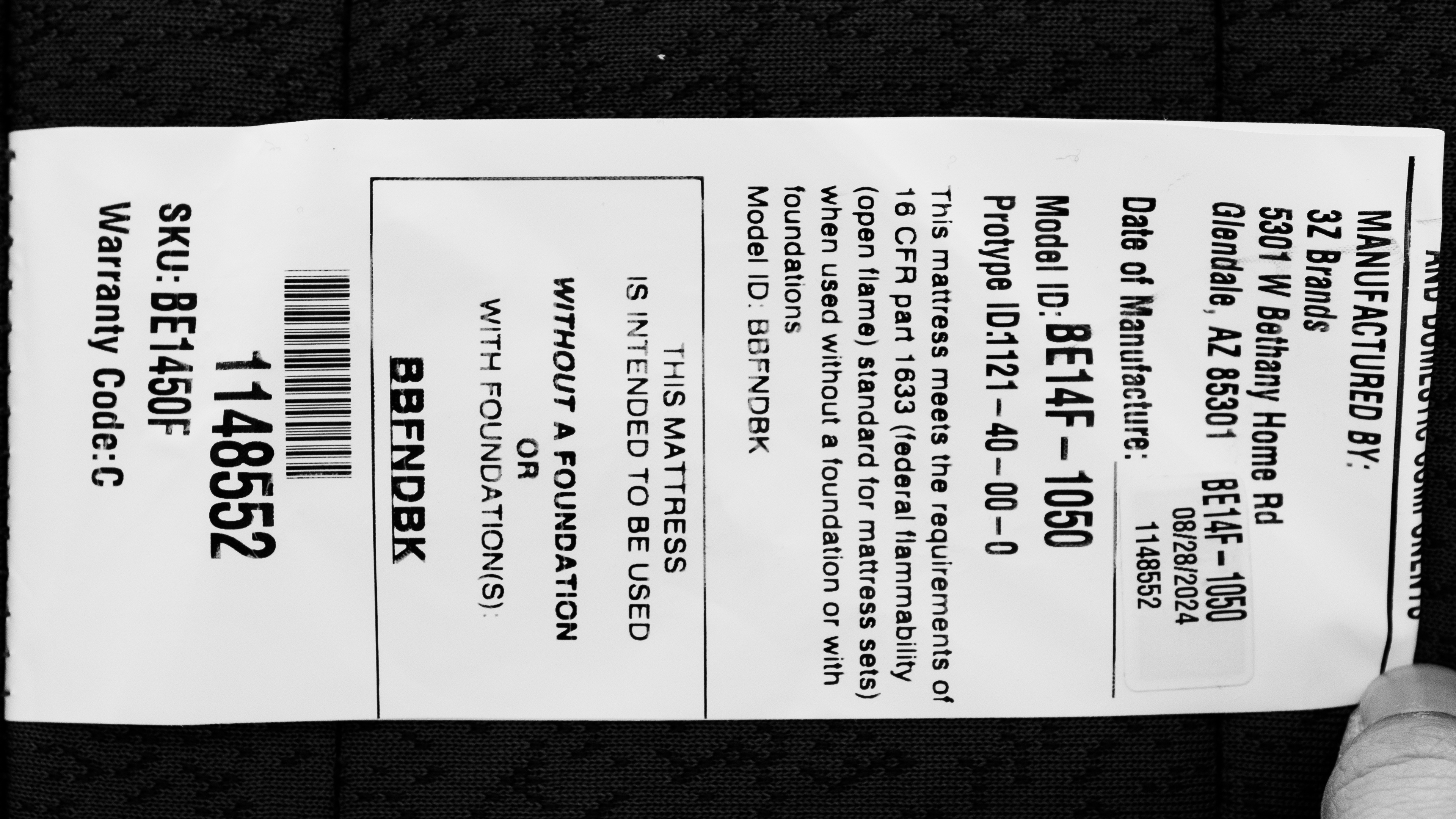
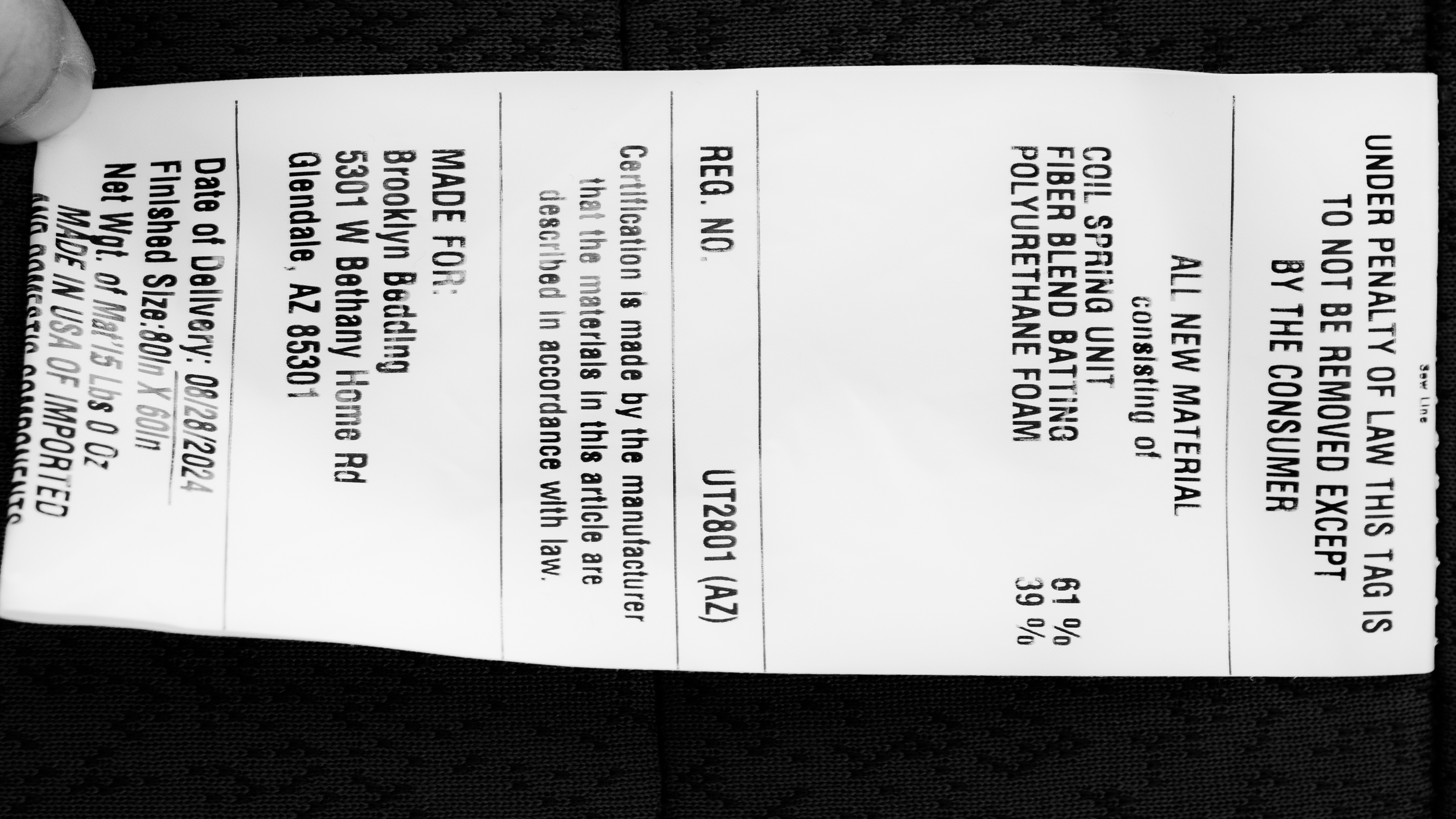
If you encounter another variant or experience a variant that performs differently, let us know in the comments.