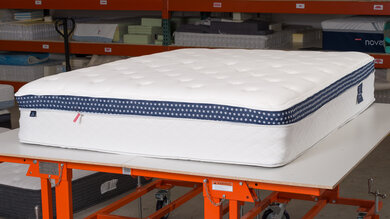
The WinkBeds The WinkBed is a mid-range hybrid mattress marketed as being made in the U.S. and available in several firmness levels. The 'Luxury Firm' variant includes pocket coils for support, a memory foam upper comfort layer, and a quilted sleeping surface.
Our Verdict
-
5.2Light Weight
-
6.7Average Weight
-
8.0Heavy Weight
The WinkBeds The WinkBed is an okay choice for heavier side sleepers. It has great body conformity for people in that weight category, so your shoulders will sink in enough to relieve pressure. However, you may ideally want a more supportive mattress for spinal alignment. It offers fairly good body conformity and support for average people, so while you might want a plusher mattress for proper pressure relief on your arm and shoulder, it's not a bad option. Lighter individuals may not find comfort in side sleeping on it, as its firmer feel will put considerable pressure on their shoulders.
Excellent body conformity for heavier people.
Adequate body conformity for average people.
Highly contouring upper comfort layer helps with pressure relief.
Poor body conformity for lighter people.
-
7.1Light Weight
-
6.6Average Weight
-
5.7Heavy Weight
The WinkBeds The WinkBed is an okay choice for back sleepers in the average weight category. It's fairly supportive for average people, which helps your spine stay aligned, and offers okay pressure relief, which helps avoid uncomfortable pressure around your hips. It's not bad for lighter back sleepers, as it offers slightly better support; however, you might want a slightly plusher mattress for improved pressure relief. If you're in the heavier weight category, it won't offer enough support for proper spinal alignment.
Decent support for lighter people.
Fairly supportive for average people.
Highly contouring upper comfort layer helps with pressure relief.
Sub-par support for heavier people.
-
7.2Light Weight
-
6.6Average Weight
-
5.5Heavy Weight
The WinkBeds The WinkBed is a mediocre option for stomach sleeping. It's best suited for lighter stomach sleepers, as it offers decent support for individuals in that weight category, which helps keep your hips aligned with the rest of your body. It's fairly supportive for average people, but you still may want a more supportive mattress for stomach sleeping. It's not a good option for heavier people, as it offers subpar support and won't keep your body aligned.
Decent support for lighter people.
Fairly supportive for average people.
Sub-par support for heavier people.
Changelog
-
Updated Mar 27, 2026:
We added a link to the Novosbed in the Support box for users in the heavier-weight category who want more robust support.
- Updated Mar 09, 2026: We converted this review to Test Bench 1.2. We've added sub-usages to the sleeping position usages in the Our Verdict section to clearly show the suitability of a mattress for your weight and sleeping position.
-
Updated Feb 10, 2026:
Compared it to the WinkBeds Plus in the Firmness box.
-
Updated Dec 12, 2025:
We rewrote portions of the review to align with Test Bench 1.1, including adding text to the new test boxes and for the newly added verdicts. We also modified some of the side-by-side comparisons.
- Updated Dec 12, 2025: We converted this review to Test Bench 1.1. We've added new tests, including Body Conformity, Support, and Comfort Layers Envelopment, and also added scoring to the Bounciness test. Our usage scores have also changed, with new usages 'Side Sleeping,' 'Back Sleeping,' and 'Stomach Sleeping' replacing the 'Sleeping' verdict. We've also added 'Pressure Relief' and 'Support' performance usages. You can find more details in the full changelog.
-
Updated Oct 06, 2025:
We rewrote portions of this review to align with Test Bench 1.0.1, which adds a Longevity verdict and a score to the Foam Layer Mass Density box for users interested in the mattress's durability.
- Updated Oct 06, 2025: Converted this review to Test Bench 1.0.1. We've added scoring to the Foam Layer Mass Density section and a new 'Longevity' performance usage. Read more about it in our Changelog.
-
Updated Sep 10, 2025:
Added a link to our new recommendations for the best firm mattresses in Popular Mattress Comparisons.
- Updated Aug 29, 2025: Review published.
- Updated Aug 22, 2025: Early access published.
- Updated Aug 14, 2025: Our testers have started testing this product.
- Updated Aug 11, 2025: The product has arrived in our lab, and our testers will start evaluating it soon.
- Updated Jul 31, 2025: We've purchased the product and are waiting for it to arrive in our lab.
Test Results
Longevity
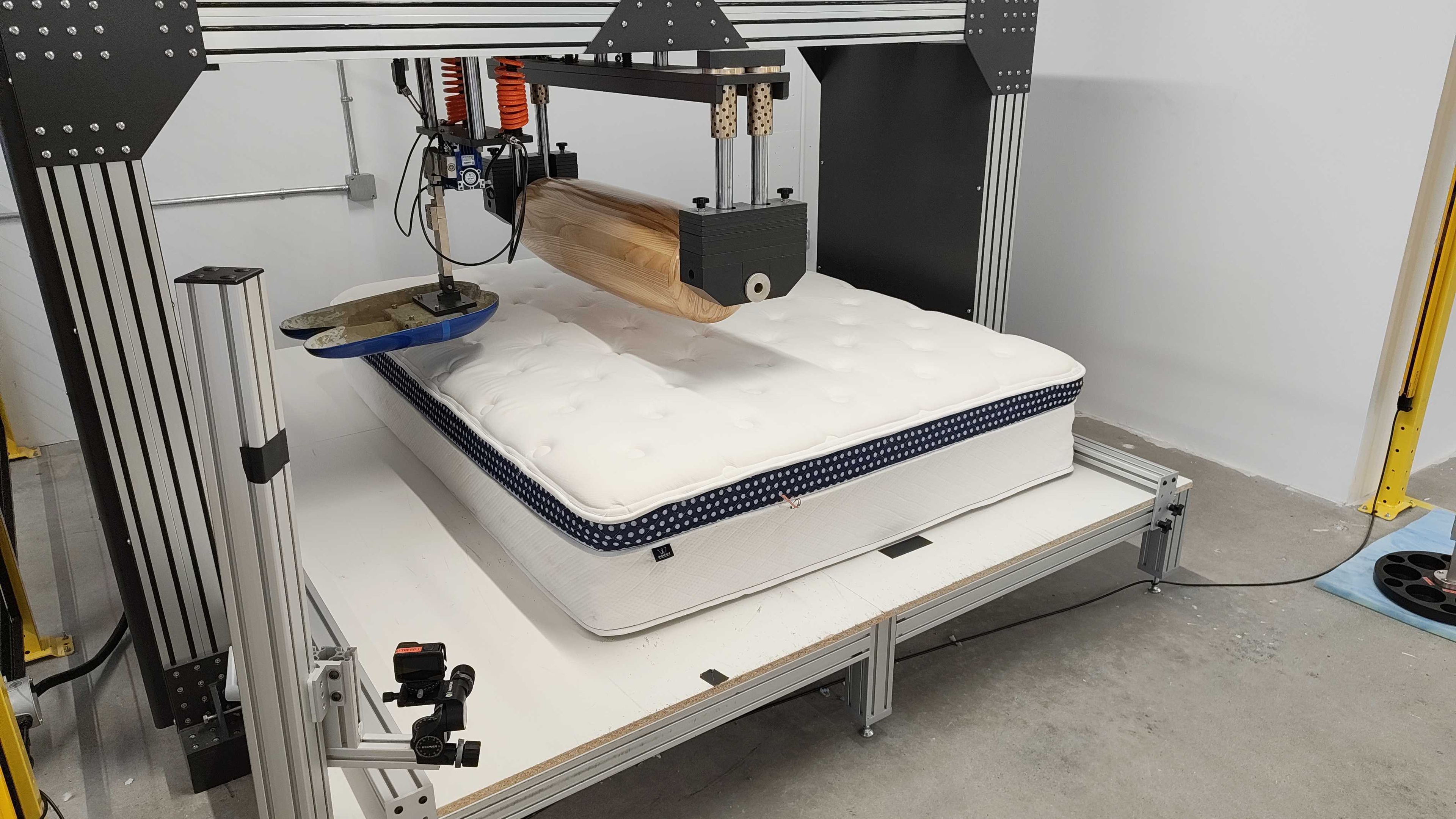
The WinkBed is moderately durable. The transition layer is made of good-quality polyfoam, which helps the mattress resist sagging for longer than lower-quality foams. However, the polyfoam in the quilted top and the memory foam used for the upper comfort layer are not dense enough to be considered good quality and may form indentations sooner than higher-quality materials.
Uses mostly low-density foams, which impacts durability.
Most of the foam in the mattress isn't dense enough to be considered good quality, including the polyfoam in the quilted top and the memory foam upper comfort layer. These layers are likely to start forming permanent indentations sooner than higher-quality foams. That said, the polyfoam transition layer is made of good-quality foam, which suggests it'll be more resistant to sagging than less dense foams.
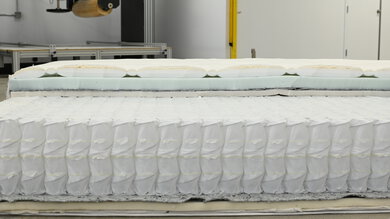
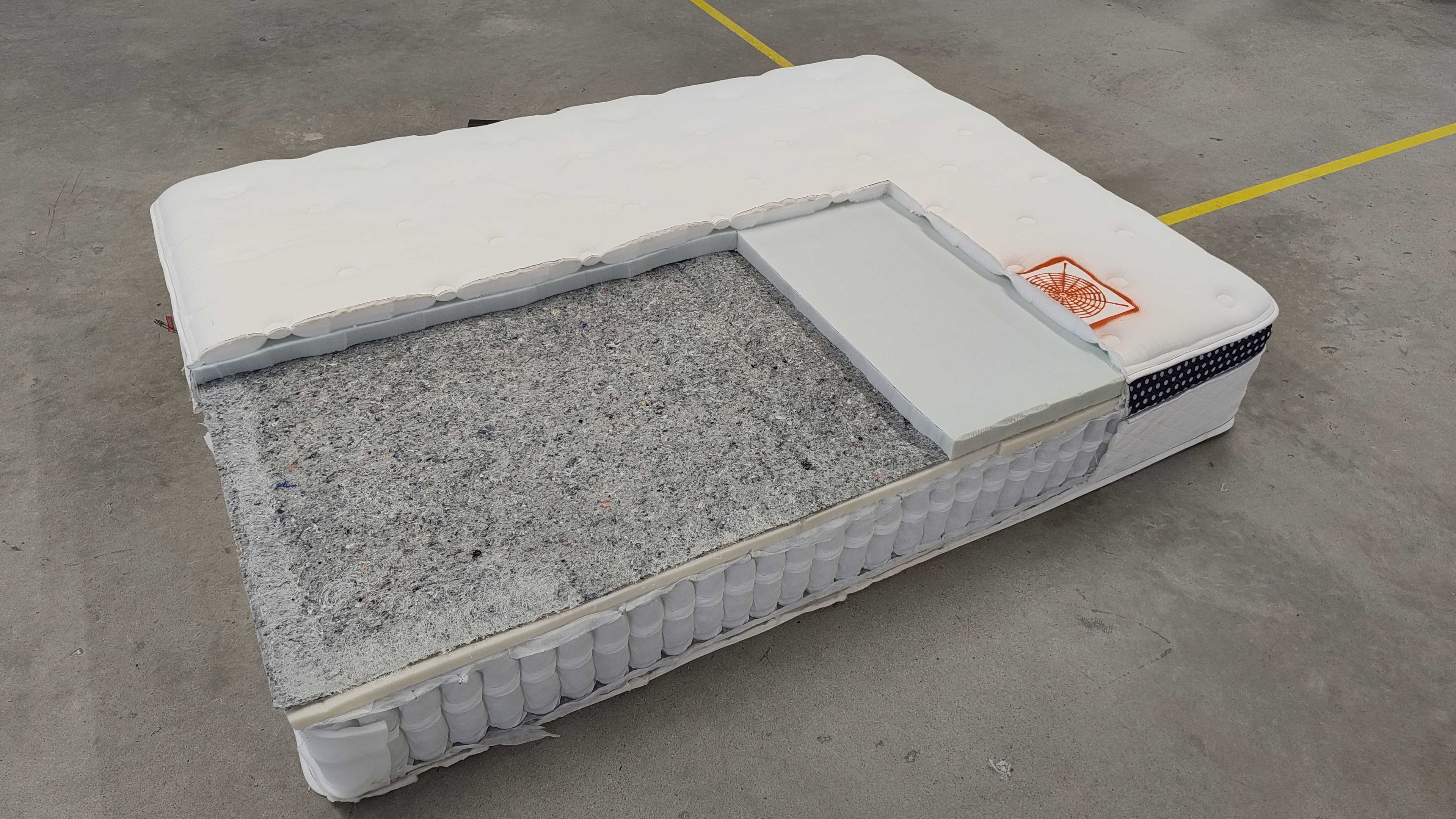
The quilted top contains polyfoam and fiber fill and has a soft feel. The memory foam layer below adds contouring, but it's quite firm for memory foam.
Below it, our unit has a layer of felt, followed by a very firm layer of polyfoam. There's an identical felt layer directly below the springs and above a final layer of firm polyfoam at the very bottom of the mattress. The manufacturer doesn't include the felt layers in the mattress's marketing, so it's unclear if every unit includes these layers. The felt layer below the memory foam upper comfort layer is likely an inexpensive way to distribute your weight over the polyfoam below, helping to protect this layer from being compressed and increasing its longevity. The lower layer of felt may help the springs from sinking into the layer of polyfoam at the base of the mattress.
Pressure Relief
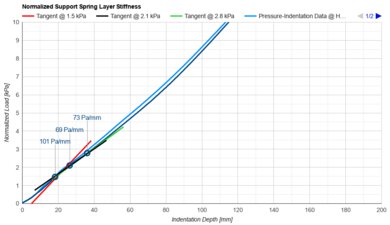
The WinkBeds The WinkBed is a firm mattress that only offers good pressure relief for people in the heavier weight category, who will compress it enough for comfortable side sleeping. It's much less conforming for average people, although it still has okay body conformity for side sleeping. However, it has poor body conformity for lighter people, so side sleeping will put uncomfortable pressure on your arm. Regardless of weight, you won't sink very deeply into its upper comfort layers, but its highly contouring feel helps relieve pressure around lighter areas of your body, such as your knees.
Excellent body conformity for heavier people.
Adequate body conformity for average people.
Highly contouring upper comfort layer helps with pressure relief.
Poor body conformity for lighter people.
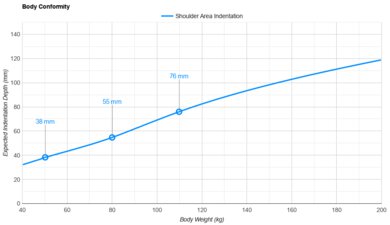
This Firm mattress offers great body conformity for people in the heavier weight category, so if you're a side sleeper, you'll compress the mattress enough for pressure relief. It has a decent performance for average people as well, although you might want a plusher mattress for ideal pressure relief. It's really not a good option for lighter side sleepers, who won't sink in enough for comfortable side sleep.
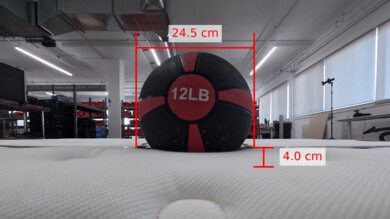
You'll sink a little into the quilted layer, but not as much into the firmer memory foam upper comfort layer, so you don't feel enveloped by the mattress. However, it contours closely around you, so most of your body is in contact with the mattress, which creates a slightly hugging feeling that helps with pressure relief.
Support
The WinkBeds The WinkBed isn't very supportive for most people. It offers decent support for lighter individuals, so if you're a back or stomach sleeper, it keeps your hips quite aligned with the rest of your body. However, it's much less supportive for people in the average weight category and offers subpar support for those who are heavier. Heavier parts of your body, like your hips, will sink in more than the rest of your body, which isn't ideal for back and stomach sleeping.
Decent support for lighter people.
Fairly supportive for average people.
Sub-par support for heavier people.
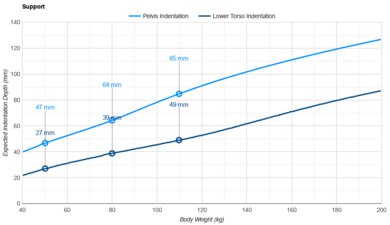
This mattress isn't very supportive overall. It provides decent support for lighter individuals, allowing you to sleep on your back and stomach, and keeping your hips aligned with the rest of your body. It's fairly supportive for average-weight people, but you may want a mattress with more support for stomach sleeping. Unfortunately, it offers disappointing support for people in the heavier weight category. You might prefer the Saatva Latex Hybrid or the Novosbed if you're a heavier person looking for more support.
Cooling
The WinkBeds The WinkBed is good for cooling. It doesn't feel warm when you first get into bed, and it dissipates enough heat overnight to keep most people comfortable. However, it's not quite cooling enough for hot sleepers.
Cooling enough for most people.
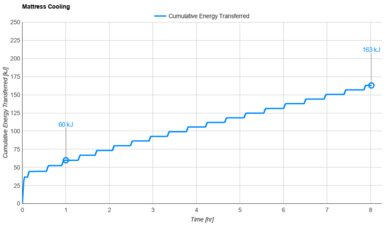
It has good cooling. It doesn't feel warm when you first get into bed, and it does a good job of dissipating heat overnight. It's cooling enough to keep most people comfortable overall. However, it's not quite cooling enough for hot sleepers, who may need something that dissipates heat more efficiently.
Motion Dissipation
The WinkBeds The WinkBed has good motion dissipation. You'll feel movement near its source, like in the lumbar area when your partner rolls over. However, you'll feel it less across the mattress, and motion dissipates quickly, so you won't feel like you're bouncing around whenever someone moves.
Good motion isolation, so movement isn't as likely to wake you up.
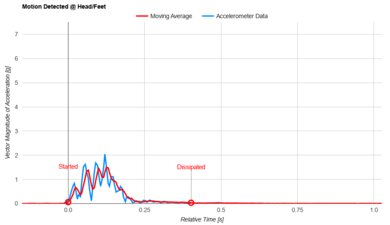
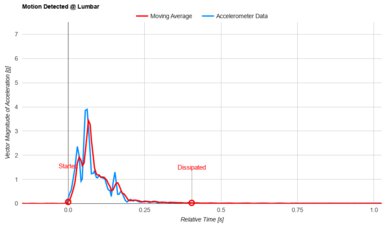
It has good motion isolation. You're likely to feel movement near the source, so you'll feel it in the lumbar area when your partner rolls over, but less motion is transferred across the mattress. It also dissipates quickly, so while you may feel movements, you won't feel the mattress wobble around whenever someone stirs.
Responsiveness
The WinkBeds The WinkBed has fantastic responsiveness. It recovers its shape very quickly after being compressed, so it adapts to your movements almost immediately. It also has a bouncy feel, so overall, it feels easy to change sleeping positions, and you won't feel stuck in place.
Responsive and bouncy, so you can easily change sleeping positions.
It has fantastic responsiveness. While some mattresses adapt slightly faster, this one recovers its shape very quickly after being compressed, making it easier to move around on.
The springs are moderately bouncy, contributing to the mattress's overall medium bounciness. They're not as bouncy as some mattresses' springs, such as the Beautyrest Silver BRS900, which has a bouncier feel overall.
It's a bouncy mattress, so it has a springy feel that makes it easier to change sleeping positions, without having very noticeable 'push-back' like the Saatva Latex Hybrid.
The foam in the quilted layer is resilient, or bouncy, which helps give the mattress its responsive, lively feel. The memory foam layer is much less bouncy, but it's still quite resilient for memory foam. The firm polyfoam layer below is in between, with a moderate level of bounce. These fairly resilient foam layers contribute to the mattress's overall bounciness and make it feel easy to change sleeping positions.
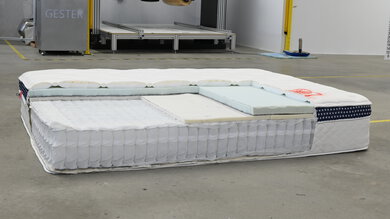
WinkBeds markets their 'Luxury Firm' mattress as being 13.5"/34.3 cm tall, and ours was a tiny bit smaller at 13.4"/34.1 cm. You may need to use deep-pocket fitted sheets.
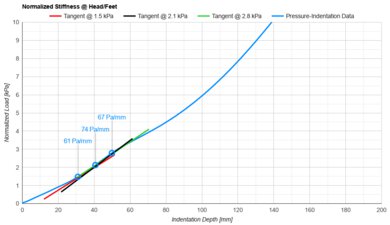
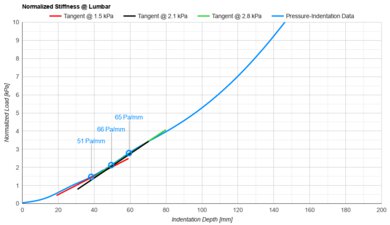
The WinkBed mattress has a 'Firm' feel. It's an okay option for both heavier and average side sleepers, although individuals in the average weight category may prefer something plusher for better pressure relief. It won't offer enough pressure relief for lighter side sleepers. Unfortunately, it's not as supportive as some firm mattresses, and won't work well for heavier back and stomach sleepers. It offers adequate support for average people, so it's not a bad choice for back sleeping, but it's only suitable for lighter stomach sleepers, as average and heavier people won't be properly supported. If you're in the average weight category, you'll get better support from the firmer WinkBeds Plus.
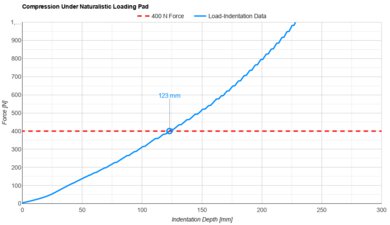
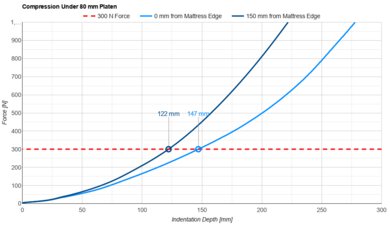
It has great edge support. The sides don't compress much when you sit on the edge, which makes it easier to get in and out of bed. They form a slight ramp outward when pressure is applied, but it's not overly steep, and you won't feel at risk of sliding off when sleeping on the edge either.
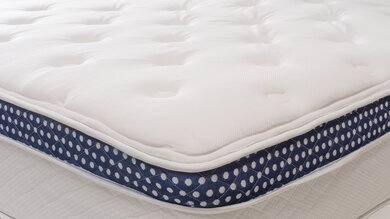
The WinkBed's cover is made of Rayon and TENCEL, a material made from wood pulp. It's not removable or machine-washable.

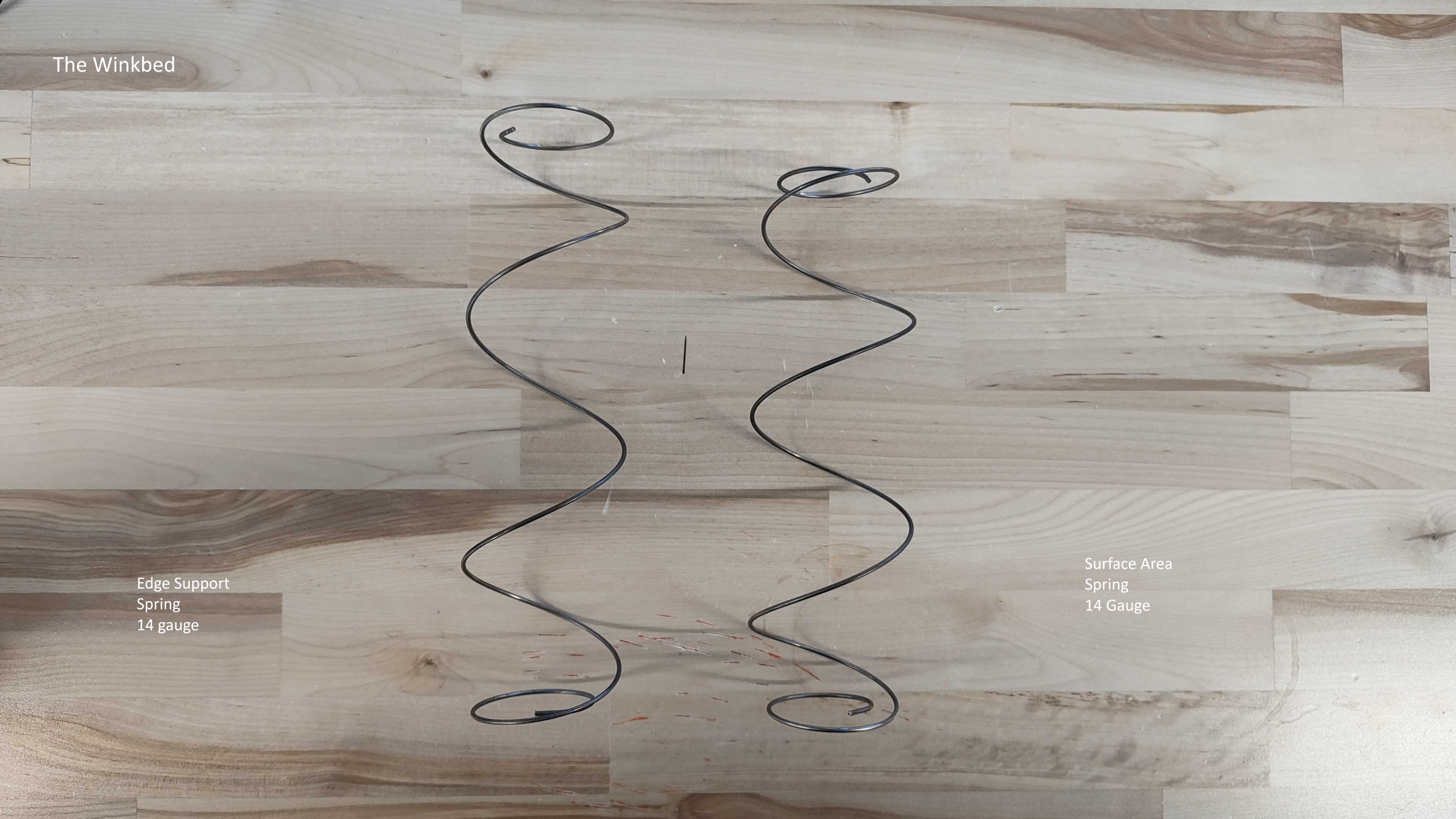
Firmer coils reinforce the mattress's edges, which contribute to its great edge support. The entire support layer consists of 14-gauge coils, including the edges, but the edge coils are taller and feel firmer.
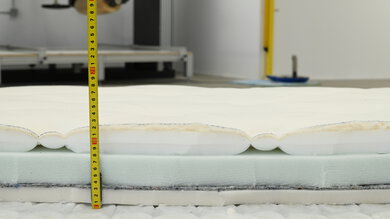
The WinkBed mattress's quilted top is soft but quite thin, at 1.8" (4.5 cm) thick, so it allows you to sink just a bit. Below it is 1.8" (4.6 cm) of memory foam, which adds contouring but is quite firm. Beneath the memory foam layer, our unit has a 0.2"/0.5 cm layer of felt, followed by 0.9"/2.2 cm of very firm polyfoam. These layers add firmness, so if you compress both upper layers, you'll feel a solid surface below.
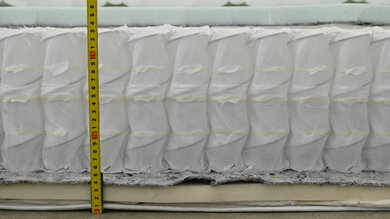
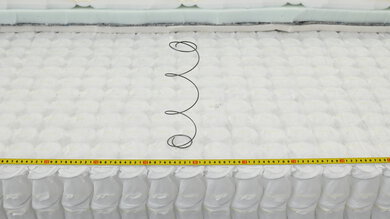
14-gauge pocket coils make up the support layer. This coil design is more contouring and helps with motion isolation versus continuous coils. The edge coils are also 14-gauge springs, but are taller and feel stiffer, which helps give the mattress its great edge support performance.
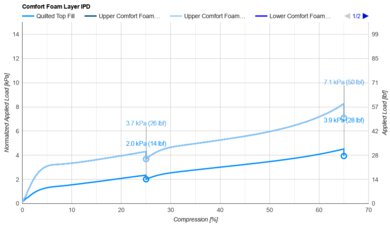
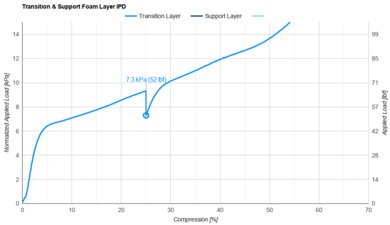
The quilted top is quite soft and gives the mattress its slight sinking. The memory foam layer below is much firmer, and it's quite firm for memory foam, so it adds contouring but feels like a firmer surface below the upper layer. The polyfoam layer below is very firm, so if you compress both upper layers, it'll help prevent further sinking and add support.
This mattress also includes a thin layer of felt between the memory foam upper comfort layer and polyfoam transition layer, and an identical layer below the springs. These felt layers aren't included in the manufacturer's description of the mattress, and aren't part of a recent design update, according to WinkBed, who say the last design change happened in 2018.
Popular Mattress Comparisons
The WinkBed is a firm hybrid mattress. Like similar models, such as the Saatva Latex Hybrid, you don't sink very deeply into it, but it has high contouring, so it molds closely around your body. It's very responsive, so unlike mattresses like the medium-firm Sealy Posturepedic Plus Mount Auburn and Nectar Classic Hybrid, it adapts quickly to your movements, avoiding any slow-moving memory foam feeling. While it has good motion dissipation and cooling, it doesn't really stand out from other mattresses. The Nectar Classic Hybrid is a better option for motion dissipation. If you're a hot sleeper looking for a cooling mattress, models like the Saatva Latex Hybrid and the Sleep On Latex Pure Green Organic may be worth considering instead.
For a look at other firm mattresses, check out our recommendations for the best firm mattresses. Find plusher options on our list of the best mattresses for side sleepers or see our picks for the best mattresses overall.
The Helix Midnight Luxe 2025 is better than the WinkBeds The WinkBed for most people. The Helix offers better support and pressure relief, making it better-suited for back, stomach, and side sleeping regardless of your weight. It offers better cooling for hot sleepers and better motion dissipation for couples. That said, the WinkBed is bouncier and more responsive, making it easier to shift positions while sleeping.
The Bear Elite Hybrid performs better than the WinkBeds The WinkBed. The Bear offers significantly better edge support, making it a better option for individuals with mobility issues who want a solid edge to push off from when getting in and out of bed. It's more responsive, which makes it easier to move around in your sleep, and it performs marginally better in terms of cooling and motion dissipation.
The Beautyrest Black is better than the WinkBeds The WinkBed for most people. The Beautyrest offers better pressure relief for side sleep and better support for back/stomach sleep, regardless of your weight category, so it's more comfortable for many people and a good option for couples and combination sleepers. It's also more durable, thanks to its more layers of good-quality foam that will resist sagging for longer. That said, the WinkBed has better cooling.
The Purple Mattress and WinkBeds The WinkBed have different strengths. The Purple is a more supportive option for lighter back/stomach sleepers. It offers much better cooling and a more durable design. The WinkBeds mattress offers better support for average-weight people, making it a better choice for back/stomach sleepers in that weight category.
The Helix Midnight Elite is better than the WinkBeds The WinkBed for most people. The Helix's better support and pressure relief make it a comfortable option for a wider range of sleepers, including side sleepers. It's also made with more durable foam. On the other hand, the WinkBeds is more cooling and less likely to make you feel overheated. You might also prefer its more responsive feel, which makes it feel easier to move around on.
The Saatva Latex Hybrid has a better performance than the WinkBeds The WinkBed. Both are firm mattresses, but the Saatva offers better support regardless of your weight, and is a better option for back/stomach sleeping overall. It's more cooling, making it suitable for hot sleepers, and it has better edge support, which makes it easier to get in and out of bed. It's also more responsive, so it adapts faster to your movements. The Saatva is bouncier, which also helps make it easier to move around in your sleep.
The WinkBeds Plus and WinkBeds The WinkBed (Luxury Firm) are variants of the WinkBed with and have different strengths. The Plus is more supportive, making it a better option for back and stomach sleeping. On the other hand, heavier side sleepers and lighter back or stomach sleepers might prefer the Luxury Firm WinkBed because of its better cooling and motion dissipation.
The Casper Snow Max is a better mattress than WinkBeds The WinkBed. The Casper provides more robust support and better pressure relief than The WinkBed, making it more comfortable for a variety of body types and sleeping positions. It also offers better cooling and motion dissipation, making it a better choice for hot sleepers and couples looking to sleep peacefully together.
The Sealy Posturepedic Plus Mount Auburn and the WinkBeds The WinkBed have different strengths. The Sealy has significantly better edge support, which may make it a better option for people with mobility issues or who want to maximize the comfortable sleeping surface. The Winkbed has marginally better cooling, and it's much more responsive, which makes it easier to move around in your sleep.
The Sleep On Latex Pure Green Organic performs better than the WinkBeds The WinkBed in most aspects. The Sleep On Latex offers significantly better edge support, which increases the comfortable sleeping surface, and much better cooling, making it more suitable for hot sleepers. It's also more responsive, which makes it feel easier to move around in your sleep. That said, the Winkbed has better motion isolation, so light sleepers might prefer it.
The WinkBeds The WinkBed and the Novaform Legacy have different strengths. The WinkBed has significantly better edge support, so you can comfortably sit or sleep on the side of the mattress. The Novaform has slightly better cooling and significantly better motion dissipation, making it a better option for hot sleepers or light sleepers.
Differences Between Sizes And Variants
The WinkBed comes in standard sizes including Twin, Twin XL, Full, Queen, King, and California King. There are a few different firmness options: Soft, Luxury Firm, Firm, and Plus, which is a firmer option marketed for plus-size people. We tested a Queen-sized 'Luxury Firm' model, and you can see our unit's label.

If you have the WinkBed in Luxury Firm or another variant, we invite you to share your experience in the comments.