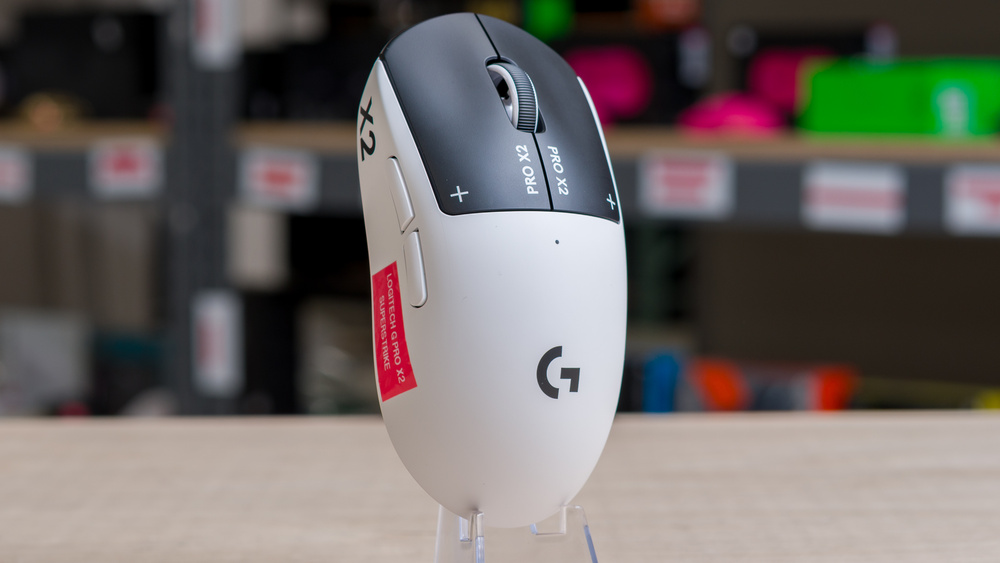
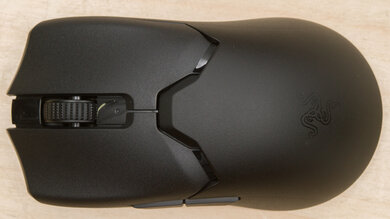
The Logitech G PRO X2 SUPERSTRIKE is a lightweight wireless gaming mouse. It retains the shape and HERO 2 sensor package of the Logitech G PRO X SUPERLIGHT 2 but introduces Logitech's new Haptic Inductive Trigger System (HITS). This switch system lets you set the actuation point and uses haptic motors to simulate tactile feedback instead of a physical click.
Our Verdict
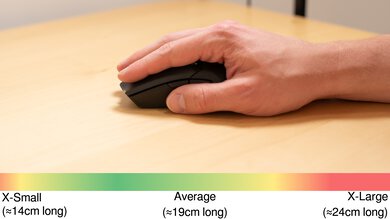
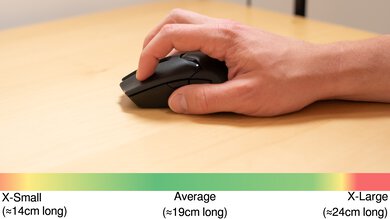
The Logitech G PRO X2 SUPERSTRIKE is primarily designed for competitive gaming. That said, while it lacks some work-oriented features such as Bluetooth connectivity, extra programmable buttons, or a scroll wheel with free scrolling or tilt inputs, it's perfectly satisfactory for everyday productivity. It has outstanding build quality and a comfortable symmetrical shape that suits nearly all hand sizes and grip types. Another advantage is that its inductive switches are nearly silent, which makes it a compelling option for noise-sensitive office environments.
Outstanding build quality.
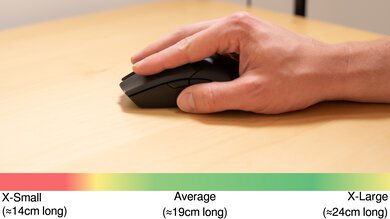
Comfortable symmetrical shape is very accommodating for most hand sizes and grip types.
Left and right click buttons are nearly silent.
No Bluetooth connectivity.
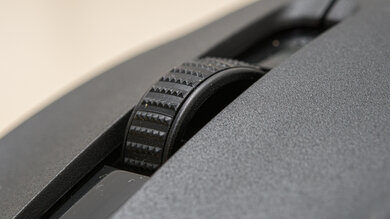
Scroll wheel lacks left/right inputs and a free-scrolling mode.
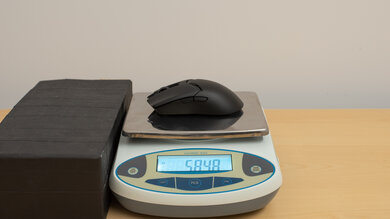
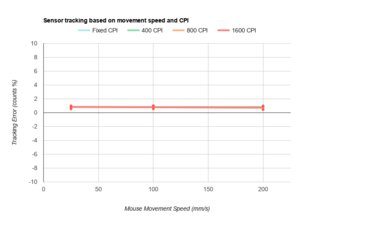
The Logitech G PRO X2 SUPERSTRIKE is an outstanding FPS gaming mouse with exceptional raw performance for high-level competitive play. It has excellent build quality and remains firmly lightweight, though it isn’t as aggressively light as some newer ultra-light competitors. The design is also slightly front-heavy due to the haptic inductive trigger system, which may be disruptive if you frequently lift and reposition your mouse. Sensor performance matches the Logitech G PRO X SUPERLIGHT 2 on which it’s based, and the adjustable switch system is the only meaningful performance difference. This system benefits slower-paced, click-timing-focused games like tactical FPS titles and makes rapid repeat clicks easier to execute, but it doesn’t meaningfully improve tracking-heavy gameplay or offer a clear click latency advantage over other high-end options. Lastly, the UHMWPE feet glide smoothly, though they don’t feel as fast as the PTFE feet on many competing FPS models.
Outstanding build quality.
Exceptionally low click latency.
Adjustable actuation and haptic click settings.
Lightweight.
Comfortable symmetrical shape is very accommodating for most hand sizes and grip types.
Maximum wireless polling rate of 8000Hz.
UHMWPE feet don’t feel as fast as higher-end PTFE feet used on many competing FPS mice.
Some find the weight distribution feels more front-heavy.
The Logitech G PRO X2 SUPERSTRIKE is a great choice for MMO or MOBA gaming, provided you're comfortable with a mouse that only has two programmable side buttons. It has outstanding build quality, exceptionally good raw performance, and a comfortable, highly accommodating shape. While its adjustable inductive switches are primarily geared toward faster-paced competitive titles, they also offer a level of customization you may appreciate if you prefer lighter clicks with earlier actuation or deeper, more deliberate presses.
Outstanding build quality.
Exceptionally low click latency.
Adjustable actuation and haptic click settings.
Comfortable symmetrical shape is very accommodating for most hand sizes and grip types.
Outstanding sensor performance.
Fewer programmable side buttons than dedicated MMO models.
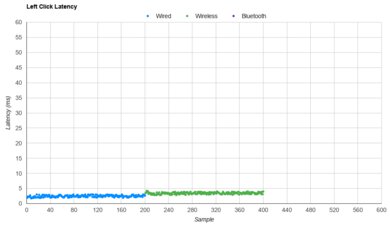
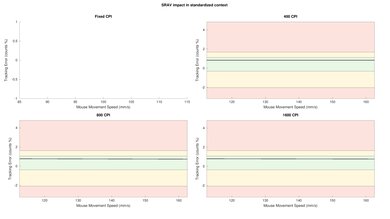
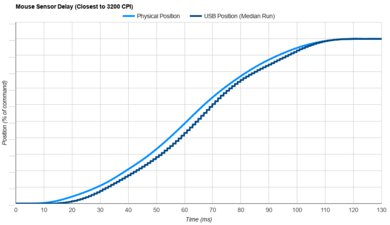
The Logitech G PRO X2 SUPERSTRIKE delivers exceptional raw performance. Click latency is remarkably low and consistent when using its lowest actuation settings, while sensor latency is also outstanding, resulting in a highly responsive in-game feel. It also supports a maximum wireless polling rate of 8000Hz, contributing to extremely consistent performance suitable for competitive gaming at any level. The adjustable inductive switch system is highly accurate with minimal deadzones, and its support for Rapid Trigger, a new feature in the mouse market, can facilitate faster repeat clicks and higher click rates compared to mice with conventional mechanical or optical switches.
Exceptionally low click latency.
Outstanding sensor performance.
Maximum wireless polling rate of 8000Hz.
Changelog
-
Updated Jun 30, 2026:
We've updated our test results in the Sensor Latency section of the review after updating the mouse's software. It now has marginally better sensor latency.
-
Updated Mar 31, 2026:
We've updated the text in the Sensor Latency section of the review to correspond with the changes made in test bench 1.5.2.
- Updated Mar 31, 2026: We've converted this review to Test Bench 1.5.2. This update removes the Delay To Start Of Movement and Delay To End Of Movement measurements from the Sensor Latency test. See our full 1.5.2 changelog for details.
- Updated Mar 02, 2026: Review published.
Check Price
Differences Between Sizes And Variants
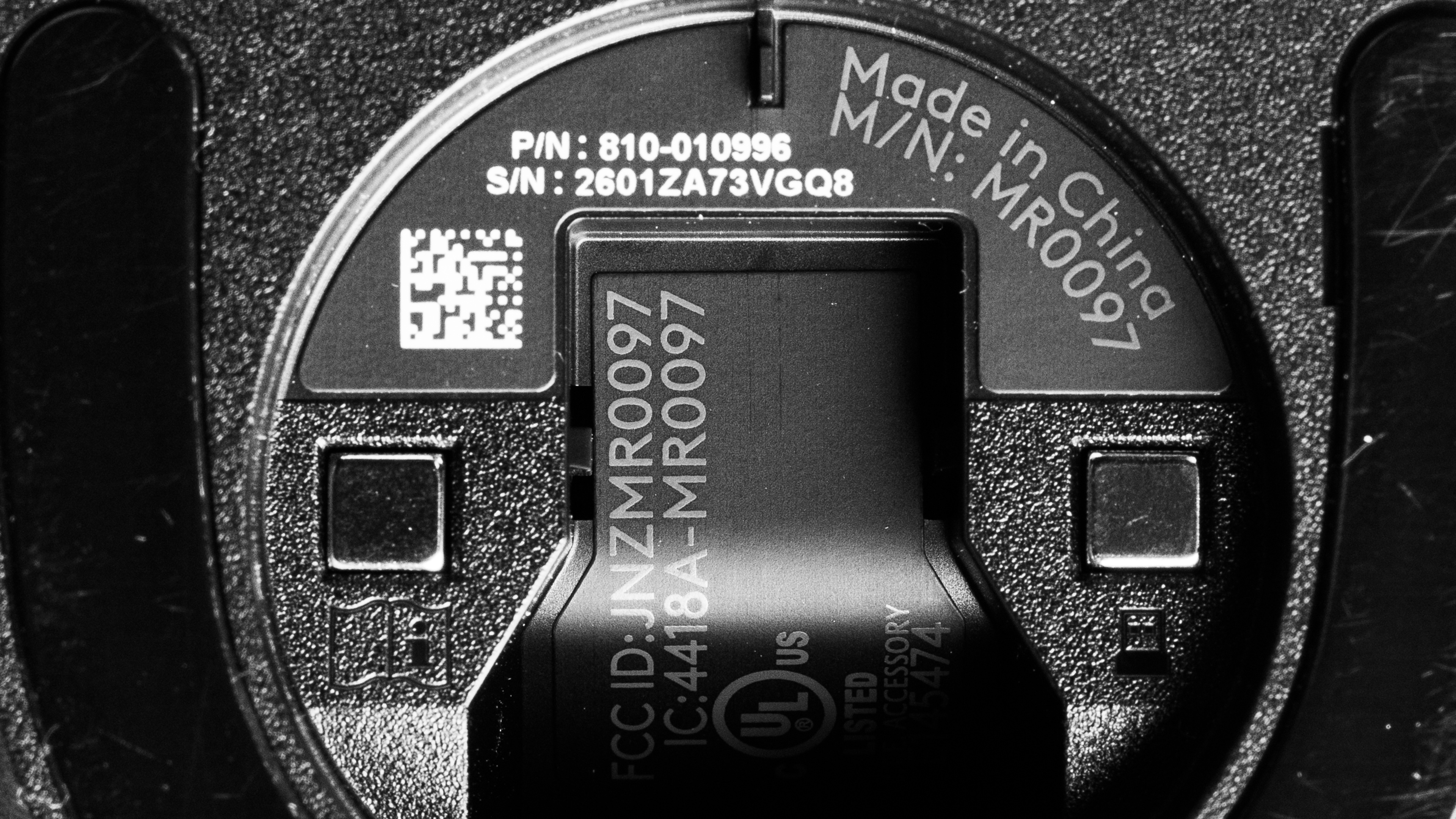
The Logitech G PRO X2 SUPERSTRIKE is available in a single colorway called Lunar Eclipse. See our unit's label here.
Popular Mouse Comparisons
The Logitech G PRO X2 SUPERSTRIKE builds directly on the Logitech G PRO X SUPERLIGHT 2, retaining its shape and HERO 2 sensor while adding inductive switch technology. This system enables adjustable actuation, similar to a Hall effect keyboard, and it replaces a traditional mechanical click with haptic motor feedback. While the concept is compelling, the real-world performance gains are modest and depend largely on how comfortable you are using very low actuation settings, which can increase accidental clicks. The haptic feedback is responsive and adjustable in intensity, though it won’t appeal to you if you prefer the tactile feel of mechanical or optical switches. The system may offer a small advantage in slower-paced games that emphasize discrete click timing, such as tactical FPS titles like Rainbow Six Siege, Escape From Tarkov, or CS2. It's also well-suited to scenarios requiring extremely rapid repeat inputs. In tracking-heavy titles like Apex Legends or Overwatch, however, it offers no new advantages.
The major sticking point is its premium pricing, which places it at the higher end of the flagship FPS segment, alongside the Logitech G PRO X SUPERLIGHT 2 and above competing options like the Razer Viper V3 Pro, despite offering comparable raw performance. While its customizability and Rapid Trigger functionality set it apart, its click latency, even at the lowest actuation settings, remains in line with other top wireless competitors, including the Finalmouse UltralightX Competition and even less expensive models like the Scyrox V6. It's also slower than some wired implementations with SPDT switches, such as the Endgame Gear OP1 8k v2, though none of these differences translate into meaningful in-game advantages. We recommend prioritizing shape first, followed by build quality, warranty, and customer support, which are now the primary differentiators among leading options. In these respects, this mouse ranks among the best, and Logitech maintains a strong reputation for reliable support.
This premium option is best suited to competitive gamers who value customization or want to experiment with emerging technology. At its core, it integrates a new switch system into the proven SUPERLIGHT 2 platform. While Logitech presents it as a major innovation, it doesn’t deliver a dramatic performance leap or meaningfully outperform other top-tier competitors.
For more recommendations, see our picks for the best Logitech mouse, the best gaming mouse, and the best wireless gaming mouse.
Both the Razer Viper V3 Pro and the Logitech G PRO X2 SUPERSTRIKE are lightweight wireless gaming mice with outstanding raw performance. The Razer is slightly lighter, has smoother-gliding feet, and features a lower-profile shape. While both are widely accommodating for most hand sizes and grip types, the Logitech has a slightly safer shape for most people. The Razer uses conventional optical switches, while the Logitech uses inductive switches with haptic feedback. As a result, the Logitech's clicks are virtually silent, and you can adjust both actuation and reset distance. However, even at its lowest settings, this doesn't provide a meaningful press latency advantage over the Razer. That said, some users may appreciate the novel click feel, and Rapid Trigger can make fast follow-up inputs easier to execute.
The Razer DeathAdder V4 Pro and the Logitech G PRO X2 SUPERSTRIKE are lightweight wireless gaming mice designed for competitive play. The Razer has a noticeably larger, right-handed shape that's best suited to a palm grip for larger hands, while the Logitech has a more universally accommodating shape that works well across a wider range of hand sizes and grip types. Besides shape, the biggest difference between them comes down to switch technology: the Razer uses conventional optical switches, while the Logitech uses inductive switches with haptic feedback. This system allows you to adjust both actuation and reset distance. While lower actuation settings can reduce press latency, the difference isn't significant enough to be noticeable in-game for most users. The Logitech also supports Rapid Trigger, which introduces a dynamic reset point that can facilitate faster follow-up inputs.
Both the Logitech G PRO X2 SUPERSTRIKE and the Razer Viper V4 Pro are high-end, lightweight gaming mice designed for competitive play. They both have accommodating symmetrical shapes suited to a wide range of hand sizes and grip types, but the Logitech is slightly more rounded with a more centered hump, while the Razer is lower-profile. The Logitech also uses inductive switches with haptic feedback, which are virtually silent and allow you to adjust both actuation and reset distance. In practice, this doesn't provide a meaningful latency advantage compared to the Razer. The Razer is slightly lighter and has better mouse feet, marginally better sensor performance, and longer battery life. Preference still plays a big role, but many users also find the Razer's side buttons more tactile and less mushy, though its left- and right-click switches are noticeably louder.
The Logitech G PRO X SUPERLIGHT 2 and the Logitech G PRO X2 SUPERSTRIKE are the same shape and size. They also use the same sensor and deliver comparable raw performance. The main difference is in their switch technology: the SUPERLIGHT 2 uses conventional optical switches, while the SUPERSTRIKE uses inductive switches with haptic feedback. These switches are virtually silent and allow you to adjust both actuation and reset sensitivity. They also support Rapid Trigger, which lets you define a dynamic reset distance and can meaningfully enable faster follow-up inputs. That said, despite the adjustable actuation distance, it doesn't provide a significant press latency advantage you're likely to notice in-game, though you may appreciate the different click feel and haptic feedback.
Test Results
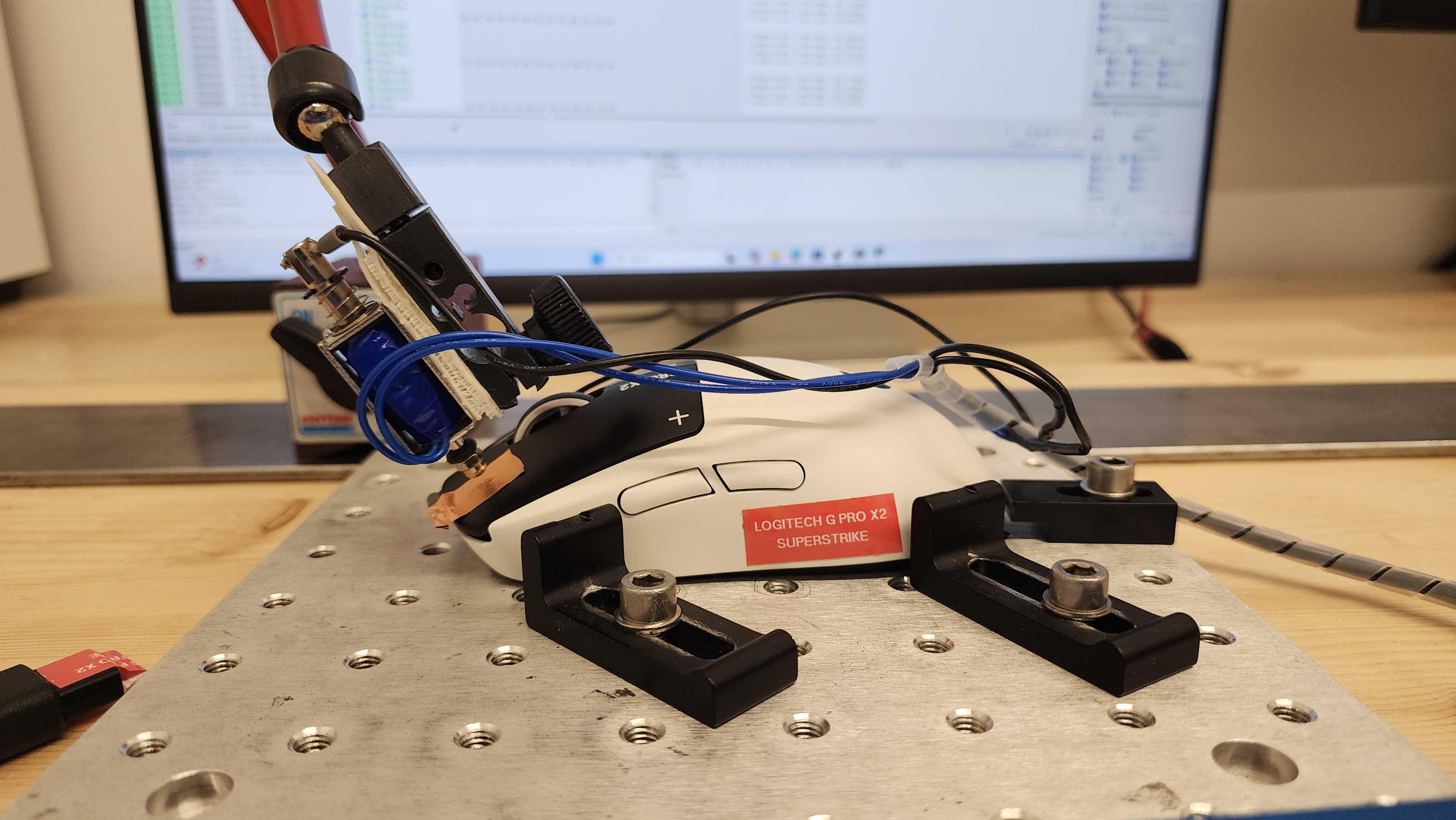
for pictures & test results
for pictures & test results
for pictures & test results

for videos & test results
