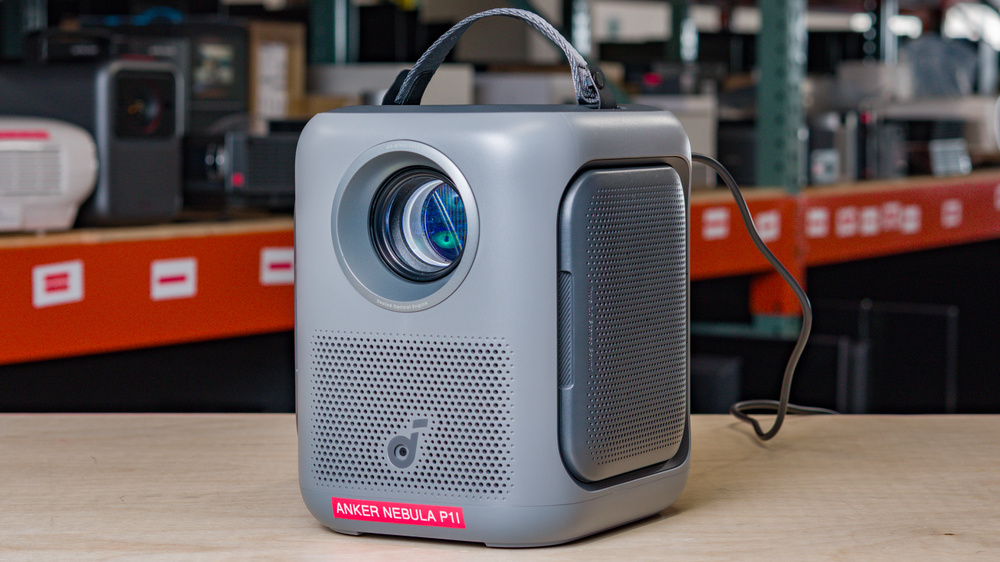
The Anker Nebula P1i is a compact 1080p LCD projector built around an LED light source and a portable-friendly design. It has a pair of flippable speakers, which fold out from the sides of the projector for a wider soundstage. It runs Google TV, supports Google Cast, and has automatic focus, automatic keystone correction, obstacle avoidance, auto screen fit, and post-movement image correction for quick setup. It doesn't have a built-in battery, so it needs external power to run. Connectivity is basic, with one HDMI input with ARC, USB-C, Bluetooth, and Wi-Fi, and it supports up to 1080p @ 60Hz signals.
Our Verdict
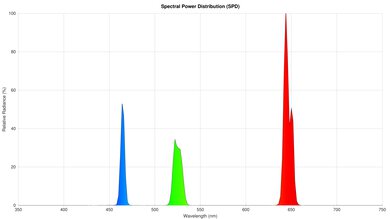
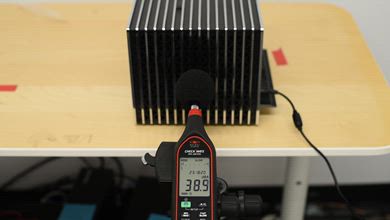
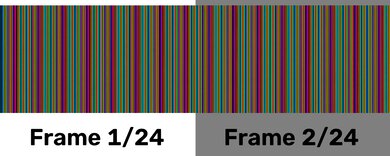
The Anker Nebula P1i is bad for home theater setups. It has low contrast, and combined with its low brightness, it fails to give depth and detail to images. It also can't display vivid colors for an impactful viewing experience. Plus, it doesn't remove judder from any source, so motion looks jittery no matter the content. At least it doesn't have any rainbow effect (RBE), and its fan noise is quiet enough that it won't overpower your movie's sound.
No noticeable RBE.
Quiet fan.
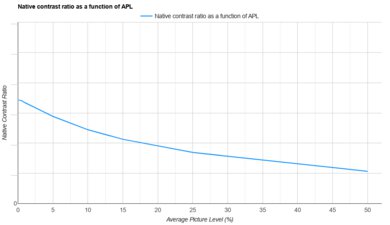
Bad contrast as blacks look gray.
Very dim.
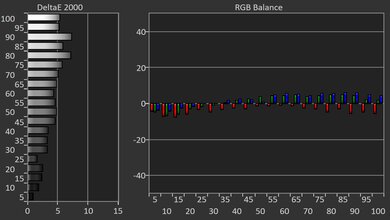
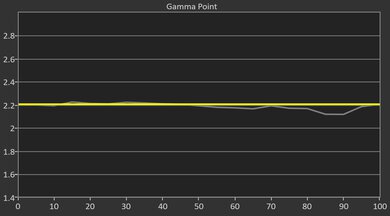
Very inaccurate out-of-the-box.
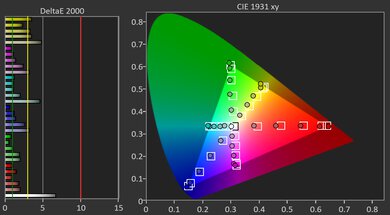
Limited color volume with any content.
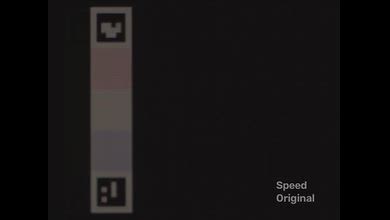
Can't remove judder from any source.
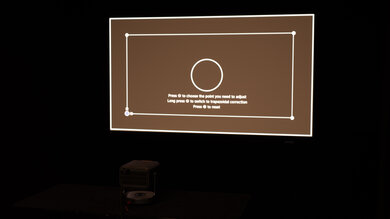
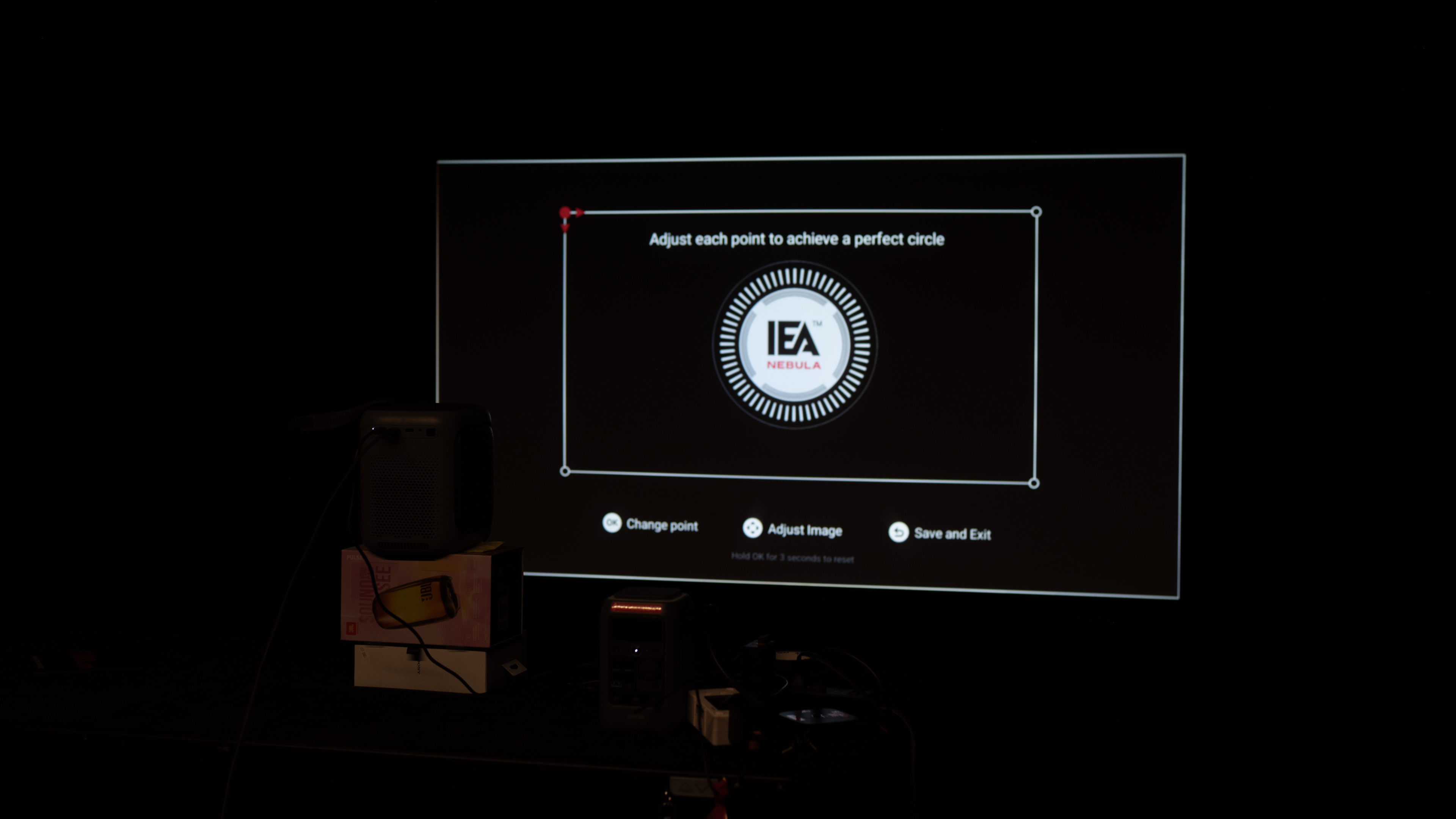
The Anker Nebula P1i is disappointing for outdoor setups. It has limited brightness, so you'll need to use it in a dark area at night so that it's easy to see the screen properly. While it's not the lightest projector, its carrying handle makes it easy to bring outdoors. It also has a built-in stand that helps you set it up, but it lacks lens shift or optical zoom to clean up the image when the projector is off-center relative to the screen. On the plus side, it includes auto screen fit, obstacle avoidance, keystone, and focus adjustments that make it easy to set up quickly. Keep in mind that you'll need an outlet nearby as it lacks a battery.
Handle makes it easier to carry.
Built-in stand and auto keystone, screen fit, and focus features.
Very dim.
No optical zoom or lens shift to clean up the image.
No battery; needs a power outlet.
The Anker Nebula P1i is decent for bedroom setups. It's easy to bring to the bedroom thanks to its carrying handle, and its built-in stand makes setup easy. Plus, it has auto keystone, focus, and screen fit, along with screen avoidance, so you can quickly project an image onto the wall. However, it lacks optical zoom or lens shift, so the image is less sharp when the projector is off to the side. On the plus side, its fan is quiet enough that you don't have to crank the volume too high to properly hear what's being watched.
Handle makes it easier to carry.
Built-in stand and auto keystone, screen fit, and focus features.
Quiet fan.
No optical zoom or lens shift to clean up the image.
No battery; needs a power outlet.
The Anker Nebula P1i is inadequate for gaming. Its input lag is incredibly low at 60Hz in Game Mode, so games feel responsive, but its gaming performance is held back by its limited image quality as it's dim and has low contrast. It has basic resolution support, as it only supports native 1080p or downscaled 1440p signals at 60Hz. It also has motion blur due to its LCD imaging technology. Still, if you just want responsive 1080p @ 60Hz gaming on a portable projector, it works well.
Incredibly low input lag at 60Hz.
Bad contrast as blacks look gray.
Limited color volume with any content.
Noticeable motion blur.
Limited to 60Hz refresh rate.
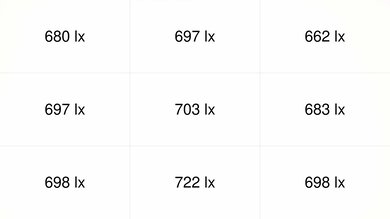
The Anker Nebula P1i has poor brightness. It doesn't have enough light output to handle much ambient light or produce a bright, punchy image at larger sizes. Its uniformity is good, but there is some dimming in the corners, so bright full-screen images look a bit uneven.
Very dim.
The Anker Nebula P1i has poor contrast. Its biggest weakness is its raised black levels, as blacks look washed out, and shadow detail lacks depth compared to many other projectors.
Bad contrast as blacks look gray.
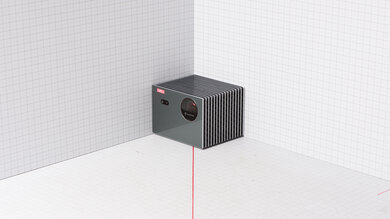
The Anker Nebula P1i has decent portability. It's not exactly lightweight, but its carrying handle makes it easier to carry to another room with one hand. It also has a built-in stand that lets you adjust the image vertically, and its auto keystone, focus, screen fit, and object avoidance settings make it easy to set up quickly. However, without optical zoom and lens shift, you won't get the cleanest image unless the projector is directly in front of the screen.
Handle makes it easier to carry.
Built-in stand and auto keystone, screen fit, and focus features.
No optical zoom or lens shift to clean up the image.
No battery; needs a power outlet.
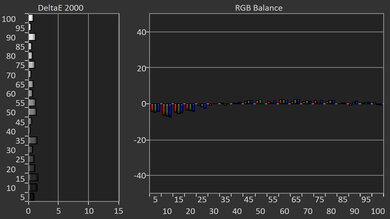
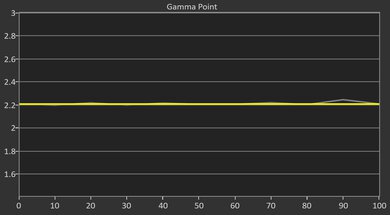
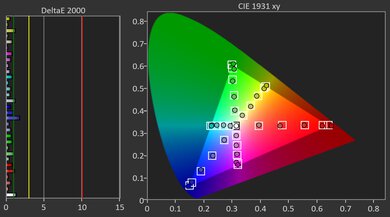
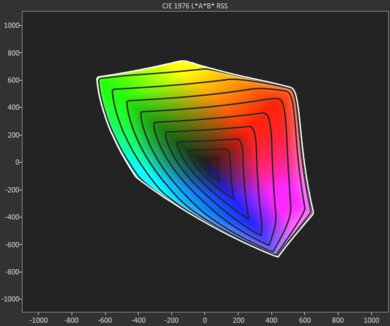
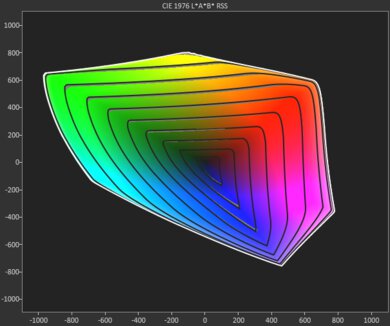
The Anker Nebula P1i has poor colors. It has a very limited color volume, so it can't properly display vivid colors for an impactful viewing experience. It's also inaccurate out of the box, with a noticeably cold color temperature that results in a blue tint. You can calibrate it to fix it, though.
Very inaccurate out-of-the-box.
Limited color volume with any content.
The Anker Nebula P1i has okay gaming responsiveness. Its biggest strength is its very low input lag in Game Mode, making gaming feel responsive. However, it's limited to a 60Hz refresh rate, so it doesn't offer the smoothest feel, and its LCD imaging technology results in motion blur.
Incredibly low input lag at 60Hz.
Noticeable motion blur.
Limited to 60Hz refresh rate.
Performance Usages
Changelog
-
Updated Sep 23, 2026:
We added that the Aurzen EAZZE D1 MAX has better contrast.
- Updated Aug 18, 2026: We've converted the review to Test Bench 1.0, which replaces our Color Gamut test with Color Volume and adds a new Rainbow Effect test box. We also updated Effective Contrast (formerly Native Contrast) to account for projector brightness and reworked Judder scoring. The new bench also adds Outdoors and Bedroom usages, plus Portability, Color, and Gaming Responsiveness Performance Usages; Movies is now Home Theater, and all existing usage scores have been updated. See the 1.0 changelog.
-
Updated Jul 03, 2026:
We mention the newly reviewed Anker Nebula Mars 3 Air in the Brightness section of this review.
- Updated May 15, 2026: Review published.
Check Price
Differences Between Sizes And Variants
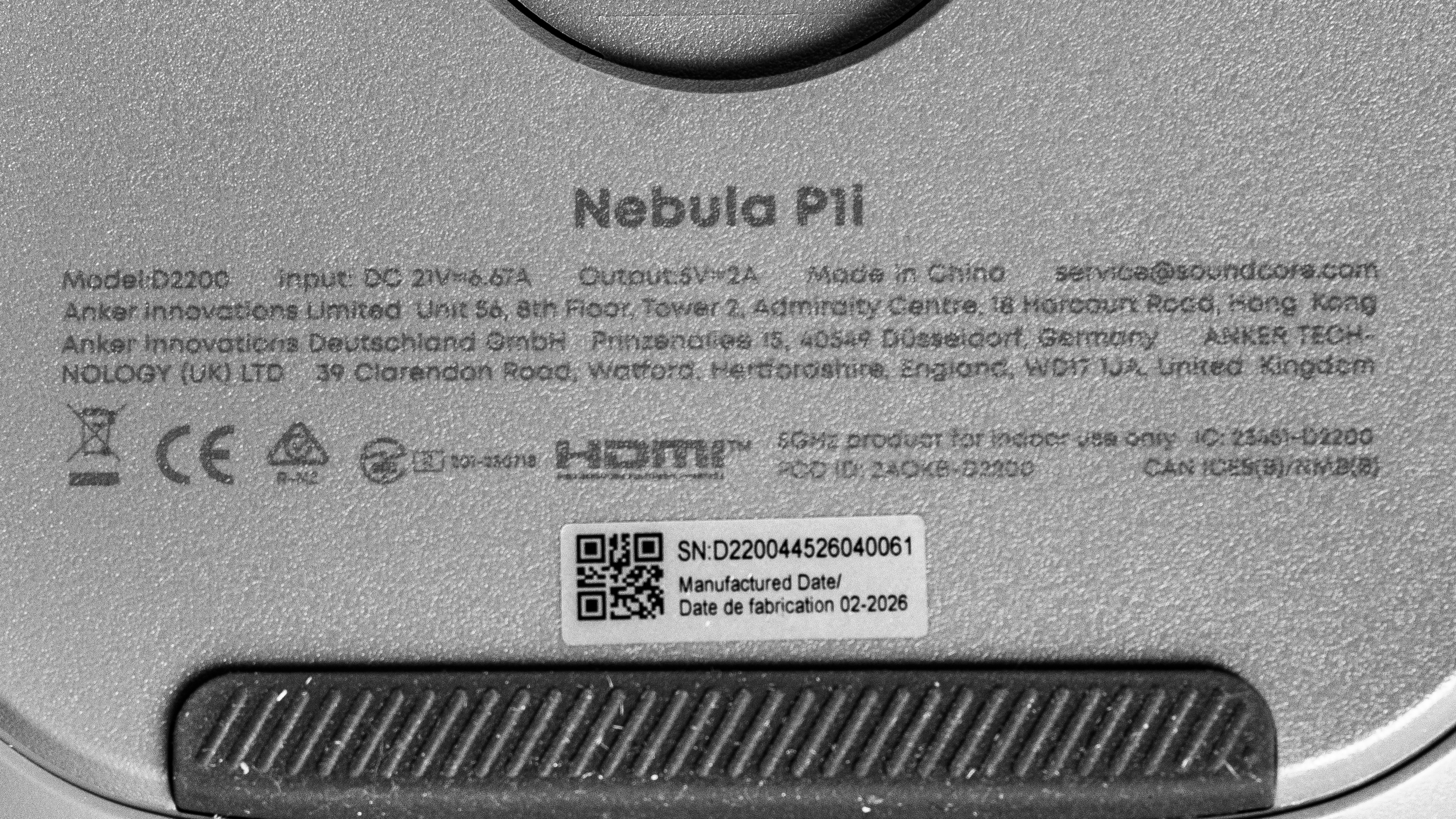
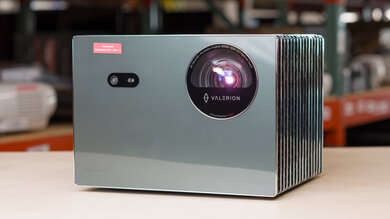
The Anker Nebula P1i is available in one variant. Anker also sells the Anker Nebula P1, a related but different model with detachable wireless speakers rather than the P1i's flippable side speakers. The P1 also has different specs and features, so our results only apply to the P1i. See the label for the model we tested.
Popular Projector Comparisons
The Anker Nebula P1i is a nifty portable projector, with fully flippable side speakers that you can angle however you see fit. Unfortunately, it falters on image quality: it's dim, has bad contrast, and has limited colors. It has very low input lag at 1080p @ 60Hz, making it a solid, cheap option for gamers on the go. Still, overall, you'll get a similar but superior experience with the Anker Nebula P1, as it's almost just as responsive and even more portable, but with better image quality. If you don't care about gaming, the NexiGo PJ40 (Gen 3) or the NexiGo PJ40 Pro are better units with far superior contrast, even if they don't quite offer the same level of portability.
Check out our recommendations for the best portable projectors, the best outdoor projectors, and the best projectors overall. If you'd prefer to shop for another product in the same price range, look up the best projectors under $500 instead.
The NexiGo PJ40 (Gen 3) is better than the Anker Nebula P1i for most usages, except one: gaming. That's because the Anker's input lag at 1080p @ 60Hz is incredibly low, making it far more responsive than the NexiGo. Otherwise, the NexiGo is a bit brighter and has vastly better contrast, delivering a punchier image in a dark room. The Anker does have nicer portability features, such as an integrated handle and flippable speakers, making it a bit easier to take with you than the NexiGo.
The Anker Nebula P1 is better than the Anker Nebula P1i. While they are about equally as dim, the P1 has better contrast and is a bit more accurate out-of-the-box. They both have a ton of features for easy portability, but the P1 is even smaller than the P1i. And while the P1i is slightly more responsive than the P1 for gaming, the latter accepts more input signals, and its far superior image quality makes for a more immersive gaming experience.
We've independently bought and tested over 100 projectors and published detailed results for each, so you can decide which one to buy. These have all been tested under the same standardized methodology, allowing you to compare them side by side. We still have all these projectors in our lab, so we can continually go back and compare them to ensure our reviews are still accurate. All our test methodologies are also public on our website, so you can validate the results yourself.
Throw Calculator
Global Controls
Test Results
for pictures & test results
for pictures & test results



for pictures & test results