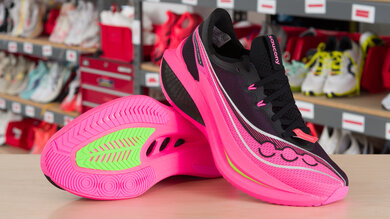
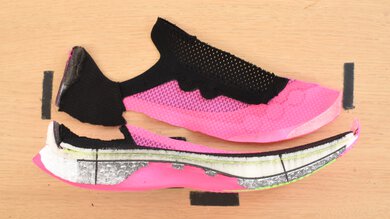
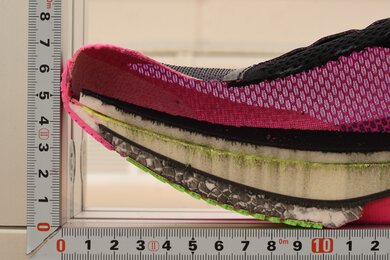
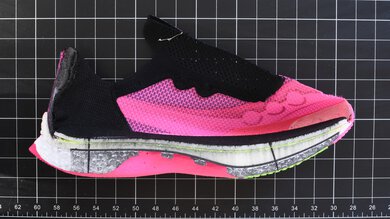
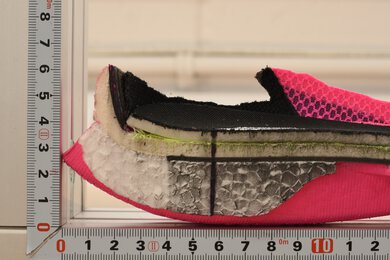
The Saucony Endorphin Pro 5 is an approachable carbon-plated super shoe that uses a dual-foam midsole with a PWRRUN HG top layer over a PWRRUN PB base, plus a slotted carbon plate in the middle. This helps smooth out transitions and keeps the platform feeling controlled, especially for midfoot and heel strikers. It serves as the calmer, more stable counterpart to the Saucony Endorphin Elite 2 in the brand's super shoe lineup. While it's more than capable on race day, it really shines during faster training sessions such as intervals, strides, and VO2-style workouts, where it feels most responsive and confidence-inspiring. The breathable upper fits snug but comfortably, rounding out a lightweight package that stays performance-oriented while offering unusually strong stability for a plated racer.
Our Verdict
The Saucony Endorphin Pro 5 can work well for marathon racing if you want a plated racer that feels predictable and stable but also stays efficient. Its lightweight build and strong rebound help you keep moving forward, and the platform feels noticeably more stable than many super shoes, especially for midfoot and heel strikers. However, the cushioning is lacking for the marathon distance, with a forefoot that doesn't feel as forgiving as the most comfort-focused marathon racers, so runners who want a plush ride for the final miles may find it harsh and unforgiving.
Strong, consistent rebound from heel to forefoot.
Super stable platform, especially for a plated racer.
Carbon plate.
Not the most protective shoe.
Lower forefoot stack isn't ideal for long distance racing.
The Saucony Endorphin Pro 5 is well-suited to 5K and 10K racing, where it feels responsive and snappy once you're running at truly fast paces. The carbon-plated setup delivers a crisp toe-off that naturally promotes quick turnover of the legs, and the low weight helps it feel nimble when you're surging. However, it doesn't shine as much at more controlled tempo or threshold efforts, where the ride can feel a bit less lively and rewarding than the top super shoes on the market.
Firm, snappy forefoot that rewards fast turnover.
Strong, consistent rebound from heel to forefoot.
Carbon plate.
Changelog
-
Updated Jun 26, 2026:
We've updated the Popular Comparisons section to include a comparison to the recently reviewed Saucony Endorphin Elite 3.
- Updated Jun 17, 2026: We've converted this review to Test Bench 0.12, which fixes how we measure firmness, a component of the Stability and 5K/10K Racing usages. There may be inconsistencies between the text and the scores for these usages, but the scores should still be considered valid. We've also brought back the Energy Return score and added two new usages: Daily Training and Long Run. To read more about the changes, see the changelog.
-
Updated Apr 30, 2026:
We've updated this review to add text for the new Responsiveness usage box.
- Updated Apr 28, 2026: We've converted this review to Test Bench 0.11, adding two new rocker measurements to the Design section, and three new responsiveness tests to the Performance section. The Energy Return usage score has been replaced with Responsiveness. Check out the details in our changelog.
-
Updated Feb 26, 2026:
Following Test Bench 0.10, we wrote the full review with the most recent testing and results available.
- Updated Feb 20, 2026: We've converted this review to Test Bench 0.10, adding a new set of fit tests to the Design section and an overall fit performance usage. Check out the details in our changelog.
- Updated Feb 16, 2026: Review published.
- Updated Feb 04, 2026: Our testers have started testing this product.
- Updated Jan 28, 2026: The product has arrived in our lab, and our testers will start evaluating it soon.
- Updated Jan 23, 2026: We've purchased the product and are waiting for it to arrive in our lab.
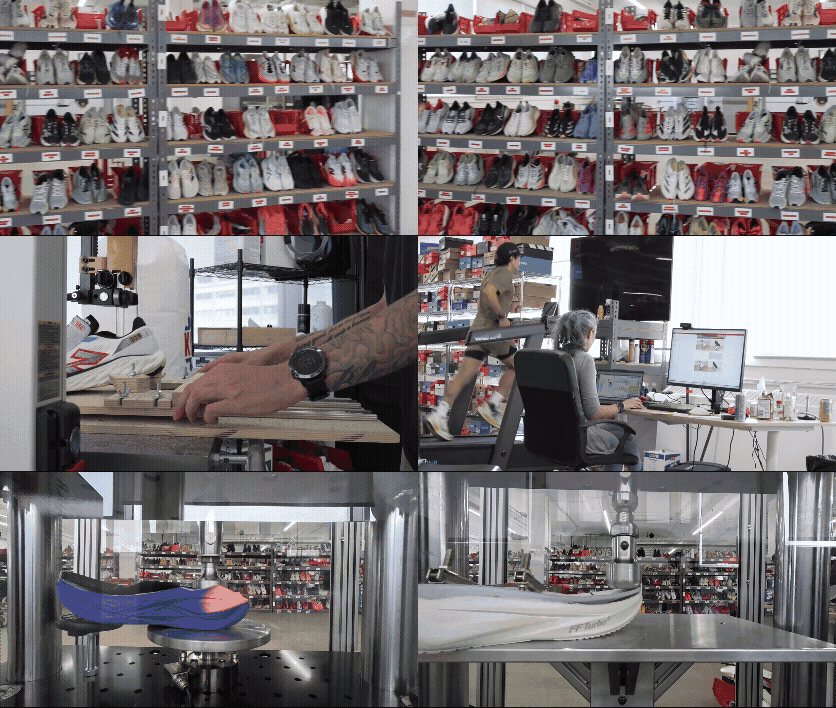
We've bought and tested more than 250 running shoes. Every pair purchased with our own money, never supplied or sponsored by brands. Our data-driven tests are designed to go beyond marketing claims, and since every shoe goes through the exact same methodology, you can directly compare results to find the right pair for your needs.
Test Results
Energy Return
Stability
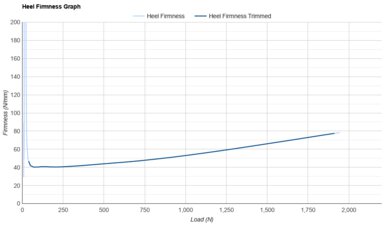
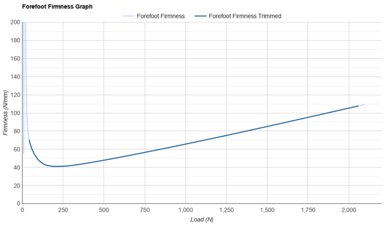
The Saucony Endorphin Pro 5 stands out for its impressive lateral stability compared to most plated racers, giving you a reassuring ride when you're cornering, landing a bit unevenly, or fading late in a workout. The wide forefoot platform and overall geometry help keep the shoe from feeling twitchy, which makes it a friendlier choice for runners who normally avoid super shoes due to stability concerns.
Super stable platform, especially for a plated racer.
Carbon plate.
Relatively firm foam helps the shoe stay planted.
Cushioning
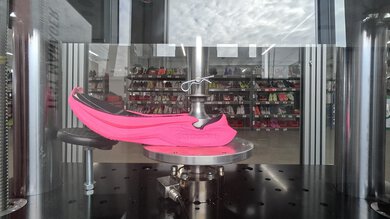
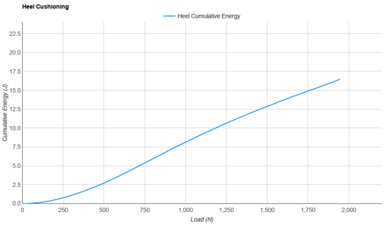
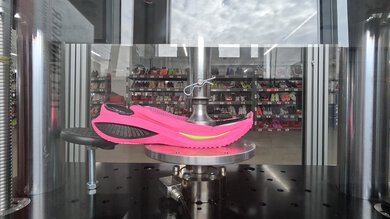
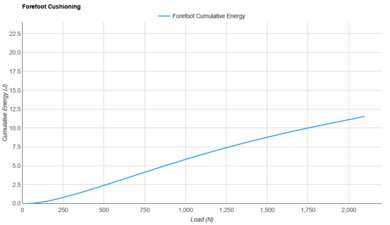
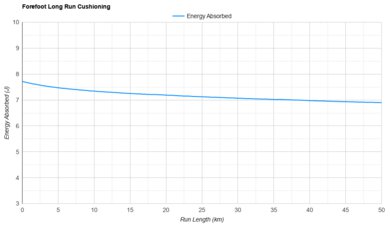
The Saucony Endorphin Pro 5 offers decent cushioning that's tuned more for consistency than pure comfort. There's enough protection for shorter efforts, but it doesn't feel especially plush and can come across as a bit sloppy overall. Lighter, slower runners who don't apply much force might find this level of protection sufficient, but those who apply significant pressure when striking will probably find the shoe a bit harsh.
Not the most protective shoe.
Responsiveness
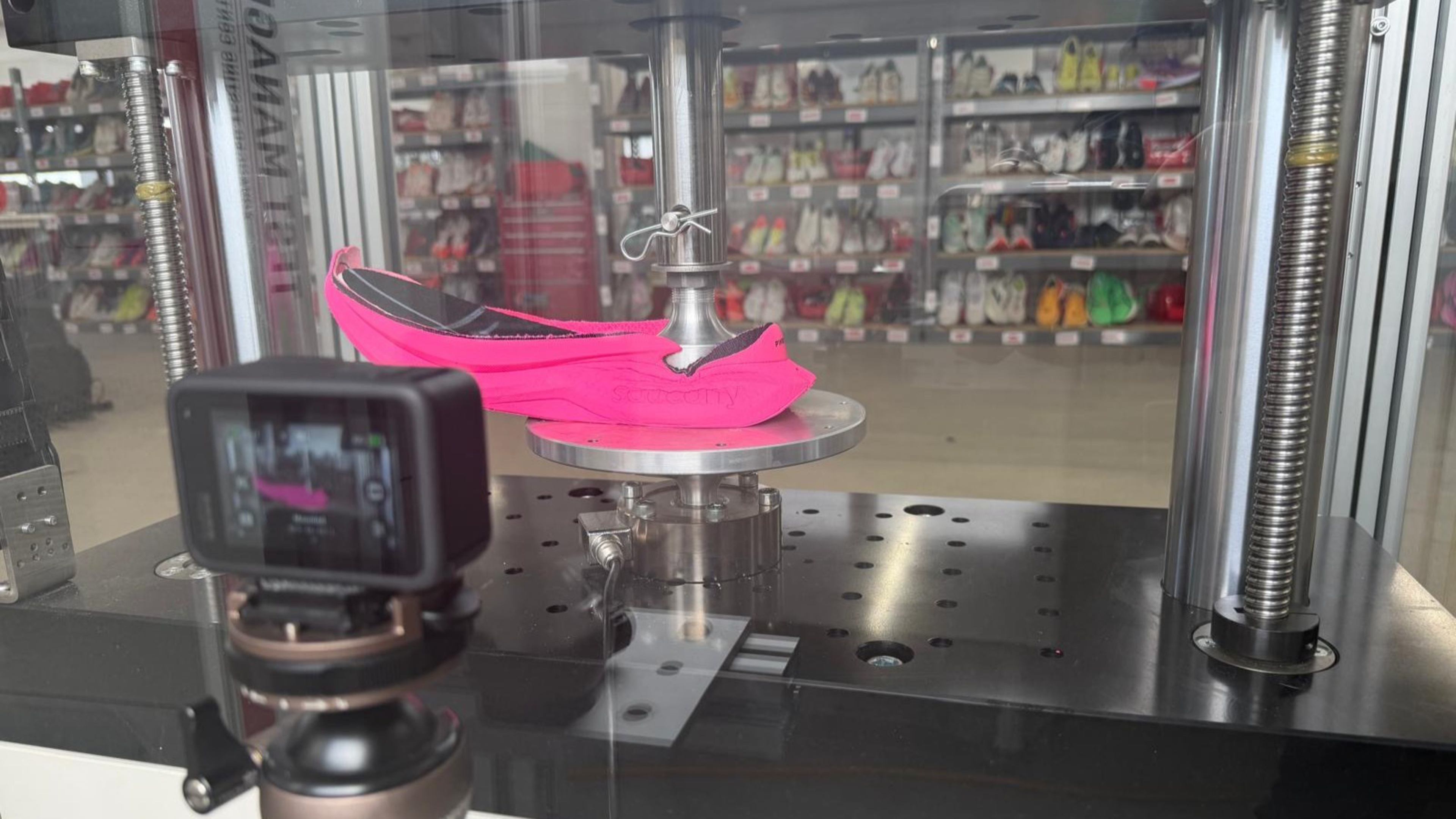
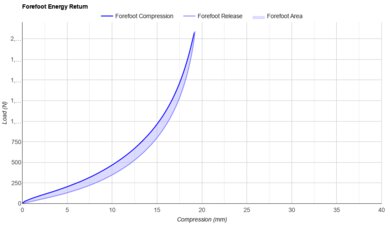
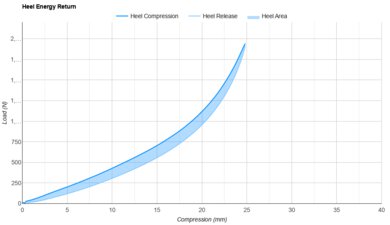
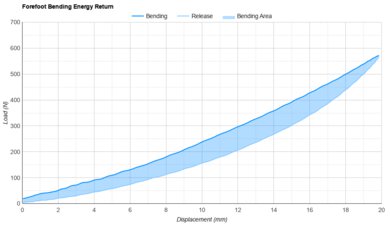
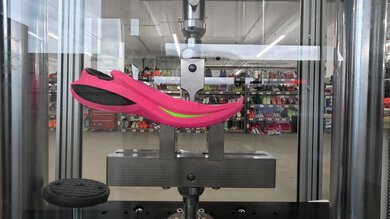
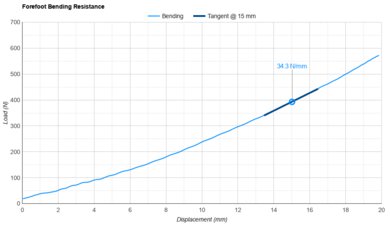
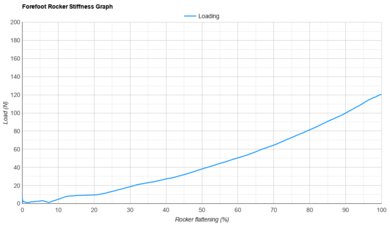
The Saucony Endorphin Pro 5 has impressive responsiveness, especially if you can maintain a higher cadence. The dual-foam midsole delivers strong energy return that's most noticeable when you apply a lot of force, such as during intervals, strides, and faster racing efforts. The carbon plate adds a lot of snap to the forefoot and helps maintain the midsole's mildly rockered geometry to help your foot roll through each stride.
Strong, consistent rebound from heel to forefoot.
True To Size
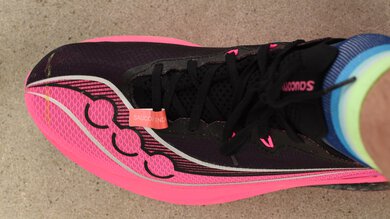
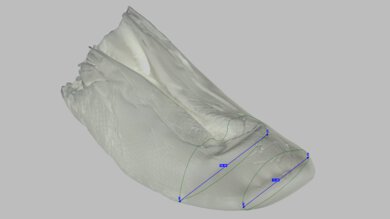
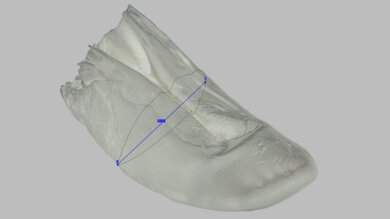
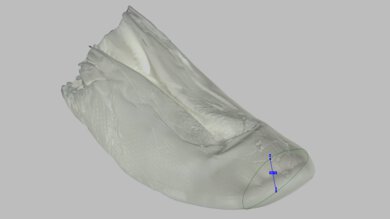
The Saucony Endorphin Pro 5 fits true to size, with a spot-on length and a shape that accommodates most foot volumes without feeling too roomy either. The forefoot and arch are very close to standard sizing, but the upper still locks down well for faster running without painful pressure points. The vast majority of runners should stick to their usual size.
True to size in terms of length and volume.
Popular Running Shoe Comparisons
The Saucony Endorphin Pro 5 lands squarely in the more approachable lane of super shoes, focusing on a controlled, predictable ride instead of the most aggressive, efficiency-maximizing designs like the ASICS METASPEED RAY and PUMA Fast-R NITRO Elite 3. It's still very performance-oriented and race-capable, but it's at its best at high speeds, where the responsive midsole and lightweight build feel rewarding, making it a particularly strong fit for shorter events and hard workouts. In the broader market, it sits alongside other conservative super shoes such as the Diadora Gara Carbon 2 and the New Balance FuelCell SuperComp Elite v5, but neither is quite as stable as the Saucony.
Within Saucony's Endorphin lineup, it clearly sits below the Saucony Endorphin Elite 3, a more aggressive racing shoe built for runners aiming for top performance. There's also the Saucony Endorphin Speed 5, a plated trainer, and the Saucony Endorphin Azura, an unplated uptempo trainer. The downside of such a deep speed lineup is that the Pro 5 ends up squeezed from both sides: its approachable super shoe character only really stands out if you need the extra stability, and it sits close enough to a dedicated super trainers that many runners may find it easier to pair one of those for workouts with a true top-tier super shoe for racing instead.
If you're looking for more options, check out our recommendations for the best running shoes, the best long-distance running shoes, and the best shoes for running a marathon.
The Saucony Endorphin Pro 5 is a better racing shoe than the Saucony Endorphin Speed 5. It's noticeably lighter and has a carbon plate, making it more efficient on race day. The Speed 5 is more flexible and forgiving, so it's the better pick for everyday workouts.
The Saucony Endorphin Pro 5 and Saucony Endorphin Azura serve different roles despite both being performance-focused shoes. The Pro 5 is considerably lighter and uses a carbon plate, making it the more race-focused option. The Azura is unplated and more cushioned, making it better suited to daily training and longer workouts where outright racing performance is less important.
The Saucony Endorphin Pro 5 and Saucony Endorphin Pro 4 are two iterations of the same super shoe, but the newer version clearly doubles down on being an approachable, stable race option without losing its performance edge. The Endorphin Pro 5 sits slightly lower overall, including in the forefoot, and it pairs that with a slightly higher drop and a firmer forefoot feel that makes toe-off feel more controlled and consistent. Also, its cushioning holds up better as the miles add up, even if neither shoe is a standout for maintaining cushioning over very long distances. The Endorphin Pro 4, on the other hand, feels a touch more energetic underfoot and, with its higher stack, offers a bit less ground feel, which some runners might prefer.
The Saucony Endorphin Pro 5 and New Balance FuelCell SuperComp Elite v5 are both "people's super shoe" options that prioritize practicality over extreme, aggressive designs. The New Balance stands out for being available in wide versions, which is rare in this category, and it pairs that with a lighter, bouncier, more cushioned ride that feels more well-rounded for a wider range of races. The Saucony leans more toward stability and control, making it a better fit if you want extra confidence from the platform when you're pushing hard. It also delivers a more traditional snappy sensation, with a firmer, more reactive forefoot.
The Mizuno Hyperwarp Pro and Saucony Endorphin Pro 5 are both stable, approachable super shoes, but they deliver that accessibility in different ways. The Mizuno feels more protective, with a higher forefoot stack that reduces ground feel and makes the ride feel more protective, and it also weighs less, which helps it feel more efficient overall. The Saucony Endorphin Pro 5 leans more toward stability and control, giving you a more confidence-inspiring platform when you're pushing hard, and its fit is closer to true-to-size. In terms of use, the Mizuno makes more sense when you want a lighter, more protective race shoe for long distances, while the Saucony tends to suit fast workouts and shorter-distance racing better.
The Saucony Endorphin Pro 5 and Diadora Gara Carbon 3 are both approachable super shoes that lean more stable and controlled than the most aggressive marathon racers. The Saucony feels like the more refined execution of that idea, with a stable platform, a firm and snappy forefoot, and a more performance-oriented ride that works well for fast workouts and shorter races. The Diadora follows a similar direction with a moderate stack and a grounded feel, and it's a bit lighter, which helps it feel efficient on foot. However, the Saucony still feels more stable overall thanks to its wider platform relative to its stack height.
Differences Between Sizes And Variants
We tested the Saucony Endorphin Pro 5 in men's U.S. size 9, as indicated on the label for our unit. The color shown here is Pink Shock. This model is also available in other colorways, including Citron | Black, Birch | Black, Black | Silver, Aqua. Wide versions aren't available for this model. The design section applies only to the exact model we tested, but we expect other sizes and gender variants to perform similarly.