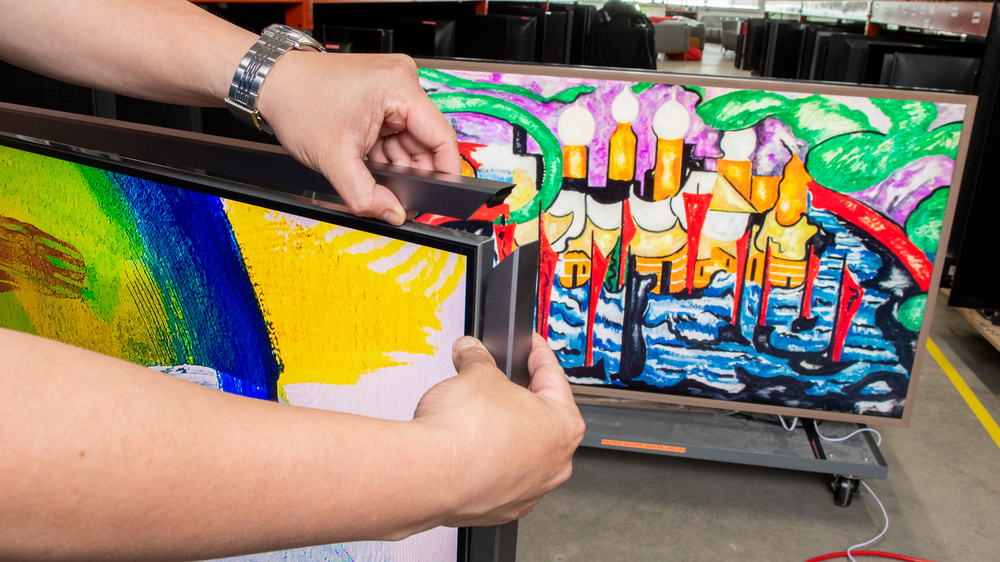
Frame TVs are extremely popular because they let you better match the TV's design to your room. Instead of a TV being a simple black box on the wall when you're not watching, these TVs feature user-replaceable bezels, so you can now change the TV's look and feel for a bespoke design. They also have extra software features to display artwork when you're not watching TV, and with slim wall mounts and matte anti-reflective coatings, they mimic the look of canvas on the wall. When choosing the best Frame TV for your needs, you should consider not only its TV performance but also its art features, like whether the wall mount is included or sold separately and whether a subscription is required to access the artwork.
Below are our recommendations for the best Frame TVs you can buy. For more options, see our picks for the best TVs for bright room viewing, the best smart TVs, and the best 4k TVs.

We buy and test dozens of TVs yearly, taking an objective, data-driven approach to deliver results you can trust. Our testing process is complex, with hundreds of individual tests that take over a week to complete. Most of our tests use specially designed test patterns that mimic real content, but we also use the same sources you have at home to ensure our results match the real-world experience. We use two main tools for our testing: a Colorimetry Research CR-100 colorimeter and a CR-250 spectroradiometer.
-
Best Frame TV
 Mixed UsageHome TheaterBright RoomSportsGamingExpected ReliabilityBrightnessBlack LevelColorMotion HandlingGame Mode ResponsivenessProcessing (In Development)Resolution:4kNative Refresh Rate:144HzScreen Finish:MattePanel Type:LCDSub-Type:VADolby Vision:NoSee all our test resultsSizes:55" 65" 75" 85"
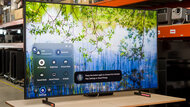
The Samsung The Frame Pro 2026 is the best frame TV we've tested. It's a versatile TV that looks great in any room setup. Its high peak brightness makes it very easy to see bright content like sports during the day, but its impressive anti-reflective coating means even dim scenes are very clear, with no distracting glare from bright lights or windows. It comes with a slim wall mount that takes up very little space and holds the TV flush with the wall. It also features a wireless input box, so aside from power, you don't need to run any cables to the TV itself. You can place the connection box and all your devices in a different part of the room, keeping the setup around the TV clean and making it easier to add or remove devices. If you don't care about the wireless connection box, you can get the regular Samsung The Frame 2026 instead and save a bit of money.
As for art features, this TV offers a dedicated art mode that can be configured to turn on automatically when motion is detected in the room. It'll also adjust the screen's brightness automatically based on the room's lighting. You can access a curated playlist of 30 works of art that rotate monthly, or subscribe through Samsung's Art Store for more choices. You can even upload your own photos via USB. It's only available with a black bezel in the box, but you can buy replacement bezels available in a wide range of colors and finishes.
-
Best Budget Frame TV
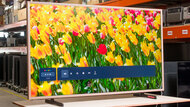
Mixed UsageHome TheaterBright RoomSportsGamingExpected ReliabilityBrightnessBlack LevelColorMotion HandlingGame Mode ResponsivenessProcessing (In Development)Resolution:4kNative Refresh Rate:144HzScreen Finish:MattePanel Type:LCDSub-Type:VADolby Vision:YesSee all our test resultsSizes:50" 55" 65" 75" 85"The best budget Frame TV we've tested is the Hisense CanvasTV 2026. It's a bit of a step down from the Samsung The Frame Pro 2026 in terms of picture quality. It lacks a local dimming feature and isn't as bright, so small details don't stand out as well when watching movies, and sports aren't as vibrant. It's also significantly less accurate than the Samsung, so colors don't look as natural. It still delivers very good picture quality overall in a bright room, and it has a similar anti-reflective coating, so glare isn't distracting during the day.
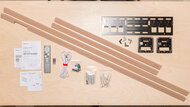
As for its design and art features, it has a lot in common with the Samsung TV. It comes with a teak frame, so you'll need to buy a different color separately for a bespoke look. It comes with a slim wall mount, but unlike the Samsung, all the inputs are on the back of the TV. As for its art mode, it's pretty basic. There's no subscription service here, but it has a more limited selection of free artwork instead. You can also upload your own photos via USB or a QR code on your phone to create custom slideshows. Since it's powered by Google TV, you can also find other third-party art apps if you want something more advanced.





Notable Mentions
-
Amazon Ember Artline 2026:
The Amazon Ember Artline 2026 is unique in that it lets you choose your bezel color at purchase. It's an interesting alternative to the Hisense CanvasTV 2026, offering similar overall picture quality. It has slightly worse motion handling, though, and it's usually more expensive than the Hisense.
See our review -
LG Gallery 2026:
LG's first frame-style TV, the LG Gallery 2026, is a very disappointing option, offering significantly worse picture quality than the Hisense CanvasTV 2026.
See our review
Recent Updates
Oct 09, 2026:
We removed the regular Samsung The Frame 2026 as a separate pick, moving it to a mention in the Samsung The Frame Pro 2026 pick instead, as they're very similar.
Sep 14, 2026:
We verified our picks for accuracy and availability, but made no changes to them at this time.
Aug 12, 2026:
We checked our picks to make sure we're still recommending the best Frame TVs available in 2026, but didn't make any changes.
All Reviews
Our recommendations above are what we think are currently the best art TVs to buy for most people in each price range. We factor in price (a cheaper TV wins over a pricier one if the difference isn't worth it), feedback from our visitors, and availability (no TVs that are difficult to find or unavailable in the United States).
If you'd like to do the work of choosing yourself, here's a list of all our TV reviews from the past few years. Be careful not to get too caught up in the details. While no TV is perfect, most TVs are great enough to please almost everyone, and the differences are often not noticeable unless you really look for them.