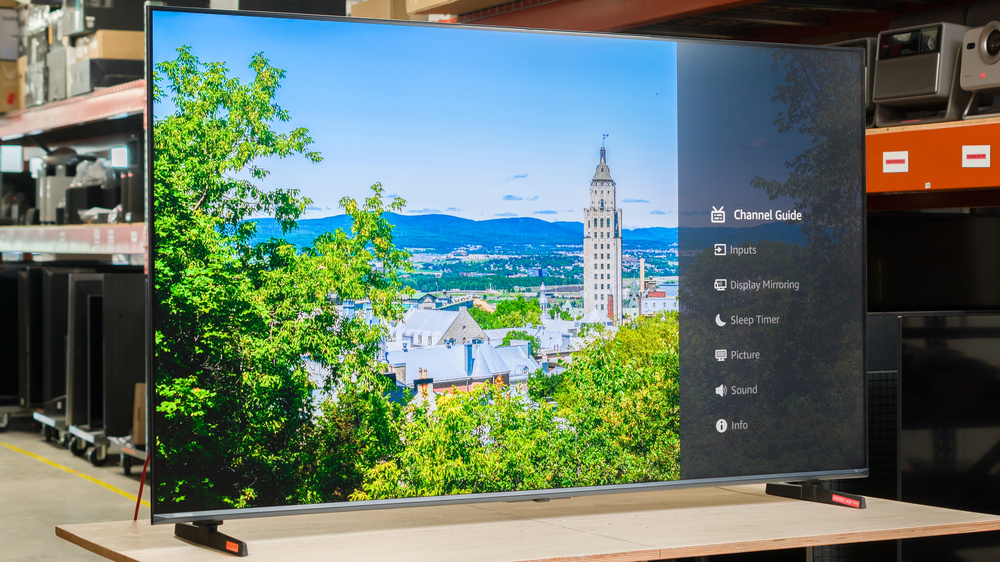
The Hisense U6SF Pro, also known as the Hisense U6 Pro for short, is a budget Mini LED TV released in 2026. Sitting below the Hisense U7SG, it features Mini LED local dimming and a 4k screen with a matte anti-reflective coating to help reduce glare. Despite its entry-level position, it's a feature-packed model, with a fast 144Hz max refresh rate that can be boosted to 240Hz at a lower resolution for PC gamers looking for the smoothest motion. It's powered by the Fire TV smart interface, which has a decent selection of streaming apps but isn't as polished as the Google TV smart interface found on higher-end models. We bought and tested the 65-inch version, but it's also available in a 55-, 75-, 85-, and 100-inch size.
Our Verdict
The Hisense U6 Pro is a good TV for most uses. It's a versatile TV that's easy to watch in a variety of room conditions. It looks very good in a dark room watching movies at night, but it looks just as good watching shows in the middle of the day, even in a bright room. It's also a very feature-rich TV, with a wide selection of gaming features like VRR, HDMI 2.1 bandwidth, and a high refresh rate. Unfortunately, it's held back by its terrible motion performance, with a very slow response time that makes any fast action in sports or games look incredibly blurry.
Bright enough to easily overcome glare.
Excellent contrast.
Does a great job smoothing out low-quality content.
Motion is very blurry.
Image degrades rapidly from the sides.
Distracting uniformity issues.
The Hisense U6 Pro delivers a very good home theater experience. It looks great in a dark room thanks to its high contrast and effective local dimming feature, delivering deep, uniform blacks with just a bit of haloing around bright lights and subtitles. It also has great format support, with eARC audio passthrough support that works with all main audio formats, and support for both HDR10+ and Dolby Vision, great for physical media collectors looking to get the most from their collection. Colors are bright and vibrant, and movies look great thanks to its high peak brightness. Small highlight details can be a bit muted in certain scenes, though, so movies aren't quite as impactful as they should be.
Excellent contrast.
Does a great job smoothing out low-quality content.
Excellent audio/video format support.
Most movie scenes are bright and vibrant.
Small highlight details are a bit muted.
Some minor haloing around bright highlights and subtitles.
The Hisense U6SF Pro is a great choice for a bright room. It has high peak brightness that can easily overcome glare, making bright scenes very clear and easy to see. Its matte anti-reflective coating also does a great job reducing reflections, so even dark and dim scenes are fairly easy to see during the day. Ambient light also has very little impact on its picture quality, with almost no change in black levels or perceived color saturation.
Bright enough to easily overcome glare.
Great reflection handling.
Ambient light has no noticeable impact on colors or contrast.
The Hisense U6 Pro is an okay TV for watching sports. It has good picture quality when watching daytime games, with high peak brightness to help it combat glare and good colors. It also has good processing and does a great job cleaning up low-quality streaming channels. It has a narrow viewing angle, though, so it's not suitable for a wide seating area, and the panel has mediocre uniformity, with noticeable dirty screen effect in the center. It also has a terrible response time, so fast action is incredibly blurry, and it's hard to make out the action.
Bright enough to easily overcome glare.
Does a great job smoothing out low-quality content.
Motion is very blurry.
Image degrades rapidly from the sides.
Distracting uniformity issues.
The Hisense U6 Pro is just decent for gaming. On the one hand, it has a huge selection of gaming features, including VRR support to reduce tearing, HDMI 2.1 bandwidth, and a fast refresh rate. It also has extremely low input lag, including a low latency motion interpolation feature that can improve the smoothness of older games and consoles without adding significant latency. On the other hand, it has terrible motion handling, with a very high CAD that makes all games look blurry.
Bright enough to easily overcome glare.
Excellent contrast.
Extremely low input lag.
VRR support and HDMI 2.1 bandwidth.
Terribly high CAD that results in extremely blurry motion.
This TV has great expected reliability. Similar to direct-lit models, since the LEDs are housed directly behind the LCD layer, they're less likely to overheat and fail than edge-lit models. There's also no possibility of burn-in or image retention, so the type of content you watch doesn't affect its lifespan. Unlike direct-lit models, the LEDs are grouped together in zones, so a single failed LED will usually cause only one zone to fail, not the entire backlight.
No possibility of permanent burn-in.
Single LED failures affect only a single zone, not the entire backlight.
The Hisense U6 Pro has very good peak brightness. It's bright enough to overcome glare in a bright room, so bright scenes are clear and easy to see. It also has good HDR brightness, so movies are bright and vibrant, but small details aren't quite as bright and impactful as they should be.
Bright enough to easily overcome glare.
Most movie scenes are bright and vibrant.
Small highlight details are a bit muted.
The Hisense U6 Pro has great black levels. Its local dimming feature does an excellent job improving black levels, resulting in deep, uniform blacks with only minor haloing around bright highlights and subtitles on a dark background. The native contrast of the panel is decent, too, which helps keep things fairly deep in more complicated scenes.
Excellent contrast.
Some minor haloing around bright highlights and subtitles.
The Hisense U6SF Pro has good colors. It has great accuracy out of the box in both SDR and HDR, with very few noticeable issues in either format. It has a slightly cool color temperature out of the box in HDR, but it's a minor issue. It has good color volume for the most part, but a very small portion of SDR content can look a bit washed out in very light scenes.
Great accuracy out of the box.
Good color volume.
The Hisense U6 Pro has decent motion handling when watching content. On the one hand, its processing does a good job with motion. It removes judder from almost all content, there's relatively little stutter in slow-panning shots, and there's no micro judder. On the other hand, it has a terrible response time, so motion is incredibly blurry, and it's uneven, with softer edges around fast-moving objects.
Removes judder from nearly all content.
Motion is very blurry.
The Hisense U6 Pro delivers mediocre responsiveness in Game Mode. It has very low input lag, HDMI 2.1 bandwidth on two ports, and a fast refresh rate, so it can take full advantage of the latest gaming consoles or a PC. It's held back by its terrible motion handling, though, and games don't feel responsive because of it.
Extremely low input lag.
VRR support and HDMI 2.1 bandwidth.
Terribly high CAD that results in extremely blurry motion.
Note: We're in the process of improving our tests related to image processing, but this score should give you a general idea of how a TV performs overall with its image processing capabilities.
The Hisense U6SF Pro has decent image processing. It does a great job smoothing out low-quality content from streaming services and cable TV, but there's some loss of fine details in the process. It also does a great job upscaling DVDs and other low-resolution content. Its HDR processing is decent as well, with good PQ EOTF tracking and few noticeable issues, but there's some banding in areas of similar shades.
Good PQ EOTF tracking.
Does a great job smoothing out low-quality content.
Great upscaling.
Minor banding in areas of similar colors.
Performance Usages
Changelog
- Updated Oct 02, 2026: We converted this review to Test Bench 2.3. With this update, we've added a new Expected Reliability performance usage, a Lifetime Burn-In Potential test, and a new test box for the Longevity 3.0 test.
- Updated Sep 18, 2026: We converted this review to Test Bench 2.2.1, adding a new Dumb TV test for whether or not the TV can be used offline.
- Updated Aug 20, 2026: Review published.
- Updated Aug 17, 2026: Early access published.
Check Price
Differences Between Sizes And Variants
We bought and tested the 65-inch Hisense U6 Pro TV, and these results also apply to the 55-, 75-, 85-, and 100-inch models. Very little is known about the differences between sizes, but Hisense TVs are usually slightly brighter as you move up each size and have more dimming zones on the larger sizes. We don't expect this to significantly impact the overall performance. There's also no sign that some sizes use different panel types, which Hisense has done in the past, but we don't know for sure. This TV is different from the Hisense U6SF (non-Pro), which has fewer dimming zones and isn't as bright, and this review isn't valid for that unit. The U6SG Pro isn't available outside of the U.S. at the time of this review.
| Size | US Model |
|---|---|
| 55" | Hisense 55U6SF Pro |
| 65" | Hisense 65U6SF Pro |
| 75" | Hisense 75U6SF Pro |
| 85" | Hisense 85U6SF Pro |
| 100" | Hisense 100U6SF Pro |
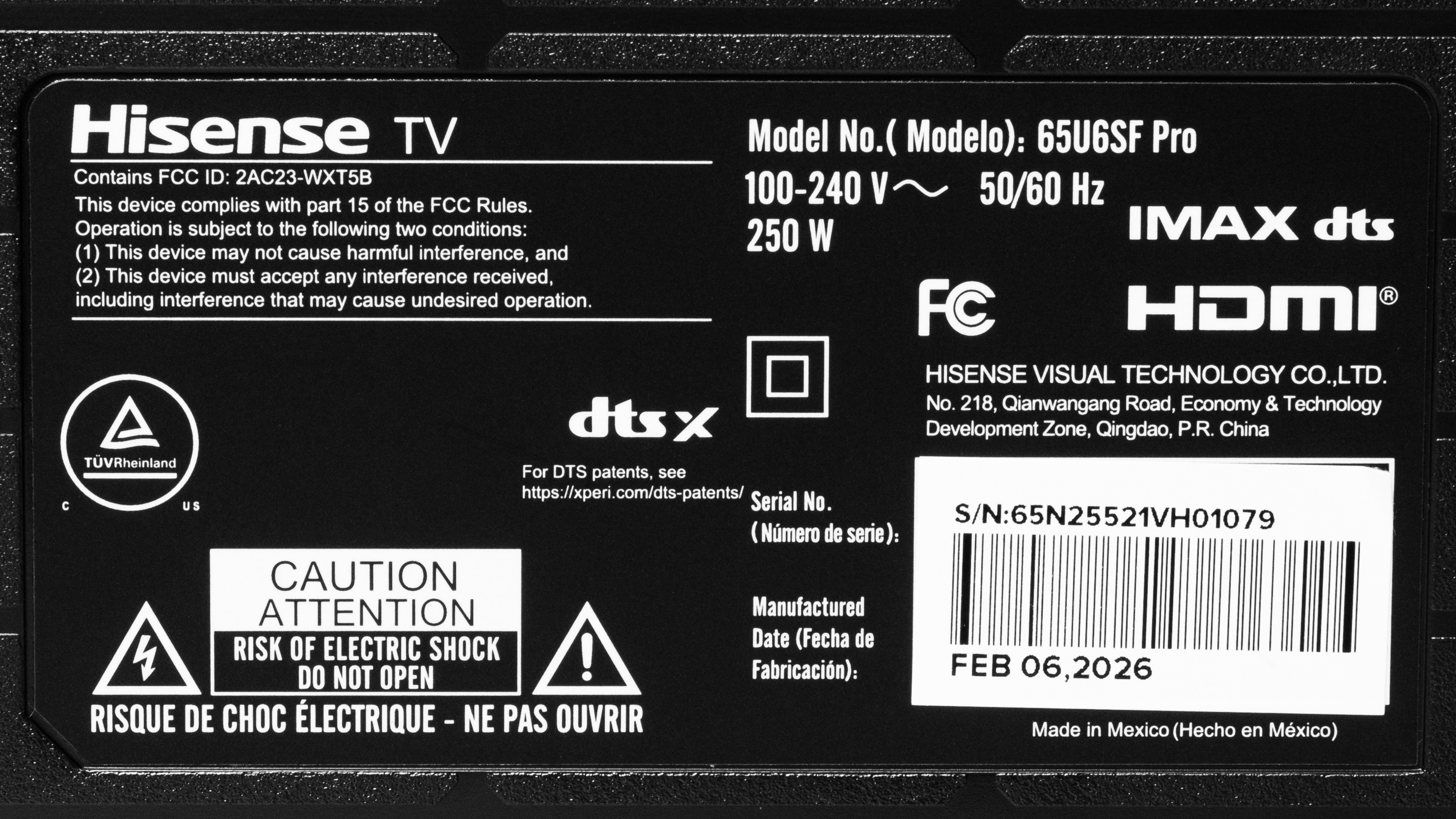
The unit we bought and tested was made in China, in February, 2026, according to the label.
Popular TV Comparisons
The Hisense U6SF Pro is a bit of a mixed bag. What it does well, it does really well for the most part. It offers good overall picture quality, with high peak brightness, excellent contrast, and an effective local dimming system. It's also a very feature-packed TV for the price, with gaming features typically reserved for higher-end models. Its flaws, though, are severe, and because of its terrible motion performance, noticeable uniformity issues, and sub-par internal speakers, it's difficult to recommend this TV for anyone.
For more options, check out our recommendations for the best TVs for bright rooms, the best 65-inch TVs, and the best TVs for gaming.
The Hisense U65QF and the Hisense U6SF Pro trade blows in a few different ways. The U6SF is brighter, slightly more colorful, and it has a better local dimming feature, resulting in deeper blacks in most scenes. The U6SF also has slightly better gaming features, with a higher maximum refresh rate at a lower resolution for PC gamers. On the other hand, the U65QF delivers considerably smoother motion when watching sports or playing games, and it's enough of a difference that you should consider that model instead if that's your primary usage.
The Hisense U7SG delivers considerably better performance than the Hisense U6SF Pro. The U7SG is a lot brighter, more colorful, and delivers better picture quality overall. The local dimming feature on the U7 is also a lot better, and there's significantly less haloing around bright parts of the screen. The most noticeable difference, though, is the significantly better motion handling on the U7, resulting in a much sharper, clearer image when watching sports or gaming.
The Hisense U6SF Pro offers much better picture quality than the TCL QM6K, but the TCL is still worth considering if you're primarily gaming or watching sports. The Hisense gets considerably brighter, colors are more vibrant, and blacks are deeper, with less haloing around bright highlights and subtitles. The TCL has considerably better motion handling, with significantly less blur around fast-moving objects when watching sports or playing games.
The TCL QM7K and the Hisense U6SF Pro have different strengths and weaknesses, and the best one ultimately depends on your needs. The TCL offers a more polished experience overall and is usually the best choice, as it delivers much smoother motion when watching sports or playing games and better contrast. The Hisense, on the other hand, is the better choice if you mainly watch TV in a bright room, as its anti-reflective coating does a much better job reducing glare from windows or lights facing the TV.

We buy and test dozens of TVs yearly, taking an objective, data-driven approach to deliver results you can trust. Our testing process is complex, with hundreds of individual tests that take over a week to complete. Most of our tests use specially designed test patterns that mimic real content, but we also use the same sources you have at home to ensure our results match the real-world experience. We use two main tools for our testing: a Colorimetry Research CR-100 colorimeter and a CR-250 spectroradiometer.
Test Results
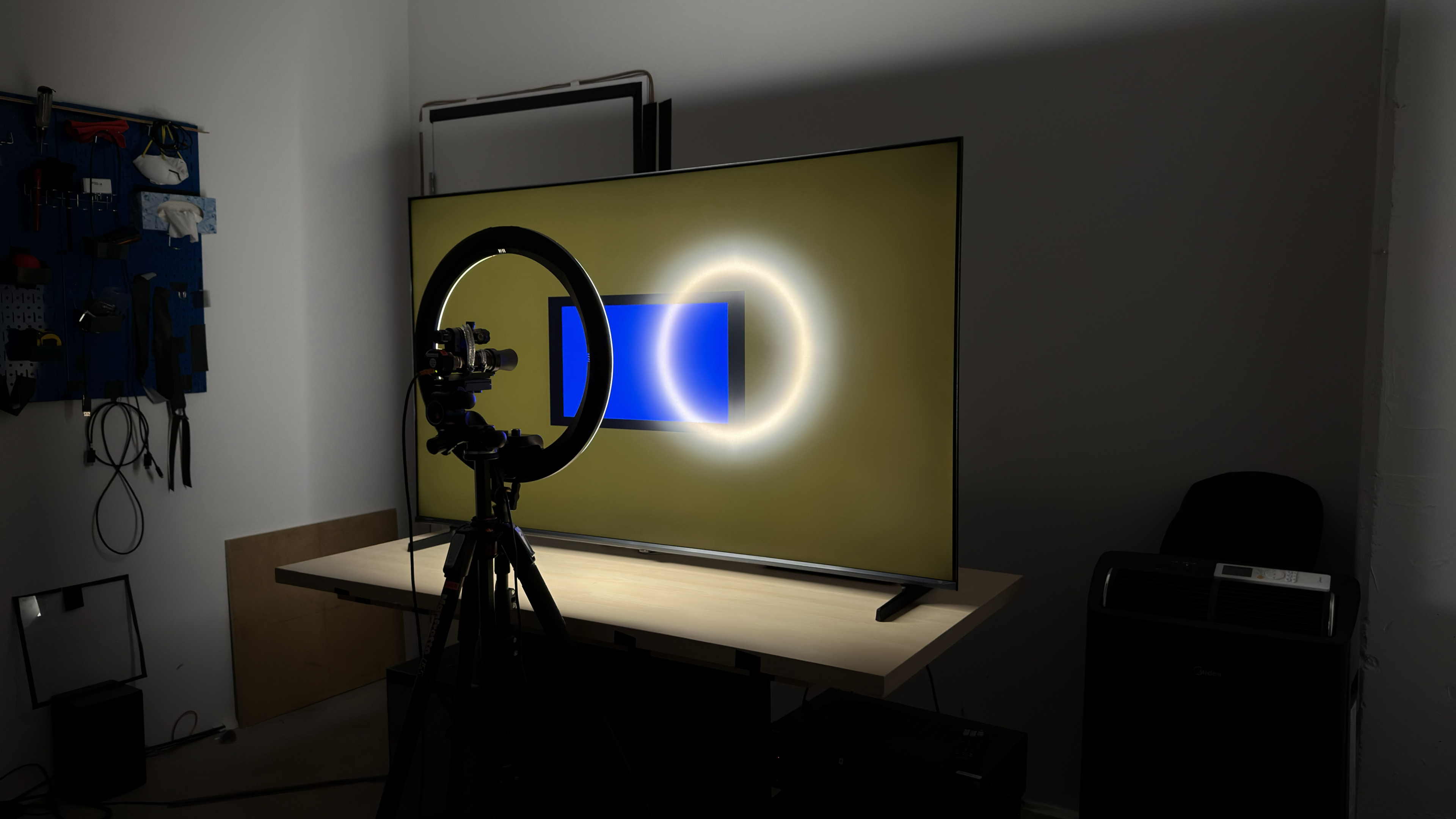
for pictures & test results

for pictures & test results

for pictures & test results

The Hisense U6 Pro has good peak brightness in HDR. It's bright enough to bring out highlight details well in most HDR content, but the smallest details are dimmed and don't stand out as well as they should. Bright scenes are also very bright and stand out well.
for pictures & test results

for pictures & test results

for pictures & test results

There's no significant difference in peak brightness on this TV when you switch to Game Mode. Most games are bright and vibrant, but very small details are dimmed a bit by the TV's local dimming and don't stand out as well as they should.
This TV has excellent peak brightness in SDR. It's bright enough to easily overcome glare during the day, even when most of the screen is bright at once, like when watching sports.
for pictures & test results

The Hisense U6 Pro has excellent contrast. The local dimming feature does a fantastic job boosting contrast in most simple scenes, resulting in extremely deep blacks that are amazing. The native contrast of the panel is decent, so blacks remain fairly deep even in more complicated scenes where the local dimming feature can't keep up.
for pictures & test results

The lighting zone precision on the Hisense U6SF Pro is decent. There's some minor haloing and glow around bright highlights and subtitles on a dark background, but it's not too distracting. It looks worse when viewed from the sides, though.
for videos & test results

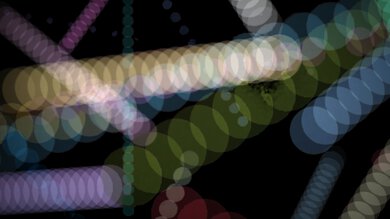
Zone transitions on this TV are just okay. The TV's processing can't quite keep up with small, fast-moving objects on a dark background. There's noticeable flicker as objects move between zones, and the zones don't turn on quickly enough, causing the leading edge to appear darker than it should be.


for pictures & test results

for pictures & test results

The black uniformity on this TV is excellent. Blacks are a bit raised when local dimming is disabled, but still fairly uniform, with no obvious pinching or flashlighting around the edges. Turning on local dimming reduces black levels and results in a more uniform image overall in dark scenes.
for pictures & test results

for pictures & test results

The Hisense U6 Pro has decent color volume. It has very good coverage of the DCI-P3 color space, but can't display the full range of reds and greens. It has no trouble maintaining color saturation in lighter scenes, either.
Unfortunately, it struggles a bit more with the wider BT.2020 color space. It has far more limited coverage of this space, and can't display saturated reds, greens, or blues. It also struggles to maintain color saturation in lighter scenes, so colors look a bit washed out.
| Volume ΔE³ | DCI-P3 Coverage |
BT.2020 Coverage |
|---|---|---|
| L10 | 92.59% | 70.42% |
| L20 | 93.06% | 70.27% |
| L30 | 92.17% | 69.86% |
| L40 | 90.63% | 70.30% |
| L50 | 89.13% | 69.44% |
| L60 | 88.28% | 66.99% |
| L70 | 88.44% | 58.88% |
| L80 | 88.34% | 56.48% |
| L90 | 88.12% | 56.87% |
| L100 | 89.12% | 69.59% |
| Total | 89.18% | 63.86% |
for pictures & test results

for pictures & test results

This TV has good color volume in HDR. Saturated colors in low-light scenes are displayed well thanks to its high contrast ratio. Colors are bright and vibrant in light scenes, and unlike in SDR, they're not washed out.
for pictures & test results

for pictures & test results

for pictures & test results

The Hisense U6 Pro has great accuracy before calibration. The white balance is the most significant issue, but even there, the errors are minor enough that most people won't notice them. The color temperature is very good, and most saturated colors are displayed accurately. Gamma tracking is a touch high, closer to 2.4 instead of 2.2, so most scenes are slightly too dark.
for pictures & test results

for pictures & test results

for pictures & test results

This TV is easy to calibrate. The settings work well and allow for a full range of adjustments, and the TV has nearly perfect accuracy after calibration. Color accuracy didn't improve much, but it was already excellent before calibration, so this doesn't matter much.
You can see our full calibration settings here.
for pictures & test results

for pictures & test results

The TV has great accuracy in HDR before calibration. The color temperature is a bit on the cool side, with slightly too much blue, especially in lighter shades. It has excellent color mapping, though most errors come from luminance mapping rather than hue or chromaticity. The white balance is also excellent, and just darker shades looking a bit off.
for pictures & test results

for pictures & test results

Unfortunately, this TV doesn't calibrate well in HDR. While calibration improved it a bit, it's not a noticeable improvement. The color temperature is still a bit cool, and shadow details are a bit off.
for pictures & test results

The Hisense U6SF Pro has good PQ EOTF tracking. Shadow details are crushed slightly, but most midtones are displayed well. It boosts highlights near the TV's peak brightness, and content mastered at 600 or 1,000 nits cuts off sharply. Content mastered at 4,000 nits has a more gradual cut-off, which helps preserve fine details, but limits how bright they get.
for pictures & test results

This TV does an excellent job smoothing out compression artifacts from low-quality content, including most streaming services. There's some loss of fine details in the process, though.
for pictures & test results

This TV does a great job upscaling low-resolution content like DVDs. The image is sharp, with no obvious over-sharping artifacts.
for pictures & test results
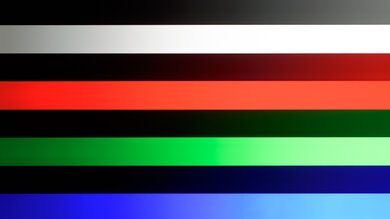
The gradient handling on this TV is just okay. There's some minor banding in all shades.
The Hisense U6SF Pro has fantastic low input lag with all supported formats as long as you're in Game Mode. It also offers a low latency interpolation mode that can be used while gaming, which adds very little additional latency. This is great for increasing the frame rate of older games and consoles that don't have native frame generation support and are locked at lower frame rates.
This TV supports all common TV resolutions, up to a maximum of 144Hz with a 4k resolution or 240Hz at 1080p. It displays chroma 4:4:4 properly in all supported modes, which helps with clear text when used with a PC.
The TV supports a variable refresh rate to reduce tearing, and it's effective across an extremely wide refresh rate range thanks to its high maximum refresh rate.
for pictures & test results
for pictures & test results

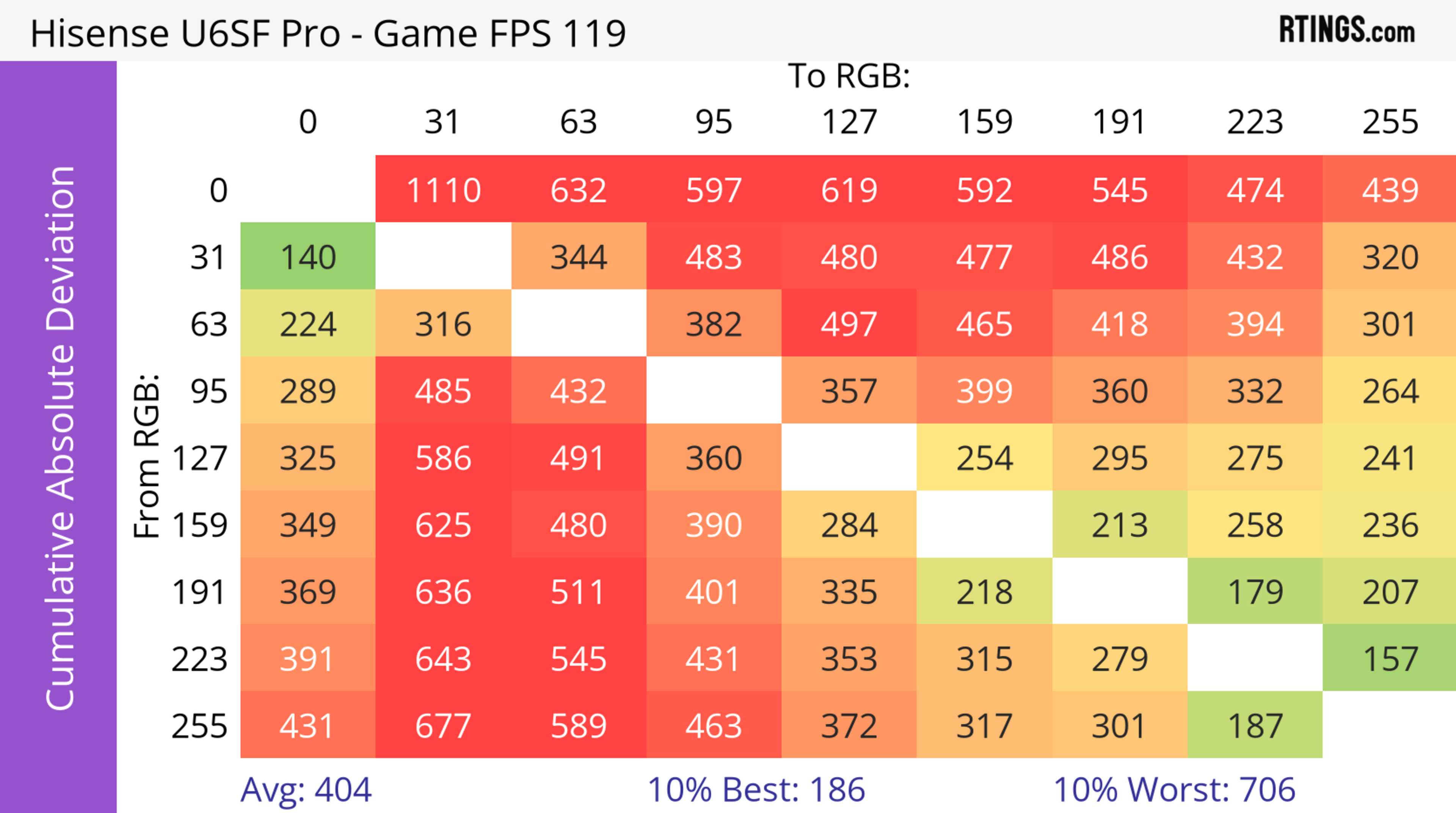
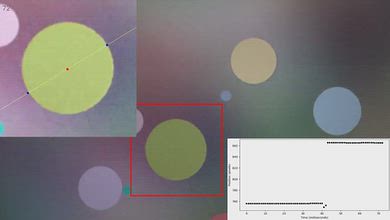
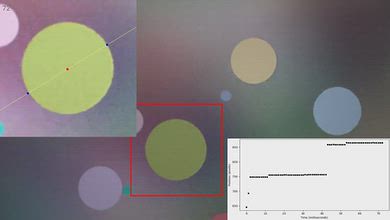
Unfortunately, this TV has a terrible CAD at its max 4k refresh rate of 144Hz. Almost all motion is incredibly blurry, as the TV is simply too slow to complete each transition. Transitions are very drawn out, and while they're quick to get fairly close to the target shade, it's very slow to complete the transition, and there's a long blur trail behind fast-moving objects.


for pictures & test results

The TV is fully compatible with everything the PS5 and PS5 Pro offer, like 1440p @ 120Hz and 4k @ 120Hz, as well as HDMI Forum VRR. It also supports Auto Low Latency Mode, so you don't have to worry about manually switching to Game Mode to get the lowest input lag.
for pictures & test results

The TV is fully compatible with everything the Xbox Series X|S offers, including 1440p @ 120Hz, 4k @ 120Hz, HDMI Forum VRR, FreeSync Premium Pro, and Dolby Vision gaming. It also supports Auto Low Latency Mode, so you don't have to worry about manually switching to Game Mode to get the lowest input lag.
for videos & test results
for pictures & test results
for pictures & test results
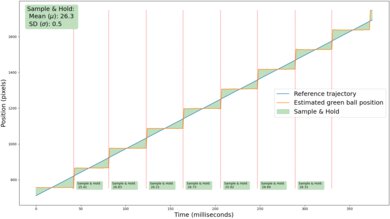
Thanks to its slow response time, there's relatively little stutter on this TV. You'll still see some in very slow, panning shots, but it's minor.
for videos & test results
for pictures & test results

for pictures & test results
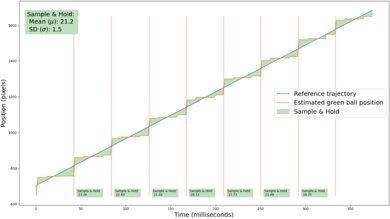
Adding low levels of motion interpolation does a great job reducing stutter on this TV. The feature is very consistent, with almost no variation in frame time even in very busy scenes, and it significantly reduces how long each frame is held on the screen.
for pictures & test results
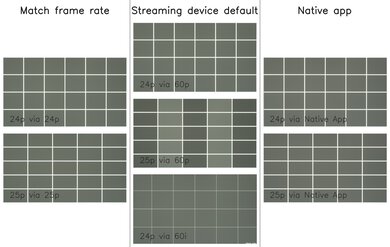
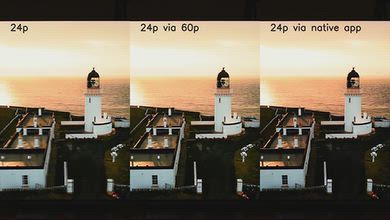
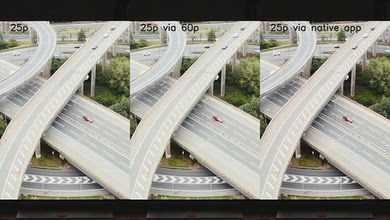
This TV removes judder from most content. The frame timing is slightly off with some European 25p content, but it's a very minor issue that most people won't even notice.
for pictures & test results

for pictures & test results

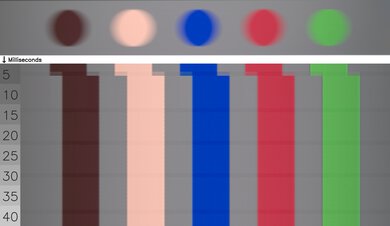
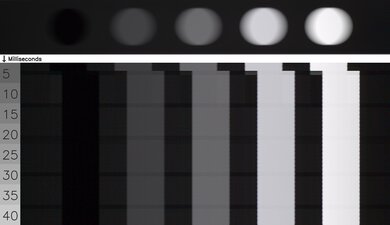
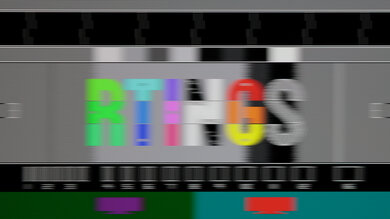
Unfortunately, this TV has a very slow response time when watching content, and fast motion is extremely blurry. Unfortunately, enabling the high refresh rate mode actually makes it worse.
for pictures & test results

The Hisense U6 Pro uses pulse width modulation (PWM) to dim its backlight, which introduces flicker that can bother people who are sensitive to it. Fortunately, it flickers at an extremely high frequency in all picture modes, at all brightness levels, and with local dimming enabled, so it's not visible. There's a secondary wobble at 120Hz, though, but it's very minor and not the same as a full on/off flicker effect, so it's unlikely to bother anyone.
for pictures & test results
for pictures & test results
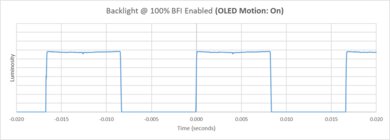
The TV supports backlight strobing, more commonly known as black frame insertion (BFI). In Game Mode it can flicker at either 60 or 120Hz, so it'll match the frame rate of the source to avoid creating a double image.
for pictures & test results

for pictures & test results

The matte anti-reflective coating does a great job reducing the intensity of direct, mirror-like reflections. They're still noticeable, but significantly fainter and not as distracting. It does spread the light out, though.


for pictures & test results

Ambient light has no noticeable impact on the perceived color volume of this TV.
for videos & test results
for pictures & test results

for pictures & test results

for pictures & test results

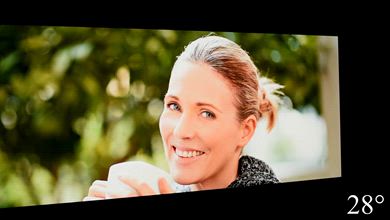
Unfortunately, this TV has a sub-par viewing angle. The image degrades rapidly as you move to the sides, with a very noticeable red tint, making it an unsuitable choice for a wide seating area.
for pictures & test results

for pictures & test results

The screen has mediocre uniformity. The center of the screen is very patchy, so anything with a uniform color in the center doesn't look good, especially sports. The sides of the screen are also significantly darker than the center, which is a bit more noticeable in all content. It looks a lot better in dark scenes, though.
for pictures & test results

for pictures & test results

This TV uses a VA panel with a BGR (Blue-Green-Red) subpixel layout. This doesn't cause any issues for video or gaming content, but for PC monitor use, it can be a problem as it impacts the text clarity, although not everyone will notice this. It uses a KSF phosphor coating to produce reds, and has a good overall separation of colors.
TVs with LCD panels, like this one, are immune to permanent burn-in.
for pictures & test results

for pictures & test results

Unlike the higher-end Hisense U7SG, this TV uses an older HDMI chipset and only supports HDMI 2.1 bandwidth on two of its four inputs. It doesn't support the newer ATSC 3.0 standard, either, so you're limited to 1080p for over-the-air broadcasts.
The Hisense U6 Pro supports eARC, which lets you pass high-quality, uncompressed audio to a compatible receiver or soundbar through an HDMI cable. It supports all major audio formats, so you don't have to worry about compatibility with external sources.
for pictures & test results

The Hisense U6 Pro has an fairly nice design, with thin bezels on three sides. The bottom bezel is a bit thicker and juts out a bit with an angled design.
for pictures & test results

The pedestal feet offer good support, but can't be adjusted to a narrower position and take up a lot of space. They're also a little low, so larger soundbars won't fit in front of the TV without blocking some of the screen.
Footprint of the 65-inch stand: 49" x 11.9" x 2.4"
for pictures & test results

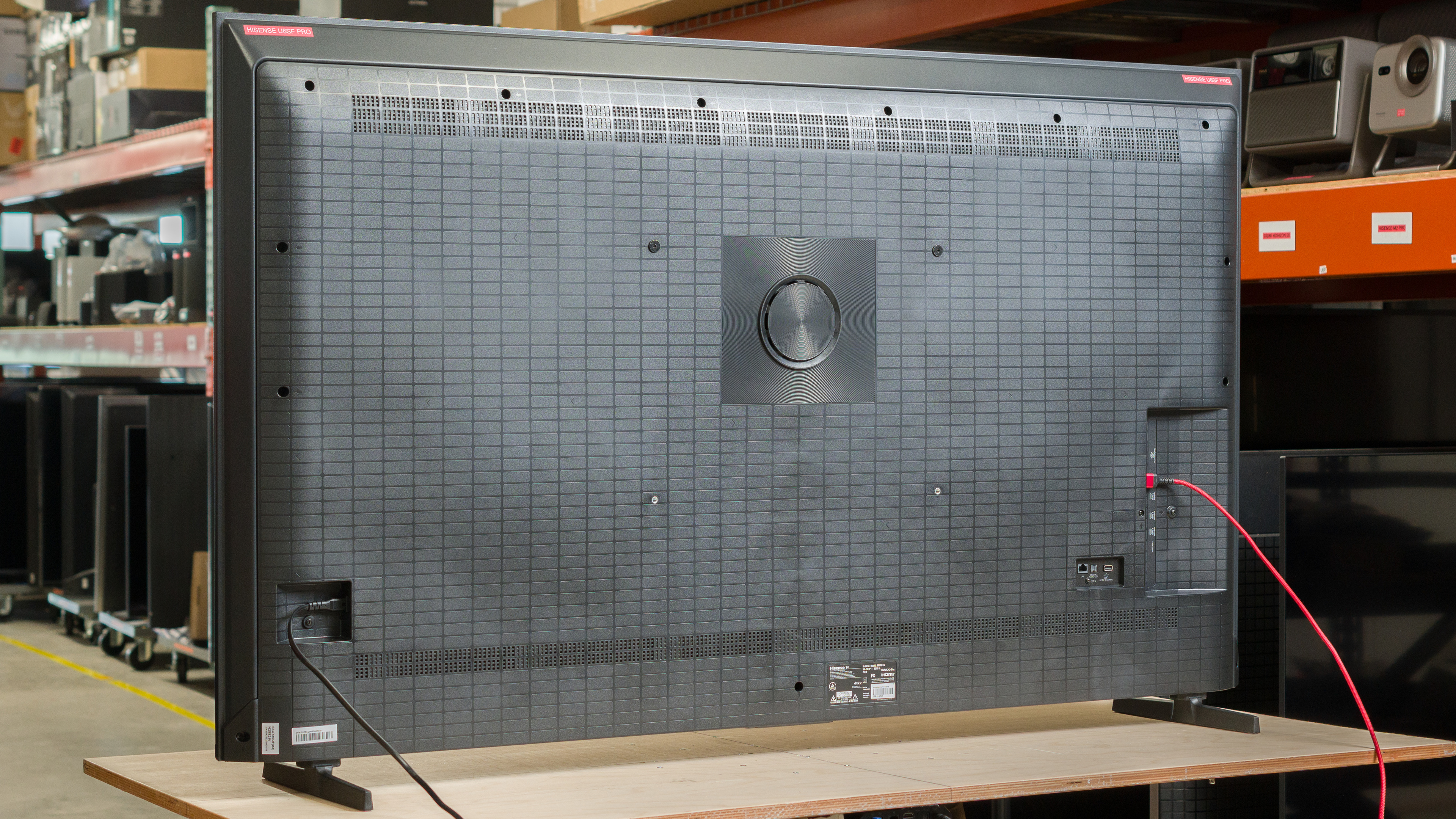
The back of the TV has a grid pattern identical to the Hisense U7SG. It gives the TV a bit of a premium look. The inputs face towards the left side when viewed from the front, and they're easy to access when the TV is wall-mounted. Unfortunately, there's absolutely nothing to help with cable management.


for pictures & test results

The Hisense U6 Pro has decent build quality. There are no serious flaws or quality control issues on our unit, but it's not very premium and mostly uses cheap materials.

for pictures & test results

This TV ships with the Fire TV smart interface. It has a modern interface that's easy to use and has a good selection of streaming apps.
for pictures & test results

Unfortunately, like most TVs, the interface contains ads. You can opt out of personalized ads, but this doesn't change the number of ads you'll see; they just won't be personalized to match your search and viewing history.
You can skip the network setup part during the initial setup and use the TV entirely offline, but most of the smart features won't work.

for pictures & test results

- Quick setup guide
- Remote
- 2x AAA batteries
- Power cable
This TV was originally tested with FIRE OS 8.1.8.0.
for pictures & test results

Unfortunately, the TV's build-in speakers are sub-par. It has an okay sound profile at low and moderate listening levels, and dialogue is fairly clear and easy to understand. It just can't get very loud, though, and you may have a hard time hearing it in loud environments.