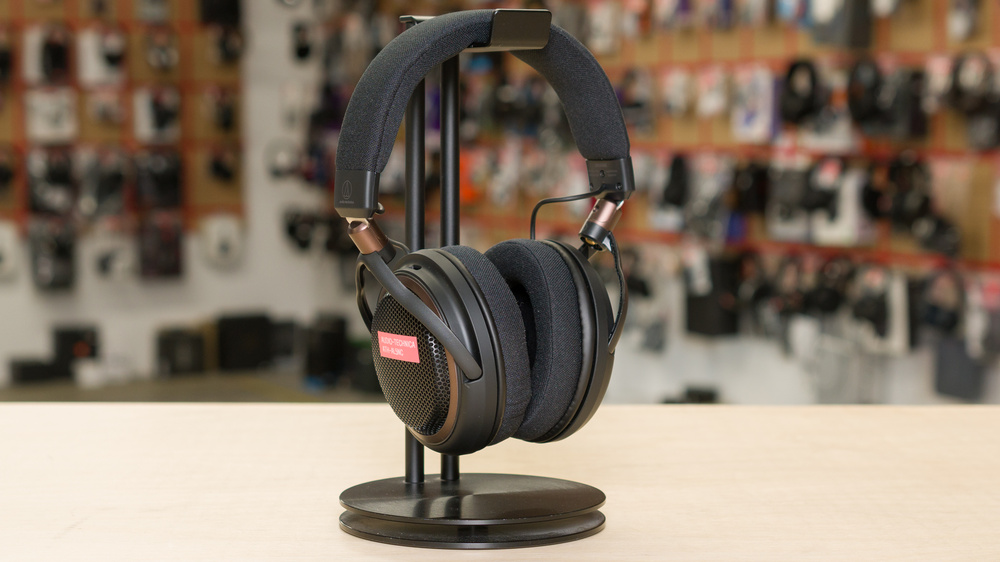
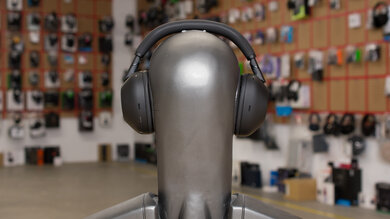
The Audio-Technica ATH-AL5NC are wireless open-back headphones for people who want the spacious sound of open-backs at home, but without the limitations that come with a cable. Bluetooth open-backs are rare, and most wireless over-ears, like the brand's own Audio-Technica ATH-M50xBT2 Wireless, are closed-back. Interestingly, these open-backs come with noise cancelling, though their design inherently lets sound pass in and out, so they aren't a substitute for closed-back headphones on a commute.
Our Verdict
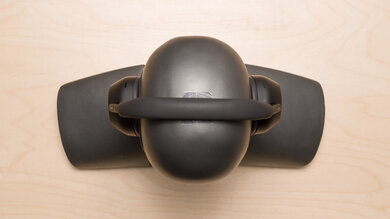
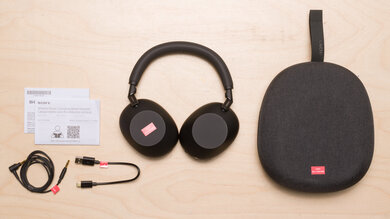
The Audio-Technica ATH-AL5NC are mediocre for sports and fitness, and they aren't designed for it. They're very light, but they're also large and barely clamp, so they won't stay on your head through a jog or a set of burpees. They're also bulky to carry to the gym; their soft pouch won't protect them much in a bag, and they don't have any rating for dust or water resistance.
Unusually deep bass for open-backs.
Consistent bass and treble delivery from one wear to the next.
Uneven treble can render sibilants piercing.
Large, loose fit that won't stay on during workouts.
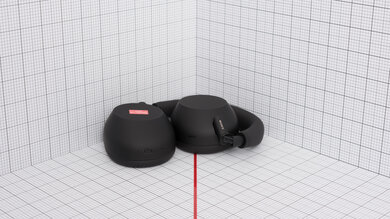
The Audio-Technica ATH-AL5NC are mediocre for travel. Open-backs let sound pass in and out, and while their noise cancelling takes some of the edge off low hums, it does little against voices and higher-pitched sounds, so you'll hear most of what's going on around you on a train or plane. They also leak a lot of audio, so people near you in a quiet train car can hear what you're listening to. On the plus side, they're light and decently comfortable, and their 54-hour battery life easily outlasts a long trip. They're large, though, and take up a lot of room in a bag.
Unusually deep bass for open-backs.
Excellent 54-hour battery life.
Consistent bass and treble delivery from one wear to the next.
Integrated mic handles background noise poorly.
Uneven treble can render sibilants piercing.
Poor noise isolation, even with noise cancelling on.
The Audio-Technica ATH-AL5NC are sub-par for office work. They let in most office noise, so you'll still hear conversations and keyboard clatter, and they leak enough audio for coworkers nearby to hear what you're listening to. There's a mode that cuts down on leakage, but it hollows out the sound and turns off your EQ. The integrated mic is okay for calls from a quiet room, though it struggles to separate your voice from background noise. Still, they're light and decently comfortable for a full workday; they can stay paired with two devices at once, and their battery lasts over 54 hours.
Analog cable with an in-line mic for low-latency audio and voice chat.
Integrated mic handles background noise poorly.
Uneven treble can render sibilants piercing.
Poor noise isolation, even with noise cancelling on.
The Audio-Technica ATH-AL5NC aren't suitable for wireless gaming. They don't come with a low-latency wireless dongle, and their Bluetooth latency is high enough that game audio can fall out of sync with what's on screen. Their app's low-latency mode isn't much help, either: it didn't change the latency we measured on PC.
The Audio-Technica ATH-AL5NC are decent for wired gaming. Their analog cable has an in-line mic, so one cable gives you game audio and voice chat on PCs and via PS5 and Xbox controllers. They're light and decently comfortable for long sessions, though the fit can feel loose. Their warm sound stays close to our target in the bass and mid-range as long as they're powered on, so dialogue and effects like explosions are reproduced accurately. Used with the power off, you lose some low-bass and the treble gets duller. The in-line mic also makes your voice sound quieter and bassier than the integrated mic does.
Unusually deep bass for open-backs.
Analog cable with an in-line mic for low-latency audio and voice chat.
Integrated mic handles background noise poorly.
Uneven treble can render sibilants piercing.
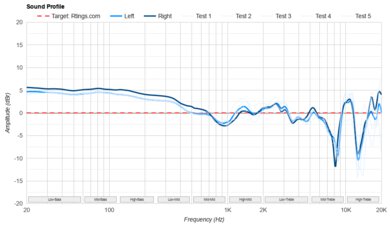
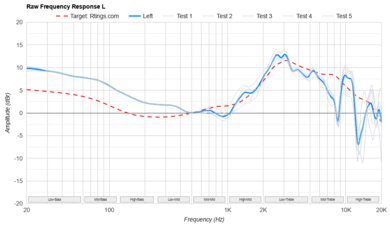
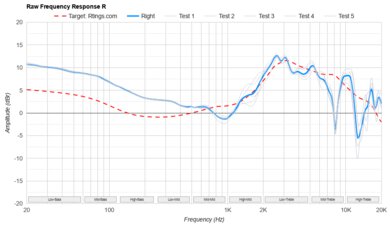
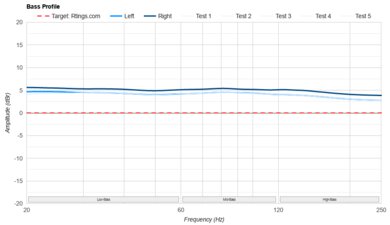
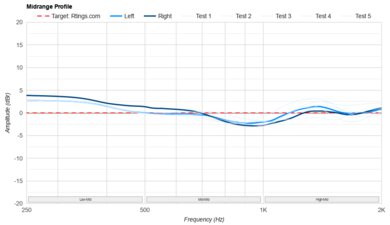
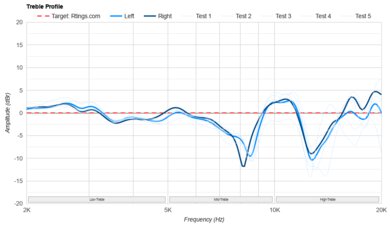
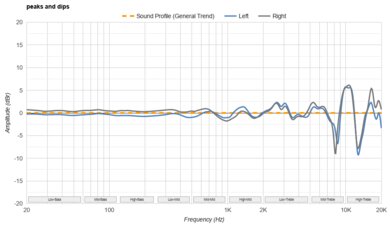
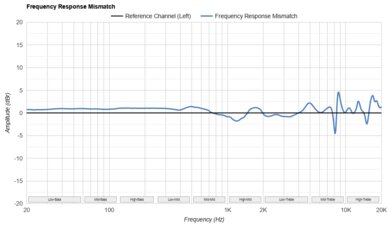
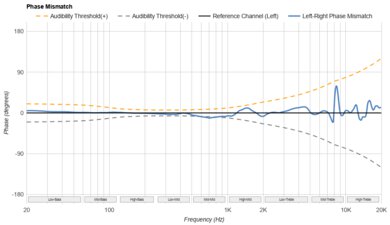
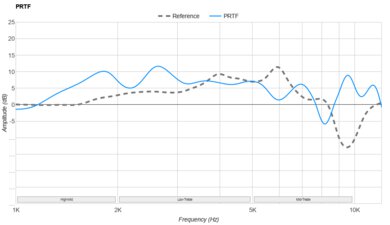
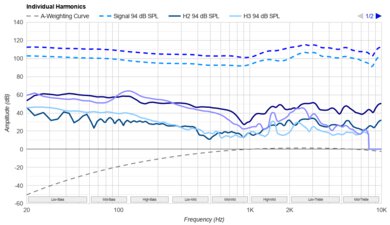
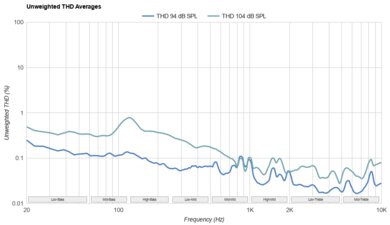
The Audio-Technica ATH-AL5NC have decent audio reproduction accuracy. Their bass and mid-range follow our target closely, and with noise cancelling in its stronger mode, the bass reaches deeper than most open-backs manage. The treble is less even: a narrow dip in the low-treble takes some detail away from vocals and lead instruments, while peaks higher up make certain sibilants and cymbal hits jump out. On the plus side, the left and right drivers of our unit are well-matched, so the stereo image is stable, and harmonic distortion is very low, even at high volumes, so your audio always remains clean, even when you're blasting your ears.
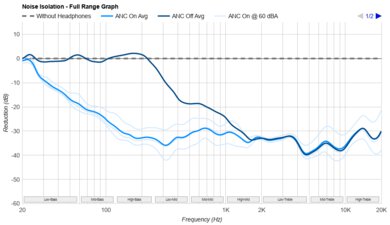
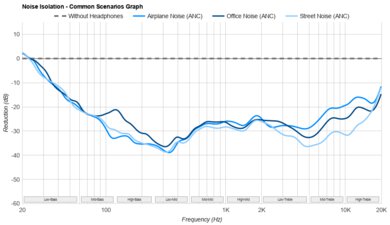
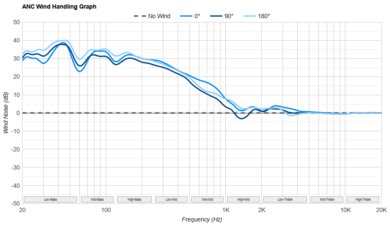
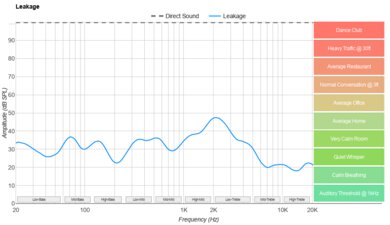
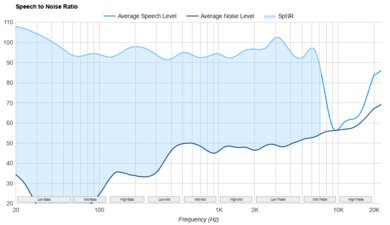
The Audio-Technica ATH-AL5NC have poor noise isolation, which comes with the territory for open-backs. Unusually for this type of headphones, they have noise cancelling, and its stronger mode does reduce some high-bass noise like fridge hum. That said, low-bass engine rumble does get through, and higher-pitched sounds like voices are still audible. Leakage is poor, too: people nearby in a quiet room can clearly hear your audio. A leakage reduction mode lowers how much escapes, but it also strips most of the mid-range and treble from what you hear.
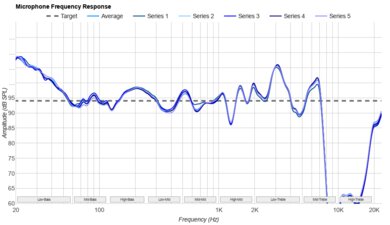
The Audio-Technica ATH-AL5NC have a mediocre microphone. The integrated mic's recording quality is okay, so your voice is easy enough to understand in a quiet room, but it lacks brightness and detail. Noise is the bigger problem: steady background noise stays audible throughout your call, and something as loud as a passing train can cut your voice out entirely. The cable has an in-line mic for wired use, but it sounds quieter and bassier than the integrated one.
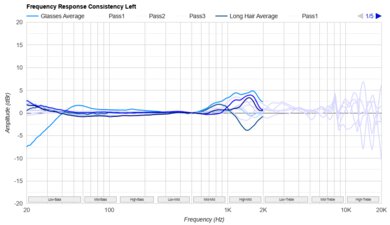
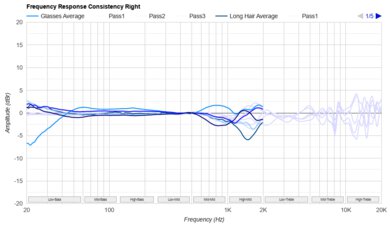
The Audio-Technica ATH-AL5NC have amazing frequency response consistency. Their sound barely changes from one wear to the next: you get much the same bass and treble each time you put them on, and they fit most head shapes and sizes, so there's no need to fuss with their position.
Performance Usages
Check Price
Differences Between Sizes And Variants
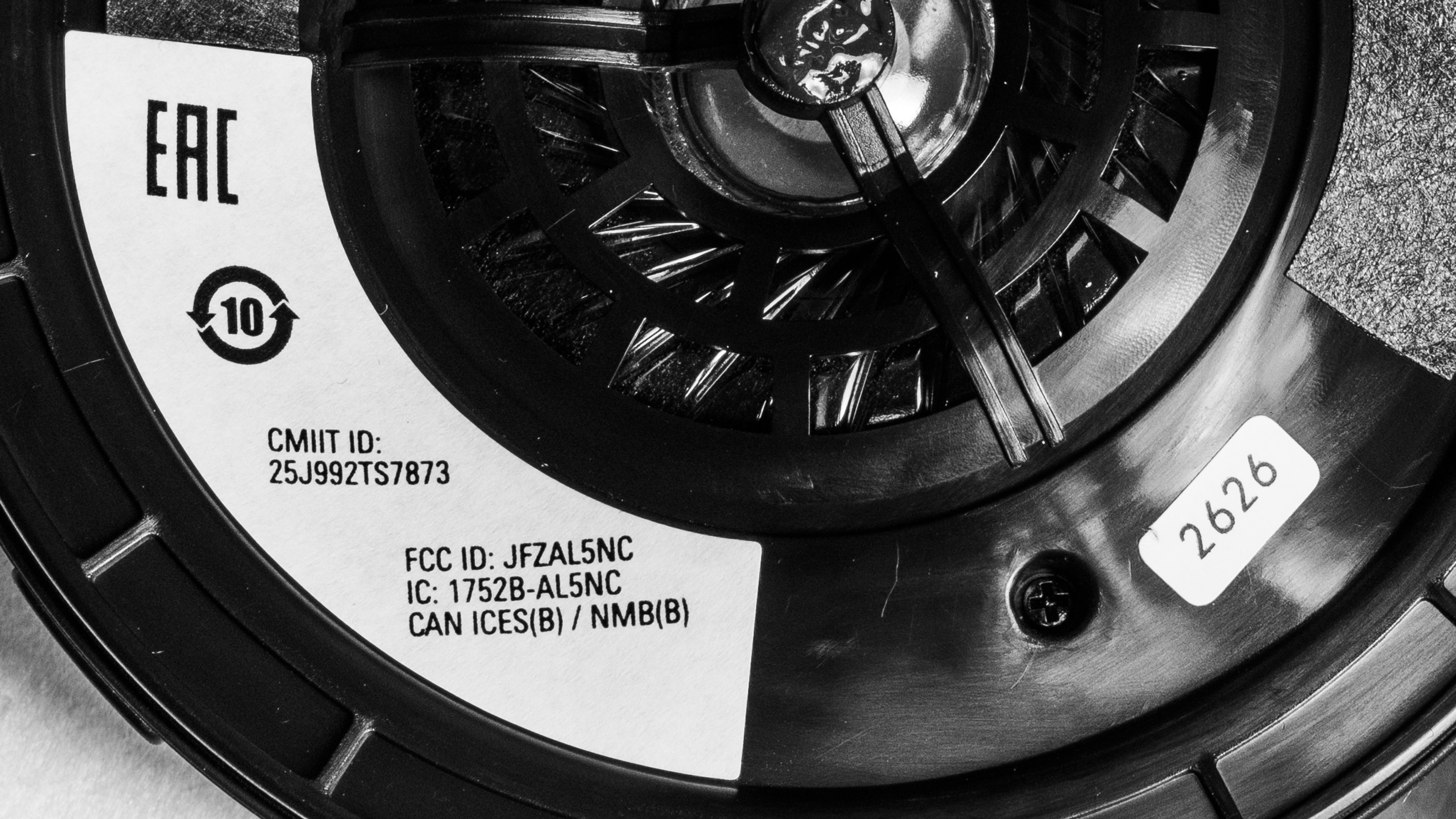
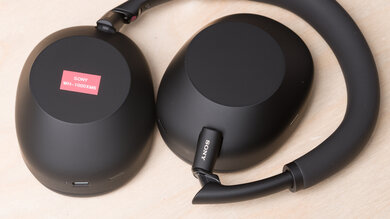
The Audio-Technica ATH-AL5NC come in one color: 'Black.' We took a photo of the label on the unit we bought and tested.
If you come across a different variant, let us know in the comments, and we'll add it to our review.
Popular Headphone Comparisons
The Audio-Technica ATH-AL5NC are an unusual mix: open-back headphones with Bluetooth and noise cancelling. In Audio-Technica's lineup, they sit beside the closed-back Audio-Technica ATH-M50xBT2 Wireless, which use the same app and also have a very long battery life, but (unsurprisingly) leak much less audio. If you care more about sound than convenience, the wired Audio-Technica ATH-R70x are the brand's open-backs for studio use, though you'll likely need an amp to drive them.
Most other open-backs are wired, too. The more affordable Sennheiser HD 560S have a flatter sound, but they don't have Bluetooth, a mic, or noise cancelling. For gaming, the Turtle Beach Atlas Air are wireless open-backs with a low-latency USB dongle and a boom mic, neither of which you get with the Audio-Technica. If it's the noise cancelling that draws you to the ATH-AL5NC, keep your expectations in check: it only takes the edge off low hums, and higher-end audiophile-grade closed-backs like the Sennheiser HDB 630 block far more noise.
If you want open-backs and don't mind a cable, check out our recommendations for the best open-back headphones. If you need headphones that leak less audio and block more noise, see the best closed-back headphones. Or, if you'd like to stay with the brand, we also cover the best Audio-Technica headphones.
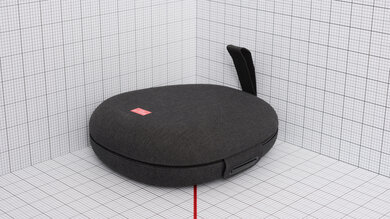
The Audio-Technica ATH-AL5NC are a much more modern take on noise cancelling headphones than the Audio-Technica ATH-ANC70, though neither blocks much noise. The ATH-ANC70 are older, wired-only closed-backs that run on an AAA battery and won't play audio without one, and they don't have an app or an EQ. The ATH-AL5NC work over Bluetooth or a cable, recharge via USB-C, still play over their cable with the power off, and let you tune their sound in an app. Where the ATH-ANC70 have the edge is in a quiet shared space, since their closed ear cups leak very little audio, while people nearby can clearly hear what you're playing on the open-back ATH-AL5NC. The ATH-ANC70 also come with a hard case instead of a soft pouch.
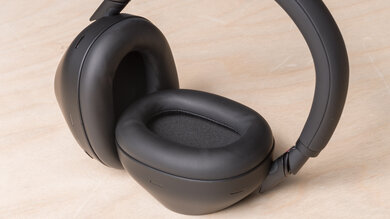
Choosing between the Audio-Technica ATH-M50xBT2 Wireless and the Audio-Technica ATH-AL5NC comes down to whether you want closed or open ear cups. Otherwise, they have a lot in common: both are Bluetooth over-ears that use the same companion app with an EQ, support LDAC, pair with two devices at once, and last well over 50 hours. The ATH-M50xBT2's closed-back design leaks much less audio, so they're the more practical pick for an office or a commute, and they fold up to take less room in a bag. But the ATH-AL5NC are lighter and barely clamp your head, though their open design means people nearby can hear what you're listening to.
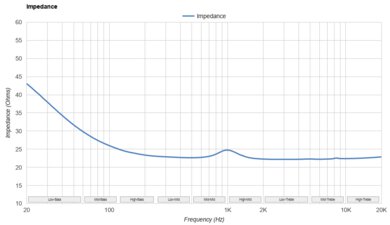
The Audio-Technica ATH-R70x are made for the studio, while the Audio-Technica ATH-AL5NC are for casual listening around the house. The ATH-R70x are wired open-backs with no mic or controls, and their high impedance means you'll likely need an amp to drive them to a reasonable listening level. But their mid-range is very accurate, so vocals and lead instruments sound clear and present, though they do lack low-bass. The ATH-AL5NC are easier to live with: they work over Bluetooth or a cable without an amp, last over 54 hours, and have an app with an EQ and mics for calls. With noise cancelling in its stronger mode, their bass also reaches much deeper, though their treble is uneven, and the noise cancelling itself only reduces some high-bass noise, like fridge hum.
The Sennheiser HD 560S are the better choice if you only listen at a desk, while the Audio-Technica ATH-AL5NC are more versatile. The Sennheiser are wired open-backs with no mic, no controls, and no battery to charge. Their flatter sound follows our target much more closely in the treble, so vocals keep the detail that the Audio-Technica's uneven treble takes away. They're also significantly more comfortable, with plusher padding and a more stable fit. The Audio-Technica reach far deeper into the bass, though, and you can use them wirelessly, tweak their sound in an app, and take calls. Either way, plan on listening at home: both leak a lot of audio, and even the Audio-Technica's noise cancelling doesn't block much.
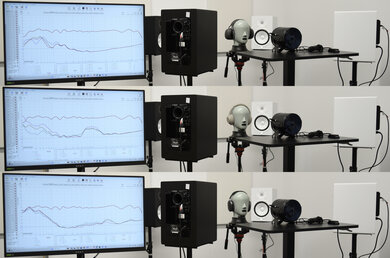
Our How We Test Headphones article takes you behind the scenes in our lab. You'll learn how we choose and purchase products and dive into the details of our review philosophy, from testing and scoring to writing and editing.
You can also discover how we produce recommendations like this one so that you can find the best headphones (or earbuds!) for your needs.
Test Results
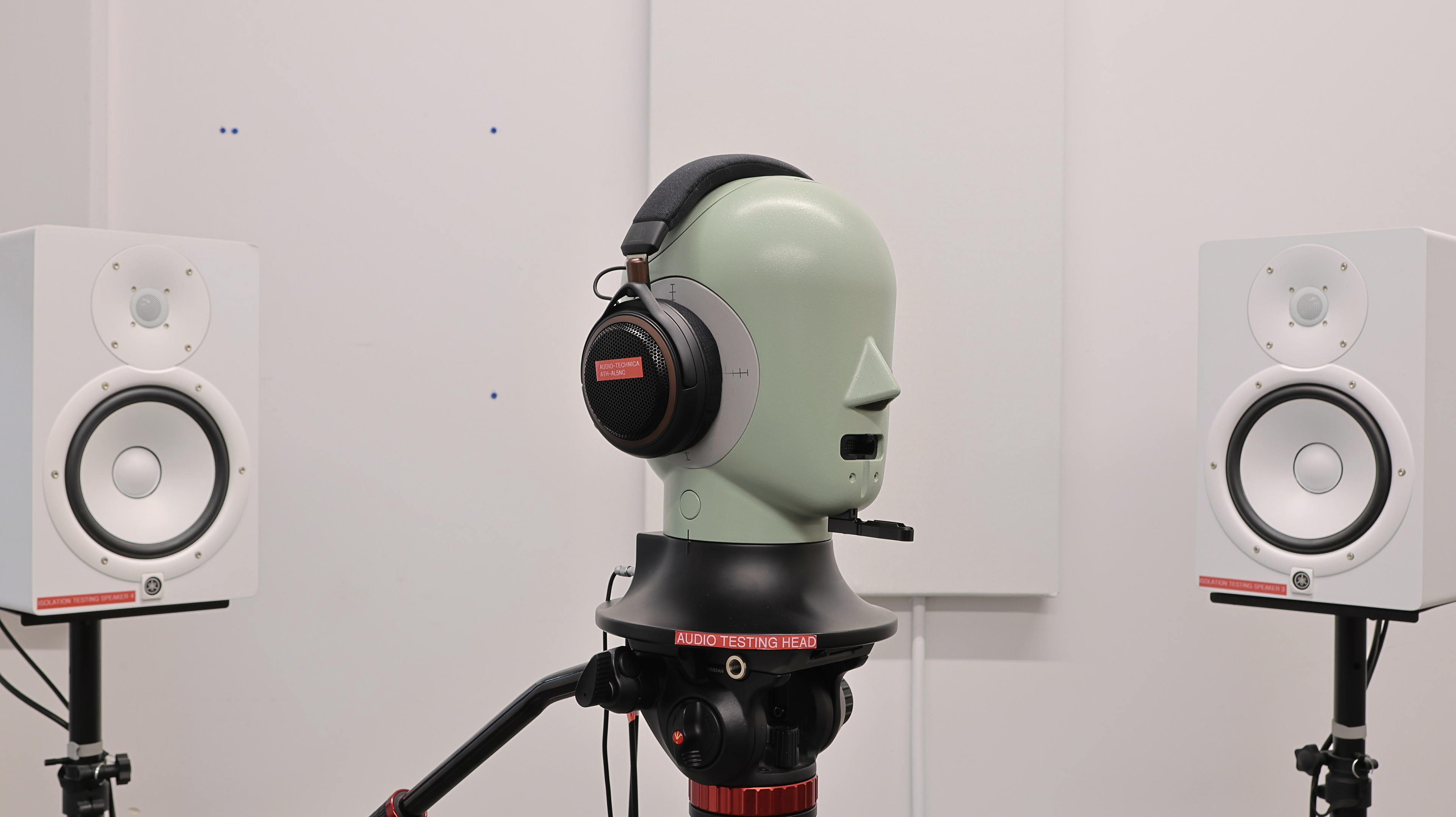
for pictures & test results
for pictures & test results
for pictures & test results
for pictures & test results

for pictures & test results


for pictures & test results