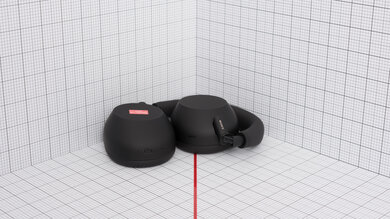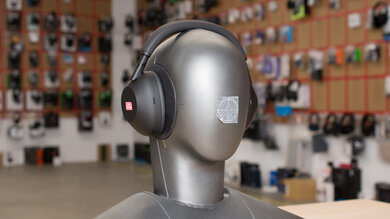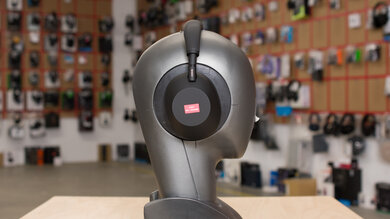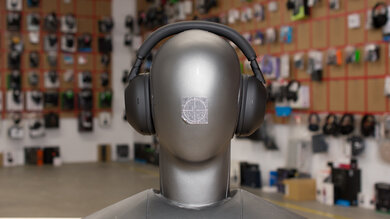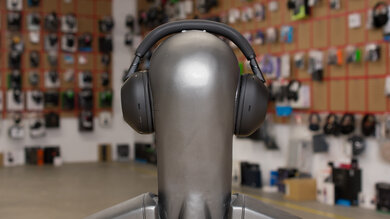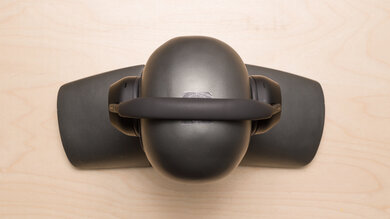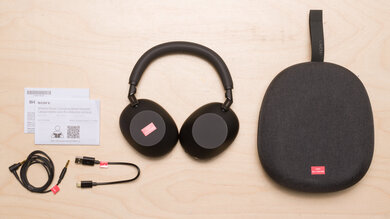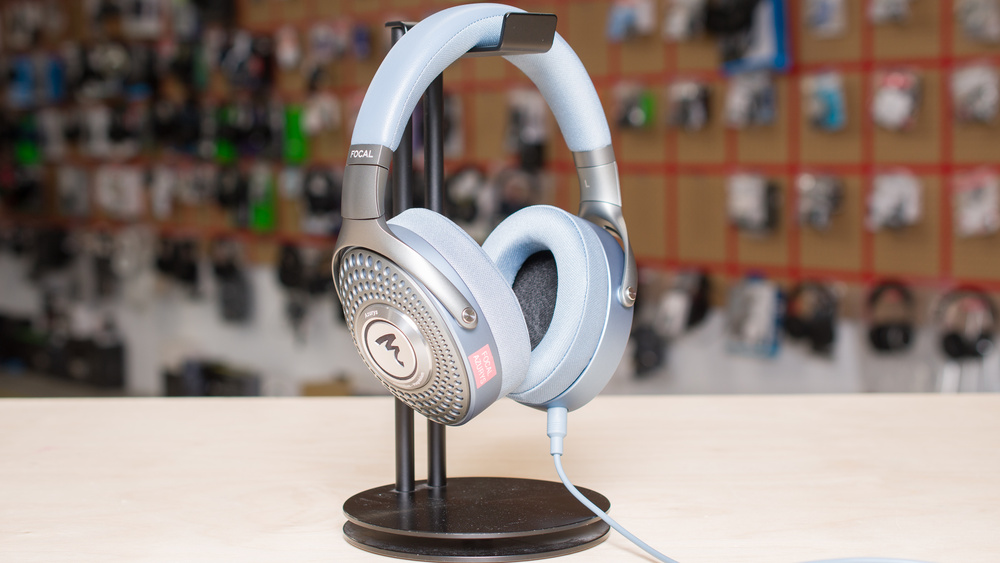
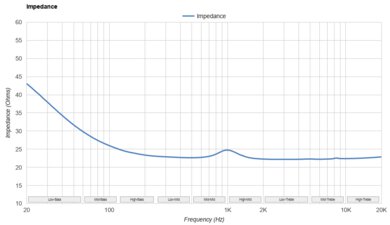
The Focal Azurys pose the lauded French brand's answer to the question: Can you make entry-level, but premium cans? These close-backed over-ears feature some bare-bones accessories without skimping on the key ingredients, such as tuning and build. Interestingly, the manufacturer even throws in an in-line microphone with basic controls for your work meetings. They don't need an amp either, possibly positioning these as your new audiophile productivity companion to match your laptop.
Our Verdict
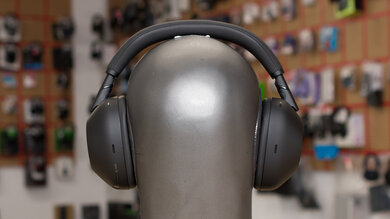
The Focal Azurys are inadequate for sports and fitness. They're stable enough for desk use, but they'll likely slip off or, at the very least, shift around with light exercise, making them difficult to recommend for workouts. In addition, their cable can catch on equipment, and they're bulky. Still, they're comfortable, but between the lack of an IP rating and their fabric-covered padding, which is likely to soak up your sweat, you'll eventually ruin the headphones if you exercise with them.
Very comfortable and well-built.
Passive isolation struggles to comprehensively block noise, by design.
Not stable enough for workouts.
Large size isn't very portable, as expected for over-ears.
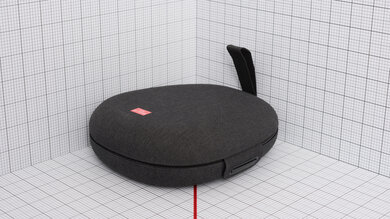
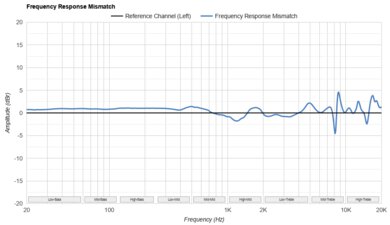
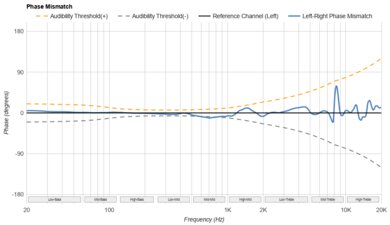
The Focal Azurys are mediocre for travel. They're very comfortable and lightweight, and you don't need to monitor battery levels, but they're also bulky, even if there's a case, which is convenient. You're limited to connecting to devices (or dongles) that connect via the wired, analog headphone jack. Plus, they lack active noise cancellation (ANC), so you won't have a buffer to improve the trip experience. That said, they're well-built with a warm sound profile and well-matched L/R drivers.
Very comfortable and well-built.
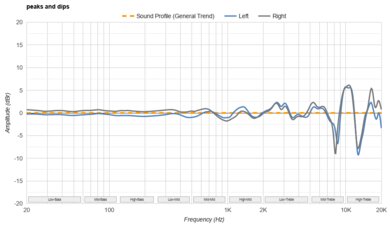
Solid stereo matching and peaks and dips.
Passive isolation struggles to comprehensively block noise, by design.
Large size isn't very portable, as expected for over-ears.
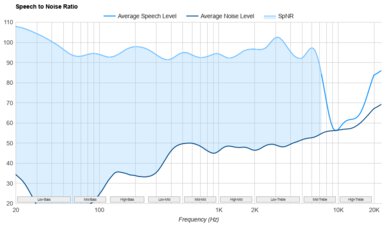
The Focal Azurys are acceptable for office work. They're impressively comfortable and lightweight, and the wired connection works with most work setups. Their in-line microphone, while not the best fidelity, captures your voice intelligibly. But if there's a lot of background environmental noise, like in an open concept space, the mic struggles to reject it. As passive isolating headphones, they don't strongly block out sounds in your space from reaching your ears either. Still, their warm sound profile and well-matched drivers with good peaks and dips performance means that if you're not concerned with office racket, because maybe you have a door, they're an alright work companion.
Very comfortable and well-built.
Solid stereo matching and peaks and dips.
Passive isolation struggles to comprehensively block noise, by design.
Mic struggles with background sounds.
The Focal Azurys are wired-only headphones, so they can't be used wirelessly for gaming.
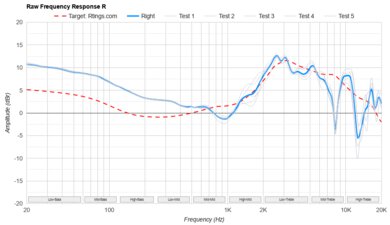
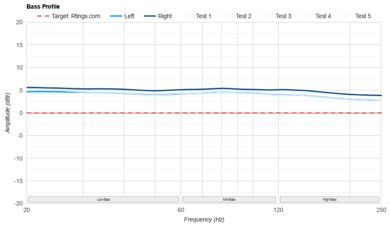
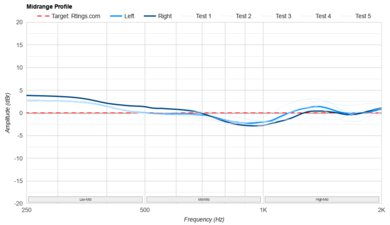
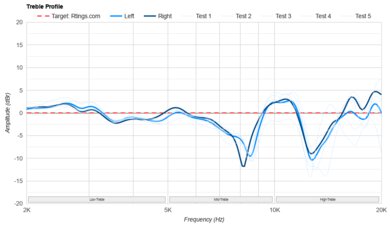
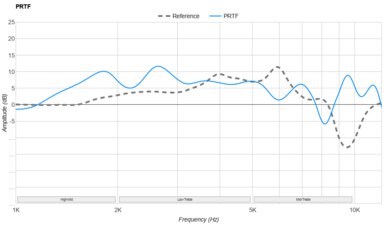
The Focal Azurys are reasonable for wired gaming. Their frequency response reproduces your audio with a good amount of low-end thump, a clear mid-range, and a warm treble, free of notable exaggerations or major peaks and dips. They're also very comfortable to wear for extended periods, thanks to their lightweight frame, though if you're an animated player, they're not the most stable-fitting. Their metal frame is well-built, and the removable cable houses a microphone so you can talk to your team. The drivers don't mimic the interaction with your outer ear like an angled reference speaker, which can impact your perception of distance and height. That said, the mic doesn't sound very high-fidelity, and it struggles to reject background noises. The all-analog design also means you don't get any additional luxuries like chat mix, active noise cancellation, spatial audio, or even volume. Still, you may like the solid execution of the no-nonsense design and the simplicity of a 3.5 mm (1/8") headphone jack.
Very comfortable and well-built.
Solid stereo matching and peaks and dips.
Passive isolation struggles to comprehensively block noise, by design.
Mic struggles with background sounds.
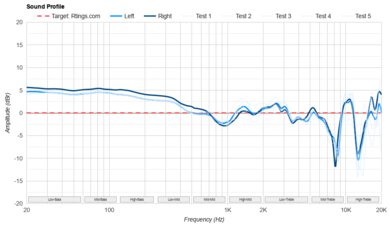
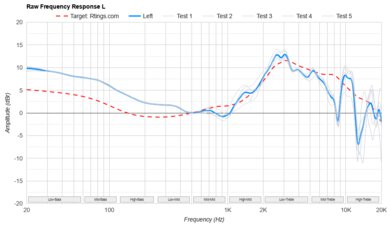
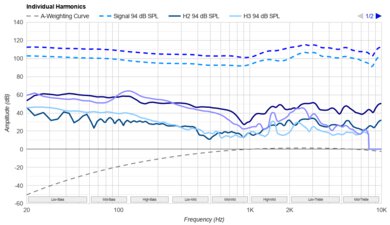
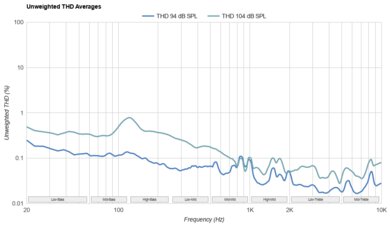
The Focal Azurys are good for audio reproduction accuracy. The aluminum and magnesium drivers are well-matched and have inaudible harmonic distortion. These provide you with a warm sound signature that closely follows our target in the bass and mids, with a darker treble with good peaks and dips, so frequencies don't get buried or jump out in the mix. Their PRTF doesn't emulate the effect of an angled reference monitor because the headphones' design doesn't interact with your ear's pinna in the same way.
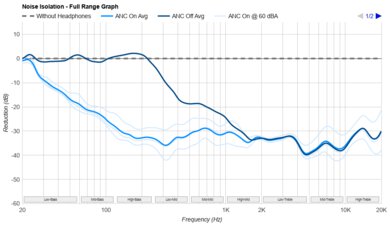
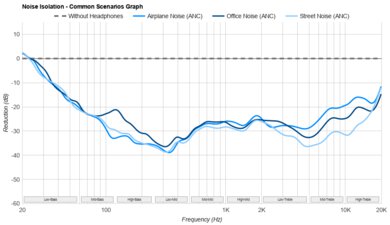
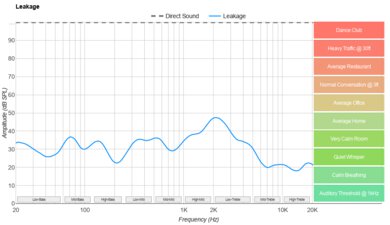
The Focal Azurys are poor for noise isolation. Like most headphones without active noise cancellation, these mainly tame trebly noises, letting low-pitched environmental sounds reach your ears uninterrupted. As a result, they're not ideal for blocking out chatty people or airplane cabin din. While the closed-back design offers a degree of passive isolation and traps most of your audio from leaking into the space, it still lets a bit of it escape, which is audible in quiet spaces like hushed libraries.
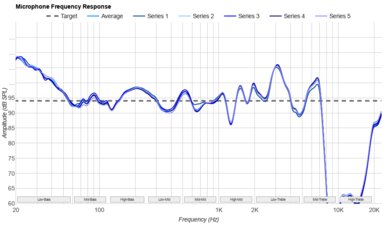
The Focal Azurys have a middling microphone performance. The recording quality captures your voice sounding intelligible and fine for most calls and meetings, if a little noisy. However, the mic struggles to reject background noise and voices, making it difficult for others to hear you above the racket.
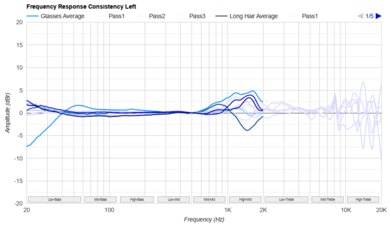
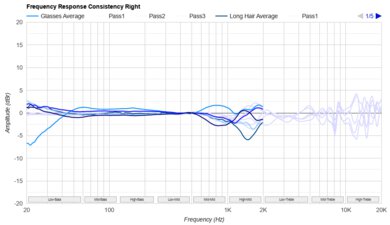
The Focal Azurys have subpar frequency response consistency. It's difficult to achieve a predictable over-ear seal, which results in the bass frequencies sounding either rolled off or relatively boosted, depending on how they fit your anatomy.
Performance Usages
Changelog
- Updated Jun 23, 2026: This review has been updated to Test Bench 2.3, which removes the Virtual Soundstage, Base/Dock, and some comparisons from Bluetooth Connection. Have a look at our changelog for more info.
- Updated Apr 20, 2026: This review has been updated to Test Bench 2.2, which removes the Cumulative Spectral Decay (CSD) test, retiring its waterfall plot visualization from our reviews. You can read more about this change in the changelog.
-
Updated Apr 15, 2026:
This review has been updated to Test Bench 2.1, which removes the Group Delay test and rebalances scoring for the Harmonic Distortion test and Audio Reproduction Accuracy performance usage. For more details, consult our full changelog.
- Updated Apr 09, 2026: We've converted this review to Test Bench 2.1, which features minor updates to our sound tests.
Check Price
Differences Between Sizes And Variants
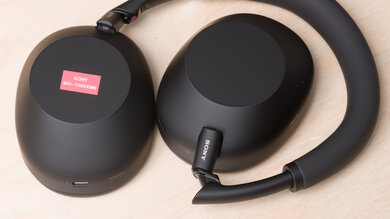
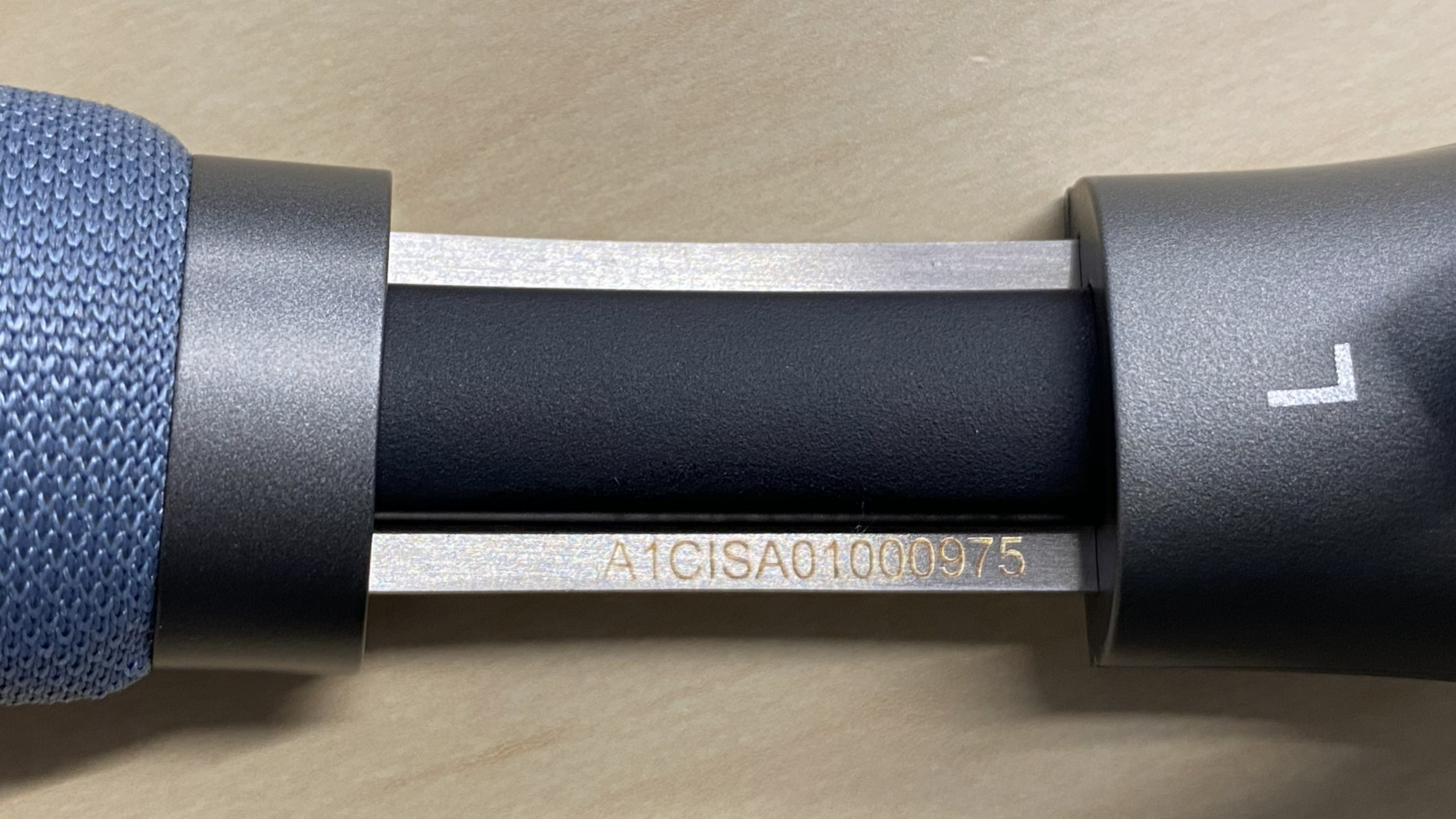
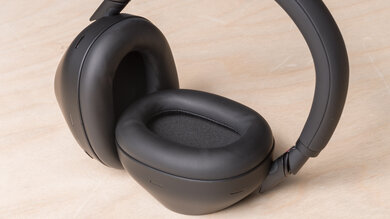
The Focal Azurys come in one color, inspired by the blue of the azurite stone. Here's a photo of our unit's label. If you encounter a variant or additional colorways, please let us know in the comments, and we'll update the review.
Popular Headphone Comparisons
The Focal Azurys closed-backs represent the high-end audio manufacturer's entry-level tier, but they're still pricey for many audiophiles. When it comes to upscale closed-backs, the market is saturated, but the main differences are frequency response and fit, so if you prefer a bit more excited sound (without venturing too far afield), there are the Sennheiser HD 620S. The Beyerdynamic DT 1770 PRO have long been a popular pair of cans for their flatter low-end, but if you're sensitive to bright treble, these include the brand's signature jolt in the highs. Conversely, at a lower pricetag without making too many extreme trade-offs, the FIIO FT1 produce a warm sound with plenty of low-end and more removable cables. The Audeze LCD-S20 use planar magnetic drivers, which makes them heavier than the Focal, but their treble is even darker, which you may prefer. However, none of these models include the Focal's in-line mic and remote, and they all share the weakness of poor frequency response consistency, meaning your sound depends on how they fit you, so there's something to be said for choosing the pair that sits correctly over your ears. Plus, the elephant in the room is that the pricier Focal Bathys boasts a much better frequency response consistency with the added benefits of noise cancelling and EQ, and you don't miss out on the wired connection.
For a wider breadth of options, head over to the best closed-back headphones, the best audiophile headphones, and the best wired headphones.
The Focal Bathys Wireless are more versatile than the Focal Azurys, but they also cost more, and if you don't need Bluetooth, you may prefer the Azurys. The Bathys do have some other upsides besides Bluetooth, such as noise cancelling, EQ to tailor the sound, the option of wired listening, and a more consistent sound between wearers. Still, the Azurys are comfy, a bit cheaper, lighter, and provide you with the brand's signature tuning, so it depends on where you want to wear your headphones.
The Focal Celestee is a higher-tier model than the Focal Azurys, with a more premium build. They're kitted out with higher grade materials, but the metal-clad Azurys aren't poorly constructed, just cheaper to produce with fabric earpads, for example. Both closed-backs provide a little noise isolation, but not much. Both have warm frequency responses, and the Celestee exhibit slightly better frequency response consistency. Still, if you want an in-line mic and can't shell out for the higher-end model, the Azurys is worth a shout.
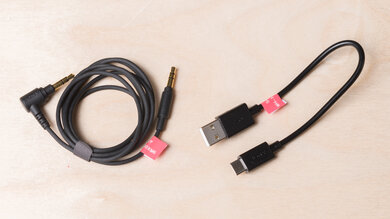
Choosing between the FIIO FT1 and Focal Azurys comes down to whether you prefer a bit more bass or a bit less treble. The FIIO are the bassier of the two, and they include an extra balanced cable with a comfortable fit. However, the Focal have a more analytical bass, but a warmer treble, with fabric-covered padding, making these comfortable, too. You get only one cable, but it has a built-in mic. Arguably, the FIIO initially suffered from dubious hinges, so the Focal might be a safer bet, but current production FIIO units seem to have fixed the issue.
The Beyerdynamic DT 1770 PRO and Focal Azurys are aimed at discerning listeners, but your pick depends on your main use. The Beyerdynamic are made for studio use with a bit more of a rough and tumble design, lacking the visual panache of the Focal. Their tuning trends are bright with a flatter bass, and depending on the variant, may need an amp. In contrast, the Focal are more upscale in looks, deliver a warmer top-end, and don't need an amp.
Our How We Test Headphones article takes you behind the scenes in our lab. You'll learn how we choose and purchase products and dive into the details of our review philosophy, from testing and scoring to writing and editing.
You can also discover how we produce recommendations like this one so that you can find the best headphones (or earbuds!) for your needs.
Test Results
for pictures & test results
for pictures & test results
for pictures & test results
for pictures & test results

for pictures & test results