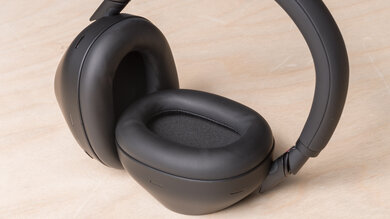
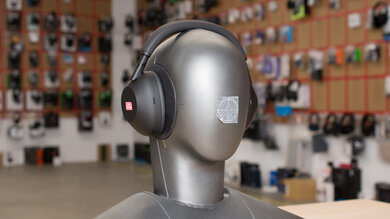
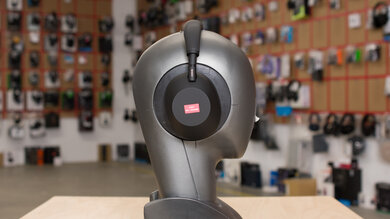
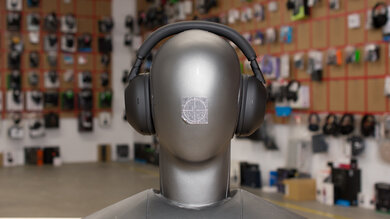
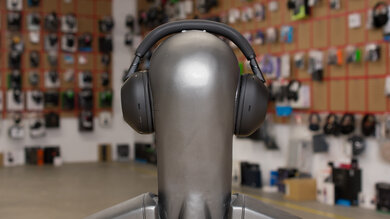
The Nothing Headphone (a) are over-ear ANC-equipped headphones that sit below the Nothing Headphone (1) and above the CMF Headphone Pro in Nothing's lineup. The Headphone (a) are aimed at buyers who want Nothing's design language and app support at a more affordable price. The mid-range of the headphone market is competitive, and it seems Nothing hopes a stylish design, long battery life, and strong wireless codec support help the Headphone (a) stand out from more basic noise cancelling over-ears.
Our Verdict
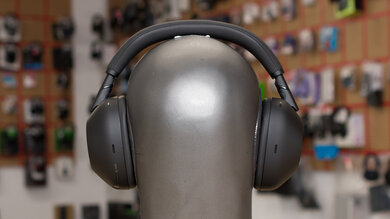
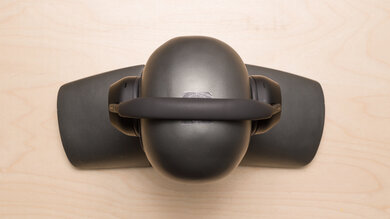
The Nothing Headphone (a) are decent for sports and fitness. They're stable enough for brisk walks, light workouts, or maybe a gentle jog. But they could easily fall off during more intense workouts, and their shallow ear cups can get warm even while you're sitting around, so heat build-up during more vigorous activity could become uncomfortable.
Easy-to-use physical controls.
Small, shallow ear cups can get hot over time.
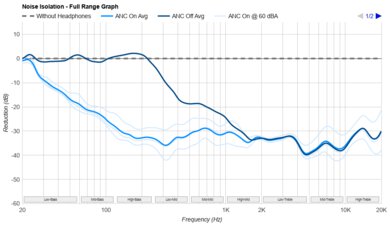
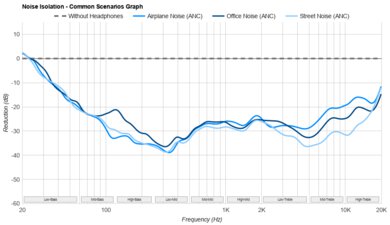
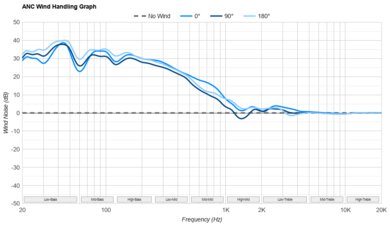
The Nothing Headphone (a) are good for travel. Their ANC system does a great job reducing mid-range and treble noise, so they'll help cut down ambient commuter chatter, cabin crew announcements, and higher-pitched background sounds during flights or commutes. They don't block out the deepest engine rumble as effectively, but their outstanding near-80-hour battery life means you can take them on a long trip without worrying much about charging. They're decently comfortable, though the small, shallow ear cups and heat build-up can become noticeable during the warmer months or longer commutes, and their pouch doesn't protect them from drops as well as a hard case would.
Outstanding 79.25-hour battery life.
Easy-to-use physical controls.
Great mid-range noise isolation.
Mic lacks body and struggles more in loud places.
Small, shallow ear cups can get hot over time.
The Nothing Headphone (a) are decent for office work. Their ANC does a good job blocking out the sounds of coworkers talking or tapping away on keyboards, and they don't leak much audio at moderate volumes. Their battery will also get you through a couple of workweeks, while their companion app gives you plenty of control over ANC and sound. However, their microphone is only okay for calls: your voice remains understandable, but it lacks body, and performance drops in louder environments. The ear cups can also get warm over longer work sessions.
Outstanding 79.25-hour battery life.
Easy-to-use physical controls.
Great mid-range noise isolation.
Mic lacks body and struggles more in loud places.
Small, shallow ear cups can get hot over time.
Wired connection needs power and disables app control.
The Nothing Headphone (a) aren't suitable for wireless gaming. They only connect via Bluetooth, so you can't get the kind of low-latency wireless connection that's best for fast-paced games.
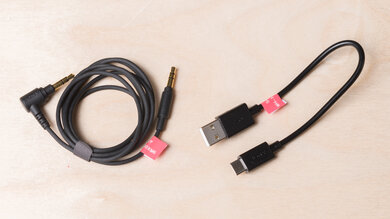
The Nothing Headphone (a) are okay for wired gaming. You can hear game audio via both analog and USB-C audio connections, and their latency over both connections is low enough for most people. USB-C also supports microphone use, but the connection can be finicky if you plug them in while they're already on. You may have to restart the headphones if you run into connection issues. And if you want to chat while using the analog connection, you'll need a third-party mic. These headphones have a warm sound profile that ensures effects like explosions sound immersive and rumbly, but if you have larger ears, you might find the fit uncomfortable over longer gaming sessions.
Outstanding 79.25-hour battery life.
Easy-to-use physical controls.
Great mid-range noise isolation.
Mic lacks body and struggles more in loud places.
Small, shallow ear cups can get hot over time.
Wired connection needs power and disables app control.
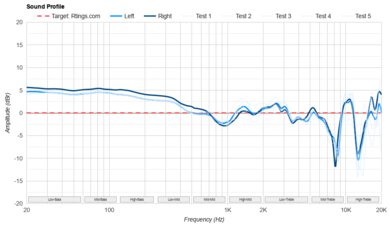
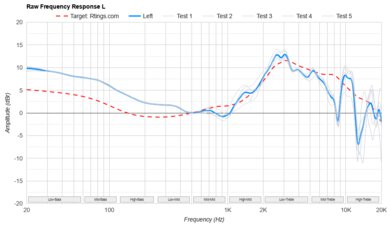
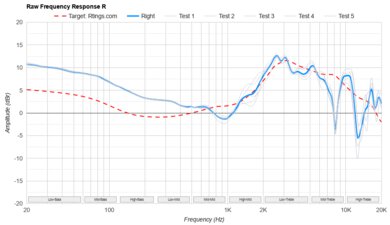
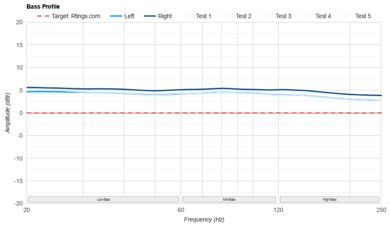
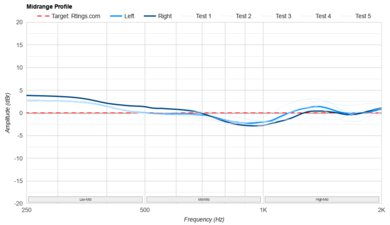
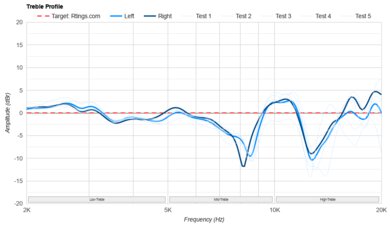
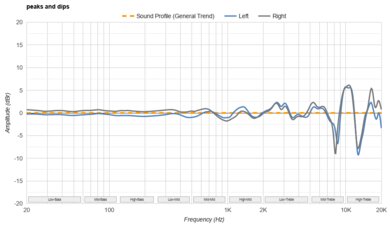
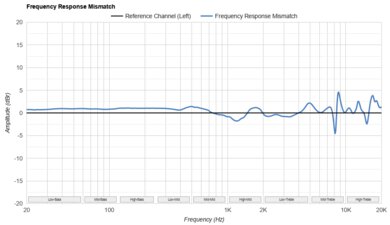
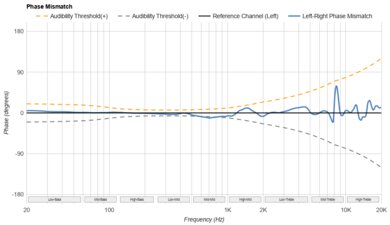
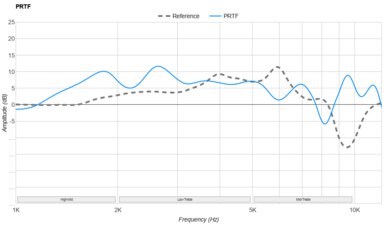
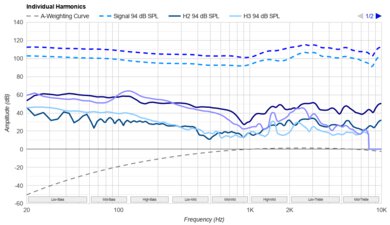
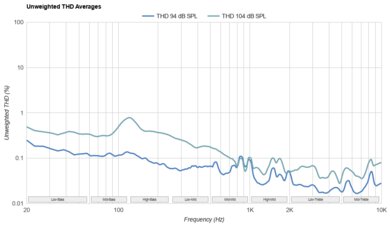
The Nothing Headphone (a) have good audio reproduction accuracy. Their frequency response doesn't deviate much from their warm sound profile, apart from a few minor peaks and dips in the treble range. Their default response offers extra low and mid bass, so kick drums and bass lines sound full without making vocals overly boomy. The mid-range is mostly balanced, though a dip in the low-mids can make some instruments and lower-pitched voices sound a little thin. The treble range is slightly underemphasized but still detailed, so voices and lead instruments have plenty of clarity. The left and right drivers are well-matched, and harmonic distortion is very low.
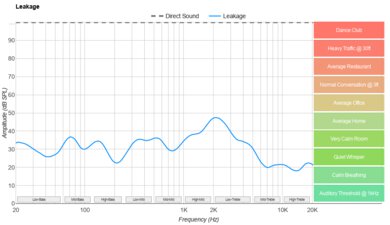
The Nothing Headphone (a) have very good noise isolation. Their ANC system does a great job reducing mid-range sounds like people talking, though they don't block out the deepest engine rumble as effectively as higher-pitched sounds. Leakage performance is decent, so people nearby likely won't hear much at moderate volumes, but a thin version of your audio can become audible in a quiet room if you turn the volume up.
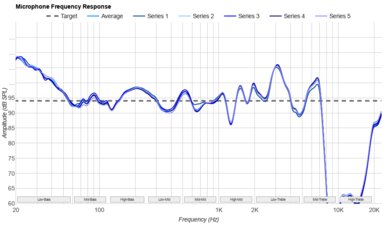
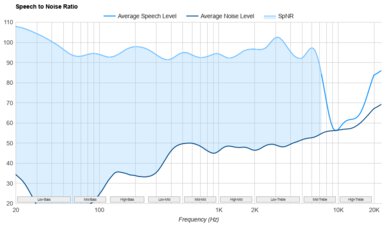
The Nothing Headphone (a) have a decent microphone. Your voice sounds understandable, but it lacks depth and doesn't sound especially full-bodied. The mic's adaptive processing also makes measurements tricky, so our recordings are a better guide to how they sound in practice than our Recording Quality score. The microphone system does a decent job separating your voice from more steady-state background noise like A/C fans, but it struggles when faced with louder sounds like train engines.
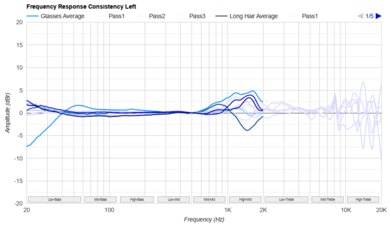
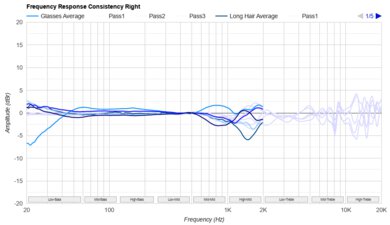
The Nothing Headphone (a) have middling frequency response consistency. Their soft foam pads and shallow ear cups make their sound delivery sensitive to fit and seal. If you wear glasses, you may lose some bass, while mid-range delivery is noticeably affected by head size and hair length, which means sounds like vocals may feel a bit louder or quieter depending on your individual anatomy.
Performance Usages
Changelog
-
Updated Jul 08, 2026:
We've updated Popular Headphone Comparisons to include the CMF Headphone Pro.
- Updated Jun 23, 2026: This review has been updated to Test Bench 2.3, which removes the Virtual Soundstage, Base/Dock, and some comparisons from Bluetooth Connection. Have a look at our changelog for more info.
- Updated May 29, 2026: Review published.
- Updated May 26, 2026: Early access published.
Check Price
Differences Between Sizes And Variants
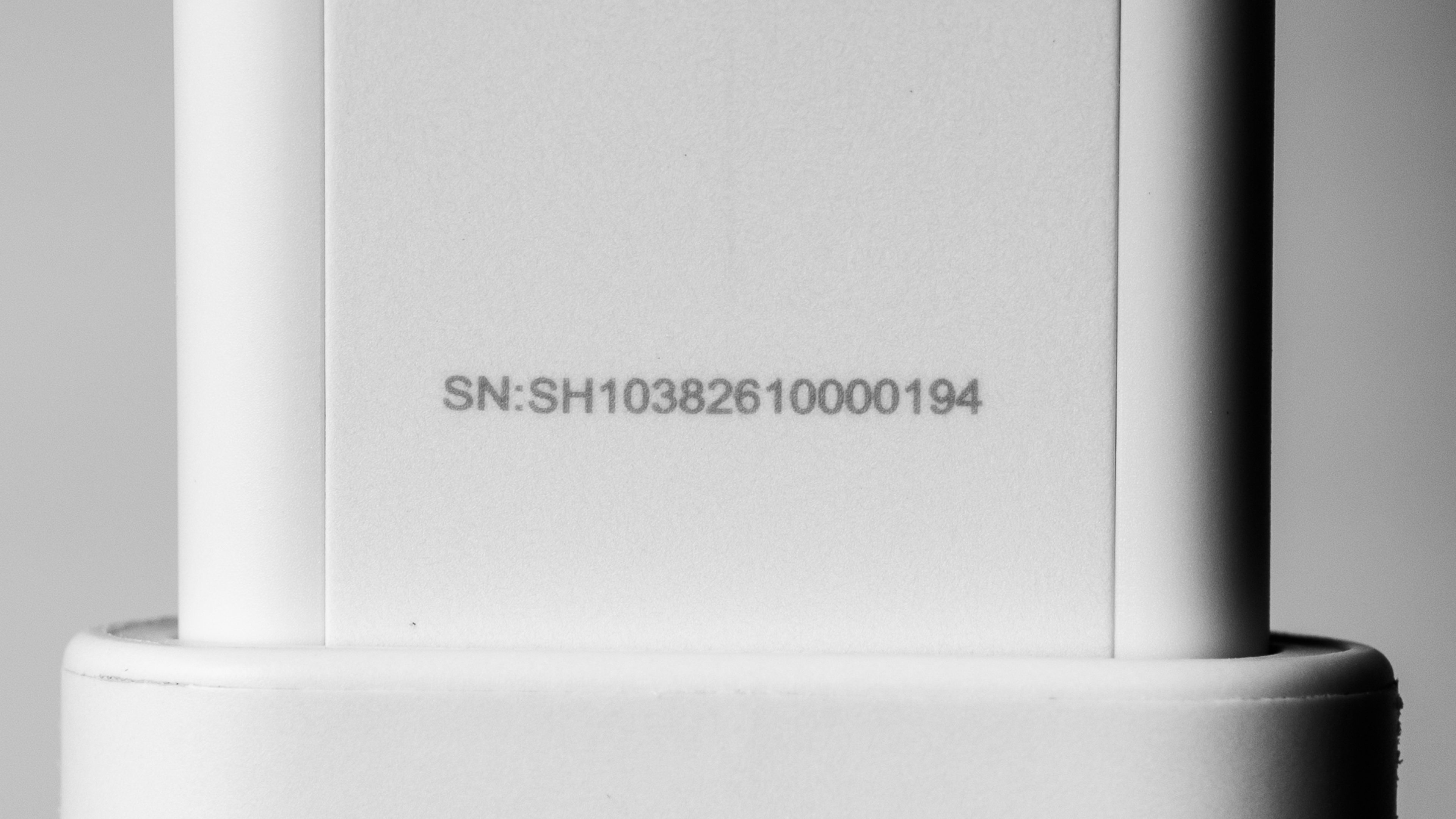
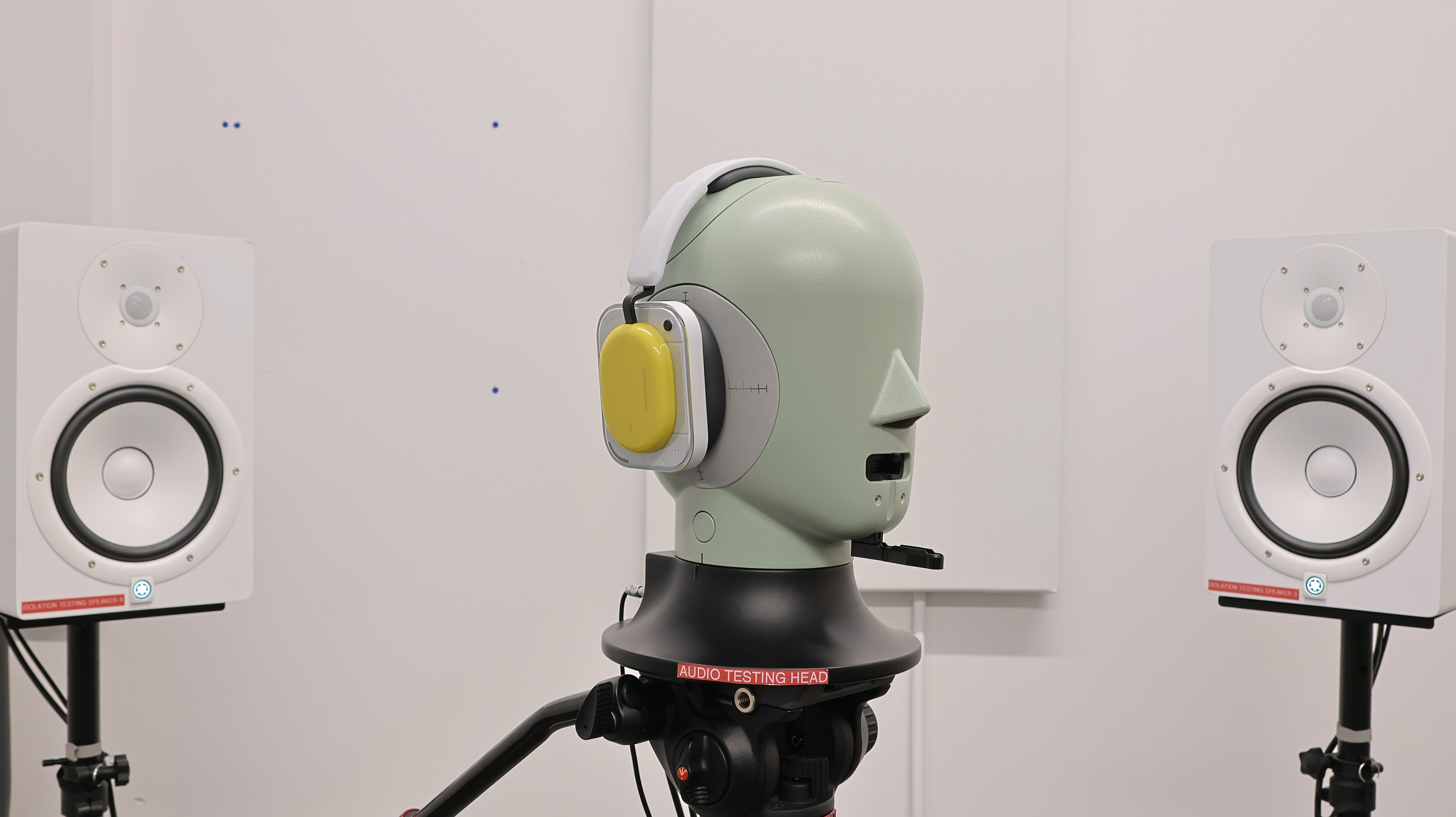
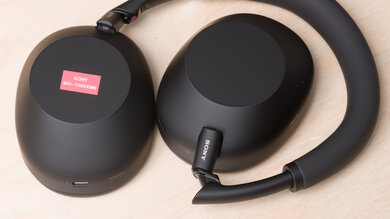
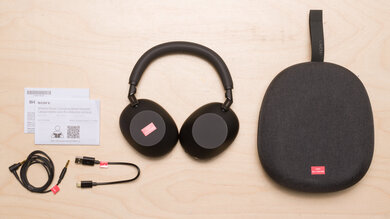
The Nothing Headphone (a) come in four color variants: 'Yellow,' 'Black,' 'White,' and 'Pink.' We took a photo of our 'Yellow' variant's label.
If you encounter another variant of these headphones, please let us know in the comments, and we'll update our review.
Popular Headphone Comparisons
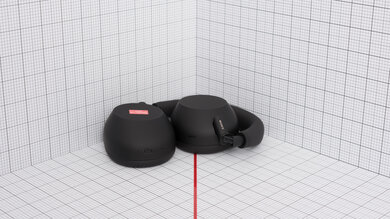
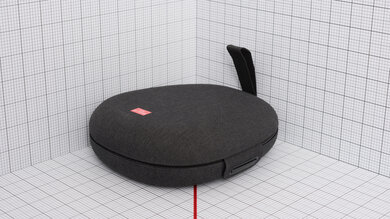
The Nothing Headphone (a) are positioned as a more affordable alternative to the Nothing Headphone (1). They keep the brand's distinctive transparent design, physical controls, and IP52 rating. The trade-offs are clear: the Headphone (a) use a plastic body instead of the Headphone (1)'s aluminum body, come with a pouch instead of a hard case, don't have wear detection, and have weaker ANC. However, they have a much longer battery life, lasting around 80 hours on a single charge compared to the Headphone (1)'s 33 hours. There's also the CMF Headphone Pro from Nothing's sub-brand that have similar noise isolation performance in a lower price tier.
Where the Nothing Headphone (1) split the difference between budget-friendly ANC headphones and more premium competitors, the Nothing Headphone (a) are a more affordable alternative focused on style and battery life. However, their ANC doesn't match stronger competitors in this price range. If noise isolation is your main priority, the Anker Soundcore Space Q45 Wireless, the Sony ULT WEAR, and the JBL Live 780NC are better picks. That said, the Nothing still stand out thanks to their original design, excellent battery life, and USB-C wired connection with microphone support.
If you're looking for other headphones, see our recommendations for the best noise cancelling headphones, the best closed-back headphones, and the best travel headphones.
The Nothing Headphone (a) and the Nothing Headphone (1) share a lot of the same DNA: a distinctive transparent design, physical controls, IP52 dust and water resistance, a detailed EQ in the companion app, and wired playback that still requires battery power. The Headphone (a) are the better choice if battery life is your priority, as they last around 80 hours compared to just over 33 hours for the Headphone (1). That said, the Headphone (1) are still the more premium model. They have an aluminum body instead of a plastic one, a hard case instead of a pouch, better overall noise isolation, better stability, wear detection, and head-tracked Spatial Audio.
The CMF Headphone Pro and Nothing Headphone (a) are over-ears made by the same brand. The CMF targets the budget price point, while the Nothing is more mid-range. Despite this, the CMF have compelling features that make them a good pickup if you don't need the USB-C wired audio and more comprehensive app features available to the Nothing. They're similar in build, comfort, noise isolation, and microphone performance, and though you likely shouldn't exercise with either of them, the Nothing are more stable. That said, you may find it worthwhile to spend a little more for the Nothing if you like their unique look and find their whopping near-80-hour battery life attractive.
The Nothing Headphone (a) and the JBL Live 780NC are both mid-range over-ear ANC headphones with long battery life, but they have different strengths. The JBL have superior ANC, while the Nothing have a much longer battery life, an IP52 rating, and a wired USB-C connection that supports both audio and microphone use (where the JBL's wired connection is audio-only). Fashionistas may appreciate the Nothing's more unique design and purely physical control set. But the JBL's controls offer voice feedback in multiple languages, which you might prefer if you never remember which chime means ANC on and which means device connected.
The Anker Soundcore Space Q45 Wireless and the Nothing Headphone (a) have different strengths. The Anker have better overall noise isolation, a more comfortable fit, a protective hard case, and passive wired playback, which is useful if the battery dies. Their mic also separates speech from background noise very well. The Nothing offer a far longer battery life, an IP52 rating, USB-C audio with microphone support, and a more controlled default sound. There have been reports of the Anker's hinge and headband cracking, but they've also been out a lot longer than the Nothing.
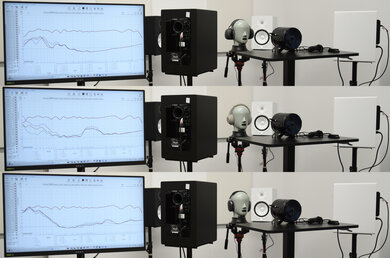
Our How We Test Headphones article takes you behind the scenes in our lab. You'll learn how we choose and purchase products and dive into the details of our review philosophy, from testing and scoring to writing and editing.
You can also discover how we produce recommendations like this one so that you can find the best headphones (or earbuds!) for your needs.
Test Results
for pictures & test results
for pictures & test results
for pictures & test results
for pictures & test results

for pictures & test results

for pictures & test results