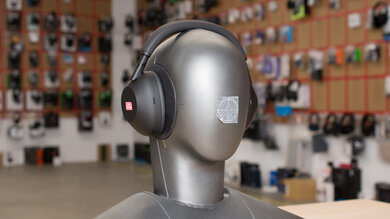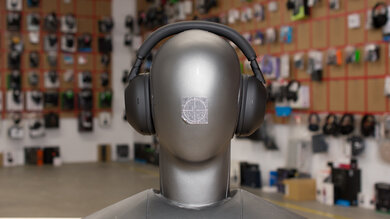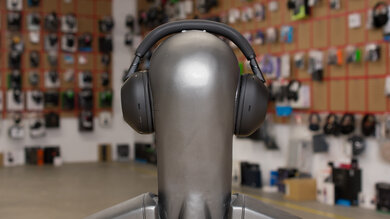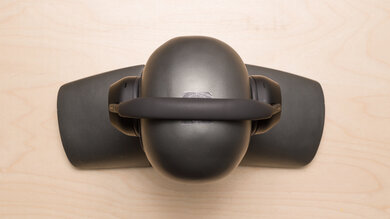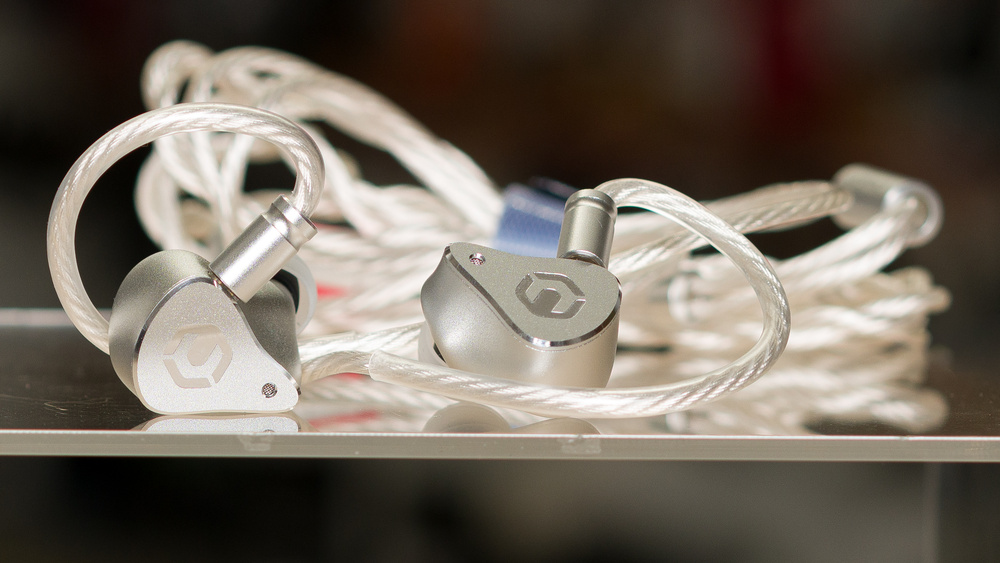

The CrinEar Reference are wired, reference class in-ears from the internet's most eminent IEM guru, Crinacle. With dual 10 mm dynamic drivers and three balanced-armature drivers housed in a machined aluminum enclosure, the manufacturer claims they're tuned to 'Perceptual Flatness,' adding a subtle low-end tilt to the much-lauded JM-1 diffuse-field response. Adding to their utility and versatility is a modular cable that lets you fasten either a standard 3.5 mm connector or a 4.4 mm balanced connector.
Our Verdict
The CrinEar Reference aren't designed for sports and fitness use. Their wired design means the cable can get snagged during runs and jumps, and while they form a stable and comfortable fit in your ear, they're heavier than most in-ears.
Comfortable fit.
Struggles to block out low-frequency sounds.
The CrinEar Reference are decent for travel. They're fairly comfortable in-ears with a design that won't irritate your concha over long journeys, and they're easily stowed in their carrying case between uses. They're able to passively block a good amount of external noise via the strong seal they create in your ear canal, which attenuates screeching trains and passenger chit-chat, though they struggle much more with low-frequency engine rumble.
Comfortable fit.
Struggles to block out low-frequency sounds.
The CrinEar Reference are an option for office use, so long as you don't need mic support. While they're able to passively isolate you from whirring A/C units and background chatter, they don't handle bass-range noise, like chairs scraping upstairs, quite as well. The lack of a mic means you'll need to switch headphones or hook up an external mic if you need to jump into an online meeting, though. That said, they're comfortable enough that you can wear them all day while zoning in on the task at hand.
Good amount of treble-range isolation from their in-ear seal.
No built-in mic.
Struggles to block out low-frequency sounds.
The CrinEar Reference can only be used via a wired connection, so they're not suitable for this use.
The CrinEar Reference are a solid choice for wired gaming if you don't need mic support. They're comfortable enough for long gaming sessions, so long as you take the time to find the right-sized ear tips. Their wired design guarantees a low-latency performance, and you can plug them directly into your PC or console via the 3.5 mm connector. Their warm sound profile is well-suited to a variety of titles, from immersive single-player games that benefit from vivid explosions to first-person shooters, where their detailed bass and mid-range help you pick up on environmental cues.
Comfortable fit.
Great build quality.
No built-in mic.
Struggles to block out low-frequency sounds.
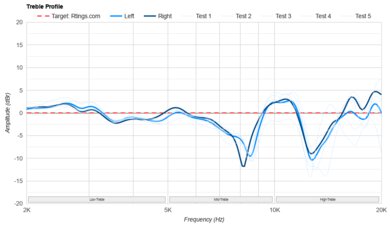
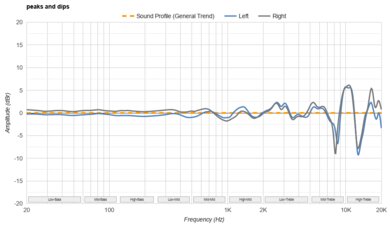
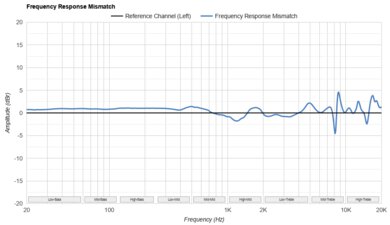
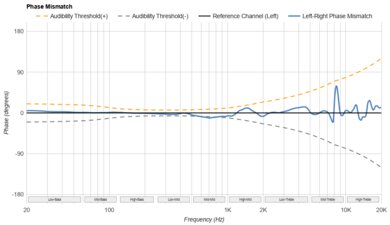
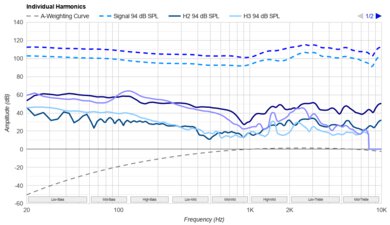
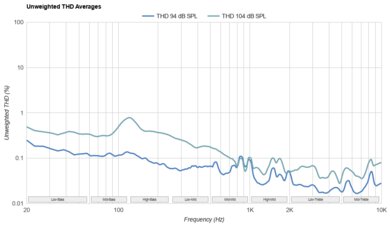
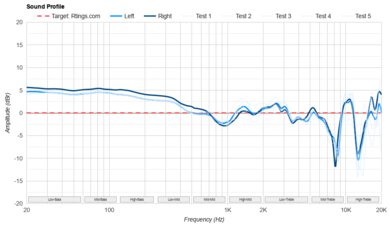
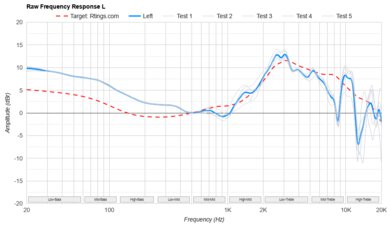
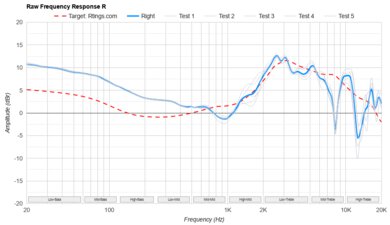
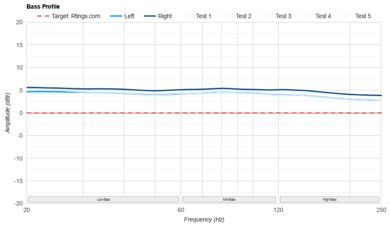
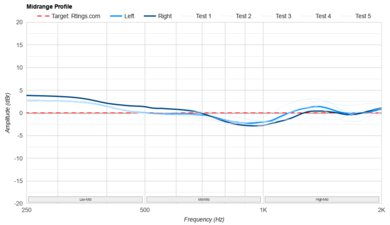
The CrinEar Reference are great for audio reproduction accuracy. Their frequency response follows the warm sound profile very well, with only some small, inconsequential deviations in the treble range. Our unit's L/R drivers are extremely well-matched, resulting in an even stereo image. They're tuned with a particular vision in mind: following the JM-1 diffuse field response with a subtle bass-range tilt. The response follows our own target very well in the bass and mid-range, though the treble range presentation is a little darker. The rolled-off treble is partly a byproduct of using the foam ear tips, though, as the silicone ear tips yielded a brighter sound during testing.
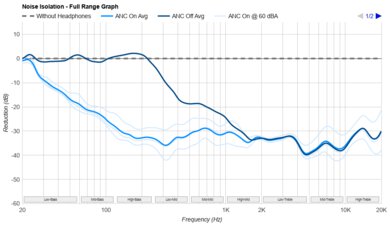
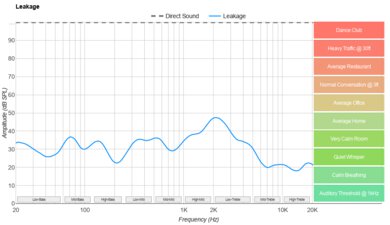
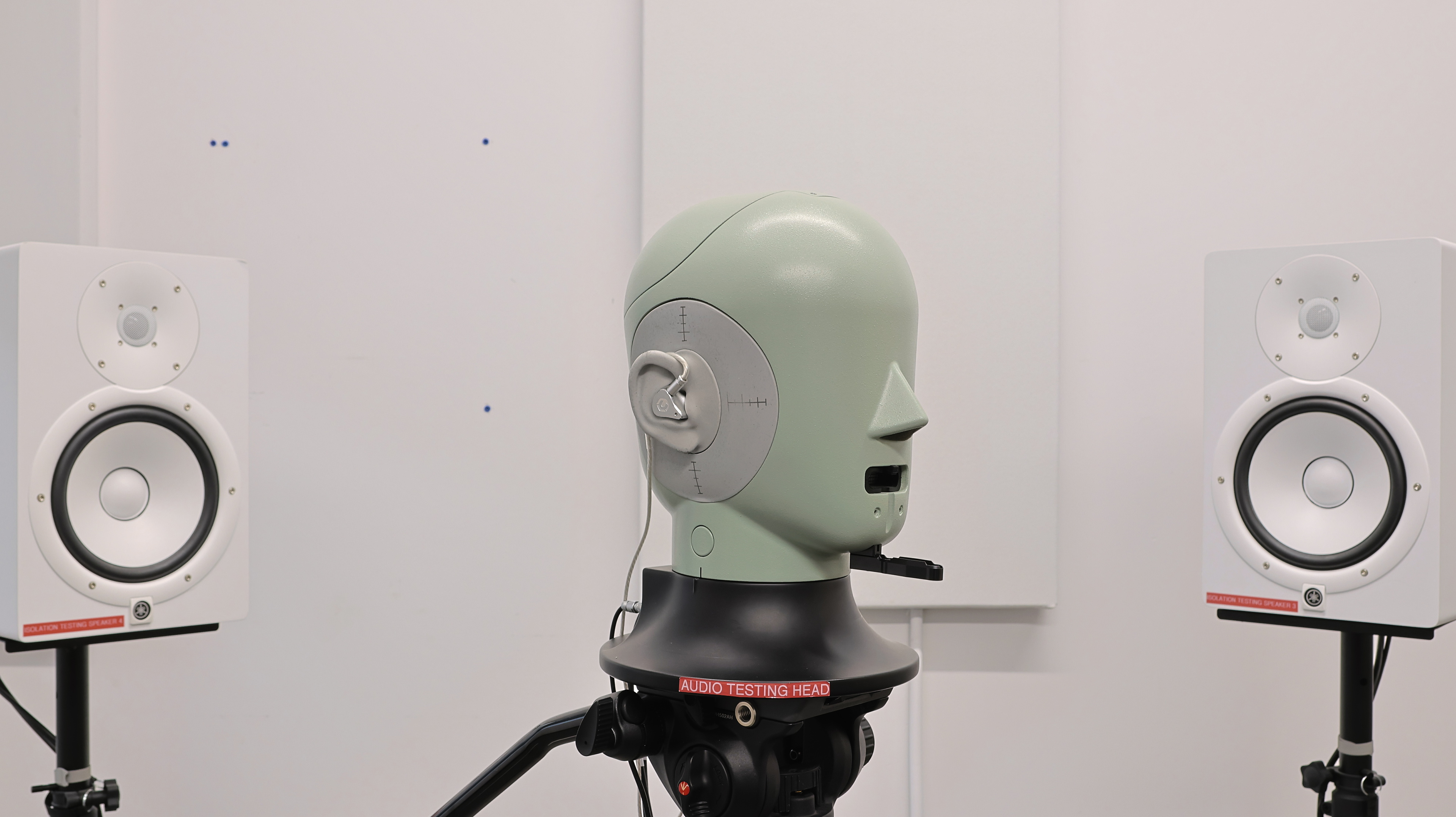
The CrinEar Reference are good for noise isolation. They lack an ANC system, instead relying on the passive isolation from the in-ear seal to block out external noise. Provided you use the appropriate-sized ear tips for your ear canals, they're able to block out most treble-range noises, like fridge hum and fan motors, with some attenuation of mid-range voices and conversations, too. They struggle much more with bass-range sounds, like engine rumble. Given the integrity of their in-seal, they leak very little audio, so you needn't fear public reproach if you choose to blast your tunes in confined spaces.
The CrinEar Reference don't have a microphone of any variety.
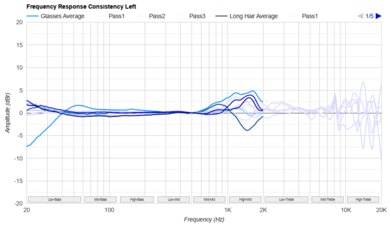
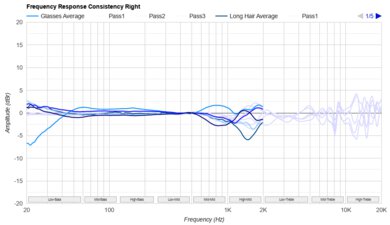
The CrinEar Reference are outstanding for frequency response consistency. So long as you take the time to find the right pair of ear tips and get a solid seal, you'll experience consistent audio delivery.
Performance Usages
Check Price
Differences Between Sizes And Variants
The CrinEar Reference come in a single silver color variant with a machined aluminum finish, and our unit didn't have a label we could photograph. If you encounter another variant of these headphones, please let us know in the comments, and we'll update our review.
Popular Headphone Comparisons
The CrinEar Reference are in-ears from renowned audio influencer-turned-IEM manufacturer, Crinacle. While the tunings were initially seen in collaborative endeavors, like the MOONDROP x Crinacle DUSK, the CrinEar brand marked a step towards independence from other IEM manufacturers. Consequently, the Reference are a departure from early collaborations, like the DUSK, with a more subdued, intentionally tuned sound that doesn't allow for any DSP manipulation. What you hear is what you get. The Reference also represent a step up in terms of build quality: the machined aluminum shells are sleeker and sturdier than those of the DUSK, and feel more premium compared to the resin enclosures of the CrinEar Daybreak. The Daybreak, which are tuned to the IEF Preference 2025 curve, are available at a lower price point, though, making them a solid entry point into the IEM world. That's not to say the Reference don't represent solid value for money: they're better built and more comfortable than the premium THIEAUDIO Monarch MKIII, which have a more bass-heavy sound.
For over-ear contenders, check out the best audiophile headphones and the best wired headphones. Or ditch the cable with our best in-ear headphone recommendations.
The CrinEar Daybreak and the CrinEar Reference are IEMs from expert IEM tuner Crinacle's own brand. Both are great options for those seeking audiophile sound within the in-ear format, but they go about it in different ways. The Reference are tuned based on the JM-1 diffuse field response with the addition of a downward tilt, with the aim of recreating the response of near-field monitors. They boast amazing build quality and solid comfort, with a machined aluminum body and sturdy braided audio cable. By contrast, the Daybreak are tuned to the IEF Preference 2025 curve. Their response has slightly more low-end on tap and doesn't roll off as much treble response as the Reference using their foam ear tips. Both offer good passive noise isolation via their in-ear seal, though the Daybreak are marginally better in this regard.
The TRUTHEAR x Crinacle ZERO are a budget-minded alternative to the premium CrinEar Reference, for those looking to get a foothold in the hobby. The ZERO have a more bass-boosted sound, with a sharper treble presentation for a slightly V-shaped response overall. Meanwhile, the Reference are tuned with 'perceptual flatness' in mind, based on the JM-1 diffuse field, for a more subdued bass and darker treble. As you'd expect considering their higher price point, the Reference are much better built, with a machined aluminum chassis that feels more solid than the ZERO's resin body. The Reference block out more external audio too, due to their tight passive seal. That said, both in-ears are similarly comfortable and can be worn for long listening sessions without much fatigue.
The MOONDROP x Crinacle DUSK are a collaboration between the brand and expert IEM tuner Crinacle, whereas the CrinEar Reference are IEMs released through Crinacle's own brand. While they're both wired in-ears that will appeal to audiophiles, they approach sound in different ways. The DUSK have a warmer default tuning and come with a USB-C cable that lets you adjust the sound via DSP, as long as you have an Android device. If you prefer a one-and-done approach to sound, the Reference are tuned with the JM-1 diffuse field response as a starting point, with an overall downward tilt to simulate the 'perceptual flatness' of near-field monitors in a room. There's no scope for adjusting this sound though. Beyond this, the Reference feature a more premium build quality, with a machined aluminum enclosure, though both in-ears have similarly comfortable fits.
The THIEAUDIO Monarch MKIII are luxury IEMs that can be customized by the manufacturer. They have a warmer sound than the CrinEar Reference, which are tuned starting with the JM-1 diffuse field response in mind, though there's an extra bass-range tilt to achieve what the manufacturer calls 'perceptual flatness'. That said, while the THIEAUDIO have a higher retail price, their fit isn't as comfortable as the CrinEar, and their resin-based construction leaves something to be desired compared to the machined aluminum enclosures of the CrinEar.
Our How We Test Headphones article takes you behind the scenes in our lab. You'll learn how we choose and purchase products and dive into the details of our review philosophy, from testing and scoring to writing and editing.
You can also discover how we produce recommendations like this one so that you can find the best headphones (or earbuds!) for your needs.
Test Results
for pictures & test results
for pictures & test results
for pictures & test results