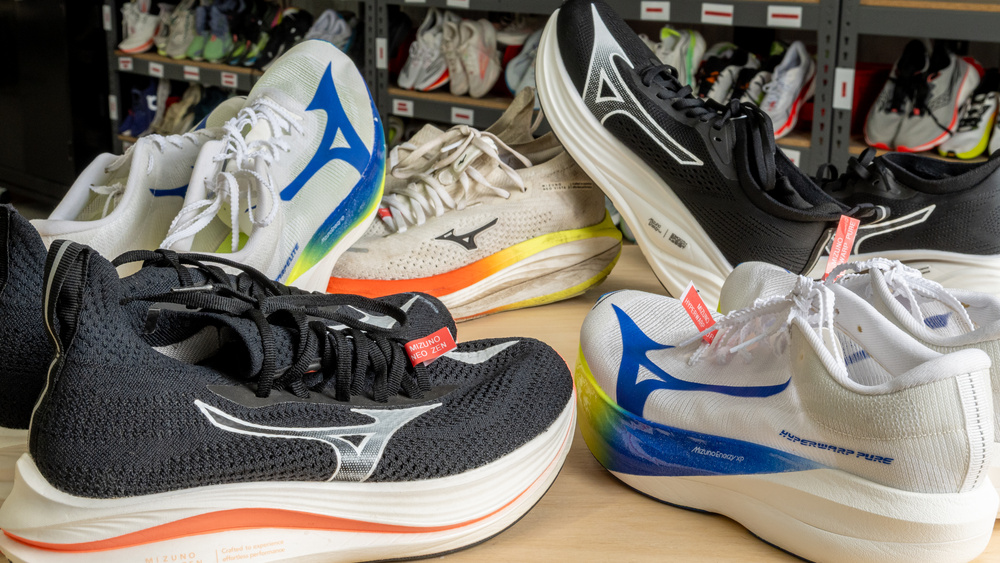
Founded in Osaka, Japan, in 1906, Mizuno is a sports brand with a long history in running. While it was long known for firm, traditional running shoes, its lineup has become more experimental, with softer cushioned trainers and very lightweight racing shoes. Fit can be inconsistent, though, and substantial changes between versions don't always translate into clear improvements.
With so many models available, we're here to help narrow it down to the best options for your needs and budget. We've bought and tested 16 running shoes from the brand, and below are the best Mizuno running shoes in their lineup.
Updates
- 10/16/2026 Mizuno Sky Prime reviewed
- 09/04/2026 Mizuno Wave Horizon 9 reviewed
- 08/06/2026 Mizuno Wave Prophecy 15 reviewed
- 07/24/2026 Mizuno Wave Inspire 22 reviewed
- 07/21/2026 Mizuno Neo Vista 3 reviewed
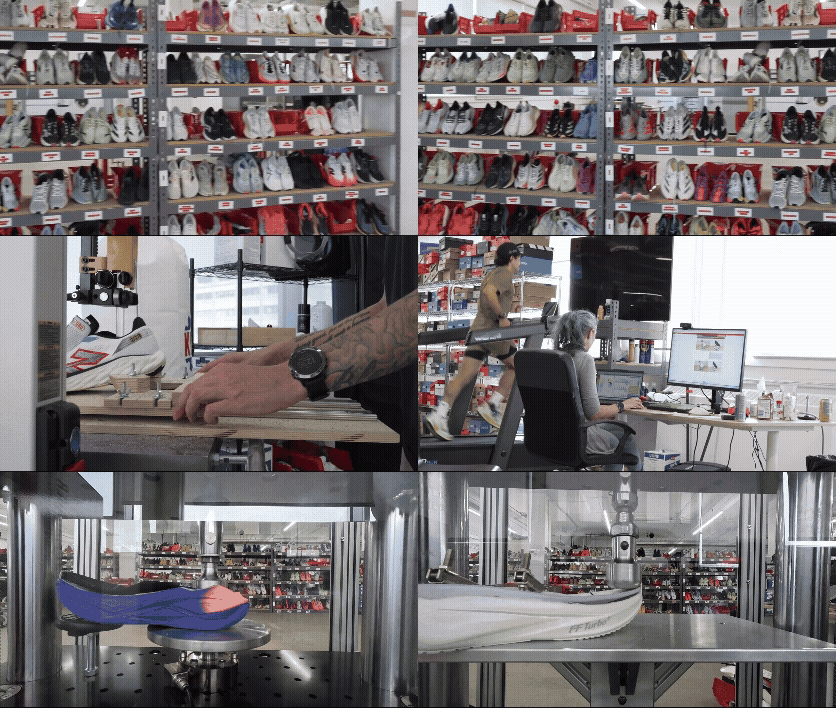
We've bought and tested more than 300 running shoes. Every pair purchased with our own money, never supplied or sponsored by brands. Our data-driven tests are designed to go beyond marketing claims, and since every shoe goes through the exact same methodology, you can directly compare results to find the right pair for your needs.
-
Best Mizuno Running Shoes

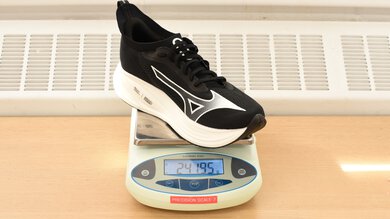
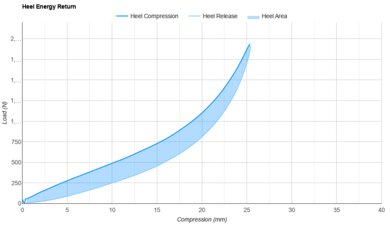
 Half/Full Marathon Racing7.25K/10K Racing6.9Long Run7.7Daily Training8.2Energy Return3.2Stability8.5Cushioning8.2Weight:241.9 g (8.53 oz)Heel Stack Height:40.4 mmHeel-To-Toe Drop:6.9 mmSee all our test resultsPlate:None
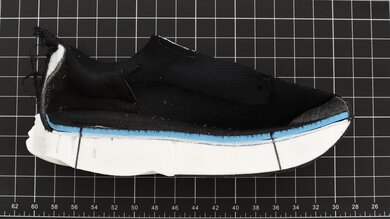
The Mizuno Neo Zen 2 is the best Mizuno running shoe we've tested. It's a stable, cushioned shoe for easy daily runs. Its broad platform and firmer foam keep landings controlled, while cushioning under both the heel and forefoot takes the sting out of the road. It also feels relatively light for a cushioned trainer. However, there's very little rebound, so it feels more draining when you try to pick up the pace. Still, its combination of stability and cushioning makes it an easy pair to reach for day after day.
If you can find the previous version in your size, the Mizuno Neo Zen is currently discounted following the release of its successor. It's much cheaper, lighter, and considerably bouncier than the second iteration, making it an appealing alternative if you want a more energetic daily trainer when you pick up the pace. However, it feels less stable, so the newer version is still worth the extra cost if you prioritize more confidence when you land.
-
Best Mizuno Running Shoes For Cushioning
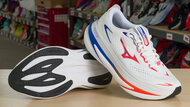
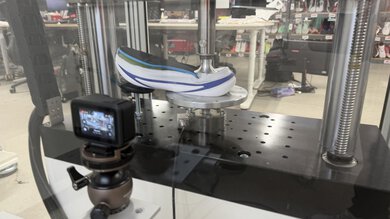
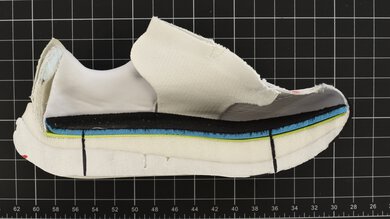
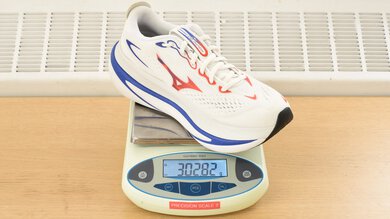
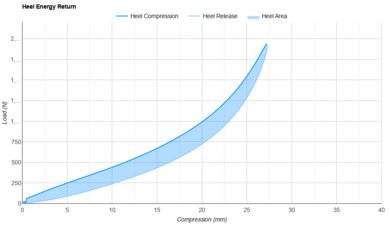 Half/Full Marathon Racing7.05K/10K Racing5.7Long Run7.9Daily Training8.0Energy Return5.8Stability7.6Cushioning8.9Weight:299.0 g (10.55 oz)Heel Stack Height:45.3 mmHeel-To-Toe Drop:5.2 mmSee all our test resultsPlate:None
If you want more protection for easy miles and long runs, the Mizuno Sky Prime is the best Mizuno running shoe for cushioning we've tested. Compared with our top pick, the Mizuno Neo Zen 2, it absorbs much more impact under both the heel and forefoot, making landings feel gentler when your legs are tired. That extra protection makes it a comfortable choice for recovery days as well as your longest weekly runs, where its cushioning stays effective as the miles add up. A broad platform helps stabilize the soft foam, while the curved sole makes it easier to roll through each stride. It's heavier, though, and doesn't offer enough rebound to make faster running feel particularly lively.
At around the same price, the Mizuno Neo Vista 3 is another deeply cushioned shoe in the lineup. It offers even better heel cushioning overall, making it worth considering if you're a heel striker. It's also lighter, but provides less protection under the forefoot, including late in a long run.
For more options across brands, see our recommendations for the best cushioned running shoes.
-
Best Mizuno Running Shoes For Racing
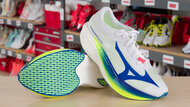
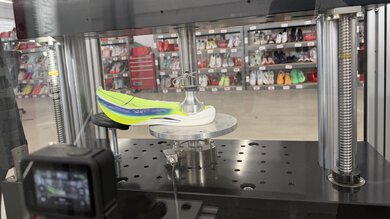
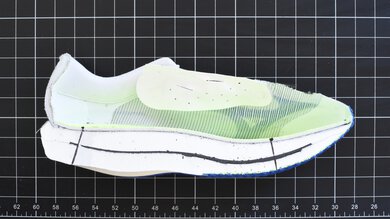
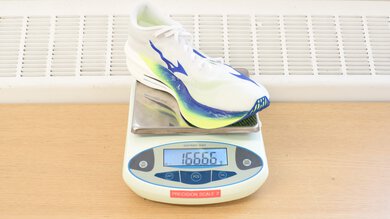
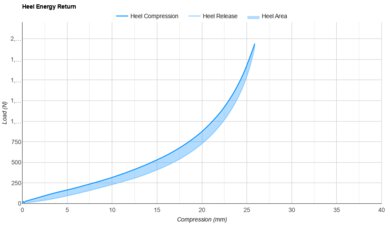 Half/Full Marathon Racing8.55K/10K Racing8.4Long Run7.7Daily Training6.2Energy Return8.2Stability6.6Cushioning7.9Weight:167.0 g (5.89 oz)Heel Stack Height:37.8 mmHeel-To-Toe Drop:4.7 mmSee all our test resultsPlate:Carbon Fiber
If you're a competitive runner chasing a fast half marathon or marathon personal best, the Mizuno Hyperwarp Elite is the best Mizuno running shoe for racing we've tested. Compared with our top pick, it's much lighter and returns far more energy through each stride. It's also much more expensive and less stable, so it's not a practical option for repeated training. Its stiff, carbon-plated forefoot gives you a firm platform to push off from at fast paces, with great cushioning up front that continues to protect your legs over longer distances. There's more protection under the forefoot than the heel, making it particularly well-suited to efficient runners who land farther forward.
For shorter races, the Mizuno Hyperwarp Pure offers a lower stack and considerably less weight. Its exceptionally light build and responsive cushioning make it a great alternative for fast 5Ks and 10Ks, though it offers less impact protection than the Elite and feels too harsh for longer races. See our recommendations for the best running shoes for 5K and 10K races for more options.
If you're a slower marathoner who still wants a capable racing shoe, the Mizuno Hyperwarp Pro puts more emphasis on comfort and control. Compared with the Elite, it has a broader platform, more heel cushioning, and slightly better stability. It's a more approachable option for spending longer on your feet on race day, but it's heavier and less efficient overall.
-
Best Mizuno Running Shoes For Stability

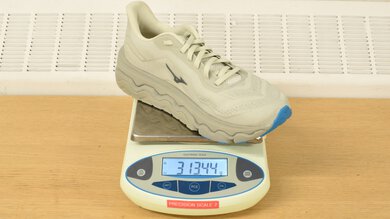
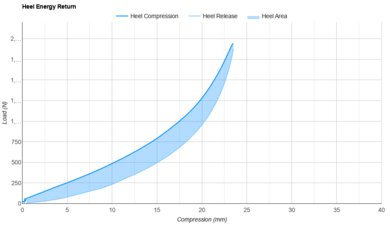 Half/Full Marathon Racing5.95K/10K Racing5.5Long Run7.2Daily Training7.7Energy Return1.9Stability9.0Cushioning7.4Weight:312.8 g (11.03 oz)Heel Stack Height:39.7 mmHeel-To-Toe Drop:8.7 mmSee all our test resultsPlate:None
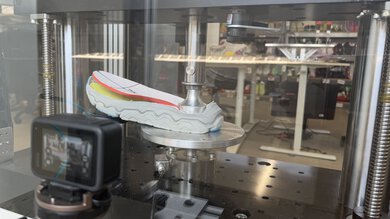
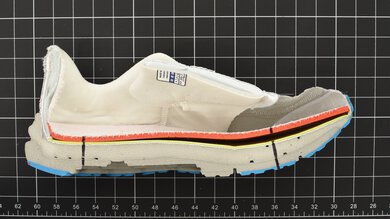
If your foot tends to roll inward excessively when you land and you need guidance to keep it centered, the Mizuno Wave Horizon 9 is the best Mizuno running shoe we've tested for stability. Its two foam layers meet in a wave shape, with extra structure along the shoe's inner edge. A firm rubber wall reinforces that side, resisting inward collapse. Its firm foam and broad base also keep landings exceptionally controlled. It mostly makes sense for relaxed miles if guidance and stability are your main priorities.
Compared with our top pick, it provides more assertive guidance but is much heavier, less cushioned, and returns very little energy. If you're a runner with a neutral stride who simply wants a stable feel without dedicated guidance, our top pick already offers a controlled platform.
You can find more alternatives from other brands in our guide to the best stability running shoes.
Compared To Other Brands
-
Willingness to experiment.
Mizuno has moved beyond its traditional firm trainers with models like the Wave Rebellion Pro and Neo Vista. Newer foam formulations have allowed it to explore better cushioning, stronger rebound, and lighter builds, sometimes paired with unusually tall soles or distinctive designs. It's not afraid to go outside the box, and its most successful experiments produce some very exciting shoes.
-
Strong racing selection.
Mizuno caters to different racing goals rather than offering a single default racer for everyone. The Hyperwarp Pure suits runners chasing fast times over short distances, the Elite targets competitive half-marathoners and marathoners, and the Pro gives slower racers a capable race shoe with a little more emphasis on heel cushioning and stability.
-
Inconsistent fit and lockdown.
Several Mizuno trainers use distinctive, sock-like knit uppers, but getting a secure, comfortable fit isn't always straightforward. For example, the Neo Vista 2 can feel long and loose, compromising lockdown, while the Neo Zen 2's redesigned mesh-and-knit upper can feel restrictive over the toes.
-
Changes aren't always improvements.
With Mizuno, a familiar model name doesn't guarantee a familiar ride. For example, the Neo Zen 2 is more stable than its predecessor, but it's also heavier and much less bouncy. Whether that's better or worse depends on what you liked about the original, but the brand's updates don't always feel like a clear step forward.
vs ASICS
Mizuno and ASICS are Japanese brands with established training ranges and increasingly ambitious performance shoes. ASICS has become more of a trendsetter through newer foams and extremely lightweight models, while generally delivering more consistent fit and upper construction. Mizuno also experiments with modern foams and distinctive designs, as seen in its Hyperwarp racers and Neo Vista trainers, but the results can be more uneven. Both make capable training and racing shoes. ASICS is usually the more predictable pick, but some of Mizuno's models are real standouts and well worth a try.
vs adidas
Mizuno and adidas both offer cushioned trainers and lightweight racers, but adidas has a broader, more cohesive performance range, with clearer steps between everyday training, faster sessions, and racing. Mizuno's lineup feels more experimental, with larger differences in shape and ride between models. Both brands have also had problems with their uppers. Early pairs of the adidas Hyperboost Edge had a heel collar that could rub around the ankle, although adidas has since corrected the issue. Meanwhile, some Mizuno models with sock-like knit uppers can make it difficult to get a secure fit.
vs Nike
Mizuno and Nike are well-known running brands with extensive training and racing lineups. The American Nike has a larger global presence and a long history of influencing racing-shoe design, while the Japanese Mizuno has taken a more experimental, sometimes less consistent approach with its recent trainers. Some of Mizuno's recent models offer a more energetic and exciting ride than Nike's more conventional everyday options, although fit and changes between versions make the choice less predictable. Mizuno's Hyperwarp trio offers a clear choice between short-distance racing, competitive long-distance racing, and a more approachable option for slower marathoners. Nike is now expanding its range along similar lines, with plans to add the Apex for runners chasing the fastest times and the Swooshfly for those wanting a more accessible racing shoe alongside the Alphafly 4.
Modern Mizuno offers much more than its old reputation for firm, traditional trainers might suggest. Its lineup includes deeply cushioned trainers, bouncy options for faster runs, and a competitive racing range with distinct models for different distances and runners.
However, fit and consistency remain drawbacks. Some sock-like uppers can be difficult to secure, and updates can substantially change a shoe's cushioning, bounce, or stability. Choosing the right model and version matters more than assuming the newest release is the best.
Lineup
Mizuno offers several types of running shoes across its lineup.
Support Shoes
- Wave Inspire: A daily training shoe line that adds guidance for runners who need help limiting excessive inward foot rolling.
- Wave Horizon: A stability trainer with more substantial support features, including a broad platform, firm structure, and reinforcement along the inside edge.
Training Shoes
- Wave Rider: Mizuno's traditional daily trainer, generally offering a firmer, more conventional ride.
- Neo Zen: A lighter, cushioned training shoe line. The original emphasizes softness and rebound, while the second version feels firmer and more stable.
- Wave Sky: A cushioned shoe line intended primarily for comfortable daily mileage.
- Sky Prime: A deeply cushioned option that prioritizes impact protection, including under the forefoot.
- Neo Vista: A tall, plated training shoe line that combines generous cushioning with a more energetic ride. Fit varies a lot between versions.
Super Trainers
- Wave Rebellion Flash: A plated training shoe line intended for faster workouts and long runs with quicker sections.
Racing Shoes
- Hyperwarp Elite: The long-distance racing model, combining very low weight, a carbon plate, and cushioning suited to longer races.
- Hyperwarp Pure: A lower, lighter option that prioritizes speed and minimal weight, particularly for shorter races.
- Hyperwarp Pro: A less aggressive alternative to the Elite, with a broader platform and more heel cushioning for runners who want a more approachable race shoe. It's heavier.
- Wave Rebellion Pro: A racing shoe line with a sharply angled sole and unusual heel geometry, producing a more distinctive ride than the Hyperwarp models.
Conclusion
Mizuno offers stable daily trainers, deeply cushioned options, dedicated guidance, and very light racers. Its best models give runners exciting alternatives to the bigger brands, but fit and substantial changes between generations deserve attention. If there's a model from this brand you want us to test, you can vote for it to help decide what we buy next. To learn more about each model, check our full list of the best Mizuno running shoes in the table below.