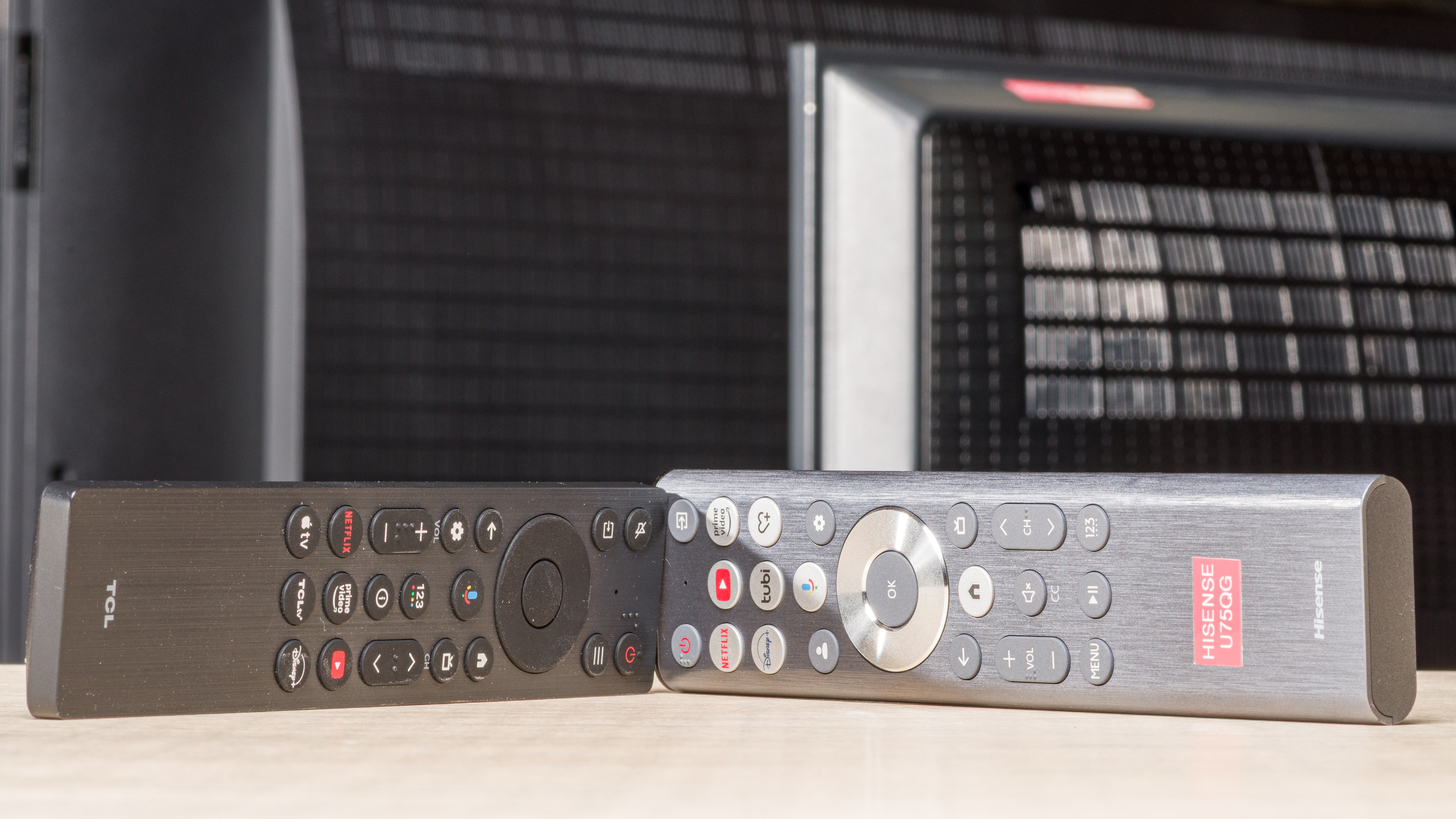
TCL and Hisense produce a wide range of TVs and are two of the largest TV manufacturers in the world. With so many similarities between their lineups, though, it's difficult to choose between TCL vs Hisense TVs. Unfortunately, there's no clear winner, either. Both brands release a wide range of models, from very cheap, basic TVs up to the most premium high-end models available. There are good and bad models from each brand, and although you shouldn't choose a TV solely based on the brand, understanding the focus of each brand can help you find the best TV for your needs. If you're ready to start shopping for specific models, check out our lists of the best TCL TVs and the best Hisense TVs.
TCL vs. Hisense TV Lineups
When we're talking about two companies with huge product lineups like TCL and Hisense, it's impossible to simply name one as better than the other. Instead, we'll break down their different lineups, show you a few examples, and talk about each of their pros and cons to help you choose between a TCL vs Hisense TV. It's important to note that this guide focuses on their U.S. lineups. Both TCL and Hisense offer separate U.S. and Global lineups, and while there are many similarities between them, the U.S. lineups are separate. Our reviews are only valid for the U.S. lineups.
LED TVS Comparison
 |
 |
Hisense and TCL release a wide range of TVs, covering every budget and price point, and they're available in a wide range of sizes. Both brands offer incredible value for most of their lineups, and they often perform better than similarly priced models from competing, more well-known brands like Samsung or LG. Both brands only release LED models in North America, but there's a wide variety of models available, from basic direct-lit models up to the latest in RGB Mini LED technology and even Micro LED models.
TCL and Hisense also have a few lifestyle TV models available, including the gallery-style Hisense CanvasTV 2024 and the TCL NXTVISION QLED.
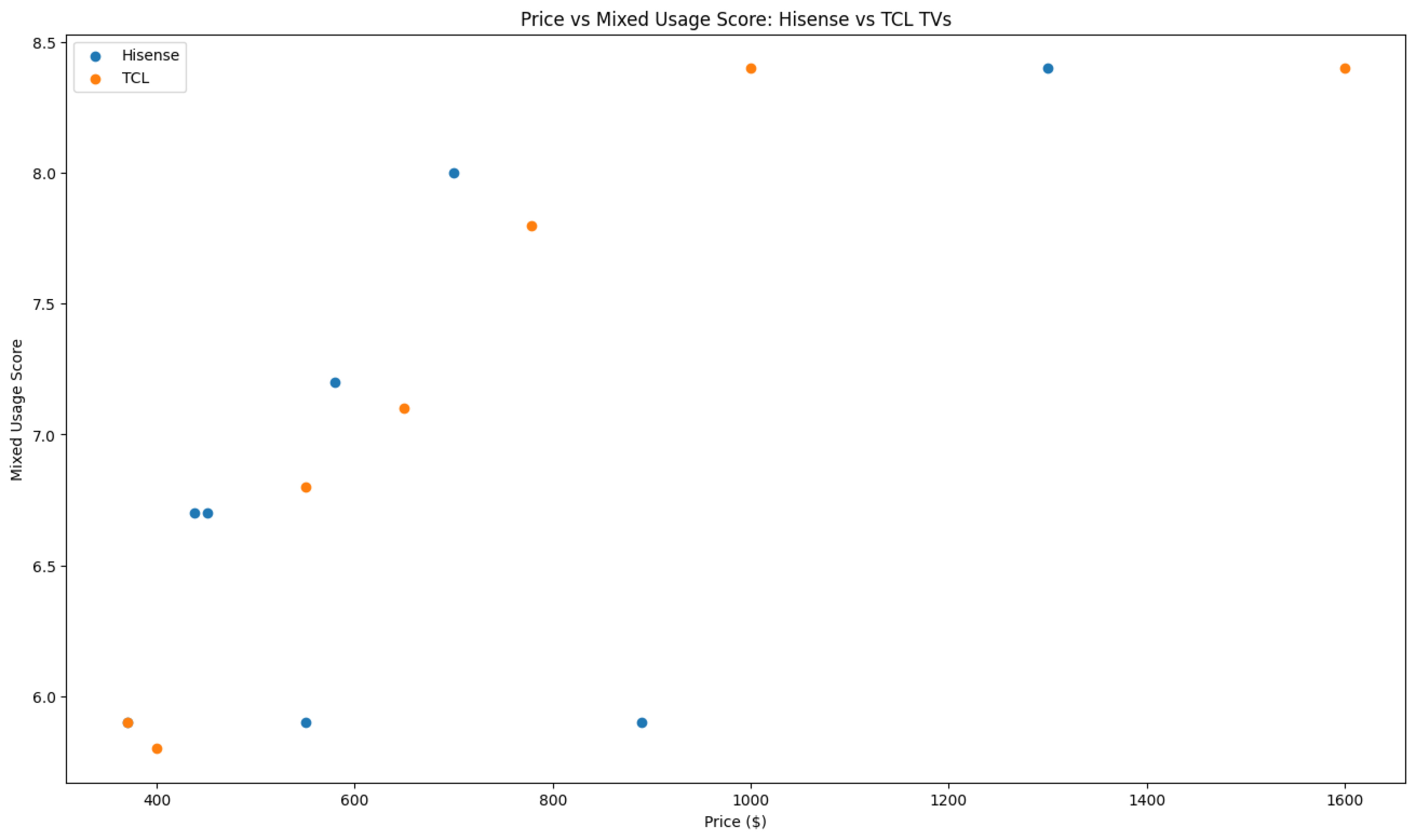
Breaking down the 2024 and 2025 Hisense and TCL lineups by their Mixed Usage score and price, we can see that most entry-level and mid-range Hisense TVs score higher than similarly priced TCL models, but it's not a huge difference. Looking beyond the individual scores, we can see that for a similar price point, you usually get similar features from either brand. Hisense TVs tend to be tuned a bit differently, aiming for a punchier image that's not necessarily as accurate. At the high end of their lineups, it's a bit of a mixed bag, with both brands offering a similar price-to-performance ratio.
Size Variants
There's one significant difference between TCL and Hisense, and it has to do with how they approach size variants. TCL aims for a consistent experience across all sizes, so as you step up to larger sizes, especially on higher-end models, you'll see a corresponding increase in advertised peak brightness and the number of dimming zones. They do this to ensure a consistent overall user experience, so whether you're looking at the 65-inch TCL QM8K or the 98-inch TCL QM8K, for example, you'll get a nearly identical experience.
Hisense, on the other hand, varies specs and even panel types depending on the size. For example, most of their 75-inch TVs use a type of panel known as ADS, which is similar to IPS. These panels offer wider viewing angles than VA panels, but worse contrast, so blacks look gray in a dark room. This means that if you're looking at a Hisense TV, you might get a slightly different experience if you're looking at, for example, the 100-inch Hisense U8QG instead of the 65-inch Hisense U8QG. As these differences aren't usually advertised, it makes it more difficult for you to make an informed buying decision.
Smart Features
Nearly all TVs on the market come with built-in smart features, covering everything from streaming services to home automation. As convenient as these features are, you generally shouldn't choose a TV just because of the smart features, as each smart platform is only supported for a few years. You can also buy external boxes like an Apple TV that provide the exact same features.
Smart OS
 |
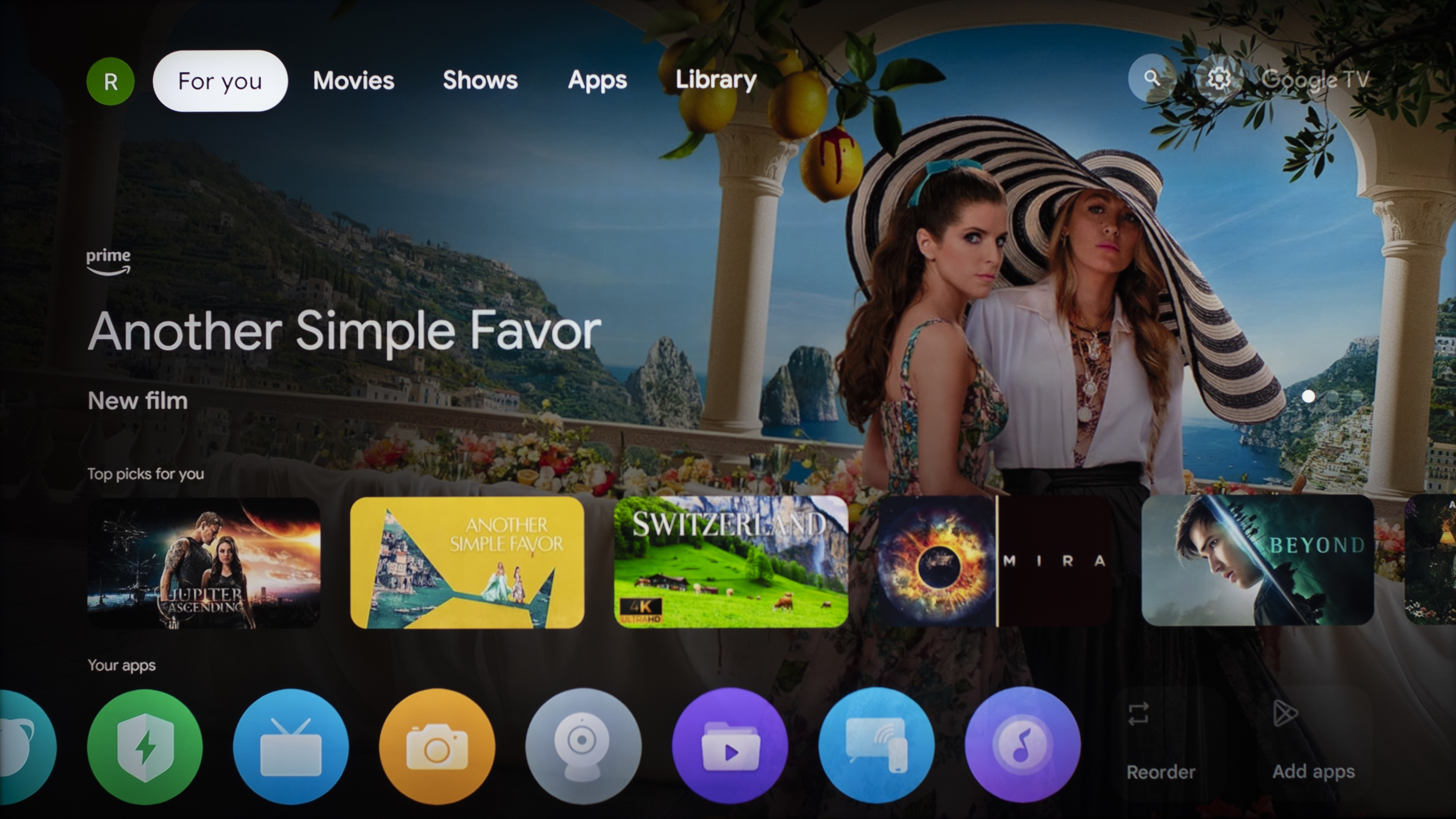 |
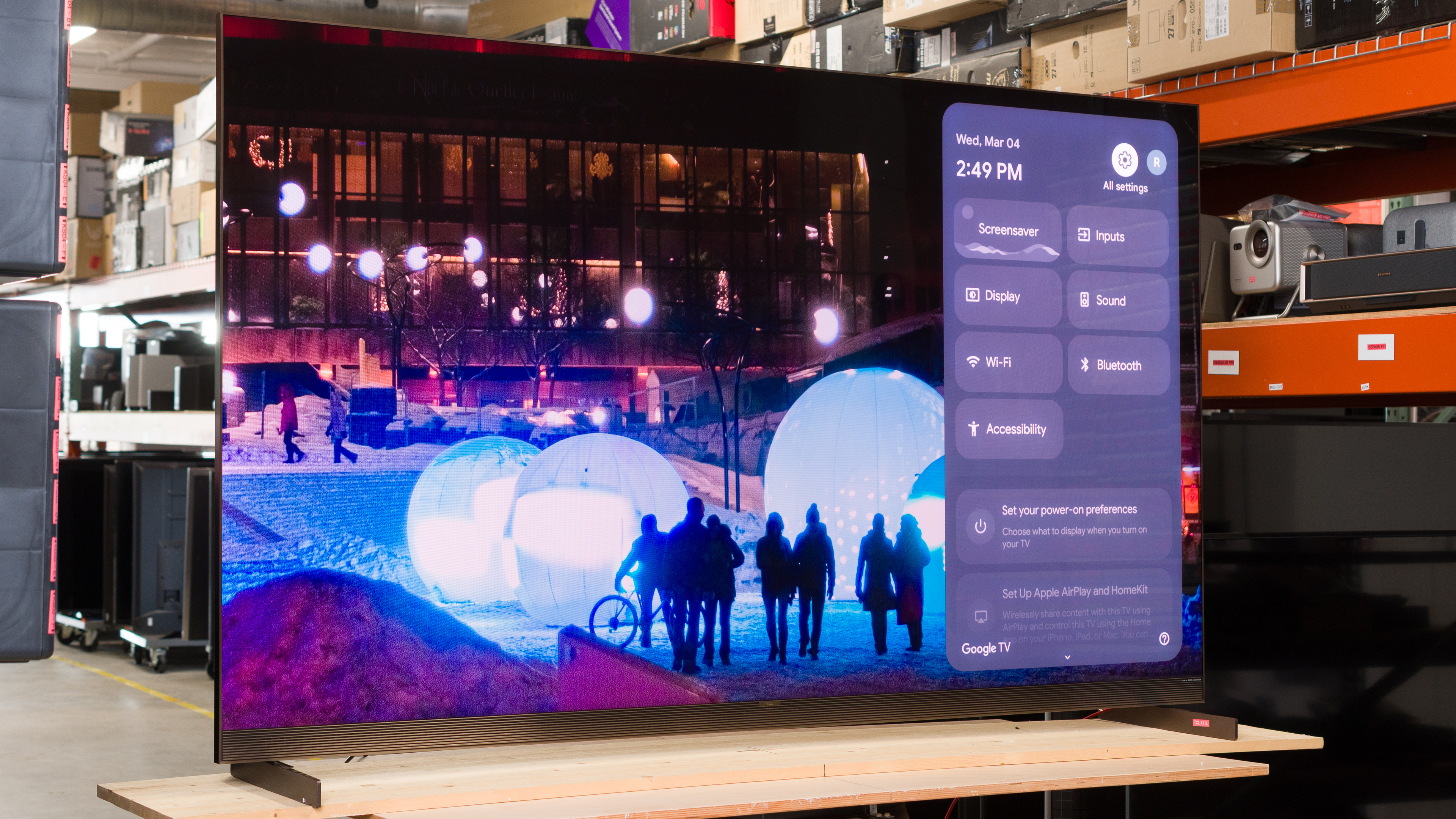
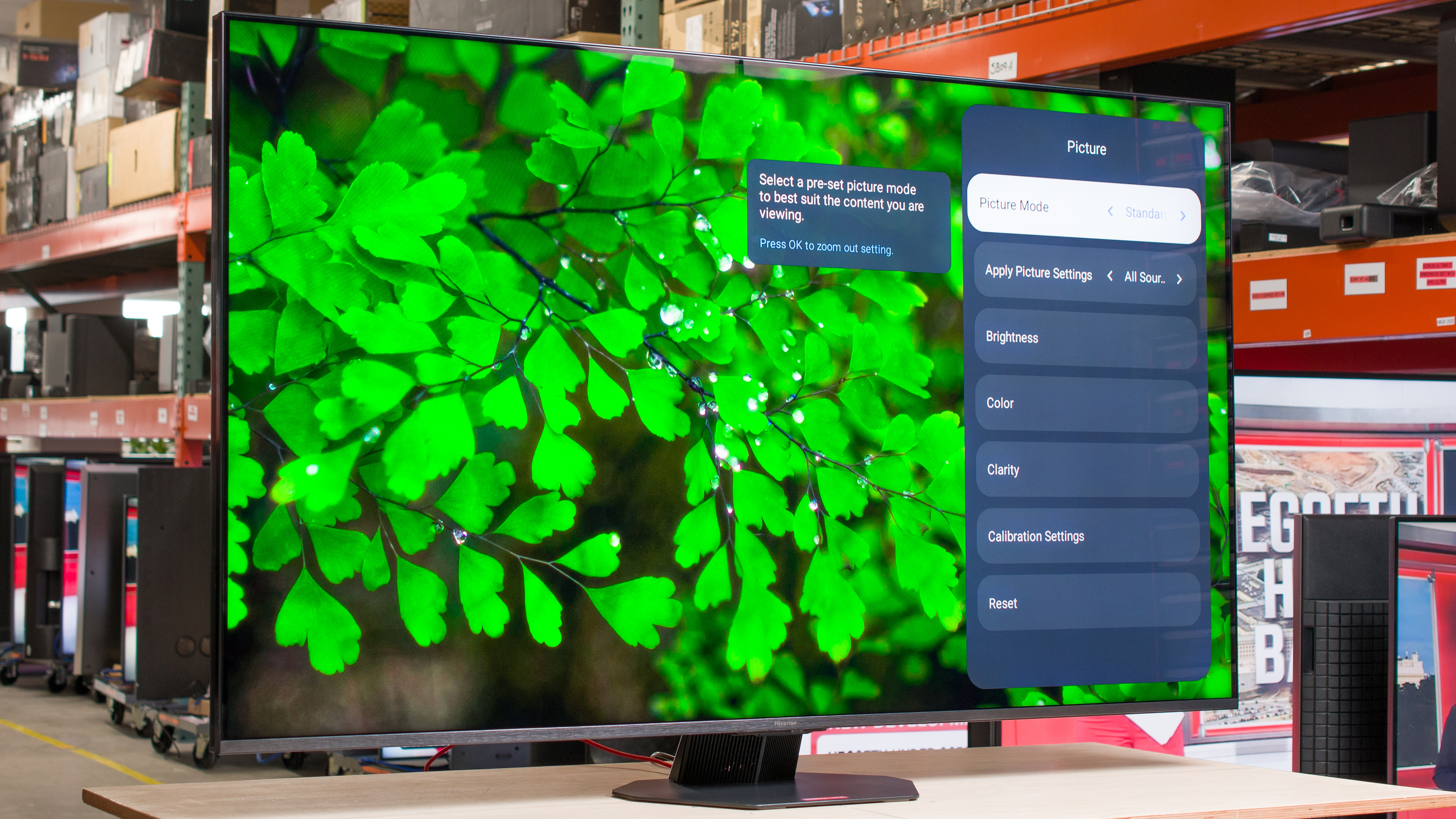
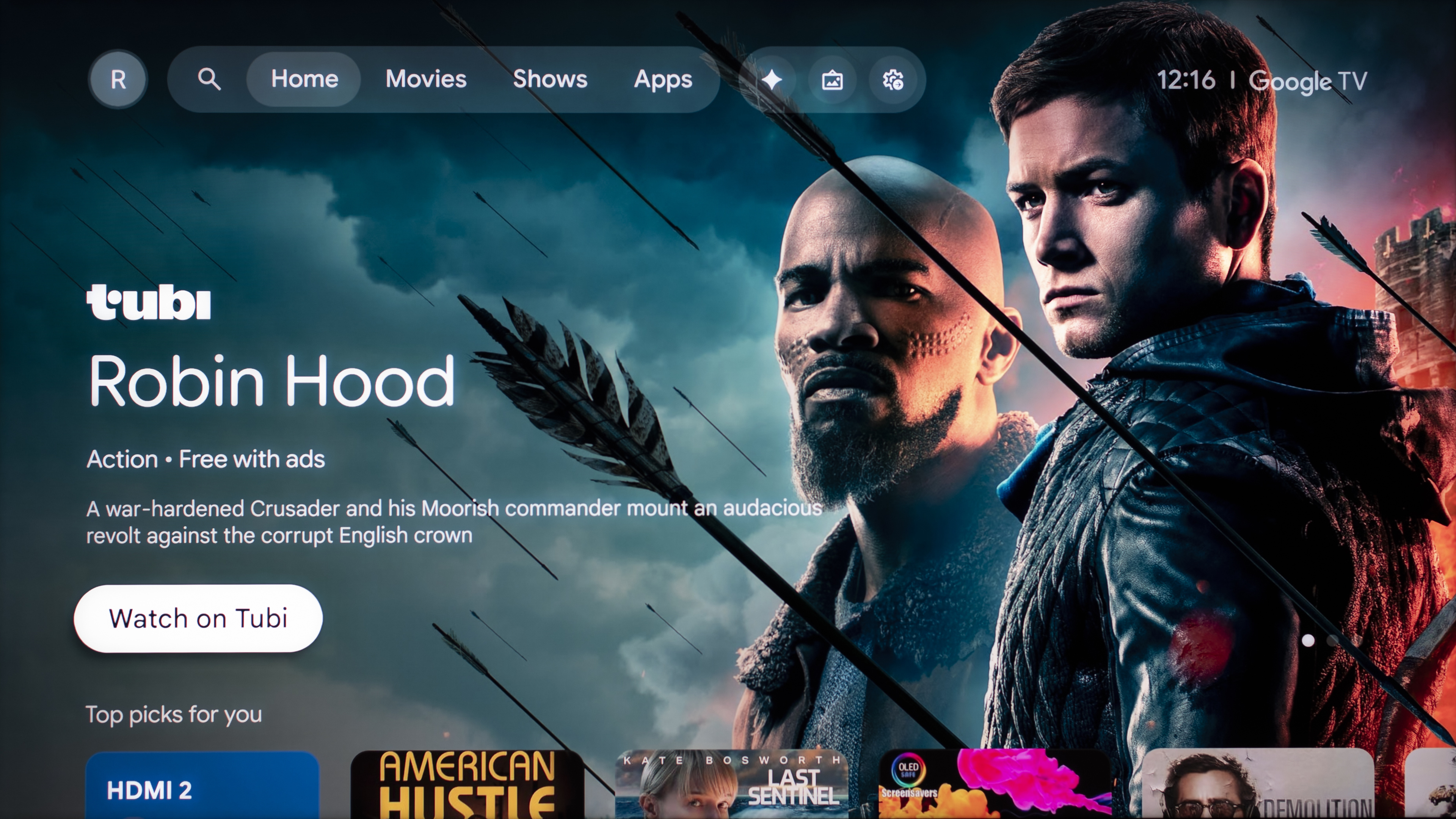
The vast majority of TCL and Hisense TVs sold in the U.S. come with the Google TV smart interface. The exact version depends on the model, though, and in 2026, you'll find a mix of Google TV 12 and Google TV 14. As the smart interface is essentially the exact same on both brands, you won't find any difference between them in terms of ads, app stores, and general smart features.
Both brands also release a few models each year with the Roku smart interface, and there are a few models with Fire OS instead, although these are both increasingly rare. Hisense Global products, including most of those released in Canada, ship with the VIDAA OS instead. This proprietary platform is only found on Hisense TVs and offers a different selection of smart features and a separate app store.
Overall, you need to be careful when choosing a TV from TCL or Hisense, as they ship with a range of different smart platforms, and your experience may vary depending on which one you get. Check the packaging carefully to make sure you know what you're buying.
Gaming
 |
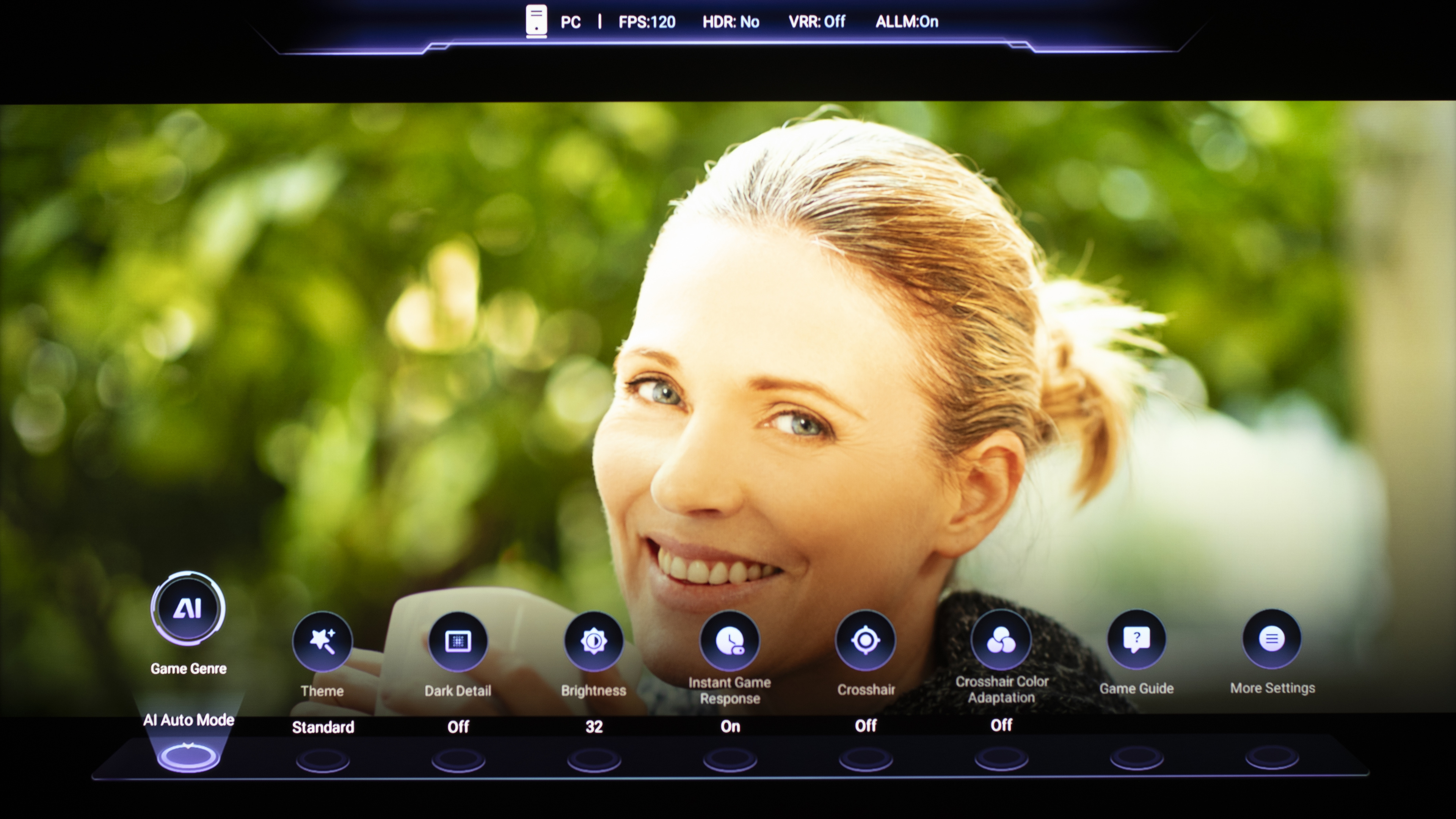 |
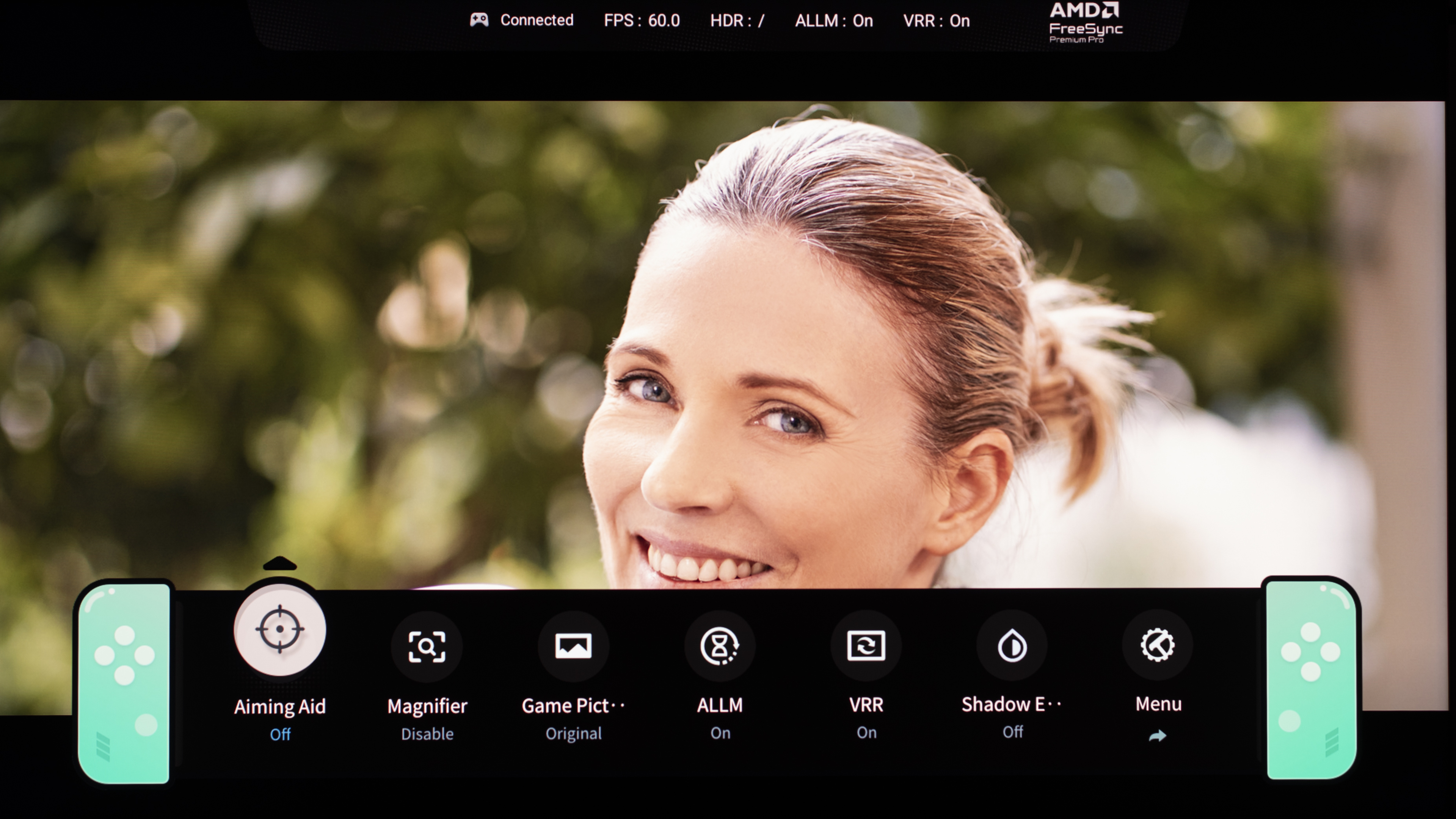
TCL and Hisense TVs both offer a wide range of gaming features. Models powered by Google TV offer a game bar, and while the user interface is slightly different between them, the overall functionality is basically the same. They give you quick access to settings for VRR and the auto low-latency mode, and they both offer virtual crosshair support. Hisense and TCL TVs both offer HDMI 2.1 bandwidth, but on most models, they only support it on two of the inputs. Some of the 2026 models use a new chipset that supports high bandwidth on all four ports, but only a handful of models from each brand offer this.
Both brands also offer a boosted refresh rate mode for PC gamers. These modes work by reducing the resolution of the display, so if you prefer motion clarity over precision details, you can enable that feature to achieve a higher refresh rate. While most models from either brand offer this feature, the exact refresh rate varies, so if you care about this, make sure to check the specifications for your specific model.
Format Support
There's essentially no difference in the formats typically supported by Hisense and TCL TVs. While this can vary between individual models, TVs from both brands support both HDR10+ and Dolby Vision, as well as all main audio formats, so you really don't have to worry about format support at all. Both brands also plan on supporting Dolby Vision 2 on some of their 2026 models. They both also support HDMI 2.1 bandwidth and ATSC 3.0 on all of their premium models.
Conclusion
TCL and Hisense both offer a wide range of models to choose from, and they're generally a safe bet. Due to some differences in the way Hisense treats size variants, TCL tends to be a slightly safer choice for most users, but models from each brand are usually a safe bet. In the end, it's important to look at how the specific model you're considering performs before making a buying decision, as there are good and bad models from both brands.