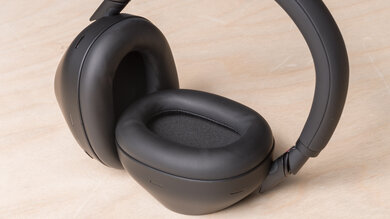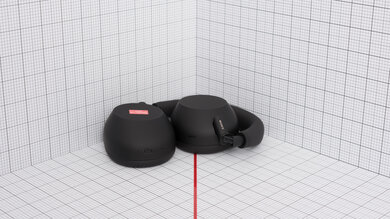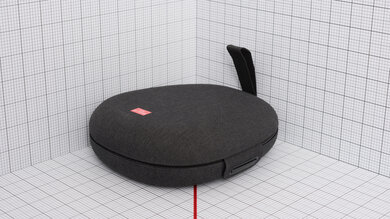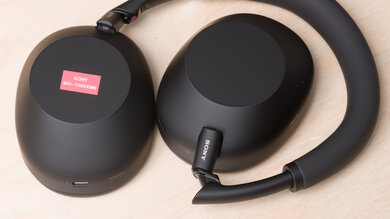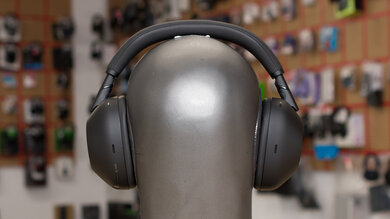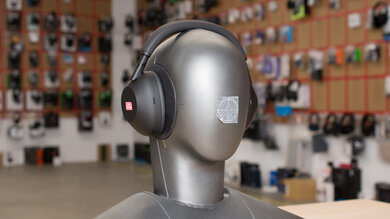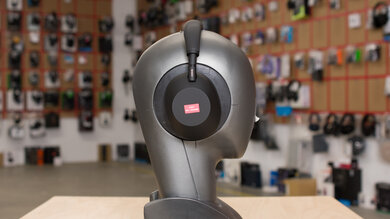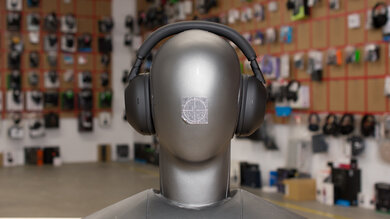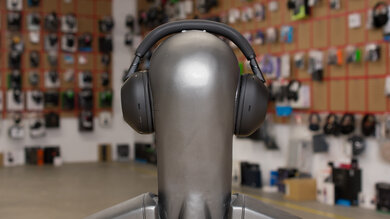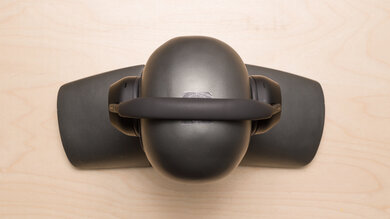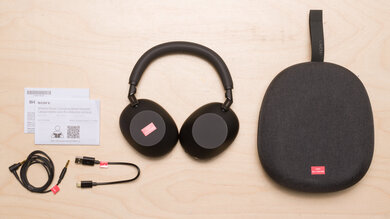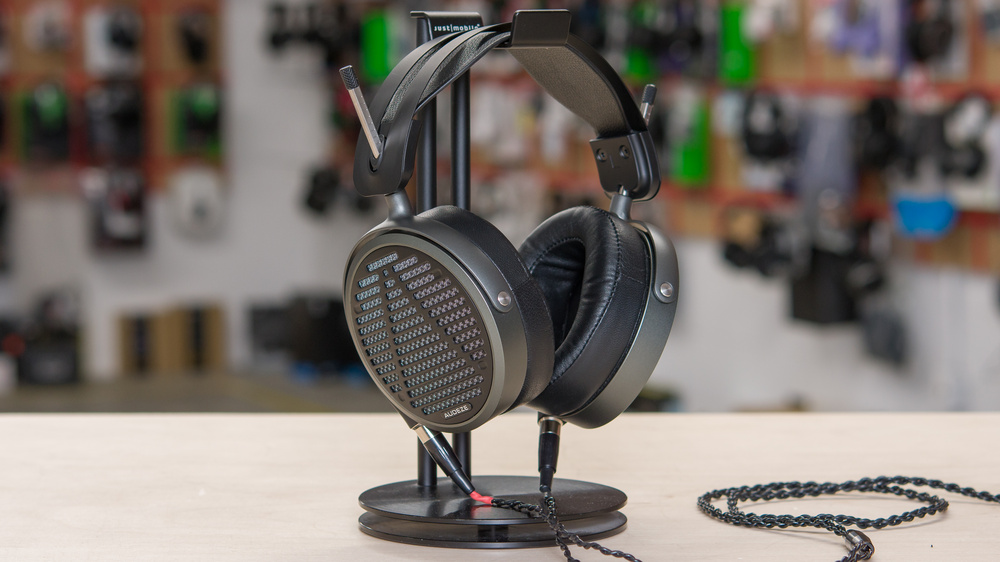
The Audeze MM-500 are the brand's first commercially available entry in the MM headphone line (joined by the Audeze MM-100 in 2023), developed in collaboration with world-renowned audio engineer/producer Manny Marroquin. These wired planar magnetics were released in June 2022, sporting a revamped, lighter design compared to another staple in the brand's professional line the Audeze LCD-X. Given the collaboration, the headphones are positioned for professional use, though versatile enough for hobbyist audiophiles chasing an album listening experience that matches the artists' intent.
Our Verdict
The Audeze MM-500 aren't designed for sports and fitness. They aren't stable during light or intense movements like jumping or running, so don't plan on taking them out for a jog. They also have a cable that can snag on gym equipment or branches on a wooded trail. It's also worth considering the cost of the headphones; while they're built quite well, planar magnetic drivers are delicate, so you likely won't want to risk damaging such pricey headphones.
Bulky and not very stable.
Cable is a snagging risk.
The Audeze MM-500 are bad for travel. The headphones are bulky and wired, making them a magnet for potential accidents involving bumping or snagging. They don't isolate you from noise either, so you'll hear your neighbor snoring on a long plane flight. You'll also hear them grunting angrily when your audio leaks from the headphones and wakes them. If you're planning on traveling with the headphones, we'd recommend storing them in the included travel briefcase to avoid damage.
Comfortable fit.
Bulky and not very stable.
Bad noise isolation.
The Audeze MM-500 are bad for work for most people. They don't isolate you from noise or prevent audio leakage, so background conversations will distract you, and private meetings will be audible to your neighbors. The headphones don't have a microphone either, so you'll need to use your connected device's integrated mic, a standalone option, or an aftermarket cable (with a mic). On the upside, the headphones are quite comfortable, so you could use them if you have a dedicated work environment that's quiet, like an office.
Comfortable fit.
No microphone.
Bad noise isolation.
The Audeze MM-500 are wired headphones, so they're not suitable for wireless gaming. That said, you can connect them to a wireless receiver with an audio jack, though you'll have to check for low-latency functionality.
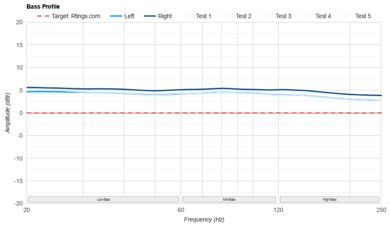
The Audeze MM-500 are passable for wired gaming. They don't have a microphone or onboard controls if you need to chat with friends or tinker with your audio. That said, you can purchase an aftermarket mini-XLR cable with an integrated mic. Regardless, the Audeze are impressively comfortable with their plush earpads and weight-distributing headband. They also have great stereo matching and don't roll off as much in the bass as other open-backs, so audio cues like footsteps and bassy explosions are rendered faithfully.
Near-zero latency.
Comfortable fit.
No microphone.
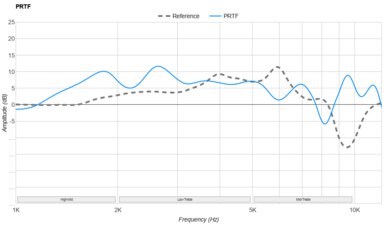
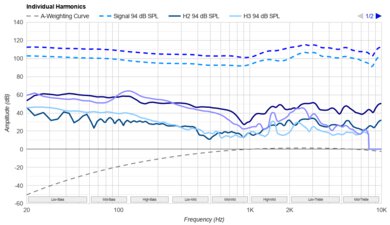
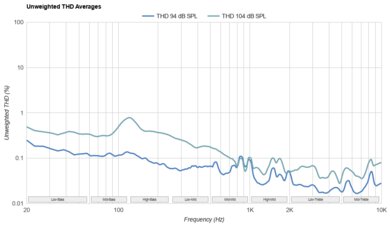
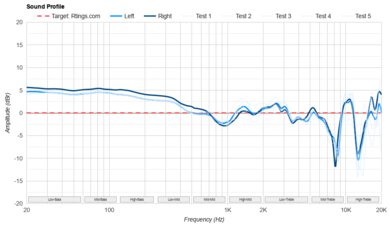
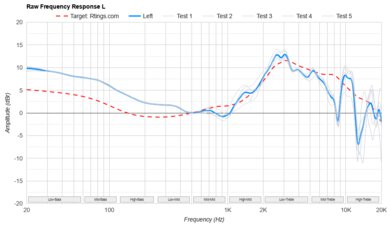
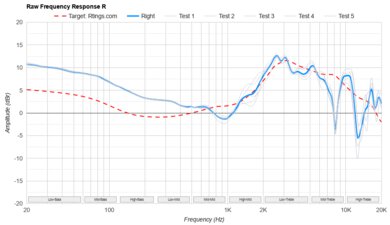
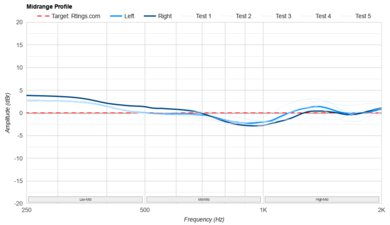
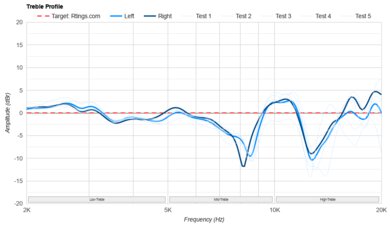
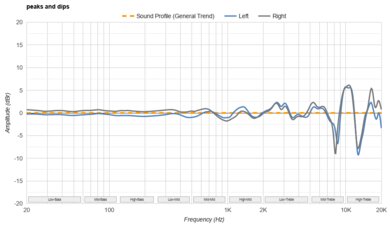
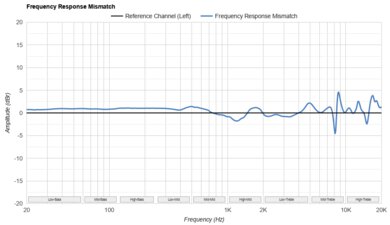
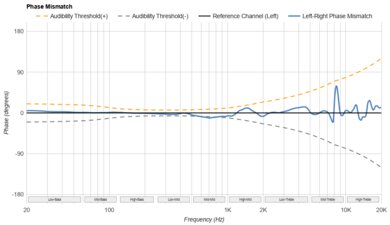
The Audeze MM-500 perform better than their audio reproduction accuracy score suggests. While their frequency response deviates from their flat sound signature, the absence of fluctuations in narrow, neighboring frequency bands indicates deliberate tuning rather than uncontrolled audio reproduction. The treble region features a slight low-treble emphasis coupled with mid-treble de-emphasis, retaining detail and articulation in vocals and instruments while softening sibilants. The Audeze headphones have very good stereo matching and excellent harmonic distortion performance, so you won't notice shifts in the stereo image caused by the headphones, nor coloration from unwanted harmonics. While the headphones excite the pinna, our PRTF measurements indicate their presentation won't sound as natural as our benchmark, an angled stereo speaker setup.
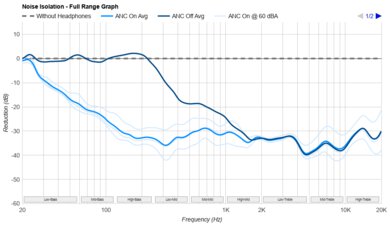
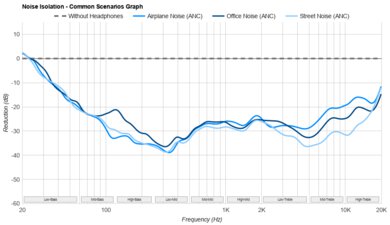
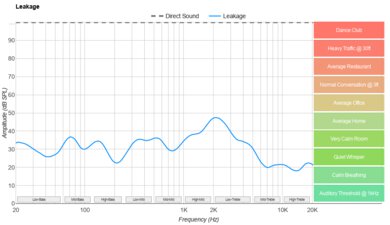
The Audeze MM-500 are bad for noise isolation. This is expected for open-back headphones; they won't isolate you from car engines in busy intersections, crying children on airplanes, or chatty coworkers. They also leak a thin version of your audio that's audible to people close by.
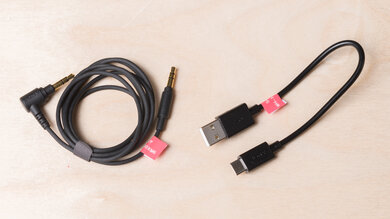
The Audeze MM-500 don't have a built-in microphone, but you can purchase an aftermarket cable with an integrated mic.
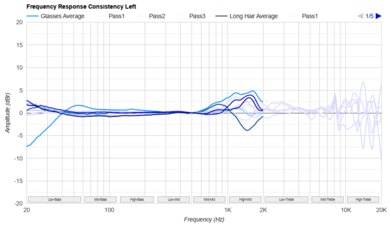
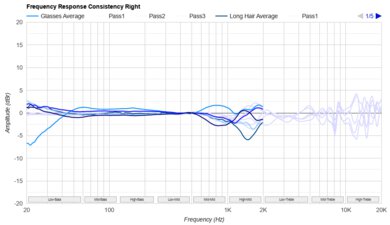
The Audeze MM-500 have impressive frequency response consistency. Once you've established a good fit and seal, your listening experience will closely match our measurements.
Performance Usages
Changelog
- Updated Jun 23, 2026: This review has been updated to Test Bench 2.3, which removes the Virtual Soundstage, Base/Dock, and some comparisons from Bluetooth Connection. Have a look at our changelog for more info.
- Updated Apr 20, 2026: This review has been updated to Test Bench 2.2, which removes the Cumulative Spectral Decay (CSD) test, retiring its waterfall plot visualization from our reviews. You can read more about this change in the changelog.
-
Updated Apr 13, 2026:
This review has been updated to Test Bench 2.1, which removes the Group Delay test and rebalances scoring for the Harmonic Distortion test and Audio Reproduction Accuracy performance usage. For more details, consult our full changelog.
- Updated Apr 09, 2026: We've converted this review to Test Bench 2.1, which features minor updates to our sound tests.
Check Price
Differences Between Sizes And Variants
The Audeze MM-500 are available in one variant: Black. While we didn't find a serial number on the headphones, they came with an authenticity card.
If you encounter another variant, let us know in the comments and we'll update the review.
Popular Headphone Comparisons
The Audeze MM-500 are wired, open-back headphones designed for professional use. A year after their launch, they were joined by the Audeze MM-100, which sport a similar tuning at a much more competitive price (though you'll sacrifice some nice-to-haves like tapered earpads). The MM-500 are also often compared to their warmer-sounding, but heavier cousin, the Audeze LCD-X. Both are built for studio use, so your sound preferences will likely determine which is the better pickup.
Audeze aren't the only player in the premium open-back headphone market, either: brands like HiFiMan and Sennheiser have competitive options at a fraction of the cost. The HiFiMan Arya Stealth Magnet Version (and others in the Arya line) or HiFiMan Sundara 2020 are both more affordable than the Audeze MM-500. However, more experienced audiophiles may be better served comparing the headphones' sound signatures rather than their ergonomics. If you're looking for dynamic driver headphones, the Sennheiser HD 600 have a similar sound signature, though their response isn't as subdued in the mid-treble.
Looking for more options? Check out our recommendations for the best studio headphones and the best open-back headphones. Check out our best headphones article for something more suited for travel and casual use.
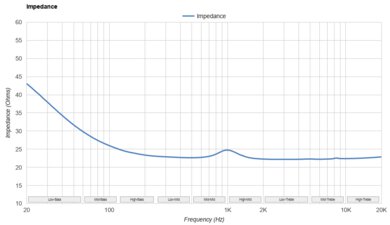
The Audeze LCD-X and Audeze MM-500 are similar wired open-back headphones meant for professional use. The LCD-X are heavier, and have a warmer sound profile, which you may prefer. That said, both are comfortable, well-built, and easy to drive with portable devices. Both the MM-500 and LCD-X also come with a hard carrying case and use mini-XLR connectors for the headphones. That said, the LCD-X cable terminates with an XLR connector meant for the source device, while the MM-500's has a 1/4" TRS connector.
The Audeze MM-100 is the less expensive relative of the Audeze MM-500. The MM-500 has flagship status in Audeze's MM product line, and comes with a hard carrying case and a slightly more premium-looking design that features chrome yoke rods and a spring steel headband. In terms of sound, both headphones have a flat sound signature, though there are minor differences in their treble reproduction. The MM-100 uses a different connector, featuring a 1/8" TRS connection on the headphones compared to the MM-500's mini-XLR. The decision between these two headphones will likely come down to your budget, followed by your treble preference.
The Audeze MM-500 and Sennheiser HD 800 S are premium open-back over-ear headphones. The Sennheiser have dynamic drivers compared to the Audeze's planar magnetics. Both are comfortable and similarly well-built, but the Audeze are notably heavier and have a much higher clamping force. That said, the effects are mitigated by the plush leather earpads of the Audeze. In terms of sound, both have a flat sound signature, though the Sennheiser is slightly brighter and rolls off in the bass slightly more. The Sennheiser are also well renowned for their more immersive listening experience, and our PRTF measurements indicate they more closely resemble an angled stereo speaker setup.
The HiFiMan Sundara 2020 and Audeze MM-500 are similar wired open-back headphones. The Audeze are marketed more as professional headphones, though the HiFiMan should also do the trick. Both have flat sound signatures, though the Audeze has more peaks and dips in their audio reproduction. They're also similarly comfortable, but the Audeze has notably better build quality. That said, whether the build is worth double the price will probably be the deciding factor between the headphones.
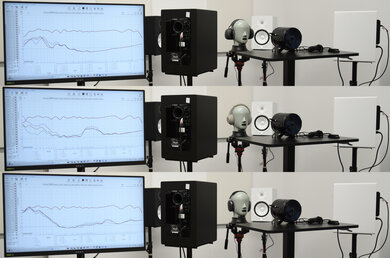
Our How We Test Headphones article takes you behind the scenes in our lab. You'll learn how we choose and purchase products and dive into the details of our review philosophy, from testing and scoring to writing and editing.
You can also discover how we produce recommendations like this one so that you can find the best headphones (or earbuds!) for your needs.
Test Results
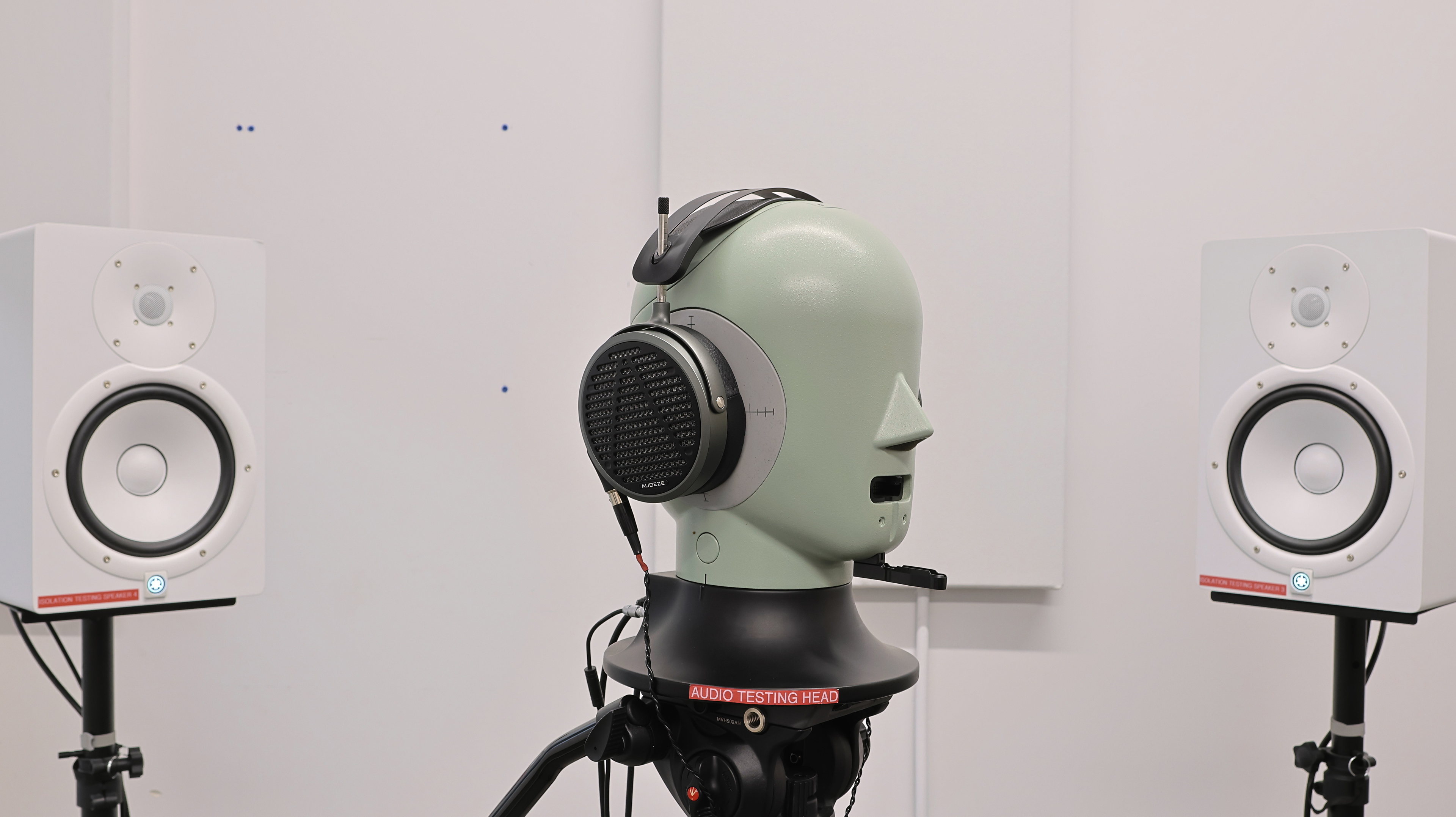
for pictures & test results
for pictures & test results
for pictures & test results
for pictures & test results