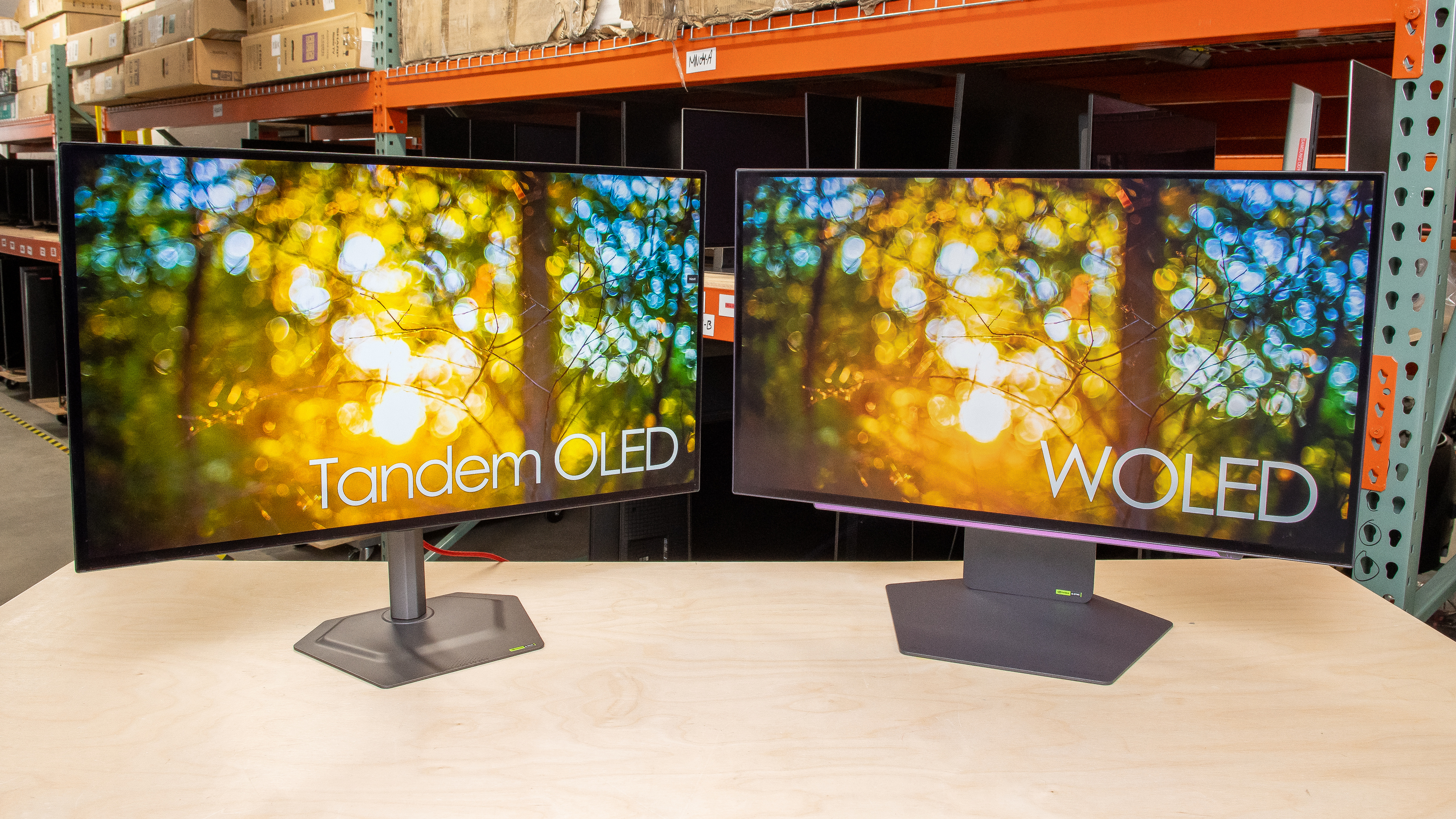
LG Display has manufactured OLED monitor panels for a few years. Many models use their most common OLED panel type, known as WOLED. However, in 2025, they released a new panel type: Tandem OLED. It's meant to bring higher brightness levels and improved color purity compared to WOLEDs.
Although Tandem OLEDs are the successor to WOLEDs, they're technically different because they use different structures. We're going to compare the differences between Tandem OLED vs WOLED panels, and see which is better for your needs. While Tandem OLED is a newer technology with fewer monitors available, it brings improvements in brightness and colors, providing better overall picture quality.
If you want to learn more about other panel types, check out our article comparing WOLED vs. QD-OLED panels and Tandem OLED vs. QD-OLED monitors.
Which Panel Is Better: Tandem OLED vs. WOLED
WOLEDs and Tandem OLEDs share many of the same strengths, like their near-infinite contrast ratios, sharp motion handling, and no haloing around bright objects. Despite their many similarities, there are some differences between them.
Although Tandem OLED panels are far from being the perfect monitor panel type, they're a clear improvement over WOLEDs. These newer panels get brighter and have better color purity than older WOLED panels. Tandem OLEDs are also advertised to be more energy efficient, but that isn't something we test for.
This new panel type isn't without its flaws, though. There are known uniformity issues that are more common on Tandem OLEDs, particularly with dark grays. Since it's an emerging technology, the monitor market with these panel types is limited as of early 2026. You can get many more WOLED options with different resolutions, refresh rates, and sizes. However, many more Tandem OLED monitors are expected to come out in 2026 and 2027.
Panel Technology Explained: WOLED vs. Tandem OLED
LG Display's first monitor OLED panel type was WOLED. Monitors with these panels have many of the same strengths as any OLED: deep blacks, highlights that pop, and sharp motion. However, WOLEDs are behind Samsung Display's QD-OLED when it comes to color purity and volume. In response, they created the newer Tandem OLED panel, which is also known as Tandem WOLED or RGB Tandem OLED, and released it in 2025. As a successor to WOLED panels, it's advertised as LG Display's fourth-generation OLED panel, but the two are distinct panel types.
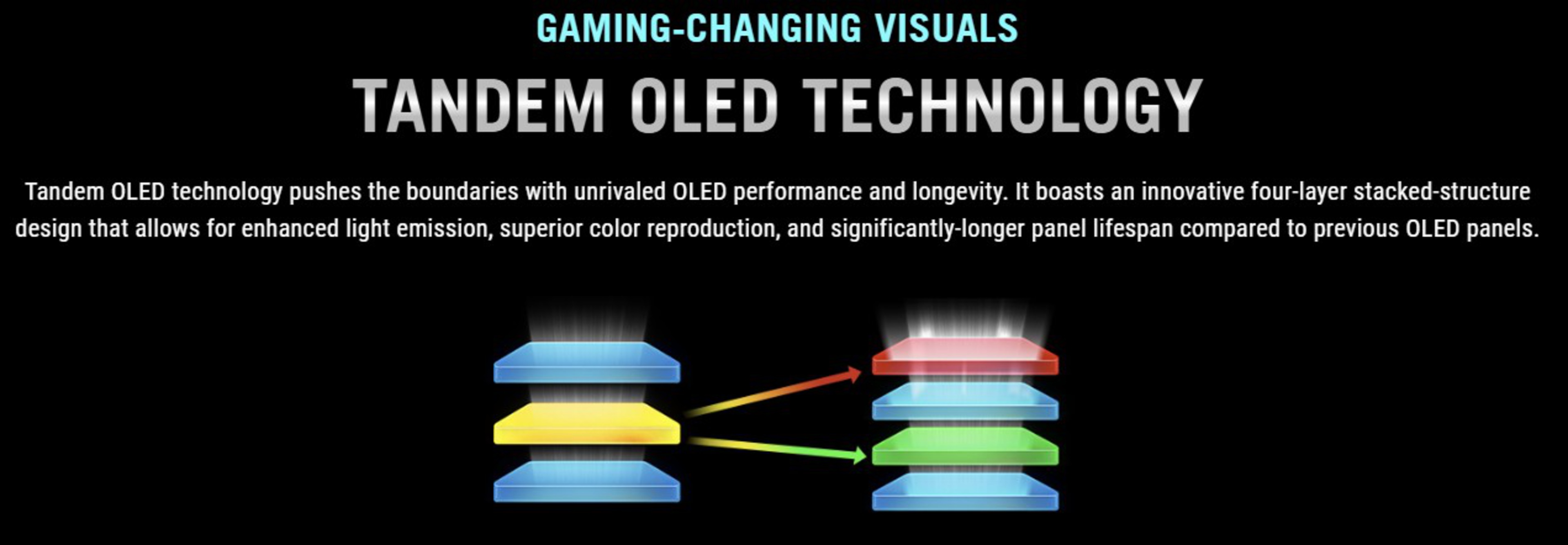
In essence, both use organic light-emitting layers beneath filters to let light pass through. This is where the name organic light-emitting diode (OLED) comes from. Each pixel in an OLED display is self-emitting, turning on and off individually. The difference between the panel types is that WOLEDs have a stack of blue, yellow, and blue layers, whereas Tandem OLED separates the yellow layer into red and green to produce a four-layer stack. Light from these layers then goes through filters to produce a final image.
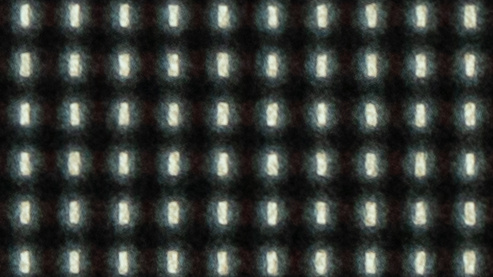
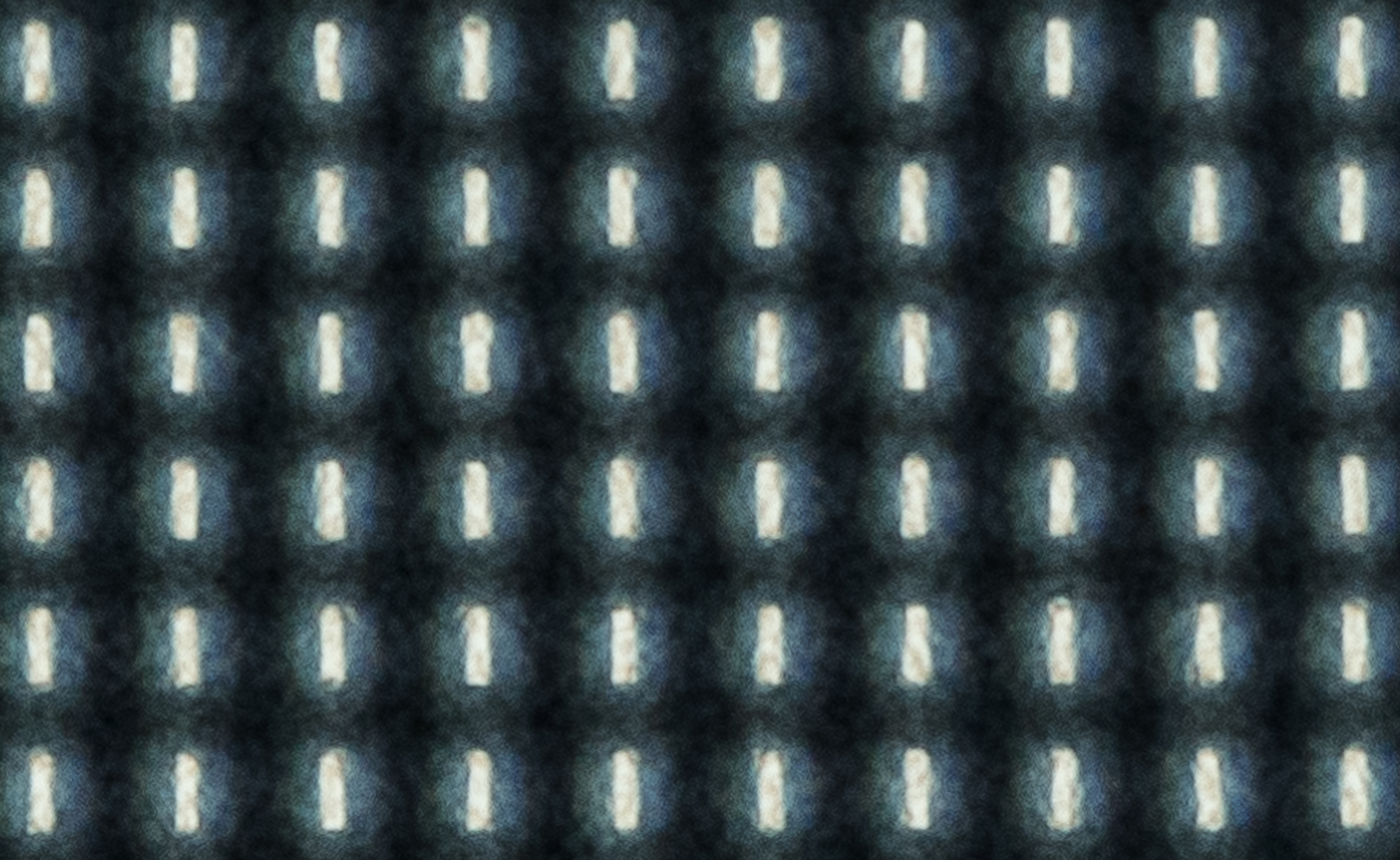
Despite their different structures, they currently have the same RGWB subpixel layout. The first Tandem OLEDs, made in late 2025, use a white subpixel to produce the color white. This is the same as older WOLED panels, whose name (white OLED) comes from the fact that it has this white subpixel. As such, text looks the same on either panel type, each with fringing around letters.
| Tandem OLED | Older WOLED |
|---|---|
| Gigabyte MO27Q28G | LG 27GX790A-B |
 |
 |
 |
 |
However, newer Tandem OLED panels with RGB Stripe will drop the white subpixel entirely, changing the subpixel layout and improving text clarity even further. The ASUS PG27UCWM will feature this panel, and it's supposed to be available in Q2 of 2026. Stay tuned with our Review Pipeline to see any future Tandem OLEDs we'll test.
Differences Between Tandem OLED vs. WOLED
Tandem OLEDs improve in a few areas over WOLEDs, particularly with the brightness and colors. However, their biggest downside is that some of the first Tandem OLED monitors have noticeable vertical banding in dark grays. WOLEDs also have this issue, but not to the extent of Tandem OLEDs. Another thing to keep in mind is that many more WOLED monitors are available at the start of 2026.
Brightness
The biggest advantage of Tandem OLED is its brightness. Out of the three Tandem OLEDs we've tested so far (Gigabyte MO27Q28G, LG 27GX700A-B, and LG 27GX790B-B), they each reach around 550 cd/m2 with real content in HDR. They all have a max brightness of over 1,300 cd/m2 with peak 2% HDR highlights, so small objects really pop against dark backgrounds. Some WOLEDs also get bright, but just aren't as bright as these newer Tandem OLEDs. For example, the Sony INZONE M10S reaches nearly 1,300 cd/m2 with 2% windows in HDR, but it fails to pass 420 cd/m2 with real content. The ASUS ROG Strix OLED XG27AQDMG gets brighter with real content, passing over 500 cd/m2, but its brightest highlight is 1,150 cd/m2, so it's still behind Tandem OLEDs.
The battle is closer in terms of SDR brightness, but that's because some monitors offer settings to get the brightest screen possible, while others limit brightness to maintain consistency between different content. Generally speaking, though, if you want a bright OLED, Tandem OLED is currently the way to go.
Colors
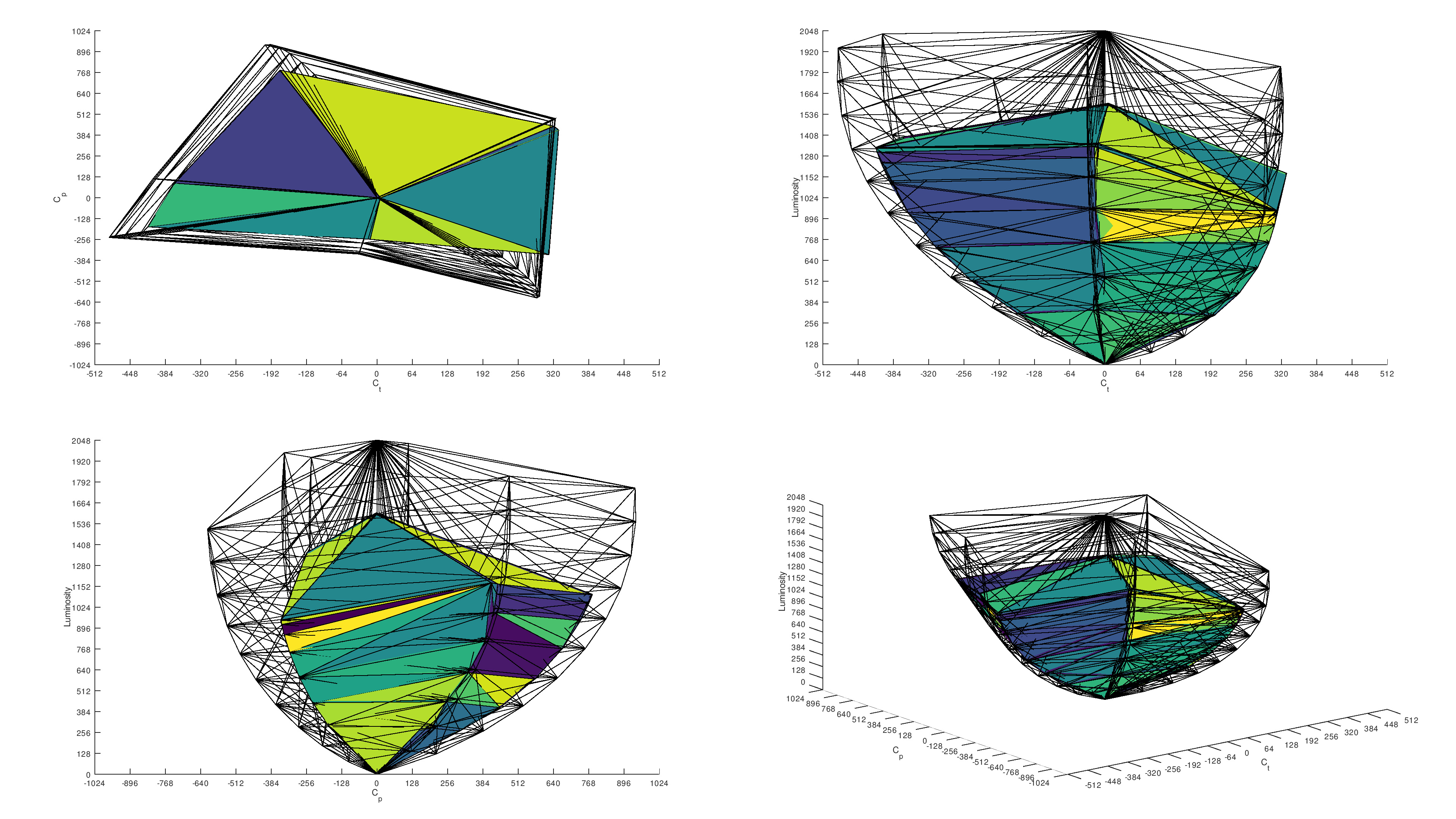
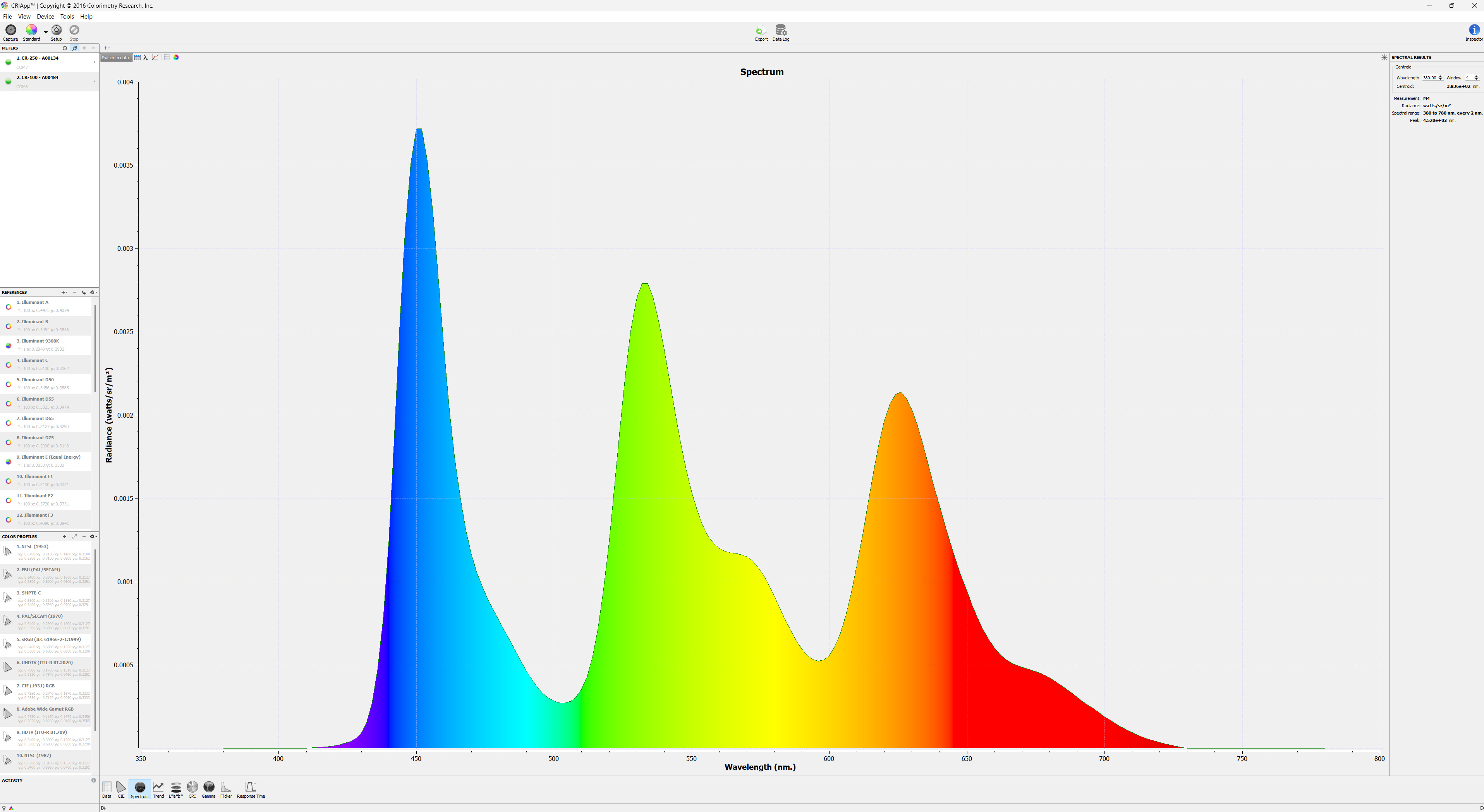
Another advantage of the newer Tandem OLED panel is its improved color purity and color volume. Although they each rely on a white subpixel to produce pure white, other colors on Tandem OLEDs get brighter and look more vivid. This makes HDR content really punch.
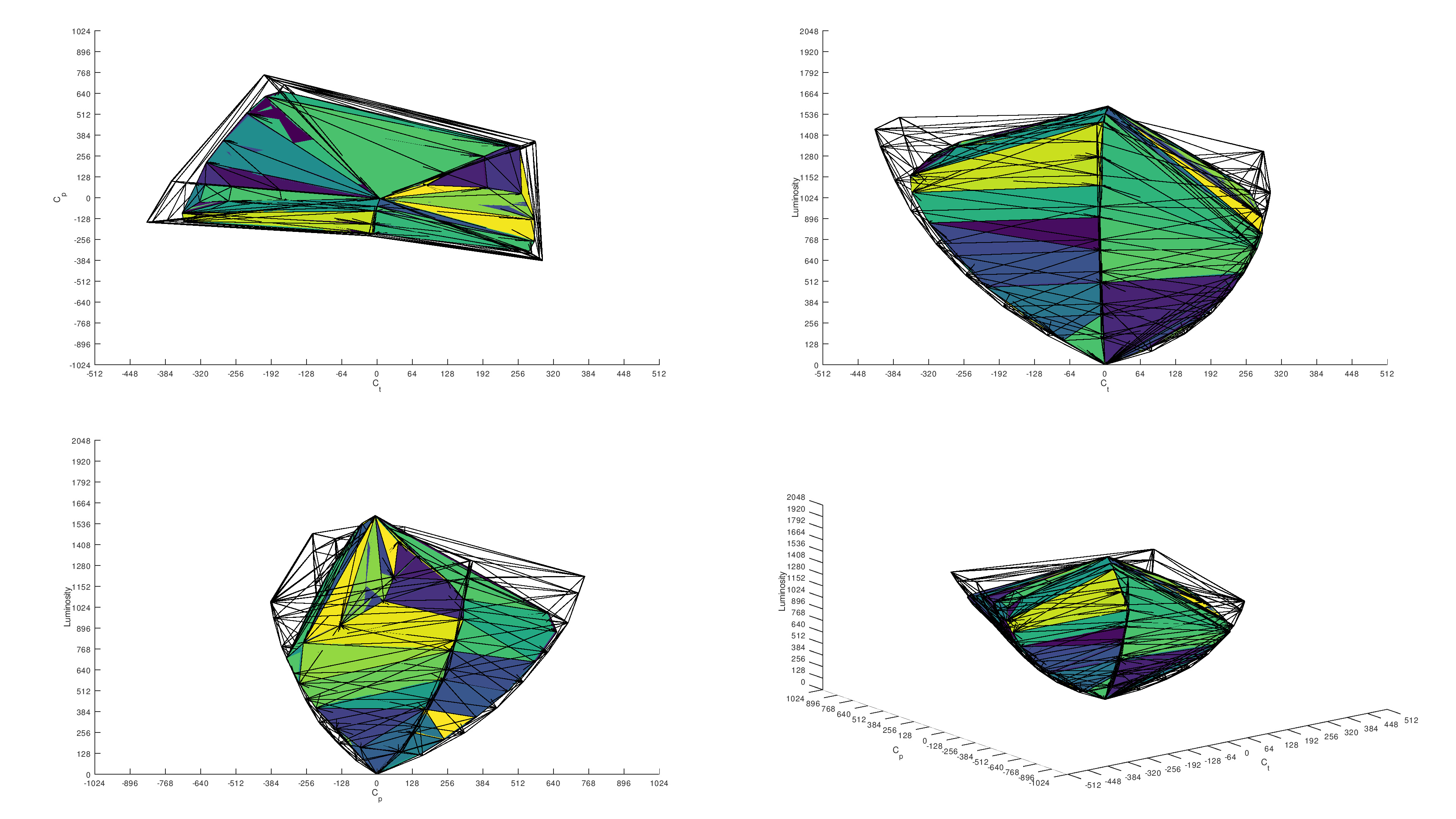
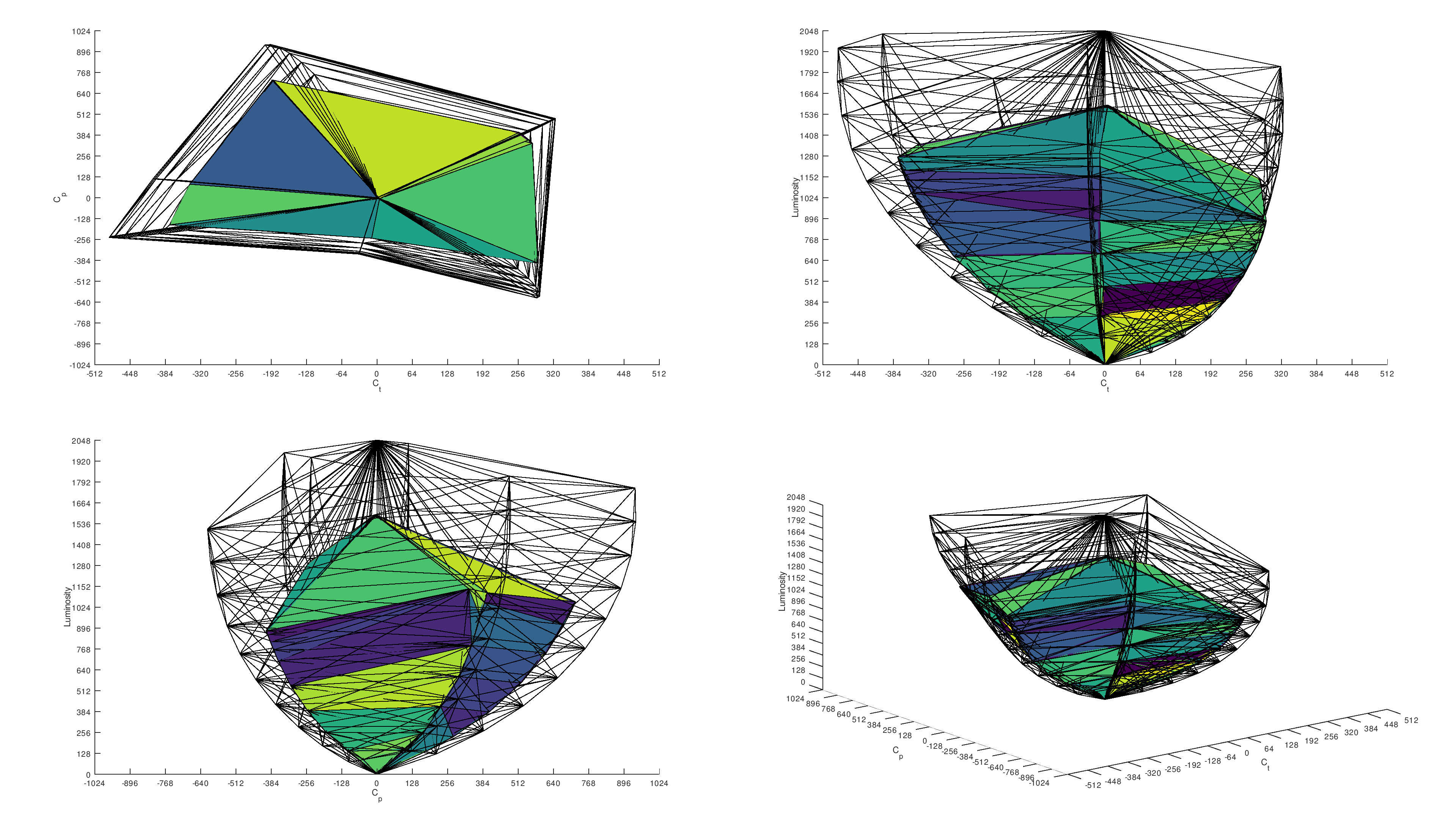
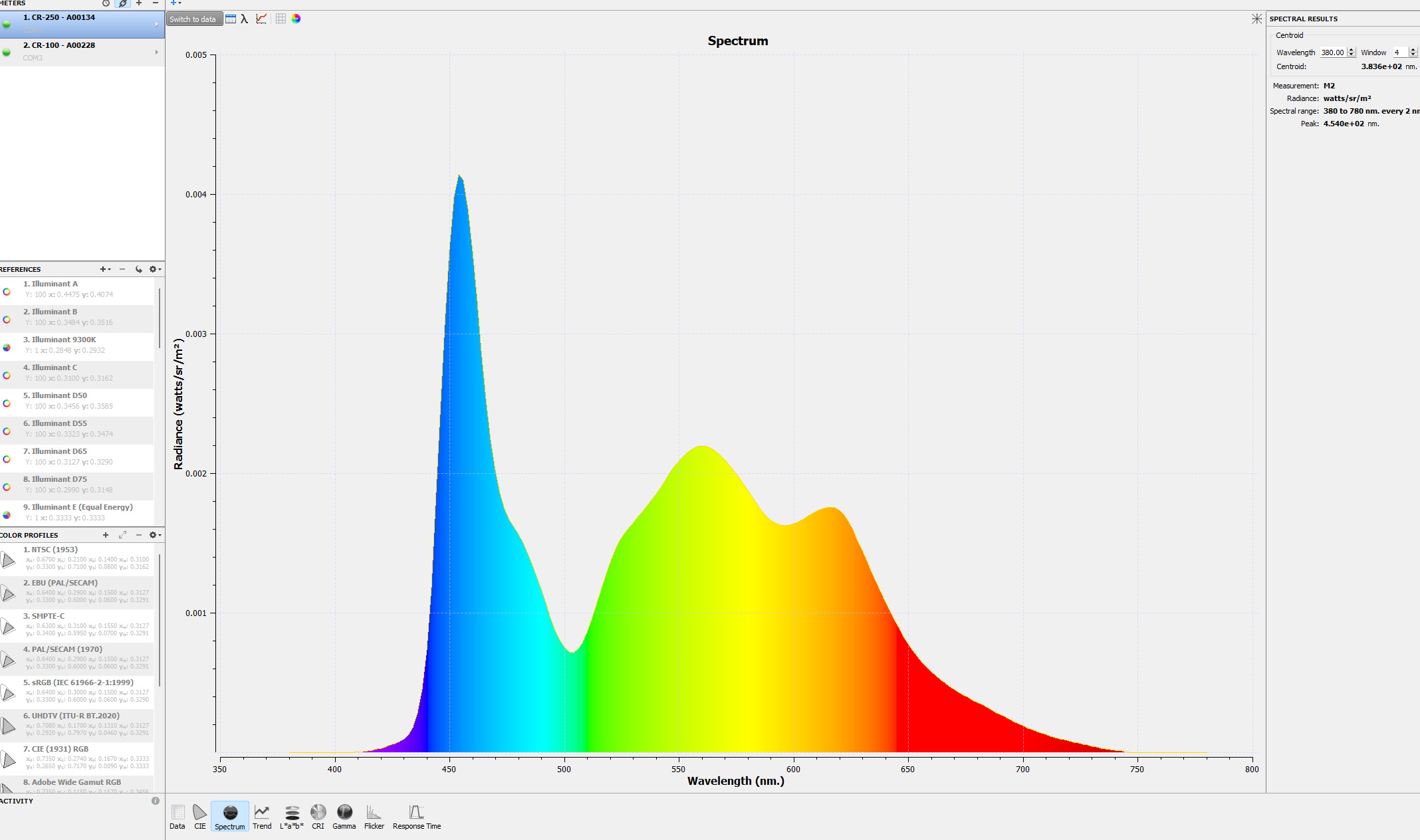
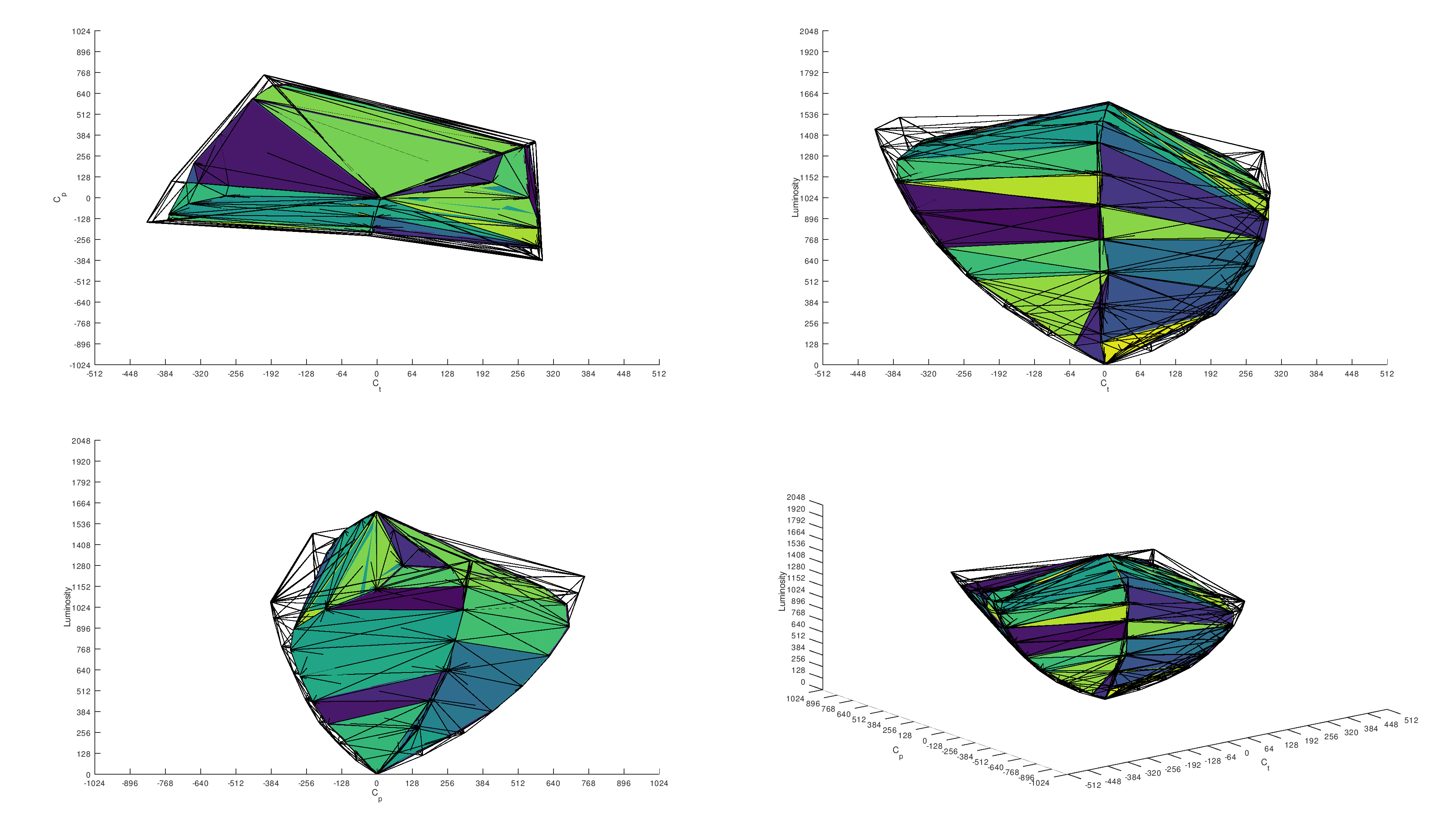
You can see examples of the HDR color volume and spectral power distribution (SPD) of a WOLED and a Tandem OLED below. The SPD alone shows that the Tandem OLED is much better at separating primary colors, like between green and red. It also has much better color volume, so the final image looks more vivid.
| Type | HDR Color Volume | SPD | |
|---|---|---|---|
| WOLED LG 27GX790A-B |
 |
 |
 |
| Tandem OLED LG 27GX700A-B |
 |
 |
 |
As Tandem OLEDs still rely on a white subpixel, colors aren't as bright as pure white just yet. Newer RGB Stripe Tandem OLEDs, which don't have a white subpixel, could improve color volume even further.
Uniformity
A common issue with these new Tandem OLED panels is visible vertical banding with near-blacks. This is most noticeable with full-screen test patterns and can still be distracting in any game or content with a lot of dark areas. It's also more of a problem at high refresh rates than at low refresh rates.
While it's prevalent on newer models, it's an issue that affects any OLED, including WOLED, because of how voltage is delivered to pixels at low luminance levels. This means you can get a WOLED with vertical banding in dark scenes. Another thing to keep in mind is that this ultimately varies between units, so you may get a Tandem OLED or a WOLED without any issues.
Below you can see examples of 5% gray levels on a WOLED and a Tandem OLED. You can see that the WOLED still has vertical banding, but it's not as bad as on the Tandem OLED.
| WOLED | Tandem OLED |
|---|---|
| ASUS ROG Strix OLED XG32UCWMG | LG 27GX790B-B |
 |
 |
Overall, both panel types have units with vertical banding in near-black scenes, but it's more of a common issue on Tandem OLEDs.
Market And Availability
With WOLED monitors first appearing in the market in late 2022, this technology has had time to mature and become more accessible. As such, there are many WOLED models available, including those with different refresh rates and resolutions. There are even many different sizes you can get with a WOLED panel, including up to 45 inches. Because of how many models are available, you can find the right model for your needs if you're looking for a WOLED monitor.
Tandem OLED monitors only began appearing in the consumer market in late 2025, so there are fewer options available as of early 2026, most of which are 1440p displays. However, 4k models are coming later in 2026, including the ASUS PG27UCWM that will feature the new RGB Stripe subpixel arrangement. The future is bright for the Tandem OLED market, but you may have to wait a bit for larger, higher-resolution options. Otherwise, any of the current models are also fantastic monitors.
If you're looking for a monitor now, check out our recommendations for the best OLED monitors.
Conclusion
When comparing WOLED vs. Tandem OLED monitors, you'll notice that they share many of the same characteristics. This includes the same fantastic picture quality and sharp motion. However, Tandem OLEDs build on aspects that WOLEDs lack compared to competing QD-OLED panels, like better colors and improved brightness. This means Tandem OLEDs have better overall picture quality than older WOLEDs, so you may want to get a Tandem OLED if you want the best picture quality. That said, there are many more WOLED monitors available with different refresh rates and resolutions, so you may have to wait a bit to find the perfect Tandem OLED for your needs. Regardless, both panel types are fantastic for monitors, and choosing one over the other comes down to needs and preferences.
