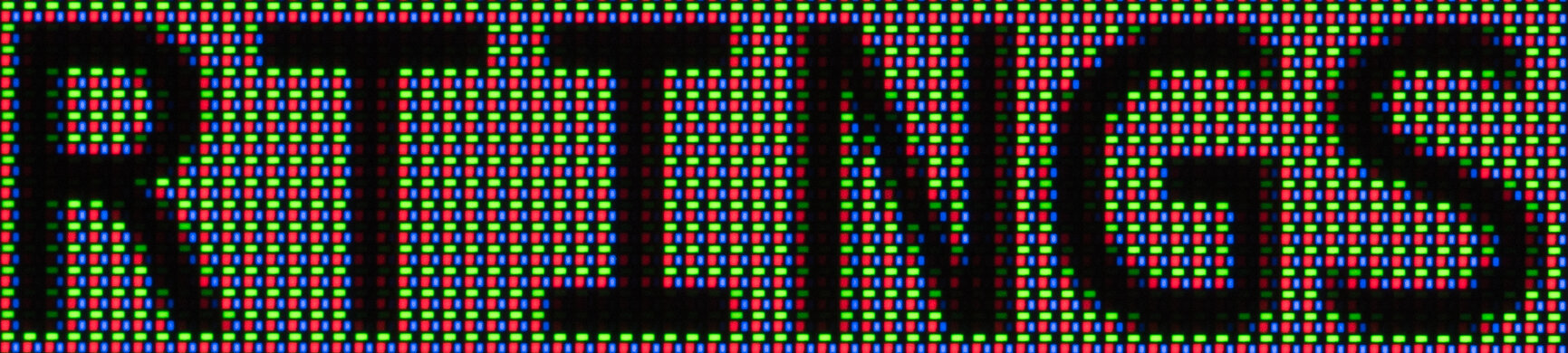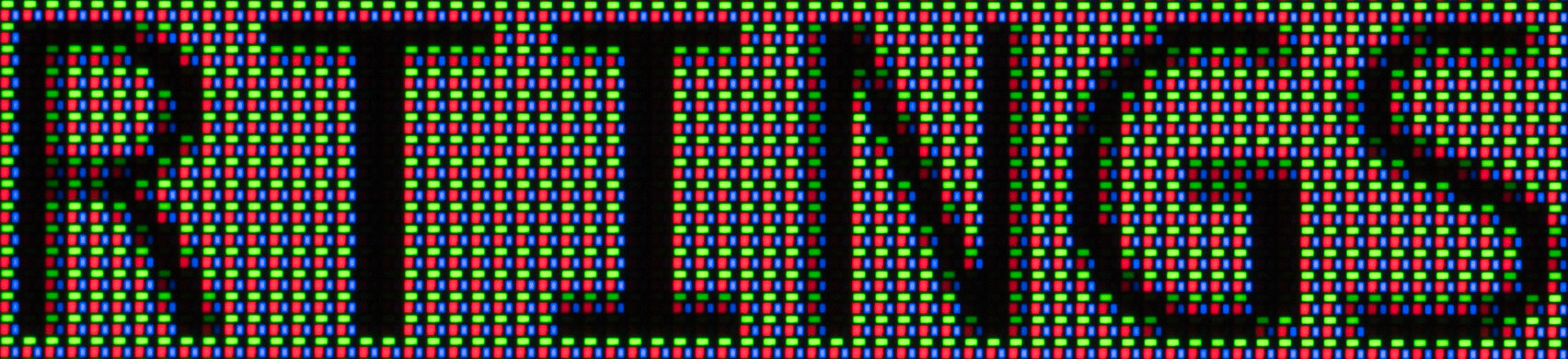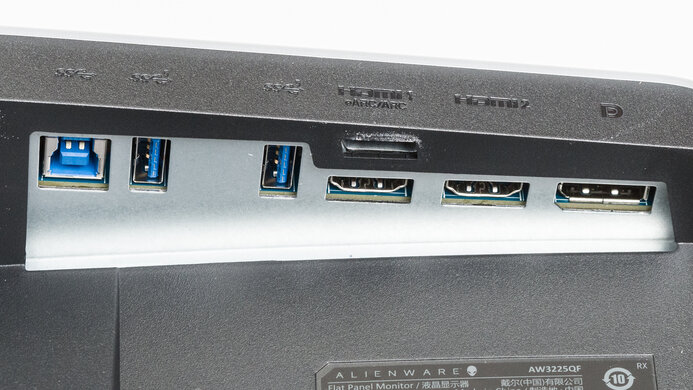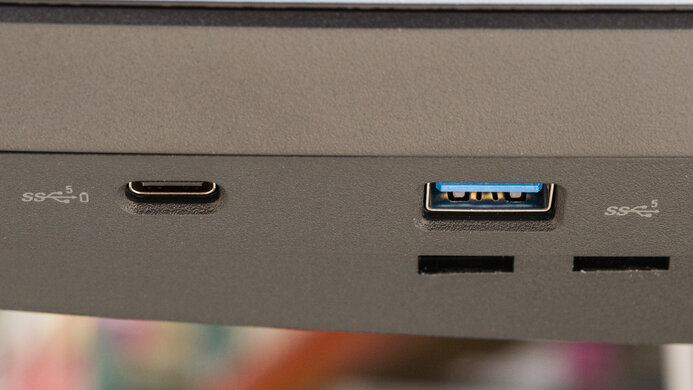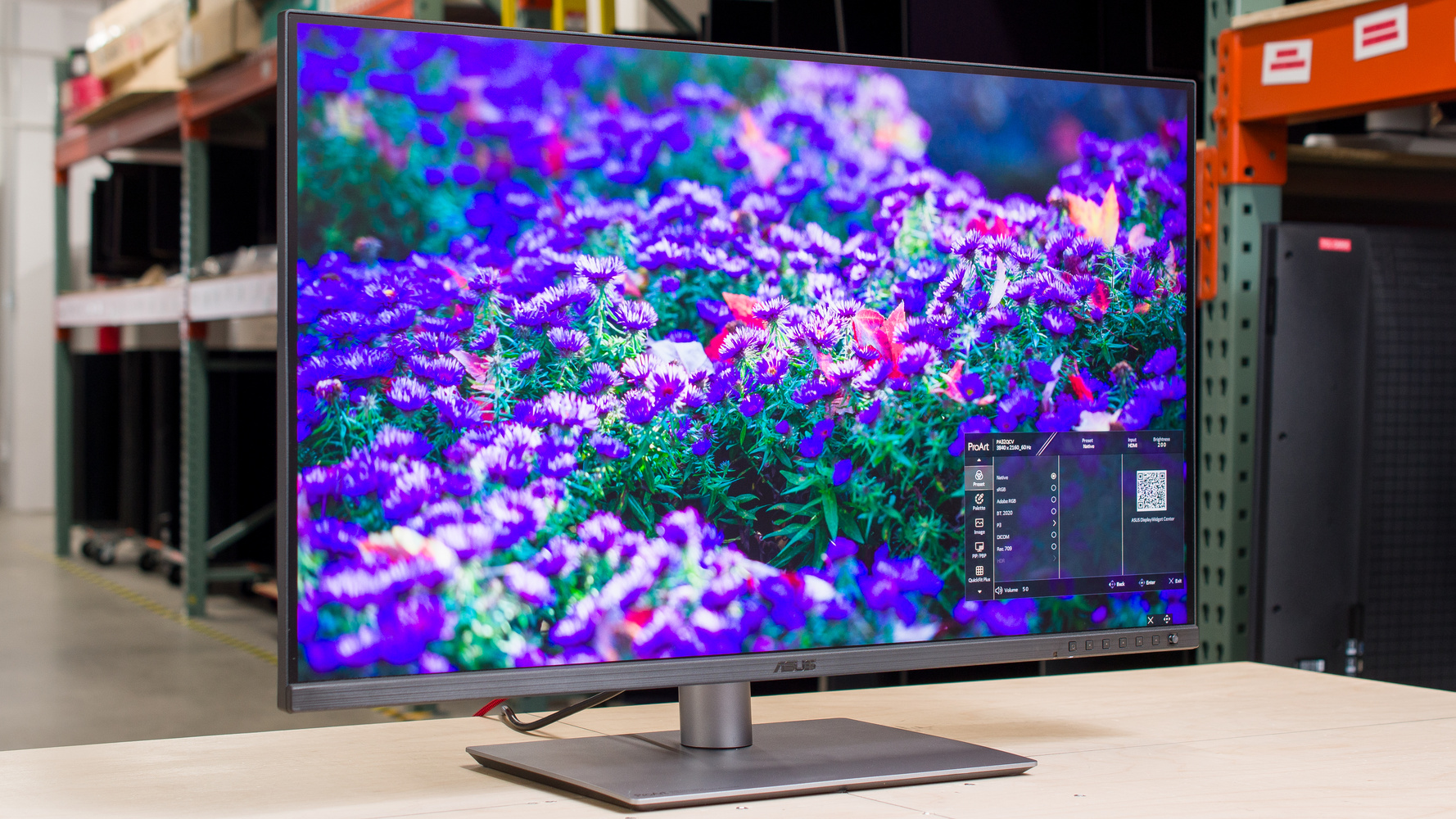
The ASUS ProArt Display 6k PA32QCV is a high-end 32-inch, 6k monitor geared towards content creators. It's the only 6k monitor in the ProArt Creator lineup, sitting in between the 5k ASUS ProArt Display PA27JCV and the 8k ProArt Display PA32KCX. It competes with other monitors that have the same size and resolution, like the Apple Pro Display XDR, the Dell UltraSharp U3224KB, and the LG 32U990A-S. It uses an IPS panel with a LuxPixel matte anti-glare coating, and it's packed with productivity features. It has a USB hub that includes Thunderbolt 4, up to 96W of power delivery, and support for daisy chaining. It also has an Auto KVM switch that makes it easy to switch between two computers connected to the monitor and use the same keyboard and mouse on both.
Our Verdict
The ASUS ProArt Display PA32QCV is mediocre for PC gaming. It has a low refresh rate and a slow response time, so fast-moving content looks blurry. The main advantage of getting it for gaming is that it has low input lag, so gaming feels responsive, and it delivers detailed images. Unfortunately, it has limited picture quality, particularly in HDR, because it has a poor local dimming feature that fails to improve the picture quality, and highlights don't pop.
Supports all common VRR formats.
Low input lag.
Noticeable blur with fast-moving objects.
Limited to 60Hz refresh rate.
Blacks look gray due to low contrast.
Highlights don't pop in HDR.
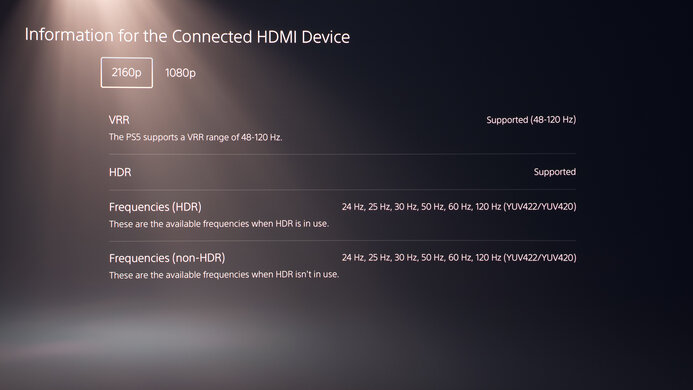
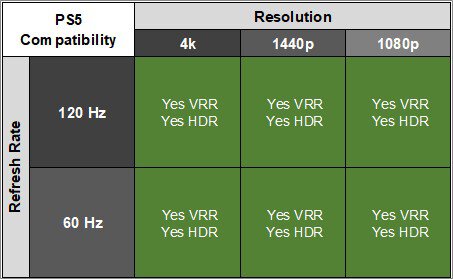
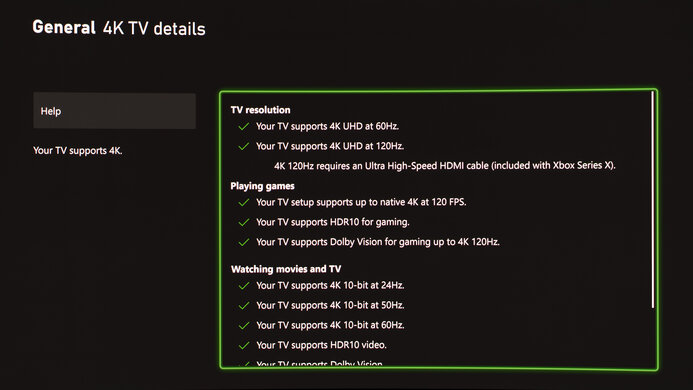
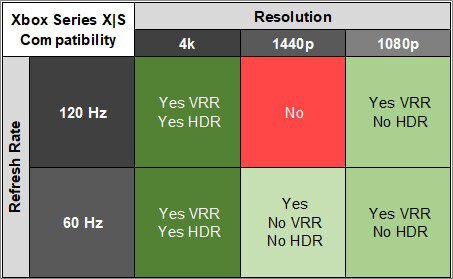
The ASUS ProArt Display PA32QCV is disappointing for console gaming. Despite supporting HDMI 2.1 bandwidth, it has restricted support with modern gaming consoles. It's limited to a 60Hz refresh rate, so it doesn't support 120Hz signals. It at least has low input lag for a responsive feel, but fast-moving objects look blurry. Despite having a high resolution for detailed images, it has poor picture quality because blacks look gray, highlights don't pop, and its local dimming feature results in haloing around bright objects.
Low input lag.
Supports VRR with a PS5 and Xbox Series X|S.
Noticeable blur with fast-moving objects.
Limited to 60Hz refresh rate.
Blacks look gray due to low contrast.
Highlights don't pop in HDR.
The ASUS ProArt Display PA32QCV is excellent for office use. It has a high 6k resolution that helps result in sharp text, but its aggressive matte coating causes text to look hazy. It also has a big 32-inch screen that helps with multitasking with various windows next to each other. Thanks to its high screen brightness and superb reflection handling, which helps minimize glare, it's even a great choice to use in a well-lit office space. Lastly, it comes with productivity features, including Thunderbolt support with daisy chaining, a KVM switch, and an ergonomic stand that's easy to adjust.
High pixel density for sharp text and detailed images.
Large 32-inch screen.
Gets bright and reduces glare easily.
USB hub includes Thunderbolt 4 and a KVM switch.
Supports daisy chaining.
Aggressive matte coating causes haze.
The ASUS ProArt Display PA32QCV is great for editing. Its 32-inch screen helps if you need to multitask with various windows open, and its high 6k resolution makes images look detailed, and text looks sharp. It comes with picture modes for various color spaces that you may work with, including an sRGB mode, which you need to calibrate for a perfectly accurate image because it has a cold color temperature. It's a bad choice for editing content in HDR, though, as it has a low contrast ratio and its local dimming feature fails to improve the black levels. On the plus side, its Thunderbolt support is great if you want to connect a Thunderbolt laptop, like a MacBook, and it has a few features to help with productivity, like daisy chaining and a KVM switch.
High pixel density for sharp text and detailed images.
Large 32-inch screen.
Gets bright and reduces glare easily.
USB hub includes Thunderbolt 4 and a KVM switch.
Supports daisy chaining.
Accurate sRGB mode.
Blacks look gray due to low contrast.
Highlights don't pop in HDR.
Cold color temperature out of the box.
Aggressive matte coating causes haze.
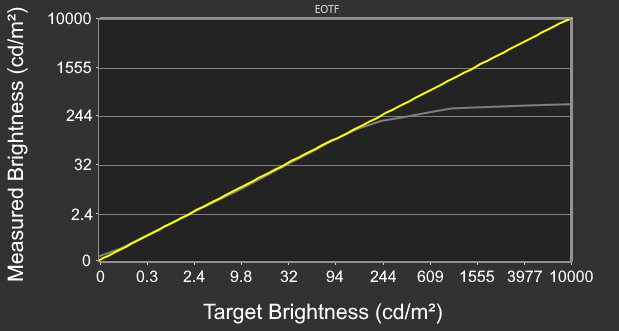
The ASUS ProArt Display PA32QCV has great brightness. It gets bright enough to fight glare in any environment, but highlights don't pop in HDR.
Gets bright and reduces glare easily.
Highlights don't pop in HDR.
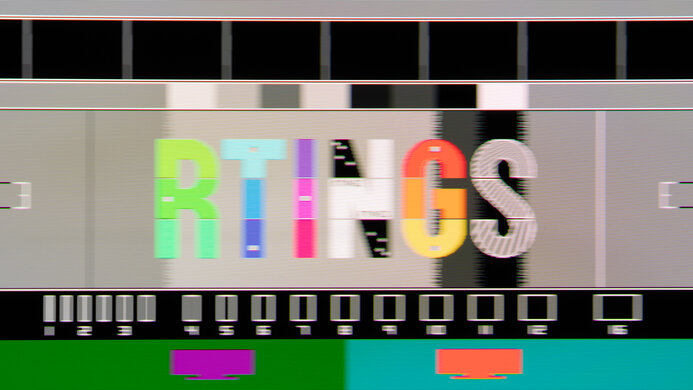
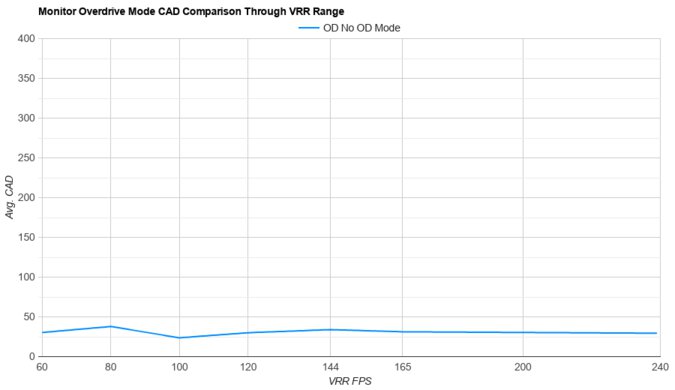
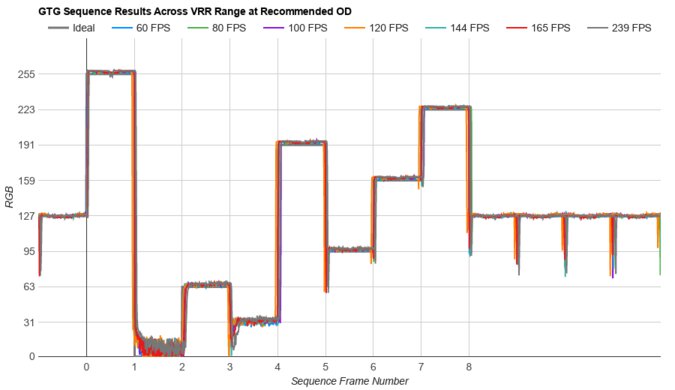
The ASUS ProArt Display PA32QCV has a disappointing response time. There's noticeable blur and inverse ghosting behind fast-moving objects.
Noticeable blur with fast-moving objects.
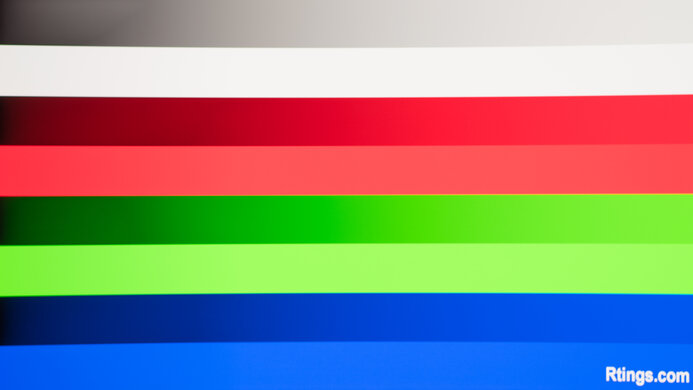
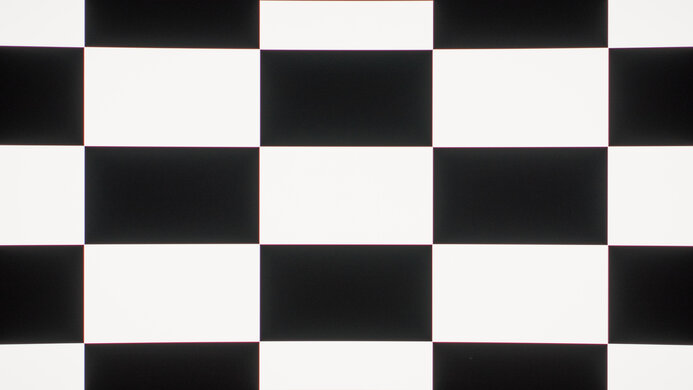
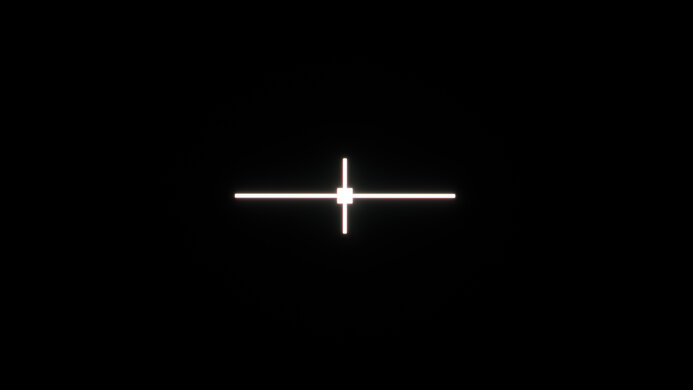
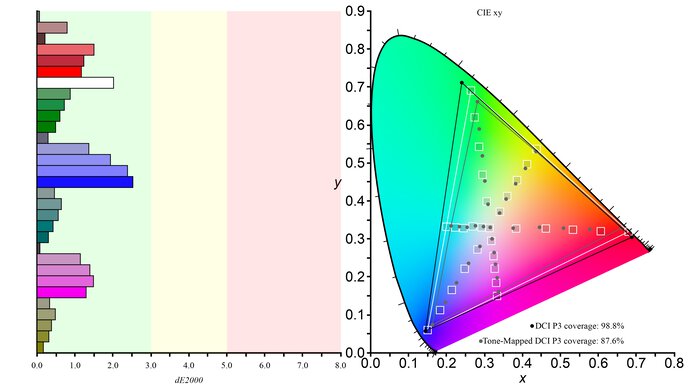
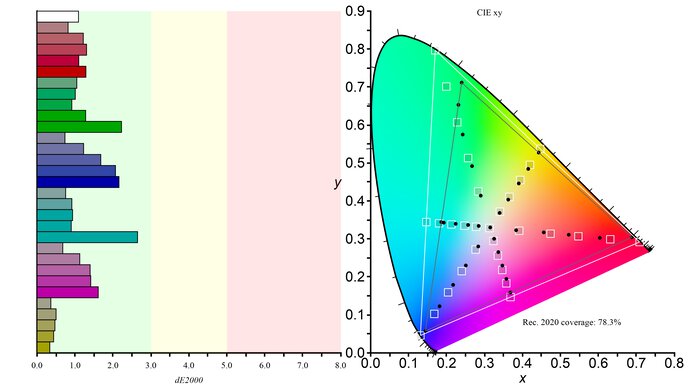
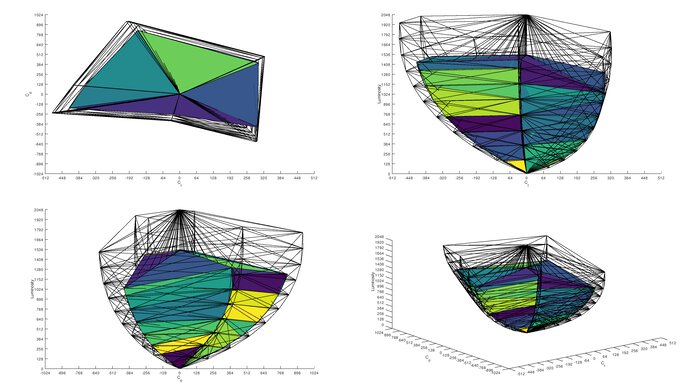
The ASUS ProArt Display PA32QCV has alright HDR picture quality. Although it has good coverage of common HDR color spaces, the biggest downside is that blacks look gray. Its local dimming feature fails to improve this and even causes haloing around bright objects.
Covers most common color spaces.
Blacks look gray due to low contrast.
Poor local dimming; causes haloing.
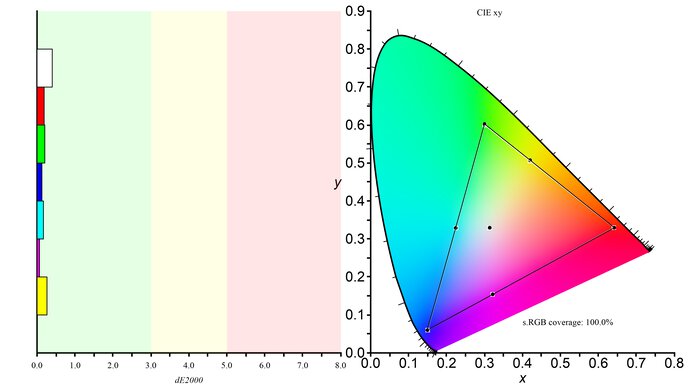
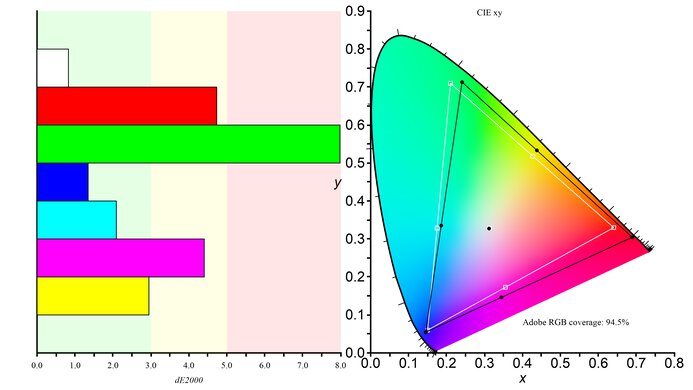
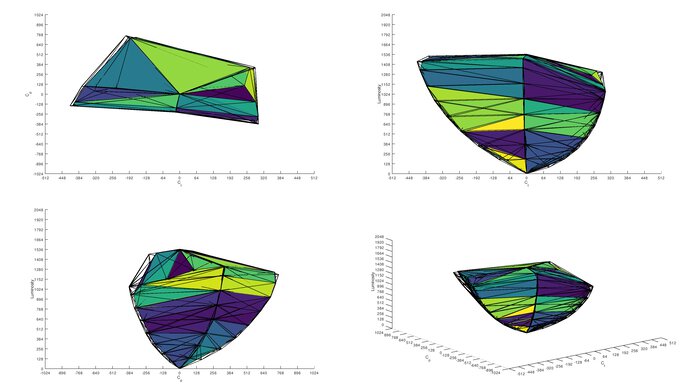
The ASUS ProArt Display PA32QCV has okay SDR picture quality. It displays a wide range of colors, but it has a low contrast ratio that makes blacks look gray.
Covers most common color spaces.
Blacks look gray due to low contrast.
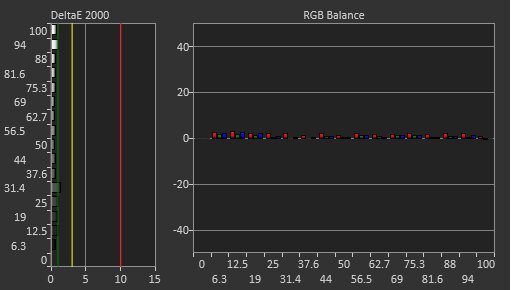
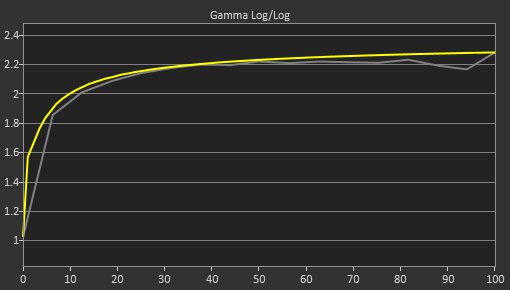
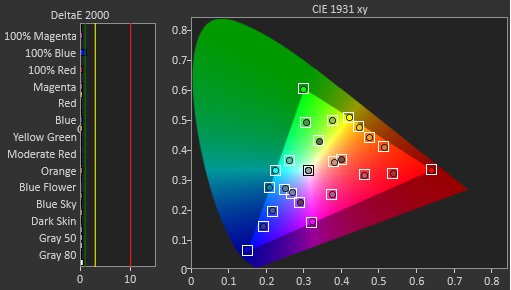
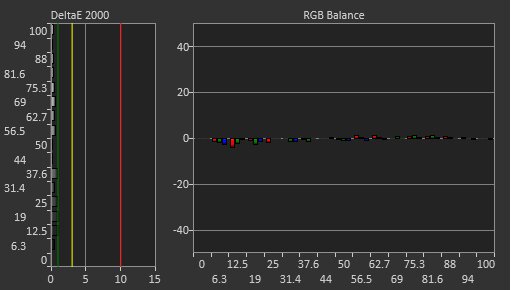
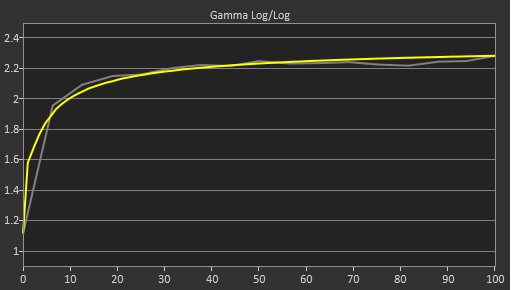
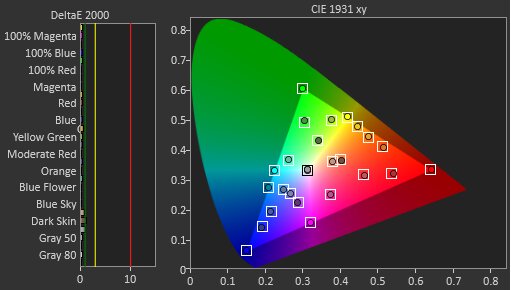
The ASUS ProArt Display PA32QCV has excellent color accuracy. Its dedicated sRGB mode is accurate out of the box, but it has a cold temperature that you would need to fix with a proper calibration if you're a professional content creator.
Accurate sRGB mode.
Cold color temperature out of the box.
Performance Usages
Changelog
-
Updated Aug 03, 2026:
We added that the Samsung Odyssey G80HS S32HG80 is an alternative with a higher refresh rate.
-
Updated Apr 14, 2026:
We added that the Apple Studio Display XDR is an alternative with Thunderbolt 5 support.
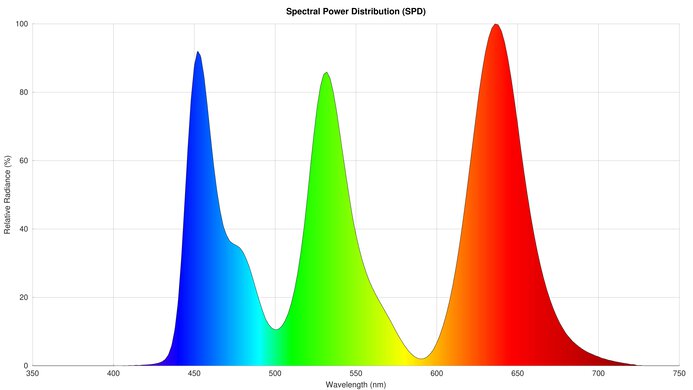
- Updated Mar 17, 2026: We've converted this review to Test Bench 2.1.2. We added a new Panel Technology box, including the Spectral Power Distribution (SPD) graph.
- Updated Nov 27, 2025: Review published.
Check Price
Differences Between Sizes And Variants
We bought and tested the 32-inch ASUS PA32QCV, which is the only size available. The results are only valid for this model.
| Model | Size | Panel Type | Refresh Rate | Resolution |
|---|---|---|---|---|
| PA32QCV | 32" | IPS | 60Hz | 6016x3384 |
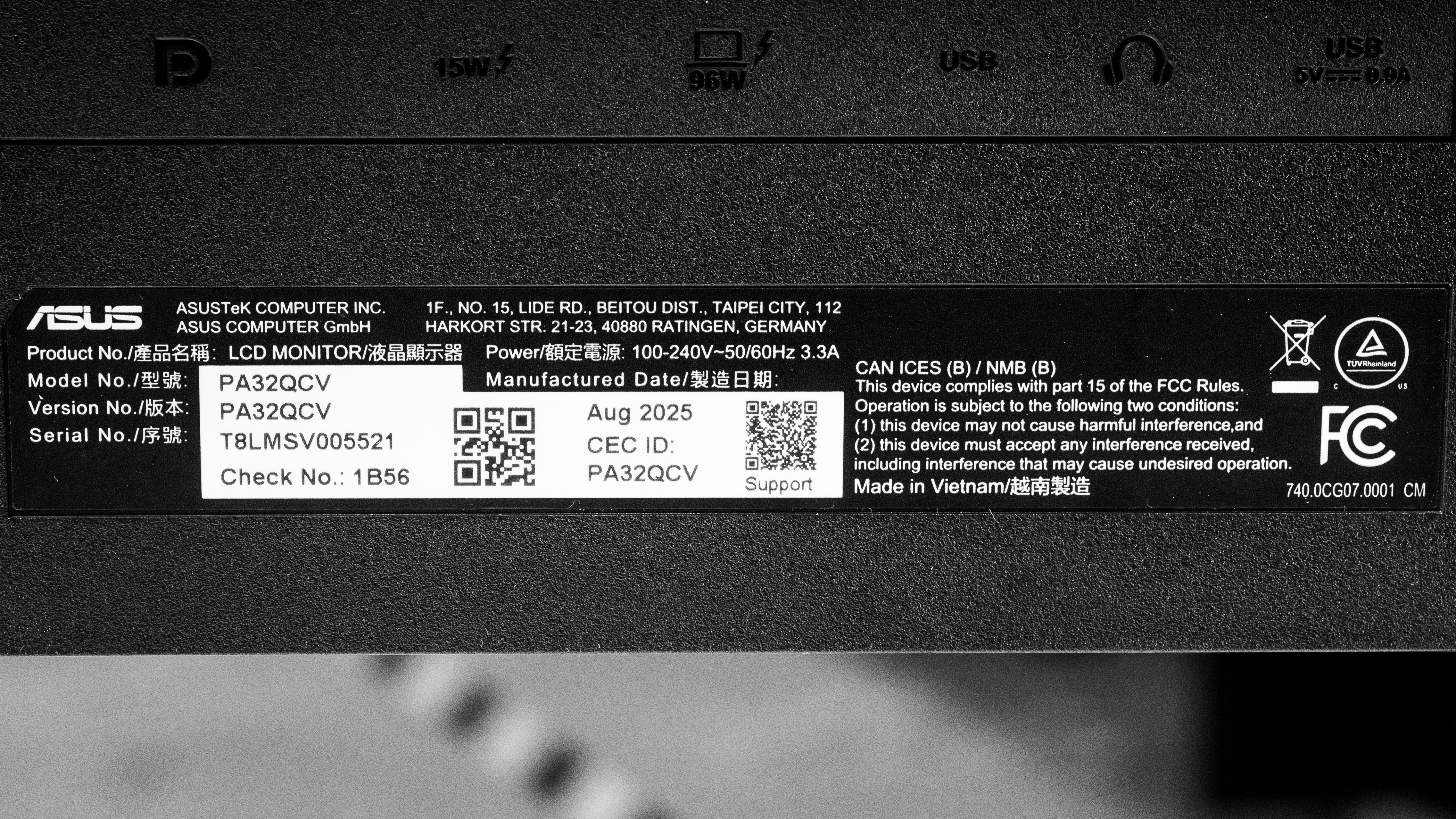
Our unit's label indicates it was manufactured in August 2025. We tested it with firmware MCM102.
Popular Monitor Comparisons
The ASUS ProArt Display 6k PA32QCV is a high-end 32-inch, 6k monitor. Part of the ASUS ProArt lineup, it's meant for content creators, and it competes against other high-resolution creativity monitors, like the Apple Pro Display XDR and the Dell UltraSharp U3224KB. It has productivity features that you'd expect from a high-end monitor, including a large USB hub with a KVM switch, Thunderbolt 4 to take advantage of certain MacBooks, and a Thunderbolt out port for daisy chaining.
Like the lower-end ASUS ProArt Display PA27JCV, it uses a LuxPixel matte coating, which is very effective at reducing glare, and combined with the monitor's high brightness, it's a good choice to use in a well-lit room. That said, this coating makes text and images look hazier compared to other displays with a glossy coating, like the Apple Studio Display 2022. It also has limited picture quality in HDR due to its low contrast ratio and poor local dimming feature. If these issues don't bother you, the ASUS is a great choice for SDR content creation and productivity, as long as you have the budget for it.
Also see our recommendations for the best monitors for graphic design, the best monitors for photo editing, and the best monitors for video editing.
The BenQ MA270S and the ASUS ProArt Display 6K PA32QCV are high-resolution displays geared towards content creators. Even though the ASUS has a higher resolution, its bigger screen means that it also has the same pixel density as the BenQ. In fact, text looks sharper on the BenQ due to its glossy coating that results in clearer images. On the other hand, the matte coating of the ASUS is much more effective at reducing glare from reflections. They're very similar otherwise, but the ASUS gets brighter. The ASUS also has a local dimming feature, which the BenQ doesn't have, but it's ineffective at helping the monitor display deep blacks.
The Samsung Odyssey G80HS S32HG80 and the ASUS ProArt Display 6K PA32QCV are both 32-inch, 6k monitors. They're meant for different uses, as the Samsung is focused on gaming with a higher refresh rate, including a 3k, 330Hz model. The Samsung also has better motion handling, so fast-moving content looks sharper. On the other hand, the ASUS is focused on productivity, and it includes a bigger USB hub with Thunderbolt 4 support, which is ideal if you have a Thunderbolt laptop. The ASUS also has better reflection handling and improved brightness, making it the better choice for use in well-lit rooms.
The Apple Studio Display XDR and the ASUS ProArt Display 6K PA32QCV are both high-resolution displays geared towards content creators. Despite the ASUS having a higher resolution, they have the same pixel density, and text actually looks sharper on the Apple monitor because the ASUS has an aggressive matte coating. Besides that, the Apple monitor has better overall picture quality, mainly due to its Mini LED backlighting with superior local dimming that results in deeper blacks and brighter highlights. Although they both support Thunderbolt, the Apple has the faster and more powerful Thunderbolt 5 compared to Thunderbolt 4 on the ASUS. That said, the ASUS has more connectivity options, making it the better choice if you want to connect computers besides a Mac.
The ASUS ProArt Display 6K PA32QCV and the Apple Studio Display 2022 are both high-end, high-resolution monitors. While the ASUS has a bigger 32-inch screen and higher 6k resolution compared to the 27-inch, 5k screen of the Apple monitor, they each have the same pixel density. However, text looks better on the Apple monitor because the variant with glossy coating results in clearer text compared to the matte coating of the ASUS. That said, the coating on the ASUS does a better job at reducing glare. Besides that, there are some differences between them, as the ASUS has a bigger USB hub, including Thunderbolt out and Thunderbolt 4, while the Apple monitor uses Thunderbolt 3. The Apple monitor has an advantage with SDR picture quality, as it has better color accuracy, but it doesn't support HDR at all.
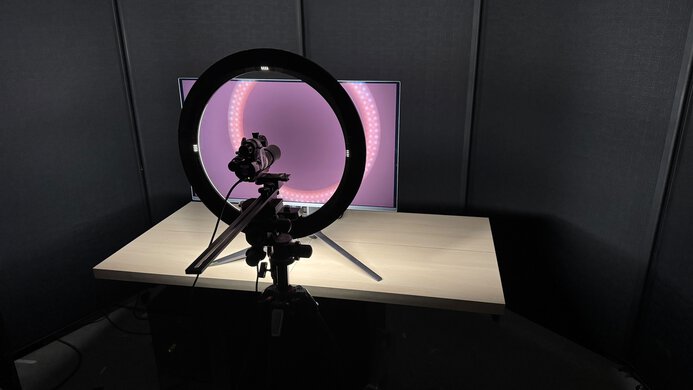
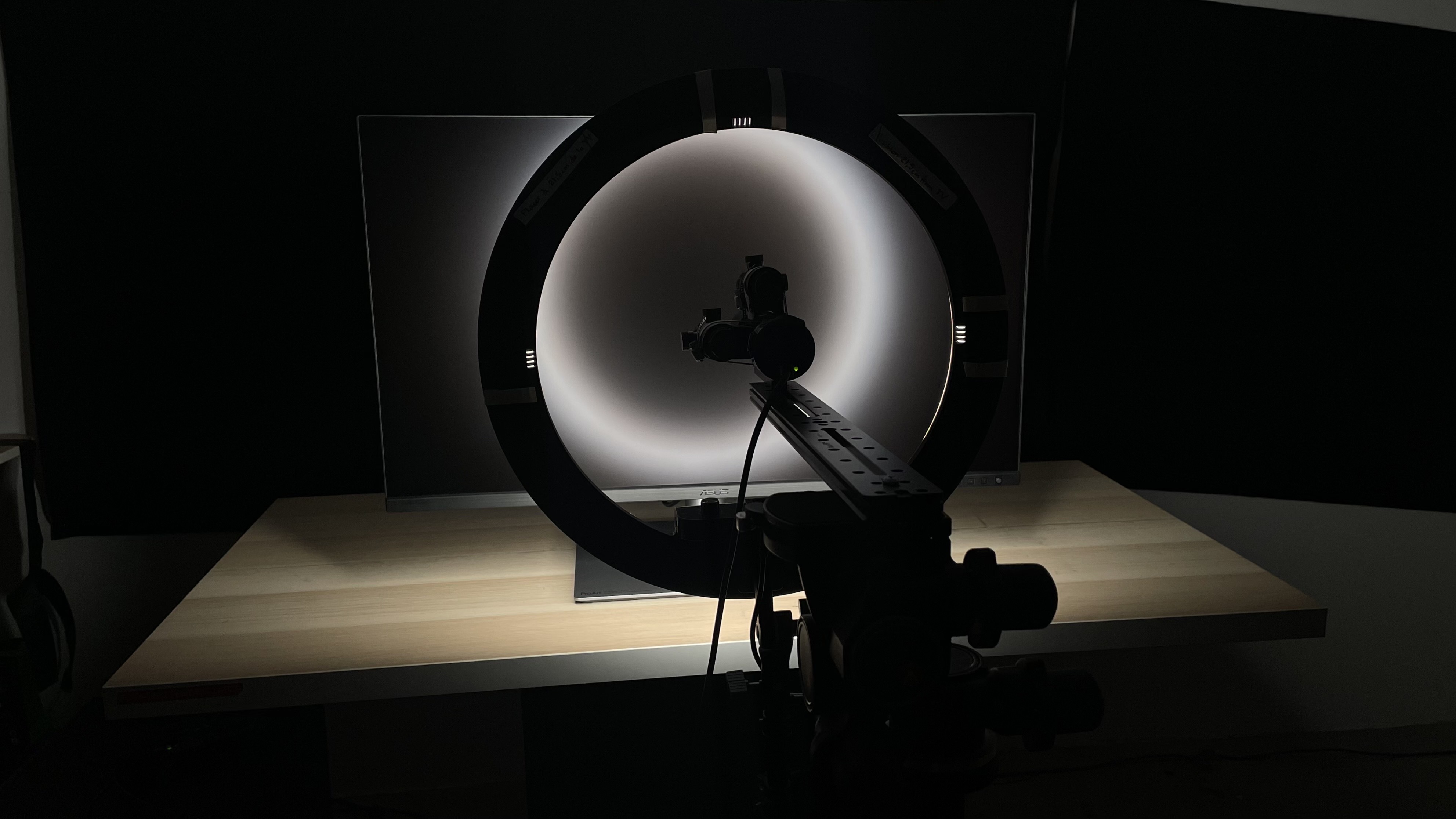
We buy and test more than 30 monitors each year, all of which we purchase ourselves, without cherry-picked units or samples. We put a lot into each unbiased, straight-to-the-point review, and there's a whole process from purchasing to publishing, involving multiple teams and people. We do more than just use the monitor for a week; we use specialized, custom tools to measure various aspects and deliver objective, data-driven results. We also consider multiple factors before making any recommendations, including the monitor's cost, its performance compared to the competition, and whether it's easy to find.
Test Results
for pictures & test results

for pictures & test results

for pictures & test results
for pictures & test results
for pictures & test results
for pictures & test results
for pictures & test results
for pictures & test results
for videos & test results

for pictures & test results
for pictures & test results
for pictures & test results