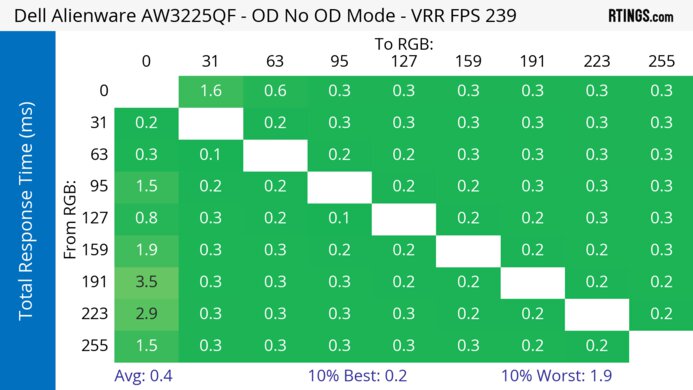
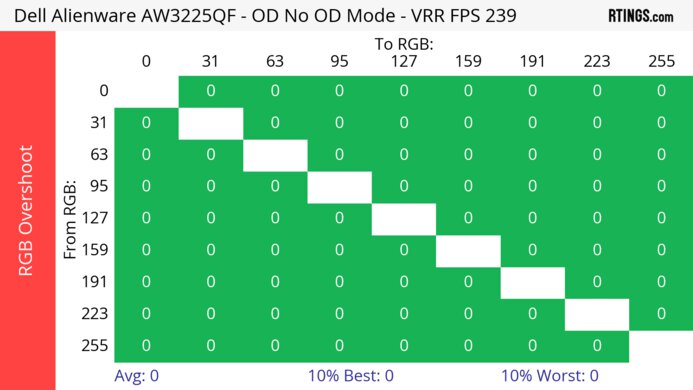
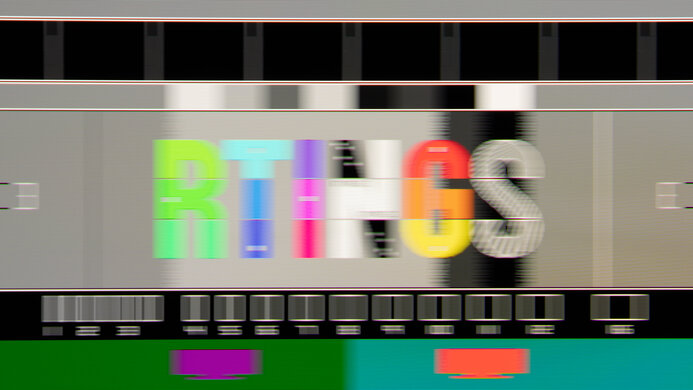
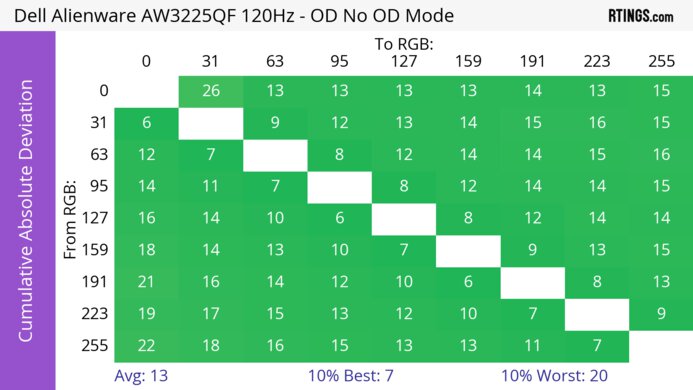
The LG 27GX790A-B is a 27-inch OLED gaming monitor with a 1440p resolution and a 480Hz refresh rate. It competes with other monitors with similar specifications, like the Acer Predator X27U F3, the ASUS ROG Swift OLED PG27AQDP, and the Sony INZONE M10S. It supports all VRR formats, has Micro Lens Array+ (MLA+) technology for added brightness, and has HDMI and DisplayPort 2.1 bandwidth. Additionally, it has RGB hexagonal backlighting and DTS Headphone:X for a more immersive gaming experience. Like most OLED monitors, it also comes with some settings to reduce the risk of burn-in associated with OLEDs.
Our Verdict
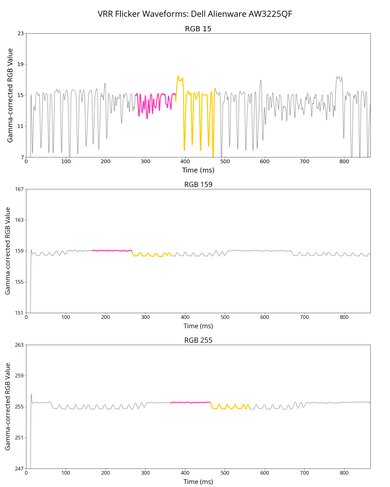
The LG 27GX790A-B is outstanding for PC gaming. It has a very fast response time, so motion looks crisp, and it has very low input lag. It also supports all VRR formats to reduce screen tearing, though unfortunately, it has noticeable VRR flicker with changing frame rates. It also delivers incredible picture quality, and you can see deep blacks next to bright highlights.
Incredibly high 480Hz refresh rate.
Supports all common VRR formats.
Fast response time for sharp motion.
Low input lag.
Displays deep and inky blacks.
Small highlights pop in HDR.
Noticeable VRR flicker.
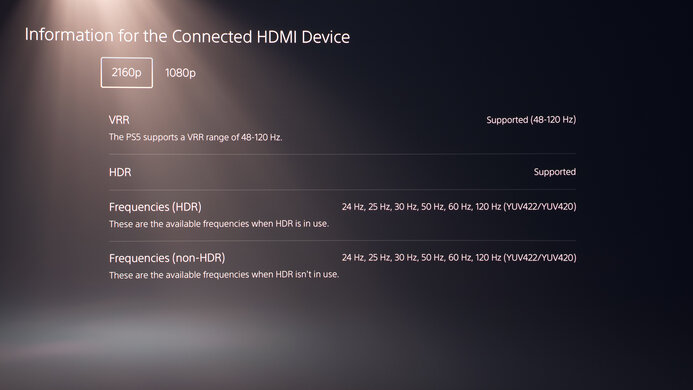
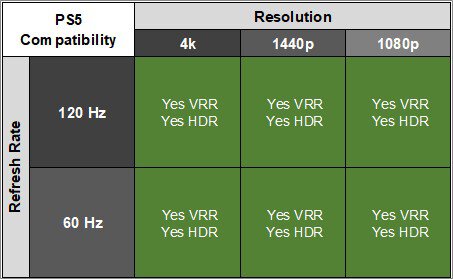
The LG 27GX790A-B is excellent for console gaming above 60Hz. It has a near-instantaneous response time with remarkably crisp motion. Additionally, its picture quality is incredible, and you can see deep blacks next to bright highlights. It also supports VRR with both consoles. It also has low input lag, as long as you have the firmware updated to its latest version.
Supports all common VRR formats.
Fast response time for sharp motion.
Low input lag.
Displays deep and inky blacks.
Small highlights pop in HDR.
Downscales 4k signals from PS5 & PS5 Pro and Xbox Series X|S.
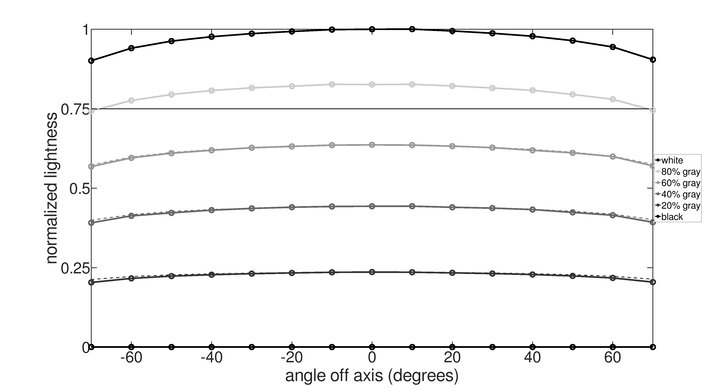
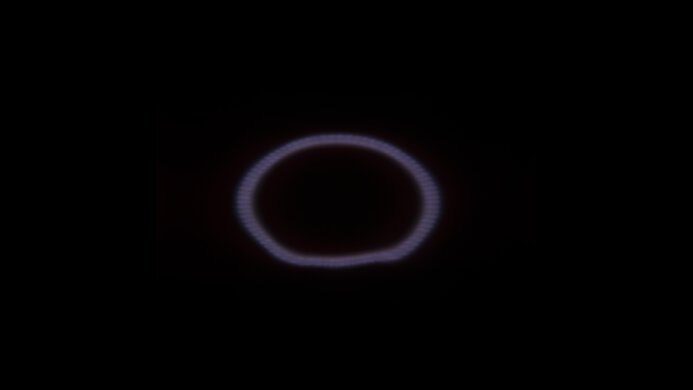
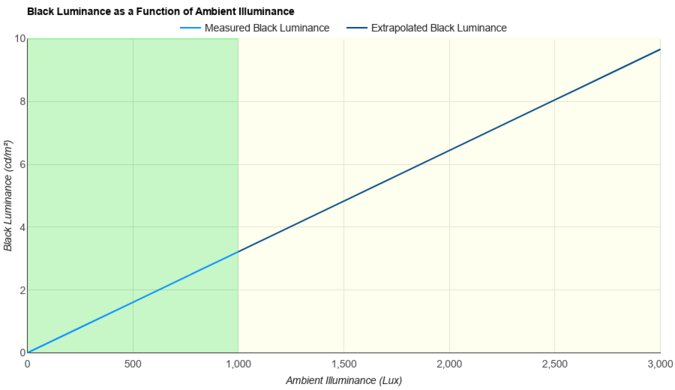
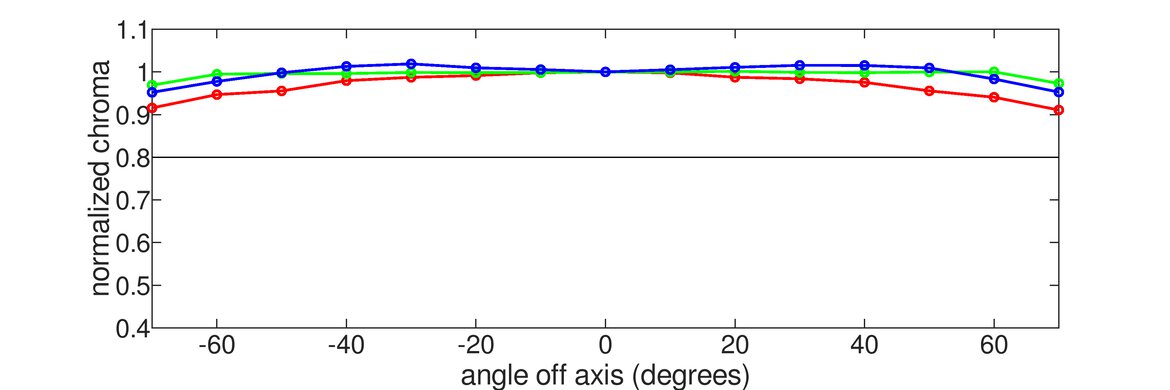
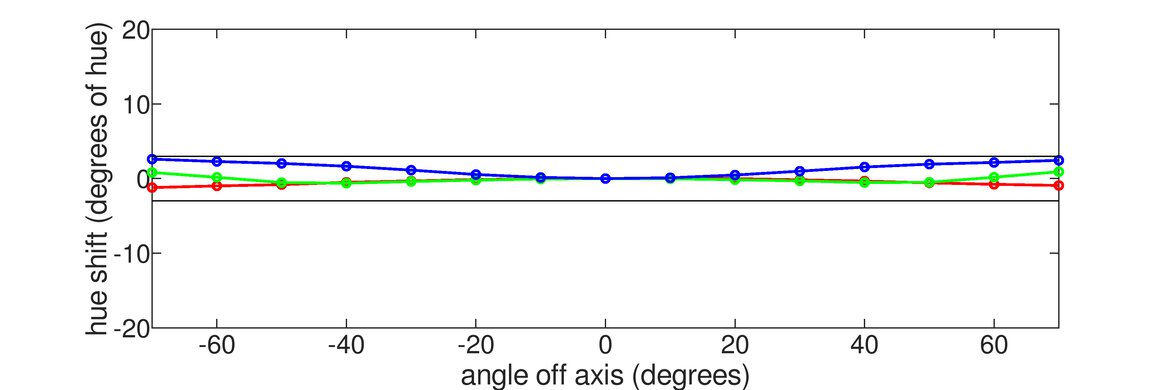
The LG 27GX790A-B is decent for office use. It has great ergonomics and wide viewing angles, so it's easy to place it in your preferred position or share your screen with others. It also gets bright enough to be visible in a moderately lit room, but it's dimmer than many other OLEDs and can't overcome glare from a bright window. However, like many other OLEDs, it has some fringing around text. Additionally, it risks burn-in with constant exposure to the same static elements over time.
Great reflection handling.
Versatile ergonomics.
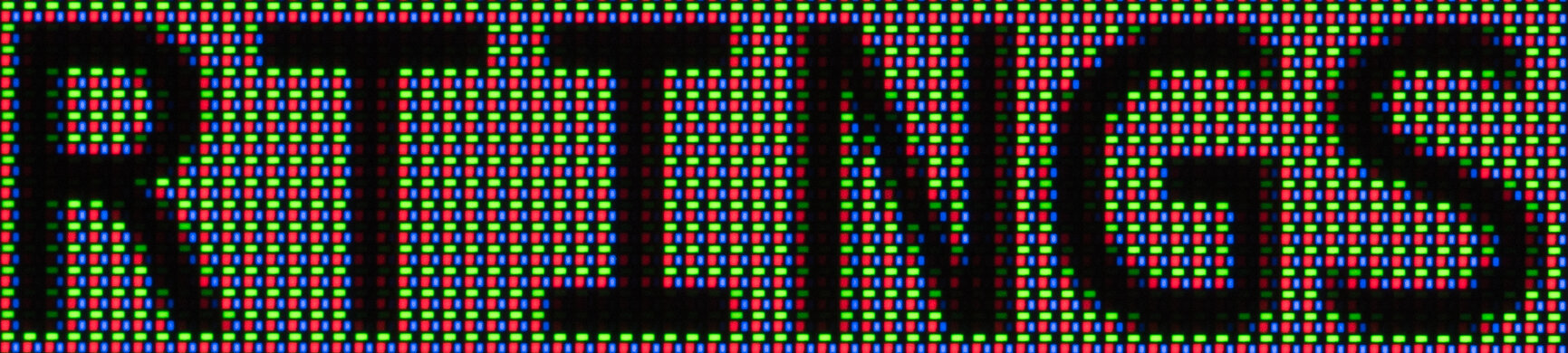
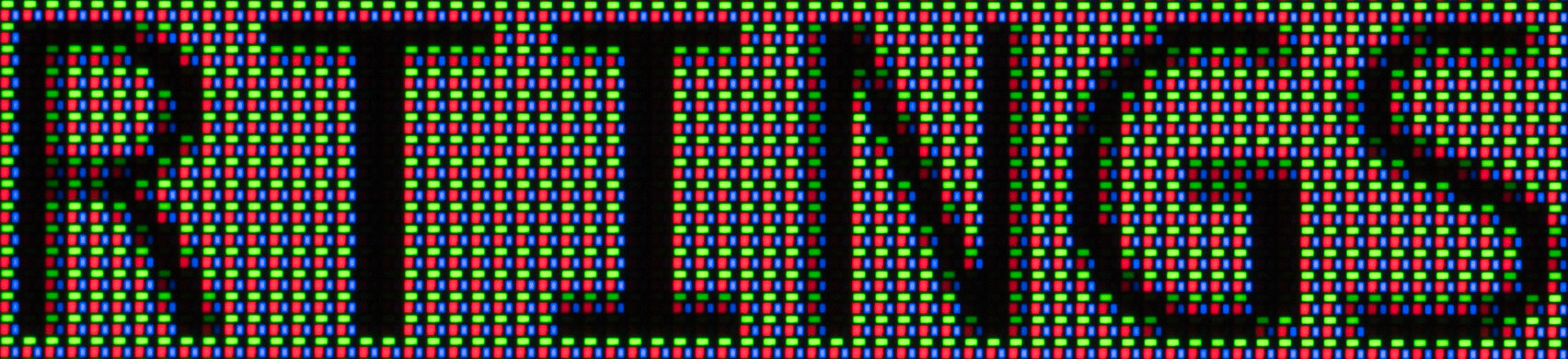
Text not as clear as on IPS or VA displays.
Risk of burn-in.
Not as bright as many other OLEDs.
Can't overcome bright glare.
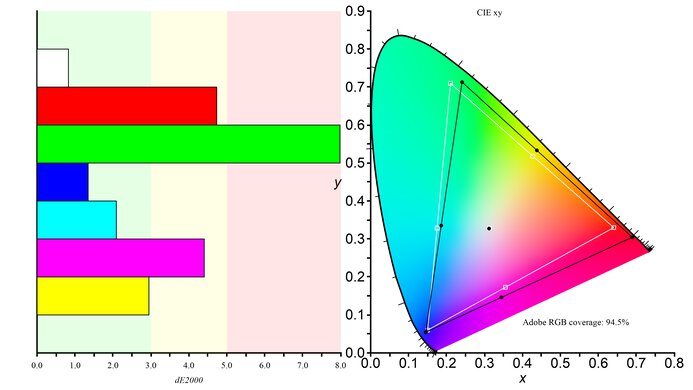
The LG 27GX790A-B is excellent for editing. It displays a wide range of colors, and it has superb picture quality. Its highlights pop in HDR, and you can see deep blacks next to bright highlights, even in a dark room. However, it's not very accurate before calibration, and it has a risk of permanent burn-in with constant exposure to static elements over time, like from your editing programs.
Displays deep and inky blacks.
Small highlights pop in HDR.
Risk of burn-in.
Not as bright as many other OLEDs.
Larger highlights are somewhat muted.
sRGB mode has pre-calibration accuracy issues.
Can't overcome bright glare.
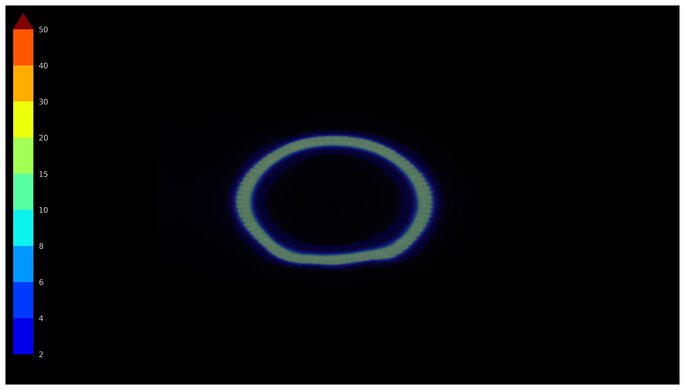
The LG 27GX790A-B has okay brightness. While small highlights pop in HDR, larger highlights don't. Additionally, it can't overcome glare from bright windows, but it's bright enough to be visible in a moderately lit room, even though it's dimmer than many OLEDs.
Small highlights pop in HDR.
Not as bright as many other OLEDs.
Larger highlights are somewhat muted.
Can't overcome bright glare.
The LG 27GX790A has a near-instantaneous response time, resulting in exceptionally sharp motion.
Fast response time for sharp motion.
The LG 27GX790A has excellent HDR picture quality. It displays a wide range of colors, as well as deep blacks in a dark room. However, its colors aren't as vivid as on QD-OLED displays.
Displays deep and inky blacks.
No blooming around bright objects.
Bright colors aren't as vivid as QD-OLEDs.
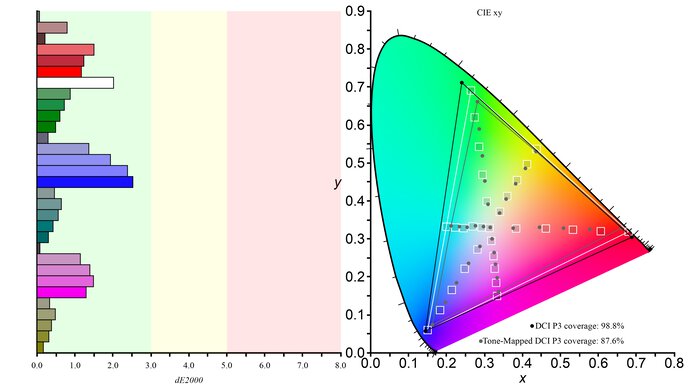
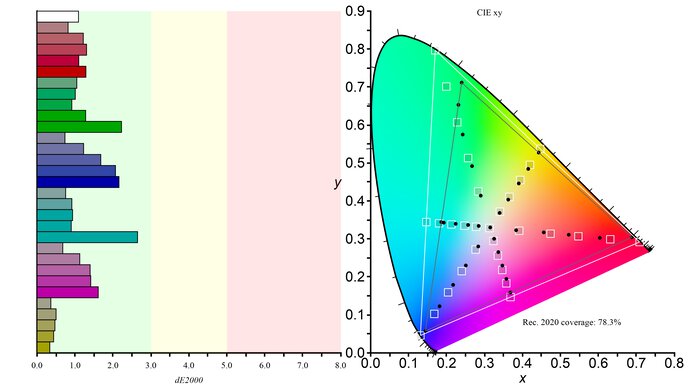
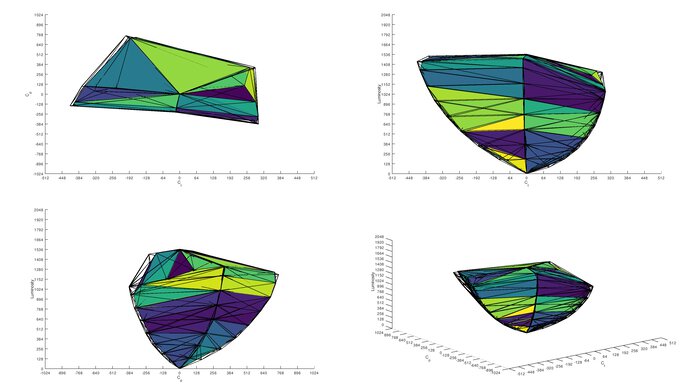
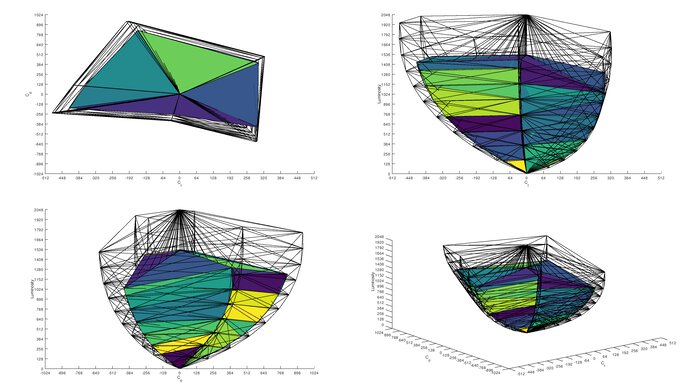
The LG 27GX790A has remarkable SDR picture quality. It displays deep blacks and a wide range of colors.
Displays deep and inky blacks.
Wide range of colors.
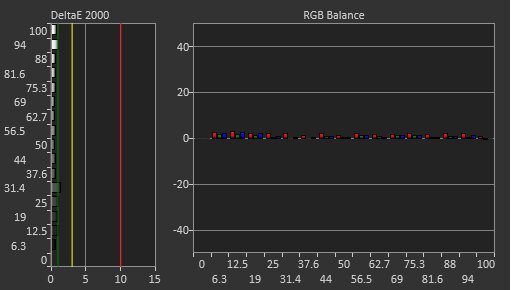
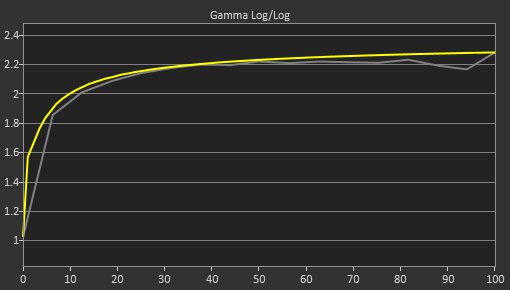
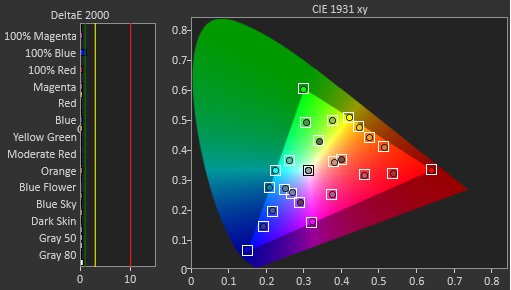
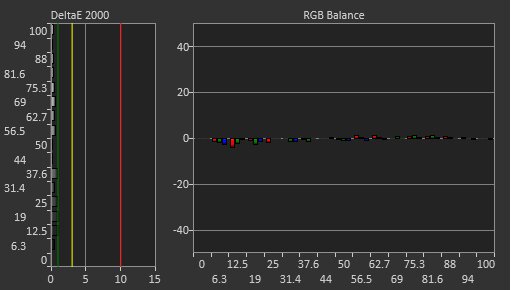
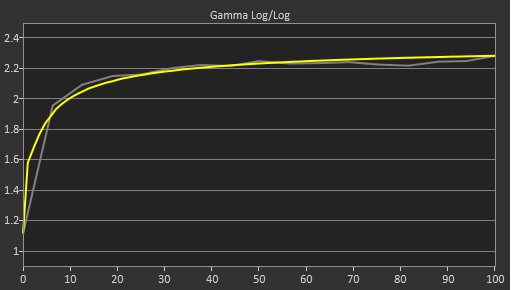
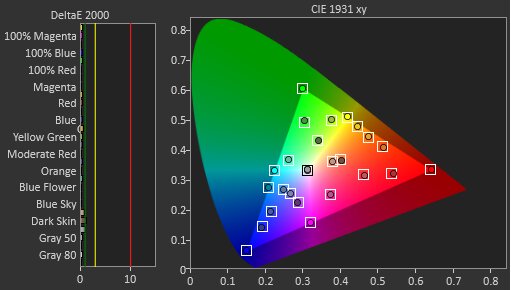
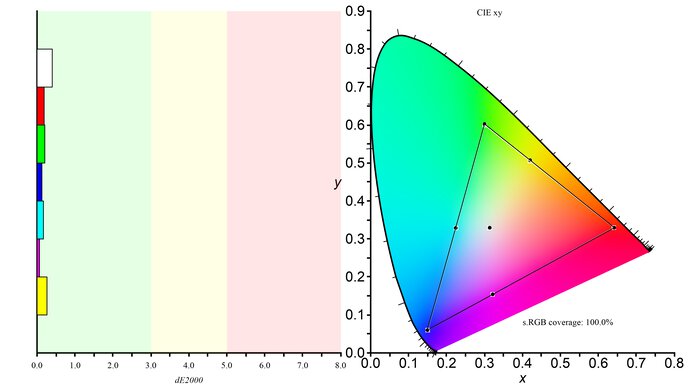
The LG 27GX790A-B has great color accuracy. It has a dedicated sRGB mode, but it has some inaccuracies, and you need to calibrate it for good accuracy.
sRGB mode has pre-calibration accuracy issues.
Performance Usages
Changelog
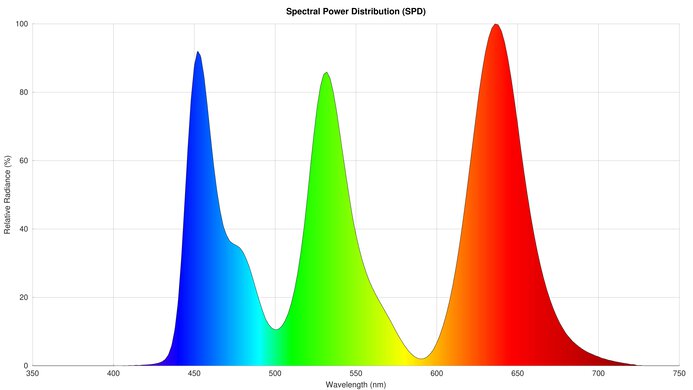
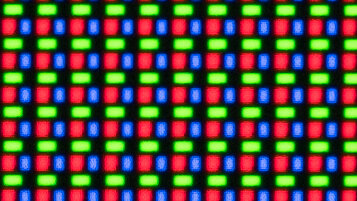
- Updated Mar 17, 2026: We've converted this review to Test Bench 2.1.2. We added a new Panel Technology box, including the Spectral Power Distribution (SPD) graph.
-
Updated Feb 25, 2026:
We clarified any differences between this monitor and the LG 27GX790B-B.
-
Updated Nov 20, 2025:
We took an additional photo of its 15% gray uniformity to show its vertical banding.
-
Updated Nov 19, 2025:
We added that the LG 27GX700A-B is another monitor that gets brighter.
Check Price
Differences Between Sizes And Variants
We tested the 27-inch LG 27GX790A-B, which is the only size available for this monitor. LG has several similar 27-inch OLED models, but there are significant differences between them, as the table below shows. These results are only valid for this model. This monitor differs from the newer LG 27GX790B-B, which uses the RGB Tandem OLED panel and has a higher refresh rate.
| Model | Refresh Rate | DisplayPort Version | Remote Control |
|---|---|---|---|
| 27GX790A-B | 480Hz | 2.1 | No |
| 27GS93QE-B | 240Hz | 1.4 | Yes |
| 27GS95QE-B | 240Hz | 1.4 | No |
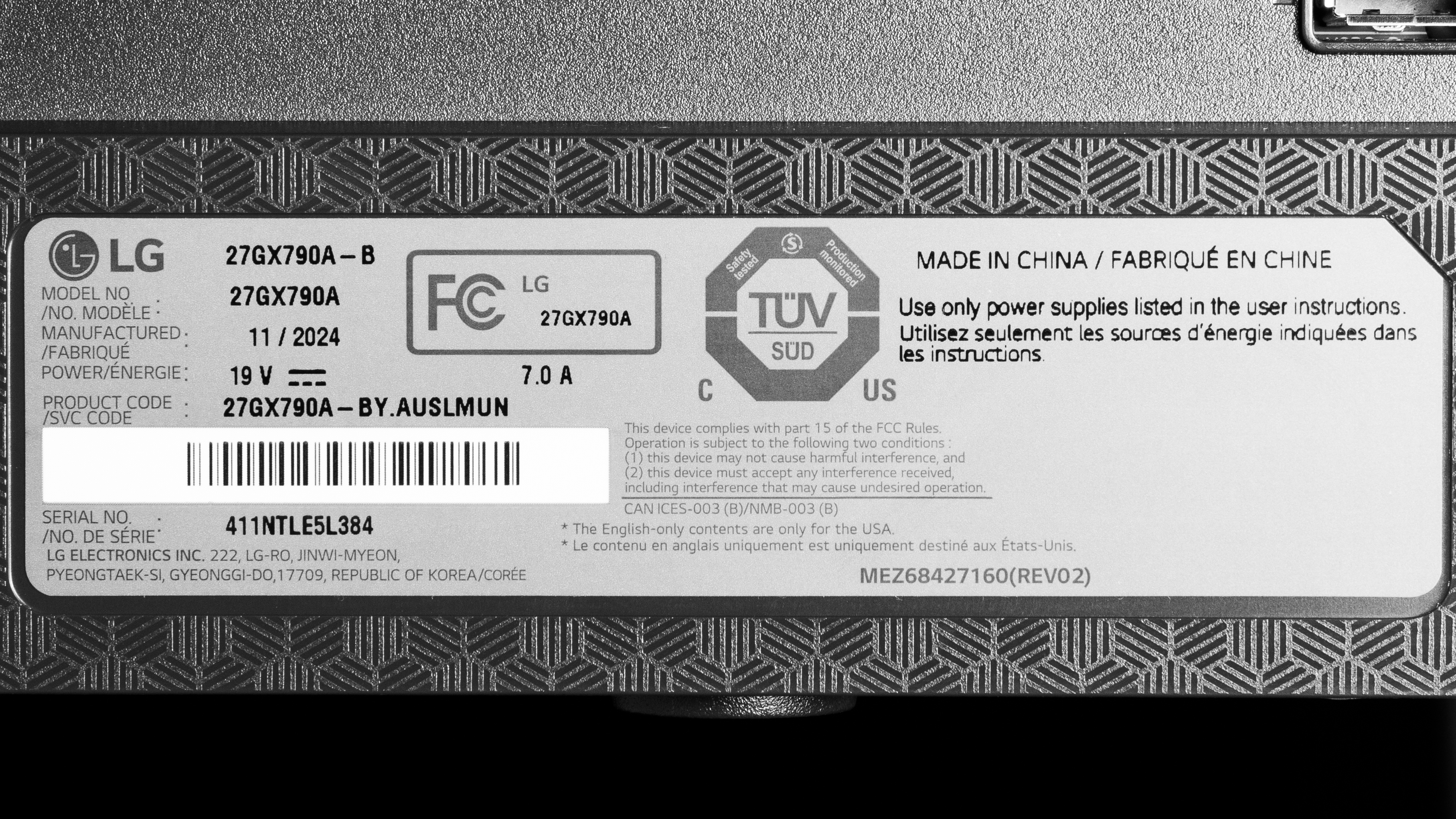
Our unit's label indicates that it was manufactured in November 2024. We tested it with firmware 3.03, 2.04, and retested the Input Lag with firmware 3.04, 2.04.
Popular Monitor Comparisons
The LG 27GX790A-B is ideally suited to esports gamers, as it has a 1440p @ 480Hz display and an extremely fast response time. It's one of several 480Hz OLED displays that provide a far more responsive feel than IPS or TN gaming monitors. However, while this monitor is in the top tier of competitive gaming monitors, you need to make sure you have the firmware updated for the best input lag at 60Hz. Additionally, since it costs considerably more than 360Hz QD-OLED displays, like the MSI MPG 271QRX QD-OLED, it's primarily worth getting if you want smoother motion.
Also, see our recommendations for the best 27-inch gaming monitors, the best high refresh rate monitors, and the best 1440p gaming monitors.
The Sony INZONE M10S and the LG 27GX790A-B are 1440p 480Hz WOLED displays designed for competitive gamers. Both displays are very similar, and most people should get whichever they can find cheaper. However, if you're looking for every competitive edge, the Sony has a unique mode that enhances the outline of enemies in some FPS games.
The LG 27GX790A-B and the LG 27GX790B-B are both high-end OLED gaming monitors, with a few differences. The 27GX790B-B uses an RGB Tandem OLED panel that allows it to get brighter and display more vivid colors than the older panel of the 27GX790A-B. They each have high refresh rates, but the 27GX790B-B has a dual-mode feature to raise it to 720Hz with a 720p resolution, giving it more versatility for playing different types of games. The 27GX790B-B even offers a more accurate sRGB mode, which is worth considering for content creation.
The MSI MPG 271QRX QD-OLED and the LG 27GX790A-B are high refresh rate 1440p OLED gaming monitors. The MSI is the better option for most people, as it has slightly sharper text, more vivid colors, and a USB-C port with 90W of power. It also has equally low input lag at its max refresh rate. However, the LG is a better option if you prefer the added smoothness of a 480Hz display.
The LG 27GX700A-B is a newer OLED gaming monitor than the LG 27GX790A-B. They have many of the same features, but have WOLED panels from different generations. The 27GX700A-B utilizes the newer RGB Tandem OLED panel, which offers brighter performance and improved color purity compared to the 27GX790A-B. However, the 27GX700A-B is less accurate in HDR because it overbrightens content. The 27GX790A-B is more well-rounded for gaming because it has a higher refresh rate for a smoother feel, and it comes with DisplayPort 2.1 bandwidth to take advantage of modern graphics cards, which the 27GX700A-B doesn't have.
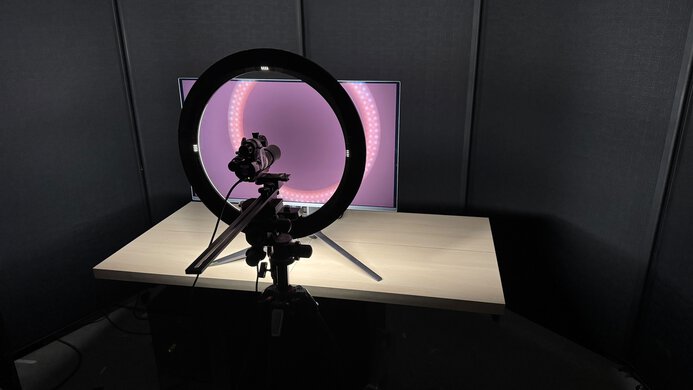
We buy and test more than 30 monitors each year, all of which we purchase ourselves, without cherry-picked units or samples. We put a lot into each unbiased, straight-to-the-point review, and there's a whole process from purchasing to publishing, involving multiple teams and people. We do more than just use the monitor for a week; we use specialized, custom tools to measure various aspects and deliver objective, data-driven results. We also consider multiple factors before making any recommendations, including the monitor's cost, its performance compared to the competition, and whether it's easy to find.
Test Results
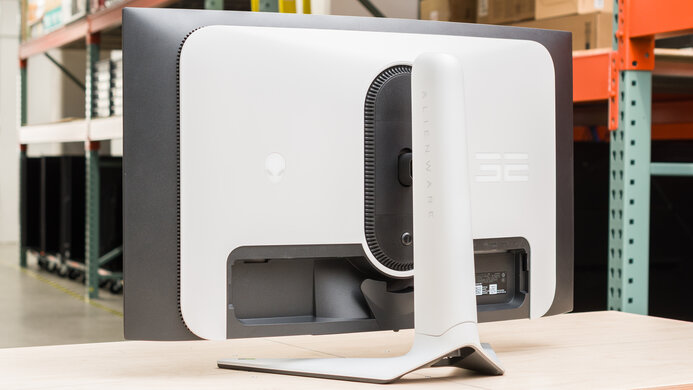
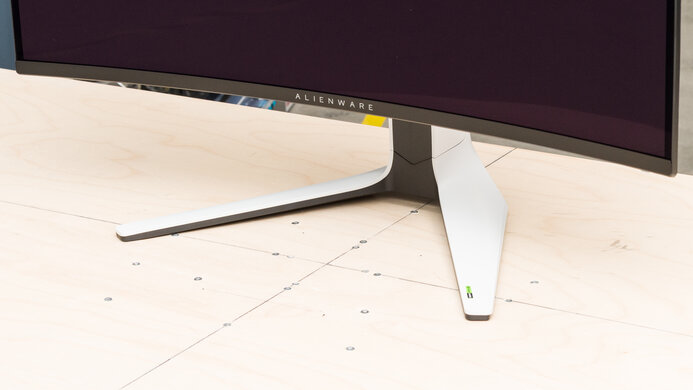
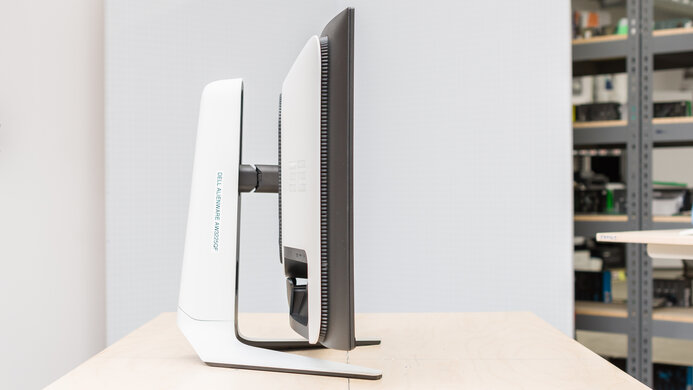
for pictures & test results
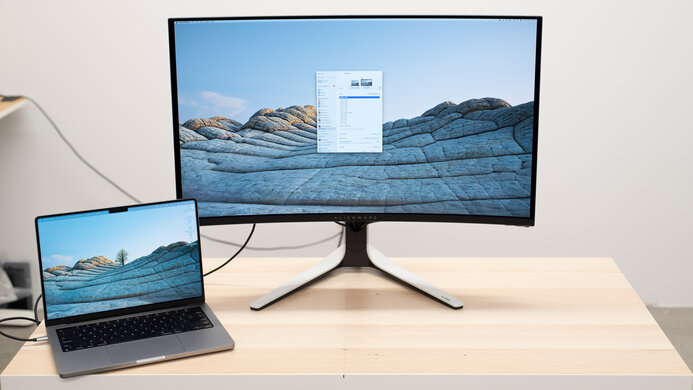


for pictures & test results

for pictures & test results
for pictures & test results
for pictures & test results
for pictures & test results
for pictures & test results
for pictures & test results
for videos & test results

for pictures & test results
for pictures & test results
for pictures & test results