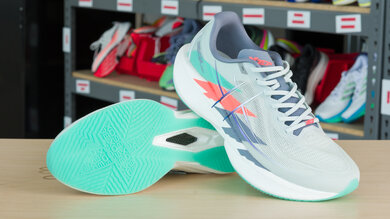
The XTEP 360X 2.0 is a good short-distance carbon-plated trainer for lighter runners who want a firm shoe for intervals and shorter races. Its stiff forefoot creates a quick toe-off, though the narrow platform makes the ride less secure. It handles faster workouts well, but the cushioning bottoms out too quickly for long runs. Despite being marketed as a daily trainer, it's much better suited to speedwork than relaxed mileage.
| ✅ Buy If: | ❌ Skip If: |
|
|
Our Verdict
The XTEP 360X 2.0 is a reasonable choice for racing longer distances. While it has a responsive, carbon-plated midsole, it's too heavy to be a competitive racing shoe. The cushioning isn't adequate for much beyond 20K, and the relatively narrow platform will feel increasingly unstable as your legs start to tire.
Midsole is very responsive.
Too heavy for competitive racing.
Cushioning doesn't hold up well over long distances.
The XTEP 360X 2.0 is a good shoe for racing shorter distances. The firm midsole responds well when you push the pace, and the forefoot is very snappy. The shoe isn't optimized for racing, though, as evidenced by its heavier build and more relaxed rocker.
Snappy forefoot helps maintain quick turnover.
Midsole is very responsive.
Too heavy for competitive racing.
The XTEP 360X 2.0 does alright on long runs, but its range is limited by its erratic cushioning, which bottoms out too quickly to be a reliable long run companion. The shoe's mediocre stability is also a liability on long runs, as your leg's stabilizer muscles are recruited early and often, and could tire out quicker.
Cushioning doesn't hold up well over long distances.
The XTEP 360X 2.0 is sub-par as a daily trainer, despite being marketed as such. Simply put, the narrow midsole platform isn't a sufficiently solid foundation for daily miles. The carbon plate also contributes to a midsole that feels too harsh for more relaxed runs.
Not stable enough to be a reliable workhorse.
Carbon plate is unnecessarily harsh for daily training.
Changelog
-
Updated Jul 30, 2026:
We've added a link to the recently reviewed XTEP 260X 3.0 in the popular comparisons section.
-
Updated Jul 23, 2026:
We've added a new table in the intro to help you quickly determine if this shoe matches your needs.
-
Updated Jul 09, 2026:
We've updated the Popular Comparisons section to include a link to the newly reviewed XTEP 160X 7.0 PRO.
-
Updated Jul 06, 2026:
We've written text to accompany the new test scores for this shoe.
- Updated Jun 29, 2026: Review published.
- Updated Jun 26, 2026: Early access published.
- Updated Jun 15, 2026: Our testers have started testing this product.
- Updated May 27, 2026: The product has arrived in our lab, and our testers will start evaluating it soon.
- Updated May 19, 2026: We've purchased the product and are waiting for it to arrive in our lab.
We've bought and tested more than 250 running shoes. Every pair purchased with our own money, never supplied or sponsored by brands. Our data-driven tests are designed to go beyond marketing claims, and since every shoe goes through the exact same methodology, you can directly compare results to find the right pair for your needs.
Test Results
Energy Return
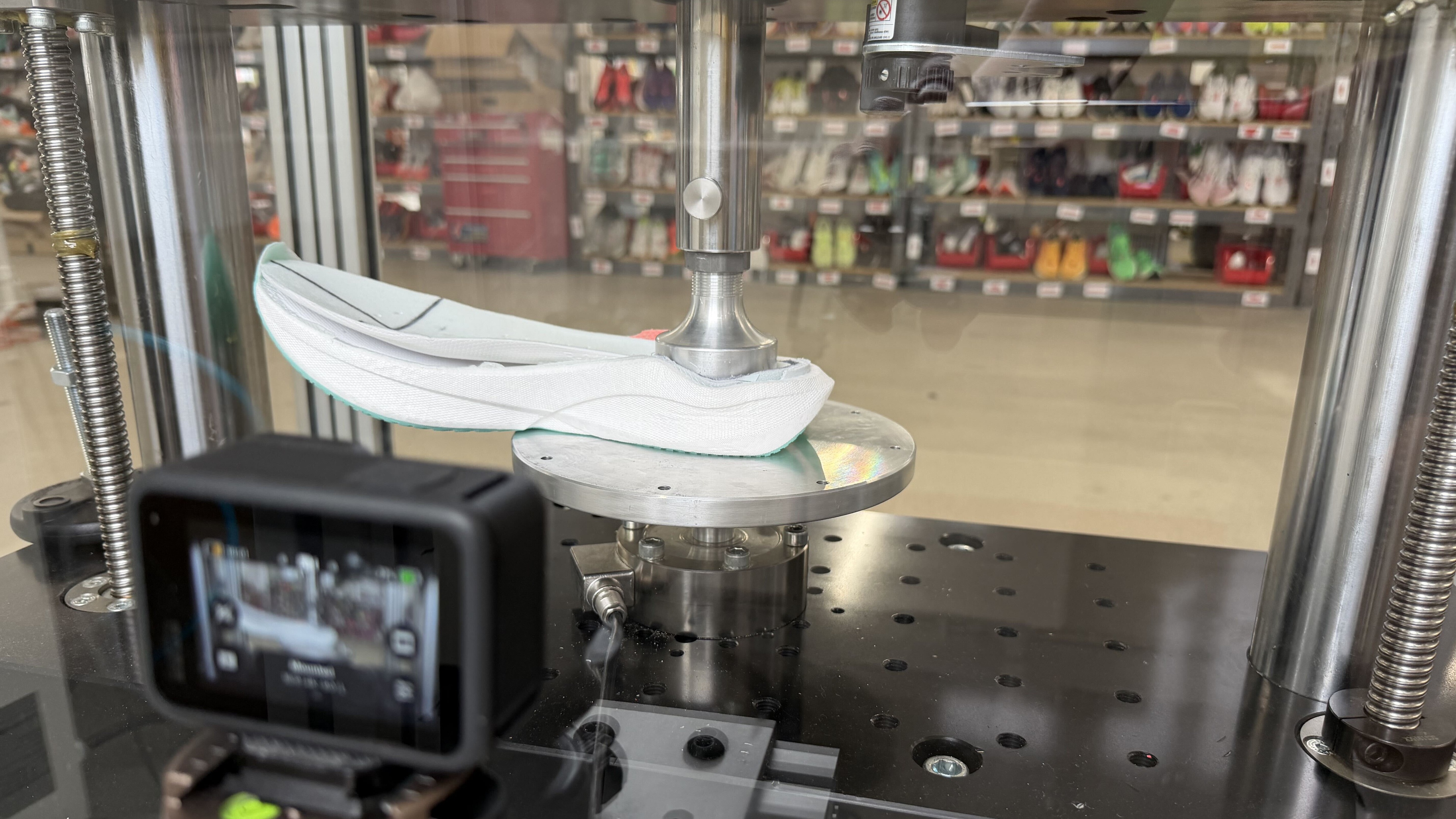
The XTEP 360X 2.0 has good energy return. Both the heel and the forefoot bounce back well when compressed, and the forefoot also springs back when it's bent, contributing to the lively response when pushing off.
Strong toe-off response.
Good rebound in both heel and forefoot.
Energy return is somewhat mitigated by weight of the shoe.
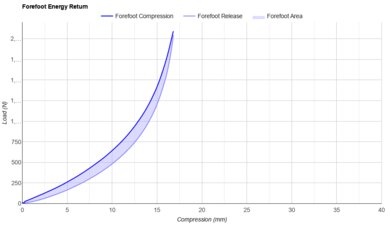
The XTEP 360X 2.0 has good energy return in the forefoot that puts it in the same league as super trainers like the ANTA C202 7.
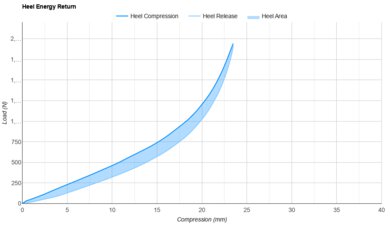
The heel of the XTEP 360X 2.0 does a very good job of bouncing back when compressed, which is good news for heel strikers who need a little bounce to get onto the forefoot. The energy return in the heel is much better than that of the ANTA C202 7.
Stability
Stability is one of the biggest weaknesses of the XTEP 360X 2.0. Although the midsole is very firm, which helps to reduce any wobbles, it's just not very wide. This relatively narrow platform takes away any margin for error when landing and rolling through your stride.
Midsole is very firm under load.
Narrow heel platform.
Midsole sculpting doesn't leave much surface area under arch.
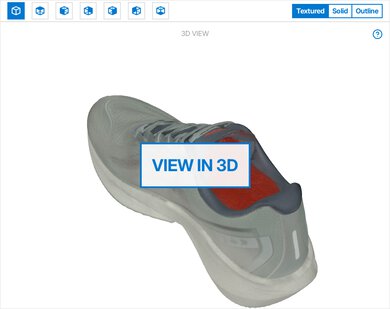
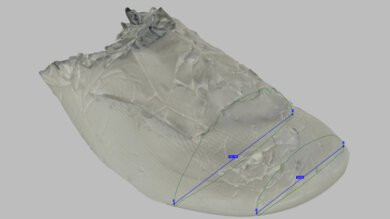
The medial and lateral cutouts in the midfoot make the outsole arch width as narrow as some race shoes, compromising the shoe's lateral stability.
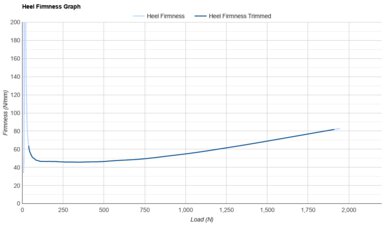
The heel of the XTEP 360X 2.0 is on the firm side. It's not quite as rigid as classic daily trainers like the Nike Pegasus 42 or ASICS GEL-CUMULUS 28, but it's firmer than more premium daily trainers like the ASICS GEL-NIMBUS 28 and New Balance 1080v15.
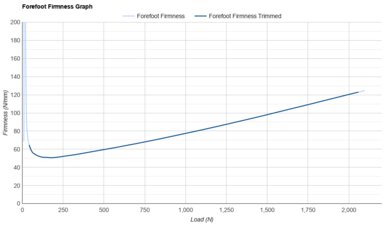
The forefoot of the XTEP 360X 2.0 falls in the same valley of firmness between the classic and premium daily trainers, although it's much closer to the more rigid Nike Pegasus 42 and ASICS GEL-CUMULUS 28 than the softer ASICS GEL-NIMBUS 28 and New Balance 1080v15.
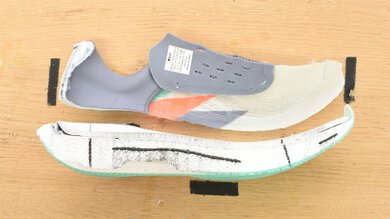
Cushioning
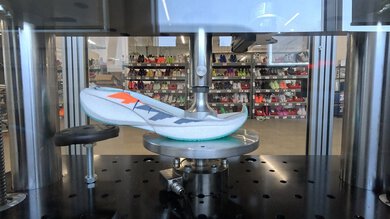
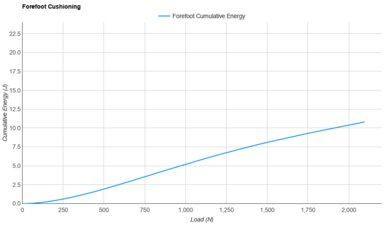
Cushioning isn't the strongest selling point of the XTEP 360X 2.0. The heel does a decent job of absorbing impact, but the relatively low stack height in the forefoot doesn't leave much protection under your toes, which leads to the midsole bottoming out during longer runs.
Decent heel cushioning.
Cushioning doesn't hold up well over long distances.
Forefoot bottoms out too quickly.
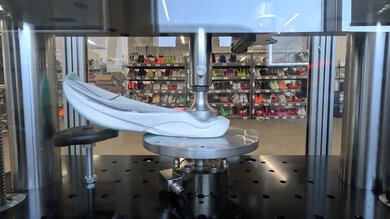
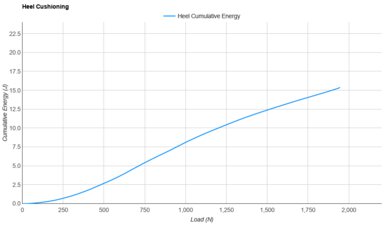
The XTEP 360X 2.0 has satisfactory heel cushioning for a daily trainer. It lags a bit behind the Brooks Ghost 18 and well behind the HOKA Clifton 10, but it's at least more absorbent than the Nike Pegasus 42.
Responsiveness
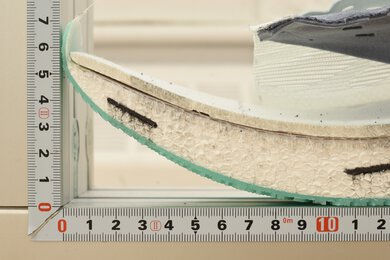
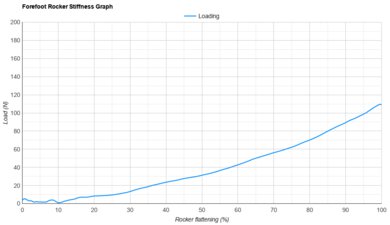
The XTEP 360X 2.0 has very good responsiveness. The energetic foam is complemented by a carbon plate that makes the ride snappy and propulsive, and is especially responsive if you can maintain a high cadence. Although the midsole is stiff and structured, the geometry isn't particularly aggressive, so the rocker doesn't contribute that much.
Strong toe-off response.
Snappy forefoot helps maintain quick turnover.
Rocker isn't very pronounced or propulsive.
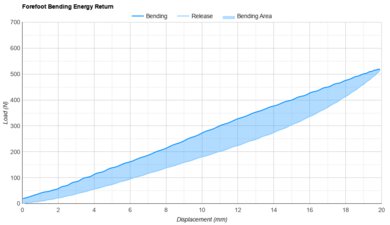
The forefoot of the XTEP 360X 2.0 springs back very strongly when bent, giving a very snappy sensation at push-off.
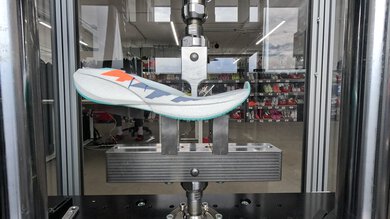
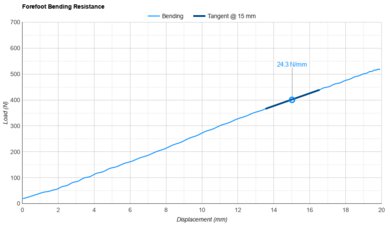
It takes a lot of force to bend the forefoot of the XTEP 360X 2.0, which means it's easier to get good leverage when pushing off. It's in the same class as super trainers like the ANTA C202 7, the Nike Zoom Fly 6, and the New Balance FuelCell SuperComp Trainer v3.
True To Size
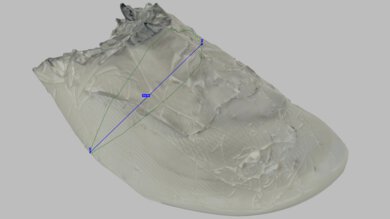
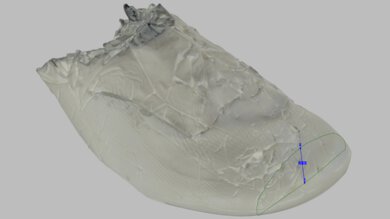
The XTEP 360X 2.0 is very close to true to size. XTEP proudly claims that they design their shoes for Chinese foot shapes, and while we found that the arch runs slightly narrow, and there's less vertical space inside the upper, the length corresponds to our true-to-size reference based on US sizing.
Length is true to size.
Plenty of width in forefoot.
Not much room vertically inside the upper.
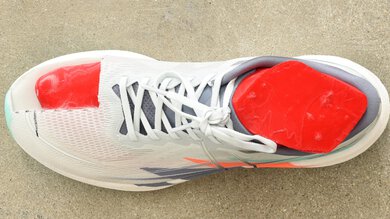
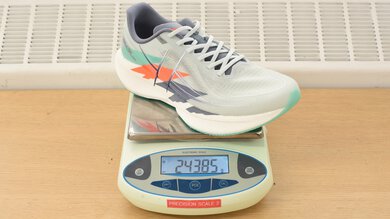
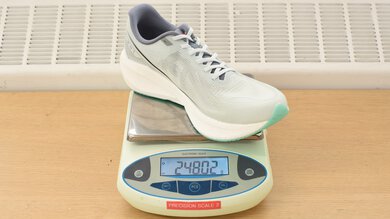
The XTEP 360X 2.0 is on the lighter end of the scale for a daily trainer, but heavier than most plated speed trainers.
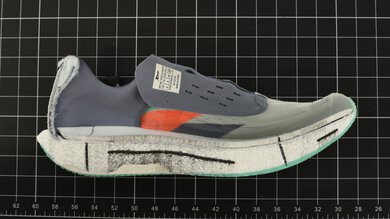
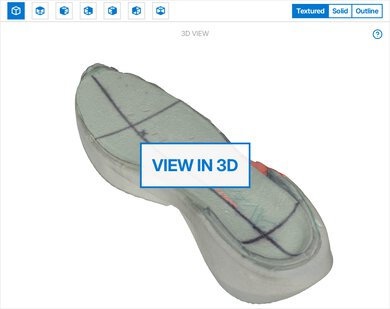
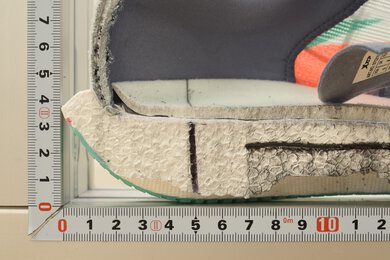
The XTEP 360X 2.0 has enough of a rocker in the heel to help heel strikers roll forward onto the midfoot. It's gentle enough that it won't interfere with your normal bio-mechanics, but will help to smooth out landings if you land far back on your heel.
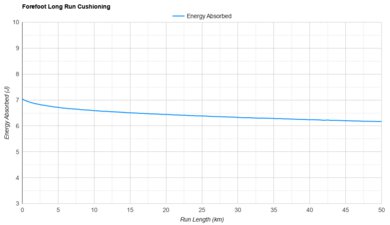
The forefoot of the XTEP 360X 2.0 becomes increasingly harsh and compressed over the course of a long run. This bottoming-out feeling will hit earlier for heavier or more forceful runners, but even for the average runner, the cushioning becomes inadequate after about 20K.
Popular Running Shoe Comparisons
The XTEP 360X 2.0 is a curious running shoe whose ideal usage isn't abundantly clear and is further confused by the brand's marketing. But before casting judgment, it's worth remembering that XTEP is the best-selling running shoe brand in China, so its designs cater to a different set of expectations and conventions than those of Western and Japanese brands. While rival Chinese brand ANTA has more aggressively targeted markets beyond the middle kingdom, dropping shoes like the ANTA C202 7 that feel like a synthesis of the best super trainers from more established brands, XTEP has been more focused on the burgeoning Chinese running scene. The emergence of this scene brings new ideas about what makes for a good running shoe and has already seen wild, genre-defying trainers like the Li-Ning Red Hare 9 Ultra. That said, runners looking for a more conventional Western take on a responsive daily trainer might prefer the Saucony Ride 19.
XTEP's lineup can feel like a series of algebra problems, but once you know the logic, it's a bit more straightforward. Shoes whose names start with 160, like the XTEP 160X 7.0 PRO, are made for racing, while shoes that start with 260, like the XTEP 260X 3.0, are closer to super trainers that can be used for both racing and training. The 360X series, to which this shoe belongs, is more relaxed and made just for training.
If you're looking for more bargains, check out our recommendations for the best cheap running shoes. If price is less of a concern, check out our overall picks for the best running shoes.
The Dynafish Xiaonian and XTEP 360X 2.0 are two intriguing running shoes from different Chinese brands that offer very different experiences. The Dynafish is an unplated, deeply cushioned performance trainer that has the versatility to cover a range of paces and distances. The XTEP is a firmer, carbon-plated trainer that is lower-stacked but heavier. Its cushioning is much less effective, so it's really only a viable option for shorter runs. Overall, the Xiaonian is the more well-rounded shoe.
The XTEP 360X 2.0 and ANTA C202 7 are both carbon-plated trainers but with very different ranges. The ANTA is lighter and better cushioned, and could easily double as both a training and racing shoe for distances up to at least the half-marathon. The XTEP shoe is heavier and firmer, delivering a snappy, energetic rebound. It could give the ANTA a run for its money in the 5K or 10K, but it lacks the cushioning for longer distances. One caveat is that the sizing of the ANTA runs short, and the arch is very narrow, so the XTEP is easier to order in your normal size.
Differences Between Sizes And Variants
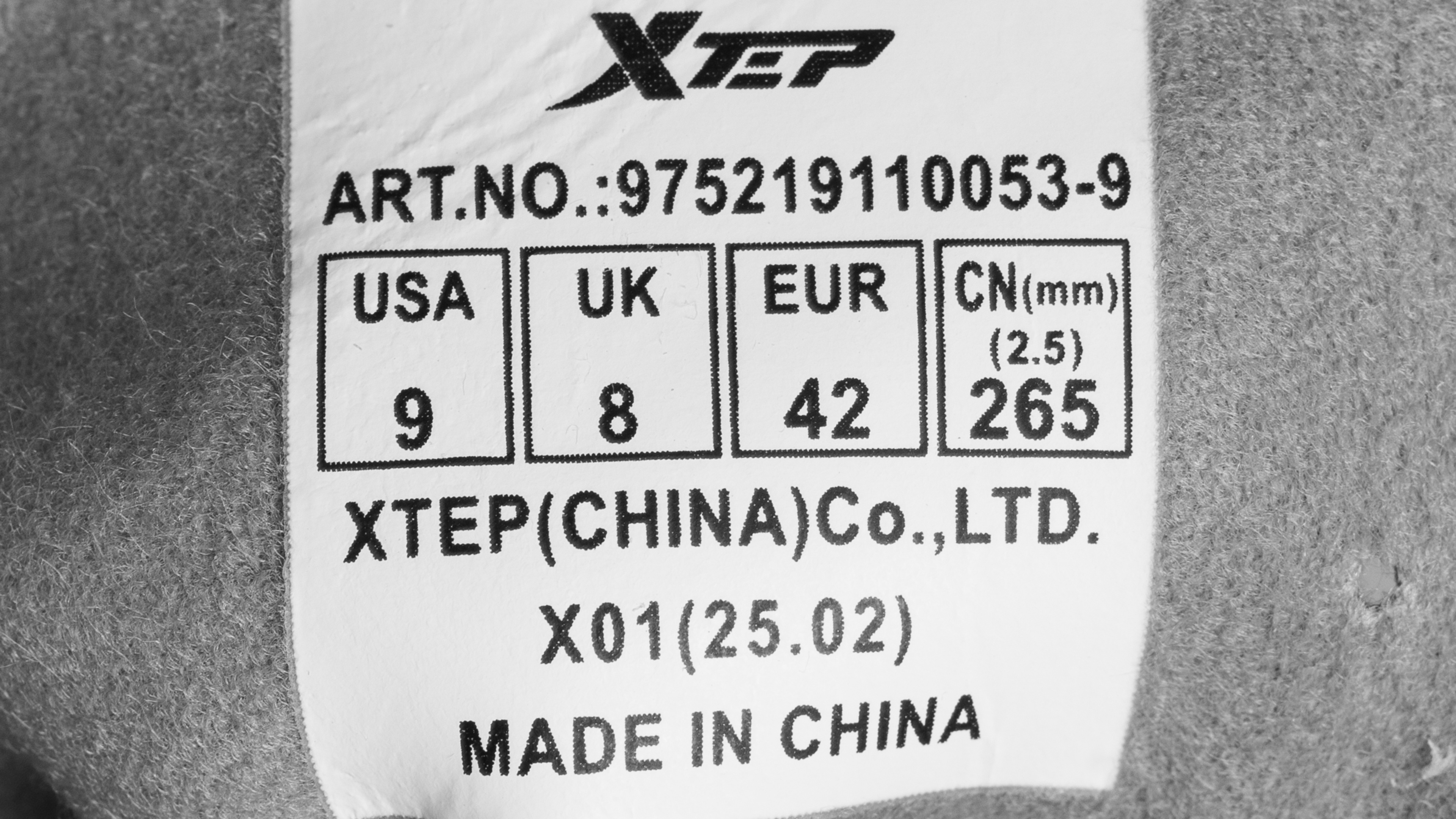
We bought and tested the XTEP 360X 2.0 in US men's size 9, as indicated on the label for our pair. The colorway shown here is called Speed Blue, but the shoe is available in a variety of other colorways, depending on your region. The XTEP 360X 2.0 is only available in one standard width. The design section applies only to the specific model we tested, but we expect other sizes to perform similarly.