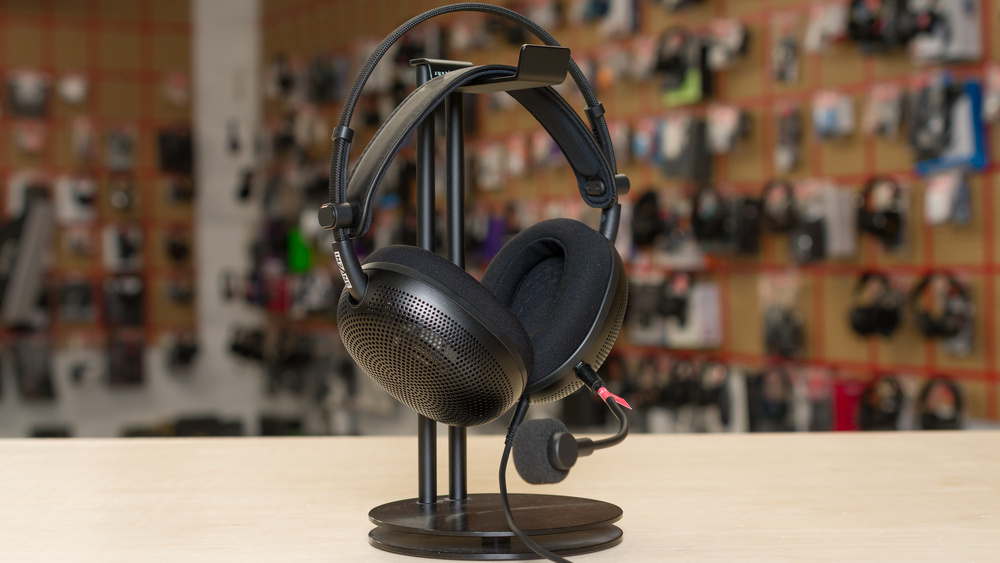
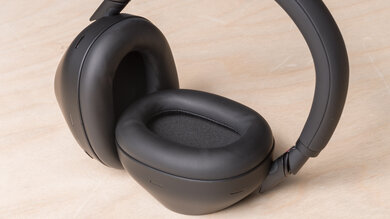
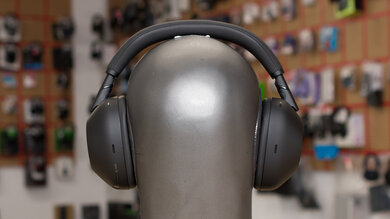
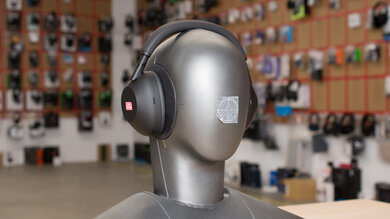
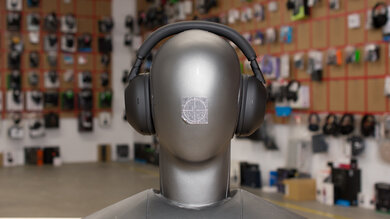
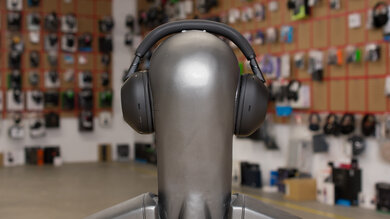
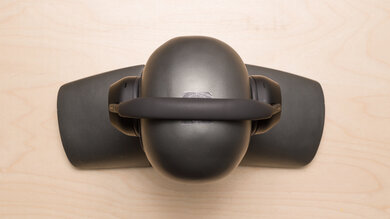
The Sony INZONE H6 Air are wired, open-back, over-ears released in Sony's INZONE gaming product line. They're one of the few wired-only headphones that support some form of Spatial Sound natively, thanks to their included 3.5 mm to USB-C dongle. They also feature the same drivers found on the venerable Sony MDR-MV1, but packaged with updated furniture; the headphones feature aviation-style, aluminum ear cups alongside a ski-band headband that helps distribute weight more evenly. You also get a gaming headset staple: a detachable unidirectional boom mic.
Our Verdict
The Sony INZONE H6 Air are wired headphones that weren't designed with sports and fitness in mind. They're not particularly stable, and the wire can snag on gym machines or twigs on a jog. While their build is solid, the headphones incorporate plastic in the hinges and headband adjustments, so they may shatter if you drop the headphones while working out.
Comfortable and lightweight fit.
Wired-design is a potential snagging risk.
No IP rating.
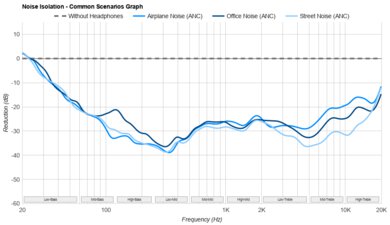
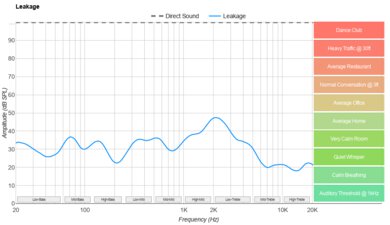
The Sony INZONE H6 Air aren't ideal for travel. They provide no noise attenuation, so you'll bear the full brunt of crying children and airplane engine rumble alike on long transatlantic flights. They also don't prevent audio leakage much, so you'll subject anyone sitting next to you to whatever songs you have in your playlist. Still, they'll do for outputting audio in a pinch if your primary travel headphones run out of battery or aren't compatible with in-flight entertainment systems.
Comfortable and lightweight fit.
Open design provides no noise attenuation.
No carrying case to protect from damage or spills during transit.
The Sony INZONE H6 Air are suitable for office work if you can control your work environment. In more active or public workspaces, like a bullpen or open-concept office, coworker chatter, HVAC, and any other distractions are clearly audible. Additionally, their detachable boom mic picks your voice up clearly, but it'll also capture background noise, which can be distracting during client calls. If you have a private office or dedicated meeting rooms, the headphones are comfortable and stable to wear for long periods of time without much fatigue.
Comfortable and lightweight fit.
Microphone renders your voice naturally.
Open design provides no noise attenuation.
Microphone picks up background noise.
The Sony INZONE H6 Air can't be used wirelessly.
The Sony INZONE H6 Air are great for wired gaming. They're extremely lightweight and comfortable to wear for long periods of time, with their open-back design contributing to better airflow. Their sound signature is balanced, without emphasizing the bass or treble too much, so most people will be greeted by exciting explosions and crispy bullet cracks. Plus, you can also EQ them with the dedicated app, which works when using the included analog to USB-C adapter. They also have a detachable boom mic, which works via both analog and USB-C, and captures your voice clearly, though it also picks up a quiet version of any background noise.
Comfortable and lightweight fit.
Microphone renders your voice naturally.
App support when using USB-C adapter.
Microphone picks up background noise.
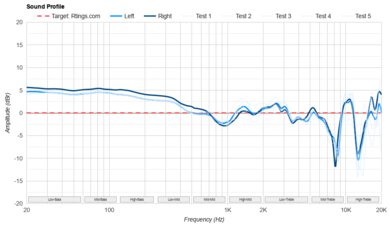
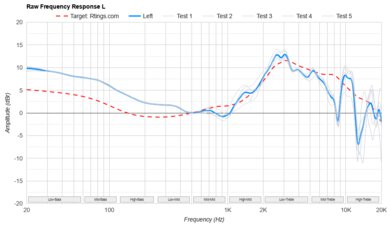
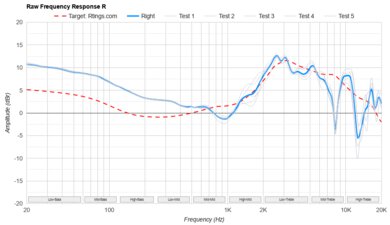
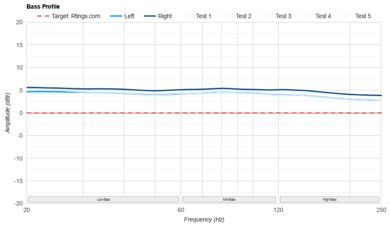
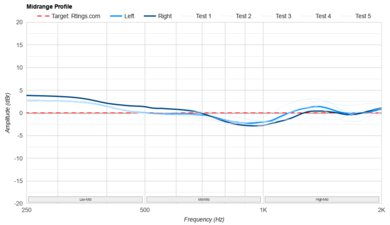
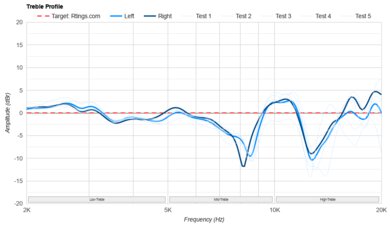
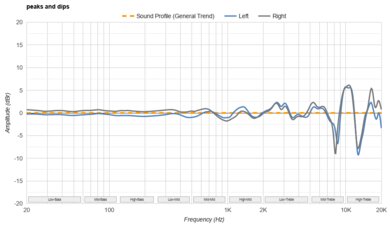
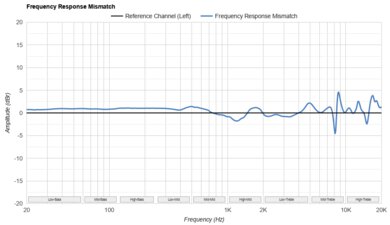
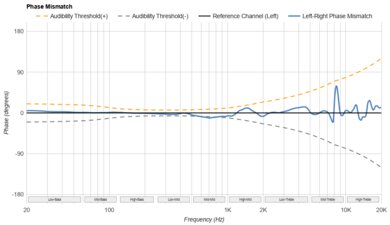
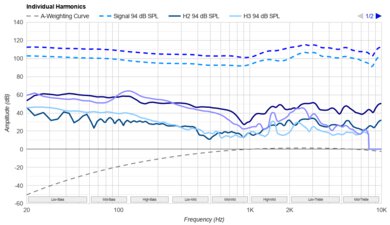
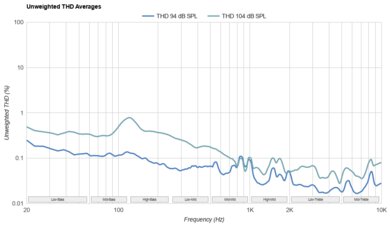
The Sony INZONE H6 Air have great audio reproduction accuracy. Their frequency response generally matches their balanced sound profile, with only peaks and dips in the treble range that might render sibilants slightly sharper, depending on your treble sensitivity. Their low-bass output is slightly limited by their open-back design, but that's counterbalanced by a bit of extra mid- and high-bass in their tuning. The L/R drivers are well-matched with no audible biases to one side of the stereo image, and they produce inaudible levels of harmonic distortion.
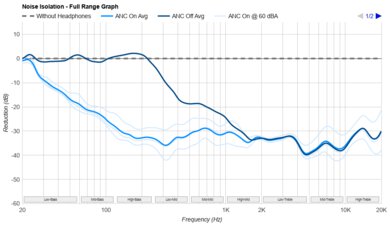
The Sony INZONE H6 Air have an open-back design and aren't meant to block background noise or prevent audio leakage. As a result, you'll hear everything going on in your environment, and someone sitting nearby will likely hear what you're listening to.
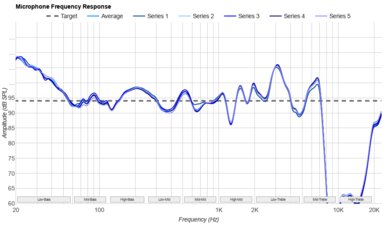
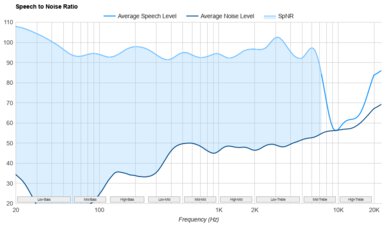
The Sony INZONE H6 Air have a great microphone. It's a detachable boom mic and comes with a pop filter. Your voice comes through intelligibly and natural-sounding, but the mic doesn't do the best job separating you from background noise; the mic captures a quiet version of the surrounding distraction.
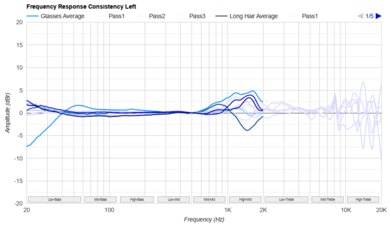
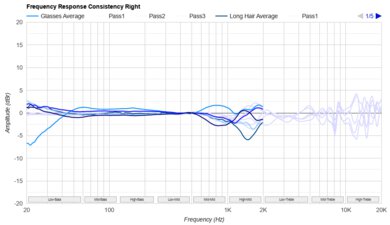
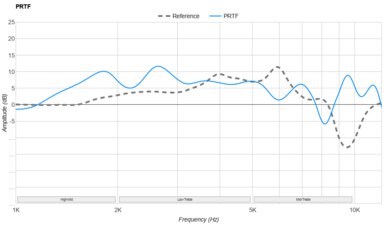
The Sony INZONE H6 Air have passable frequency response consistency. There's variation in audio delivery between individuals with different physical characteristics like hair thickness, head shape, and accessories. That said, the headphones sound the same between reseats on the same individual, provided you take some time to adjust them.
Performance Usages
Changelog
-
Updated Sep 25, 2026:
We've expanded on the Sony INZONE E9 in the Popular Comparisons box.
- Updated Jul 03, 2026: This review has been updated to Test Bench 2.3, which removes the Virtual Soundstage, Base/Dock, and some comparisons from Bluetooth Connection. Have a look at our changelog for more info.
- Updated Jul 03, 2026: Review published.
- Updated Jun 25, 2026: Early access published.
Check Price
Differences Between Sizes And Variants
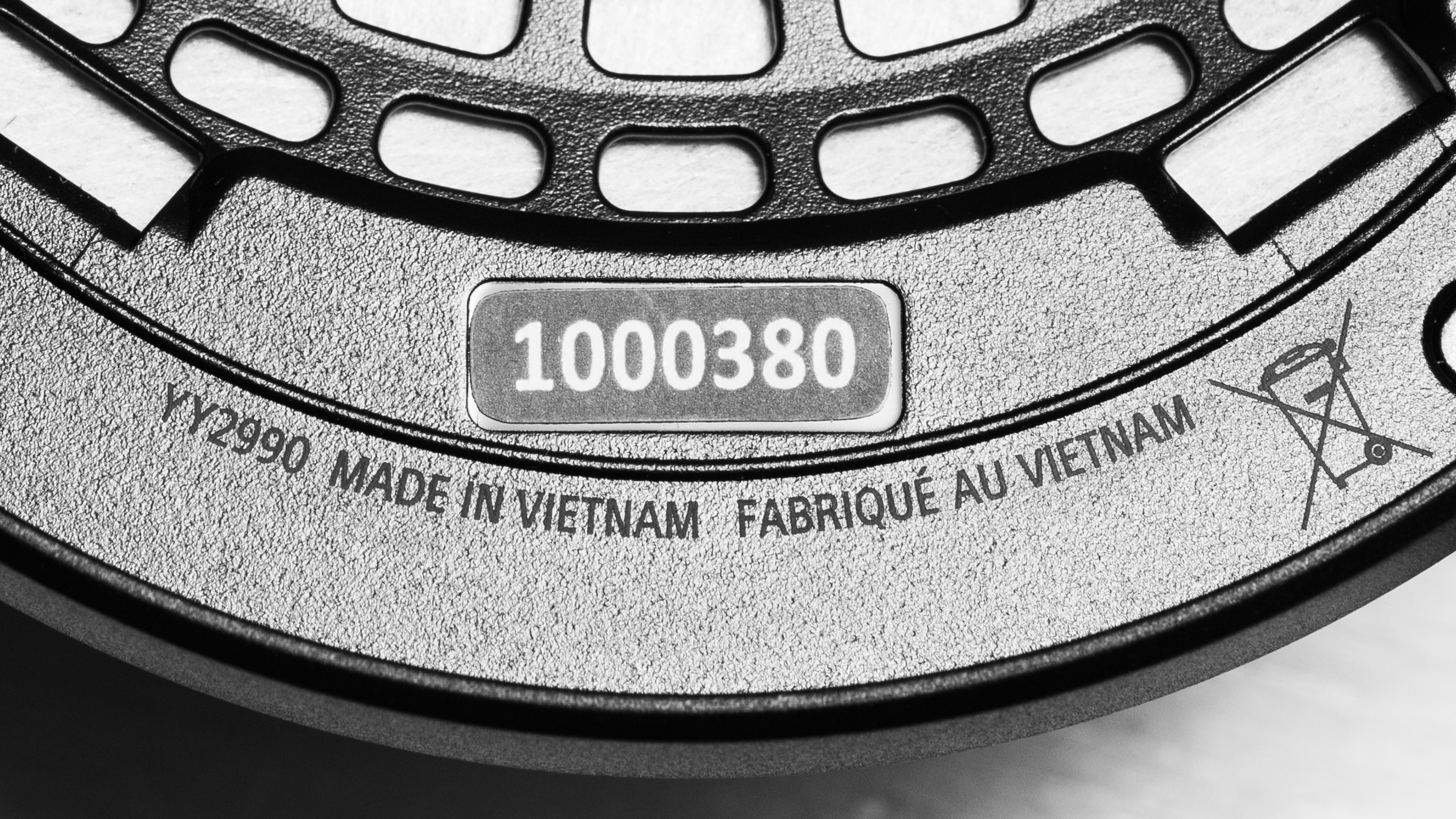
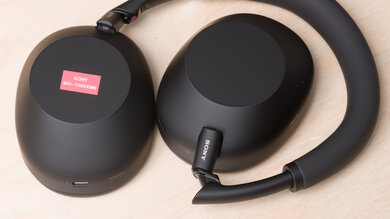
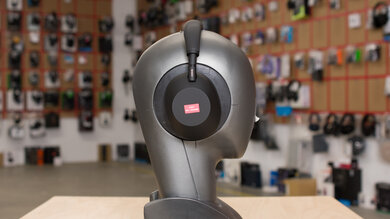
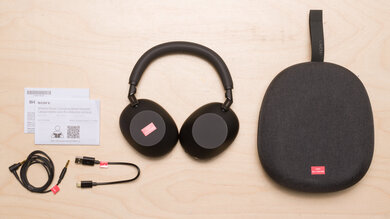
The Sony INZONE H6 Air only come in 'Black,' and we took a photograph of their label.
If you encounter another variant, please let us know in the comments, and we'll update the review.
Popular Headphone Comparisons
The Sony INZONE H6 Air join the ranks of Sony's 2026 gaming audio products alongside the closed-back Sony INZONE H9 II and in-ear Sony INZONE E9. Like the INZONE H9 II, they have a ski-band design, but rather than introduce active features like ANC, they go in another direction with a wired-only, open-back design. As a result, they sacrifice many quality-of-life features you'd find on more casual-use oriented headphones; still, we found their build to be of higher quality due to the perforated aluminum ear cup housings. The INZONE E9 offer a similar wired-only design, but their tuning leans warm and their form factor is much more portable since they're in-ears.
The lack of active features positions the INZONE H6 Air closer to the open-back ASUS ROG Kithara or the Sennheiser HD 490 PRO rather than relatives from the same brand. And while both the ASUS and Sennheiser come with extras like an additional set of pads, a case, or hot-swappable connectors, the Sony are the most accessible of the three, with the other two demanding a much higher spend.
If this product interests you, we'd also recommend checking out our picks for the best gaming headphones, the best audiophile headphones, and the best open-back headphones.
The ASUS ROG Kithara and Sony INZONE H6 Air both have a sound-focused approach to gaming audio. Each entry draws inspiration from known audiophile products in HiFiMan and Sony respectively. In particular, the Sony have the same drivers featured in the well-renowned Sony MDR-MV1. Still, there are some differences between the two. The ASUS feature planar magnetic drivers and a more flat, studio-like tuning compared to the balanced sound reproduced by the Sony's dynamic drivers. Neither is particularly stable, though both feature a comfortable ski-band style headband. That said, the ASUS edge the Sony out in build at the sacrifice of comfort, weighing in nearly double. The ASUS are typically more expensive and come with more extras like swappable cable plugs and a second set of earpads.
The Sony INZONE H6 Air and Sony MDR-MV1 have similar DNA. The INZONE make use of the MDR-MV1's drivers and have a similar open-back enclosure. However, the INZONE have an aviation headset design in contrast to the MDR-MV1's more traditional studio headphone look. As a gaming product, the INZONE also have a detachable boom mic, making them a better pickup for people looking for a plug-and-play gaming headset.
The Sony INZONE H9 II and Sony INZONE H6 Air are both 2026 gaming headsets released by Sony. The H9 II is a wireless, ANC-enabled, closed-back, while the H6 Air is a wired-only, passive, open-back. The closed-back has a more prominent bass that brings plenty of rumble to action scenes, but some may find it muddy. Luckily, the open-back H6 Air has a more balanced sound signature. If you go with the open option, just remember you'll sacrifice any semblance of noise attenuation, so it's best to use the headset in a controlled environment.
The Sennheiser HD 490 PRO and Sony INZONE H6 Air are similar open-back headphones with a balanced sound. Both are usable for gaming due to solid stereo matching and a decent helping of bass, considering they're open-backs. However, the Sony come with a detachable boom mic and a USB-C adapter, which may be preferable for gamers without a dedicated microphone. Still, it's worth noting that the Sennheiser come with a second set of earpads, which can be beneficial if you use the headphones for studio work in addition to gaming.
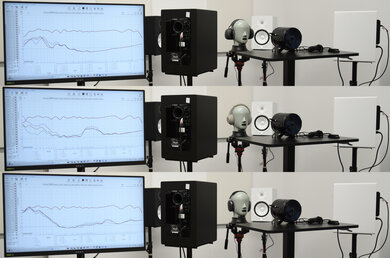
Our How We Test Headphones article takes you behind the scenes in our lab. You'll learn how we choose and purchase products and dive into the details of our review philosophy, from testing and scoring to writing and editing.
You can also discover how we produce recommendations like this one so that you can find the best headphones (or earbuds!) for your needs.
Test Results
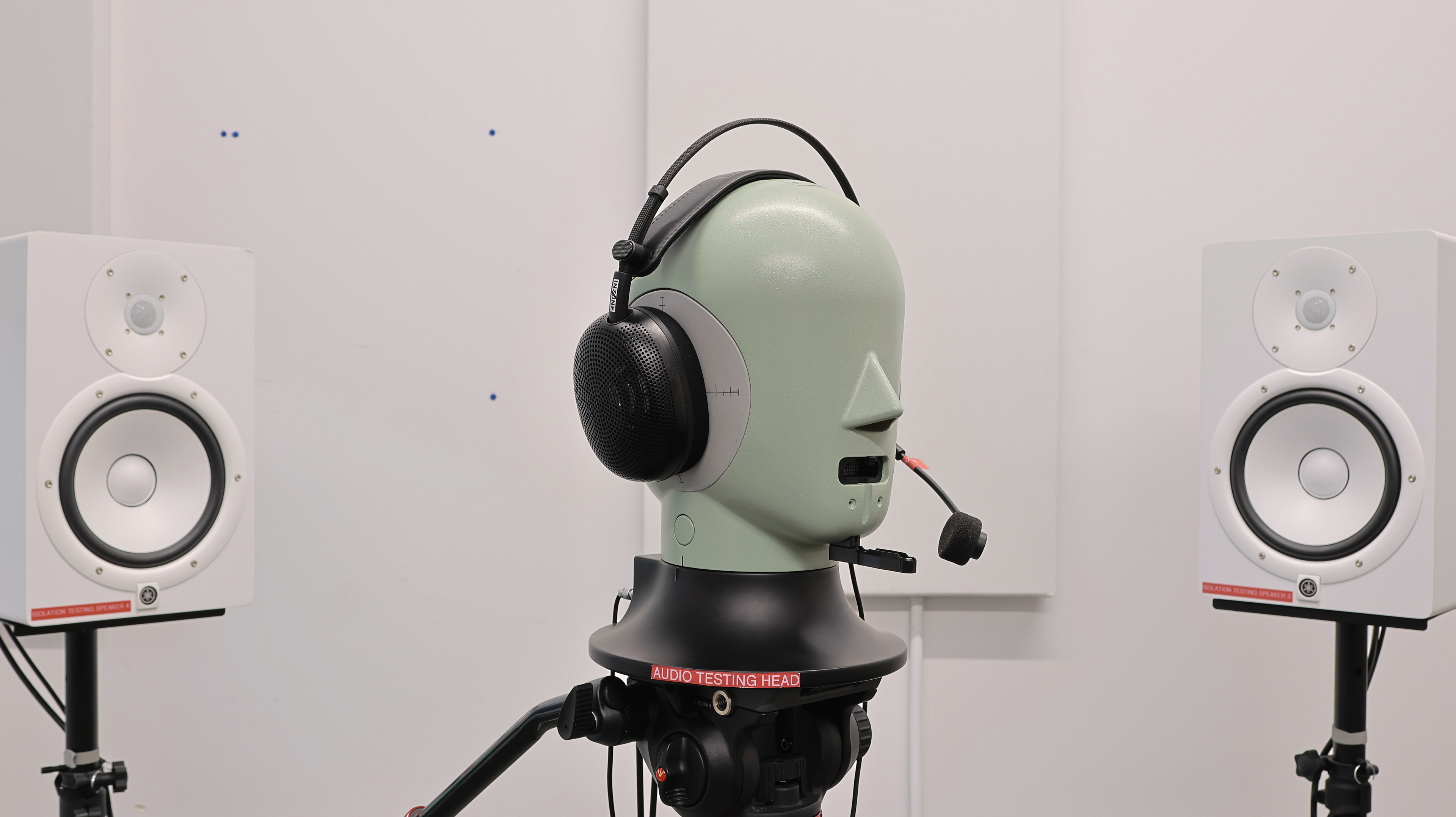
for pictures & test results
for pictures & test results
for pictures & test results
for pictures & test results
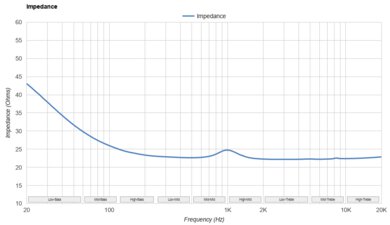

for pictures & test results

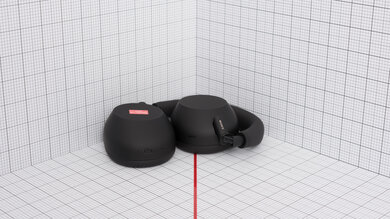
for pictures & test results