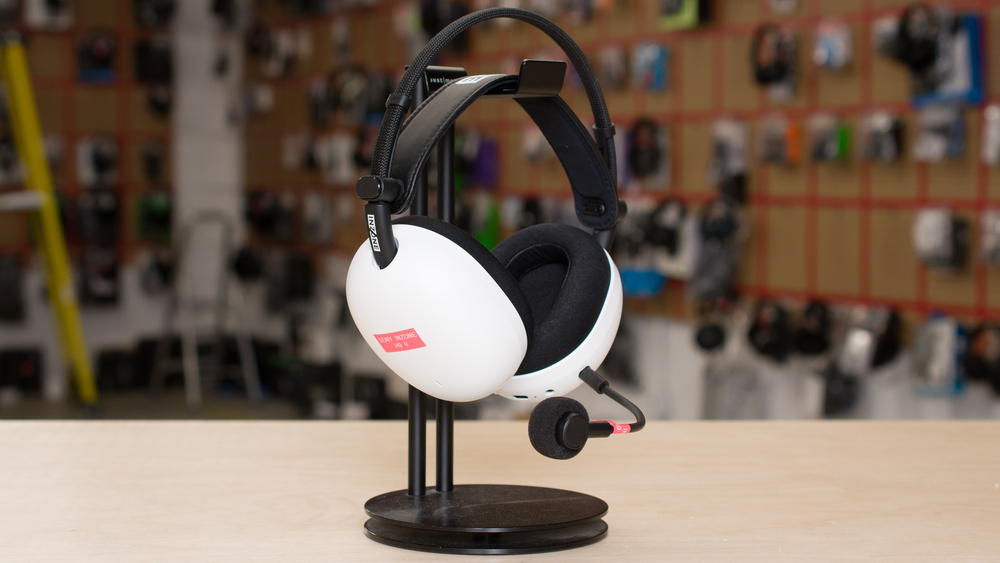
The Sony INZONE H9 II is a substantially different gaming headset from its predecessor, the Sony INZONE H9 Wireless. Having undergone a complete redesign, this newer entry features a suspension headband for improved comfort, a lighter build overall, and still includes active noise cancellation (ANC). While the brand borrows the 30 mm carbon composite dynamic drivers and ear cup design found on the Sony WH-1000XM6, whether the INZONE H9 II matches its sibling's exceptional ANC will largely determine if it's worth the extra spend over similar competitors.
Our Verdict
The Sony INZONE H9 II isn't ideal for sports and fitness. While you can use it wirelessly with its dongle or via Bluetooth, the headset isn't particularly stable and has no IP rating. If you exercise in the elements, sweat a lot, or tend to bounce or move suddenly, the chances are high that the Sony will get damaged at some point. That said, if you ultimately choose to take that risk, this headset is relatively lightweight and quite comfortable.
Comfortable and lightweight design.
Not particularly stable.
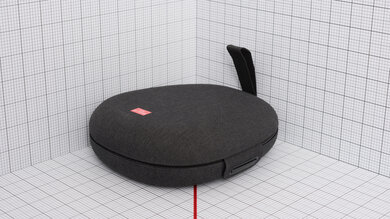
The Sony INZONE H9 II is good for travel. It has a 30-hour battery life while ANC is active, along with a lightweight and comfortable fit. However, its ANC system is somewhat lacking in the mid-range and low bass. In practice, you'll notice more engine rumble and chatty passengers on flights. While the Sony comes with a soft carrying case, it doesn't provide any structural protection to prevent the headset from being damaged. On the plus side, you can also use the headset wired (with or without power), so it should work with most modern in-flight entertainment systems.
Comfortable and lightweight design.
Functions passively or while charging.
ANC doesn't handle low-frequency and mid-range noise very well.
The Sony INZONE H9 II is good for office work. The headset supports multi-device pairing, provided you use the wireless dongle and a Bluetooth connection, and also allows for simultaneous audio. Plus, the Sony is comfortable and lightweight, making it great for full workdays. Thanks to its mic system's ability to capture your voice clearly, regardless of background noise level, the Sony is ideal for Microsoft Teams, Zoom, or Google Meet calls. However, the Sony's ANC system isn't as great at attenuating noise, so while your coworkers may not hear your screaming kids in the next room, you certainly will.
Exceptional noise rejection on the microphone.
Comfortable and lightweight design.
ANC doesn't handle low-frequency and mid-range noise very well.
The Sony INZONE H9 II is good for wireless gaming. The headset's 30-hour battery life (with ANC on) gives you plenty of game time. Its exceptional microphone noise handling also ensures your teammates won't be distracted even if you game in a busy living room. That said, the Sony's ANC can only reduce the noise you experience from chattering relatives and wheezing HVAC systems, rather than isolate you completely. Ergonomically, the Sony is lightweight and comfortable, ideal for even the longest gaming sessions. And its intuitive and easy-to-use controls allow you to control volume with a dedicated dial, switch ANC modes, and even adjust game/chat mix from a simultaneous wireless dongle and Bluetooth connection. Unfortunately, the headset isn't compatible with Xbox consoles when used with its wireless dongle.
Exceptional noise rejection on the microphone.
Comfortable and lightweight design.
No Xbox console support using wireless dongle.
The Sony INZONE H9 II is good for wired gaming. The headset works when wired passively, actively, and while charging, giving you a fallback for when your battery runs out (or you want to play on Xbox). As you'd expect from wired connections, the headset has negligible latency, so you won't need to worry about audio-visual desync for even the snappiest cues (like gunshots). The Sony's lightweight design and low clamping force also make it a joy to wear for long periods of time. Plus, its microphone works even when wired.
Exceptional noise rejection on the microphone.
Comfortable and lightweight design.
Analog cable prone to tangling.
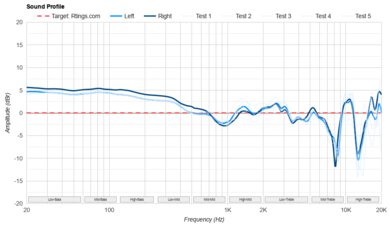
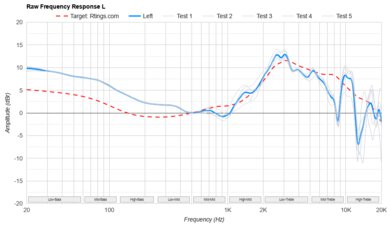
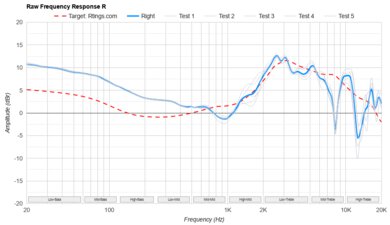
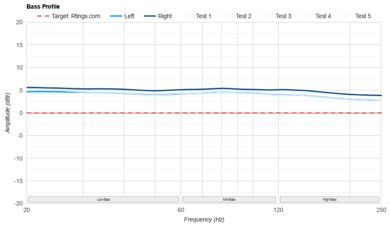
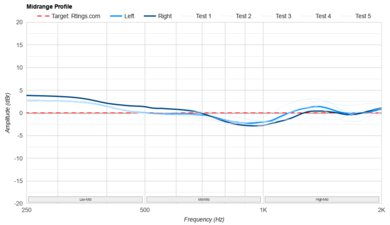
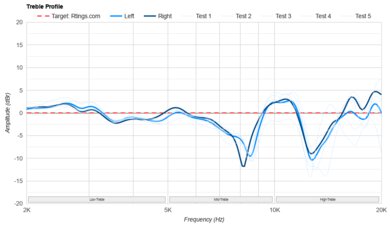
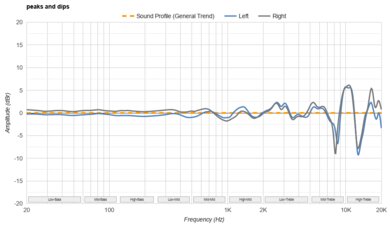
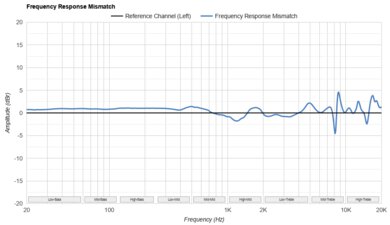
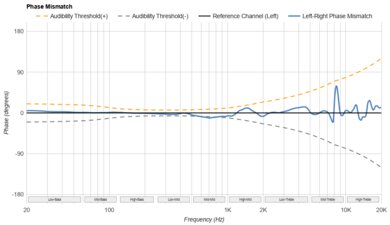
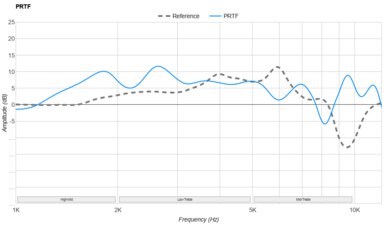
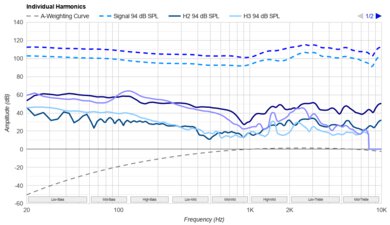
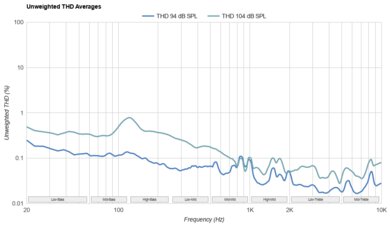
The Sony INZONE H9 II has very good audio reproduction accuracy. In objective metrics like harmonic distortion and stereo mismatch, the headset exhibits no major issues, ensuring accurate reproduction of sound objects in the stereo image with no audible coloration from distortion. While this isn't captured by the peaks and dips scoring, the headset has a noteworthy lack of low bass relative to its massive mid- and high-bass emphasis. That said, this combination of sonic characteristics can be more of a feature than a bug, depending on how much you prioritize hearing footsteps and your tolerance for muddiness in sound reproduction. While the headset also interacts with your pinna, the Sony headphones' PRTF doesn't really resemble our natural-sounding speaker benchmark.
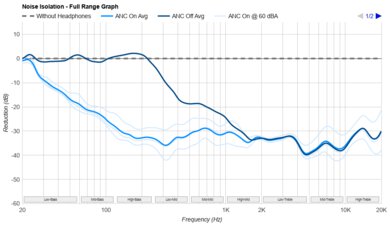
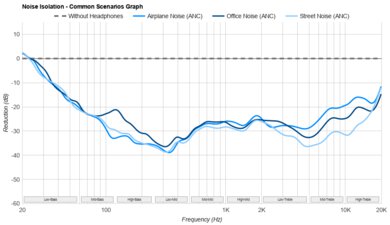
The Sony INZONE H9 II has decent noise isolation performance. While it's equipped with ANC, noise attenuation likely wasn't a priority in the headset's development. It'll cut down the whir of your gaming PC and your room's ambient din, but you may still make out your housemates having a chat in the next room.
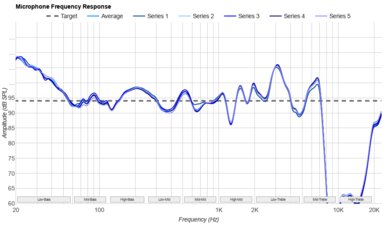
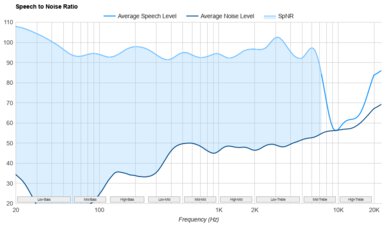
The Sony INZONE H9 II outperforms relative to the overall mic score. Its boom mic has better recording quality than the score indicates, rendering vocals as crisp, comprehensible, and natural, though higher-pitched voices may lack some brightness. In uncontrolled or noisy environments, the mic easily separates your voice from noise, reproducing speech with exceptional fidelity, even with loud, sustained noise in the background.
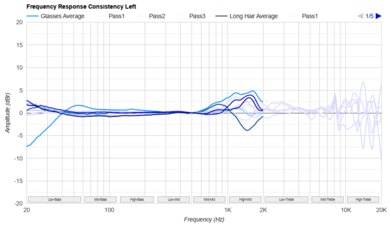
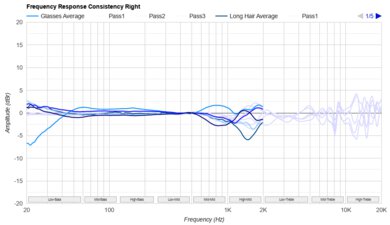
The Sony INZONE H9 II has okay frequency response consistency. Our frequency response measurements more or less match what most people should expect to hear. However, if you wear glasses or have long, thick hair that can interrupt the earpads' seal, you should expect some reduction in low-bass delivery.
Performance Usages
Changelog
-
Updated Sep 25, 2026:
We updated the review to mention the Sony INZONE E9 in the Portability box.
- Updated Jun 23, 2026: This review has been updated to Test Bench 2.3, which removes the Virtual Soundstage, Base/Dock, and some comparisons from Bluetooth Connection. Have a look at our changelog for more info.
- Updated Apr 20, 2026: This review has been updated to Test Bench 2.2, which removes the Cumulative Spectral Decay (CSD) test, retiring its waterfall plot visualization from our reviews. You can read more about this change in the changelog.
-
Updated Apr 15, 2026:
This review has been updated to Test Bench 2.1, which removes the Group Delay test and rebalances scoring for the Harmonic Distortion test and Audio Reproduction Accuracy performance usage. For more details, consult our full changelog.
Check Price
Differences Between Sizes And Variants
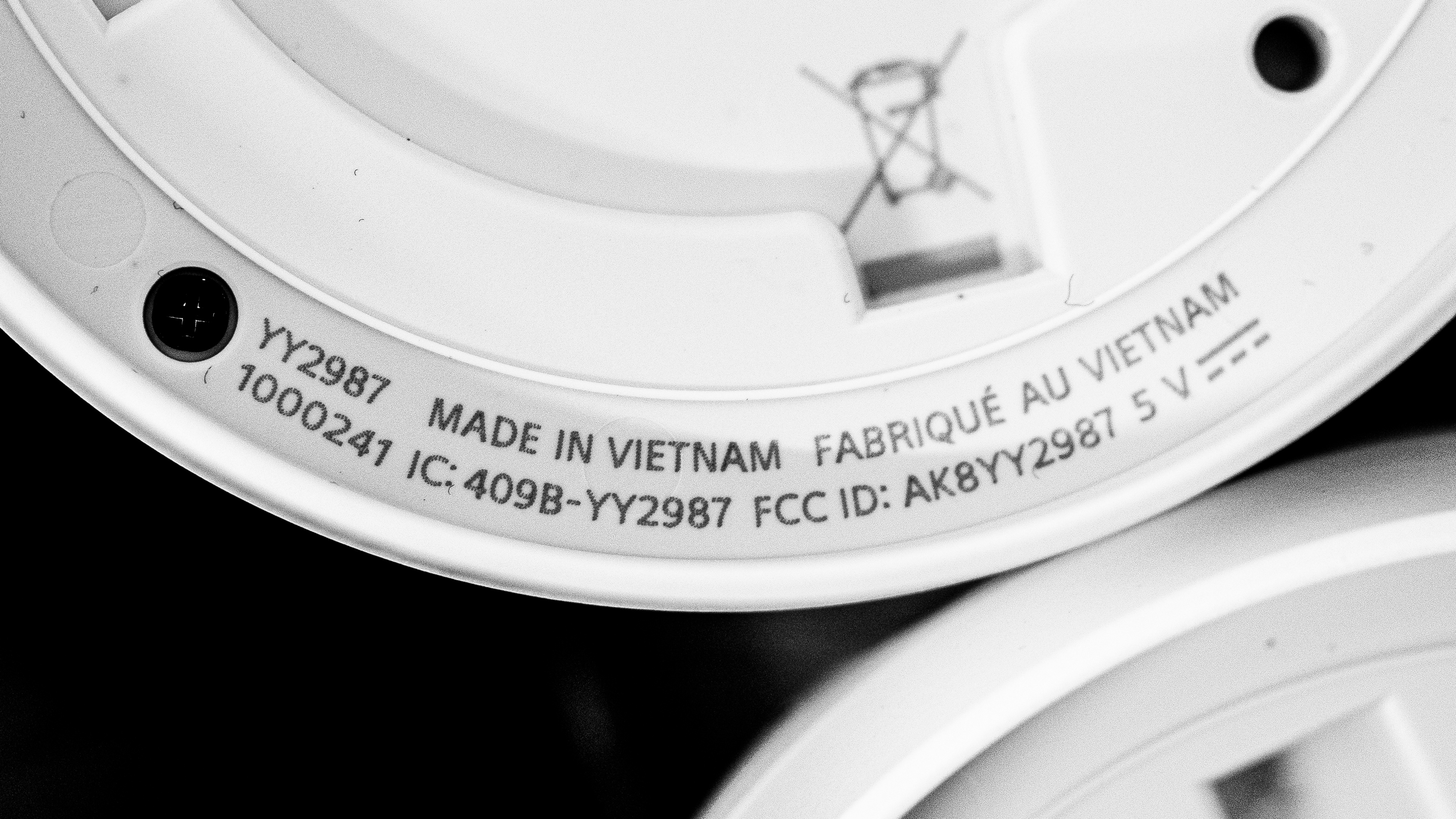
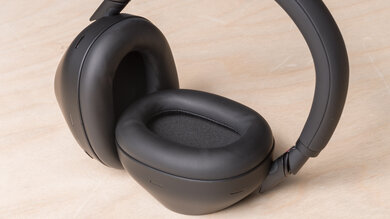
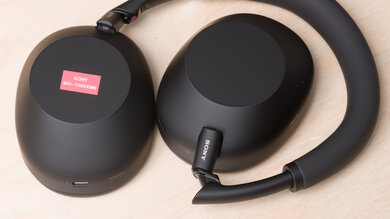
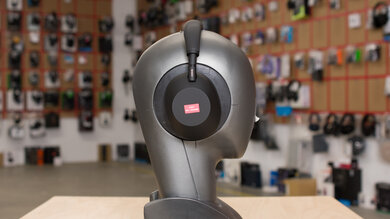
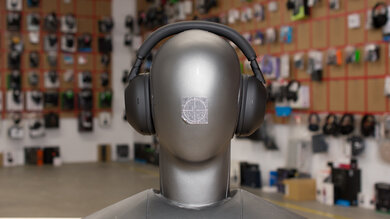
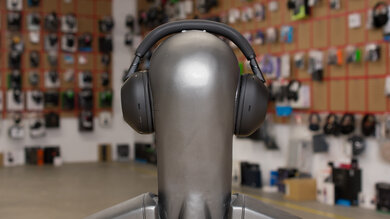
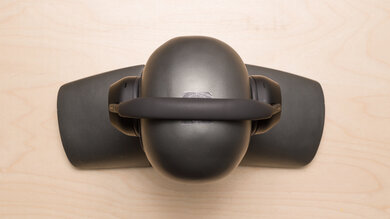
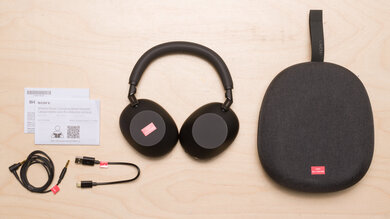
The Sony INZONE H9 II comes in two colors: 'Black' and 'White.' Our unit is 'White,' and you can see its label.
If you encounter additional variants or colors, please let us know in the comments below, and we'll update the review.
Popular Headphone Comparisons
The Sony INZONE H9 II occupy an interesting space in the gaming audio ecosystem: the 2025 entry stands out from most other headsets due to its inclusion of ANC, but it's priced less aggressively compared to competing entries like the Razer BlackShark V3 Pro and the SteelSeries Arctis Nova Pro Wireless. Despite this, the Sony doesn't outperform either competitor across a wide gamut of metrics: it can't match the whopping 69.7-hour battery life of the Razer, nor the PlayStation and Xbox wireless compatibility of the SteelSeries. That said, it has one of the best mic systems we've tested, and edges out both alternatives in noise isolation performance and comfort. It's worth mentioning that this headset's sound signature departs from most conventional options, with huge emphasis placed on the mid-bass frequencies. But if you were a fan of the Sony's first iteration, the Sony INZONE H9 Wireless, you'll probably like how this entry sounds.
Looking for a gaming headset at various price brackets? Check out our recommendations for the best budget and cheap gaming headsets and the best gaming headsets. Don't need a mic and just want good sound? Have a look at our recommendations for the best audiophile headphones.
The Razer BlackShark V3 Pro and the Sony INZONE H9 II are similar wireless gaming headsets with significant feature overlap. The typically more expensive Sony only supports PC and PlayStation via its wireless dongle, while the Razer comes in three platform variants for PC, PlayStation, and Xbox (we tested the PC version). Both headphones feature active noise cancellation, though the Sony is slightly more effective at attenuating noise. However, the Razer has over double the battery life with 69.7 hours compared to the Sony's 30. On the other hand, the Sony has a boom mic that manages to separate your voice from even loud, sustained background noise much more proficiently than the Razer. The deciding factor for most will be device compatibility and whether the extra spend is worth it for the better mic noise handling.
The Audeze Maxwell and the Sony INZONE H9 II are both wireless gaming headsets. The Sony uniquely features ANC in this comparison, providing a significant boost to noise attenuation for the wearer. However, this comes at a cost, as the Audeze has a much longer 77.4-hour battery life compared to the Sony's 30. And while the Audeze supports the LDAC codec for Hi-Res Bluetooth audio, the Sony trades blows with support for Bluetooth LE's LC3 codec, which offers improvements in audio latency alongside similar benefits to audio fidelity. It's also worth noting that the much heavier Audeze is almost twice as heavy as the INZONE, and not nearly as comfortable, though this may be a tradeoff you're willing to make for the Audeze Maxwell's audiophile-level sound (according to much of the community).
The Sony INZONE H9 II and the SteelSeries Arctis Nova Pro Wireless are both wireless gaming headsets with ANC. The Sony is a bit more expensive and has better noise isolation overall, but the SteelSeries supports both PlayStation and Xbox consoles without requiring a different platform variant. That said, the Sony's boom mic performs better overall and shines in isolating your voice from background noise. Both devices also support simultaneous audio with one dongle/dock-connected device and one Bluetooth device. Due to the relatively small price gap, you're deciding primarily between better mic and ANC performance on the Sony or console compatibility on the SteelSeries.
The Sony INZONE H9 II and the Audeze Maxwell 2 ANC are both gaming headsets. However, they're quite different ergonomically. The Sony is less than half the weight and has a very light clamping force, making it more universally comfortable and less fatiguing to wear over time. On the other hand, the Audeze is heavy and bulky, but has a better build quality and finish. While both offer ANC, the Sony's overall noise isolation falls short of the Audeze's, which block out much more mid- and bass-range noise like rumbly traffic and background chatter. Both have a boom mic system that performs amazingly well, reproducing your voice naturally and preventing noise from bleeding into the captured audio. The Audeze has a backup integrated mic, LDAC codec support, and two-device Bluetooth multipoint, so it's more suitable if you need a one-size-fits-all headset that you can use casually, though it costs more.
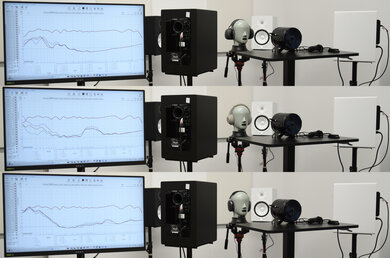
Our How We Test Headphones article takes you behind the scenes in our lab. You'll learn how we choose and purchase products and dive into the details of our review philosophy, from testing and scoring to writing and editing.
You can also discover how we produce recommendations like this one so that you can find the best headphones (or earbuds!) for your needs.
Test Results
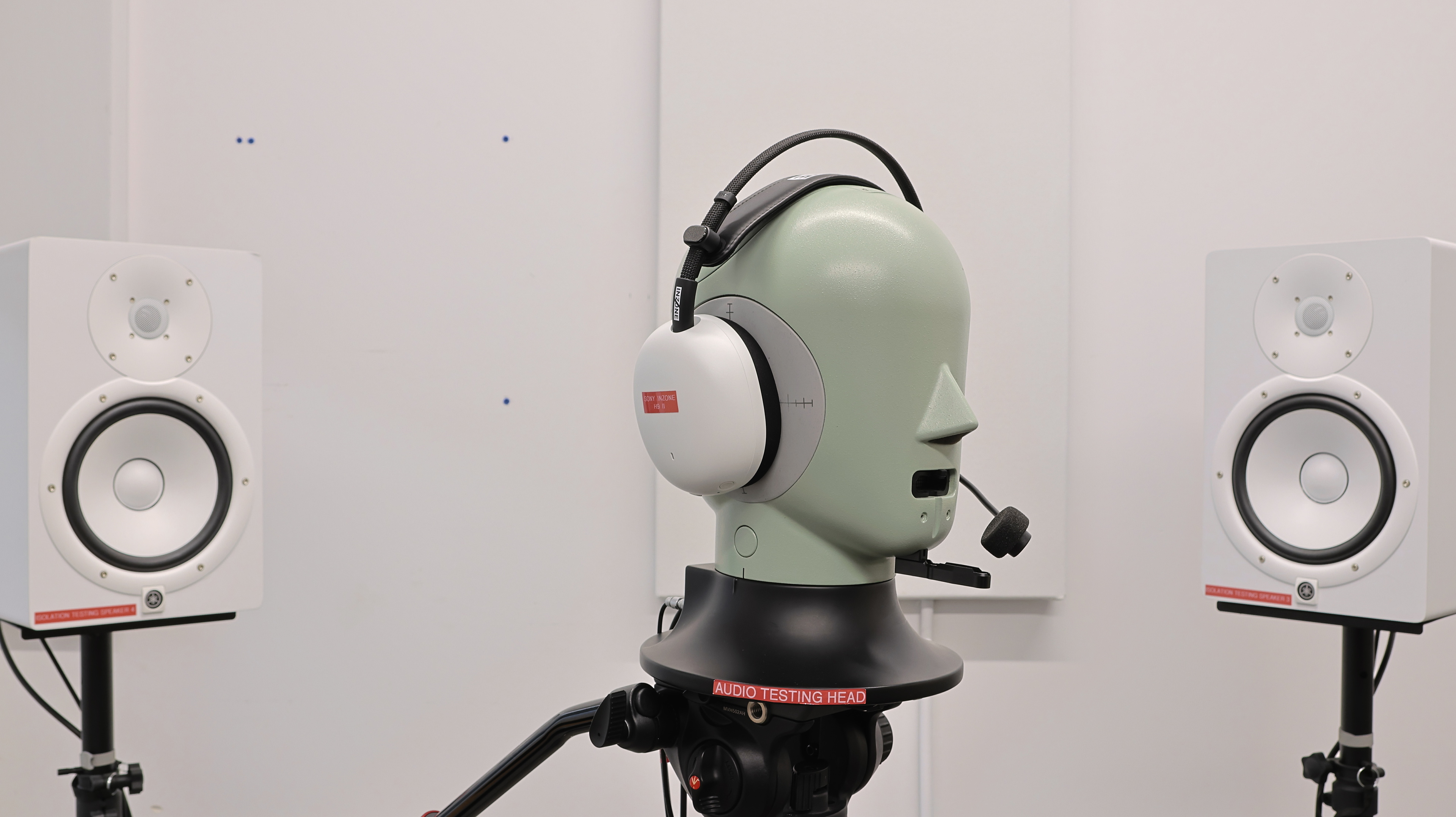
for pictures & test results
for pictures & test results
for pictures & test results
for pictures & test results

for pictures & test results

for pictures & test results