Our Verdict
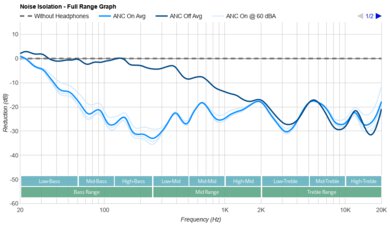
The Sony MDR-1000x are versatile headphones that do well for most use cases. They have a good set of active features, they're sturdy, comfortable and have one the best noise cancellation we've measured to date. This makes them especially good for commuting and loud environments, but their mediocre treble performance might not be ideal for more critical listeners.
- Excellent noise cancellation.
- Sturdy and durable build quality.
- Great active features.
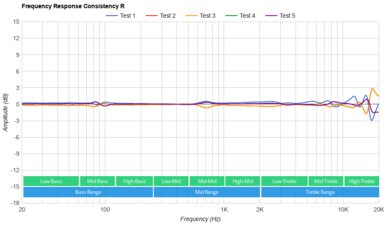
- Slightly inconsistent sound when wireless.
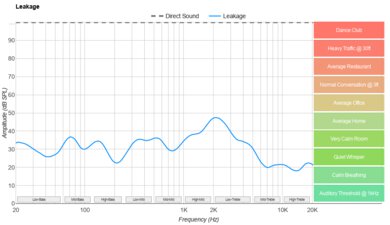
- A bit leaky at high volumes.
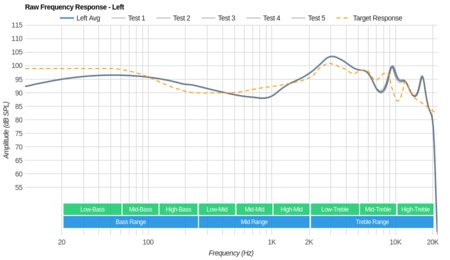
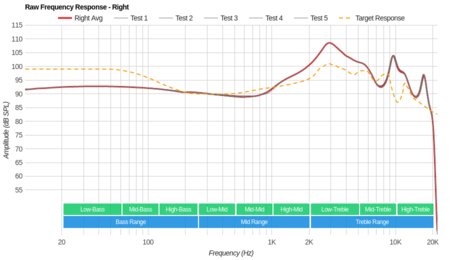
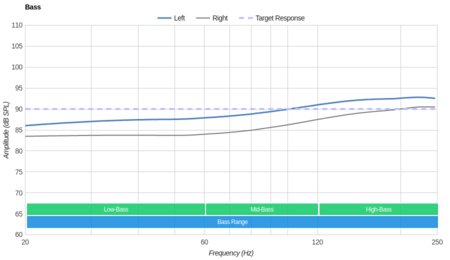
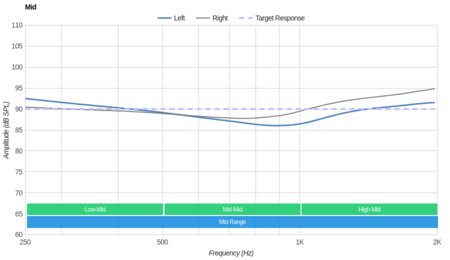
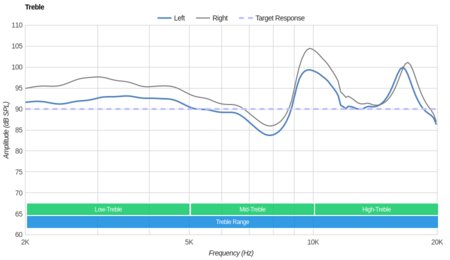
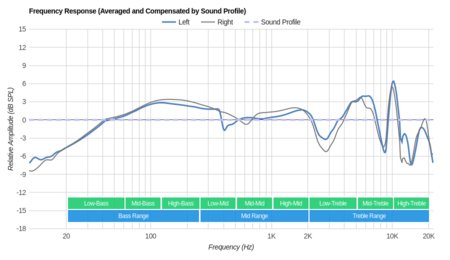
Decent for neutral listening. These headphones have a well-balanced bass and a rich, even mid-range. Unfortunately, they tend to sound slightly dark due to their inconsistent high-frequencies, which coupled with their closed-back design and great isolation make their soundstage feel small and lack a little openness. We have yet to test the LDAC codec which should improve the sound quality but their current performance should be decent enough for most casual listeners.
Great for commuting. The Sony MDR-1000x adapt to the level of noise in your environment and also tune the cancellation to the unique fit they create around your ears. This makes them ideal for blocking ambient noise and excellent commuting and traveling headphones, as long as you don't mind the slightly bulky design and somewhat error prone controls.
Above-average for sports. They're wireless and have a decent control scheme. They also block or let noise through, giving you the flexibility to monitor your environment for traffic if needed. However, they're a bit bulky and the ear cups do sway a bit when running with them.
Good for office use. They will easily block the ambient noise of a lively office and have a partial noise canceling mode that still lets voices through. However, they leak a little at higher volumes, so in quieter environments, your colleagues may hear what you're listening to.
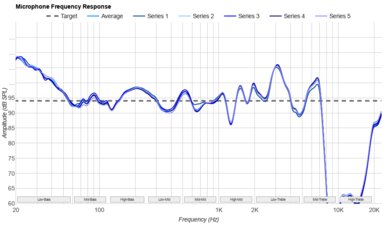
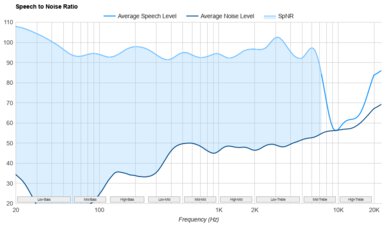
Sub-par for gaming. They are decently comfortable, have an above-average sound and a good wireless range. Unfortunately, they have a mediocre mic that will not work with consoles and a lot of latency which is not really suitable for gaming. They also tend to make your ears a little warm during long gaming sessions and are not as customizable as typical gaming headsets.
Changelog
- Updated Nov 21, 2019: Converted to Test Bench 1.3.1.
- Updated Nov 21, 2019: Converted to Test Bench 1.3.
- Updated Sep 10, 2018: The self-noise value in Noise Isolation was corrected. The active noise cancellation performance has not changed.
- Updated Feb 16, 2018: Converted to Test Bench 1.2.
Check Price
Popular Headphone Comparisons

The Sony MDR-1000x are a decent mixed usage headphone with great noise cancellation. They cancel noise a lot better than some of the similarly designed wireless over-ears below which makes them a good choice for commute and travel. They also have a premium look and feel, great wireless range and battery life but a weak headband design that's prone to breaking under moderate physical stress which will be a deal breaker for some. See our recommendations with the best noise cancelling headphones and the best headphones for music.
The Bose QuietComfort 35/QC35 Wireless 2016 are a better headset overall than the Sony MDR-1000X Wireless. They're a bit more comfortable and have a more consistent and balanced sound quality than the Sonys. The Bose are also easier to use and can easily pair with two devices simultaneously. The Sony, on the other hand, have a very similar noise cancellation feature but with a more premium-looking build quality and touch-sensitive controls. However, they have a few manufacturing defects that make the headband a bit more susceptible to breaking under stress than the Bose.
The Sony MDR-1000X have a similar performance to the JBL Everest Elite 700 overall. The Sony are not as tight on the head as the JBL, which makes them a bit more comfortable to wear for longer listening sessions. They also have a longer battery life, more customization options, and they support more codec options than the Everest Elite 700. On the other hand, the JBL have a unique noise cancelling feature since you can control the amount of cancellation in each ear cup. They also have a slightly better wireless range and lower latency, although both headphones will not be ideal for watching a lot of movies.
The Sony WH-1000XM2 are a slightly better headset than the Sony MDR-1000X, but not by much. The WH-1000XM2 have a more customizable sound and better control over their noise cancellation feature than the original MDR-1000X, thanks to the headphone's Connect app. The XM2 have also received fewer complaints about poor build quality with the headband, making them a bit more durable overall than the older model. On the other hand, the Sony MDR-1000X do better in the mid-range, although not by much, especially since you can customize the sound of the XM2. But on the upside, they're a bit more affordable since they are the older generation of the same headset.
The Bose QuietComfort 35 II/QC35 II Wireless 2018 are better headphones than the Sony MDR-1000X Wireless. The Bose have an easier-to-use control scheme, and they're lighter weight and more comfortable than the Sony. The Bose also have a better-balanced sound profile that packs a bit more bass than the Sony and sounds a bit clearer with instruments and vocals. The Sony, on the other hand, look more premium and leak quite a bit less audio.
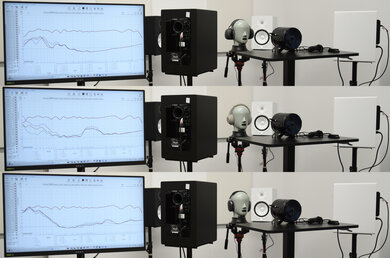
Our How We Test Headphones article takes you behind the scenes in our lab. You'll learn how we choose and purchase products and dive into the details of our review philosophy, from testing and scoring to writing and editing.
You can also discover how we produce recommendations like this one so that you can find the best headphones (or earbuds!) for your needs.
Test Results

for pictures & test results

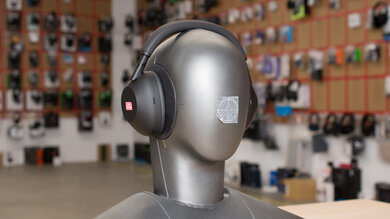
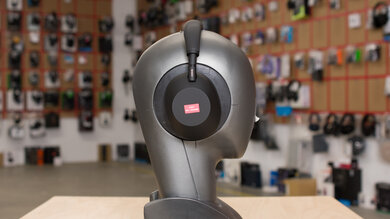
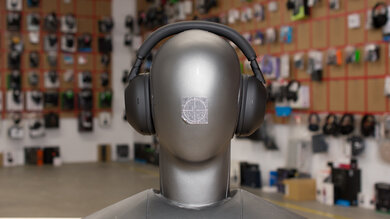
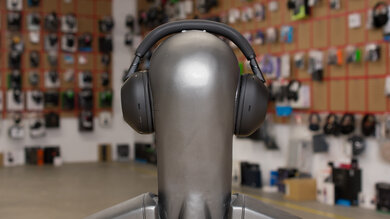
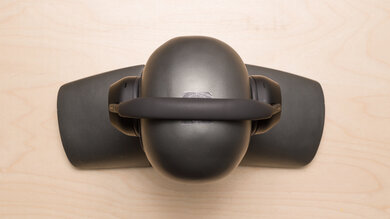
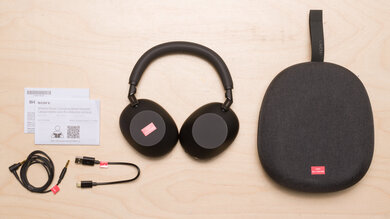
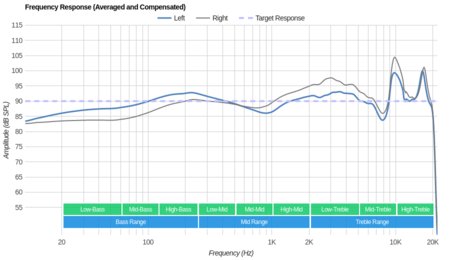
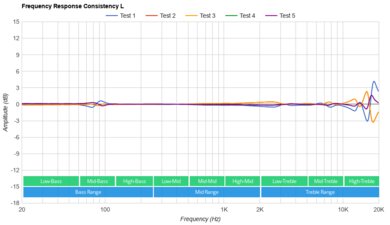
for pictures & test results
for pictures & test results
for pictures & test results