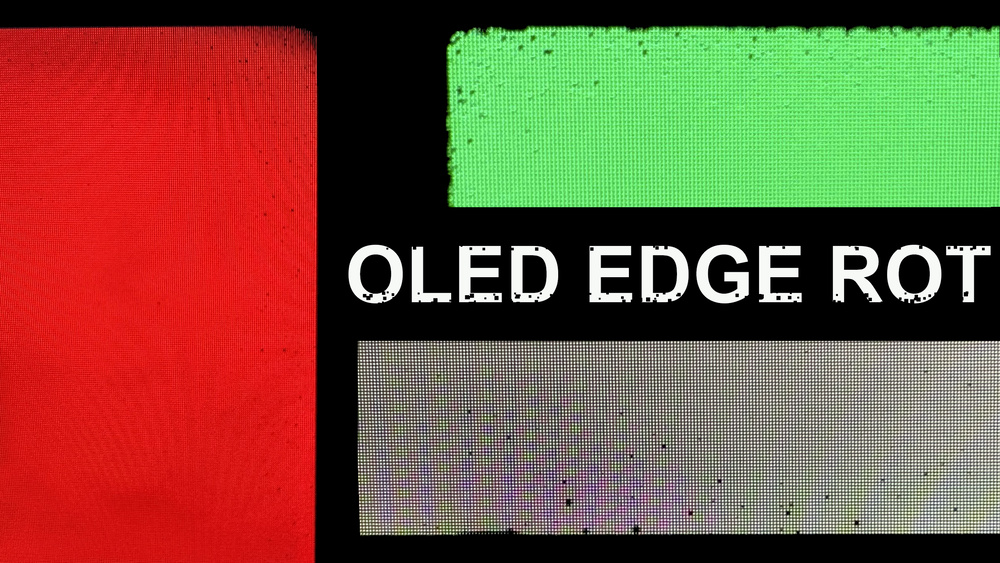
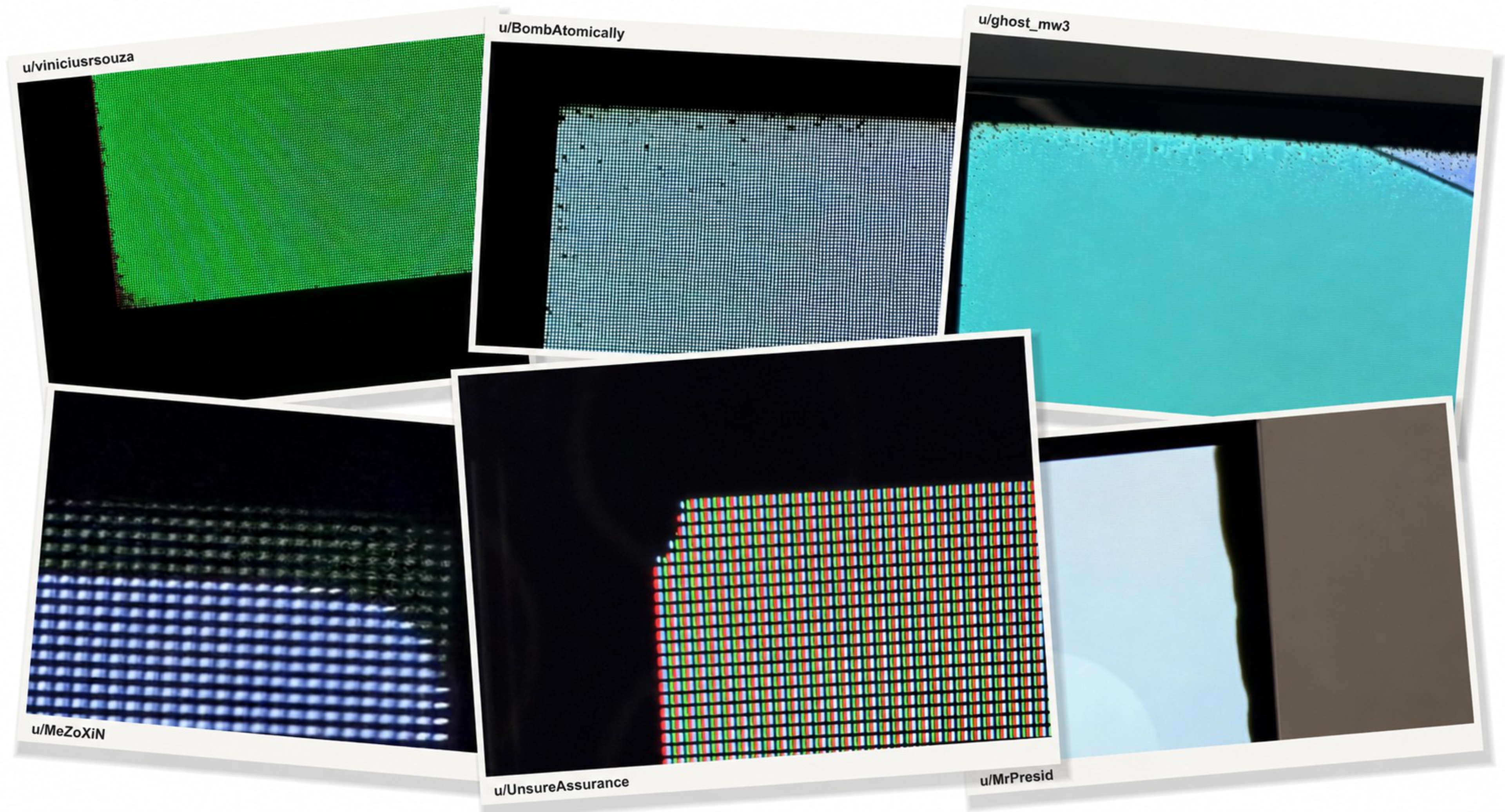
Burn-in gets most of the attention when people discuss OLED longevity. However, a silent killer has been widely reported in community forums, and our longevity testing results confirmed what both enthusiasts and regular consumers were reporting: some WOLEDs are subject to dead pixels and other visible defects forming along the edges of their panels. It's easy to find many reports of this issue online, especially on Reddit.
We refer to these issues as edge rot. It appeared in 14 of the 16 WOLED TVs from 2020 to 2023 in our previous Accelerated Longevity Test, ranging from a few dead pixels that were difficult to spot outside test patterns to severe damage along the screen's edges. These issues were notably absent from the three QD-OLED TVs in our test, which only suffered burn-in from running CNN and had otherwise perfect panels (no dead pixels or other issues). Our test didn't assess any TV from 2024 onwards, and the only WOLED from 2023 to be tested was the LG G3 OLED, so our analysis leaves out more modern WOLEDs. We cannot speculate about whether they may be subjected to the issue or not. However, there are indications from industry experts that panels manufactured from 2024 have had significant improvements that should help prevent this issue.
Our conclusions about edge rot in our accelerated longevity test have led us to assess WOLEDs as having marginally worse expected reliability over time than their QD-OLED counterparts. Despite this, both types of OLEDs are still a top pick for overall durability. Note that, as a precaution, we're rating newer WOLEDs the same as older ones. In our opinion, not enough time has passed to have compelling data that shows this issue is resolved in newer-generation WOLED panels.
Note that our results aren't a prediction of whether your current or future WOLED will develop the same problem. Our investigation below explains what we observed, what we believe might have caused it, and what we still need to learn.
What Is Edge Rot?
Edge rot is our descriptive term for dead pixels, clusters of dead pixels, and other visible deterioration concentrated along an OLED panel's edges. It describes the symptoms we observed, rather than confirmed causes. The name comes from its typical appearance, which is reminiscent of mold on a wall.
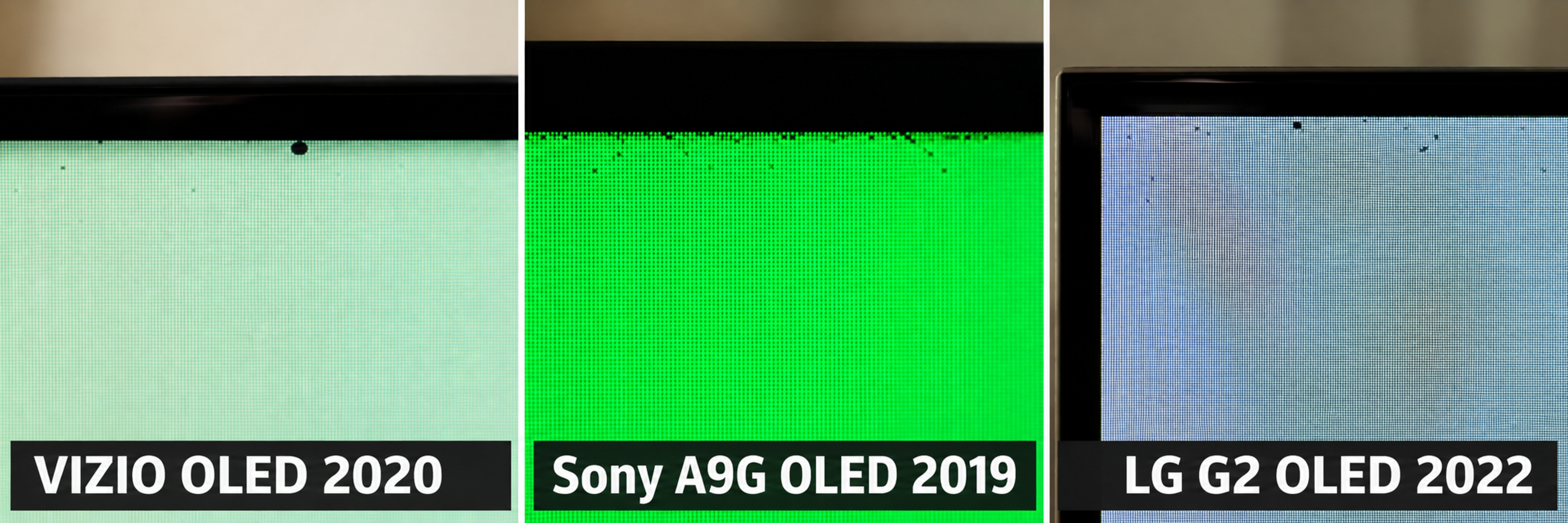
Unlike the persistent image patterns associated with burn-in, these defects aren't caused by watching static content, nor can they be avoided by watching mixed content. Their impact varies: a handful of failed pixels may be difficult to notice in everyday viewing, while larger affected areas can be more distracting.
Results From Our 18,000-Hour Accelerated Longevity Test
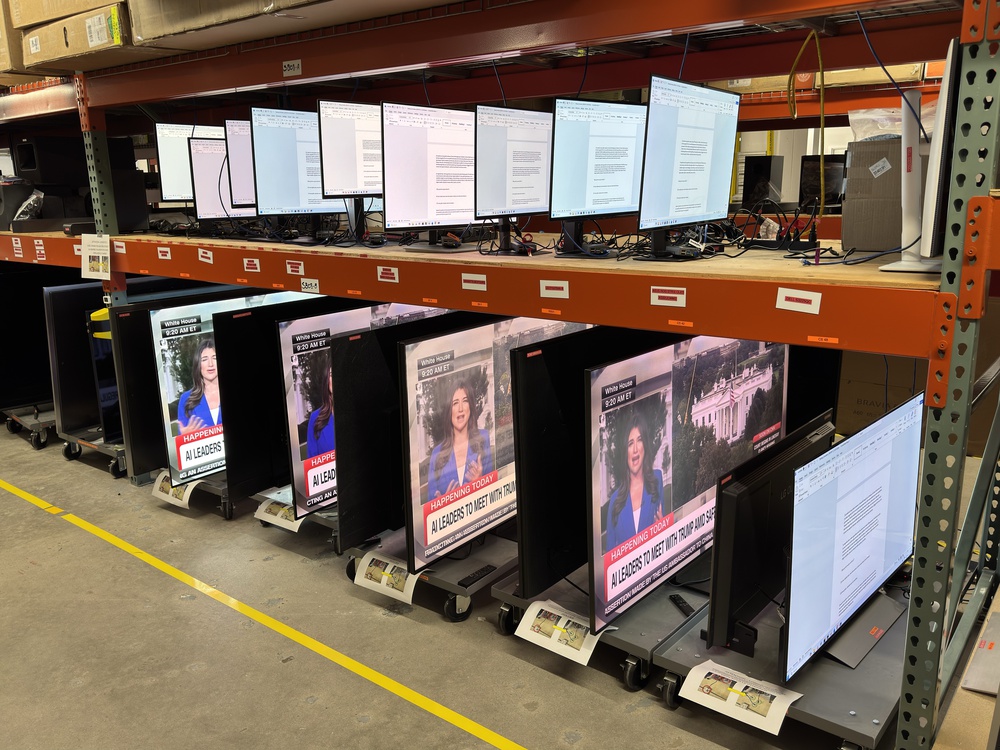
Our Accelerated Longevity Test exposed TVs to prolonged daily use, with sets accumulating 18,000 hours of use, equivalent to ten years in the typical U.S. household. The results below showcase our edge rot investigation results for all of the TVs, grouped by panel type, which operated under our controlled test conditions during our entire test. The following subsections take a deeper look at results by panel group.
| Panel Type | No Edge Rot | Mild Edge Rot | Significant Edge Rot | Severe Edge Rot | Total With Edge Rot |
|---|---|---|---|---|---|
| WBC WOLED (LG Display) | 1 | 1 | 3 | 5 | 9 of 10 |
| WBE WOLED (LG Display) | 1 | 2 | 2 | 1 | 5 of 6 |
| QD-OLED (Samsung Display) | 3 | 0 | 0 | 0 | 0 of 3 |
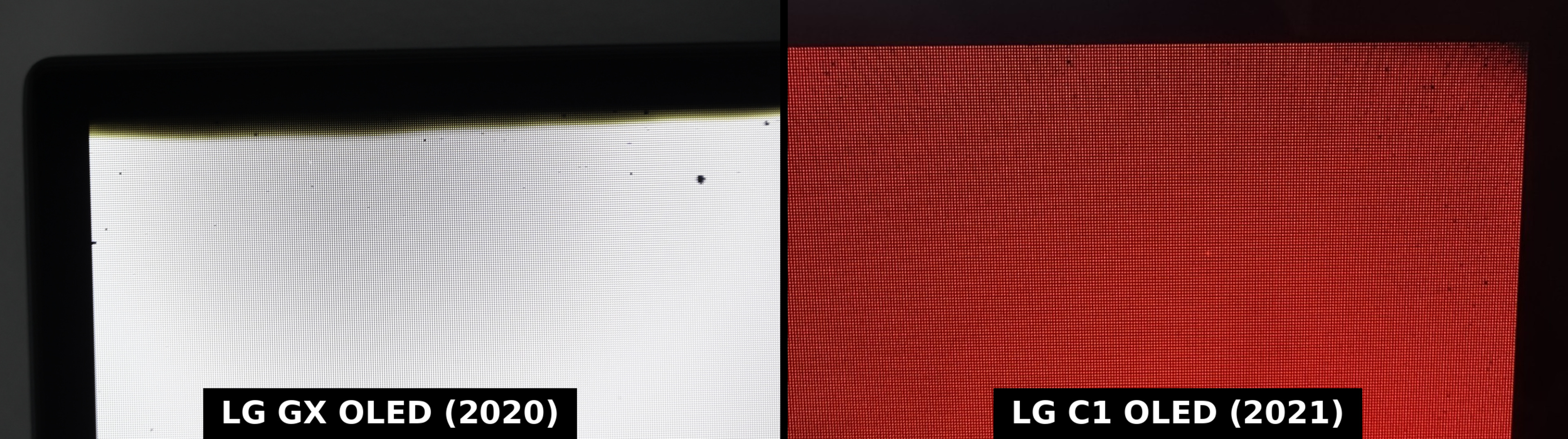
While we appreciate that our longevity testing was an extreme use case, we consider that the results showcase that this is a real issue, as backed up by user reports online and by our own team, many of whom own WOLEDs and have experienced the same issues at home. Pictured below are the panels of the 2020 LG GX OLED and the 2021 LG C1 OLED owned by two RTINGS.com employees, which show significant edge rot and have been used in regular household conditions.
Earlier-generation WBC WOLED Panels Had the Most Severe Edge Rot
In our test, nine of the ten TVs released from 2020 to 2022 equipped with LG Display's earlier-generation WBC WOLED panels experienced edge rot. We've classified five as severe, three as significant, and one as mild. The 2022 LG A2 OLED was the only unaffected WBC unit, which is absent from the table below since there were no issues to document on it.
The following table presents the documentation of edge rot on impacted WBC panel-equipped WOLEDs from the Accelerated Longevity Test, including photos and our evaluation of the severity of the issues. While our sample size was only ten TVs equipped with this panel generation, it's worth pointing out that 90% of them suffered edge rot.
| WBC Panel-Equipped WOLED TV model | Year | Edge Rot Detail | Edge Rot Severity |
|---|---|---|---|
| LG BX OLED | 2020 | 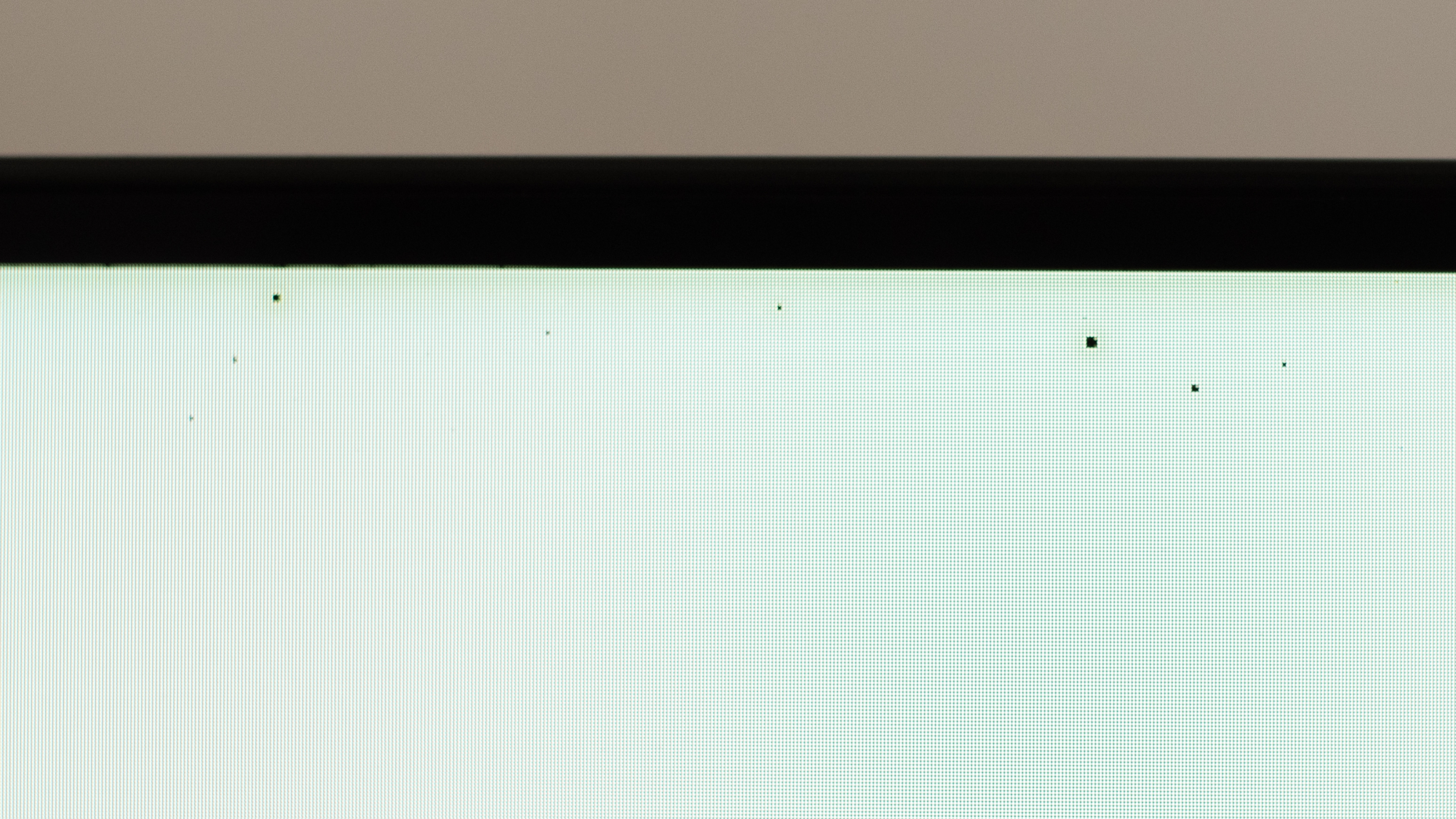 |
Severe (Clusters of dead pixels) |
| LG CX OLED | 2020 | 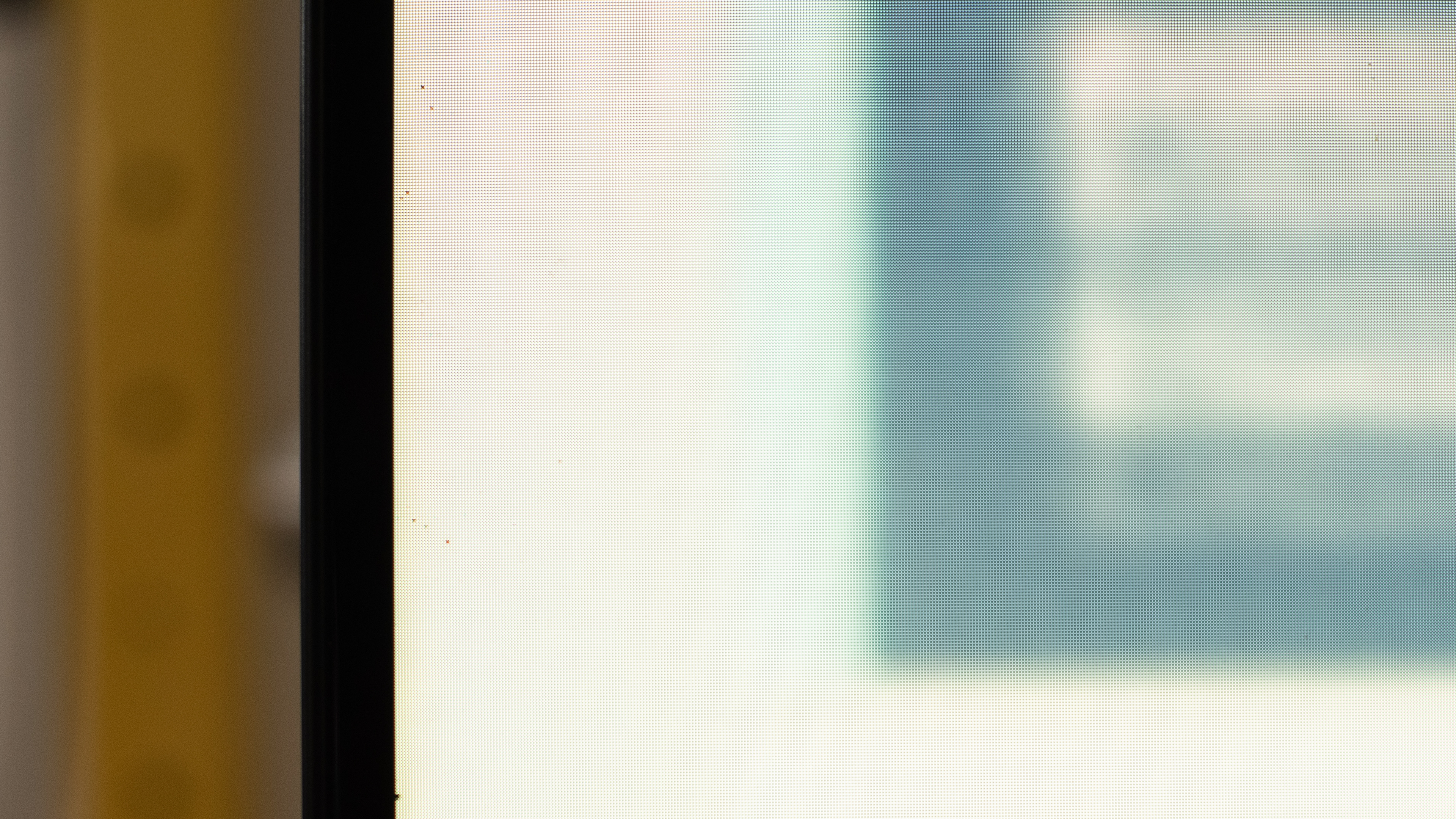 |
Significant (Clusters of dead pixels) |
| Sony A8H OLED | 2020 | 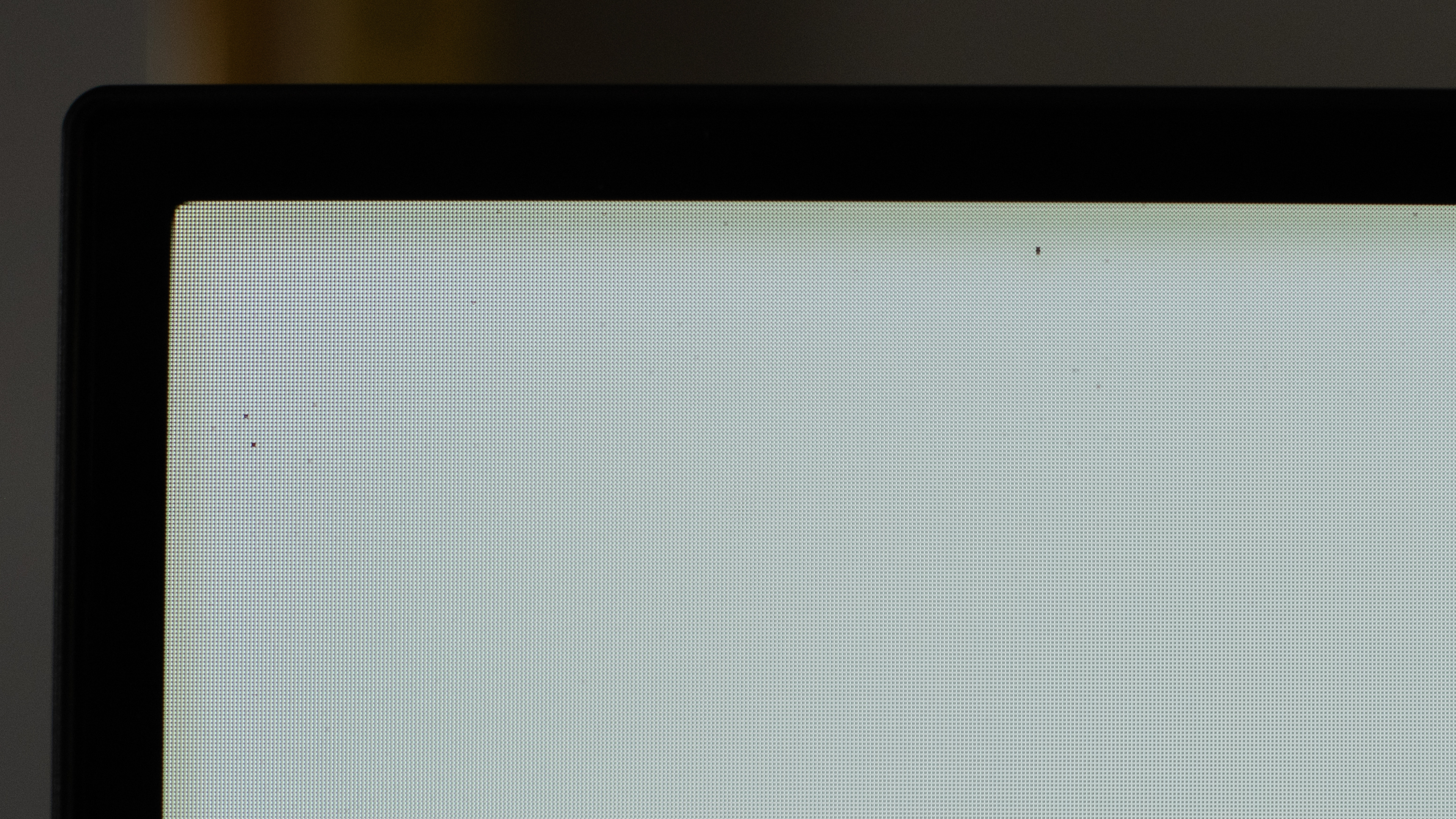 |
Significant (Clusters of dead pixels and dying pixels around the corners) |
| Vizio OLED | 2020 | 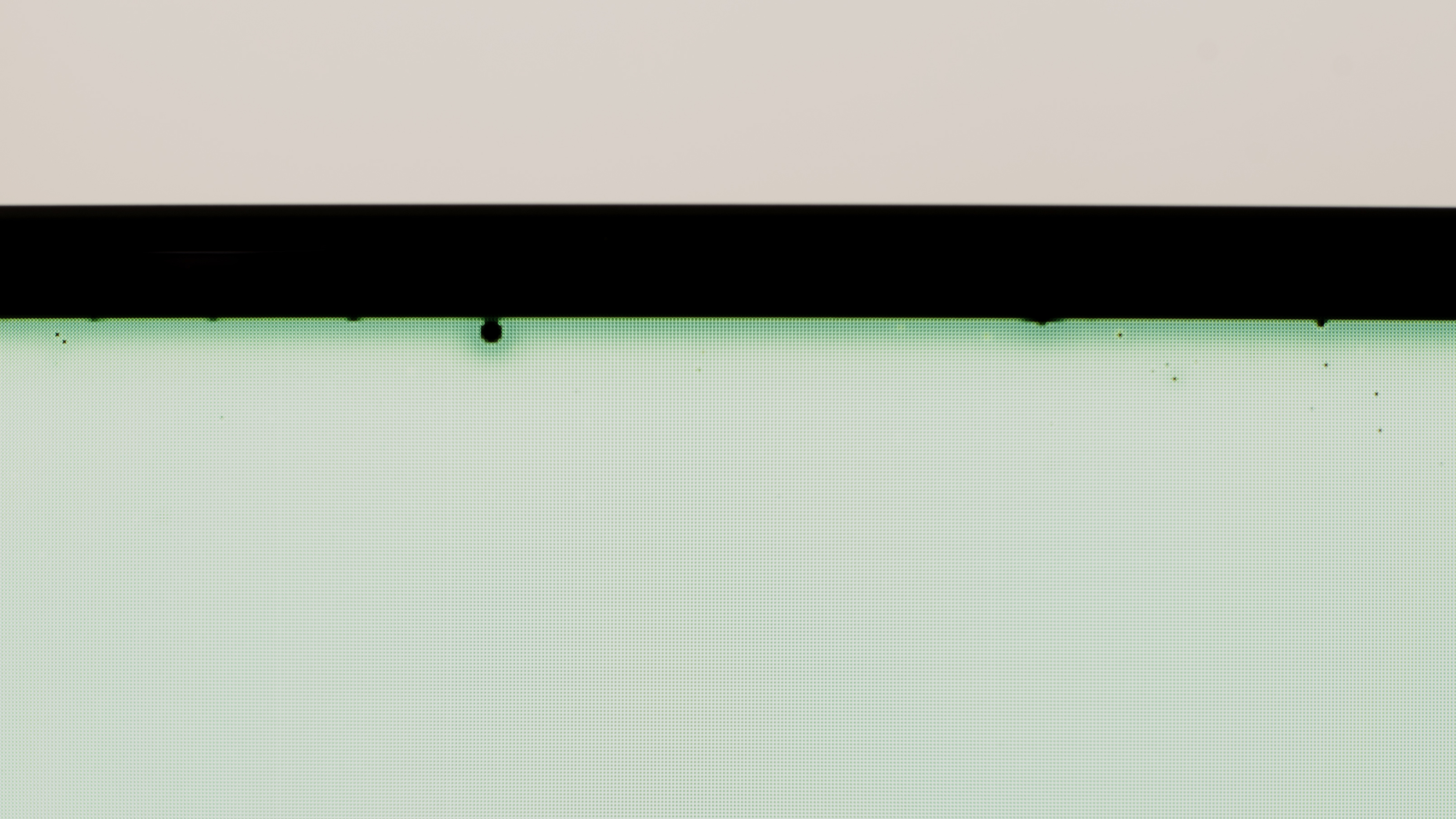 |
Severe (Clusters of dead pixels and large dead pixel spots) |
| LG A1 OLED | 2021 | 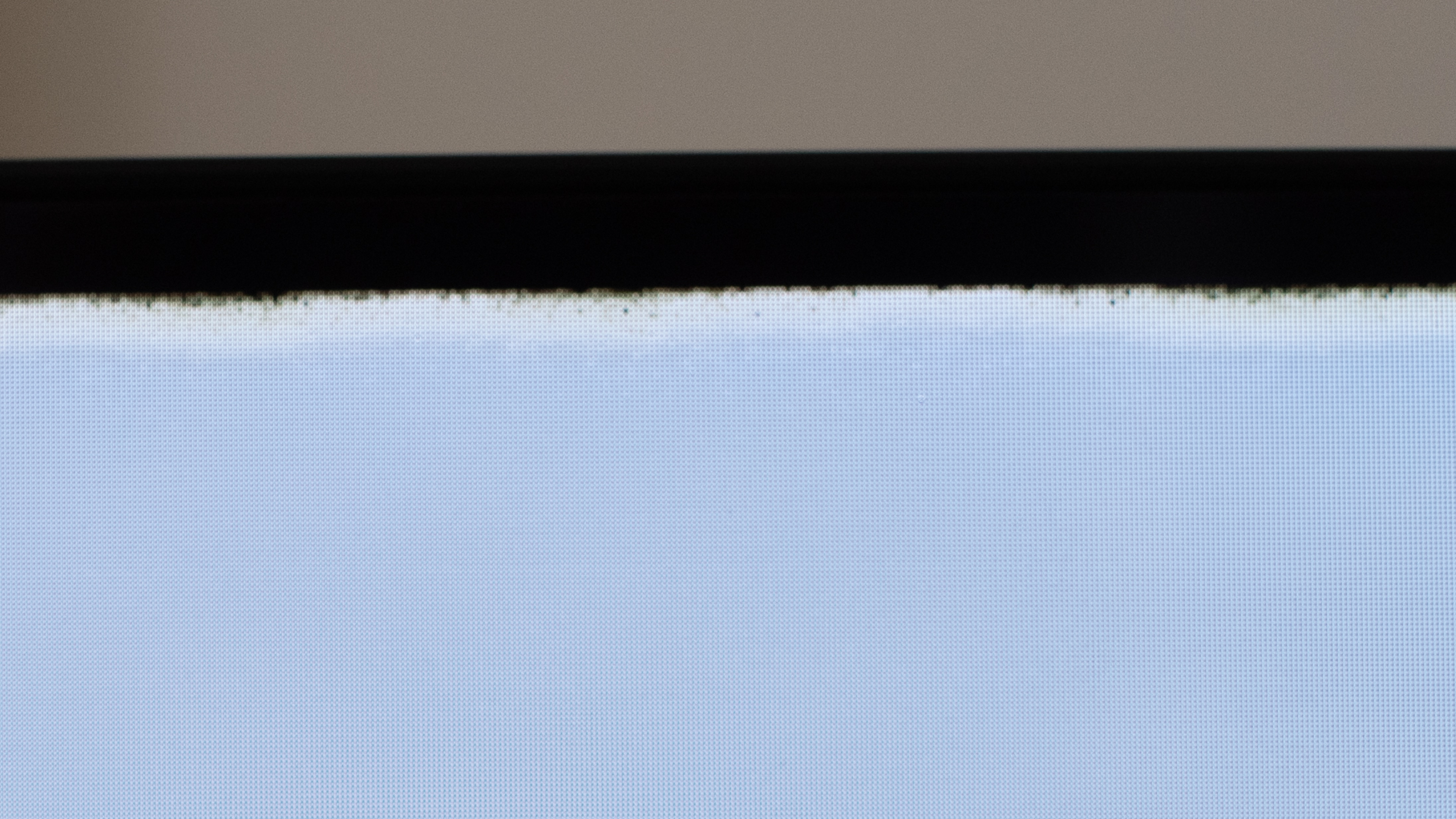 |
Severe (Dead pixels and significant edge delamination/ingress causing uniformity issues) |
| LG B1 OLED | 2021 | 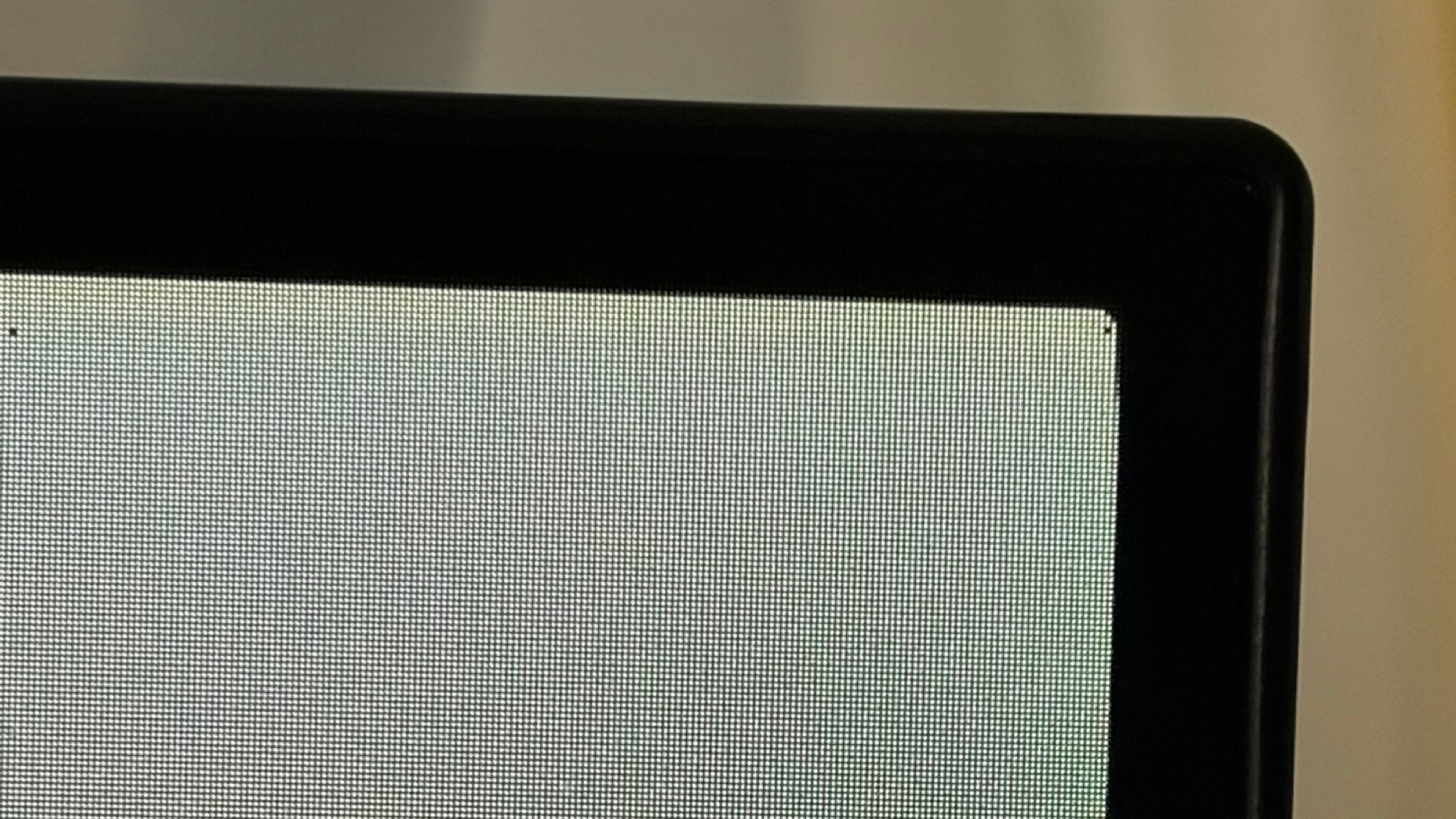 |
Significant (Dead pixels and dying pixels around the corners) |
| LG C1 OLED | 2021 | 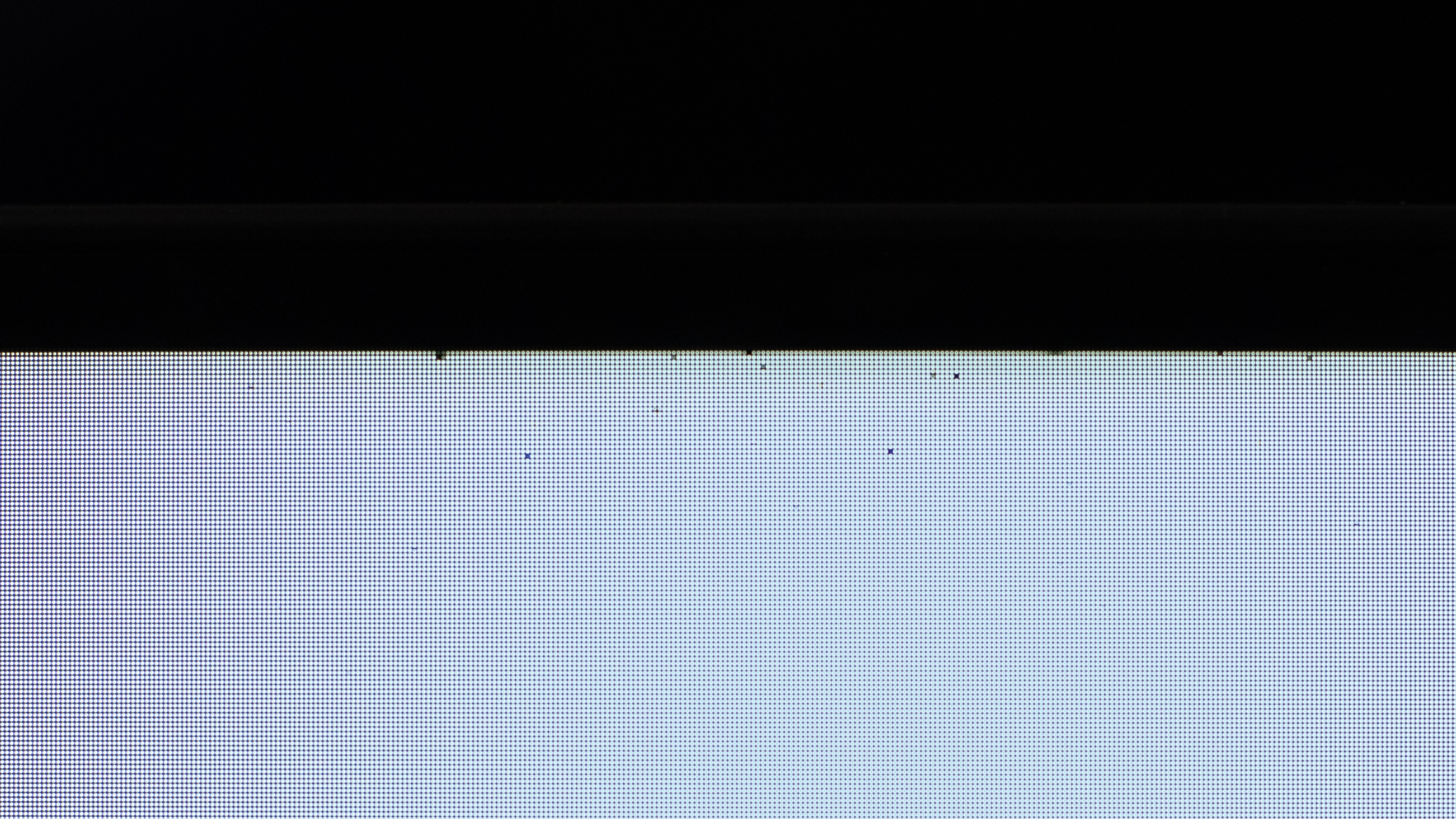 |
Severe (Dead pixels all over the contour of the panel) |
| Sony A80J OLED | 2021 | 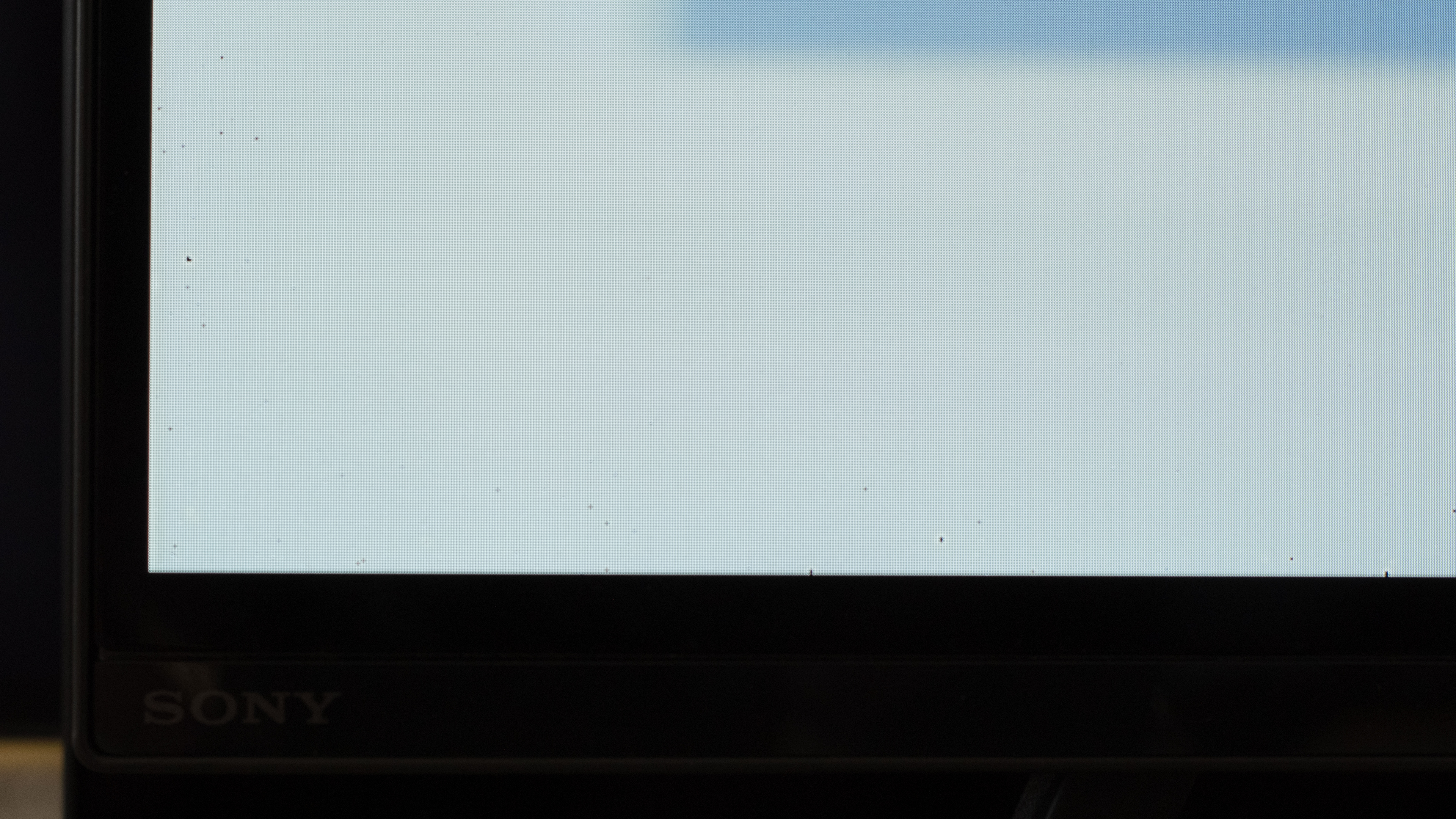 |
Severe (Dead pixels all over the contour of the panel) |
| LG B2 OLED | 2022 | 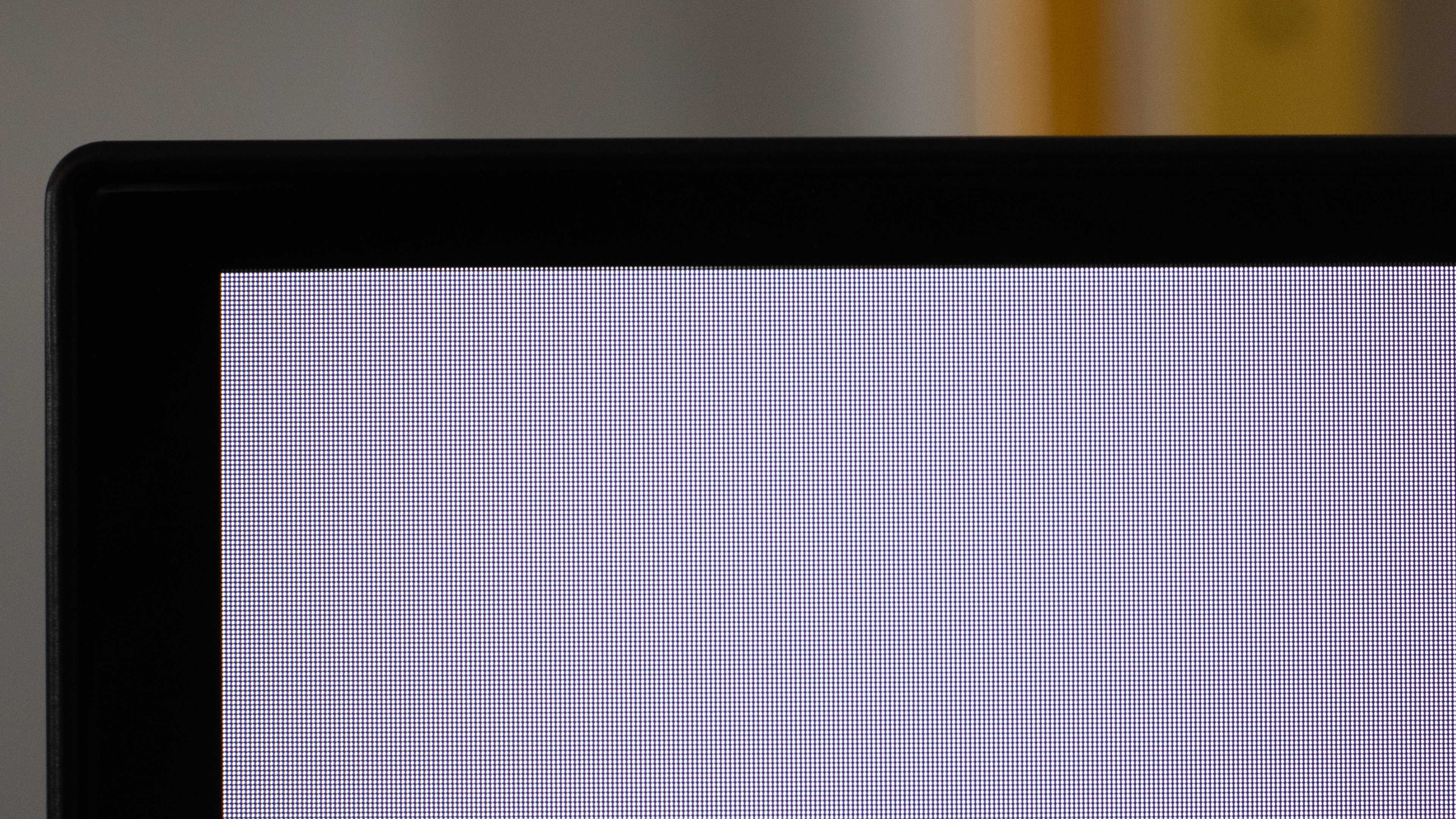 |
Mild (Left side of the top row of pixels appears to be dying, not very noticeable) |
Newer-gen WBE Panels Weren't Immune to Edge Rot
Edge rot was also found in five out of six TVs released between 2021 and 2022 equipped with newer WBE WOLED panels. These panels are a newer generation of WOLED panels that use deuterium in their OLED emissive layer, making them more resistant to wear, degradation, and burn-in.
The Sony A90J was classified as severe, while the LG G1 and G2 flagships experienced less, but still significant, edge rot. The LG C2 and Sony A90K only had mild issues. The LG G3 OLED flagship had no edge rot whatsoever, and aside from burn-in from running CNN for 18,000 hours, its panel was in perfect condition, with no dead pixels or other visible issues, which is highly encouraging for panels manufactured from 2023 onwards. The G3 compared very favorably to the QD-OLEDs in our test.
| WBE Panel-Equipped WOLED TV Model | Year | Edge Rot Detail | Edge Rot Severity |
|---|---|---|---|
| LG G1 OLED | 2021 | 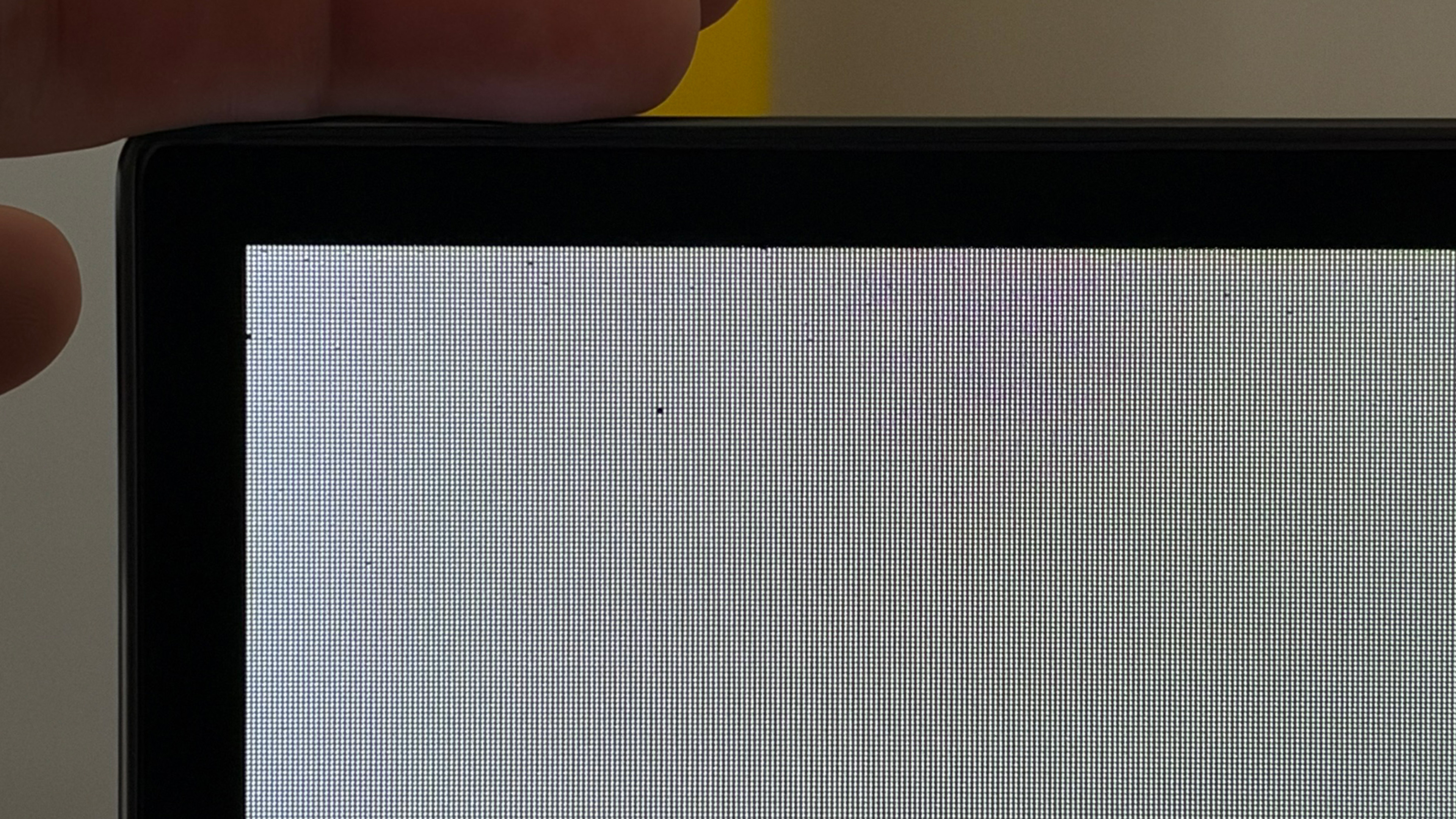 |
Significant (Dead pixels around the edges of the panel) |
| Sony A90J OLED | 2021 | 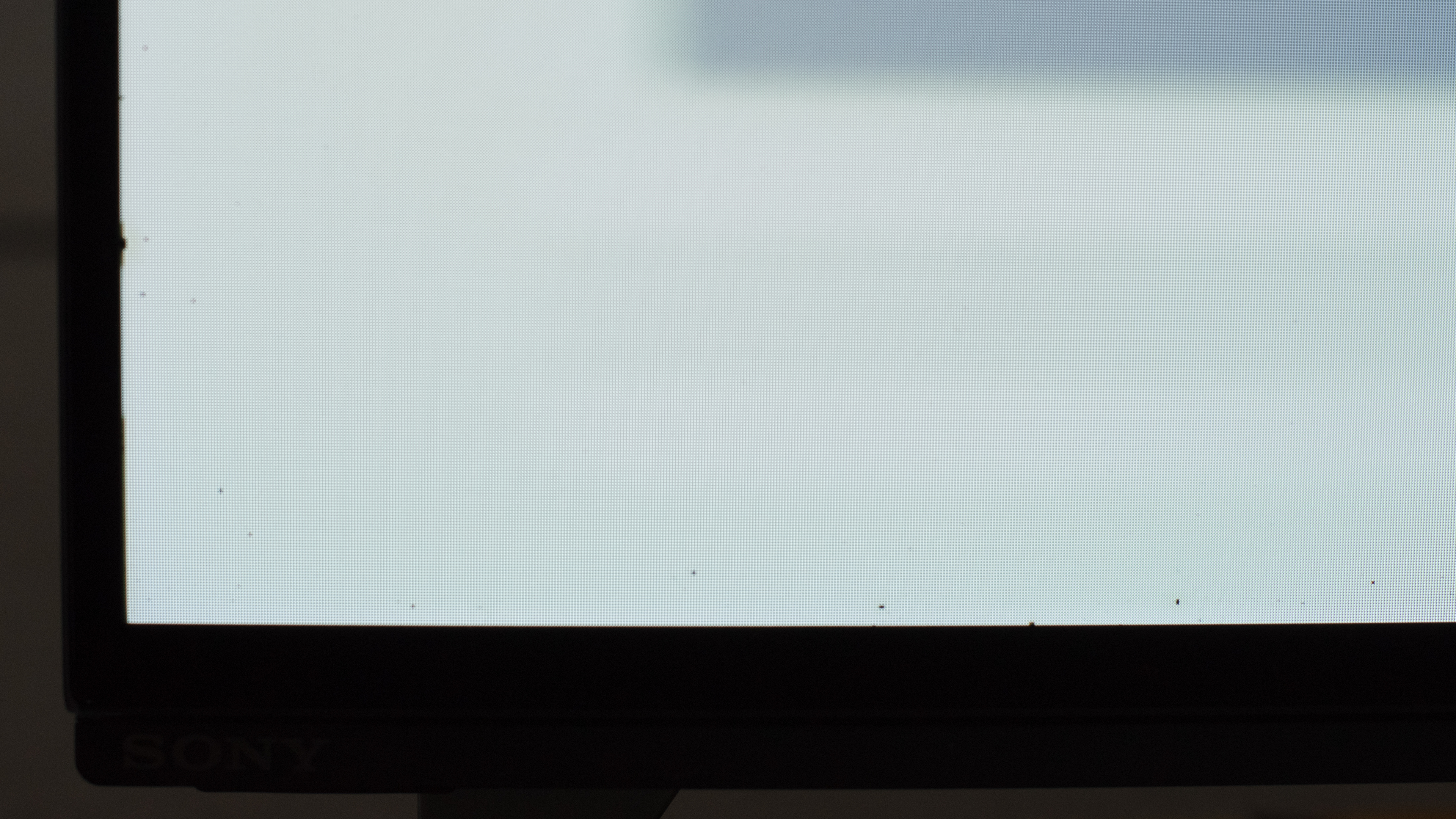 |
Severe (Multiple dead pixel clusters around the edges of the panel) |
| LG C2 OLED | 2022 | 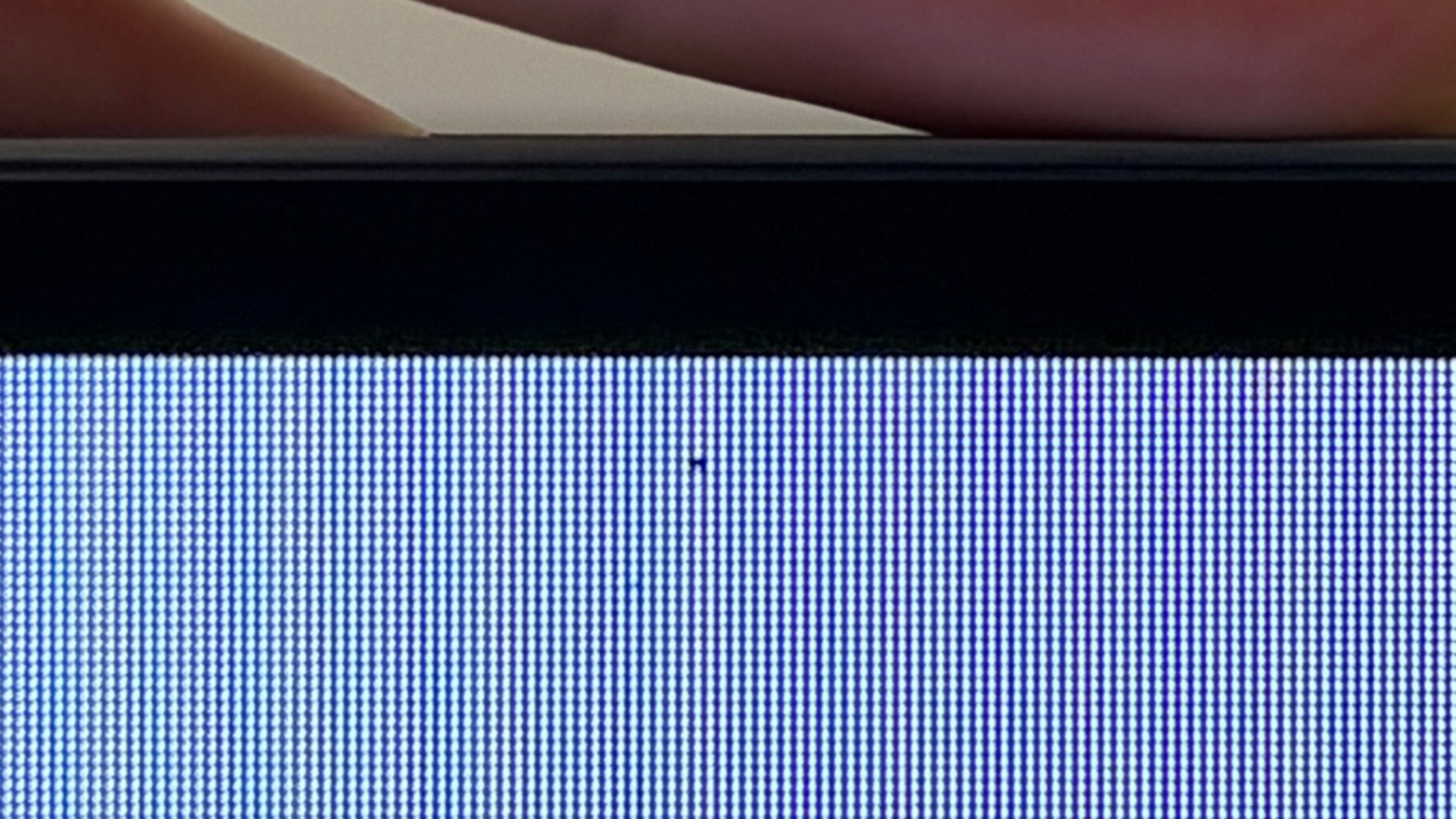 |
Mild (Very few dead pixels) |
| LG G2 OLED | 2022 | 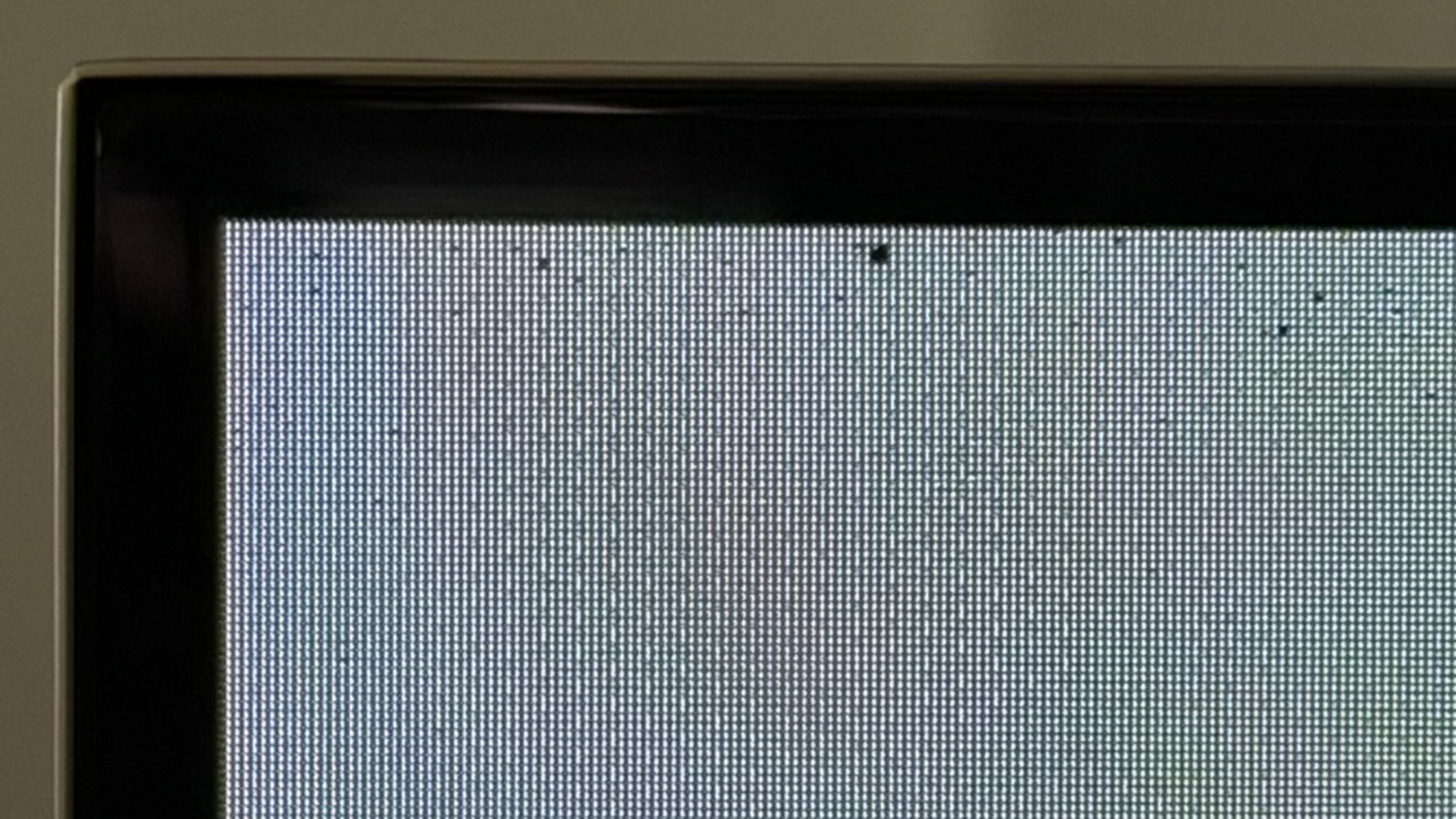 |
Significant (Large amount of dead pixels around the edges of the panel) |
| Sony A90K OLED | 2022 | 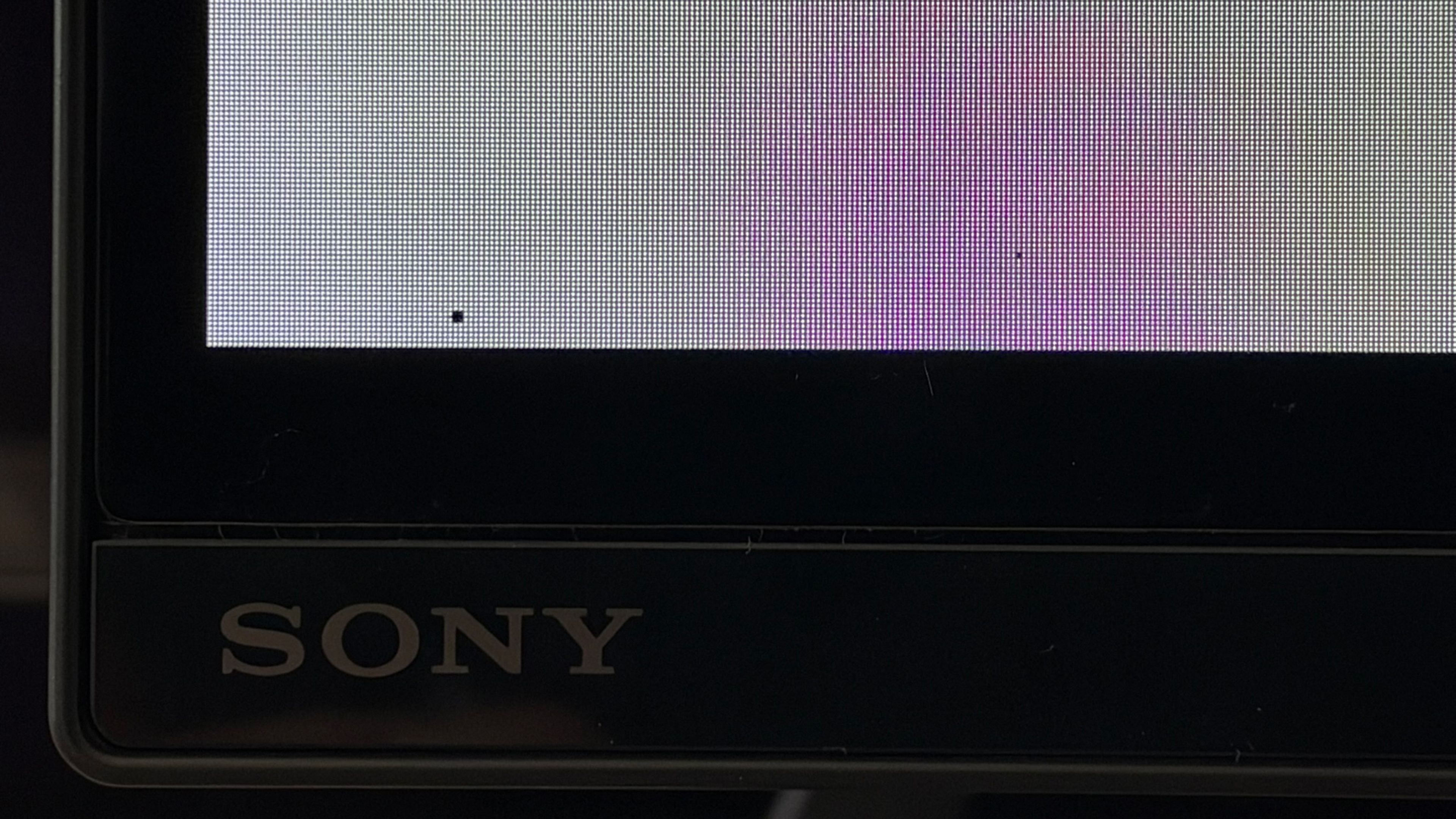 |
Mild (Very few dead pixels) |
The difference in severity between WBE and WBC panels is worth highlighting: eight of ten WBC units were classified as significant or severe, compared with three of six WBE units. That is an encouraging difference within our sample, but it's unclear to us at this time if the differences are due to improvements in the manufacturing processes of these panels or simply because they haven't aged enough, relative to most other WBC models in our test.
No Edge Rot in Our Three Tested QD-OLED Units
The Samsung S95B, Sony A95K, and Samsung S95C QD-OLED TVs in our test showed no edge rot whatsoever, and we couldn't find a single dead pixel on them, either. While this is certainly encouraging, we want to stress that three units are too few to establish with 100% certainty that QD-OLED is immune to the risk of developing edge rot over time. QD-OLED is also newer to the market, so its long-term track record remains more limited from our perspective.
| QD-OLED TV model | Year | OLED Panel | Edge Rot Severity |
|---|---|---|---|
| Samsung S95B OLED | 2022 | QD-OLED (1st Gen) | None |
| Sony A95K OLED | 2022 | QD-OLED (1st Gen) | None |
| Samsung S95C OLED | 2023 | QD-OLED (2nd Gen) | None |
Currently, there doesn't seem to be any reports online of QD-OLEDs experiencing edge rot. This is likely due to differences in the manufacturing processes used to make QD-OLED panels. As of November 2026, we're not exactly sure what is different in the manufacturing of WOLEDs versus that of QD-OLEDs that could explain this difference.
While online reports about this being an issue on QD-OLEDs appear to be absent, a lack of online reports doesn't establish that a technology is inherently unaffected by an issue.
OLED Monitors
We only had three OLED monitors on our Accelerated Longevity test, which is a tiny sample size. Still, we reviewed them for edge rot. The monitors are listed below:
- Dell Alienware AW3423DWF (QD-OLED)
- LG 27GR95QE-B (WOLED)
- Samsung Odyssey OLED G85SB S34BG85 (QD-OLED)
We're happy to report that none of the monitors in the test experienced any edge rot.
We want to hear from OLED monitor users: have you experienced edge rot or similar issues? Let us know in the comment section of this article, or, if you like, via our Discord channel or by emailing feedback@rtings.com.
The Main Causes Of Edge Rot
The visible patterns left by edge rot (dead pixel clusters and edge pixel degradation) appear to have different root causes. From our knowledge stemming from discussions with industry experts, we believe that it might be due to contamination during the manufacturing process or defects in the encapsulation or the degradation of the latter in some OLED displays, or both, and perhaps other mechanisms still unknown to us.
It's well understood that OLED materials can be damaged by exposure to external elements, notably moisture. Protective barriers help keep them out, but defects in those barriers can allow them to penetrate over time, causing localized degradation and dark spots. Experimental OLED encapsulation research supports this general mechanism, but it doesn't establish with certainty what caused the defects in our TV sample and what users have reported online. Confirming their cause would require specialized failure analysis, including microscopic inspection of the panel's internal layers, which is beyond our current testing capabilities.
Beyond the potential for the delamination of an OLED panel's encapsulation, we've learned that if contaminants get stuck in the OLED panel during manufacturing, they can eventually lead to the impacted pixels dying out.
One important distinction we need to make relative to the causes of edge rot is the difference between operating hours and calendar age. Evidence from our test suggests that the time since a panel has been manufactured (calendar hours) comes into play for edge delamination, while operating hours on the TV appear to be the main contributor to pixels dying out over time when there are no obvious signs of delamination of the encapsulation layer near the panel edges. This could explain why most of the recent WOLEDs in our test that have edge rot appear to be suffering from pixel failures and don't seem to show signs of encapsulation delamination near their edges, but there's also the possibility that the manufacturing processes of the panels have improved, reducing the likelihood of the issue taking place.
We have reached out to both LG Display (WOLED) and Samsung Display (QD-OLED) with questions regarding our observations and have invited them to provide statements regarding our results, which we're sharing with you as an annex at the end of this article.
What Our Results Mean For Current And Prospective OLED Owners
Edge rot is only one part of the reliability equation for OLED TVs. In practice, the TVs remain usable while developing these visible defects, so it's important to contextualize edge rot within our broader longevity results, which show OLED TVs to have the fewest complete failures overall, aside from burn-in, when compared to LCDs. We still consider WOLEDs to be a great pick for overall reliability.
It's also important to keep in mind that edge rot doesn't appear to be preventable by user intervention, including watching varied content. It's an issue that appears to have everything to do with OLED panel design and manufacturing, and not how you use your TV.
In our TV Test Bench 2.3.1, we have introduced our Panel Reliability Risk Factors test, which powers our Expected Reliability score now available at the top of our TV reviews. We'll be continually reassessing our scoring as new evidence emerges on whether edge rot is a thing of the past or an ongoing issue.
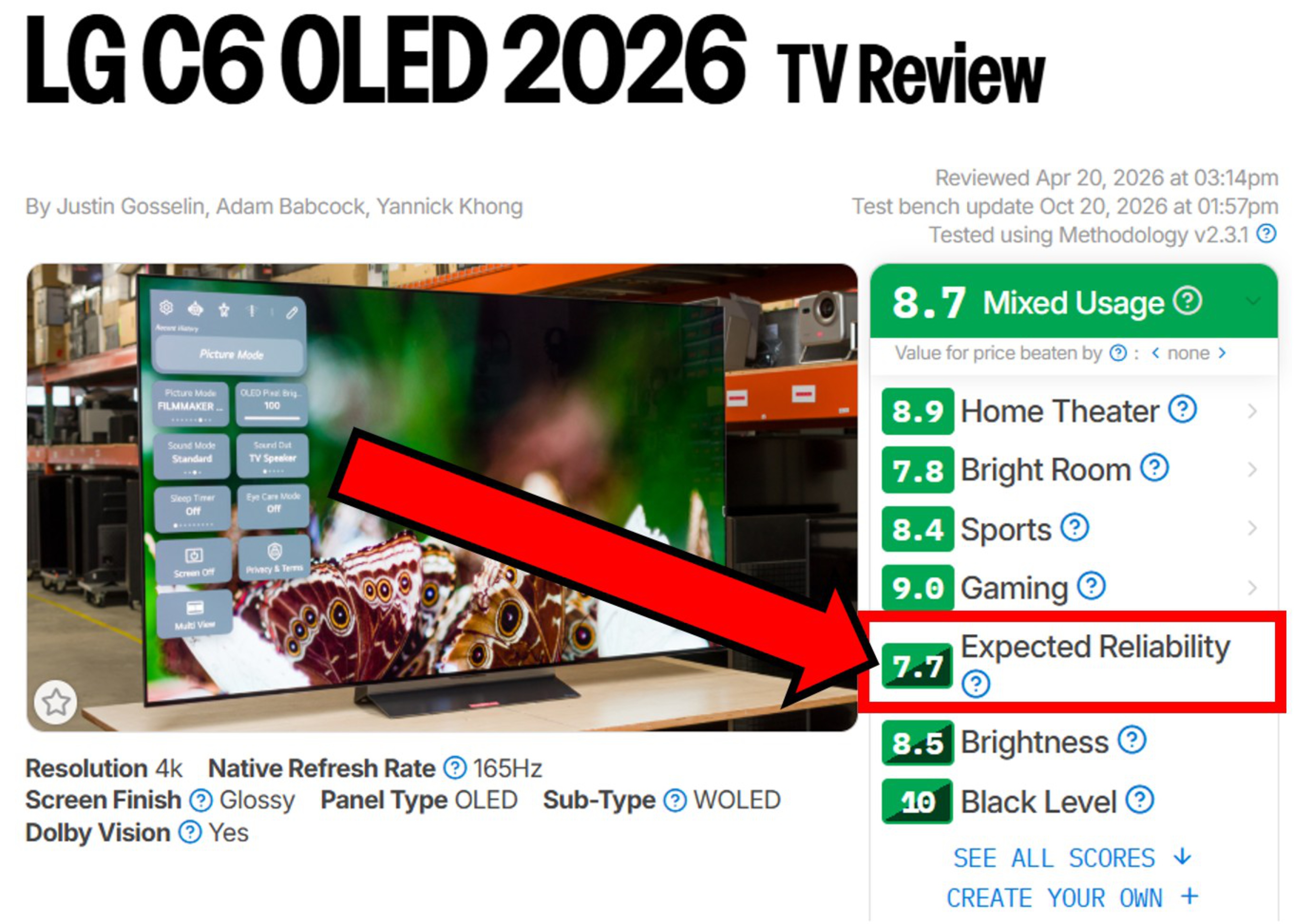
The results from our 18,000-hour Accelerated Longevity Test pushed us to consider how widespread the edge rot issues have been on WOLED panels produced up to 2022 in our Expected Reliability scoring, which is why they score slightly lower than their QD-OLED peers.
Our Stance On OLED Reliability
We currently consider that WOLED panels manufactured by LG Display have a higher chance of experiencing pixel failures over the long term than OLED panels from other manufacturers. These results are indicative of how WOLEDs have performed in the past. They don't indicate whether the current generation of panels from LG Display, notably Tandem RGB WOLED, will be subjected to the same issues. This being said, there are indications that panels manufactured from 2024 onwards have had substantial changes that should guard against this issue. Still, we prefer to err on the side of caution in our reliability assessment for the time being, as these panels are still relatively new and, in the past, edge rot typically takes years to appear. Again, our longevity test results show that, burn-in aside, OLEDs overall are more reliable than LCD TVs in the long term.
Due to the absence of evidence of edge rot being an issue for QD-OLEDS, they score marginally higher for Expected Reliability. While we only tested three models as part of our previous longevity test, none of them had any dead pixel issues. Furthermore, discussions in online forums don't currently point to QD-OLEDs suffering from edge rot.
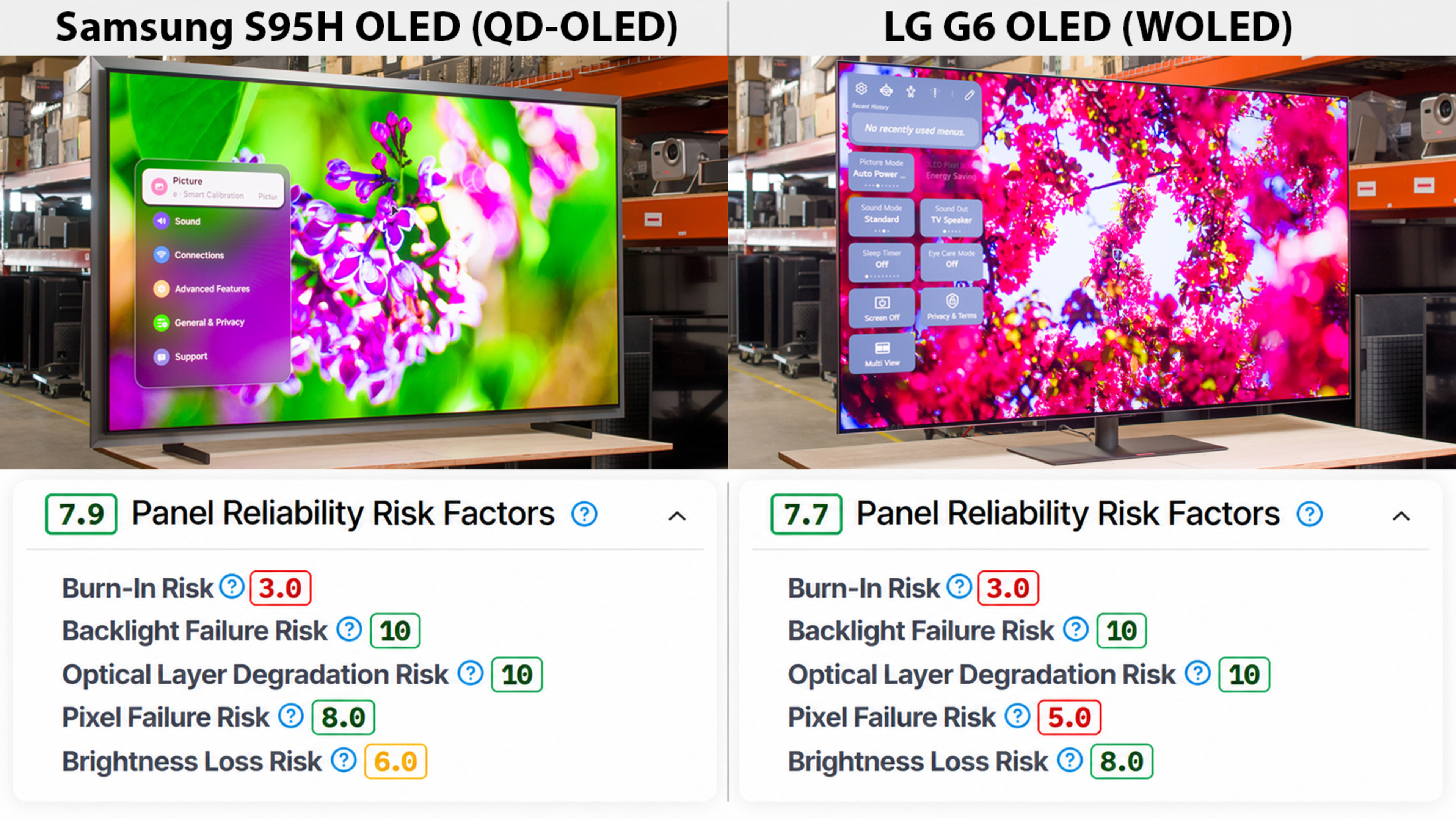
It's worth noting, however, that QD-OLEDs are relatively new to the market compared to WOLEDs. We're monitoring how they fare over time and will update our test results if it's found that they're subjected to the same issues.
What We Are Testing Next
Our ongoing Longevity 3.0 test will help us investigate whether newer OLED panels show the same symptoms. The OLED TVs currently being tested in our new longevity test are listed in the table below.
| TV Model | Year | OLED Panel |
|---|---|---|
| LG C6 OLED (48") | 2026 | WOLED (RGB Tandem) |
| LG C6 OLED (65") | 2026 | WOLED (WBE) |
| LG G6 OLED | 2026 | WOLED (RGB Tandem) |
| Samsung S95H OLED | 2026 | QD-OLED (EL 3.0) |
| LG C5 OLED (42") | 2025 | WOLED (WBE) |
| LG C5 OLED (65") | 2025 | WOLED (WBE) |
| LG G5 OLED | 2025 | WOLED (RGB Tandem) |
| Samsung S90F OLED | 2025 | QD-OLED (EL 3.0) |
| Samsung S95F OLED | 2025 | QD-OLED (EL 3.0) |
Alongside burn-in testing, we'll track whether edge defects appear and how they evolve over time. We expect that our testing will provide insights on how newer panel designs resist these issues, notably LG Display's RGB Tandem WOLED technology.
Thank You To Our Members
We buy the products we test ourselves and keep them so we can investigate emerging problems over time. We don't publish sponsored content or work on behalf of manufacturers. That independence allows us to pursue investigations like this one and share our raw, non-sugarcoated results. Your support makes all of this work possible. From everyone at RTINGS.com, thank you!
If there are issues or topics you'd like us to investigate, you can reach us in the comment section below, through our Discord, and also by emailing us at feedback@rtings.com.
If you're not currently a RTINGS.com member and would like to support us on our mission to provide unbiased product reviews and investigations, you can join here: become a RTINGS.com member. Beyond having access to all of our test results, members have exclusive perks such as access to exclusive deals on product purchases and the possibility to enter draws for a chance to win our review units once they're no longer needed for testing.
Manufacturer Statements
As part of our journalistic integrity guidelines, we have asked for comments on the issue three days before publication to the two major OLED display manufacturers, LG Display (WOLED) as well as Samsung Display (QD-OLED).
LG Statement
"LG Electronics and LG Display are aware of the phenomenon referenced by RTINGS and have found that it may occur in a very small number of OLED products under prolonged exposure to high-temperature, high-humidity, or other harsh environmental conditions.
LG OLED products are designed to deliver exceptional picture quality and reliability, and this phenomenon is not expected under normal everyday viewing conditions. Consistent with our longstanding commitment to product quality and reliability, LG continuously enhances OLED panel design and manufacturing processes to strengthen long-term performance and deliver the viewing experience customers expect from LG OLED products."
Samsung Display Statement
"Our QD-OLED reliability stems directly from decades of high-volume manufacturing discipline. By leveraging the deep technical expertise gained through mass-producing small and medium-sized OLEDs over a long period, Samsung Display successfully developed and implemented advanced Thin Film Encapsulation (TFE) technology. This proprietary architecture effectively blocks moisture ingress right at the edge of the panel—eliminating the root cause of border degradation and ensuring long-term edge-to-edge uniformity where traditional structures falter."