Our Verdict
The Sennheiser HD 4.50 are alright headphones for mixed usage. Their sound profile is fairly well-suited to most genres, though some may find it lacks a fair amount of detail and brightness. Their thick padding is decently comfortable, though they clamp the head fairly tight - still, this helps them feel very stable. Their 22-hour battery life is great, and their ANC works decently well, though it doesn't help much with the low rumble of bus or plane engines.
- Great battery life.
- Stable fit.
- Tight fit isn't the most comfortable.
- No longer has a dedicated companion app for customization.
- ANC is only decent.
The Sennheiser HD 4.50 are okay for neutral sound listening. While their sound profile is fairly well-balanced in the bass range, they're fairly overemphasized in the high-mid range which may cause some instruments and vocals to be honky and harsh. Their treble range is also very recessed, causing a lack of detail and brightness. While they used to have a companion app with EQ settings, Sennheiser has removed this app, and its replacement isn't compatible with these headphones. As with most closed-back headphones, their soundstage is closed and is perceived as being inside the listener's head.
The Sennheiser HD 4.50 are decent headphones for commuting or travel. Their 22-hour battery life should easily get you through most flights, and they come with a basic soft case to give them some protection while traveling. Unfortunately, while they have ANC, it doesn't work that well against the low rumble of bus or plane engines. They also may be slightly uncomfortable during extended periods as they clamp the head quite tightly.
The Sennheiser HD 4.50 are decent headphones for sports. Like most closed-back over-ears, they don't breathe very well and will likely cause you to sweat more than usual. On the bright side, since they clamp fairly tight on the head, they feel stable and won't move around too much even during somewhat strenuous workouts.
The Sennheiser HD 4.50 are decent for office use. They don't leak much at regular or high volumes, and their ANC does a good job of blocking out chatty coworkers. Their 22-hour battery will easily last a few full work days, but unfortunately, they might be slightly uncomfortable after long listening sessions.
The Sennheiser HD 4.50 are Bluetooth headphones and aren't recommended for wireless gaming. They aren't compatible with Xbox One or PS4 with a wireless connection. While you can connect them to a Bluetooth-enabled PC, they have high latency and a mediocre microphone.
The Sennheiser HD 4.50 aren't recommended for wired gaming. While they plug into the controller of an Xbox One or a PS4, they're audio-only, so you can't speak to your teammates.
The Sennheiser HD 4.50 are only okay for phone calls. Like with most Bluetooth headphones, their microphone recording quality is mediocre-at-best, and the person on the other end of the line will have a hard time hearing you in noisy situations. On the upside, you can answer or hang up phone calls with the buttons on the headphones themselves.
Changelog
- Updated Feb 05, 2020: Converted to Test Bench 1.4.
- Updated Nov 21, 2019: Converted to Test Bench 1.3.1.
- Updated Nov 21, 2019: Converted to Test Bench 1.3.
- Updated Dec 04, 2018: We've updated wired connectivity. The HD 4.50 does not have audio over USB.
Check Price
Popular Headphones Comparisons

The Sennheiser HD 4.50 are decent mixed usage headphones but offer slightly fewer features than the similarly-designed Sennheiser PXC 550 Wireless. Unfortunately, their build quality isn't as good as some of the other wireless over-ears we've tested, and they're a little tight on the head so they won't be as comfortable as some other options. See our recommendations for the best wireless headphones, the best noise cancelling headphones under $200, and the best noise cancelling headphones.
The Sennheiser PXC 550 Wireless are better headphones with more features than the Sennheiser HD 4.50. The PXC 550 have a more comfortable fit, touch-sensitive controls, a longer battery life, a better-balanced default sound profile, and more control over their audio profile and noise cancelling. On the other hand, the HD 4.50 have a slightly better isolation performance, thanks to their tighter over-ear fit.
The Sennheiser HD 4.50 BTNC are marginally better than the Sony WH-XB900N. They have a more neutral sound profile, but the XB900N are more comfortable and have a better control scheme. The Sennheisers can be connected to two devices simultaneously and have a better ANC feature as well. On the other hand, the Sonys feel slightly better made and have a dedicated companion app with access to a graphic EQ.
The Sennheiser HD 4.50 are a somewhat better wireless headset than the Sony WH-CH700N. The Sennheisers have much better noise isolation and would be more suitable for commuting and noisy environments. The HD 4.50 also leak a little less, so you won't distract your colleagues. On the other hand, the WH-CH700N are a bit more comfortable, have a slightly more balanced sound, and a longer battery life.
The Sennheiser HD 4.50 BTNC are better headphones than the Sony MDR-XB950N1 Wireless. The Sonys have a very dark sound profile and their ANC feature is quite disappointing. On the upside, they have slightly longer battery life, but they take twice as much time to charge as the HD 4.50. The HD 4.50 can also connect to two devices simultaneously.

We've upgraded our Headphones Test Bench to 2.0! This update brings several key changes to our tests and usages, making it easier than ever to interpret our sound results based on your personal preferences. You'll also find a brand-new interactive graph tool featuring multiple targets (including our own!) for you to explore and compare.
For a full breakdown, check out our changelog, which includes detailed commentary from our test designer explaining the rationale behind our update.
We'd also love to hear your thoughts: your feedback helps us keep improving, so join us in the comments!
Test Results
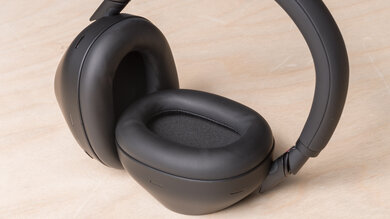
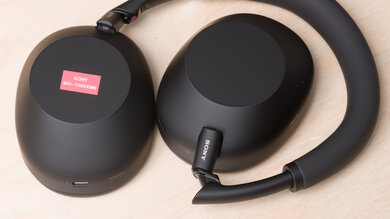
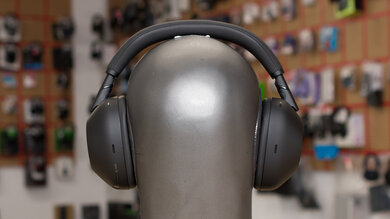
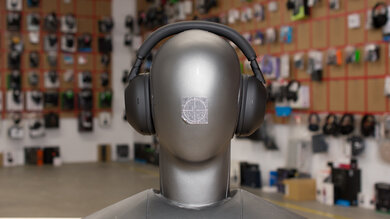
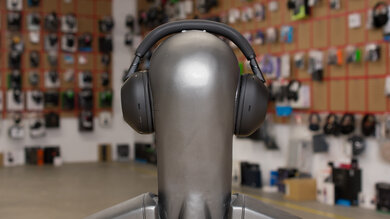
The Sennheiser 4.50 look like a more budget version of the Sennheiser PXC 550. They have differently shaped ear cups and have a significantly thinner headband, but they keep the same matte color scheme and polished Sennheiser design. Unlike the PXC 550, the HD 4.50 ear cups feel a little bland since there's no branding. They're not very fashion-forward headphones, but their understated and minimal over-ear design may appeal to some.
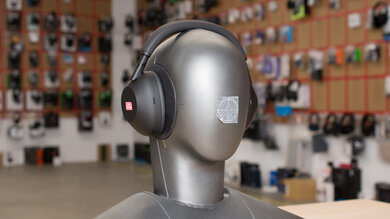
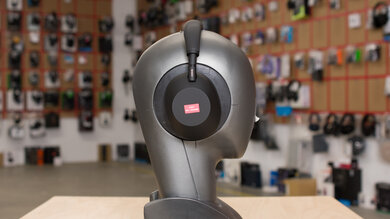
The Sennheiser 4.50 are decently comfortable and well-padded headphones that feel a bit tight on the head. They're fairly lightweight with ear cups that fit comfortably around most ears. The padding on the ear cups is thick and soft, but the headband lacks a bit more cushion. Unfortunately, these headphones clamp the head quite a bit which may cause discomfort during long listening sessions.
The Sennheiser HD 4.50 have a mediocre control scheme. While they provide call/music, track skipping, volume controls, and ANC control, they feel cramped and unresponsive. You only get visual feedback from the LED, and there's no audio feedback when they're on your ears, so you may not know when you've turned the ANC on or off. The track skipping toggle and play/call button is a little recessed and not as responsive as some of the other headphones we've reviewed with a similar control scheme.
These headphones aren't very breathable. They have a tight fit and a decent seal around your ears which obstructs a good amount of airflow. They should be okay for casual listening and most use cases but will likely cause your ears to sweat during more demanding activities like running and exercising.
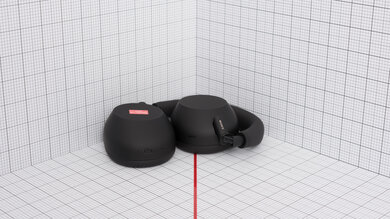
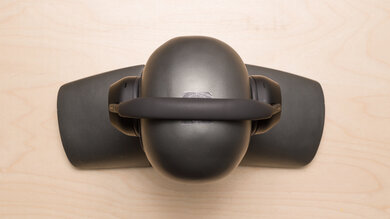
The Sennheiser 4.50 BTNC are decently portable headphones. They fold to take less space when you're carrying them around in their case. However, they're still a bit cumbersome to carry around on your person without a bag due to the relatively large ear cups.
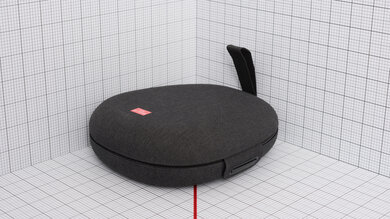
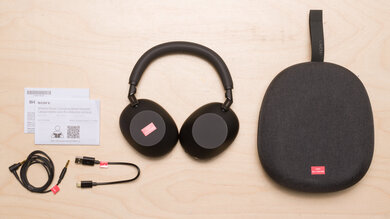
The Sennheiser HD 4.50 come with a soft case that won't do much to protect the headphones against impacts or drops. On the upside, it's large enough to fit all the accessories and will help to shield the headphones from scratches and scuffs when in your bag.
The build quality of the Sennheiser 4.50 is decent. The ear cups are made from a dense plastic, and the headband is relatively thin and flexible, though it's reinforced by a metal frame. Overall, they should be able to withstand a few accidental bumps or drops, but don't feel as durable as headphones with more metal in their build.
The Sennheiser HD 4.50 BTNC Wireless headphones have a stable wireless design that shouldn't easily fall off your head. While they won't be the best choice for exercising or intense sports (see our recommendations for the best over-ear headphones for working out), they should be stable enough for some light workouts or jobs. The wireless design also removes the chances that the headphones will be yanked off your head because the audio cable got hooked on something.
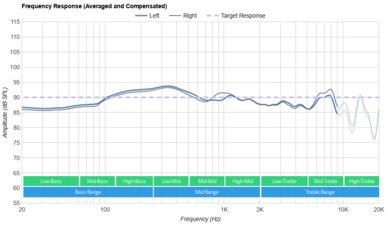
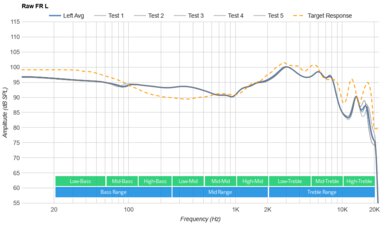
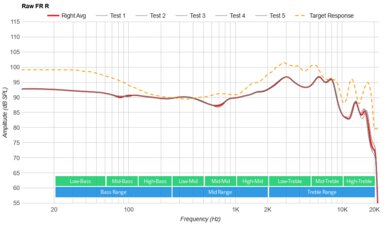
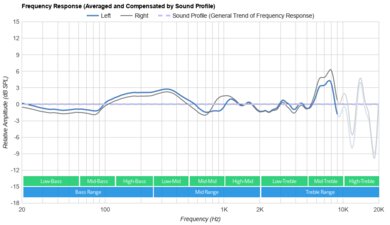
The sound profile of these headphones is somewhat well-balanced, though they lack detail and brightness. They aren't too bass-heavy, however, and should be well-suited to warmer-sounding genres like classic blues or hip-hop.
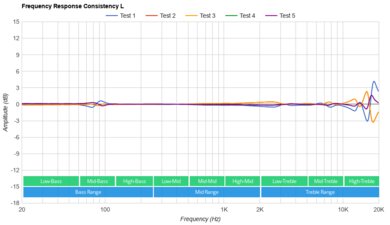
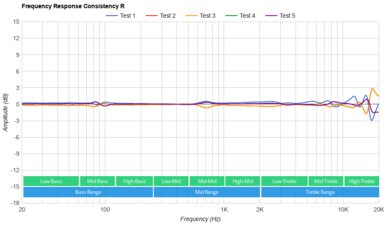
The frequency response consistency of these headphones is decent. Most people should experience their sound reproduction the same way, though you may need to slightly adjust them to get the same treble response every time you wear them.
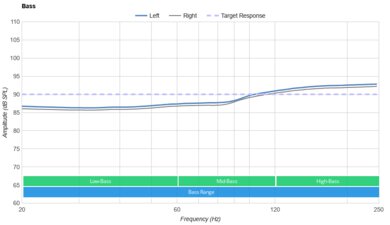
The Sennheiser HD 4.50 BTNC have excellent bass accuracy. The entire range is even and only slightly over-emphasized. This brings a bit of excess thump and kick to their bass which shouldn't be overpowering or boomy.
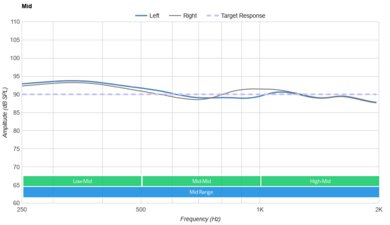
The mid-range accuracy is good. Low-mid and mid-mid are well-balanced and accurate, which is important for the clear reproduction of vocals and lead instruments. High-mid, however, is quite overemphasized, bringing excess intensity and harshness to leads and vocals.
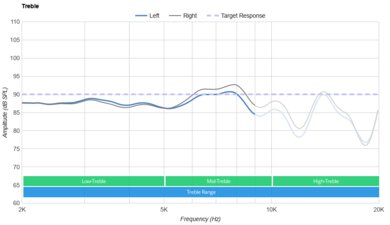
The treble accuracy of the Sennheiser 4.50 is disappointing. Low-treble maintains the harshness of the mids, while the rest of the treble range is quite underemphasized, which will cause a lack of detail and brightness.
The peaks and dips performance of the Sennheiser HD 4.50 is alright. The peak in high-mid followed by a sharp dip in low-treble causes vocals and instruments to sound especially honky and harsh as they lack detail and clarity.
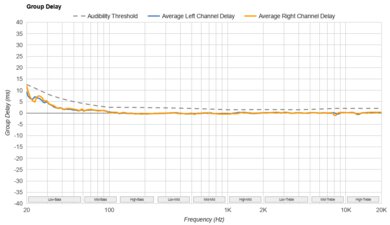
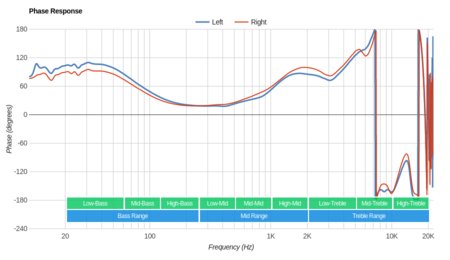
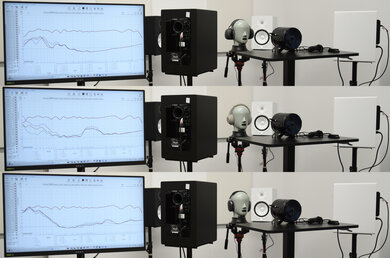
The Sennheiser HD 4.50 have great imaging. The GD graph shows that the group delay response is almost entirely below the audibility threshold, resulting in a tight bass and a transparent treble reproduction. Additionally, the L/R drivers of our test unit were exceptionally well-matched in frequency, amplitude, and phase response, ensuring accurate placement and localization of objects (voices, instruments, video game effects) in the stereo field. It's worth noting that these results are only valid for our unit and yours may perform differently.
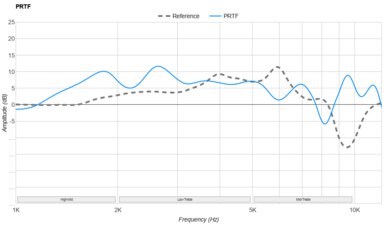
The passive soundstage of the Sennheiser HD 4.50 is poor. The PRTF graph shows an inadequate amount of pinna activation with low accuracy, suggesting a soundstage that will be perceived as small and located inside your head.
These headphones don't have any virtual soundstage features.
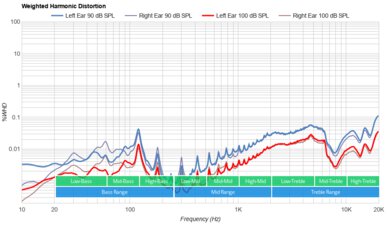
The weighted harmonic distortion of these headphones is decent. While there may some artifacts and distortion at higher volumes, it likely won't be too noticeable to most people.
These are the settings used to test these headphones. Our results are only valid when these headphones are used with these settings. We were unable to determine the firmware of these headphones; if you know where to find it, please let us know in the discussions.
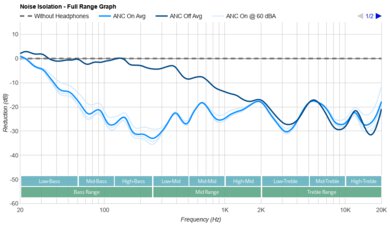
The isolation performance is decent. While these headphones have an ANC feature, unfortunately, it doesn't work as well as some higher-end options, like the Sennheiser Momentum 3 Wireless. While it does a good job of blocking out background chatter, it doesn't help much at blocking out the low rumble of bus or plane engines.
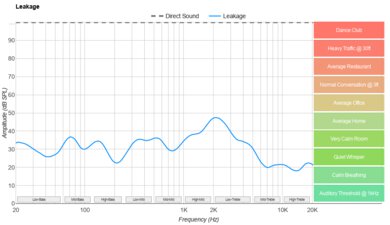
The leakage performance of these headphones is great. It's noticeably quieter than the noise floor of an average office, so you should be able to listen to your music at fairly high volumes without bothering those around you.
These headphones have an integrated microphone.
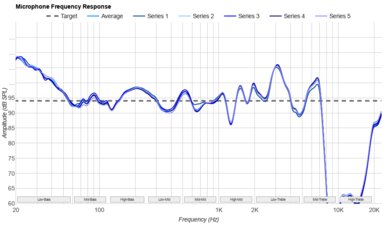
The recording quality of the mic is sub-par. Voices transmitted or recorded sound relatively thin and noticeably muffled and lacking in detail.
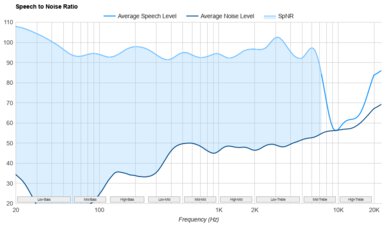
The noise handling of the microphone is decent. It's easy to hear your voice in even moderately loud environments, though it'll get lost in very noisy situations.
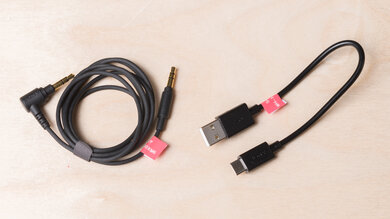
The Sennheiser HD 4.50 have a good overall battery performance. While their 22.3-hour battery life is great, unfortunately, they don't have a power-saving feature to help conserve battery. On the upside, they can be used passively by plugging them in with the included 1/8" audio cable, which is great if they die on you in the middle of a long flight or workday.
Unfortunately, the Sennheiser companion app for these headphones, known as CapTune, is no longer available. The replacement app, Sennheiser Smart Control, isn't compatible with these headphones. If you still have CapTune on your phone it might continue to function, but it's no longer possible to download it.
The Sennheiser HD 4.50 BTNC are Bluetooth 4.0 headphones that can pair simultaneously with two devices and support NFC for quick and easy pairing. They support aptX, but their latency likely is still too high for most people to watch videos or play games. It's worth noting that some apps and devices seem to compensate for latency, so your mileage may vary in real-life usage.
These headphones only connect wirelessly via a Bluetooth connection.
These headphones come with a 1/8" TRS audio cable that doesn't have an in-line mic like the Sennheiser PXC 550 Wireless, so they won't have a mic compatible with the Xbox One, PS4, and PCs.
While you can plug these headphones into a PC or the controller of a PS4, they will only transmit audio and you can't use the microphone.
While you can plug these headphones into the controller of an Xbox One, it'll only transmit audio and you can't use the microphone.
These headphones don't have a base/dock. If you want a versatile headset with a base that you can also use wired, check out the SteelSeries Arctis 7 2019 Edition Wireless.