SteelSeries Arctis 7 2019 Edition Wireless  Headphones Review

Review updated Mar 09, 2021 at 01:19pm
Writing modified Aug 06, 2021 at 11:35am
Tested using Methodology v1.5 
SteelSeries Arctis 7 2019 Edition Wireless
7.5
Neutral Sound 
5.8
Commute/Travel 
6.3
Sports/Fitness 
6.9
Office 
7.3
Wireless Gaming 
7.9
Wired Gaming 
7.1
Phone Calls 
 1
Notice: These headphones were replaced by SteelSeries Arctis 7+ Wireless

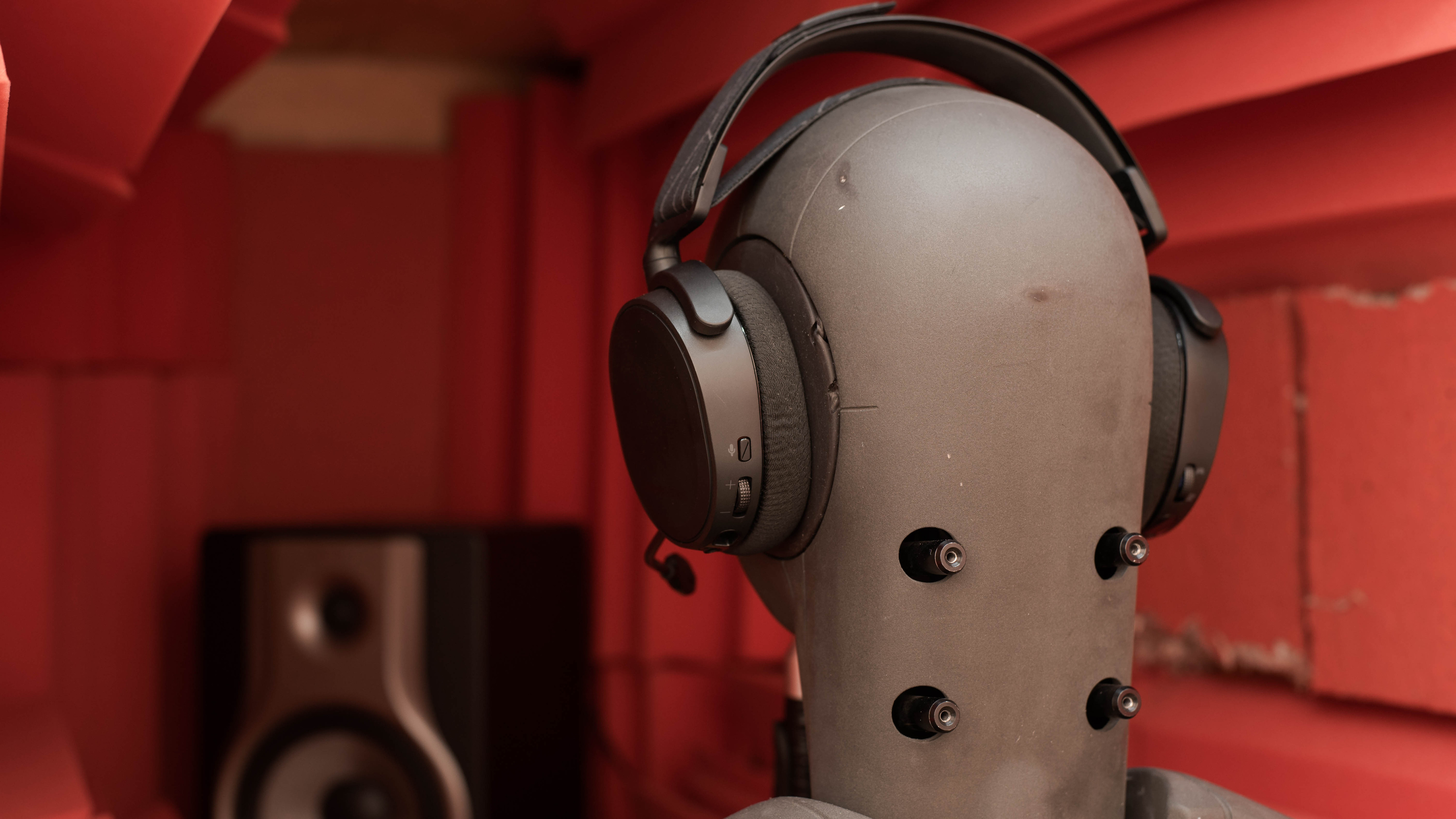
The SteelSeries Arctis 7 2019 Edition Wireless are gaming headphones with a long 25-hour battery life. They're the next generation of the SteelSeries Arctis 7 Wireless 2017 headphones and have slightly thicker padding that can help you stay comfortable during long gaming sessions. On the downside, they have high audio latency and can sound different depending on who's wearing them. However, the unique ski-band headband can be adjusted to give you the best fit possible, and the companion software gives you access to a great graphic EQ to further fine-tune your listening experience.

Our Verdict

7.5
Neutral Sound 

The SteelSeries Arctis 7 are decent for neutral sound. Their bass and treble delivery depend on their fit, seal, and positioning on your head. It's possible to get closer to a more neutral sound profile if you take the time to adjust their headband a bit though. That said, their default sound profile is a bit boomy and sharp. You can also tweak the way they sound to better suit your needs using their companion software's graphic EQ.

Pros
  • Great companion software with many customization options.
Cons
  • Inconsistent audio delivery.
5.8
Commute/Travel 

The SteelSeries Arctis 7 are sub-par for commuting. They don't really reduce bass-heavy noise like bus or plane engines. They're comfortable headphones but not very portable and don't fold, which is less than ideal for travel. If you want to use them wirelessly, you also need to have your laptop handy as you need their transmitter. That's not an issue if you want to use them wired, however. On the upside, they have an excellent continuous battery life of roughly 25 hours.

Pros
  • Comfortable and stable.
  • Excellent continuous battery life.
Cons
  • Slightly bulky design.
  • Poor noise isolation performance.
  • May be less comfortable for people with bigger ears or heads.
6.3
Sports/Fitness 

The SteelSeries Arctis 7 are passable for sports. Their fairly tight and secure fit is comfortable, but their bulky design makes them less portable. They're also somewhat breathable, but you might still notice a rise in temperature around your ears, especially while exercising. Still, they're a gaming headset and aren't designed for sports.

Pros
  • Comfortable and stable.
  • Excellent continuous battery life.
Cons
  • Slightly bulky design.
  • Not extremely breathable.
6.9
Office 

The SteelSeries Arctis 7 are fair for office use. While they're comfortable to wear, they won't isolate you from much of the noise around you. On the plus side, your co-workers around you shouldn't hear much of your music even if you turn it up. Their battery life also is more than enough to get you through the workday and they can be used passively.

Pros
  • Comfortable and stable.
  • Excellent continuous battery life.
Cons
  • Poor noise isolation performance.
  • May be less comfortable for people with bigger ears or heads.
7.3
Wireless Gaming 

The SteelSeries Arctis 7 are decent for wireless gaming. Their ski-band headband and soft, padded ear cups are comfortable enough for long gaming sessions, and long continuous battery life means you don't have to worry too much about prematurely pausing your gameplay. They have a bendy boom microphone that does a great job of capturing your voice clearly, even in noisy environments. Unfortunately, they have high latency. They can also sound different depending on who's wearing them, but the companion app offers presets and a graphic EQ so you can customize the sound profile.

Pros
  • Great mic performance even in noisy environments.
  • Comfortable and stable.
  • Excellent continuous battery life.
Cons
  • Inconsistent audio delivery.
  • May be less comfortable for people with bigger ears or heads.
  • High non-Bluetooth audio latency.
7.9
Wired Gaming 

The SteelSeries Arctis 7 are very good for wired gaming. They're comfortable, have virtually no audio lag when wired, and the microphone clearly captures your voice, even in more noisy environments. You can use the companion software to find the right sound profile for you. On the downside, they can sound different depending on who's wearing them so it's important to get a proper fit and seal to ensure you get a consistent sound.

Pros
  • Great mic performance even in noisy environments.
  • Excellent continuous battery life.
Cons
  • Inconsistent audio delivery.
  • May be less comfortable for people with bigger ears or heads.
7.1
Phone Calls 

The SteelSeries Arctis 7 are decent for phone calls. The microphone records voices clearly, even in loud environments like a gaming tournament. However, you might have a hard time hearing whoever's on the other line as these headphones do a poor job of isolating noise around you.

Pros
  • Great mic performance even in noisy environments.
  • Excellent continuous battery life.
Cons
  • Poor noise isolation performance.
  • May be less comfortable for people with bigger ears or heads.
  • 7.5
    Neutral Sound
  • 5.8
    Commute/Travel
  • 6.3
    Sports/Fitness
  • 6.9
    Office
  • 7.3
    Wireless Gaming
  • 7.9
    Wired Gaming
  • 7.1
    Phone Calls
  • Changelog

    1.  Updated Jun 29, 2021: Converted to Test Bench 1.5.
    2.  Updated Mar 09, 2021: Updated review for accuracy and clarity.
    3.  Updated Feb 04, 2021: We've retested and updated the 'Comfort' test results.
    4.  Updated Feb 05, 2020: Converted to Test Bench 1.4.

    Check Price

    Differences Between Sizes And Variants

    The SteelSeries Arctis 7 are available in two colors, black and white. We tested the black variant, but expect the other color to perform similarly. If you come across another variant or yours are different, please let us know in the discussions below so we can update our review.

    Popular Headphones Comparisons

    The SteelSeries Arctis 7 are over-ear gaming headphones that have a unique stretchy ski-band headband, like most SteelSeries headphones. They're comfortable and stable, but sound delivery can vary a lot depending on how they fit you. Fortunately, they work with a companion app that offers lots of customization features, including a graphic EQ. They have an impressive, 25-hour continuous battery life and a great microphone, but unfortunately can't be used wirelessly with Xbox. If you're looking for a gaming headset that works for this console, take a look at our recommendations for the best Xbox One headsets. For more options, see our recommendations for the best PS4 gaming headsets and the best gaming headsets.

    SteelSeries Arctis 5 2019 Edition

    The SteelSeries Arctis 5 2019 Edition and the SteelSeries Arctis 7 2019 Edition Wireless are similarly designed gaming headphones, but the wireless 7 is a better option. They feel noticeably better-built and their mic also has better recording quality. Their wireless design means you can easily play games from your couch without a wire going to your controller. However, you have to manage their battery life, which some may find less worry-free than a plug-and-play headset like the 5. They also have high non-Bluetooth wireless latency.

    SteelSeries Arctis 7+ Wireless

    The SteelSeries Arctis 7+ Wireless have a slight edge over the SteelSeries Arctis 7 2019 Edition Wireless. While both headphones are comfortable and well-built, the Arctis 7+ have a better battery performance, more robust sound customization features in their companion software, and have lower non-Bluetooth wireless latency. However, the Arctis 7 2019 have a better overall boom mic performance.

    Logitech G733 LIGHTSPEED Wireless

    The SteelSeries Arctis 7 2019 Edition Wireless are better overall wireless gaming headphones than the Logitech G733 LIGHTSPEED Wireless. The SteelSeries have a slightly more comprehensive control scheme, sturdier build quality, a more stable fit, and superior microphone recording quality. They also have a longer continuous battery life and offer full wired audio and mic compatibility with their 1/8" TRRS cable. That said, the Logitech have more features in their companion app and have a mic that does a better job of filtering speech from ambient noise.

    Logitech G Pro X Gaming Headset

    The SteelSeries Arctis 7 2019 Edition Wireless are better gaming headphones than the Logitech G Pro X Gaming Headset. The SteelSeries have a wireless design that offers more freedom. They also have channel mixing and a long continuous battery life of roughly 25 hours. However, they have high audio latency via non-Bluetooth wireless. On the other hand, the Logitech feel more comfortable and premium. Their app also offers more customization options for their audio reproduction and the microphone. If you prefer a wired connection for gaming and don’t want to worry about battery life, then the Logitech may be a better option for you. 

    Show more 

    Video

    Test Results

    perceptual testing image
    Sort:
    RATINGS
    Category:
    All
    Design
    Style
    TypeOver-ear
    EnclosureClosed-Back
    WirelessYes
    TransducerDynamic

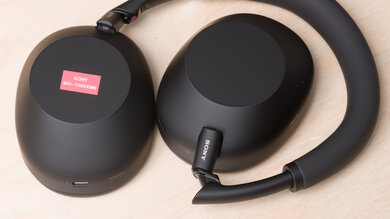
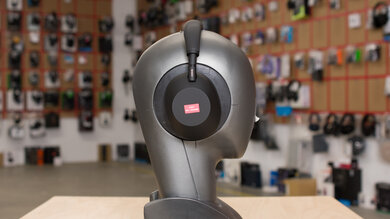
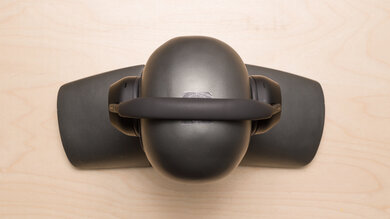
    The design has changed slightly from the previous generation, SteelSeries Arctis 7 Wireless 2017. The hard outer headband is more rounded, and the ear cups have extra padding. The microphone can retract inside the left ear cup for a more casual look. If you want flashier headphones, you can buy headband straps and backplates with various designs from the SteelSeries website.

    7.5
    Comfort
    Weight0.77 lbs
    Clamping Force
    1.1 lbs

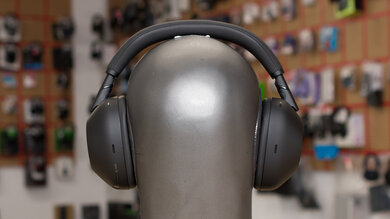
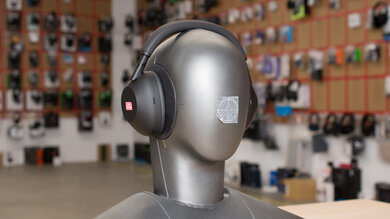
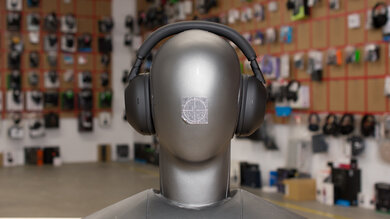
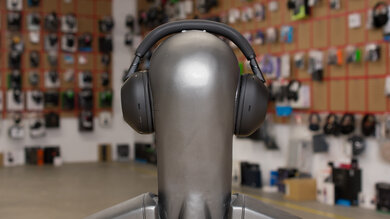
    The SteelSeries Arctis 7 are comfortable headphones. Their earcups have slightly thicker padding compared with their predecessor, and it feels soft on the skin as well as more porous, which helps with airflow. However, if your ears or head are big, your ears may touch the headphones' drivers, which can become tiring. The unique ski-band headband can also feel a little tight on larger heads, and it can't be expanded beyond the length of the strap. If you're looking for comfortable gaming headphones without the ski-band design, check out the Astro A50 Gen 4 Wireless 2019 wireless headset.

    6.2
    Controls
    OS Compatibility
    Not OS specific
    Ease Of UseDecent
    FeedbackGreat
    Call/Music ControlNo
    Volume ControlYes
    Microphone ControlMute/Unmute
    Channel Mixing
    Yes
    Noise Cancelling ControlNo
    Talk-Through
    No
    Additional ControlsNo

    The SteelSeries Arctis 7 have mediocre controls. Very similar to the previous generation, the left cup has a channel mixing wheel and a power button, while the right cup has a volume wheel and a mic-mute button. The wheels have a slightly more raised texture compared with the ones on the SteelSeries Arctis 7 Wireless 2017. Unlike the similarly gaming-oriented SteelSeries Arctis 9 Wireless, these headphones lack music/call management buttons, which some may find limits their versatility.

    6.3
    Breathability
    Avg.Temp.Difference6.2 °C

    The SteelSeries Arctis 7 are passably breathable. Their ear cups have porous padding that helps with airflow but still traps quite a bit of heat. While they aren't well-suited for wearing during workouts, they shouldn't be too much of a problem if you're casually gaming.

    5.6
    Portability
    L7.6" (19.3 cm)
    W7.0" (17.8 cm)
    H2.7" (6.9 cm)
    Volume154.00 in³ (2,523.60 cm³)
    Transmitter RequiredNo

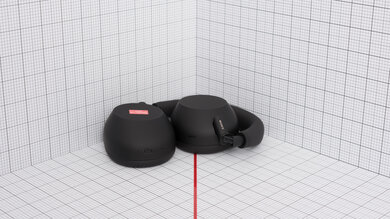
    The SteelSeries Arctis 7 headphones have sub-par portability. Like the SteelSeries Arctis Prime, they're fairly bulky. The ear cups swivel to lay flat, but the headband can't fold into a more compact shape. However, if you mostly use this gaming headset at home, portability shouldn't be much of an issue.

    0.0
    Case
    TypeNo case
    LN/A
    WN/A
    HN/A
    VolumeN/A
    8.0
    Build Quality

    The SteelSeries Arctis 7 have an impressive build quality. The metal headband is flexible but sturdy, the ear cup padding feels dense, and the boom microphone has a bendy, retractable arm. They should survive a few drops or impacts without taking too much damage. However, the ear cups' backplates are a weaker point and feel like they could come off if they're knocked around or dropped too much. On the upside, these headphones are much better-built than the similar-looking SteelSeries Arctis 1 Wireless. If you're looking for an even better-built gaming headset, check out the Logitech G Pro X Gaming Headset.

    7.5
    Stability

    The SteelSeries Arctis 7 have good stability. They shouldn't move around too much during light physical activity like a walk, but they're fairly bulky and may fall off during a workout or other more intense physical activities.

    Headshots 1
    Headshots 2
    Top
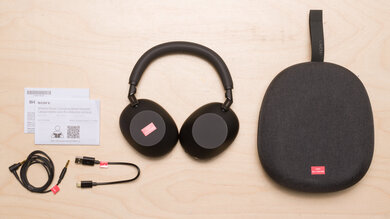
    In The Box

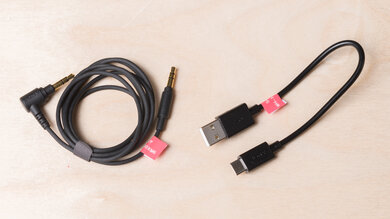
    • SteelSeries Arctis 7 headset
    • USB dongle
    • Micro-USB to USB-A charging cable
    • 1/8" TRRS audio cable
    • Manuals
    Sound
    Sound Profile
    See details on graph tool
    Bass Amount
    -0.9 dB
    Treble Amount
    -1.29 dB

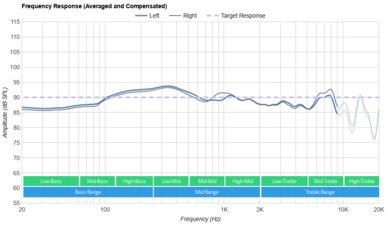
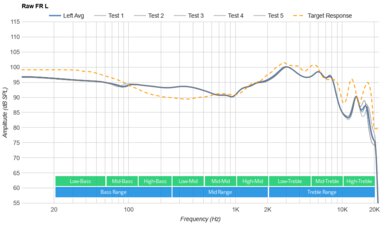
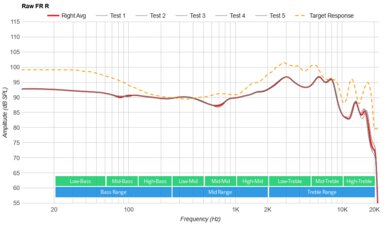
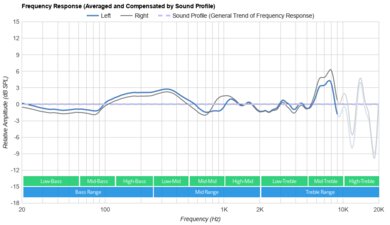
    The SteelSeries Arctis 7's sound profile really depends on how they fit on your head. Their position, seal, and whether you have glasses or thick hair all affect sound delivery and can result in inconsistent bass and treble. Once properly fitted to your head, you should get consistent delivery. With a good fit, they have a somewhat neutral sound profile with some overemphasis in the mid and high-bass ranges, which adds some boominess, as well as in the mid-treble, which adds sharpness. If you don't like how they sound out-of-the-box, you can use the graphic EQ in the companion app to customize the sound profile.

    5.7
    Frequency Response Consistency
    See details on graph tool
    See details on graph tool
    Avg. Std. Deviation
    1.07 dB

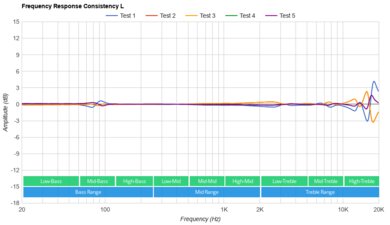
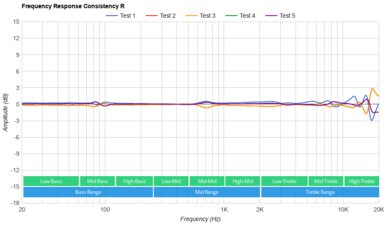
    The SteelSeries Arctis 7 have disappointing frequency response consistency. While the bass is somewhat consistent, there can be a drop in bass for some users such as those who wear glasses as the ear cups may not fit properly flush to the head. The treble range is inconsistent too. As the overall frequency response depends on the fit, seal, and positioning, once you achieve a good overall fit, you should get a more consistent frequency response each time you use them. Take a look at the Astro A20 Gen 2 Wireless if you're looking for wireless gaming headphones that deliver audio more consistently.

    Raw Frequency Response
    See details on graph tool
    See details on graph tool
    7.5
    Bass Accuracy
    See details on graph tool
    Std. Err.
    3.43 dB
    Low-Frequency Extension
    46.89 Hz
    Low-Bass
    -2.86 dB
    Mid-Bass
    2.43 dB
    High-Bass
    5.01 dB

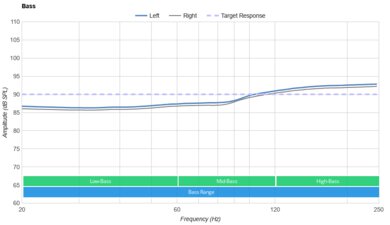
    The SteelSeries Arctis 7 have decent bass accuracy, but delivery may vary depending on how they fit you. They lack some low bass, which reduces thump and rumble, which an overemphasis on mid and high-bass adds punch and body but can also make mixes sound boomy. However, bass delivery can be sensitive to fit, seal, and whether you have thick hair or glasses, so make sure you take the time to properly adjust them. This bass accuracy performance represents the average response, and your experience may vary.

    8.3
    Mid Accuracy
    See details on graph tool
    Std. Err.
    2.28 dB
    Low-Mid
    2.9 dB
    Mid-Mid
    0.4 dB
    High-Mid
    -0.9 dB

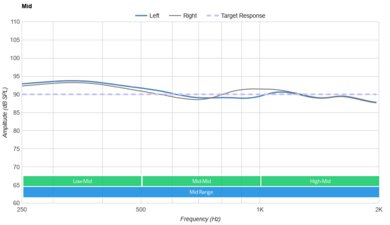
    The SteelSeries Arctis 7 have great mid accuracy. The overemphasis in the high-bass continues a bit into the low-mid range, which could make mixes sound cluttered and muddy, but otherwise, the rest of the range is quite neutral. There's some discrepancy between the left and right drivers' response in the mid to high-mid range, but it shouldn't be too noticeable.

    7.9
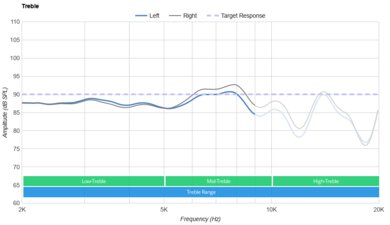
    Treble Accuracy
    See details on graph tool
    Std. Err.
    3.17 dB
    Low-Treble
    -1.77 dB
    Mid-Treble
    4.38 dB
    High-Treble
    -3.14 dB

    The SteelSeries Arctis 7 have good treble accuracy, but delivery can vary depending on the user. A small dip in the low treble veils instruments and lead vocals, while a big peak in the mid-treble makes sibilants like cymbals and S and T sounds seem sharper and more piercing. However, this treble accuracy performance represents the average response, and your experience may vary.

    7.3
    Peaks/Dips
    See details on graph tool
    Peaks
    1.82 dB
    Dips
    1.04 dB

    The SteelSeries Arctis 7's peaks and dips performance is satisfactory. A peak in the high-bass adds boominess to the mix while a dip in the low treble veils vocals and lead instruments. Another peak in the mid-treble adds sharpness to sibilants. The left driver also is slightly overemphasized while the right driver is underemphasized, particularly in the mid-range.

    7.5
    Imaging
    See details on graph tool
    See details on graph tool
    Weighted Group Delay
    0.61
    Weighted Phase Mismatch
    8.61
    Weighted Amplitude Mismatch
    1.68
    Weighted Frequency Mismatch
    1.83

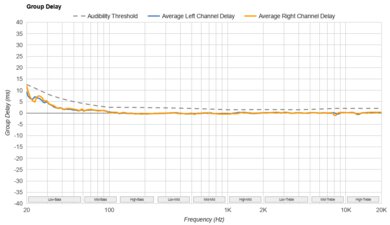
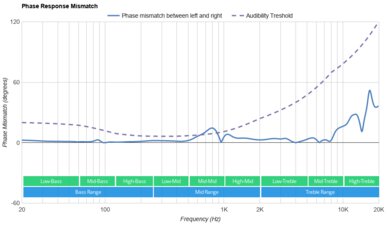
    The SteelSeries Arctis 7's imaging is good. While there are some peaks in the bass range that are above the group delay's audibility threshold, it may not be audible for most users. There's also some mismatch in amplitude between the left and right drivers, which can be noticeable. While there are reports online that describe the drivers performing differently and producing a slightly skewed image, these results are only valid for our unit, and yours may perform differently.

    6.1
    Passive Soundstage
    See details on graph tool
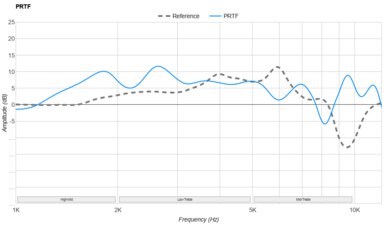
    PRTF Accuracy (Std. Dev.)
    2.55 dB
    PRTF Size (Avg.)
    7.12 dB
    PRTF Distance
    15 dB
    Openness
    5.6
    Acoustic Space Excitation
    3.3

    The SteelSeries Arctis 7's soundstage is mediocre. Sound seems to be coming from outside your head, but it may seem unnatural or odd compared with listening to real speakers set up a room. The soundstage is somewhat spacious, but because of the closed-back design, it may not feel as open as what you experience with open-back headphones.

    2.0
    Virtual Soundstage
    Head Modeling
    No
    Speaker Modeling
    On/Off
    Room Ambience
    No
    Head Tracking
    No
    Virtual Surround
    DTS 7.1

    The SteelSeries Arctis 7 have DTS virtual surround support and a simple speaker modeling feature, although we don't currently test these features.

    7.9
    Weighted Harmonic Distortion
    See details on graph tool
    WHD @ 90
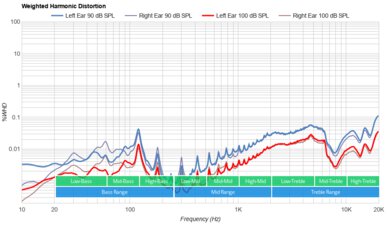
    0.270
    WHD @ 100
    0.099

    The SteelSeries Arctis 7 have very good weighted harmonic distortion performance. Overall, all frequencies fall within good limits, which should result in clear and pure audio reproduction.

    Test Settings
    Firmware
    Unknown
    Power
    On
    Connection
    Wireless (Proprietary)
    Codec
    PCM, 24-bit, 48kHz
    EQ
    Default
    ANC
    No ANC
    Tip/Pad
    Default
    Microphone
    Boom

    These are the settings used to test these headphones. Our results are only valid when listening using these settings.

    Isolation
    4.3
    Noise Isolation
    See details on graph tool
    Isolation Audio
    Overall Attenuation
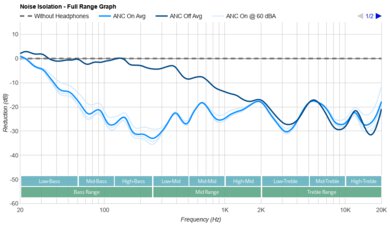
    -13.16 dB
    Noise CancellingNo
    Bass
    0.03 dB
    Mid
    -7.66 dB
    Treble
    -32.33 dB

    These headphones have poor noise isolation performance. Like most other gaming headphones like the SteelSeries Arctis 7+ Wireless, they block virtually no low-frequency sounds like the rumble of bus and plane engines. They're also inadequate if you want to isolate yourself from office-type noise like ambient chatter. They do a decent job of blocking out higher-pitched sounds, however, so if you're running an A/C unit near your gaming setup, you won't hear its sharp hum as much.

    7.1
    Leakage
    See details on graph tool
    Leakage Audio
    Overall Leakage @ 1ft
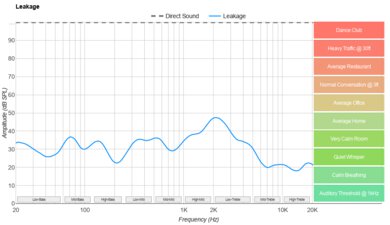
    38.78 dB

    The SteelSeries Arctis 7 have a decent leakage performance. Most of the leakage is in the mid-range, so it sounds fuller compared to most in-ear headphones, which tend to leak mostly high-frequency noise that sounds thin. If you're in an office setting, people may hear a small amount of your audio when you're listening at high volumes.

    Microphone
    Microphone Style
    Integrated
    No
    In-Line
    No
    Boom
    Yes
    Detachable Boom
    No
    MicYes
    7.9
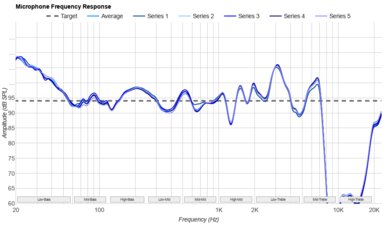
    Recording Quality
    See details on graph tool
    Recorded Speech
    LFE
    82.34 Hz
    FR Std. Dev.
    2.96 dB
    HFE
    6,639.82 Hz
    Weighted THD
    1.128
    Gain
    22.94 dB

    The SteelSeries Arctis 7's microphone has a very good recording quality. Your voice sounds clear and full-bodied but lacks a bit of brightness and airiness.

    7.7
    Noise Handling
    See details on graph tool
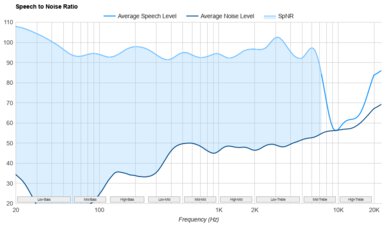
    SpNR
    33.44 dB
    Noise Gate
    Always On
    Speech + Pink Noise Handling
    7.5
    Speech + Pink Noise Audio Sample
    Speech + Subway Noise Handling
    8.0
    Speech + Subway Noise Audio Sample

    The boom microphone has impressive noise handling. It can easily separate your voice even in places with a lot of background noise, like gaming tournaments.

    Active Features
    8.9
    Battery
    Battery Type
    Rechargable
    Continuous Battery Life
    25 hrs
    Additional Charges
    0.0
    Total Battery Life
    25 hrs
    Charge Time
    3.3 hrs
    Power-Saving Feature
    Auto-Off Timer
    Audio While Charging
    Yes
    Passive Playback
    Yes
    Charging Portmicro-USB

    The SteelSeries Arctis 7's battery performance is amazing. They offer 25 hours of continuous battery life plus an adjustable auto-off timer in the companion software, so you can immerse yourself in your MMO for hours without worrying about the battery dying. You can simultaneously charge them and use them wirelessly or use them passively via their included audio cable.

    8.0
    App Support
    App NameSteelSeries Engine
    iOSNo
    AndroidNo
    macOSYes
    WindowsYes
    Equalizer
    Graphic + Presets
    ANC Control
    No
    Mic ControlAdjustable Level
    Room Effects
    No
    Playback Control
    No
    Button MappingNo
    Surround Support
    Yes

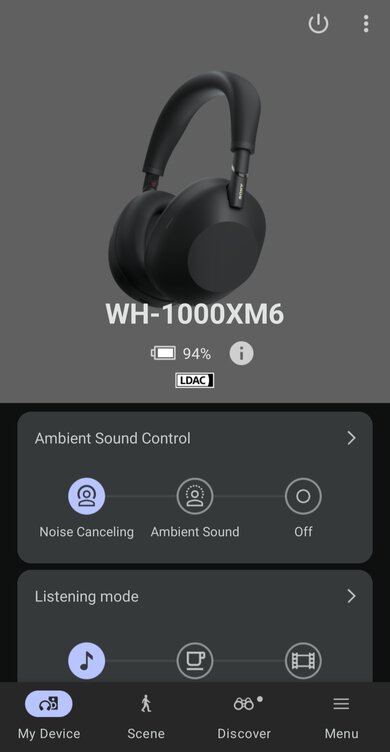
    The SteelSeries Arctis 7 have impressive app support. SteelSeries Engine is a great companion app that offers plenty of useful features. The software is easy to use, as all the controls are on a single page. It has a graphic EQ with presets, surround support, an adjustable auto-off timer, and adjustable microphone volume control. If you like different configurations in different situations, you can save your settings and switch between them. However, you need to use the transmitter if you want your EQs and settings to work. If you like special features and enjoy the look of RGB lighting, check out the Logitech G935 Wireless or the Razer Nari Ultimate Wireless, which both have superb apps.

    Connectivity
    0.0
    Bluetooth
    Bluetooth Version
    No Bluetooth
    Multi-Device Pairing
    No
    NFC Pairing
    No
    Line Of Sight Range
    N/A
    PC Latency (SBC)
    N/A
    PC Latency (aptX)
    N/A
    PC Latency (aptX HD)
    N/A
    PC Latency (aptX-LL)
    N/A
    iOS Latency
    N/A
    Android Latency
    N/A
    6.1
    Non-Bluetooth Wireless
    Non-BT Line Of Sight Range
    131.00 ft (39.93 m)
    Non-BT Latency
    170 ms

    Update 08/06/2021: These headphones have been updated to test bench 1.5. In this update, we made changes to the way we test latency. We now use a click track in our software and we measure latency three times and average the results. This new method has resulted in different latency values than what we had reported in our previous test bench. We have updated our review to reflect these changes.

    The SteelSeries Arctis 7 have mediocre non-Bluetooth wireless connectivity. Their line of sight range is decent, allowing you to use them further away from their audio source. However, their latency is quite high, which may not be ideal for gaming, as it could result in your audio and visuals falling out of sync. If you're looking for wireless gaming headphones that offer a lower latency connection, consider the SteelSeries Arctis 7P+ Wireless or the ROCCAT Elo 7.1 Air Wireless.

    9.5
    Wired
    Analog Audio
    Yes
    USB Audio
    No
    DetachableYes
    Length4.10 ft (1.25 m)
    Connection
    1/8" TRRS
    Analog/USB Audio Latency
    0 ms

    The SteelSeries Arctis 7 use a proprietary audio cable compatible with most consoles. They also come with a micro-USB to USB-A cable for charging the headphones as well as a wireless USB dongle. If you're looking for a wired gaming headset, the more pricey SteelSeries Arctis Pro GameDAC or the simpler, cheaper SteelSeries Arctis 5 2019 Edition are good choices.

    PC Compatibility
    Analog
    Audio + Microphone
    Wired USB
    No
    Non-BT Wireless
    Audio + Microphone
    PlayStation Compatibility
    PS4 Analog
    Audio + Microphone
    PS4 Wired USB
    No
    PS4 Non-BT Wireless
    Audio + Microphone
    PS5 Analog
    Audio + Microphone
    PS5 Wired USB
    No
    PS5 Non-BT Wireless
    Audio + Microphone
    Xbox Compatibility
    Xbox One Analog
    Audio + Microphone
    Xbox One Wired USB
    No
    Xbox One Non-BT Wireless
    No
    Xbox Series X|S Analog
    Audio + Microphone
    Xbox Series X|S Wired USB
    No
    Xbox Series X|S Non-BT Wireless
    No

    You can use these headphones with Xbox One and Xbox Series X if you plug the 1/8" TRRS cable into the controller, which allows you to use the microphone and receive audio. However, they don't work with Xbox Wireless, so you can't use them wirelessly with Xbox. If you're looking for a wireless gaming headset that's fully compatible with the Xbox, check out the SteelSeries Arctis 9X Wireless or the SteelSeries Arctis 7X Wireless.

    7.0
    Base/Dock
    Type
    Wireless USB Dongle
    USB Input
    Yes
    Line In
    Yes
    Line Out
    Yes
    Optical Input
    No
    RCA Input
    No
    Dock Charging
    No
    Power Supply
    USB

    The SteelSeries Arctis 7 have a small wireless USB dongle base/dock. It doesn't have dock charging but it has a line in and a line out. The dock's also only compatible with PC, PS4, and PS5 consoles.