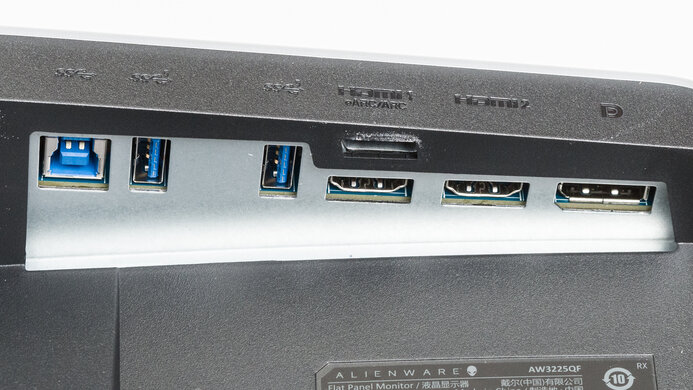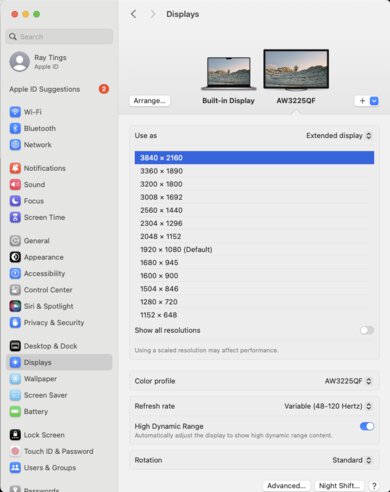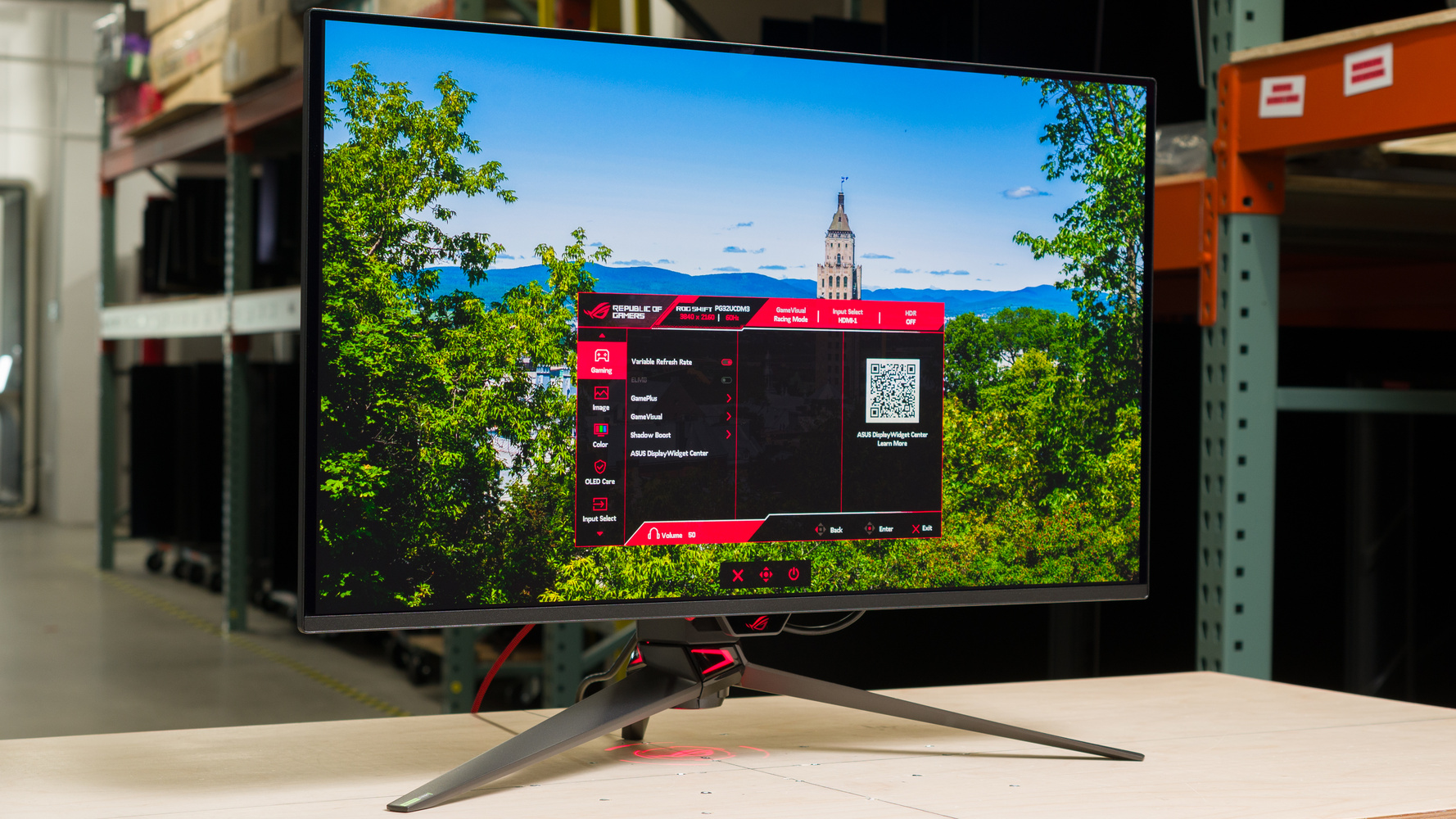

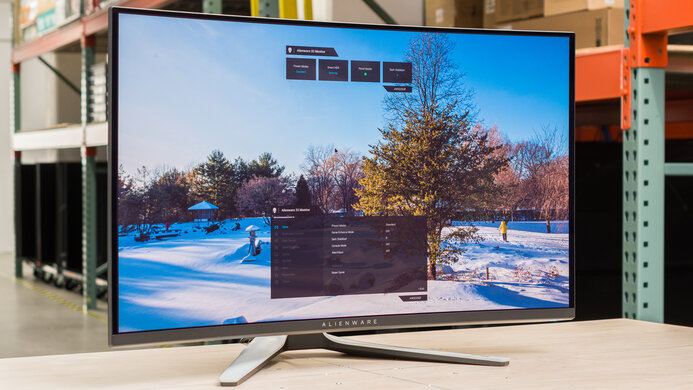
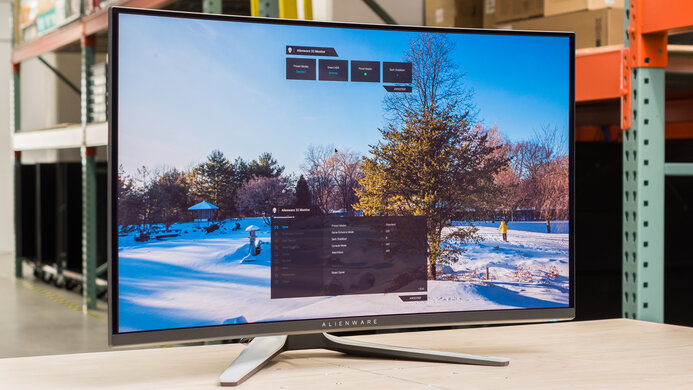
The ASUS ROG Swift OLED PG32UCDM Gen3 is a premium 32-inch, 4k, 240Hz gaming monitor. It's an updated version of the ASUS ROG Swift OLED PG32UCDM, with a few upgrades in features. For example, it uses a newer fourth-gen Tandem QD-OLED panel that's meant to get brighter than the older panel. It also comes with a BlackShield coating, which has less black level raise in bright rooms and is supposed to be more scratch-resistant compared to older glossy coatings. Besides that, it has upgraded DisplayPort 2.1 bandwidth, alongside HDMI 2.1 ports and a small USB hub that includes a USB-C port with 90W of power delivery. It has a few extra perks to help with the user experience, including Extreme Low Motion Blur (ELMB) black frame insertion, and a Neo Proximity Sensor that turns the screen off when you're away from it.
Our Verdict
The ASUS PG32UCDM3 is incredible for PC gaming. Motion looks sharp up to its max refresh rate of 240Hz thanks to its near-instantaneous response time. It supports all common VRR formats to reduce screen tearing, and it has low input lag for the most part for a responsive feel. Besides its smooth gaming feel, it also delivers fantastic picture quality, especially in HDR. It displays deep blacks without any haloing around bright objects, makes highlights stand out, and covers a wide range of colors. On top of it, its high 4k resolution delivers detailed images. While it gets bright and reduces glare well, its downside of use in bright rooms is that blacks look gray.
Sharp motion at any refresh rate.
Low input lag for the most part.
240Hz refresh rate with VRR support.
Deep, inky blacks in dark rooms.
Highlights pop against dark backgrounds.
High 4k resolution.
Input lag is higher at 120Hz than at 60Hz.
Blacks look gray in bright rooms.
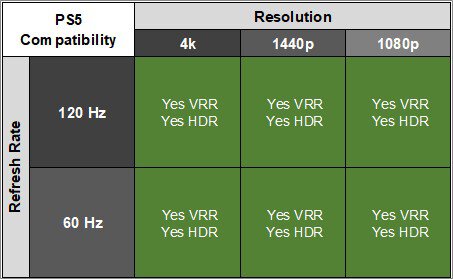
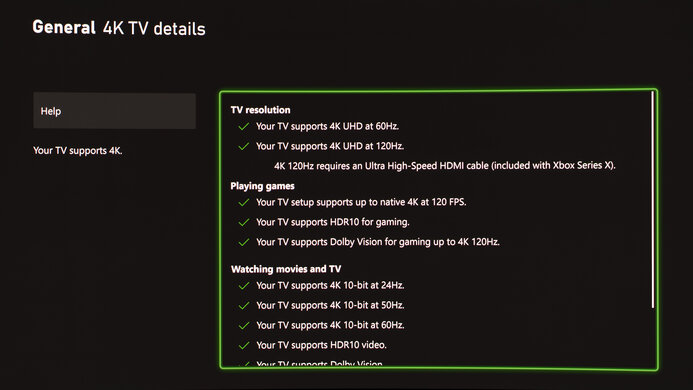
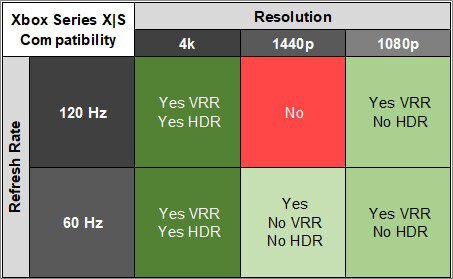
The ASUS PG32UCDM3 is outstanding for console gaming. It supports any signal with a modern gaming console, like 4k up to 120Hz and Dolby Vision with an Xbox Series X|S. Motion looks sharp thanks to its fast response time. It also has low input lag for the most part, but its input lag at 120Hz is slightly higher than at 60Hz. It's a fantastic choice for HDR gaming thanks to its deep blacks next to bright highlights, but blacks look gray in well-lit rooms. On the plus side, it displays a wide range of vivid colors and makes highlights pop for an impressive HDR viewing experience.
Sharp motion at any refresh rate.
Low input lag for the most part.
Deep, inky blacks in dark rooms.
Highlights pop against dark backgrounds.
Supports 4k @ 120Hz signals from gaming consoles.
Has Dolby Vision with an Xbox.
High 4k resolution.
Input lag is higher at 120Hz than at 60Hz.
Blacks look gray in bright rooms.
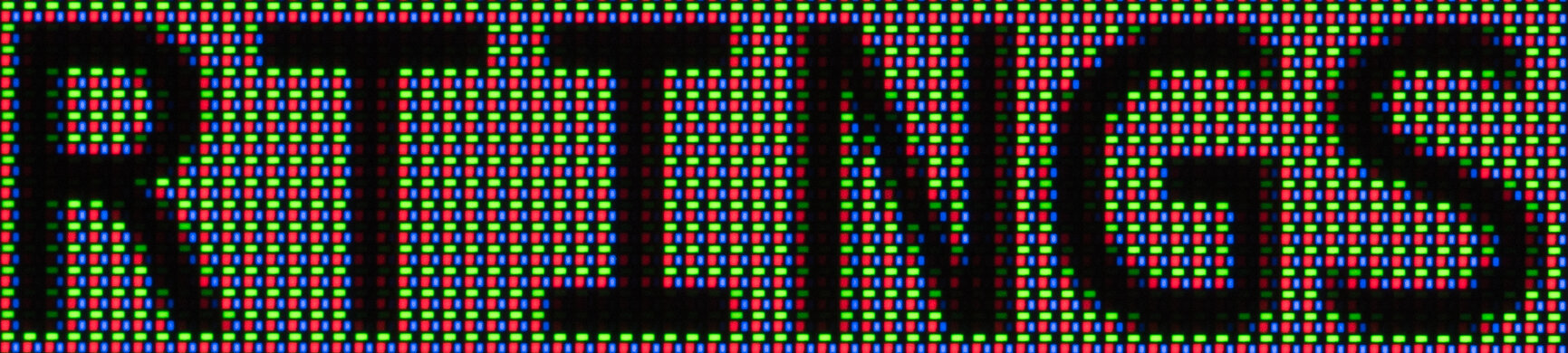
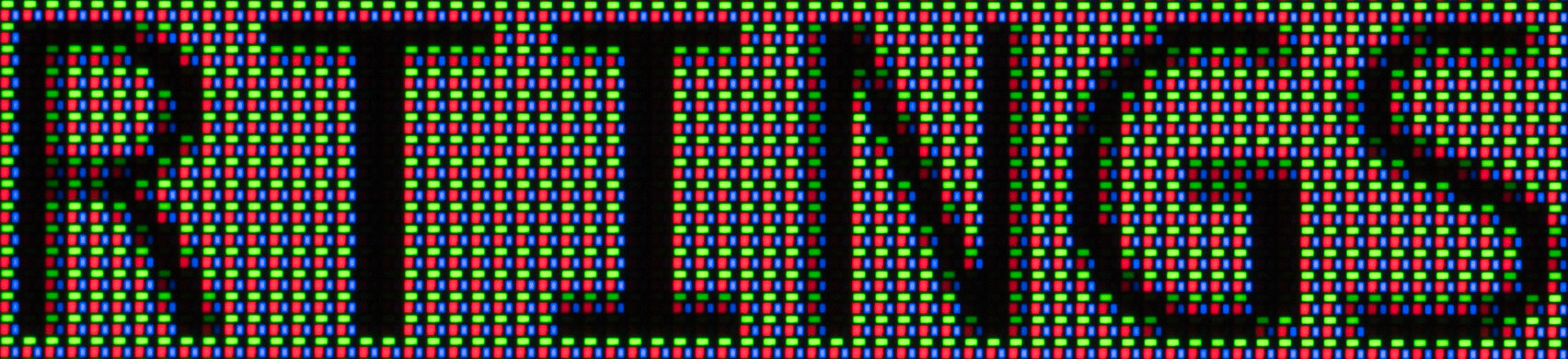
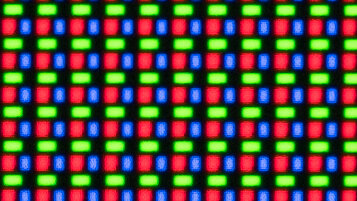
The ASUS PG32UCDM3 is very good for office use, with some limitations. It has a big 32-inch screen, which offers enough space to open multiple windows next to each other. It also gets bright enough to fight some glare, and its BlackShield coating reduces reflections well, but visibility is still an issue in sunny rooms. It has some useful productivity features as well, including a small USB hub, a USB-C port with DisplayPort Alt Mode and 90W of power delivery, and a KVM switch, so you can connect all kinds of devices directly to the monitor. The downside is that, despite its high resolution, it has fringing around letters due to its subpixel layout. It also risks burn-in with constant exposure to the same static elements over time.
Gets bright and reduces glare well.
Large 32-inch screen.
High 4k resolution.
USB hub with KVM switch.
DisplayPort Alt Mode and 90W of power over USB-C.
Visibility is an issue in sunny rooms.
Fringing around letters and windows.
Risk of burn-in.
The ASUS PG32UCDM3 is fantastic for editing. Its biggest strength is its fantastic picture quality. It displays deep blacks in dark rooms, but those blacks look gray in well-lit environments. Fortunately, it displays a wide range of colors and is accurate for the most part before calibration, although you may want to calibrate it to improve its white balance and color accuracy. It has some features to help with your workflow, including a USB hub with a KVM switch, making it easy to change sources and use the same devices on both. It's not perfect, though, as there's fringing around letters and windows, and it risks burn-in with constant exposure to the same static elements over time.
Deep, inky blacks in dark rooms.
Highlights pop against dark backgrounds.
Gets bright and reduces glare well.
Large 32-inch screen.
High 4k resolution.
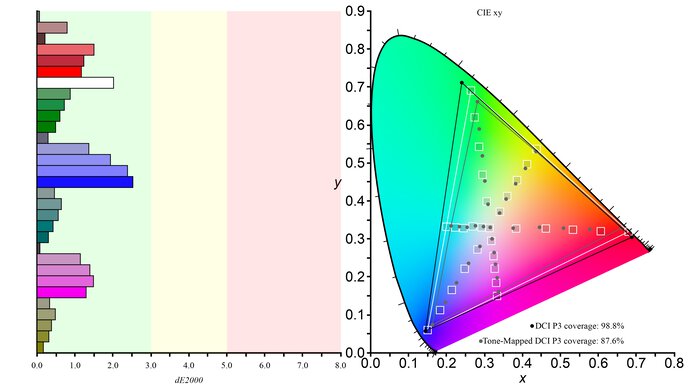
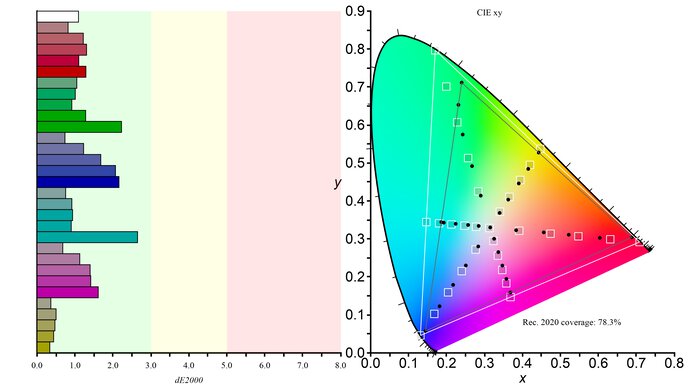
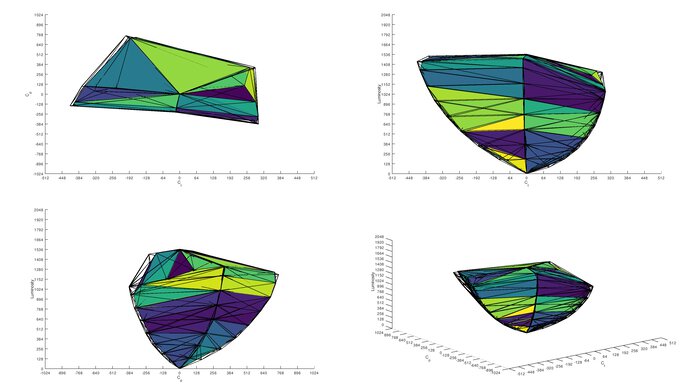
Displays wide range of colors.
Excellent out-of-the-box accuracy in sRGB mode.
USB hub with KVM switch.
Blacks look gray in bright rooms.
Visibility is an issue in sunny rooms.
Fringing around letters and windows.
White balance and color inaccuracies need full calibration.
Risk of burn-in.
The ASUS PG32UCDM3 has good brightness. It fights glare well and makes small highlights pop in HDR. However, it doesn't get bright enough to fight intense glare in sunny rooms.
Highlights pop against dark backgrounds.
Gets bright and reduces glare well.
Visibility is an issue in sunny rooms.
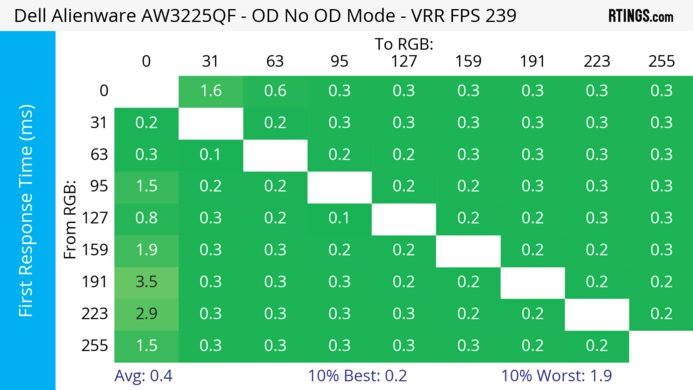
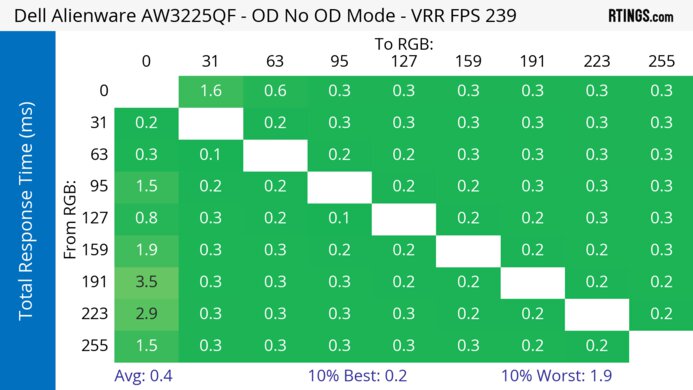
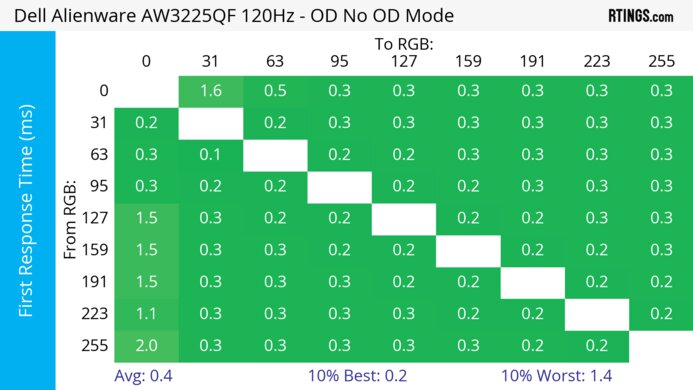
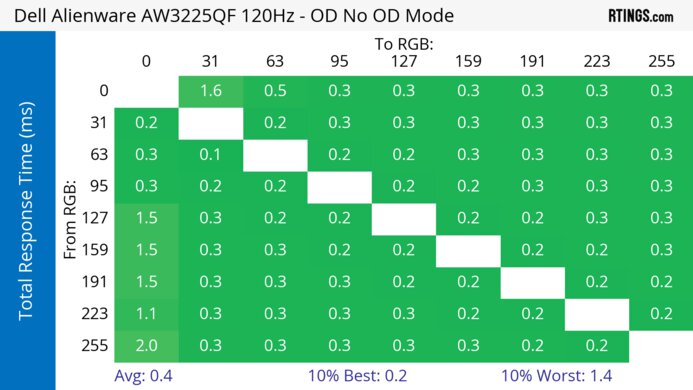
The ASUS PG32UCDM3 has a near-instantaneous response time for sharp motion at any refresh rate.
Sharp motion at any refresh rate.
The ASUS PG32UCDM3 has fantastic HDR picture quality. Blacks are deep and inky in dark rooms, without any haloing around bright objects. It displays a wide range of colors and makes them look vivid as well.
Deep, inky blacks in dark rooms.
Highlights pop against dark backgrounds.
Blacks look gray in bright rooms.
The ASUS PG32UCDM3 has remarkable SDR picture quality. It displays deep blacks next to bright highlights and has no haloing around bright objects. Plus, it displays a wide range of colors.
Deep, inky blacks in dark rooms.
Displays wide range of colors.
Blacks look gray in bright rooms.
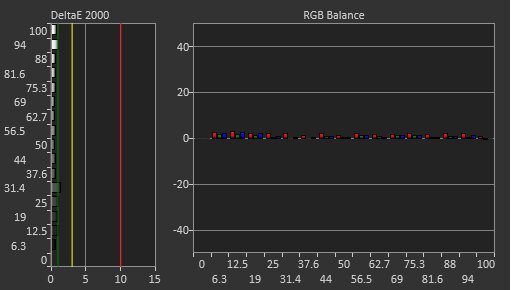
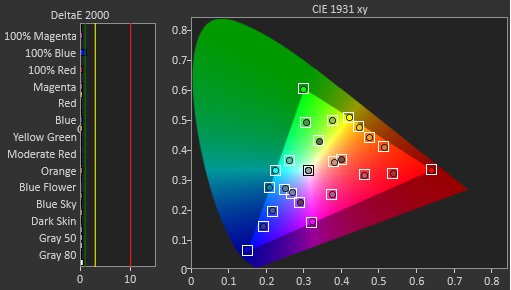
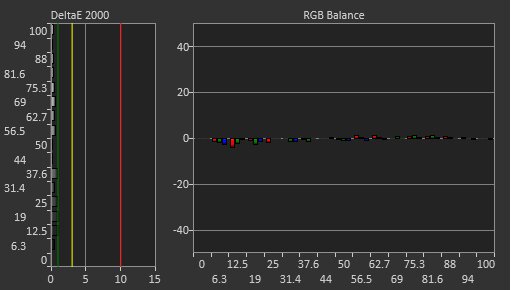
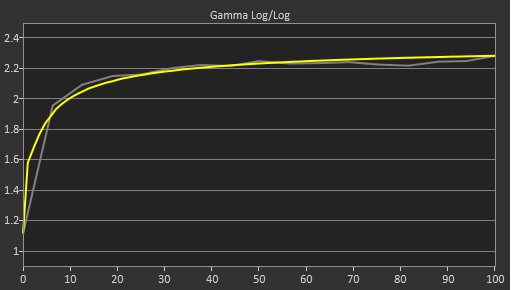
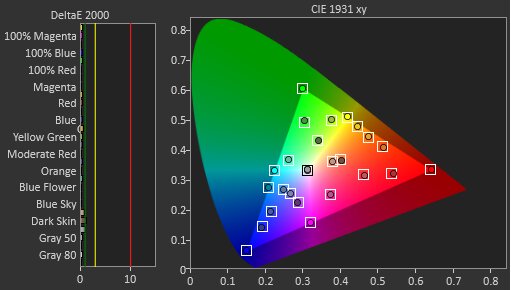
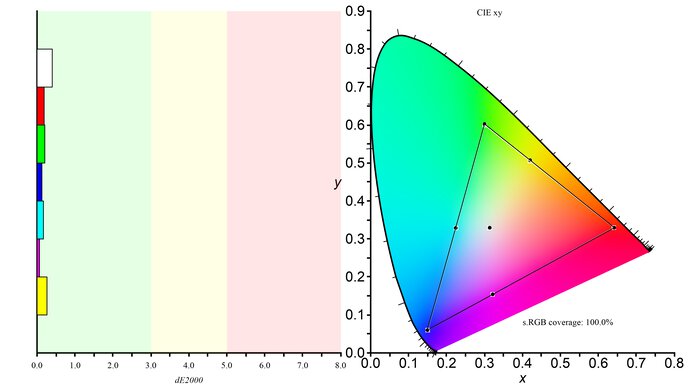
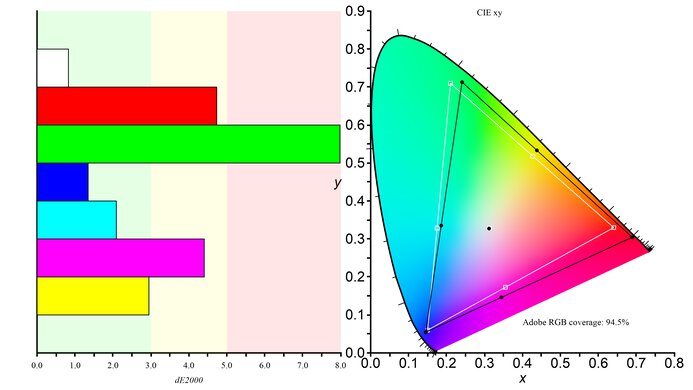
The ASUS PG32UCDM3 has excellent color accuracy. While its sRGB mode is accurate for the most part out of the box, there are white balance and color inaccuracies that you may want to fix with a full calibration.
Excellent out-of-the-box accuracy in sRGB mode.
White balance and color inaccuracies need full calibration.
Performance Usages
Changelog
-
Updated Jul 28, 2026:
We added that the Samsung Odyssey OLED G80SH S32HG802S is a matte alternative with better reflection handling.
-
Updated Jul 16, 2026:
We added that the LG C6 48 OLED is an alternative that's bigger and brighter.
- Updated Jul 07, 2026: Review published.
- Updated Jul 02, 2026: Early access published.
Check Price
Differences Between Sizes And Variants
We bought and tested the 32-inch ASUS ROG Swift OLED PG32UCDM Gen3, which is the third generation of the PG32UCDM model. You can see the differences between them below, but the results are only valid for this model.
| Model | Year | Panel Type | Coating | DisplayPort Version | Neo Proximity Sensor |
|---|---|---|---|---|---|
| PG32UCDM | 2024 | QD-OLED (3rd Gen) |
Glossy | 1.4 | No |
| PG32UCDMR | 2025 | QD-OLED (3rd Gen) |
Glossy | 2.1 | Yes |
| PG32UCDM Gen3 | 2026 |
QD-OLED (4th Gen Tandem) |
BlackShield | 2.1 | Yes |
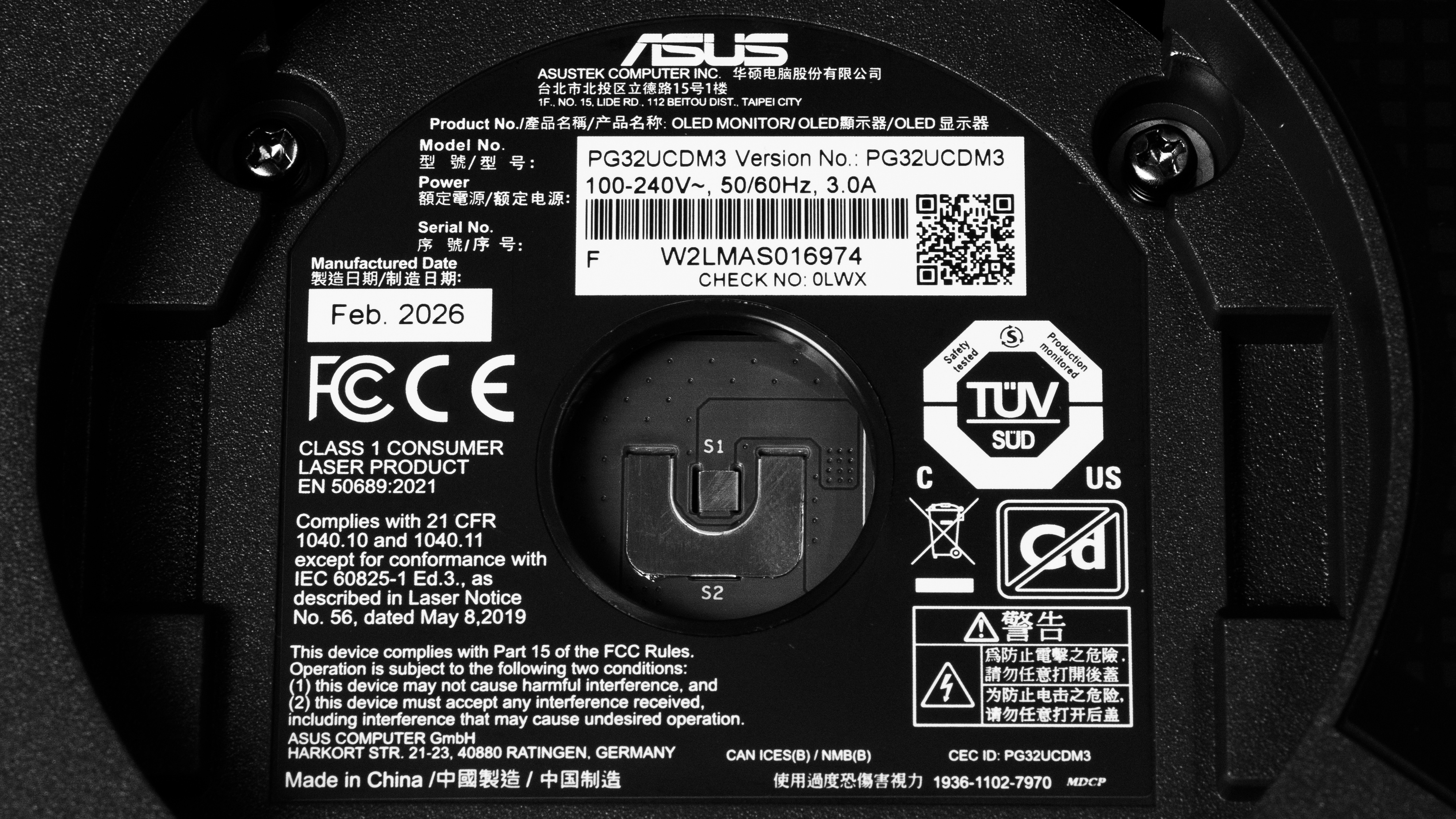
Our unit's label indicates it was manufactured in February 2026 in China. We tested it with firmware MCM103.
Popular Monitor Comparisons
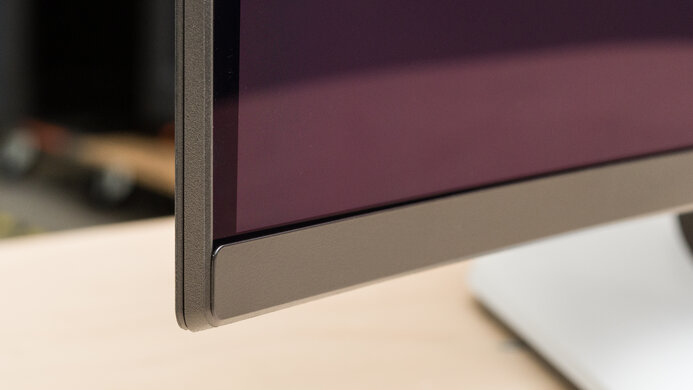
The ASUS PG32UCDM3 is a premium 4k, 240Hz QD-OLED gaming monitor. It's a clear improvement over the older ASUS ROG Swift OLED PG32UCDM, thanks to its newer panel that allows it to get brighter. It also has a BlackShield glossy coating that avoids blacks looking purple in bright rooms, like on older QD-OLEDs. Plus, it has a few extra features over the older PG32UCDM, such as DisplayPort 2.1 bandwidth to take advantage of the latest graphics cards, and a Neo Proximity sensor that turns the screen off when you're away from it.
Essentially, it has everything you'd want in a gaming monitor, including sharp motion and low input lag. It's a larger alternative to the ASUS ROG Swift OLED PG27UCDM, making it one of the better gaming monitors at the time of its release. However, it has the same color fringing issues as on other QD-OLEDs due to its triangular subpixel layout. You want to wait for newer OLEDs with RGB Stripe technology to come out later in 2026, like the ASUS PG32UCWM, if you want better text clarity. You may even prefer the LG C6 48 OLED if you prefer a bigger screen that gets brighter, but it's a small TV that lacks typical monitor features, like a USB hub.
Also see our recommendations for the best 32-inch monitors, the best 240Hz monitors, and the best HDR gaming monitors.
The ASUS ROG Swift OLED PG32UCDM Gen3 is an updated version of the ASUS ROG Swift OLED PG32UCDM, with a few upgrades. They share many screen specs, including their 4k resolutions and 240Hz refresh rates. However, the PG32UCDM3 uses a newer QD-OLED panel that gets brighter. The PG32UCDM3 also has a newer BlackShield coating that's better at reducing glare, and it maintains lower black levels in bright rooms, as blacks look purple in bright rooms on the PG32UCDM. The PG32UCDM3 has a few extra perks, including DisplayPort 2.1 bandwidth and a Neo Proximity Sensor that turns the screen off when you're away from it.
The Samsung Odyssey OLED G80SH S32HG802S and the ASUS ROG Swift OLED PG32UCDM Gen3 are competing 4k, 240Hz QD-OLED gaming monitors. They use the same panel, with the main difference between them coming down to their screen coatings. The BlackShield glossy coating of the ASUS has clearer images and is better at keeping low black levels in bright rooms, whereas blacks look purple in bright rooms on the Samsung. On the other hand, the Samsung has a matte coating with much better reflection handling as it has less mirror-like reflections. There are some differences in features, too, as the ASUS has a KVM switch, which the Samsung lacks, and this is something to consider if you want to connect different computers to the monitor.
The ASUS ROG Swift OLED PG32UCDM Gen3 and the ASUS ROG Swift OLED PG27UCDM are both high-end 4k, 240Hz QD-OLEDs. The main difference between them is in their screen sizes, as the PG32UCDM3 has a larger display, while the higher pixel density of the PG27UCDM results in better text clarity. The PG32UCDM3 also comes with a newer QD-OLED panel that gets brighter, and its BlackShield coating prevents blacks from looking purple in bright rooms like on the PG27CUDM. They're similar otherwise, but an advantage of the PG27UCDM is that it has a more ergonomic stand.
The LG C6 48 OLED and the ASUS ROG Swift OLED PG32UCDM Gen3 are both high-end OLED displays. The main differences come down to what they're designed for. The LG is a small TV that includes features typical of TVs, like a processor and a smart system, and its bigger screen offers a more immersive feel. The LG also has advantages when it comes to picture quality because it gets brighter, and it maintains lower black levels in bright rooms. On the other hand, the ASUS is a monitor that's better for productivity or high-end PC gaming. The ASUS has a higher refresh rate for a smoother feel, and it includes a small USB hub with a KVM switch and DisplayPort Alt Mode to quickly connect a laptop. The ASUS also has a higher pixel density, which results in sharper text clarity.
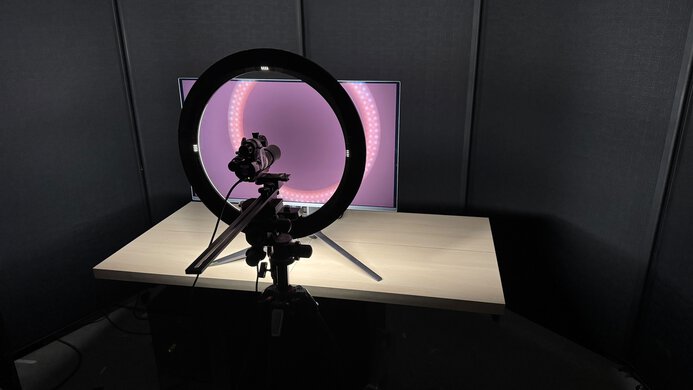
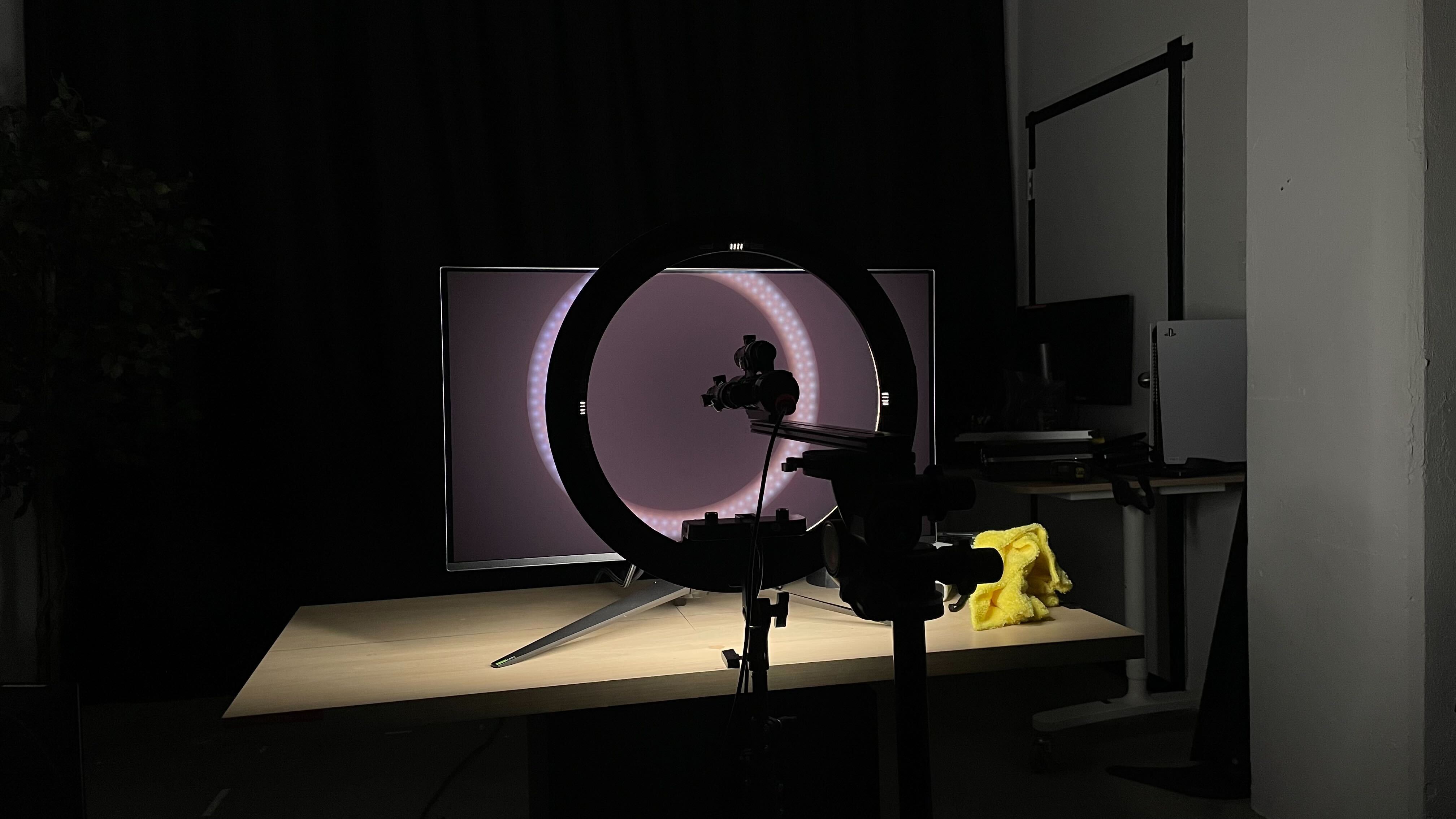
We buy and test more than 30 monitors each year, all of which we purchase ourselves, without cherry-picked units or samples. We put a lot into each unbiased, straight-to-the-point review, and there's a whole process from purchasing to publishing, involving multiple teams and people. We do more than just use the monitor for a week; we use specialized, custom tools to measure various aspects and deliver objective, data-driven results. We also consider multiple factors before making any recommendations, including the monitor's cost, its performance compared to the competition, and whether it's easy to find.
Test Results
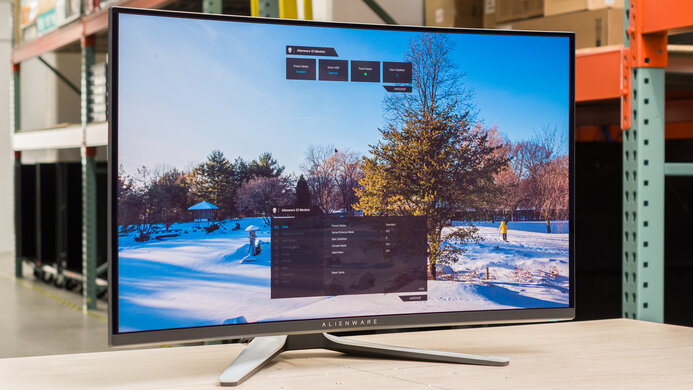
for pictures & test results


for pictures & test results

for pictures & test results
for pictures & test results
for pictures & test results
for pictures & test results
for pictures & test results
for pictures & test results
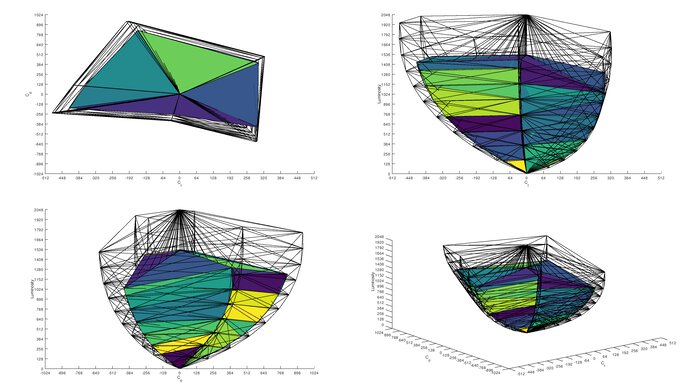
for videos & test results

for pictures & test results
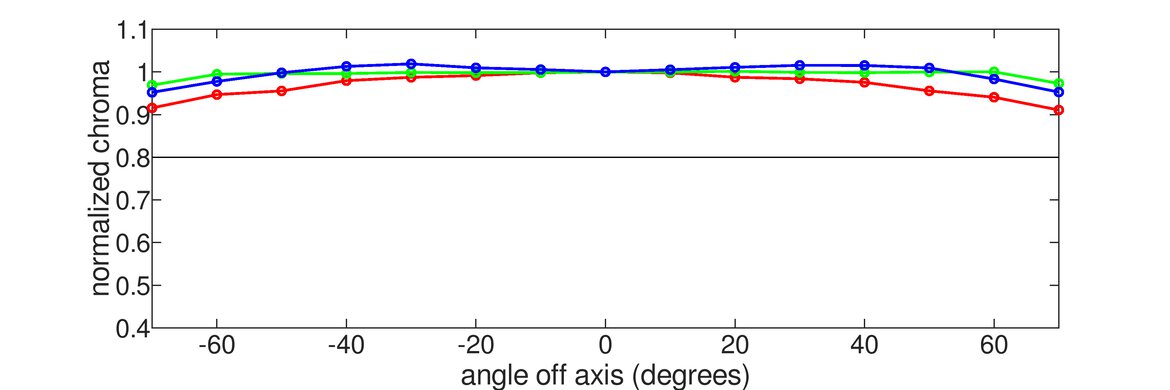
for pictures & test results
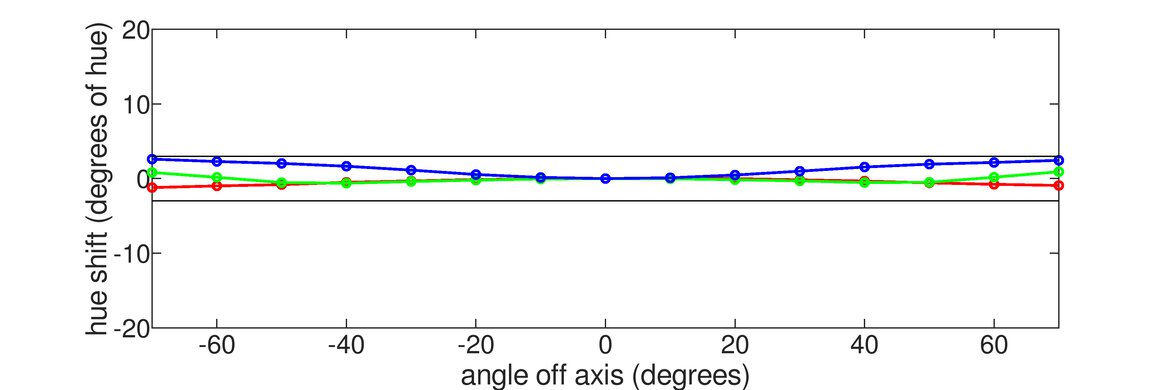
for pictures & test results
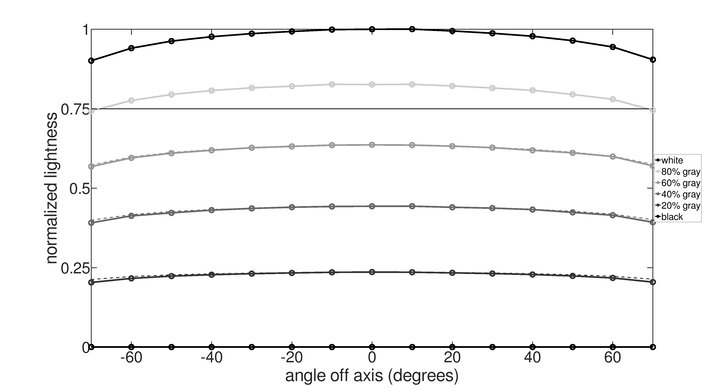








for pictures & test results