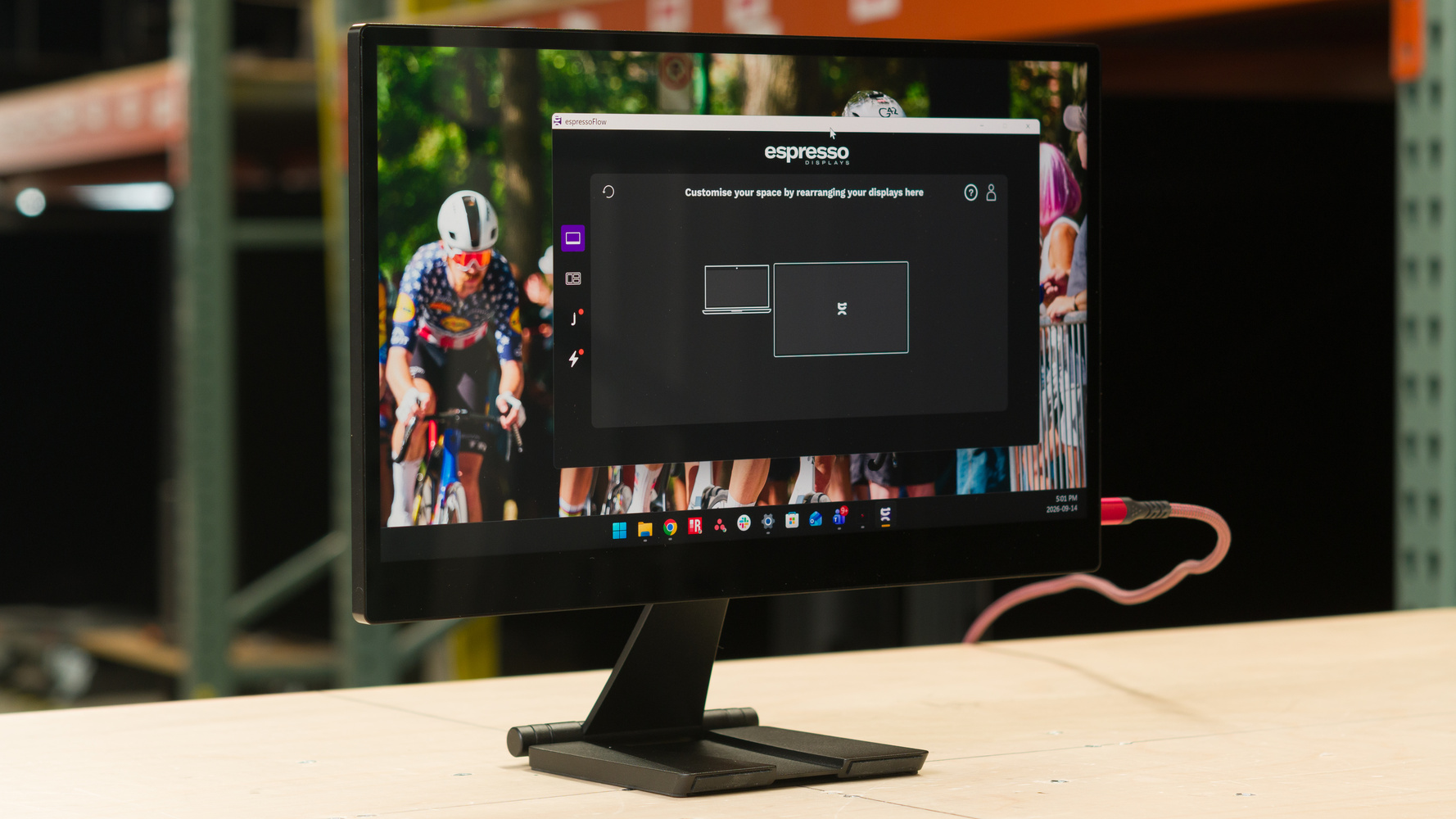
The espresso Pro 15 is a high-end portable monitor. Higher-end than the espresso Display 15 Touch, it has a 4k resolution for high pixel density. It's available in 15- and 17-inch variants, although we bought and tested the smaller size. It includes a bunch of features, as its touchscreen is designed to work with Windows and macOS, and you can easily connect it to your laptop via USB-C. It's advertised to cover 100% of the Adobe RGB color space and reach 550 nits of brightness, providing better picture quality than most other portable screens. It also comes with the espresso Stand+ that attaches to the back of the screen with a magnet, and allows you to place the display in a variety of positions.
Note: Our portable monitor reviews only include certain tests to better cover the intended usages, like office work and editing. The review doesn't include a number of tests, like motion handling, so the verdict scores shouldn't be compared to regular desktop monitors. However, scores are comparable across portable monitors on the same test bench.
Our Verdict
Note: The score doesn't reflect its performance because we didn't measure its Response Time. Don't compare the score to regular desktop monitors.
The espresso Pro isn't suitable for PC gaming. It can only connect over USB-C, and it's limited to a 60Hz refresh rate. Plus, motion looks blurry.
Note: The score doesn't reflect its performance because we didn't measure its Response Time. Don't compare the score to regular desktop monitors.
The espresso Pro isn't suitable for console gaming because it only has USB-C inputs. You would need an HDMI adapter to even connect a console, but there's no guarantee that would work.
The espresso Pro is great for on-the-go office work. Text looks incredibly sharp thanks to its high pixel density. It also fights some glare well, as it gets very bright, but reflections are distracting if you have it in front of a window. It at least comes with an adjustable stand that helps if you want to place it next to or above a laptop. Its touchscreen also makes it easy to navigate.
High 4k resolution and sharp text.
Excellent brightness.
Comes with adjustable stand.
Touchscreen capabilities.
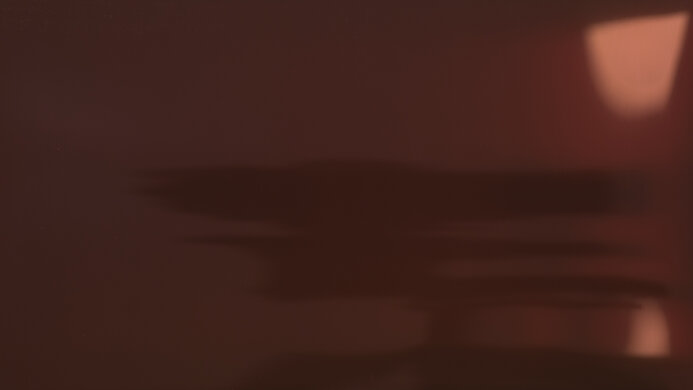
Reflections are distracting.
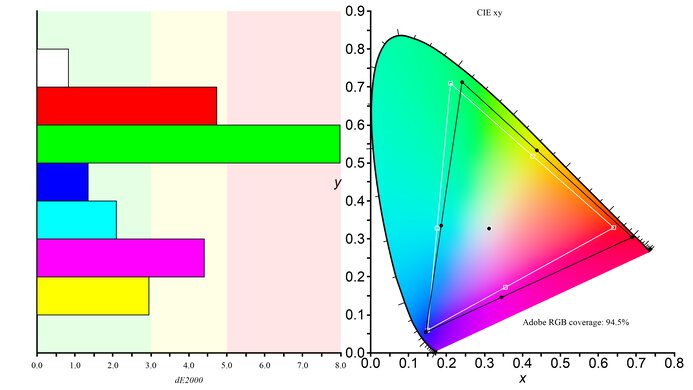
The espresso Pro is decent for content creation. It covers the entire Adobe RGB color space, which helps if you work in that color space, but it oversaturates colors in the sRGB color space. It also has a low contrast ratio, so blacks look gray. It's fine to use as a secondary display next to your editing laptop, and its included stand makes it easy to adjust to an ideal position. Its touchscreen also makes it easy to navigate. Images are sharp and detailed as it has a high 4k resolution, and it gets bright enough to fight some glare. However, reflections are distracting in a sunny environment.
High 4k resolution and sharp text.
Excellent brightness.
Comes with adjustable stand.
Touchscreen capabilities.
Covers the entire Adobe RGB color space.
Reflections are distracting.
Oversaturated colors out of the box.
Low contrast ratio.
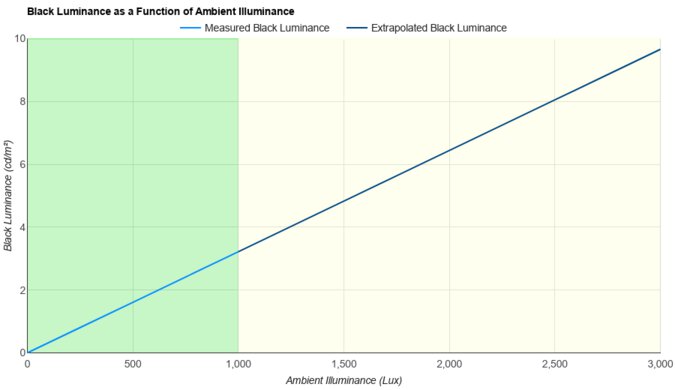
The espresso Pro has excellent brightness. It fights some glare well, like if you have a lamp or overhead light nearby.
Excellent brightness.
We didn't measure the Response Time on the espresso Pro. Regardless, it has a limited 60Hz refresh rate with blurry motion.
The espresso Pro doesn't support HDR.
The espresso Pro has good picture quality in SDR. It displays a wide range of colors in common color spaces, but does so by oversaturating them. It also has a low contrast ratio, so blacks look gray.
Covers the entire Adobe RGB color space.
Low contrast ratio.
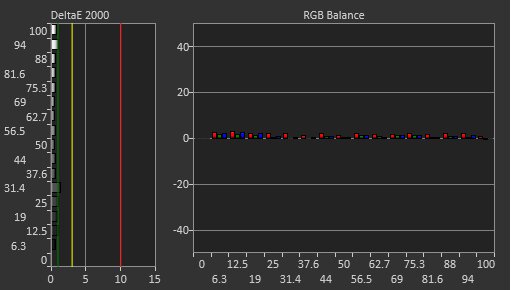
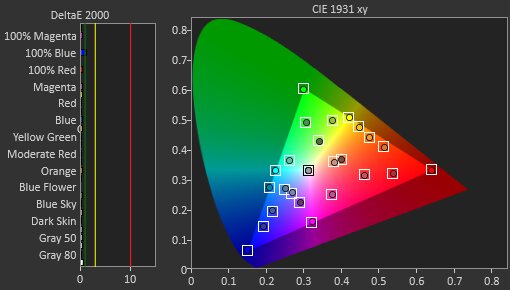
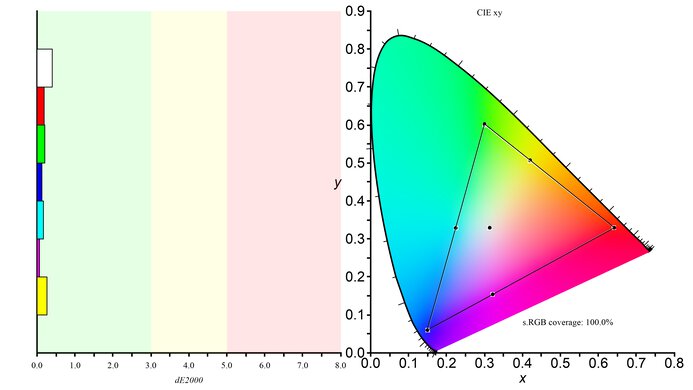
The espresso Pro has disappointing color accuracy. It oversaturates colors in the sRGB color space, leading to inaccurate images, so you would need to try calibrating it if you want the best accuracy.
Oversaturated colors out of the box.
Performance Usages
Changelog
- Updated Oct 07, 2026: We converted this review to Test Bench 2.2. With this update, we've added a new test box for the Longevity 3.0 test.
- Updated Sep 18, 2026: Review published.
- Updated Sep 16, 2026: Early access published.
- Updated Sep 02, 2026: Our testers have started testing this product.
Check Price
Differences Between Sizes And Variants
We bought and tested the 15-inch espresso Pro. Even though it's also available in a 17-inch model, the results aren't valid for it because it has a lower pixel density and it's advertised to get less bright. This monitor is also higher-end than the espresso Touch and espresso Display Non-touch models, which each have a 1080p resolution.
| Model | Screen Size | Pixel Density | Weight | Advertised Brightness |
|---|---|---|---|---|
| Pro 15 | 15.6" | 282 PPI | 1.8 lbs (0.8 kg) | 550 nits |
| Pro 17 | 17.3" | 255 PPI | 2.4 lbs (1.1 kg) | 450 nits |
Popular Monitor Comparisons
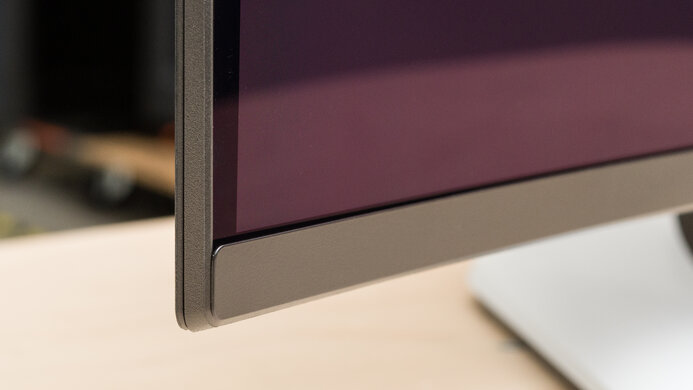
The espresso Pro 15 is a high-end portable monitor. The main benefit is its high 4k resolution, resulting in sharp text that's equal to most laptops. It's well-built with a solid aluminum body and premium glass with a glossy coating, so images look clear at the cost of mirror-like reflections if you have it near a window. It provides better picture quality than most other portable monitors thanks to its wide range of colors, which is useful if you work in the Adobe RGB color space. Lastly, its stand allows you to place it in different positions, including if you want to have it above your laptop screen, giving you greater versatility compared to the competition. It is expensive, though, but you're getting premium features at this high cost. There are cheaper options you can consider, like the Dell P1425 or the LG gram +view 16, but they lack touchscreens.
Also see our recommendations for the best portable monitors and the best lightweight laptops. If you want a regular desktop monitor instead, check out the best work monitors and the best monitors under $500.
The espresso Pro 15 is newer than the espresso Display 15 Touch. The main difference is that the Pro model has a higher resolution for sharper text. The Pro model also comes with a newer stand that includes height adjustment and better flexibility. Plus, the Pro model has an improvement in brightness.
The espresso Pro 15 is higher-end than the LG gram +view 16. The main difference is that the espresso has a higher resolution for sharper text, and its touchscreen makes navigation easier. The espresso also gets brighter, but the matte coating of the LG does a better job of reducing reflections compared to the glossy coating of the espresso.
The espresso Pro 15 is higher-end than the Dell P1425. The espresso has a higher resolution for sharper text, and its touchscreen offers greater versatility. The espresso also comes with a more ergonomic stand, allowing you to adjust it in more ways. However, the Dell has better accuracy in the sRGB color space, as it doesn't oversaturate colors.
The espresso Pro 15 is higher-end than the Lenovo ThinkVision M14t Gen2. They both have touchscreens, but the espresso is more well-rounded because it has a higher resolution, gets brighter, and displays a wider range of colors. However, the Lenovo is more accurate in the sRGB color space because it has a dedicated sRGB mode.
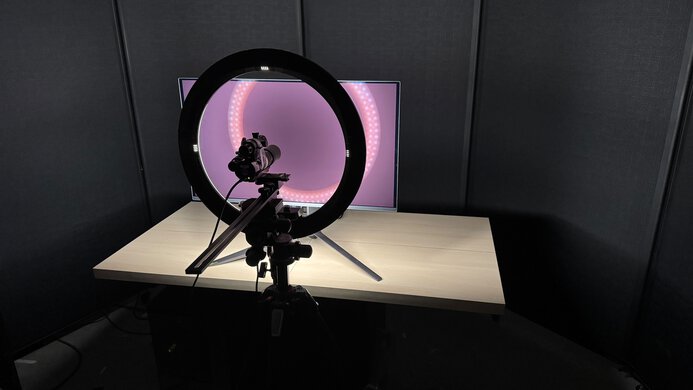
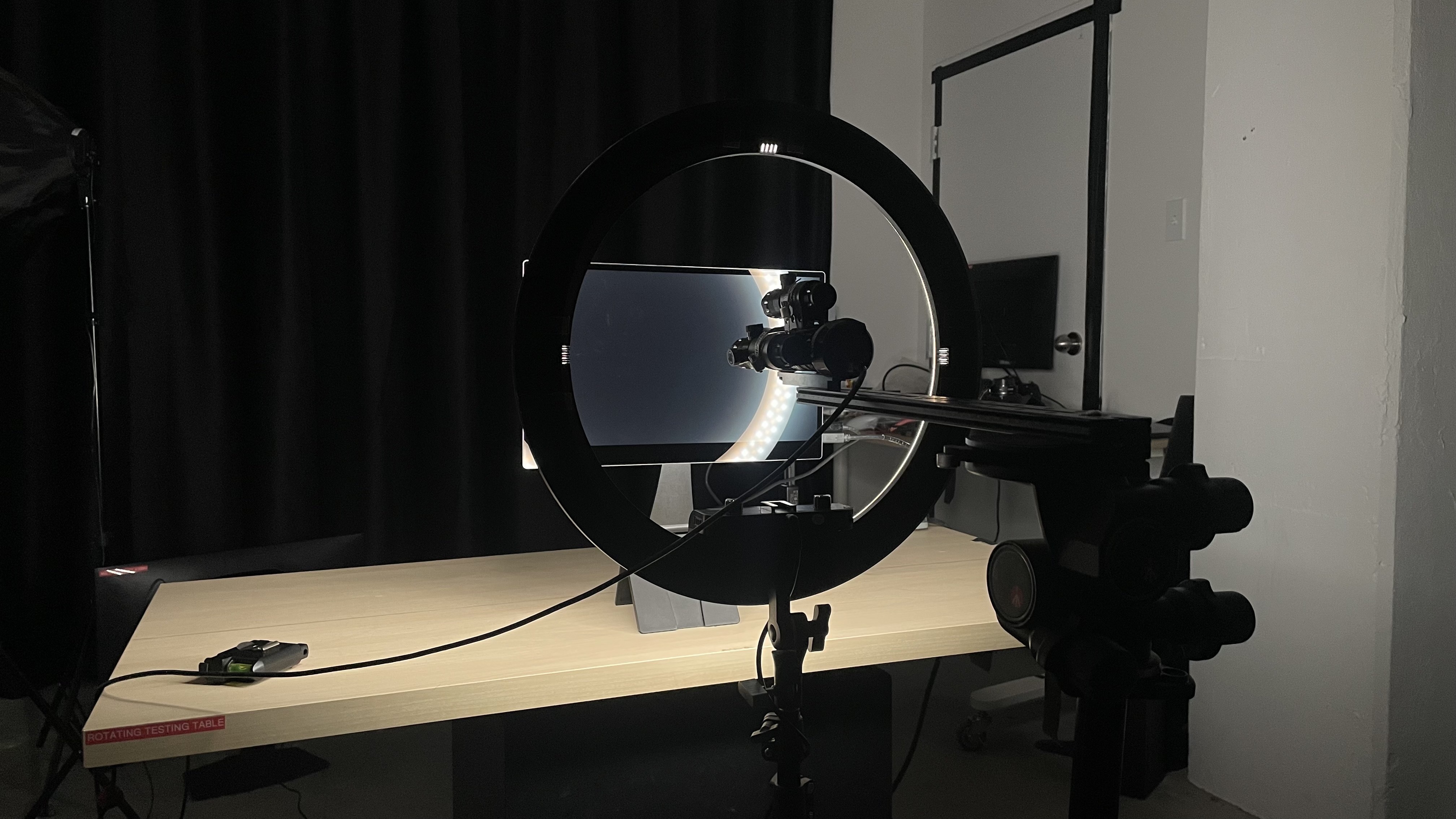
We buy and test more than 30 monitors each year, all of which we purchase ourselves, without cherry-picked units or samples. We put a lot into each unbiased, straight-to-the-point review, and there's a whole process from purchasing to publishing, involving multiple teams and people. We do more than just use the monitor for a week; we use specialized, custom tools to measure various aspects and deliver objective, data-driven results. We also consider multiple factors before making any recommendations, including the monitor's cost, its performance compared to the competition, and whether it's easy to find.
Test Results
for pictures & test results

for pictures & test results
for pictures & test results
for pictures & test results


for pictures & test results