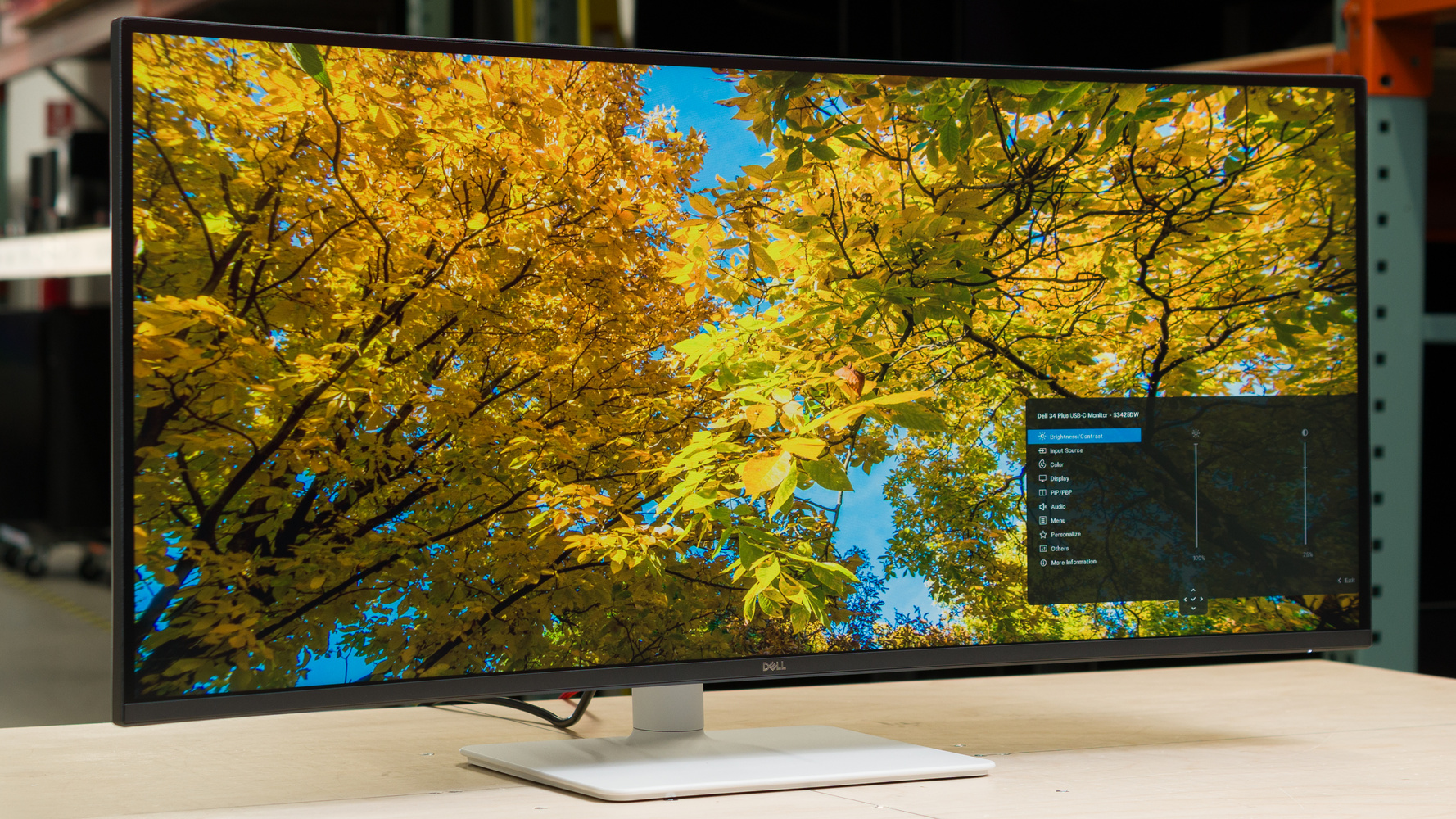
The Dell S3425DW is an entry-level ultrawide monitor geared towards productivity. It has a 34-inch curved screen with a 3440x1440 resolution and a VA panel. It's part of Dell's Plus lineup, providing a larger alternative to the 24-inch Dell S2425HSM and the 27-inch Dell S2725DC, and it competes with other work-focused ultrawide monitors, like the Samsung ViewFinity S6 and the LG 34U650A-B. It includes a USB hub that makes it easy to connect your devices, and it has a USB-C port with DisplayPort Alt Mode and 65W of power delivery to display an image from a laptop and charge it with one cable. It also comes with an ergonomic stand that allows you to adjust its height and tilt, but unlike other Dell models, it doesn't offer any swivel adjustments. Besides productivity, it also has some gaming-oriented perks, like a 120Hz refresh rate and HDMI 2.1 bandwidth to take advantage of HDMI 2.1 graphics cards and gaming consoles.
Our Verdict
The Dell S3425DW is decent for PC gaming. It has a 120Hz refresh rate, which is fine for casual gamers, but it isn't enough for competitive gamers who want a smooth gaming experience. It at least has low input lag, which helps if you play reaction-based games, but while it has decent motion handling, there's noticeable blur and black smearing with fast-moving objects in dark scenes. Although it supports all common VRR formats to reduce screen tearing, it has distracting VRR flicker with fluctuating frame rates in dark scenes. Sadly, it has limited picture quality, which is disappointing for playing games in HDR. It lacks a local dimming feature to display very deep blacks alongside bright highlights, and colors aren't vivid.
HDMI 2.1 bandwidth and 120Hz refresh rate.
Supports all common VRR formats.
Low input lag at any refresh rate.
Consistent motion handling with 60Hz and 120Hz signals.
Good native contrast ratio.
Ultrawide 34-inch screen.
Distracting VRR flicker in dark scenes.
Noticeable blur and black smearing in dark scenes.
No local dimming to improve black levels.
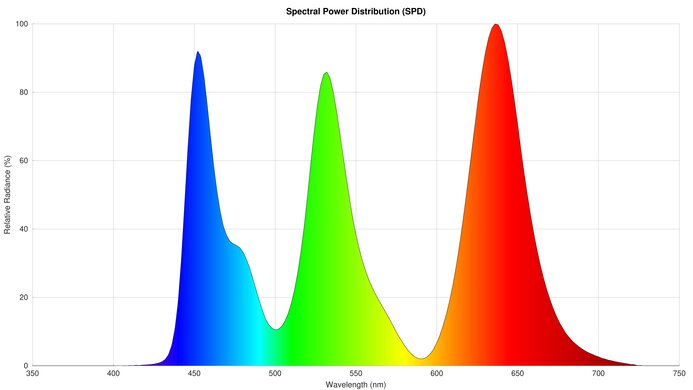
Highlights don't pop, and colors aren't vivid in HDR.
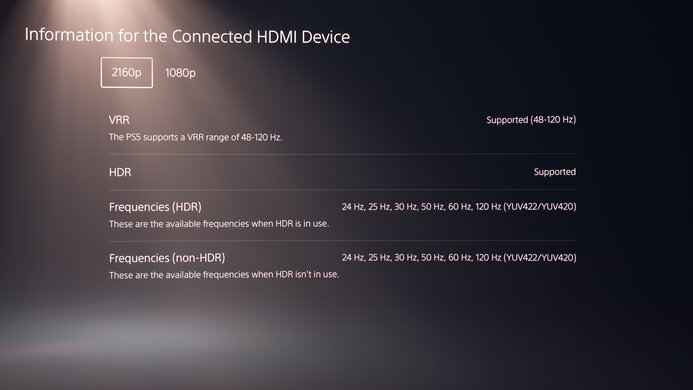
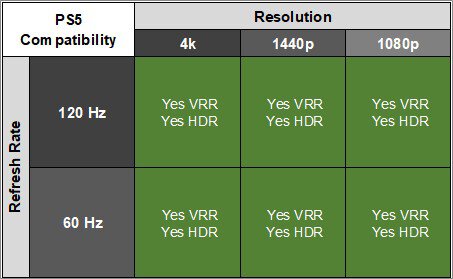
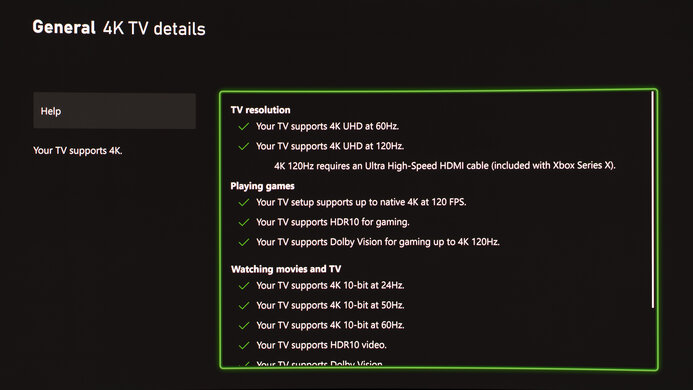
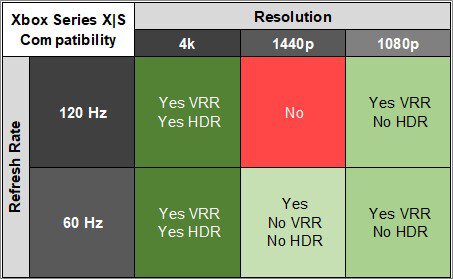
The Dell S3425DW is decent for console gaming. It supports most common signals with a PS5 and Xbox Series X|S, including downscaled 4k up to 120Hz. However, because these consoles don't support ultrawide formats, you'll see black bars on the sides. It at least has low input lag, which means it adds minimal delay to your setup's total latency, and is great for playing reaction-based games. It also has decent motion handling, which is fine for playing casual or slow-paced games, but it has noticeable blur and black smearing in dark scenes with fast-moving content. Sadly, though, it's disappointing for playing games in HDR because it fails to display very deep blacks alongside bright highlights, and it lacks vivid colors, so content looks washed out.
HDMI 2.1 bandwidth and 120Hz refresh rate.
Supports all common VRR formats.
Low input lag at any refresh rate.
Consistent motion handling with 60Hz and 120Hz signals.
Good native contrast ratio.
Noticeable blur and black smearing in dark scenes.
Has 1440p issues with an Xbox.
No local dimming to improve black levels.
Highlights don't pop, and colors aren't vivid in HDR.
Consoles don't support ultrawide formats.
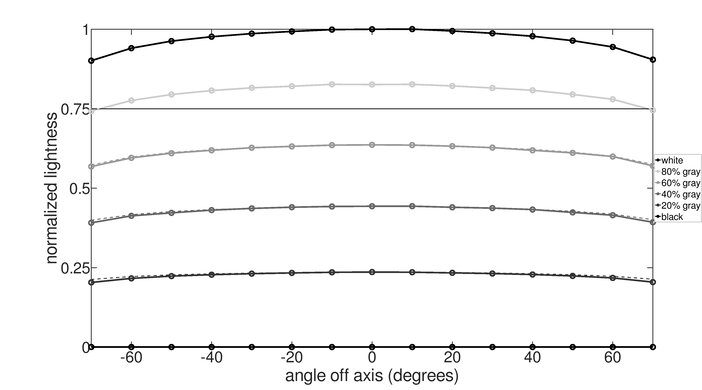
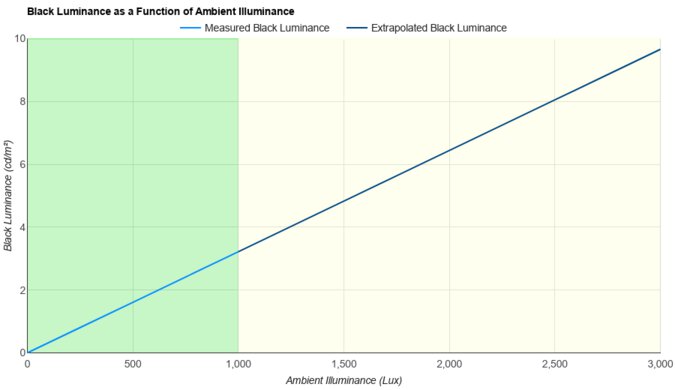
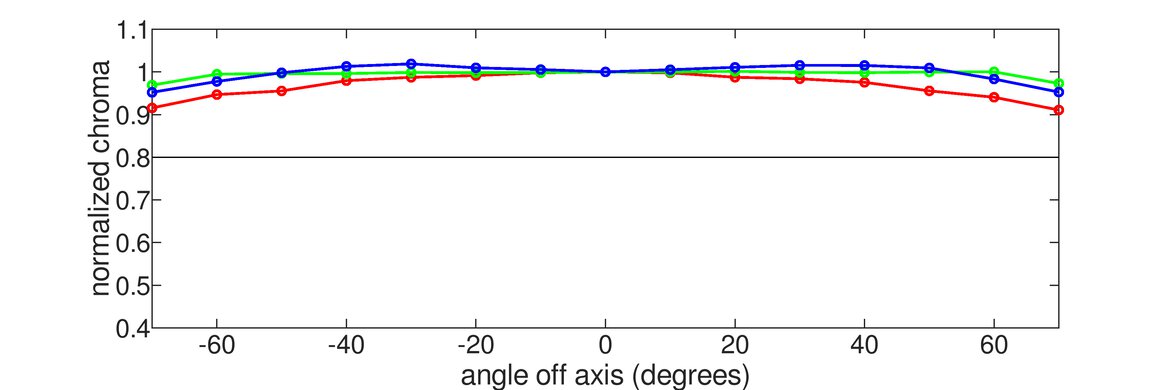
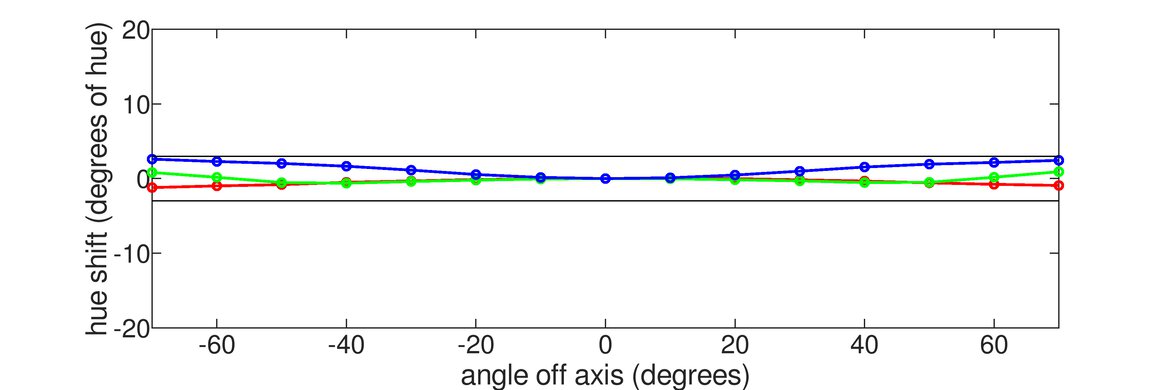
The Dell S3425DW is good for office use. It has a 34-inch ultrawide screen that's big enough to view different windows opened side by side, and text looks sharp on it. It's also fine if you want to use it in a room with a few lights around, as it gets bright, but reflections are distracting if you have it in front of a sunny window or near a bright lamp. It comes with a fairly ergonomic stand that makes it easy to adjust for yourself, but it lacks swivel adjustment to share the screen with someone else. It also has a narrow viewing angle that causes the image to wash out from the sides, so it's a bad choice if someone is sitting next to you. On the plus side, the monitor has a few work-focused features, like a USB hub with a USB-C port, that allow you to display an image from a laptop and charge it with one cable.
Ultrawide 34-inch screen.
Sharp text and images.
USB hub with USB-C port and 65W of power delivery.
Bright enough to fight some glare in a moderately lit room.
Narrow viewing angle; image looks washed out from sides.
Reflections are distracting in sunny rooms.
No swivel adjustment.
The Dell S3425DW is decent for editing. It comes with an accurate sRGB mode that locks colors well to the sRGB color space. Although this mode isn't perfect, calibrating it doesn't significantly improve the color accuracy. It has limited picture quality otherwise, as highlights don't pop and colors aren't vivid, so content looks washed out, especially if you're editing videos in HDR. It at least has a large 34-inch screen that helps when editing longer video timelines, and images look sharp. However, you need to view it from directly in front of the screen to get the most consistent image because it looks washed out from the sides. It also has distracting reflections if you want to use it in a sunny room, but it gets bright enough to fight some glare in a moderately lit space.
Good native contrast ratio.
Ultrawide 34-inch screen.
Sharp text and images.
USB hub with USB-C port and 65W of power delivery.
Bright enough to fight some glare in a moderately lit room.
Accurate sRGB mode.
Highlights don't pop, and colors aren't vivid in HDR.
Narrow viewing angle; image looks washed out from sides.
Reflections are distracting in sunny rooms.
Calibration doesn't improve accuracy all that much.
The Dell S3425DW has alright brightness. It fights some glare well if you have it in a room with a dim lamp or some overhead lights. However, visibility is an issue in a sunny room. It also fails to make highlights pop in HDR.
Bright enough to fight some glare in a moderately lit room.
Highlights don't pop, and colors aren't vivid in HDR.
Reflections are distracting in sunny rooms.
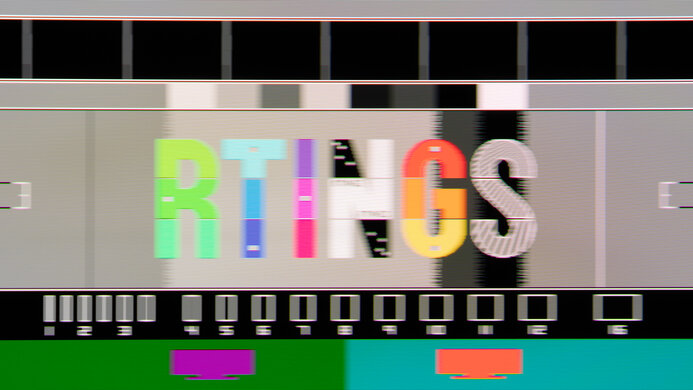
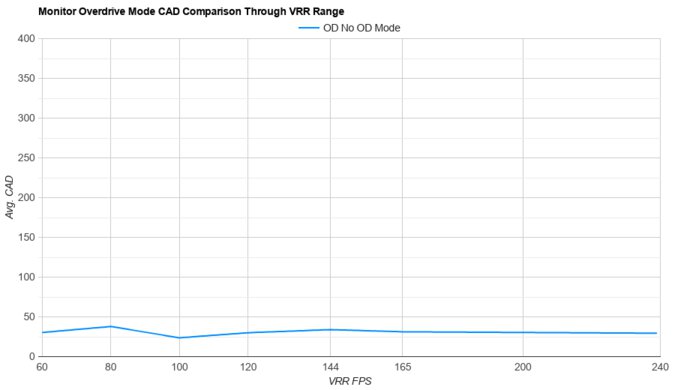
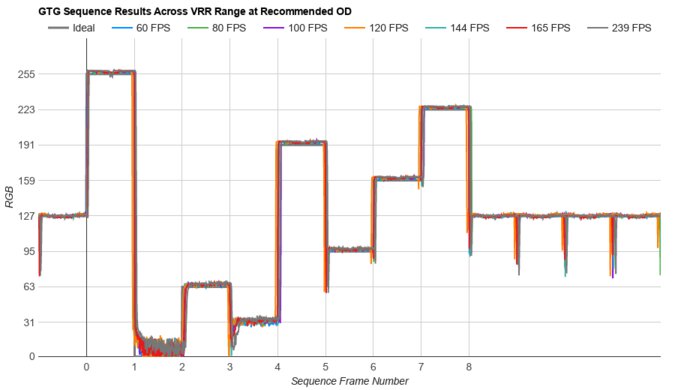
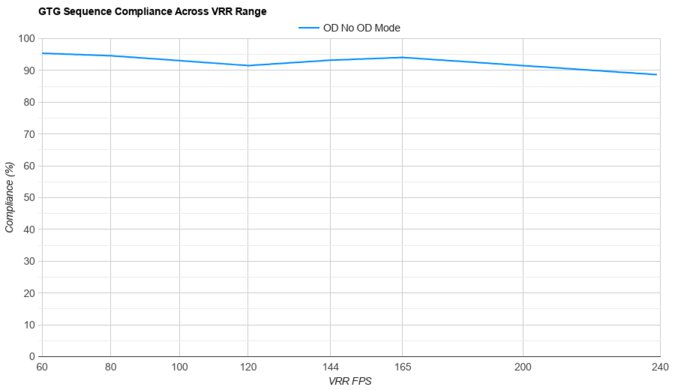
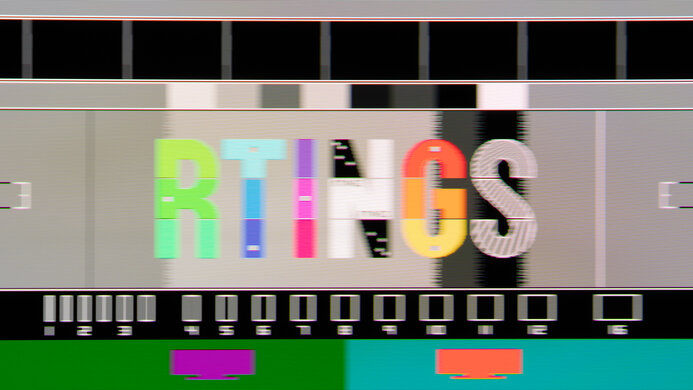
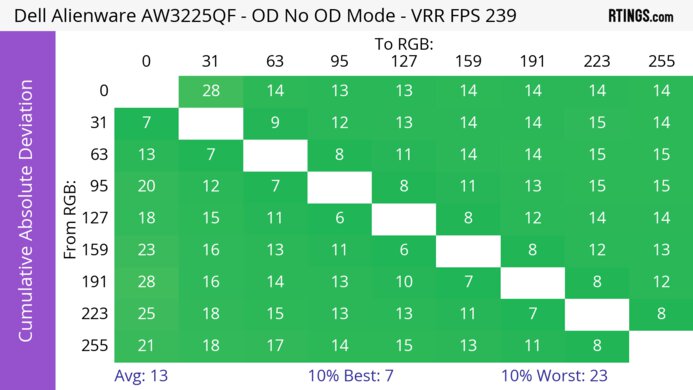
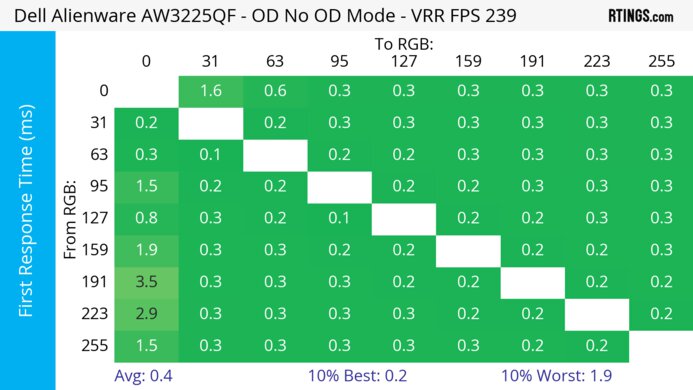
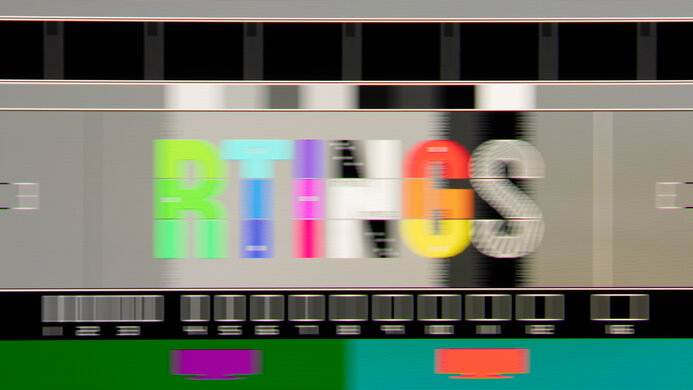
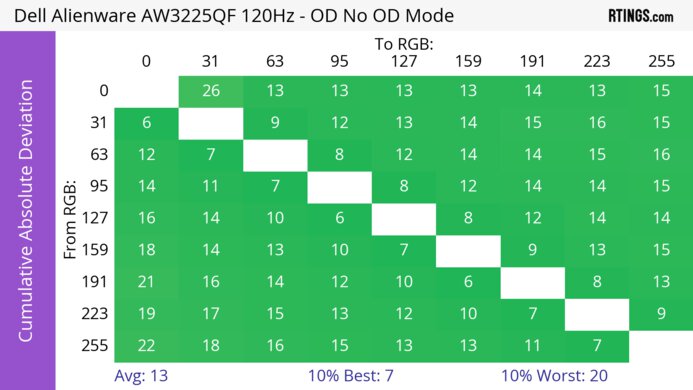
The Dell S3425DW has a good overall response time. Although its response time is consistent across its refresh rate range, there's noticeable blur behind fast-moving objects and black smearing in dark scenes.
Consistent motion handling with 60Hz and 120Hz signals.
Noticeable blur and black smearing in dark scenes.
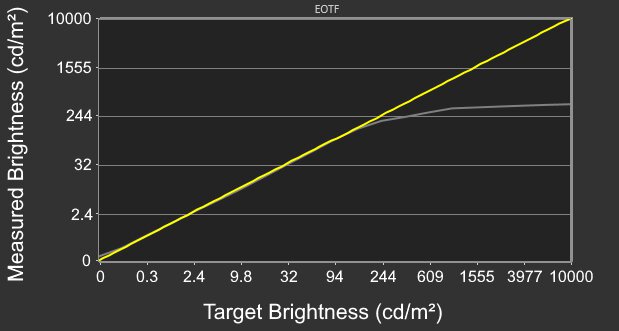
The Dell S3425DW is disappointing for HDR. Although it has a high native contrast ratio, it doesn't have a local dimming feature to improve the black levels further. Colors aren't vivid, either, so content looks washed out.
Good native contrast ratio.
No local dimming to improve black levels.
Highlights don't pop, and colors aren't vivid in HDR.
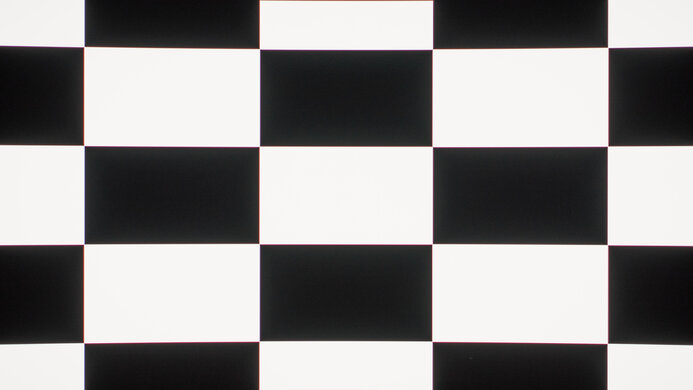
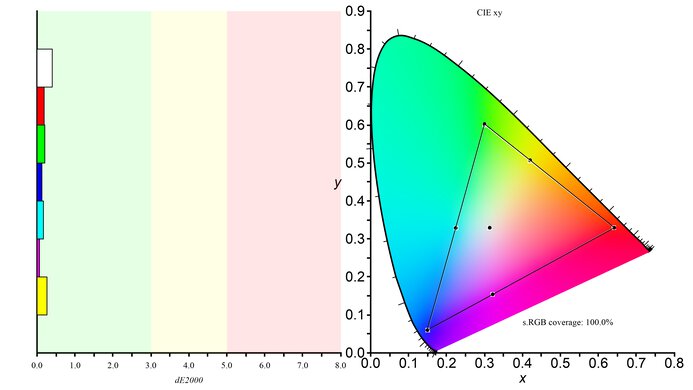
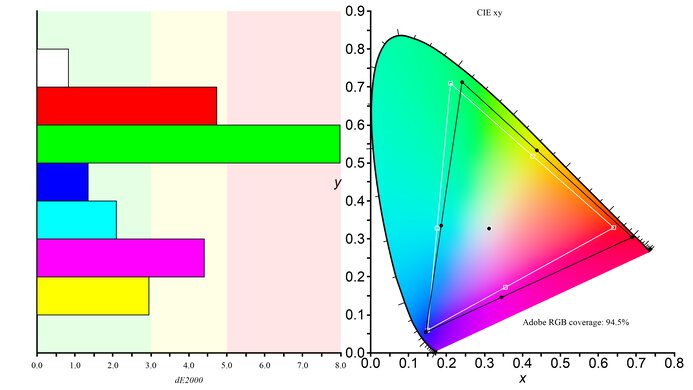
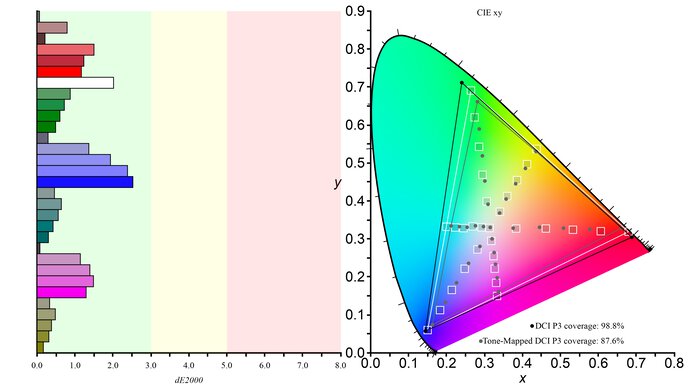
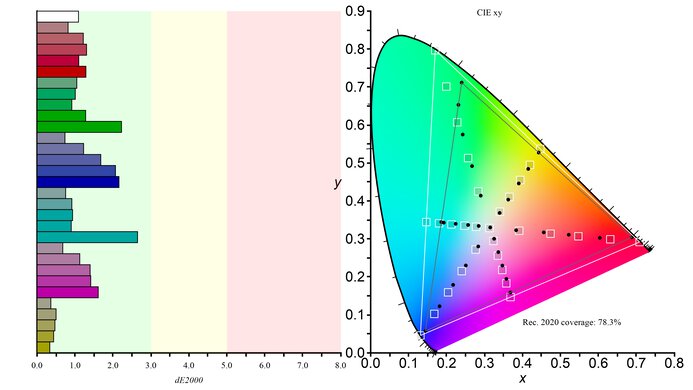
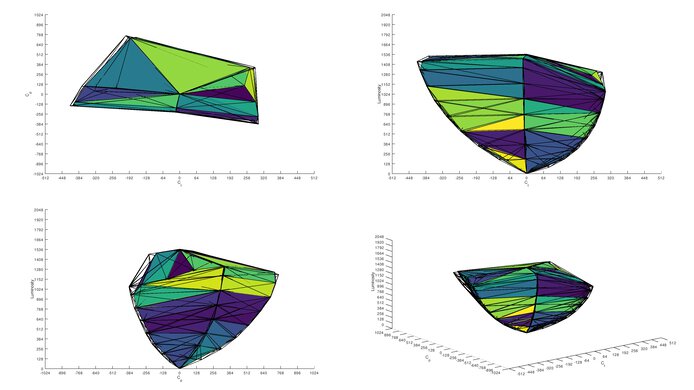
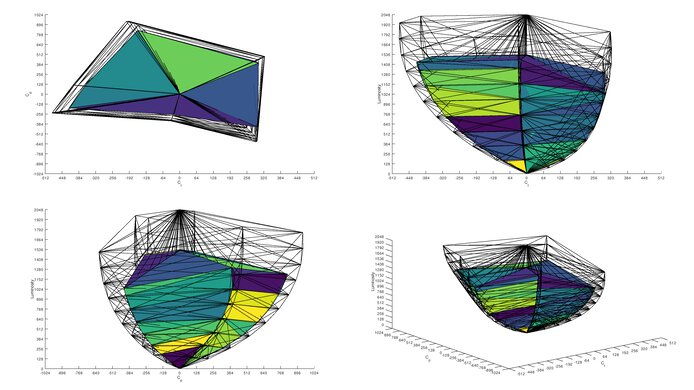
The Dell S3425DW has decent SDR picture quality. It has a good native contrast ratio for fairly deep blacks, but you can't improve it much further with a local dimming feature. On the plus side, it covers a wide range of colors in common SDR color spaces.
Good native contrast ratio.
Covers common SDR color spaces.
No local dimming to improve black levels.
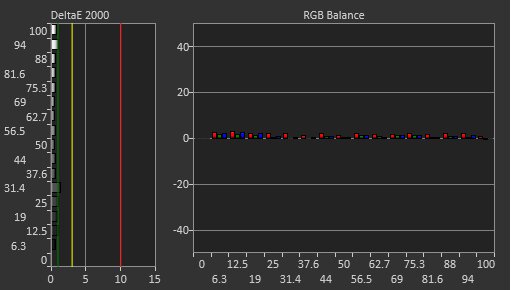
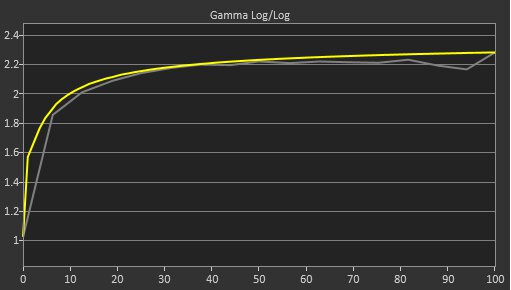
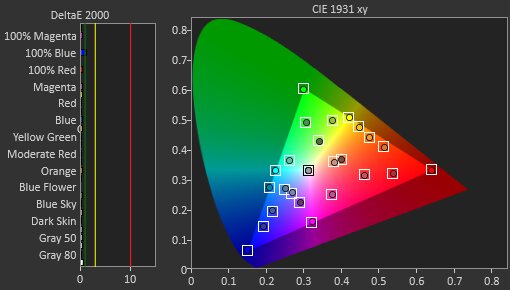
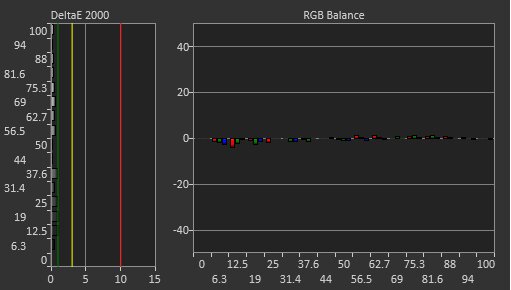
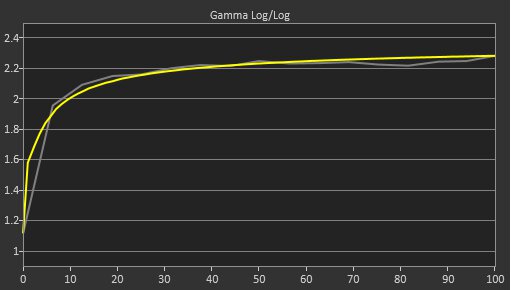
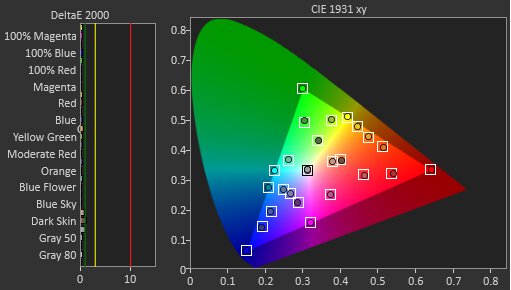
The Dell S3425DW has excellent color accuracy. Its dedicated sRGB mode is accurate out of the box. It minimizes issues with its white balance and color accuracy. While calibrating it helps fine-tune some issues, it doesn't make the image significantly more accurate.
Accurate sRGB mode.
Calibration doesn't improve accuracy all that much.
Performance Usages
Check Price
Differences Between Sizes And Variants
We bought and tested the 34-inch Dell S3425DW. Although there are other models available in Dell's Plus lineup, they're different, as you can see below. The results are only valid for this 34-inch model.
| Model | Size | Panel Type | Resolution | Refresh Rate | Ports |
|---|---|---|---|---|---|
| S2425HSM | 24" | IPS | 1080p | 144Hz | - |
| S2725DC | 27" | IPS | 1440p | 144Hz | 2x USB-A 2x USB-C |
| S2725QC | 27" | IPS | 4k | 120Hz | 2x USB-A 2x USB-C |
| S3225QC | 32" | QD-OLED | 4k | 120Hz | 3x USB-C |
| S3425DW | 34" | VA | 1440p | 120Hz |
2x USB-A 2x USB-C |
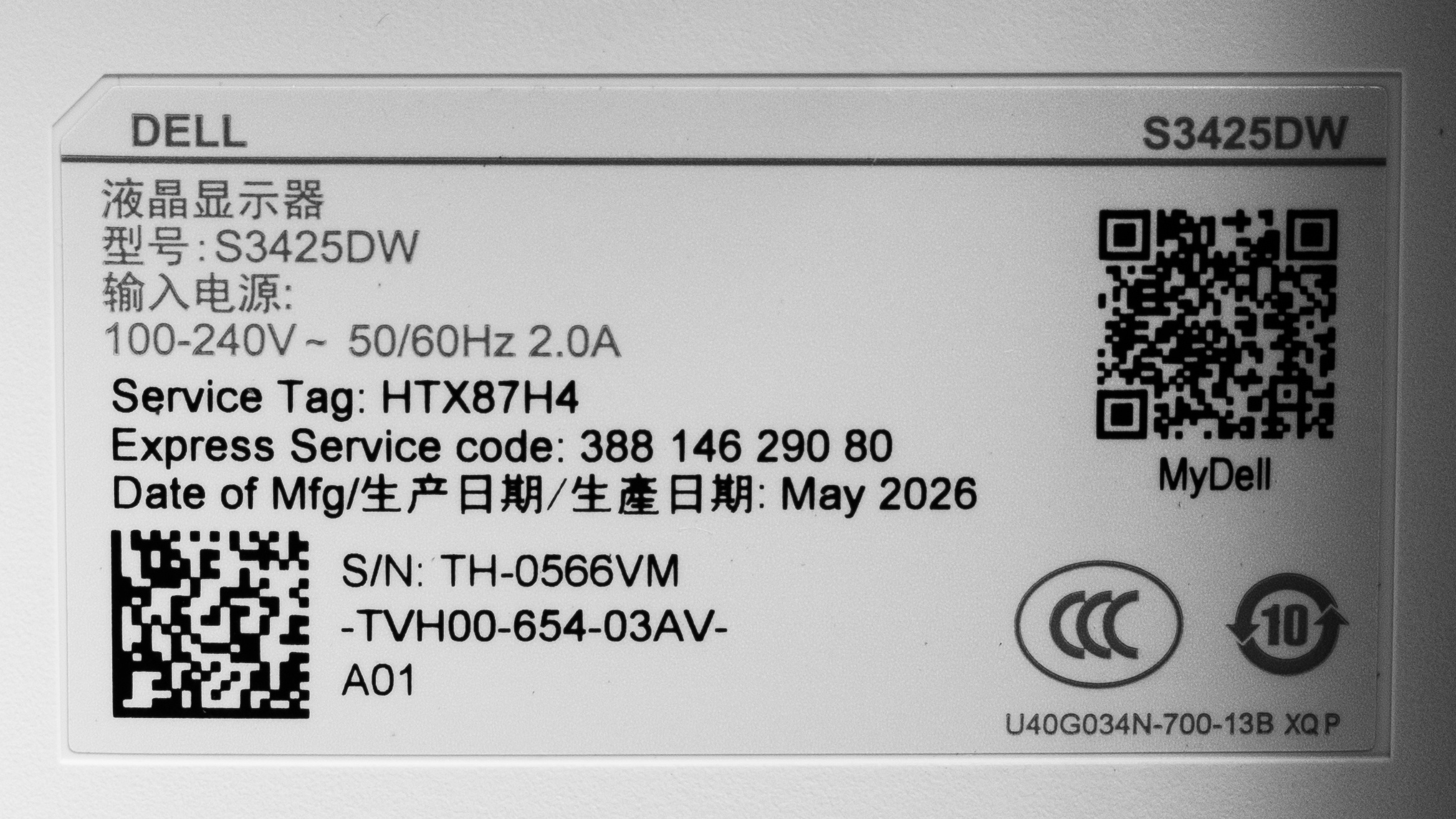
Our unit's label indicates it was manufactured in May 2026. We tested it with firmware M3C102.
Popular Monitor Comparisons
The Dell S3425DW is an entry-level ultrawide monitor geared towards work. It has a few features to help with productivity, like a USB hub that includes a USB-C port with DisplayPort Alt Mode and 65W of power delivery, which allows you to quickly connect a laptop. Its 34-inch screen is big enough for multitasking, and it delivers sharp text, too. It even has some features to help with casual gaming, like a 120Hz refresh rate. It's a good upgrade over the older Dell S3422DWG, and it's a solid choice as an entry-level ultrawide option because of these features. However, with blurry motion and limited picture quality in HDR, it isn't as well-rounded as higher-end options, like the MSI MPG 341CQR QD-OLED X36, so it's something to get if you're on a tight budget and don't need the best performance.
Also see our recommendations for the best curved monitors, the best ultrawide monitors, and the best 34-49 inch monitors.
The Dell S3425DW is a newer model than the Dell S3422DWG. The S3425DW is a bit more well-rounded because it has more accurate colors, slightly better motion handling, and it has a USB-C port to connect a laptop, which the S3422DWG lacks. The S3425DW also supports HDMI 2.1 bandwidth to make full use of gaming consoles and modern graphics cards, which the S3422DWG lacks.
The Dell S3425DW and the Dell Alienware AW3425DWM are both entry-level ultrawide monitors with 34-inch screens. They're geared towards different uses, as the S3425DW is meant for office use, and the AW3425DWM is geared towards gaming. The S3425DW has a bigger USB hub, including a USB-C port to connect a laptop, which the AW3425DWM lacks. However, the AW3425DWM has a higher refresh rate and better motion handling for gaming. They have similar picture quality otherwise, but the AW3425DWM gets a bit brighter.
The Dell S3425DW and the Dell S2725DC are both entry-level work monitors. The S3425DW is a bigger monitor with an ultrawide 34-inch screen, so it offers more space for multitasking. The S3425DW also supports HDR, which the S2725DC doesn't, but it doesn't add much because the S3425DW has limited picture quality anyway. They're similar otherwise, but the S2725DC has a wider viewing angle and better ergonomics that make it easier to share the screen with someone next to you.
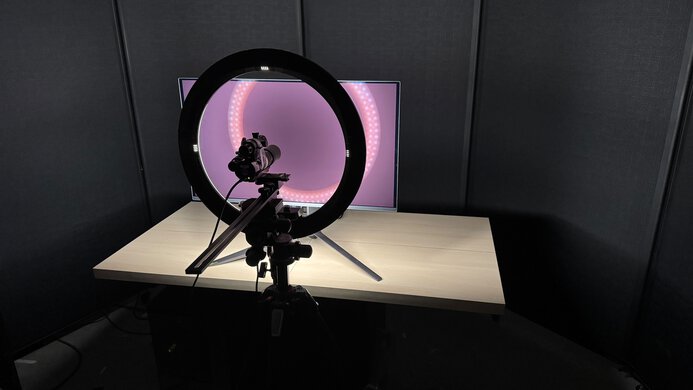
We buy and test more than 30 monitors each year, all of which we purchase ourselves, without cherry-picked units or samples. We put a lot into each unbiased, straight-to-the-point review, and there's a whole process from purchasing to publishing, involving multiple teams and people. We do more than just use the monitor for a week; we use specialized, custom tools to measure various aspects and deliver objective, data-driven results. We also consider multiple factors before making any recommendations, including the monitor's cost, its performance compared to the competition, and whether it's easy to find.
Test Results
for pictures & test results

for pictures & test results

for pictures & test results
for pictures & test results
for pictures & test results
for pictures & test results
for pictures & test results
for pictures & test results
for videos & test results

for pictures & test results
for pictures & test results
for pictures & test results