The LG QNED75B is an entry-level 4k TV released in 2026. It's a very basic TV, with an ADS panel and no local dimming. It's very light on modern features, with no support for HDMI 2.1 bandwidth, a limited 60Hz refresh rate, and no ATSC 3.0 tuner. It does support VRR and ALLM for gaming. It's powered by LG's α7 AI Processor 4K Gen 9 and ships with the 2026 version of LG's webOS smart interface, but as it's part of LG's Re:New program, it'll receive new versions of webOS for a few years after launch. We bought and tested the 75-inch model, but it's also available in a 43-, 50-, 55-, 65-, and 85-inch size.
Our Verdict
The LG QNED75B is a poor TV overall. It doesn't look good in a dark room due to its low contrast, raised black levels, and lack of a local dimming feature. It's not well-suited for a bright room, either, as it's not bright enough to overcome glare and reflections are distracting. It has a limited selection of extra features, including a few gaming goodies like VRR, but it's just as disappointing for gaming due to its poor motion handling. The backlight also flickers at a low frequency at all brightness settings, which can bother people sensitive to flicker.
Image remains consistent at a moderate viewing angle.
Awful contrast and no local dimming means dark scenes are washed out.
Mediocre black uniformity.
Not bright enough in SDR to overcome glare.
Low frequency PWM backlight-flicker at all brightness levels.
The LG QNED75B is a bad TV for home theater usage. It doesn't look good in a dark room due to its raised black levels, low contrast, and lack of a local dimming feature. Colors are muted, and it's not very accurate out of the box. It also has limited format support, as it doesn't support Dolby Vision or DTS audio formats.
Good low-quality content smoothing.
Awful contrast and no local dimming means dark scenes are washed out.
Mediocre black uniformity.
Not bright enough to deliver an impactful movie-watching experience.
The LG QNED75B is a disappointing choice for a bright room. It's not bright enough to overcome glare from bright lights or open windows, and its glossy coating does almost nothing to reduce their intensity. Bright and dark scenes are hard to see during the day. On the other hand, ambient light has almost no impact on black levels or perceived color volume.
Ambient light has no impact on black levels.
Not bright enough in SDR to overcome glare.
Can't reduce the intensity of direct, mirror-like reflections.
The LG QNED75B is a mediocre TV for watching sports. It's not bright enough to overcome glare during the day, so you have to close the curtains to be able to clearly see daytime games. It also has sub-par uniformity, with a very patchy image that can be distracting when watching sports. It also has very poor motion handling, and fast action in sports is blurry. On the other hand, it has a wide viewing angle, so it's suitable for a wide seating arrangement as the image doesn't degrade much at a wide angle.
Image remains consistent at a moderate viewing angle.
Good low-quality content smoothing.
Not bright enough in SDR to overcome glare.
Motion is very blurry.
Can't reduce the intensity of direct, mirror-like reflections.
Minor color artifacts in fast action.
The LG QNED75B delivers a disappointing gaming experience. While it has a few new gaming features like low input lag and VRR support to reduce tearing, games just don't look very good due to its very high CAD, so fast action is very blurry. On the plus side, switching to the dedicated gaming mode has no impact on black levels or peak brightness.
Very low input lag.
Narrow VRR range.
Limited to a 60Hz refresh rate.
Motion is very blurry.
The LG QNED75B has poor peak brightness. It's not bright enough to overcome glare when watching sports or shows during the day. Movies look flat and dull overall, as small details aren't bright enough to stand out at all, and very bright scenes are dim.
Not bright enough in SDR to overcome glare.
The LG QNED75B has terrible black levels. Blacks are always raised and look washed out in all scenes. It has poor uniformity, with noticeable warm spots near the center of the screen and a darker edge, and there's no local dimming feature to improve it.
Awful contrast and no local dimming means dark scenes are washed out.
Mediocre black uniformity.
The LG QNED75B has alright colors. It's not very accurate out of the box, with a noticeably warm color temperature and a very red tint in brighter scenes. It also has limited color volume in both SDR and HDR, and colors appear washed out in bright content.
Colors are dull and muted.
Warm average color temperature before calibration.
The LG QNED75B has mediocre motion handling when watching content. It can only remove judder from 24p sources like a Blu-ray player or streaming device with the Match Frame Rate feature enabled, but not from a cable box or older device that can only send a 60Hz signal. It also has a very slow response time, so motion is very blurry, especially in fast action shots or when watching sports. On the flip side, this means there's relatively little stutter in slow-panning or wide shots.
No micro judder.
Motion is very blurry.
Can't remove judder from 60Hz sources.
Minor color artifacts in fast action.
The LG QNED75B has sub-par responsiveness when gaming. While it has a few nice gaming features like VRR to reduce tearing and low input lag, it's limited by its low 60Hz refresh rate and narrow VRR range. It also has very poor motion handling when gaming, with a very high CAD that results in blurry motion.
Very low input lag.
Narrow VRR range.
Limited to a 60Hz refresh rate.
Motion is very blurry.
Note: We're in the process of improving our tests related to image processing, but this score should give you a general idea of how a TV performs overall with its image processing capabilities.
The LG QNED75B has good processing capabilities. It does a good job cleaning up low-quality content from streaming services, but there's a slight loss of fine details in the process. It also does a great job upscaling low-resolution content from DVDs. It has good PQ EOTF tracking, but blacks are raised due to the TV's low contrast and it can't display bright highlights well. The TV pushes to preserve gradation instead of pushing peak brightness, so fine details are preserved well in bright areas. Finally, it has decent gradient handling, but there's some noticeable banding in dark shades.
Good low-quality content smoothing.
Performance Usages
Check Price
Differences Between Sizes And Variants
We bought and tested the 75-inch LG QNED75B, and these results are also valid for the 43, 50, 55, 65, and 85-inch models. All sizes offer the same picture quality and overall performance. There's a minor variant of this TV known as the LG QNED74B, which has one less HDMI input but otherwise performs the same. The last two letters (UA in this case) can vary between regions and individual retailers, but there's no difference in performance.
| Size | US Model |
|---|---|
| 43" | LG 43QNED75BUA |
| 50" | LG 50QNED75BUA |
| 55" | LG 55QNED75BUA |
| 65" | LG 65QNED75BUA |
| 75" | LG 75QNED75BUA |
| 85" | LG 85QNED75BUA |
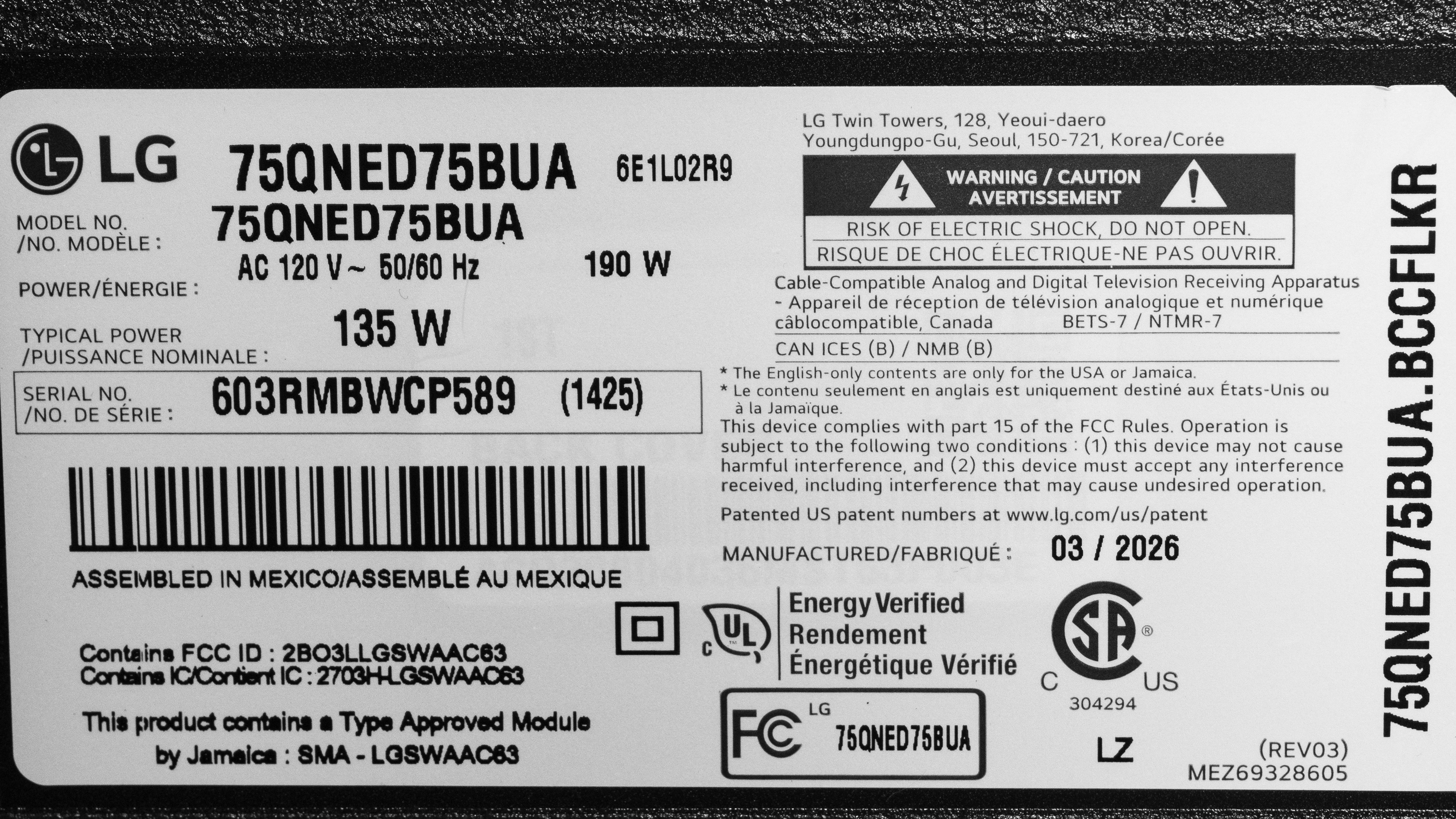
Our unit was made in Mexico in March 2026.
Popular TV Comparisons
The LG QNED75B is a very basic TV with poor picture quality and very few extra features. It's cheap, but similarly-priced models from competing brands, like the Hisense U65QF or Vizio Mini LED Quantum 4K, deliver a substantially better experience overall. Its only advantage over the competition is its wide viewing angle, which makes it a better choice for a wide seating arrangement than most competing models. It has low contrast and low peak brightness, though, so it's not very versatile and needs to be used in a dimly-lit room that's not too bright or dark.
For more options, check out our recommendations for the best TVs under $500, the best 70-75-77 inch TVs, and the best TVs for gaming.
The Samsung M70H is a bit better than the LG QNED75B. The Samsung has much better contrast, so blacks are deeper and more uniform, and it looks a lot better in a dark room. It still lacks a local dimming feature, though, so it's not perfect. Other than that, these TVs are remarkably similar.
The Sony BRAVIA 2 II and the LG QNED75B are very similar overall and trade blows in a few different ways. Colors are slightly brighter and more vibrant on the LG, and most real content is a bit brighter. The Sony, on the other hand, has better image processing and is far more accurate out of the box.
The Hisense U65QF is significantly better than the LG QNED75B. The Hisense delivers significantly better picture quality, with deeper, more uniform blacks, better colors, and significantly higher peak brightness. The Hisense is also much better for gaming thanks to its higher refresh rate and HDMI 2.1 bandwidth, and motion is significantly smoother with less blur behind fast-moving objects.
The Vizio Mini LED Quantum 4K is much better than the LG QNED75B. The Vizio gets significantly brighter, so it's easier to see during the day as it can overcome more glare. Movies are also brighter and more colorful, and it delivers a more impactful viewing experience. On the other hand, the Vizio has worse image processing, so it's not as good at cleaning up low-quality streaming content or upscaling older content on DVDs.

We buy and test dozens of TVs yearly, taking an objective, data-driven approach to deliver results you can trust. Our testing process is complex, with hundreds of individual tests that take over a week to complete. Most of our tests use specially designed test patterns that mimic real content, but we also use the same sources you have at home to ensure our results match the real-world experience. We use two main tools for our testing: a Colorimetry Research CR-100 colorimeter and a CR-250 spectroradiometer.
Test Results
for pictures & test results

for pictures & test results

for pictures & test results

The LG QNED75B has bad peak brightness in HDR. It's bright enough to deliver a somewhat decent experience in most moderately lit scenes, but small highlight details like the sun reflecting off a car don't stand out at all. Bright outdoor shots are very dim and look flat.
for pictures & test results

for pictures & test results

for pictures & test results

Switching to Game Optimizer makes no difference to the TV's peak brightness in HDR.
The TV has poor peak brightness in SDR. It's bright enough to see bright scenes in a moderately-lit room, but it can't overcome glare from lights or windows facing the screen.
for pictures & test results

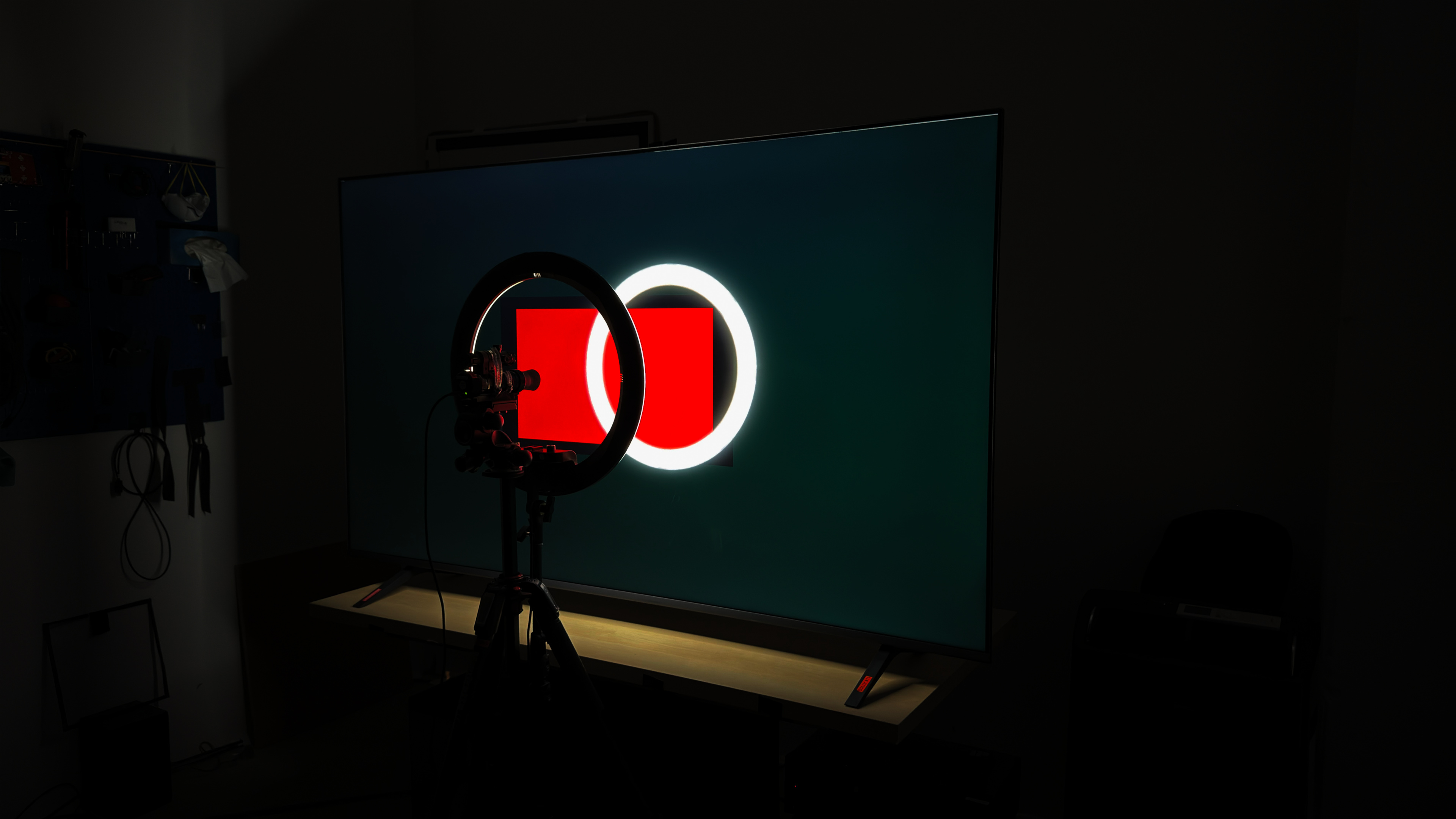
The LG QNED75B has terrible contrast. Blacks are raised and look washed out in all scenes. Although the TV is marketed by LG as a Mini LED model, this is deceiving and only refers to the physical size of the LEDs, as there's no local dimming feature.
for pictures & test results

There's no local dimming feature, so there are no lighting zones. This means there's no haloing around bright elements against a dark background or subtitles, but the entire image looks gray and washed out.
for videos & test results

This TV doesn't have a local dimming feature, so it can't adjust the backlight of individual zones to brighten up highlights without impacting the rest of the image. This means that there are no distracting flickers or brightness changes as bright highlights move between dimming zones.


for pictures & test results

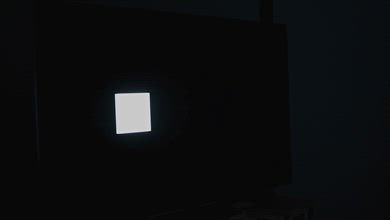
The TV has mediocre black uniformity. Black levels are very uneven across the screen, with some warmer spots near the center and darker areas near the edges. Unfortunately, there's no local dimming feature to improve it.
for pictures & test results

for pictures & test results

The LG QNED75B has okay color volume in SDR. It has decent coverage of the DCI-P3 color space, but can't display the full range of reds or greens. It can't display much beyond the DCI-P3 color space, resulting in much worse coverage of the BT.2020 color space. Color volume also varies considerably depending on the lightness of the scene, and it struggles to maintain color saturation in very light scenes.
| Volume ΔE³ | DCI-P3 Coverage |
BT.2020 Coverage |
|---|---|---|
| L10 | 78.66% | 56.48% |
| L20 | 83.99% | 60.68% |
| L30 | 85.70% | 62.41% |
| L40 | 86.43% | 64.50% |
| L50 | 86.59% | 64.77% |
| L60 | 83.09% | 60.24% |
| L70 | 78.45% | 50.56% |
| L80 | 78.81% | 48.60% |
| L90 | 80.10% | 49.48% |
| L100 | 88.48% | 64.08% |
| Total | 82.58% | 56.79% |
for pictures & test results

for pictures & test results

The TV has disappointing color volume in HDR. It can't display dark, saturated colors at all due to its very low contrast and high black levels. Colors in bright scenes look washed out, and it can't display the full range of colors in either HDR color space.
for pictures & test results

for pictures & test results

for pictures & test results

The LG QNED75B has okay color accuracy before calibration. Its gamma tracking is all over the place, so some scenes look okay while others are crushed. There's also a bit too much red and not enough blue in brighter shades of gray, giving it a very warm color temperature in most scenes. Its color mapping isn't too bad, but there are a few noticeable issues with blues and reds.
for pictures & test results

for pictures & test results

for pictures & test results

The TV is very easy to calibrate and looks nearly perfect after a full calibration. Any remaining inaccuracies aren't noticeable.
You can see our full calibration settings here.
for pictures & test results

for pictures & test results

The TV has good accuracy in HDR before calibration. The white balance is the biggest issue, with noticeable issues in bright and dark shades of gray. It has great color mapping, with only minor luminance errors. The average color temperature is excellent, but there's not enough blue in dark shades and too much blue in bright ones.
for pictures & test results

for pictures & test results

Calibrating the TV in HDR improves accuracy a bit. Color accuracy is even better, with very few noticeable issues. The white balance looks a lot better overall but there are still issues in very bright and very dark shades.
for pictures & test results

The TV has good PQ EOTF tracking. Black details are noticeably raised by the TV's low contrast, but midtones track extremely well. Content mastered at 600 and 1,000 nits rolls off gently near the TV's peak brightness. Content mastered at 4,000 nits rolls off even more gradually near its peak brightness, which helps preserve fine details in bright parts of the scene but limits how bright they get.
for pictures & test results

The TV has good low-quality content smoothing. It does a great job reducing macro blocking and other compression artifacts from streaming services, but there's a noticeable loss of fine details that gives the image a slightly waxy look.
for pictures & test results

The TV has great upscaling. Low resolution content like DVDs are upscaled well, with no obvious over sharpening.
for pictures & test results
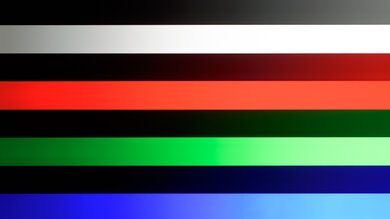
The gradient handling is just decent. There's noticeable banding in dark shades of gray and blue, and all shades of green.
This TV adds very little input lag when set to Game Optimizer, which ensures a responsive gaming experience.
The TV supports all common resolutions up to 4k @ 60Hz. It displays chroma 4:4:4 properly with any signal, which is important for reading clear text from a PC.
The LG QNED75B supports VRR to help reduce screen tearing. Unfortunately, it's not very useful, as the refresh rate range isn't wide enough to work with sources that support Low Framerate Compensation (LFC), so you'll see tearing if your framerate drops below 48Hz.
for pictures & test results
for pictures & test results

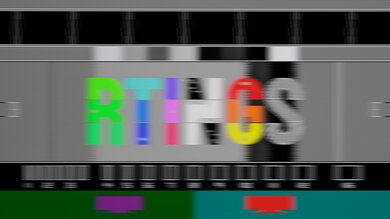
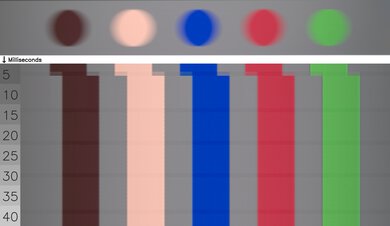
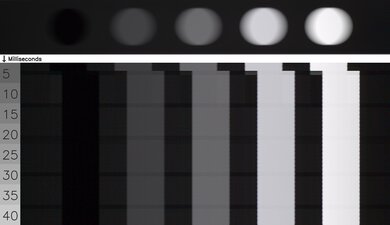
Unfortunately, the TV has a very high CAD at the max 4k refresh rate of 60Hz, and motion looks very blurry when gaming. There's some overshoot in certain transitions, but it's not enough to cause noticeable inverse ghosting.
This TV doesn't support a 120Hz refresh rate.
for pictures & test results

for pictures & test results

Unfortunately, the TV has a very high CAD at the max 4k refresh rate of 60Hz, and motion looks very blurry when gaming. There's some overshoot in certain transitions, but it's not enough to cause noticeable inverse ghosting.
for pictures & test results

This TV is a 60Hz TV, so it only supports 4k @ 60Hz on the P55. It has Auto Low Latency Mode (ALLM), so it'll automatically switch to Game Optimizer mode when it detects a game being played, which gives you the lowest possible input lag for games.
for pictures & test results

This TV only supports 4k @ 60Hz Xbox Series consoles. It has Auto Low Latency Mode (ALLM), so it'll automatically switch to Game Optimizer mode when it detects a game being played, which gives you the lowest possible input lag for games. Unlike higher-end LG TVs, it doesn't support Dolby Vision.
for videos & test results
for pictures & test results

for pictures & test results
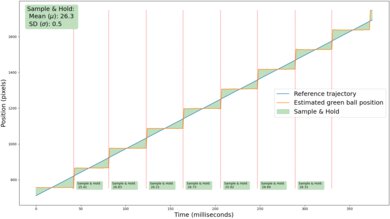
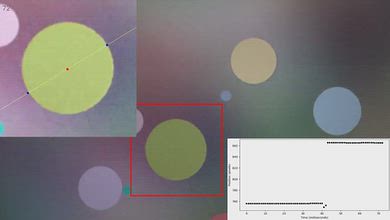
The TV's relatively slow response time results in mediocre stutter results. There's some minor stutter in wide, slow-panning shots, but it's better than most LED TVs on the market and not very noticeable.
for videos & test results
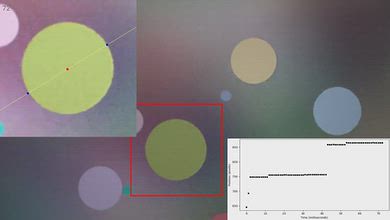
for pictures & test results

for pictures & test results
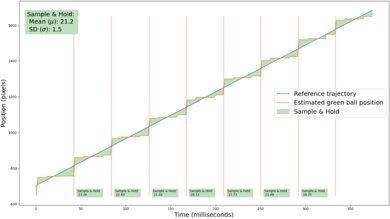
Adding low levels of motion interpolation actually adds judder, with the TV constantly alternating between a short frame and a long one. While the average frame hold time is lower compared to before, it's incredibly inconsistent and motion looks worse overall.
for pictures & test results
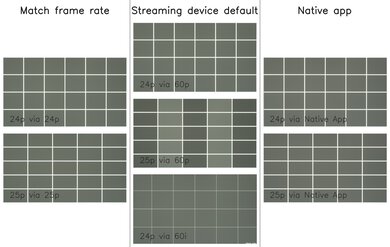
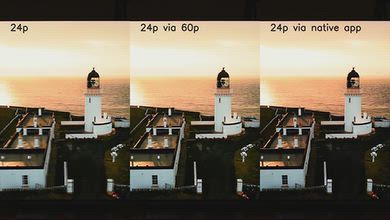
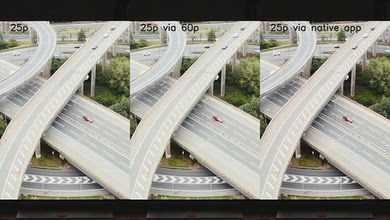
Unfortunately, the TV doesn't remove 24/25p judder from 60Hz sources like most cable TV boxes or a streaming device with the Match Frame Rate feature disabled. Watching movies from a Blu-ray player or with the native apps is fine, though.


for pictures & test results

The TV uses pulse width modulation (PWM) to dim its backlight, which introduces flicker that can bother people who are sensitive to it. Unfortunately, it flickers at a slow 240Hz in all picture modes and at all brightness levels, so it can cause headaches and eye strain if you're sensitive to flicker.
The TV doesn't have an optional backlight strobing feature, commonly known as black frame insertion (BFI), to help reduce persistence blur.
for pictures & test results

for pictures & test results

The glossy coating on the LG QNED75B does almost nothing to reduce the intensity of direct reflections. Lights and windows facing the TV are reflected back like a mirror and are very clear.


for pictures & test results

for pictures & test results

The total amount of reflected light is decent. Unfortunately, bright mirror-like reflections are clear and easy to see, but at least there are no diffraction artifacts like rainbow smearing.
for pictures & test results

Ambient light has no significant impact on the TV's perceived color volume.
for videos & test results
for pictures & test results

for pictures & test results

for pictures & test results

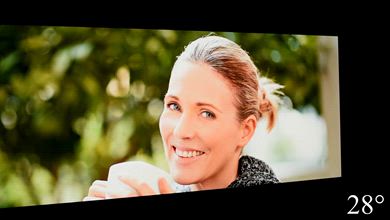
One of the few positives of this TV is its good viewing angle. The image remains accurate even at a moderate angle, so it's an acceptable choice for a wide seating arrangement.
for pictures & test results

for pictures & test results

Unfortunately, the LG QNED75B has sub-par gray uniformity. The center of the screen is a bit patchy, which can be distracting when watching sports. The sides of the screen are also considerably darker than the center, which is noticeable in all content.
for pictures & test results

for pictures & test results

The TV uses an ADS panel with an RGB sub-pixel layout, so it renders text well as a PC monitor. It uses a KSF phosphor to produce reds, which is a bit better than simple color filters on lower-end models like the LG UA77.


This TV supports eARC, which allows it to pass uncompressed high-quality audio from a connected source to your home theater system or soundbar. Unfortunately, it doesn't support any DTS formats commonly used on physical media.
Unlike most LG TVs, the LG QNED75B doesn't support Dolby Vision.
for pictures & test results

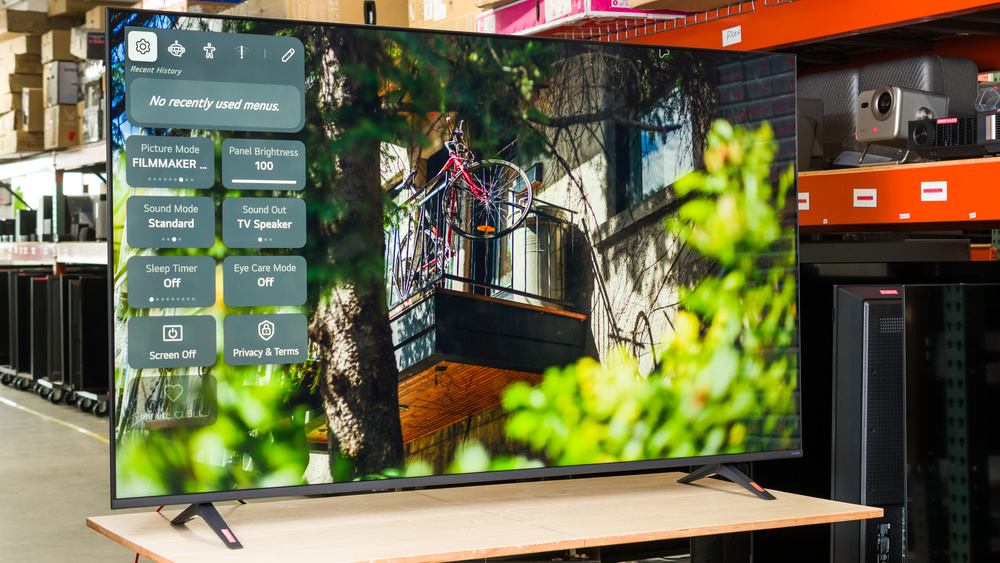
The TV has a fairly basic design. While the bezels are thin and it doesn't look too bad, it's not very premium, either.
for pictures & test results

The blade style feet sit at either end of the TV and there's no narrow position for a shorter table.
Footprint of the 75-inch stand: 51.1" x 14.3" x 3.5".
for pictures & test results

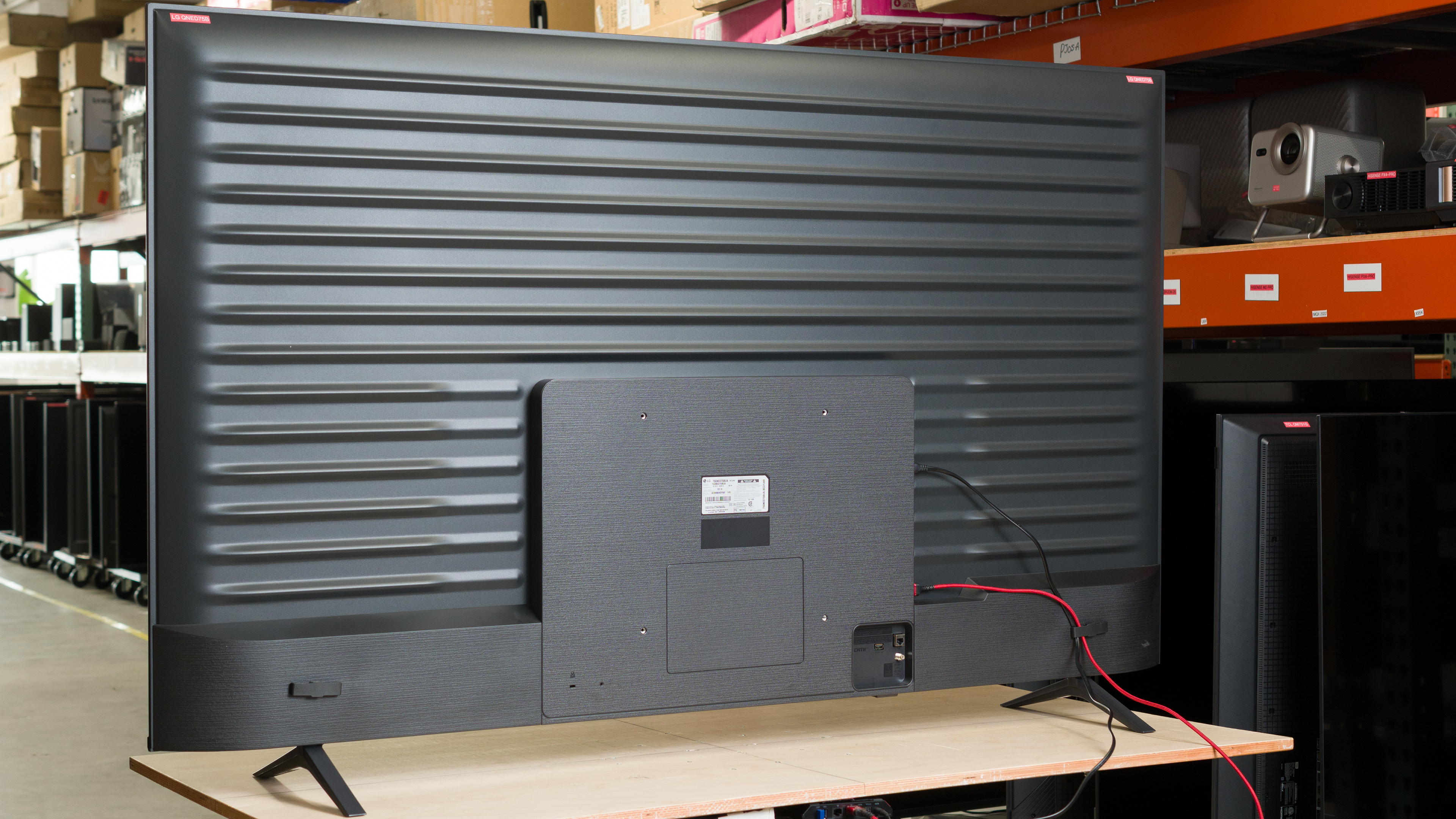
The back of the TV has a very cheap look to it. The inputs are all housed in a central electronics box, so they're difficult to reach without turning the TV. There are clips on either side of the TV to help with cable management.


for pictures & test results

The LG QNED75B has decent build quality. It's almost entirely made of plastic, so some of the body panels flex easily and feel a bit cheap. There are no obvious construction issues with it, though.
for pictures & test results

The TV ships with a simple remote with a full set of keys, which some people may actually prefer. The TV is compatible with LG's Magic Remote, though, so you can buy it separately if you want it.
for pictures & test results

The TV ships with version 26 of LG's proprietary webOS smart interface. It's easy to use, with support for multiple user profiles, a kids mode, and a huge selection of apps. This TV is also part of LG's Re:New program, so it'll eventually receive software updates to newer versions of webOS for the next few years.
for pictures & test results

Unfortunately, like almost all TVs on the market, the smart interface contains ads, and you can't disable them.

for pictures & test results

- Remote control (2xAAA batteries)
- Power cable
- User guides
- Cable management clips
This TV was originally tested on firmware version 43.21.41.
for pictures & test results

Unfortunately, the TV has a sub-par frequency response. While most TVs lack deep bass, this one is even worse than usual, with very little bass response at all. It has a fairly well-balanced sound profile at low listening levels, but it can't get very loud. The TV has a digital room correction feature, but it requires the LG Magic Remote, which is sold separately.