Lenovo Q27q-10  Monitor Review

Reviewed Jul 14, 2020 at 08:18am
Tested using Methodology v1.1 
Lenovo Q27q-10
7.0
Mixed Usage 
7.3
Office 
7.1
Gaming 
6.9
Multimedia 
6.8
Media Creation 
5.1
HDR Gaming 
 2

The Lenovo Q27q-10 is a decent 27", 1440p office monitor. It has wide viewing angles, decent peak brightness, and great reflection handling, and the unique design looks great in any setting. On the other hand, it has bad ergonomics, so it might be difficult to place it in an ideal viewing position. Unfortunately, this monitor doesn't stand out for much else, as it has a very slow response time, disappointing accuracy out of the box, and incomplete coverage of the sRGB color space, so it's not a good choice for gaming or media creators.

How We Test Monitors

We buy and test more than 30 monitors each year, with units that we buy completely on our own, without any cherry-picked units or samples. We put a lot into each unbiased, straight-to-the-point review, and there's a whole process from purchasing to publishing, involving multiple teams and people. We do more than just use the monitor for a week; we use specialized and custom tools to measure various aspects with objective data-based results. We also consider multiple factors before making any recommendations, including the monitor's cost, its performance against the competition, and whether or not it's easy to find.

Our Verdict

7.0
Mixed Usage 

The Lenovo Q27q-10 is a decent monitor for most uses. Marketed as a home office monitor, the 1440p, 27" screen is great for multitasking, and it has great reflection handling and wide viewing angles. It has low input lag for gaming, but it's not a great choice for gamers due to the slow response time, which can also be noticeable when watching some videos. Unfortunately, it has bad ergonomics, so it might be difficult to place in an ideal viewing position.

Pros
  • Image remains accurate when viewed at an angle.
  • Low input lag.
  • Great reflection handling.
Cons
  • Low contrast.
  • Mediocre response time.
  • Bad ergonomics.
7.3
Office 

The Lenovo Q27q-10 is a decent office monitor. The 27", 1440p screen is great for multitasking, and like most IPS monitors, the image remains accurate at an angle. It has great reflection handling, but only decent peak brightness, so glare can still be an issue in a bright room. Unfortunately, it has bad ergonomics, so a VESA mount might be necessary to place it in an ideal viewing position.

Pros
  • Image remains accurate when viewed at an angle.
  • Low input lag.
  • Great reflection handling.
Cons
  • Low contrast.
  • Mediocre response time.
  • Bad ergonomics.
7.1
Gaming 

Although the Lenovo Q27q is a decent gaming monitor overall, it has a few major issues that might disappoint even casual gamers. It has low input lag, but a very slow response time, resulting in long blur-trails behind fast-moving objects. On the other hand, it supports FreeSync, which is great, and the 1440p, 27" screen is great.

Pros
  • Image remains accurate when viewed at an angle.
  • Low input lag.
  • Great reflection handling.
Cons
  • Low contrast.
  • Mediocre response time.
  • Bad ergonomics.
6.9
Multimedia 

This is a decent monitor for multimedia. The Lenovo Q27q-10 has a great resolution and size, and the image remains accurate when viewed at an angle, great for watching a movie with a friend or colleague. Unfortunately, it has a low contrast ratio, so it's not a great choice for watching videos in a dark room.

Pros
  • Image remains accurate when viewed at an angle.
  • Low input lag.
  • Great reflection handling.
Cons
  • Low contrast.
  • Mediocre response time.
  • Bad ergonomics.
6.8
Media Creation 

The Lenovo Q27q-10 is a decent monitor for media creation. The high resolution, 27" screen allows you to see more of your work at once, and the wide viewing angles are good for sharing your screen with a client or colleague. Unfortunately, the stand has bad ergonomics, so it might be difficult to place in an ideal viewing position. It has a good color gamut, but it's not as good as most other monitors we've tested, and it doesn't completely cover even the standard sRGB color space used by most web content.

Pros
  • Image remains accurate when viewed at an angle.
  • Low input lag.
  • Great reflection handling.
Cons
  • Low contrast.
  • Mediocre response time.
  • Bad ergonomics.
  • Disappointing accuracy out of the box.
5.1
HDR Gaming 

The Lenovo Q27q-10 doesn't support HDR.

  • 7.0
    Mixed Usage
  • 7.3
    Office
  • 7.1
    Gaming
  • 6.9
    Multimedia
  • 6.8
    Media Creation
  • 5.1
    HDR Gaming
  • Changelog

    1.  Updated Jul 04, 2022: There was a mistake in the 60Hz input lag results. We remeasured the input lag at 60Hz, and it's 0.5ms higher than our original results.
    2.  Updated Jan 20, 2021: For consistency, we've changed the height adjustment from N/A to '0.0'. The score has been adjusted accordingly.
    3.  Updated Jul 14, 2020: Review published.
    4.  Updated Jul 09, 2020: Early access published.

    Check Price

    27"Q27q-10
    B&H
    27"Q27q-10
    Lenovo.com

    Differences Between Sizes And Variants

    We reviewed the 27 inch Lenovo Q27q-10, which is the only size available of this model. There's another variant of this monitor, known as the Q27h-10, which appears to be similar, but with one USB-C port, two USB-A ports, and a higher peak brightness.

    If someone comes across a different type of panel or if their Q27q-10 doesn't correspond to our review, let us know and we'll update the review. Note that some tests such as the gray uniformity may vary between individual units.

    Model Size Panel Type Resolution Refresh Rate Native VRR Notes
    Q27q-10 27"  IPS 1440p 75Hz FreeSync  
    Q27h-10 27" IPS 1440p 75Hz  FreeSync  USB-C

    The unit we reviewed was manufactured in January 2020, and you can see the label here.

    Popular Monitor Comparisons

    The Lenovo Q27q-10 27" monitor is marketed mainly as an office monitor, but there are some much better choices out there, including the ASUS VG279Q, Dell UltraSharp U2520D, or if you're willing to spend a bit more, the Dell U2718Q. Check out our recommendations for the best office monitors, the best 27 inch monitors, and the best 1440p monitors.

    Samsung T55

    Although they use different panel types, the Lenovo Q27q-10 is better than the Samsung T55 overall. The smaller, higher resolution screen on the Lenovo results in sharper text, making it a better choice for office use. The Samsung uses a VA panel, which has better contrast than the Lenovo, but the Lenovo has better viewing angles since it uses an IPS panel.

    Dell UltraSharp U2520D

    The Dell UltraSharp U2520D is much better than the Lenovo Q27q-10, despite the smaller size. The Dell has much better ergonomics, it supports HDR (although this doesn't add much), and it has a much faster response time, despite having a lower native refresh rate and no variable refresh rate support. On the other hand, the Lenovo has better reflection handling, so it might be a better choice for a brighter environment.

    Dell UltraSharp U2720Q

    The Dell UltraSharp U2720Q is much better than the Lenovo Q27q-10. The Dell has a higher resolution screen, resulting in sharper text that's easier to read. The Dell also has much better ergonomics, a much faster response time, it supports HDR.

    Dell UltraSharp U2721DE

    The Dell UltraSharp U2721DE is much better than the Lenovo Q27q-10. The U2721DE has much better ergonomics, it's brighter, and it can display a wider color gamut. The Dell has a lower refresh rate and it doesn't support any variable refresh rate technologies, but despite this, it has a better response time than the Lenovo, resulting in cleaner-looking motion.
    LG 27UK650-W

    The LG 27UK650-W is much better than the Lenovo Q27q-10. The higher native resolution on the LG results in much sharper text, making it a better choice for office use. Despite the lower native refresh rate, the LG has a much faster response time, making it a better choice for gaming as well. On the other hand, the Lenovo has better reflection handling, so it might be a slightly better choice for users in a bright office setting.

    ASUS ProArt Display PA278QV

    For most uses, the ASUS ProArt Display PA278QV is significantly better than the Lenovo Q27q-10. The ASUS has much better ergonomics, it gets a lot brighter, and its out-of-the-box color accuracy is much better. The ASUS also has a wider SDR color gamut, faster response time, and an optional Black Frame Insertion feature to improve motion clarity.

    Dell S2721D

    Overall, the Dell S2721D is better than the Lenovo Q27q-10. The Dell has faster response time, better color accuracy, and a better color gamut. It also has better reflection handling and gets brighter. On the other hand, the Lenovo is a thinner monitor.

    Test Results

    perceptual testing image
    Sort:
    RATINGS
    Category:
    All
    Design
    Style
    Size27"
    CurvedNo
    Curve RadiusNot Curved
    Weight (without stand)
    7.7 lbs (3.5 kg)
    Weight (with stand)
    11.7 lbs (5.3 kg)

    The Lenovo Q27q-10 has a very sleek, simple design that looks great. It has a unique side-mounted stand, which, unfortunately, has terrible ergonomics, but it can be VESA-mounted if that's an issue. It has thin bezels on three sides, making it a great choice for multi-monitor setups.

    Stand
    Width
    9.3" (23.7 cm)
    Depth
    7.0" (17.8 cm)

    The unique stand has a small overall footprint, very similar to some Dell monitors we've tested, like the Dell UltraSharp U2721DE. It supports the monitor well.

    1.8
    Ergonomics
    Height Adjustment
    0.0" (0.0 cm)
    Switch Portrait/LandscapeNo
    Swivel RangeNo swivel
    Tilt Range-22.5° to 5°

    Update 01/20/2021: For consistency, we've changed the height adjustment from N/A to '0.0'. The score has been adjusted accordingly.

    Unfortunately, this monitor has bad ergonomics. Luckily, it can be VESA-mounted if the lack of adjustments causes any issues for you. If you need a monitor with good ergonomics, check out the ASUS ProArt Display PA278QV.

    Back
    Wall MountVESA 100x100

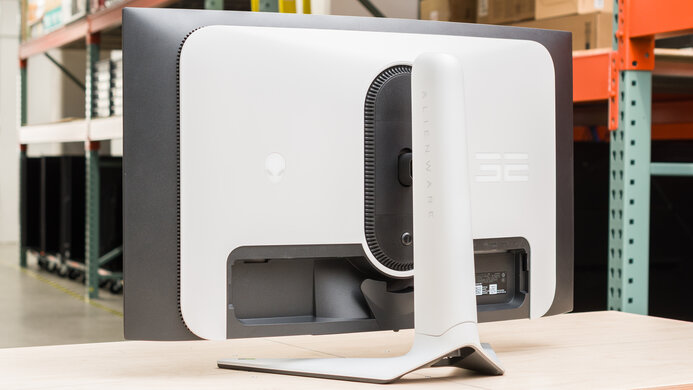
    The back of the Lenovo Q27q is very plain. There's a VESA wall mount, but it's offset towards the bottom of the display, so if you're replacing a monitor that was already mounted, the monitor might be too high. There's a small clip on the stand to help with cable management.

    Borders
    Borders
    0.3" (0.9 cm)

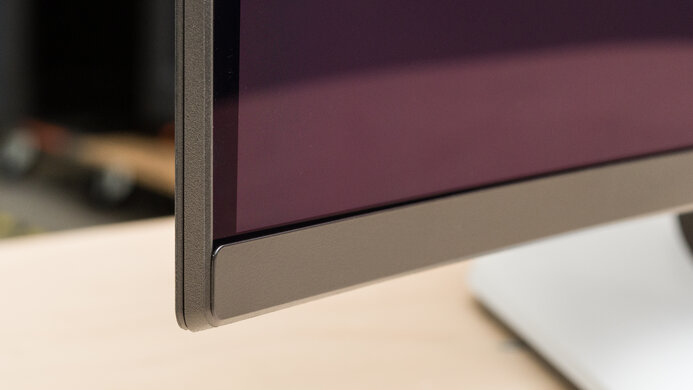
    Although a bit thicker than most monitors we've tested, the borders on three sides are thin enough for most multi-monitor setups.

    Thickness
    Thickness (with stand)
    4.3" (11.0 cm)
    Thickness (without stand)
    1.5" (3.8 cm)

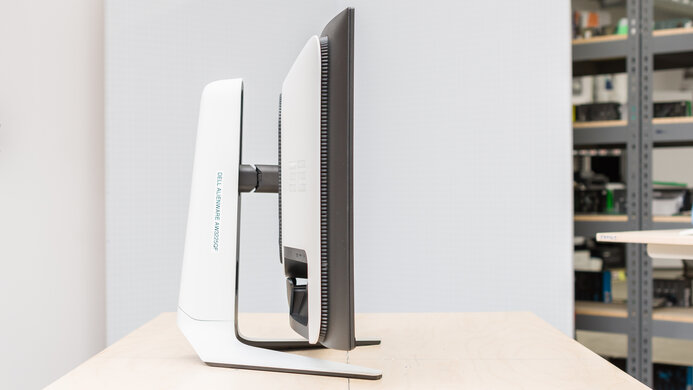
    The Lenovo Q27q has a very thin side profile, with all of the electronics housed in a thicker section towards the bottom.

    7.5
    Build Quality

    The Lenovo Q27q-10 has good overall build quality. The back is made of plastic but feels solid, and the stand is made of metal. The joints feel a little bit flimsy, but we didn't have any issues with it.

    Picture Quality
    6.0
    Contrast
    Native Contrast
    1,013 : 1
    Contrast With Local Dimming
    N/A

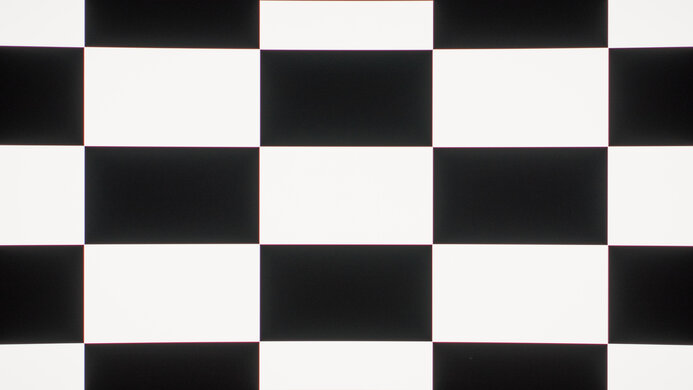
    Like all IPS displays, the Lenovo Q27q-10 has a low contrast ratio, resulting in blacks that look gray, especially if you're in a dark room. Unfortunately, like most monitors, there's no local dimming feature to improve this.

    0.0
    Local Dimming
    Local Dimming
    No
    Backlight
    Edge

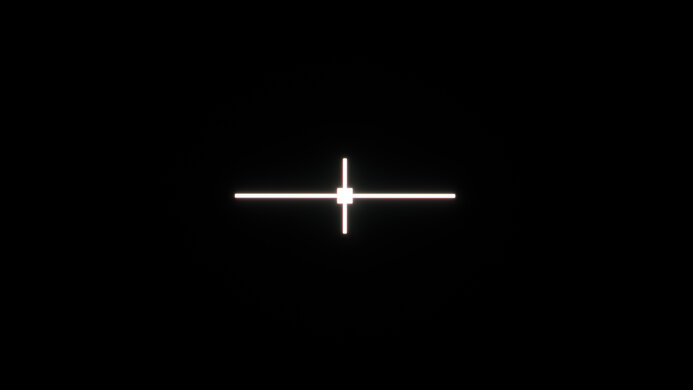
    This monitor doesn't have a local dimming feature. The video is for reference only.

    7.2
    SDR Peak Brightness
    SDR Real Scene
    271 cd/m²
    SDR Peak 2% Window
    294 cd/m²
    SDR Peak 10% Window
    295 cd/m²
    SDR Peak 25% Window
    295 cd/m²
    SDR Peak 50% Window
    295 cd/m²
    SDR Peak 100% Window
    295 cd/m²
    SDR Sustained 2% Window
    294 cd/m²
    SDR Sustained 10% Window
    295 cd/m²
    SDR Sustained 25% Window
    295 cd/m²
    SDR Sustained 50% Window
    295 cd/m²
    SDR Sustained 100% Window
    295 cd/m²
    SDR ABL
    0.000

    Good peak brightness, bright enough for most rooms, but not quite as bright as the Dell UltraSharp U2721DE.

    0.0
    HDR Peak Brightness
    HDR Real Scene
    N/A
    HDR Peak 2% Window
    N/A
    HDR Peak 10% Window
    N/A
    HDR Peak 25% Window
    N/A
    HDR Peak 50% Window
    N/A
    HDR Peak 100% Window
    N/A
    HDR Sustained 2% Window
    N/A
    HDR Sustained 10% Window
    N/A
    HDR Sustained 25% Window
    N/A
    HDR Sustained 50% Window
    N/A
    HDR Sustained 100% Window
    N/A
    HDR ABL
    N/A

    This monitor doesn't support HDR. For a good office monitor with HDR support, check out the BenQ EX2780Q.

    7.9
    Horizontal Viewing Angle
    Color Washout From Left
    46°
    Color Washout From Right
    46°
    Color Shift From Left
    45°
    Color Shift From Right
    59°
    Brightness Loss From Left
    45°
    Brightness Loss From Right
    45°
    Black Level Raise From Left
    70°
    Black Level Raise From Right
    70°
    Gamma Shift From Left
    32°
    Gamma Shift From Right
    50°

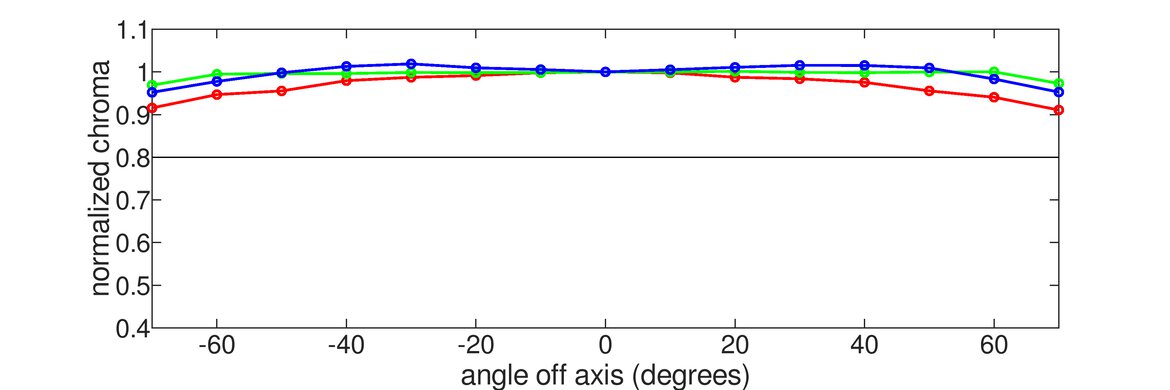
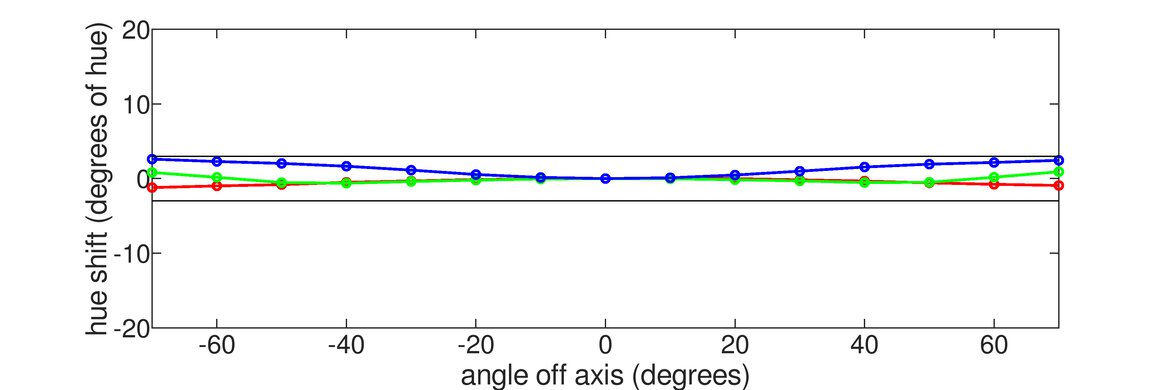
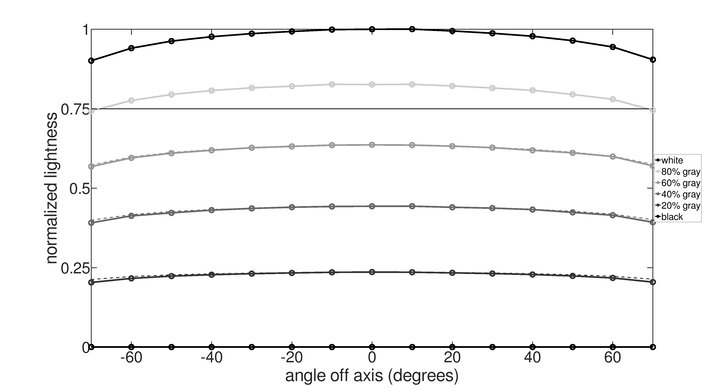
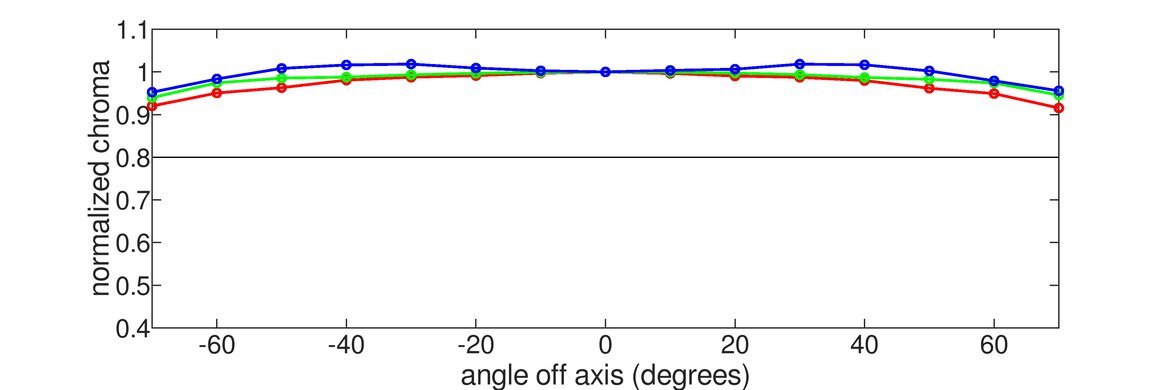
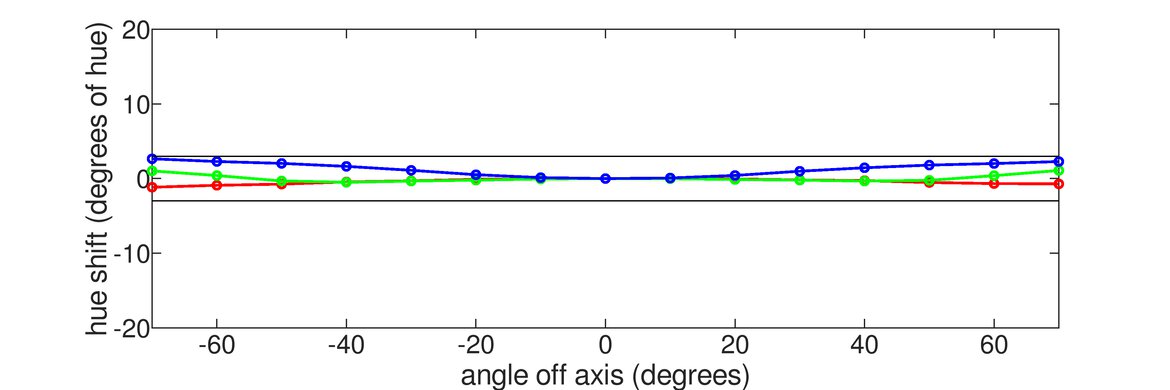
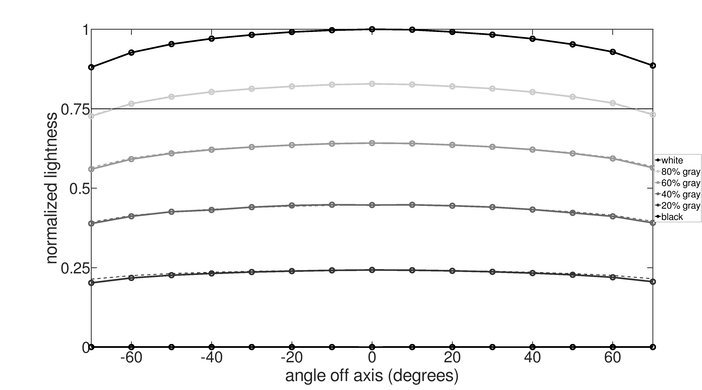
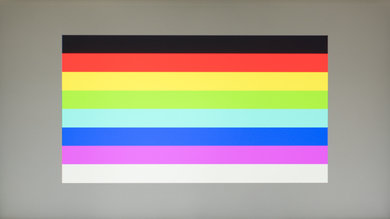
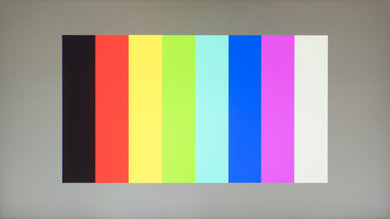
    Like most IPS monitors, the image remains accurate when viewed at an angle. There's some color shift and washout at wide angles, but this shouldn't be an issue for most people.

    7.1
    Vertical Viewing Angle
    Color Washout From Below
    29°
    Color Washout From Above
    29°
    Color Shift From Below
    50°
    Color Shift From Above
    48°
    Brightness Loss From Below
    35°
    Brightness Loss From Above
    35°
    Black Level Raise From Below
    70°
    Black Level Raise From Above
    70°
    Gamma Shift From Below
    32°
    Gamma Shift From Above
    31°

    Decent vertical viewing angles. Colors washout at a moderate angle, which might be an issue as the height can't be adjusted.

    8.7
    Gray Uniformity
    50% Std. Dev.
    3.429%
    50% DSE
    0.099%
    5% Std. Dev.
    0.382%
    5% DSE
    0.053%

    Excellent gray uniformity. There's some vignetting, and the sides are a bit darker than the rest of the screen as well, but this isn't very noticeable with regular content.

    6.2
    Black Uniformity
    Native Std. Dev.
    1.869%
    Std. Dev. w/ L.D.
    N/A

    The Lenovo Q27q-10 has mediocre black uniformity. There's some flashlighting around each corner, and the screen is a bit cloudy, but overall it's a bit better than most monitors we've tested.

    5.1
    Pre Calibration
    Picture Mode
    Standard (sRGB)
    Luminance
    218 cd/m²
    Luminance Settings
    27
    Contrast Setting
    85
    RGB Controls
    100-100-100
    Gamma Setting
    No Gamma Setting
    Color Temperature
    6,395 K
    White Balance dE
    5.08
    Color dE
    4.73
    Gamma
    2.19

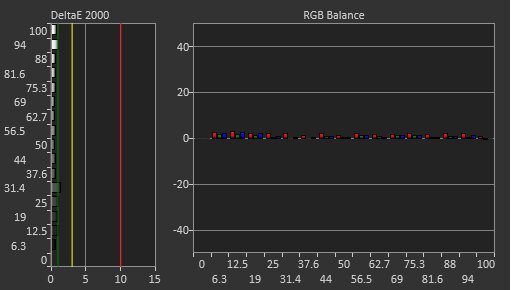
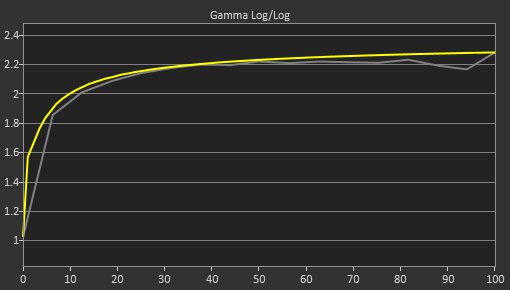
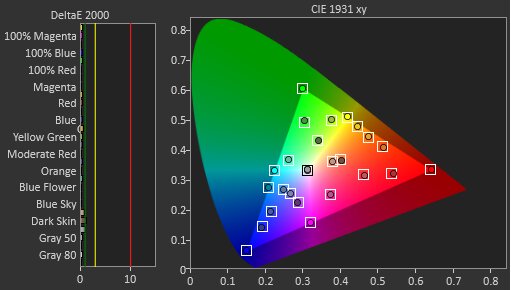
    The Lenovo Q27q has disappointing accuracy out of the box. Brighter shades of gray have noticeable inaccuracies, as well as many colors. Gamma doesn't follow the sRGB target curve, so most scenes aren't displayed at the correct brightness.

    9.4
    Post Calibration
    Picture Mode
    Standard (custom)
    Luminance
    115 cd/m²
    Luminance Settings
    0
    Contrast Setting
    85
    RGB Controls
    86-94-100
    Gamma Setting
    No Gamma Setting
    Color Temperature
    6,453 K
    White Balance dE
    0.42
    Color dE
    1.20
    Gamma
    2.18

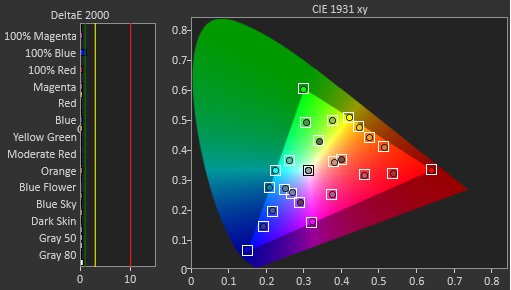
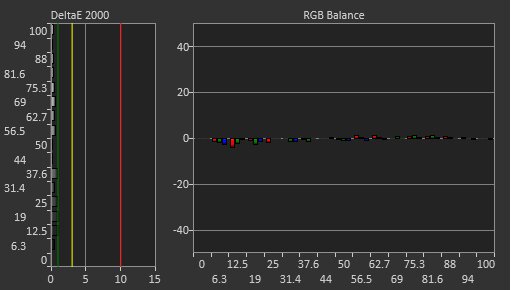
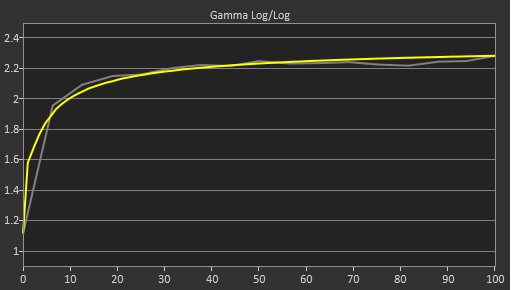
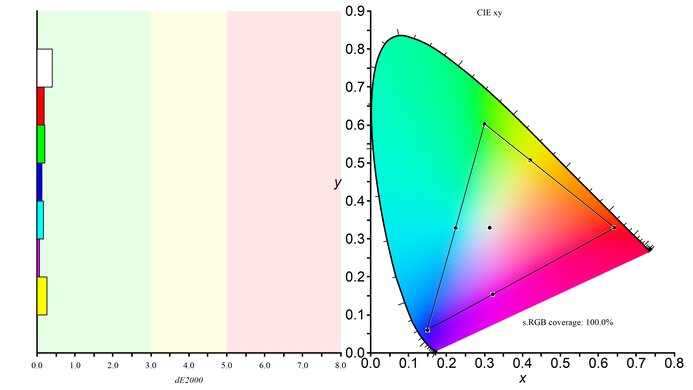
    After calibration, the Lenovo Q27q has outstanding accuracy. The white balance issues were completely corrected, and there are only a few minor inaccuracies in highly-saturated colors. The color temperature didn't change much, but gamma follows the sRGB color curve almost perfectly.

    You can download our ICC profile calibration here. This is provided for reference only and shouldn't be used, as the calibration values vary per individual unit even for the same model due to manufacturing tolerances.

    7.9
    SDR Color Gamut
    sRGB xy
    88.8%
    Adobe RGB xy
    69.2%
    sRGB Picture Mode
    Standard (custom)
    Adobe RGB Picture Mode
    Standard (custom)

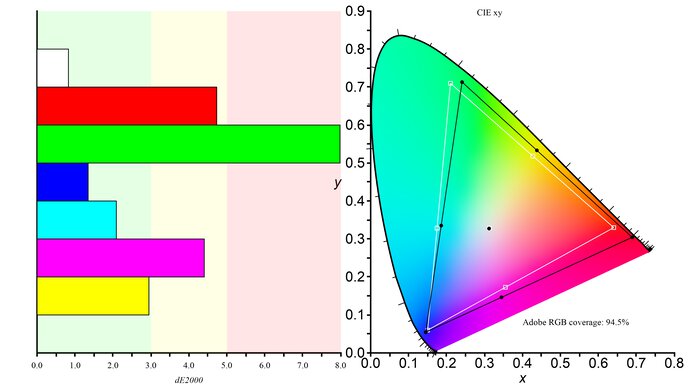
    Although the SDR color gamut is good for most people, the Lenovo Q27q-10 has the worst sRGB color gamut we've measured on a monitor, which is disappointing. Coverage of the wider Adobe RGB color space is even worse, so this isn't a good choice for content creators. If you want a similar monitor with a better SDR color gamut, check out the Dell S2721D.

    8.2
    SDR Color Volume
    sRGB In ICtCp
    89.2%
    Adobe RGB In ICtCp
    73.5%
    sRGB Picture Mode
    Standard (custom)
    Adobe RGB Picture Mode
    Standard (custom)

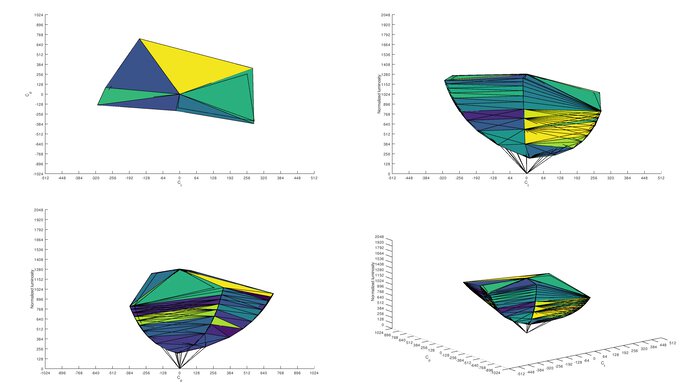
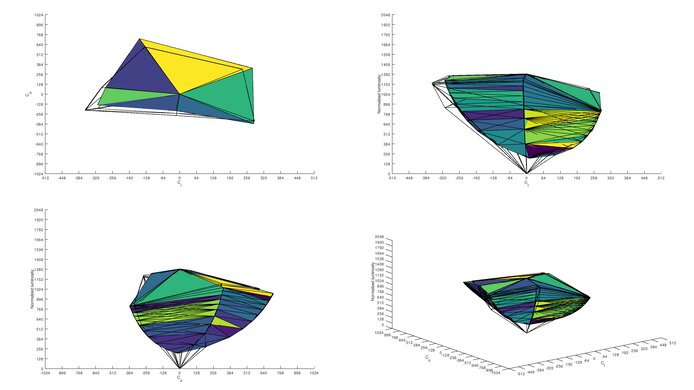
    Great SDR color volume. It's limited by the incomplete color gamut, and due to the low contrast ratio, it can't display dark saturated colors.

    0.0
    HDR Color Gamut
    Wide Color Gamut
    N/A
    DCI P3 xy
    N/A
    Rec. 2020 xy
    N/A
    DCI P3 Picture Mode
    No HDR
    Rec. 2020 Picture Mode
    No HDR

    This monitor can't display HDR color gamuts.

    0.0
    HDR Color Volume
    DCI-P3 In ICtCp
    N/A
    Rec. 2020 In ICtCp
    N/A
    DCI P3 Picture Mode
    No HDR
    Rec. 2020 Picture Mode
    No HDR

    This monitor doesn't support HDR.

    10
    Image Retention
    IR After 0 Min Recovery
    0.00%
    IR After 2 Min Recovery
    0.00%
    IR After 4 Min Recovery
    0.00%
    IR After 6 Min Recovery
    0.00%
    IR After 8 Min Recovery
    0.00%
    IR After 10 Min Recovery
    0.00%

    Although there are minor traces of our high-contrast static test clip, they're too faint to be detected by our image retention test, and aren't noticeable in real life.

    8.3
    Gradient
    Color Depth
    8 Bit

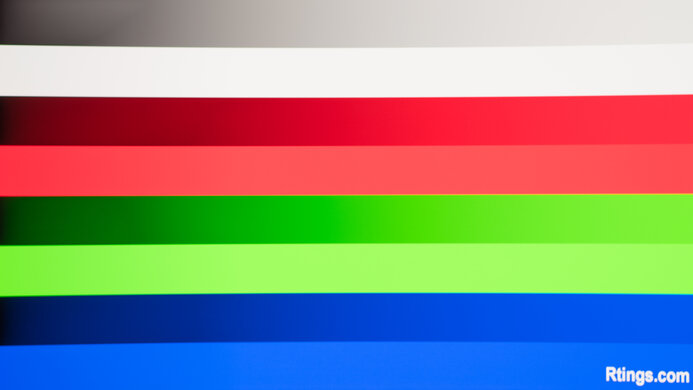
    The Lenovo Q27q-10 has great gradient handling. There's some noticeable 8-bit banding, which is normal, but otherwise there aren't any serious issues.

    10
    Color Bleed
    Pixel Row Error
    0.001%
    Pixel Column Error
    0.005%

    There are no significant signs of color bleed.

    8.1
    Reflections
    Screen Finish
    Matte
    Total Reflections
    4.8%
    Indirect Reflections
    3.8%
    Calculated Direct Reflections
    1.0%

    The matte finish on this monitor does a great job with most reflections, but if you have bright lights or windows opposite the screen, glare can still be an issue.

    7.0
    Text Clarity
    Pixel Type
    IPS
    Sub-Pixel Layout
    RGB

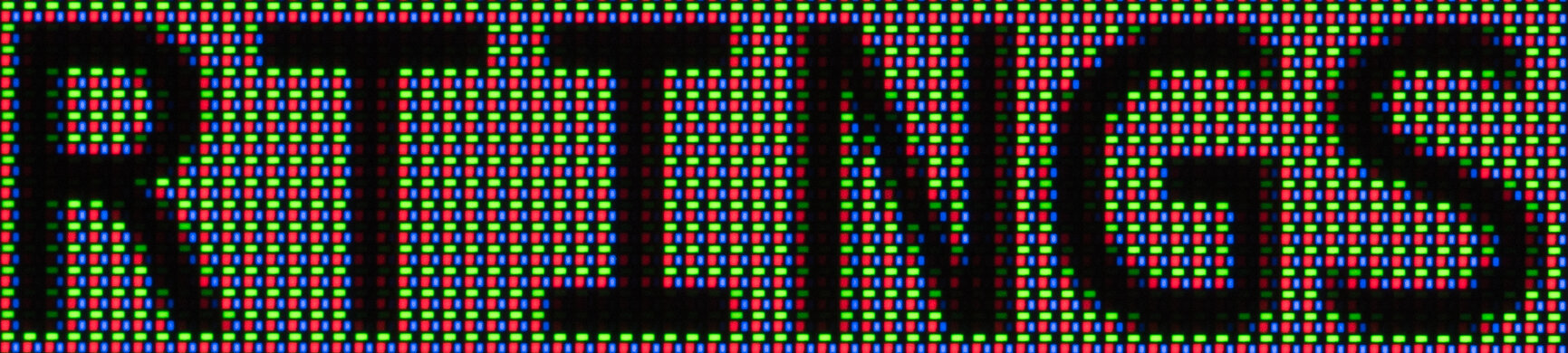
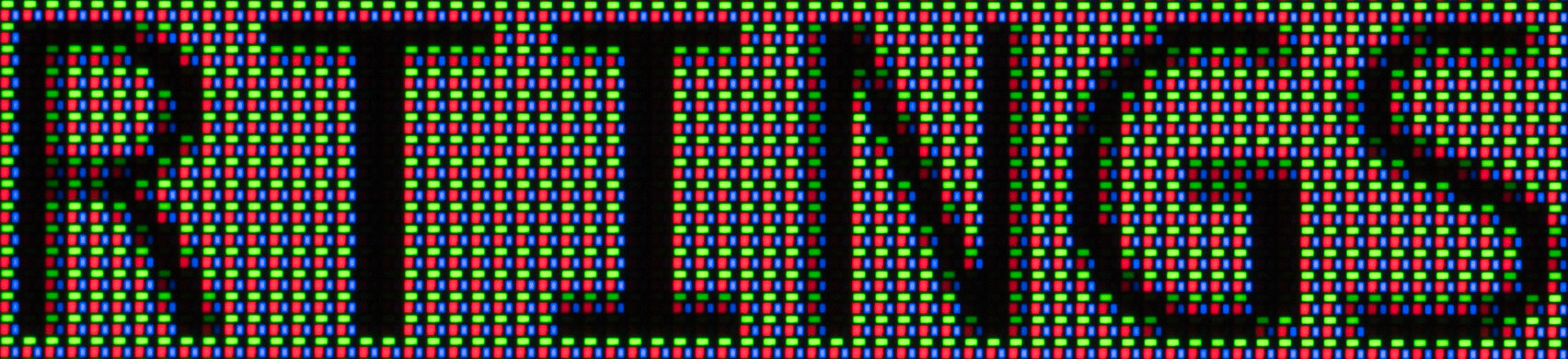
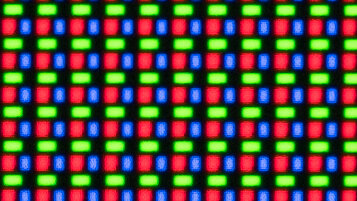
    Decent text clarity, but even after enabling ClearType (top photo), there's still some jaggedness in text, especially on diagonal lines.

    Motion
    6.4
    Response Time @ Max Refresh Rate
    Best Overdrive Setting
    Normal
    Rise / Fall Time
    6.5 ms
    Total Response Time
    22.2 ms
    Overshoot Error
    11.7%
    Dark Rise / Fall Time
    7.1 ms
    Dark Total Response Time
    22.7 ms
    Dark Overshoot Error
    12.8%

    Overdrive Setting Response Time Chart Response Time Tables Motion Blur Photo
    Off Chart Table Photo
    Normal Chart Table Photo
    Extreme Chart Table Photo

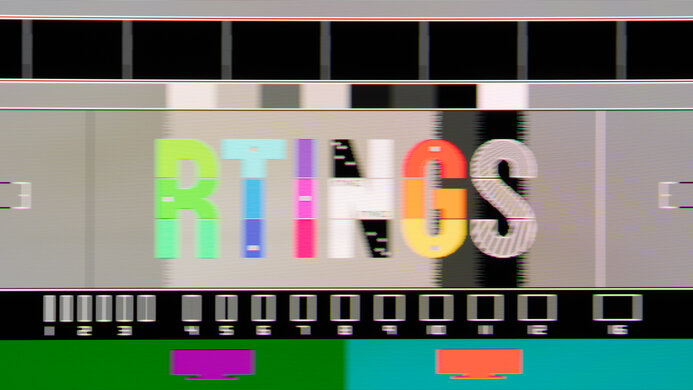
    The Lenovo Q27q-10 has a mediocre response time at the max refresh rate. The total response time is slow, resulting in a long trail behind fast-moving objects, and there's significant overshoot in most transitions. The 'Normal' overdrive setting delivers the best balance between overshoot and response time. The 'Off' setting has no overshoot, but a slower overall response time, and the 'Extreme' setting has terrible overshoot.

    4.6
    Response Time @ 60Hz
    Best Overdrive Setting
    Normal
    Rise / Fall Time
    6.4 ms
    Total Response Time
    28.5 ms
    Overshoot Error
    17%
    Dark Rise / Fall Time
    7.0 ms
    Dark Total Response Time
    29.0 ms
    Dark Overshoot Error
    21.5%

    Overdrive Setting Response Time Chart Response Time Tables Motion Blur Photo
    Off Chart Table Photo
    Normal Chart Table Photo
    Extreme Chart Table Photo

    This monitor has a bad response time at 60Hz. With the 'Off' overdrive setting, the 60Hz response time is nearly identical to the 75Hz response time, but with the 'Normal' and 'Extreme' settings, the total response time is longer, and there's more overshoot.

    10
    Image Flicker
    Flicker-FreeYes
    PWM Dimming Frequency
    0 Hz

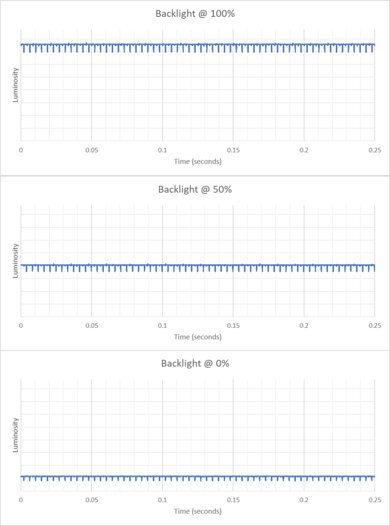
    The backlight is completely flicker-free at all brightness levels.

    0.0
    Black Frame Insertion (BFI)
    Black Frame Insertion (BFI)
    No BFI
    BFI Maximum Frequency
    N/A
    BFI Minimum Frequency
    N/A

    This monitor doesn't have a black frame insertion feature.

    7.7
    Refresh Rate
    Variable Refresh Rate
    FreeSync
    Native
    75 Hz
    Max Refresh Rate
    75 Hz
    Variable Refresh Rate
    Yes
    FreeSync
    Yes
    G-SYNC
    Compatible (Tested)
    VRR Maximum
    75 Hz
    VRR Minimum
    48 Hz
    VRR Supported ConnectorsDisplayPort, HDMI

    The 75Hz refresh rate is okay for casual gaming and office use, but serious gamers might be disappointed. It supports FreeSync, and although not officially certified by NVIDIA, we were able to enable NVIDIA's G-SYNC compatible mode when connected to a recent NVIDIA graphics card, but only over DisplayPort.

    Inputs
    9.2
    Input Lag
    Native Resolution
    6.6 ms
    Native Resolution @ 60Hz
    8.7 ms
    Variable Refresh Rate
    7.8 ms
    Variable Refresh Rate @ 60Hz
    9.4 ms
    10 Bit HDR
    N/A
    Black Frame Insertion (BFI)
    N/A

    Excellent low input lag, resulting in a very responsive gaming experience. Although this isn't as good as dedicated gaming monitors with high refresh rates, it's good enough for most casual gamers.

    8.3
    Resolution And Size
    Native Resolution2560 x 1440
    Aspect Ratio16:9
    Megapixels3.7 MP
    Pixel Density
    109 PPI
    Screen Diagonal27.0"
    Screen Area310 in²

    The 27", 1440p screen is pretty standard, and offers a sharp image good for multitasking.

    Inputs
    Total Inputs
    DisplayPort1 (DP 1.2)
    Mini DisplayPortNo
    HDMI1 (HDMI 1.4)
    DVINo
    VGANo
    DisplayPort OutNo
    USBNo
    USB CNo
    Analog Audio Out 3.5mm1
    Microphone In 3.5mmNo
    Digital Optical Audio OutNo
    Analog Audio Out RCANo
    Power SupplyExternal Brick

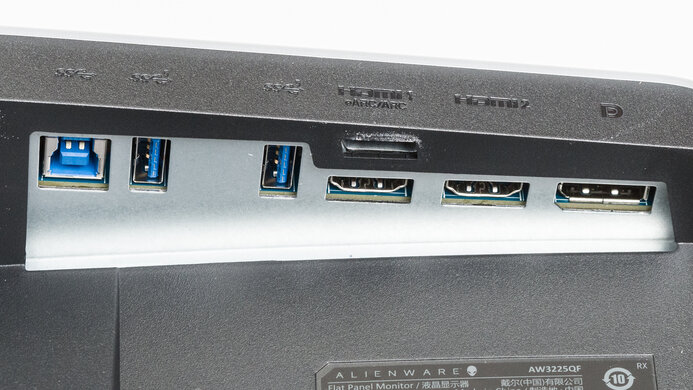
    This monitor has a limited selection of inputs, with just a single HDMI and DisplayPort connection, and no built-in USB ports.

    Features
    Additional Features
    RGB Illumination
    No
    Speakers
    Yes
    HDR10No
    Multiple Input Display
    No

    The Lenovo Q27q-10 is a pretty basic monitor, with no extra features.

    On-Screen Display (OSD)
    Controls

    The controls are very similar to most Dell monitors. Unfortunately, this control scheme isn't as easy to use as the joystick controls found on most LG monitors.

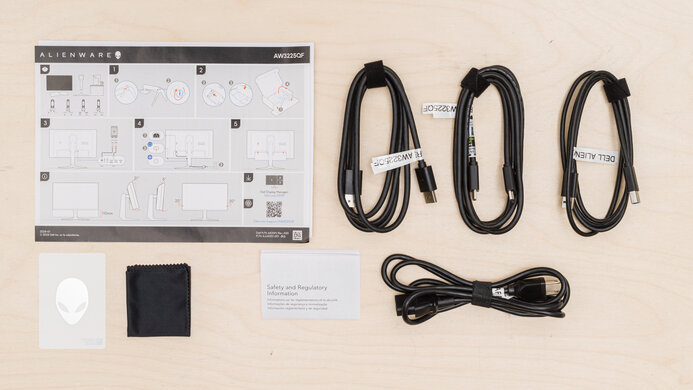
    In The Box

    • Power cable
    • Power supply
    • HDMI cable
    • Allen key (used to assemble the stand)