Dell UltraSharp U2520D  Monitor Review

Reviewed Jul 02, 2020 at 07:47am
Tested using Methodology v1.1 
Dell UltraSharp U2520D
7.7
Mixed Usage 
7.9
Office 
7.5
Gaming 
7.6
Multimedia 
7.9
Media Creation 
6.7
HDR Gaming 
 0

The Dell UltraSharp U2520D is the replacement to the Dell U2518D and it's a good overall monitor. It's very good for office use because it has wide viewing angles, impressive ergonomics, great out-of-the-box color accuracy, and its 1440p resolution makes text clear to read. It also has a USB hub with a ton of connectivity options, including a USB-C input that supports DisplayPort Alt mode, allowing you to display an image from a device and charge it at the same time. If you're a photo editor, you should be happy to know it has great coverage of the Adobe RGB color space and it has impressive gradient handling. Unfortunately, with its IPS panel, it can't display deep blacks since its contrast ratio is low and it has mediocre black uniformity. Luckily, it has excellent gray uniformity, so solid colors across the screen, such as on a web page, look uniform without many dark areas.

How We Test Monitors

We buy and test more than 30 monitors each year, with units that we buy completely on our own, without any cherry-picked units or samples. We put a lot into each unbiased, straight-to-the-point review, and there's a whole process from purchasing to publishing, involving multiple teams and people. We do more than just use the monitor for a week; we use specialized and custom tools to measure various aspects with objective data-based results. We also consider multiple factors before making any recommendations, including the monitor's cost, its performance against the competition, and whether or not it's easy to find.

Our Verdict

7.7
Mixed Usage 

The Dell UltraSharp U2520D is a good monitor for most uses. It's best-suited for office use as it has wide viewing angles, impressive ergonomics, and a high 1440p resolution. It's also great for media creation because it has great coverage of the Adobe RGB color space. Even though this monitor isn't designed for gaming it still provides a satisfying gaming experience with its extremely low input lag and impressive response time. It also supports HDR10 but the HDR experience is limiting as it doesn't get bright enough to truly bring out highlights.

Pros
  • Wide viewing angles.
  • Impressive ergonomics.
  • Extremely low input lag.
  • Great out-of-the-box color accuracy.
Cons
  • Limiting HDR experience.
  • Doesn't handle reflections very well.
  • Low contrast ratio.
7.9
Office 

Very good for office use. The Dell UltraSharp U2520D has a high 1440p resolution and its 25-inch screen is big enough for multitasking. It has wide viewing angles, so you can share your screen with others and not lose image accuracy. Sadly, its reflection handling is just okay and it doesn't handle direct sunlight well. On the upside, it has impressive ergonomics, so you can place the monitor however you like.

Pros
  • Wide viewing angles.
  • Impressive ergonomics.
  • Extremely low input lag.
Cons
  • Doesn't handle reflections very well.
7.5
Gaming 

The Dell UltraSharp U2520D is good for gaming. It's not designed to be a gaming monitor and it lacks features like variable refresh rate and black frame insertion. However, it still has an extremely low input lag and an impressive response time for a 60Hz monitor, resulting in minimal motion blur. It's an ideal monitor for casual console gamers.

Pros
  • Impressive response time.
  • Extremely low input lag.
Cons
  • Low contrast ratio.
  • Lacks extra gaming features.
7.6
Multimedia 

The Dell UltraSharp U2520D is good for consuming media. It has a high resolution and wide viewing angles, so you can watch the latest videos online with a few friends. Unfortunately, it doesn't handle reflections well and it's not ideal for dark room viewing as it has a low contrast ratio and mediocre black uniformity. However, its stand has impressive ergonomics, allowing you to place the monitor how you like.

Pros
  • Wide viewing angles.
  • Impressive ergonomics.
Cons
  • Doesn't handle reflections very well.
  • Low contrast ratio.
7.9
Media Creation 

The Dell UltraSharp U2520D is good for content creators. Its 25-inch screen provides a high pixel density and the stand has impressive ergonomics. The monitor has great coverage of the Adobe RGB color space used in photo editing and it also has impressive gradient handling. It's not ideal for working in bright environments as it doesn't handle reflections well. However, it has wide viewing angles if you need to share your screen with others.

Pros
  • Wide viewing angles.
  • Impressive ergonomics.
  • Great coverage of the Adobe RGB color space.
  • Impressive gradient handling.
Cons
  • Doesn't handle reflections very well.
  • Low contrast ratio.
6.7
HDR Gaming 

The Dell UltraSharp U2520D is okay for HDR gaming. Its HDR experience is a bit limiting as it doesn't get bright enough to bring out highlights and it has just decent coverage of the DCI P3 color space used in most HDR content. It's good for gaming as it has an impressive response time and extremely low input lag but it's limited to a 60Hz refresh rate and it doesn't support any VRR.

Pros
  • Impressive response time.
  • Extremely low input lag.
Cons
  • Limiting HDR experience.
  • Low contrast ratio.
  • Lacks extra gaming features.
  • 7.7
    Mixed Usage
  • 7.9
    Office
  • 7.5
    Gaming
  • 7.6
    Multimedia
  • 7.9
    Media Creation
  • 6.7
    HDR Gaming
  • Changelog

    1.  Updated Jul 04, 2022: There was a mistake in the 60Hz input lag results. We remeasured the input lag at 60Hz, and it's 0.5ms higher than our original results.
    2.  Updated Jan 18, 2022: Checked to see if the refresh rate can be overclocked.
    3.  Updated Sep 23, 2020: Fixed an error with panel's bit depth.
    4.  Updated Jul 02, 2020: Review published.

    Check Price

    Differences Between Sizes And Variants

    We tested the Dell UltraSharp U2520D, which is the only size available for this model. There are other models in Dell's UltraSharp lineup, some of which are listed below.

    Model Size Panel Type Resolution USB-C inputs USB 3.0 inputs Notes
    U2520D 25" IPS 1440p 1x DisplayPort Alt mode, 1x downstream charging  3   
    U2419HC 24" IPS 1080p 1x DisplayPort Alt mode 4  
     U2421HE 24" IPS 1080p 1x DisplayPort Alt Mode 4 RJ45 ethernet input 
    U2719D 27" IPS 1440p  NA 5  
    U2719DC  27" IPS 1440p 1x DisplayPort Alt mode 4  
    U2720Q 27" IPS 4k 1x DisplayPort Alt mode, 1x downstream charging 3  
    U2721DE 27" IPS 1440p 1x DisplayPort Alt mode 4 RJ45 ethernet input

    If someone comes across a different type of panel or if their Dell UltraSharp U2520D doesn't correspond to our review, let us know and we'll update the review. Note that some tests such as the gray uniformity may vary between individual units.

    Our unit was manufactured in May 2020; you can see the label here.

    Popular Monitor Comparisons

    The Dell UltraSharp U2520D performs well for a 1440p monitor. Although you won't get the same gaming performance as 1440p monitors with a higher refresh rate, you don't necessarily need that for office use, so this is a very good office monitor compared to its competitors. See our recommendations for the best office monitors, the best 24-25 inch monitors, and the best 1440p monitors.

    Dell UltraSharp U2720Q

    The Dell UltraSharp U2720Q is a bit better than the Dell UltraSharp U2520D, mainly because it's a bigger monitor and it has a 4k resolution. The U2720Q also has slightly better ergonomics as it has a wider tilt range. The U2520D is better for gaming since it has a much quicker response time and a lower input lag.

    ViewSonic Elite XG270QG

    The ViewSonic Elite XG270QG is a bit better overall than the Dell UltraSharp U2520D. The ViewSonic is a much better choice for gaming as it has a 165Hz refresh rate and G-SYNC support. It also has a much quicker response time and lower input lag. The Dell is a slightly better choice for office use as it has better ergonomics, significantly better out-of-the-box color accuracy, and it has a higher pixel density since it's a smaller screen.

    Dell U2719D

    The Dell UltraSharp U2520D is better overall than the Dell U2719D. The U2520D has a wider swivel range, it has much better black uniformity, it displays a wider color gamut in SDR, and it supports HDR10. This monitor is also a bit better for gaming because it has a quicker response time and lower input lag. Meanwhile, the U2719D has better out-of-the-box color accuracy and it handles reflections better.
    Dell UltraSharp U2721DE

    The Dell UltraSharp U2520D is better than the Dell UltraSharp U2721DE. The U2520D supports HDR, it displays a wider SDR color gamut, has much better out-of-the-box color accuracy, and it has a quicker response time. The U2721DE handles reflections better and it has a wider vertical viewing angle.

    Dell U2518D

    The Dell UltraSharp U2520D is a bit better than its predecessor, the Dell U2518D. The U2520D has a better SDR color gamut, quicker response time, and much lower input lag. However, the U2518D has much better out-of-the-box color accuracy and it handles reflections a bit better too.

    Lenovo Q27q-10

    The Dell UltraSharp U2520D is much better than the Lenovo Q27q-10, despite the smaller size. The Dell has much better ergonomics, it supports HDR (although this doesn't add much), and it has a much faster response time, despite having a lower native refresh rate and no variable refresh rate support. On the other hand, the Lenovo has better reflection handling, so it might be a better choice for a brighter environment.

    Lepow Z1 Gamut

    The Lepow Z1 Gamut and the Dell UltraSharp U2520D are very different monitors. The Lepow is a compact 1080p portable monitor designed for on-the-go use, while the Dell is a more traditional 1440p desktop monitor. The Dell performs better for most uses, but if you need a monitor that you can carry with you in a backpack, the Lepow is an okay choice, as long as you don't mind its low screen brightness.

    Dell P2423D

    The Dell UltraSharp U2520D and the Dell P2423D are both 1440p productivity monitors. The U2520D is the better choice for most people, as it's better at fighting glare, is able to display HDR content, and has a USB-C hub with power delivery.

    Test Results

    perceptual testing image
    Sort:
    RATINGS
    Category:
    All
    Design
    Style
    Size25"
    CurvedNo
    Curve RadiusNot Curved
    Weight (without stand)
    9.3 lbs (4.2 kg)
    Weight (with stand)
    13.2 lbs (6.0 kg)

    The UltaSharp U2520D has a simple office-oriented design that's in line with other Dell UltraSharp monitors. Its body is black and grey and it has a square-based stand.

    Stand
    Width
    9.6" (24.4 cm)
    Depth
    7.3" (18.5 cm)

    This monitor has the same stand as other Dell monitors. It's smaller than the Dell U2518D and doesn't take up a lot of space. It supports the monitor well but there's still some wobble.

    8.4
    Ergonomics
    Height Adjustment
    5.1" (13.0 cm)
    Switch Portrait/LandscapeYes, Both Ways
    Swivel Range-45° to 45°
    Tilt Range-20° to 2.5°

    Impressive ergonomics. The UltraSharp U2520D has a very wide swivel range and you can rotate it into portrait mode either clockwise or counterclockwise.

    Back
    Wall MountVESA 100x100

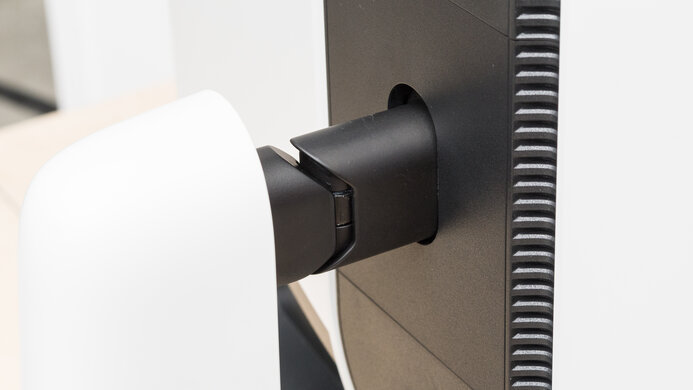
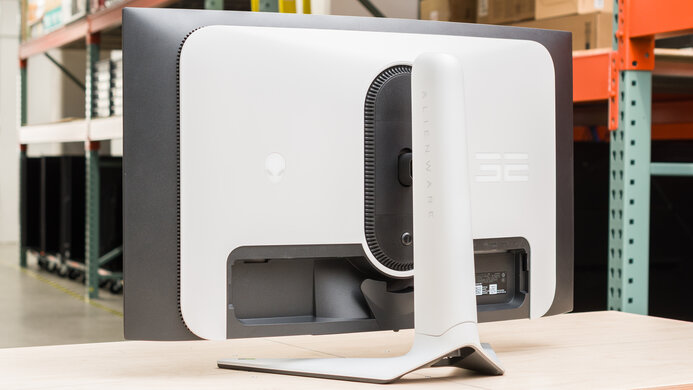
    The back of this monitor is very simple. It can be VESA-mounted and it has a quick-release button to take it off from the stand too. The stand has a hole used for cable management.

    Borders
    Borders
    0.3" (0.7 cm)

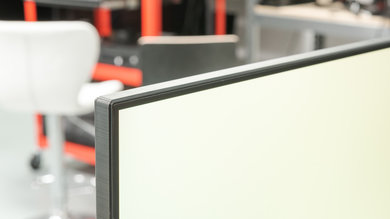
    The borders are thin and aren't distracting.

    Thickness
    Thickness (with stand)
    4.7" (12.0 cm)
    Thickness (without stand)
    2.0" (5.0 cm)

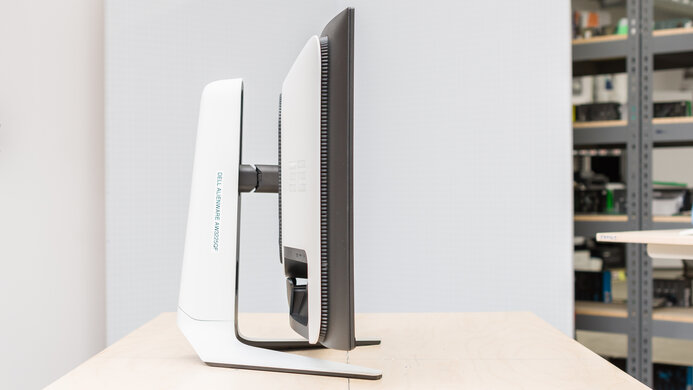
    The screen itself is thin and won't stick out much if VESA-mounted. With the stand attached, the entire monitor gets thicker but it's still thinner than the Dell U2518D and Dell UltraSharp U2720Q.

    7.5
    Build Quality

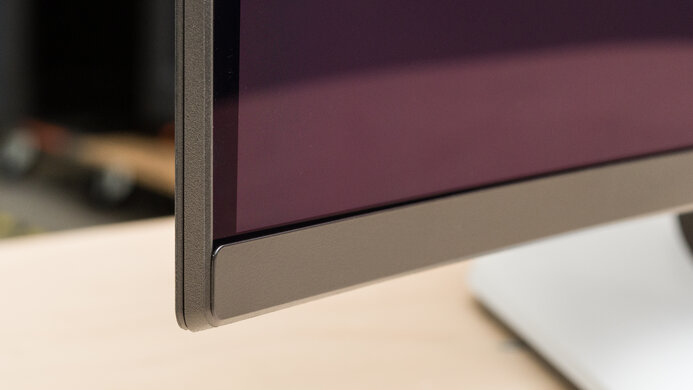
    The UltraSharp U2520D has a good build quality. It's made out of plastic that doesn't give any sort of premium feel to it but there aren't any obvious build quality issues.

    Picture Quality
    6.0
    Contrast
    Native Contrast
    1,010 : 1
    Contrast With Local Dimming
    N/A

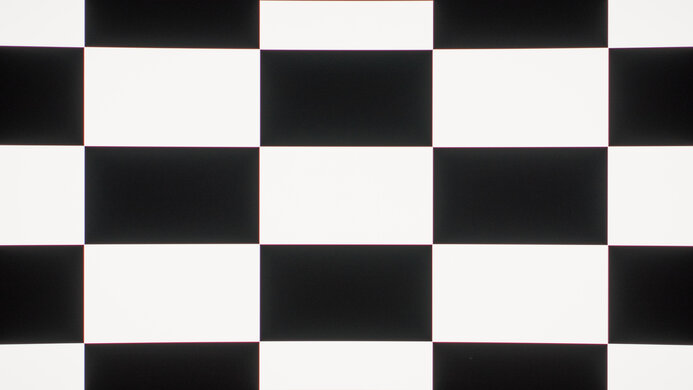
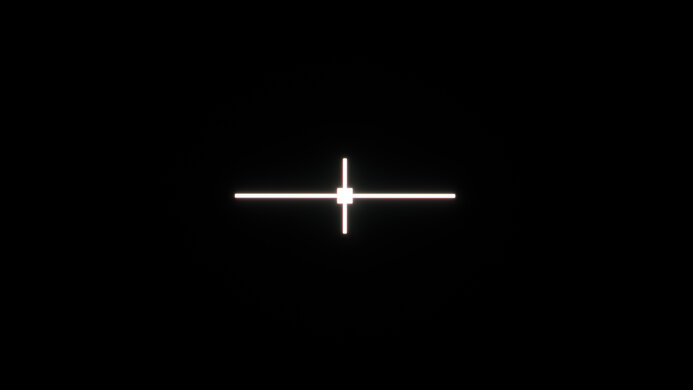
    Mediocre contrast ratio, which is expected from an IPS panel. Blacks appear gray when viewed in the dark.

    0.0
    Local Dimming
    Local Dimming
    No
    Backlight
    Edge

    This monitor doesn't have a local dimming feature. The above video is for reference only.

    7.9
    SDR Peak Brightness
    SDR Real Scene
    332 cd/m²
    SDR Peak 2% Window
    350 cd/m²
    SDR Peak 10% Window
    350 cd/m²
    SDR Peak 25% Window
    351 cd/m²
    SDR Peak 50% Window
    351 cd/m²
    SDR Peak 100% Window
    351 cd/m²
    SDR Sustained 2% Window
    349 cd/m²
    SDR Sustained 10% Window
    350 cd/m²
    SDR Sustained 25% Window
    350 cd/m²
    SDR Sustained 50% Window
    351 cd/m²
    SDR Sustained 100% Window
    351 cd/m²
    SDR ABL
    0.000

    The UltraSharp U2520D has very good peak brightness. It gets bright enough to combat glare and the screen's brightness remains consistent with different content. The UltraSharp U2520D doesn't get as bright as the Dell U2518D, but it's brighter than the Dell UltraSharp U2720Q, and much brighter than the ASUS VG246H.

    6.7
    HDR Peak Brightness
    HDR Real Scene
    385 cd/m²
    HDR Peak 2% Window
    388 cd/m²
    HDR Peak 10% Window
    436 cd/m²
    HDR Peak 25% Window
    439 cd/m²
    HDR Peak 50% Window
    442 cd/m²
    HDR Peak 100% Window
    444 cd/m²
    HDR Sustained 2% Window
    388 cd/m²
    HDR Sustained 10% Window
    436 cd/m²
    HDR Sustained 25% Window
    439 cd/m²
    HDR Sustained 50% Window
    441 cd/m²
    HDR Sustained 100% Window
    443 cd/m²
    HDR ABL
    0.008

    The peak brightness in HDR is just okay. It gets bright enough to bring out some highlights but it still doesn't give you a true HDR experience.

    8.2
    Horizontal Viewing Angle
    Color Washout From Left
    43°
    Color Washout From Right
    43°
    Color Shift From Left
    49°
    Color Shift From Right
    52°
    Brightness Loss From Left
    46°
    Brightness Loss From Right
    46°
    Black Level Raise From Left
    70°
    Black Level Raise From Right
    70°
    Gamma Shift From Left
    55°
    Gamma Shift From Right
    57°

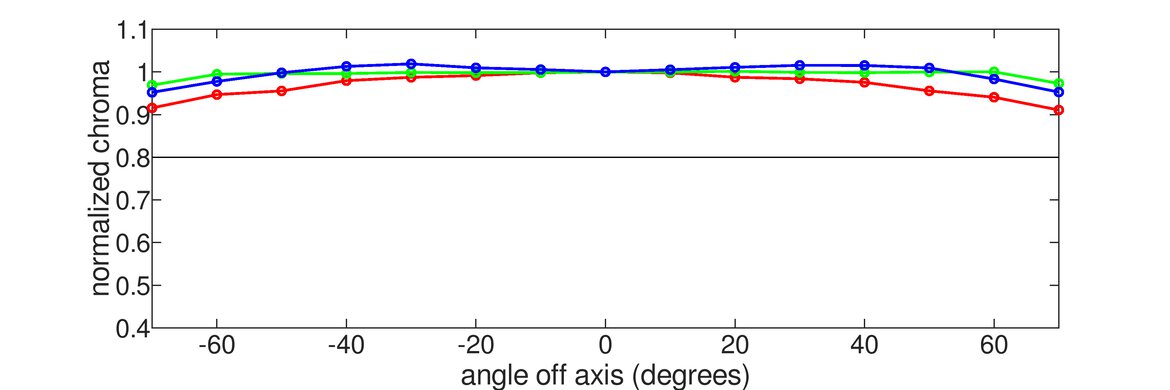
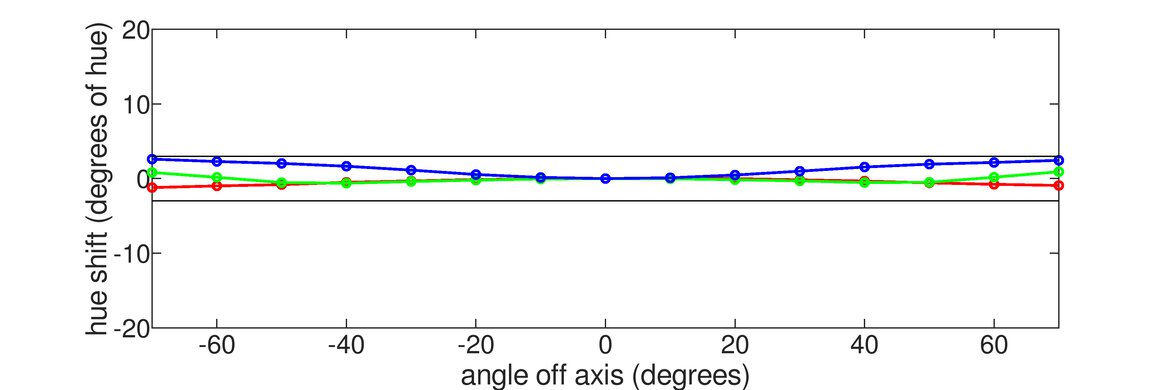
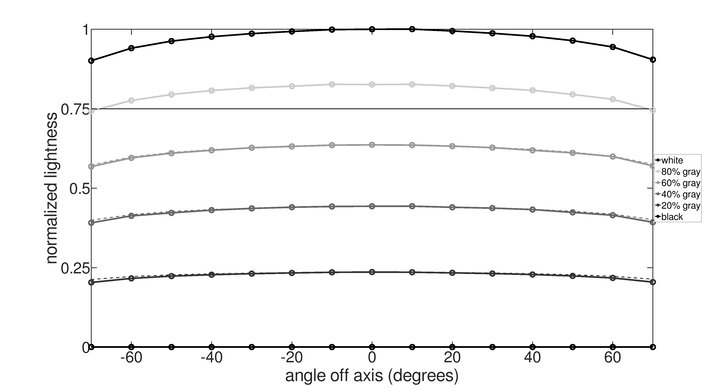
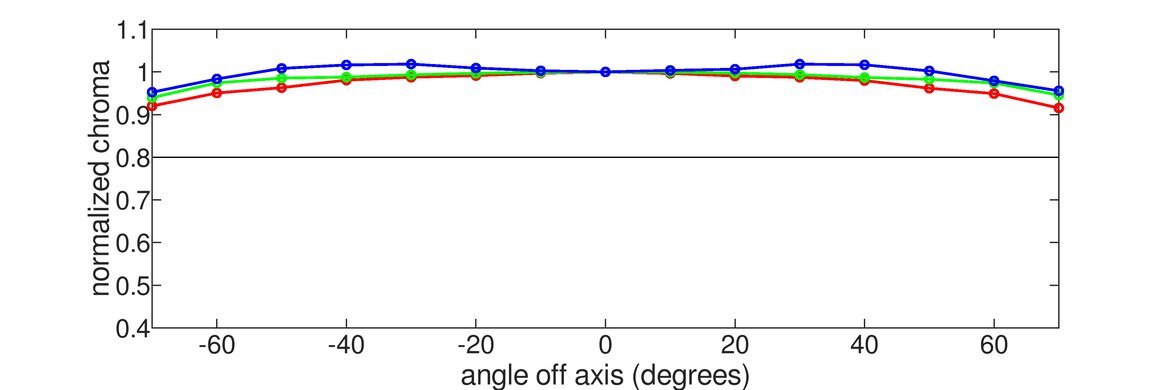
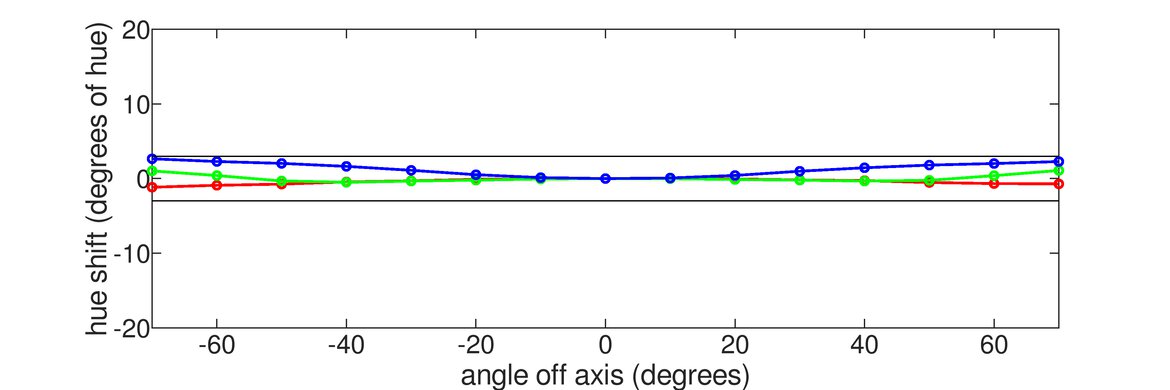
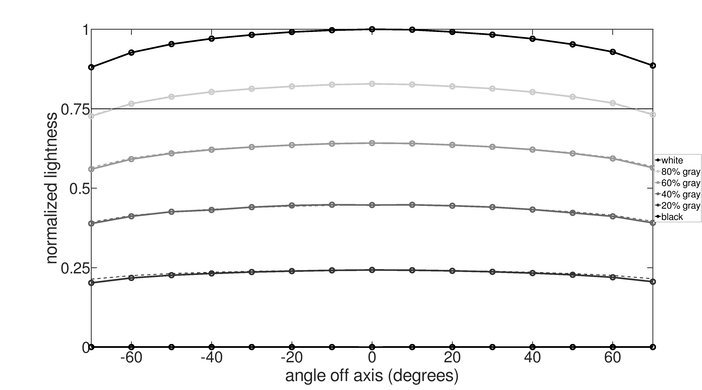
    Like most IPS panels, the UltraSharp U2520D has a great horizontal viewing angle. The image remains accurate from the side, which is ideal for sharing your screen with others.

    6.6
    Vertical Viewing Angle
    Color Washout From Below
    31°
    Color Washout From Above
    31°
    Color Shift From Below
    33°
    Color Shift From Above
    32°
    Brightness Loss From Below
    35°
    Brightness Loss From Above
    34°
    Black Level Raise From Below
    52°
    Black Level Raise From Above
    54°
    Gamma Shift From Below
    31°
    Gamma Shift From Above
    32°

    The vertical viewing angle is alright but it's nothing special for an IPS panel. You lose some image accuracy if you mount the monitor too much above eye level.

    8.7
    Gray Uniformity
    50% Std. Dev.
    3.014%
    50% DSE
    0.110%
    5% Std. Dev.
    0.394%
    5% DSE
    0.055%

    The UltraSharp U2520D has excellent gray uniformity. There's minimal dirty screen effect, and solid colors across the screen such as on a web page or document are uniform. The screen is extremely uniform in near-dark scenes.

    6.1
    Black Uniformity
    Native Std. Dev.
    1.965%
    Std. Dev. w/ L.D.
    N/A

    Mediocre black uniformity. There's visible clouding throughout and a lot of backlight bleed in the corners. This gets distracting when watching dark scenes in dark rooms.

    8.0
    Pre Calibration
    Picture Mode
    Color Space (sRGB)
    Luminance
    75 cd/m²
    Luminance Settings
    21
    Contrast Setting
    75
    RGB Controls
    100-100-100
    Gamma Setting
    No Gamma Setting
    Color Temperature
    6,606 K
    White Balance dE
    3.01
    Color dE
    1.99
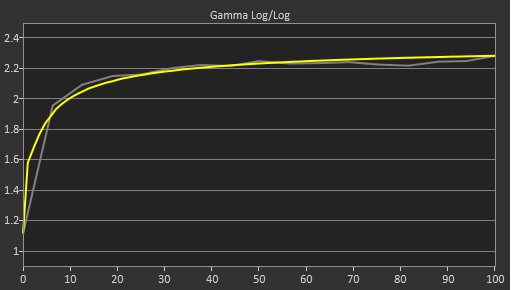
    Gamma
    2.25

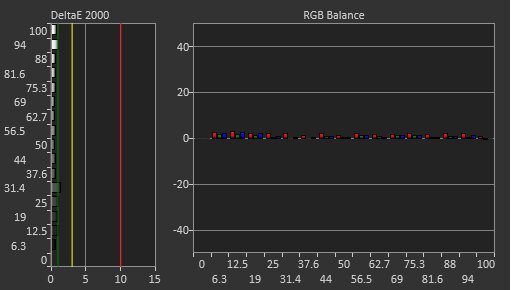
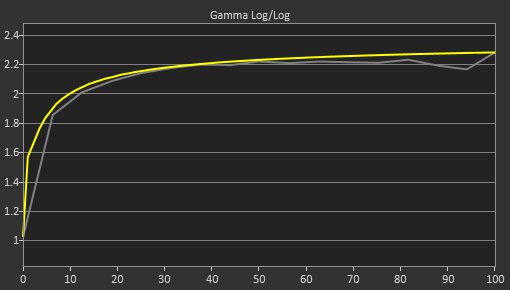
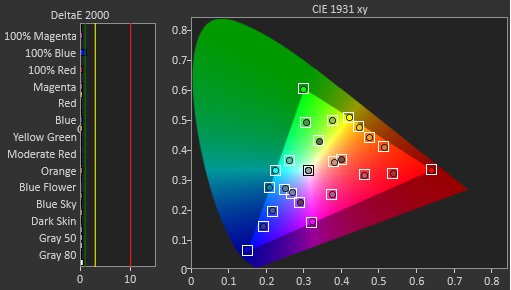
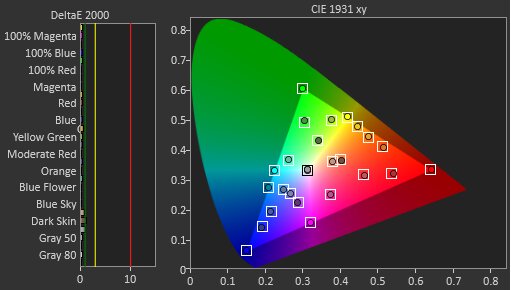
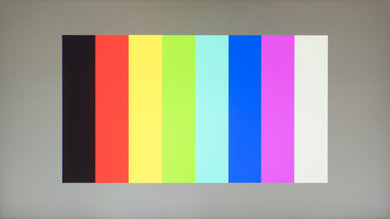
    The Dell UltraSharp U2520D has great out-of-the-box color accuracy. Most colors only have slight inaccuracies to them and the color temperature is slightly warmer than the 6500K target, giving the image a red/yellow tint. Unfortunately, gamma doesn't follow the curve well so most scenes are darker than they should be.

    9.7
    Post Calibration
    Picture Mode
    Custom Color
    Luminance
    98 cd/m²
    Luminance Settings
    21
    Contrast Setting
    75
    RGB Controls
    96-98-100
    Gamma Setting
    No Gamma Setting
    Color Temperature
    6,470 K
    White Balance dE
    0.49
    Color dE
    0.40
    Gamma
    2.17

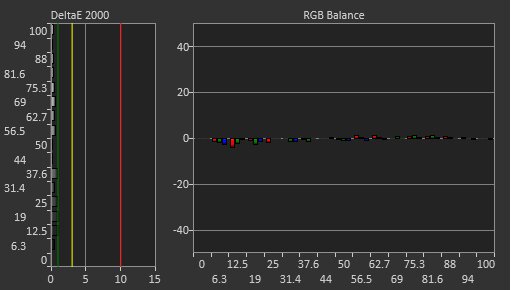
    The color accuracy is near-perfect after calibration. The color temperature is much closer to the target and the gamma follows the curve well, but some bright scenes are still over-brightened.

    You can download our ICC profile calibration here. This is provided for reference only and should not be used, as the calibration values vary per individual unit even for the same model due to manufacturing tolerances.

    9.1
    SDR Color Gamut
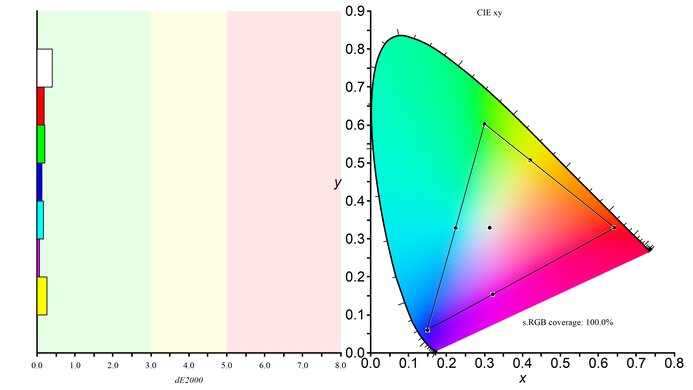
    sRGB xy
    99.6%
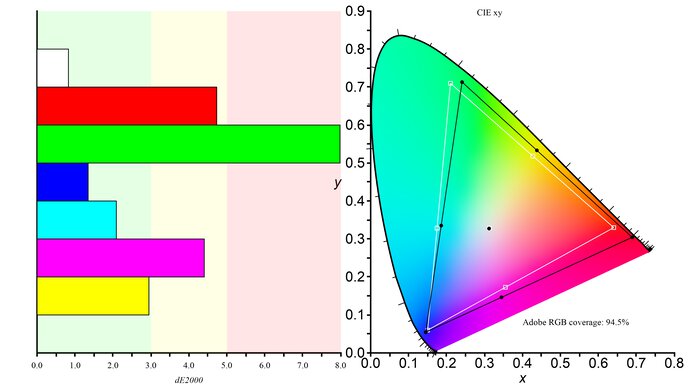
    Adobe RGB xy
    82.4%
    sRGB Picture Mode
    Custom Color
    Adobe RGB Picture Mode
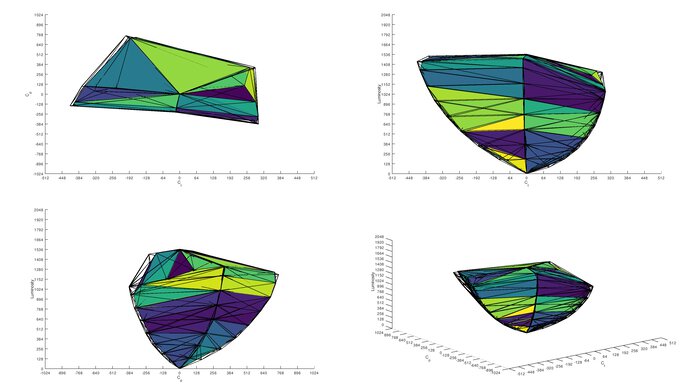
    Custom Color

    The UltraSharp U2520D has an outstanding SDR color gamut. It has near-perfect coverage of the sRGB color space and it has great coverage of the Adobe RGB color space used in photo editing. This is an improvement from the Dell U2518D.

    9.3
    SDR Color Volume
    sRGB In ICtCp
    97.8%
    Adobe RGB In ICtCp
    87.5%
    sRGB Picture Mode
    Custom Color
    Adobe RGB Picture Mode
    Custom Color

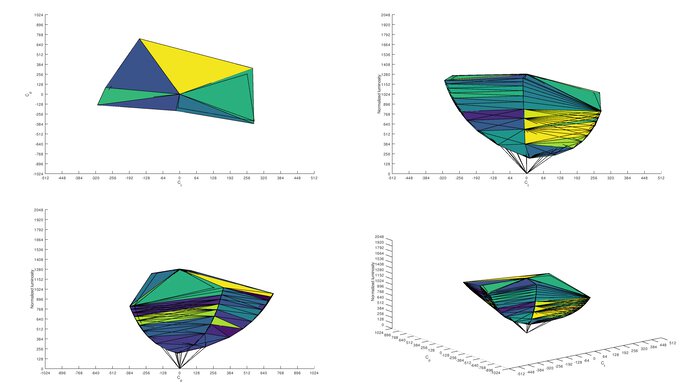
    The UltraSharp U2520D has remarkable color volume. It displays most colors at different brightness levels but due to its low contrast ratio, it can't display dark colors well.

    7.0
    HDR Color Gamut
    Wide Color Gamut
    Yes
    DCI P3 xy
    71.9%
    Rec. 2020 xy
    68.2%
    DCI P3 Picture Mode
    Display HDR
    Rec. 2020 Picture Mode
    Display HDR

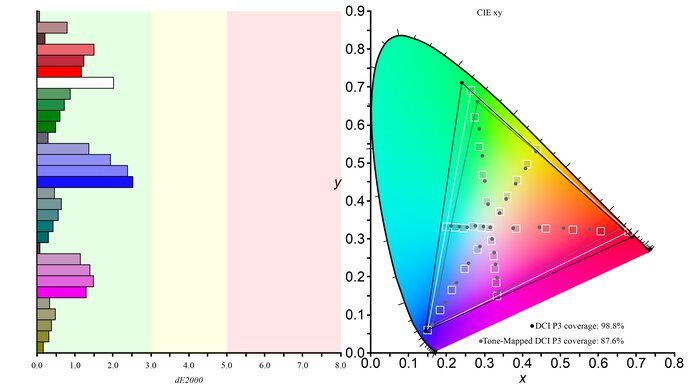
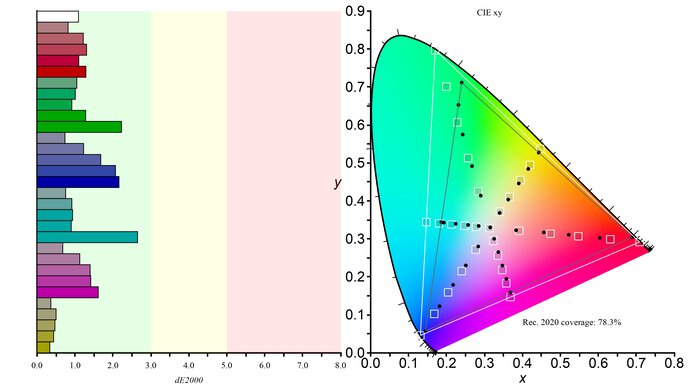
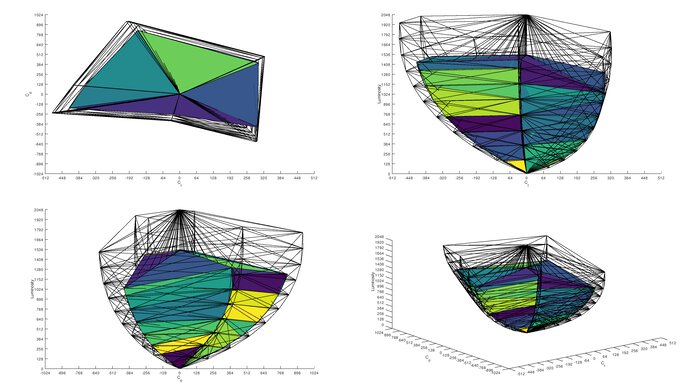
    Decent HDR color gamut. It displays a wide color gamut for HDR content but it's a bit limited. It has decent coverage of both the commonly-used DCI P3 color space and the wider Rec. 2020 color space.

    6.5
    HDR Color Volume
    DCI-P3 In ICtCp
    63.7%
    Rec. 2020 In ICtCp
    66.2%
    DCI P3 Picture Mode
    Display HDR
    Rec. 2020 Picture Mode
    Display HDR

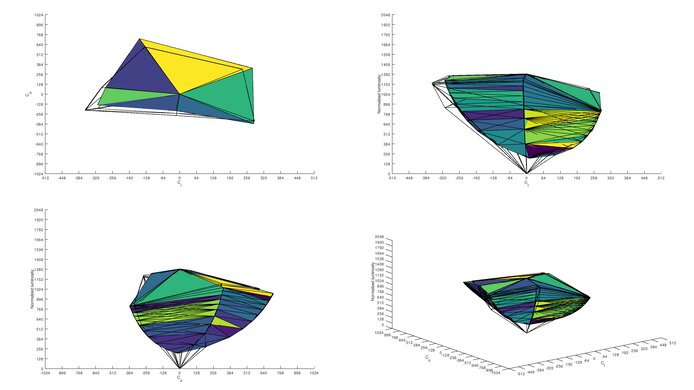
    The HDR color volume on the UltraSharp U2520D is just okay. It's limited by its color gamut and low contrast ratio, as it can't display deep, saturated colors well.

    10
    Image Retention
    IR After 0 Min Recovery
    0.00%
    IR After 2 Min Recovery
    0.00%
    IR After 4 Min Recovery
    0.00%
    IR After 6 Min Recovery
    0.00%
    IR After 8 Min Recovery
    0.00%
    IR After 10 Min Recovery
    0.00%

    The UltraSharp U2520D shows no sign of image retention after displaying a high contrast static image for 10 minutes.

    8.4
    Gradient
    Color Depth
    8 Bit

    Update 09/23/2020: We incorrectly listed it as 10-bit, when it's in fact an 8-bit monitor. The review has been updated.

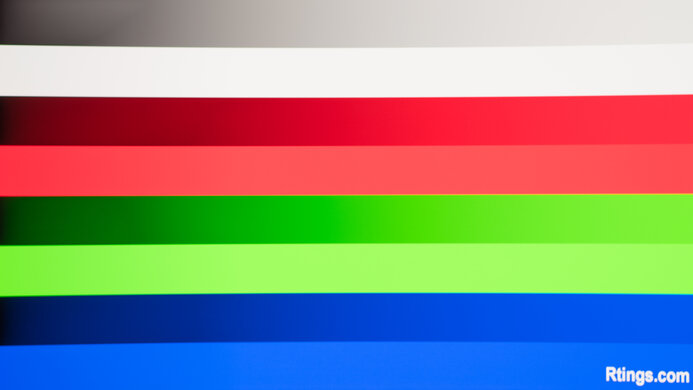
    Impressive gradient handling. There's noticeable banding in dark grays and greens, and some more in blues and reds.

    10
    Color Bleed
    Pixel Row Error
    0.001%
    Pixel Column Error
    0.009%

    The UltraSharp U2520D displays no signs of color bleed, which is ideal for photo editing.

    6.4
    Reflections
    Screen Finish
    Matte
    Total Reflections
    7.3%
    Indirect Reflections
    3.9%
    Calculated Direct Reflections
    3.4%

    Okay reflection handling on the UltraSharp U2520D. It handles a moderate amount of light well but struggles in bright rooms. This is good for most office environments, but you shouldn't place it in direct sunlight.

    7.5
    Text Clarity
    Pixel Type
    IPS
    Sub-Pixel Layout
    RGB

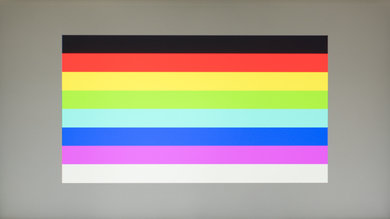
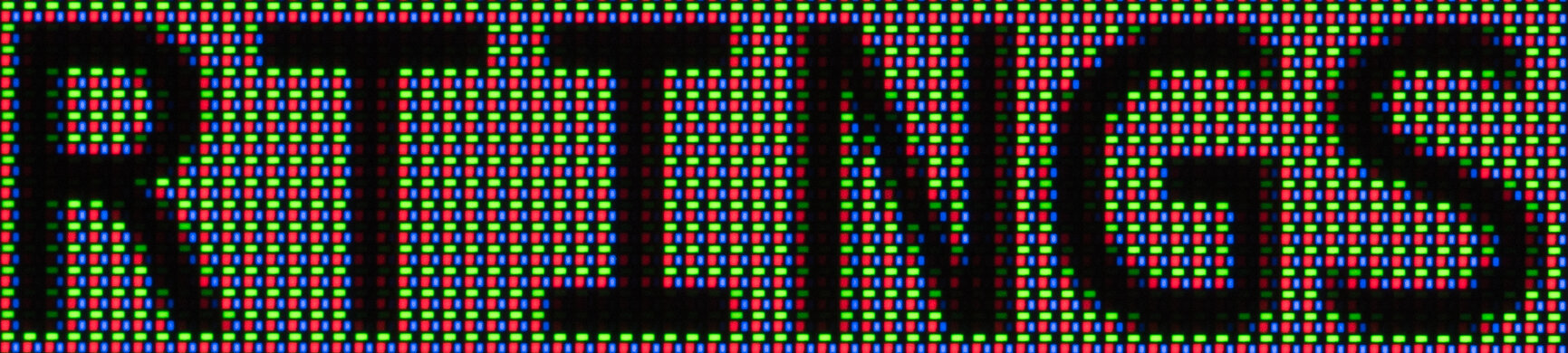
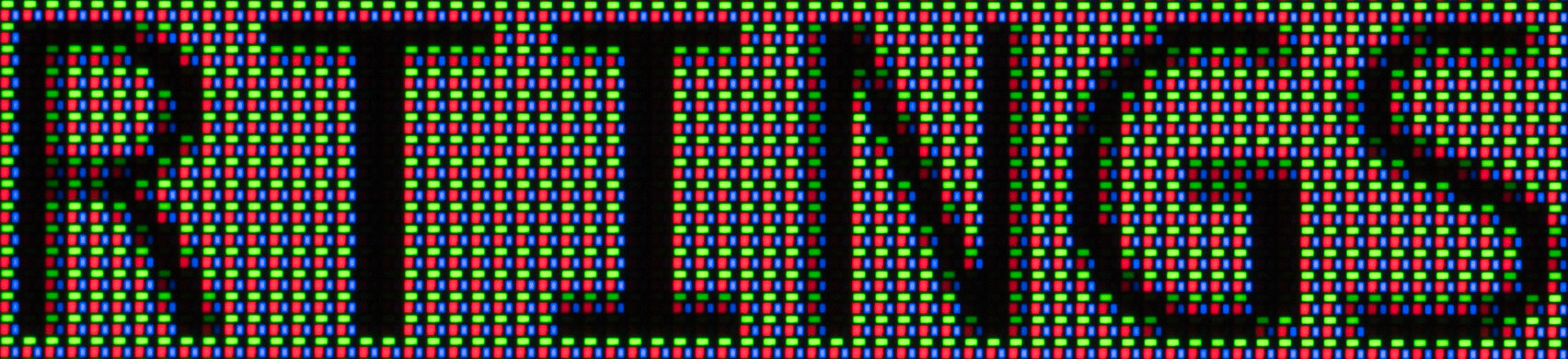
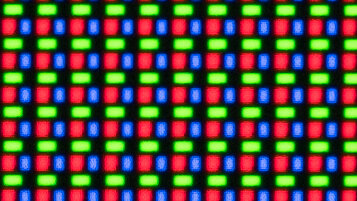
    Good text clarity, similar to most 1440p monitors. You can make text more clear by enabling ClearType (top photo).

    Motion
    8.3
    Response Time @ Max Refresh Rate
    Best Overdrive Setting
    Normal
    Rise / Fall Time
    6.3 ms
    Total Response Time
    12.5 ms
    Overshoot Error
    5.2%
    Dark Rise / Fall Time
    7.0 ms
    Dark Total Response Time
    13.3 ms
    Dark Overshoot Error
    7.3%

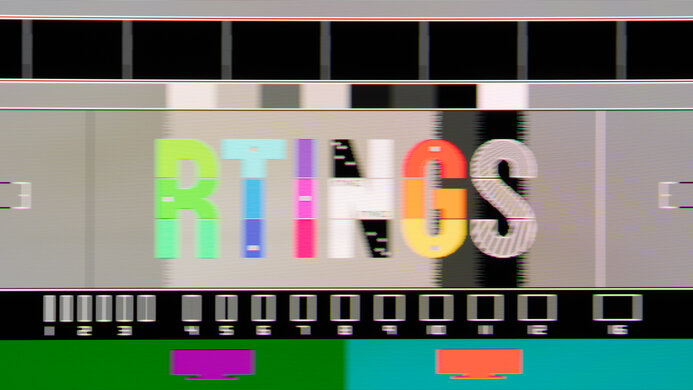
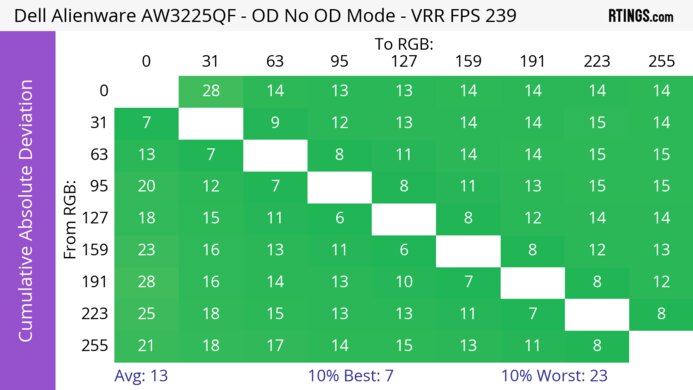
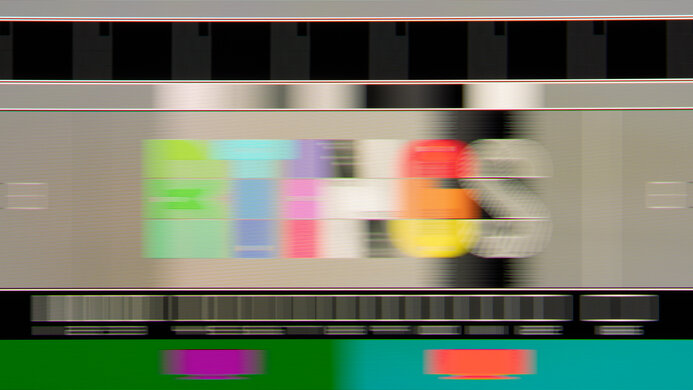
    Overdrive Setting Response Time Chart Response Time Tables Motion Blur Photo
    Normal Chart Table Photo
    Fast Chart Table Photo

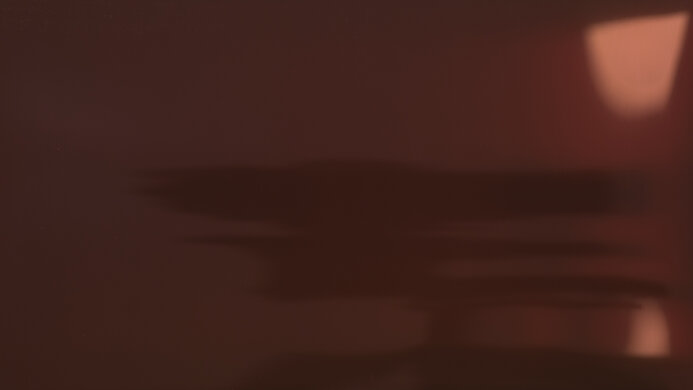
    The UltraSharp U2520D has an impressive response time, especially for a 60Hz monitor, which is ideal for console gaming. The recommended Overdrive setting is 'Normal' since there's a lot less overshoot than the 'Fast' setting.

    8.3
    Response Time @ 60Hz
    Best Overdrive Setting
    Normal
    Rise / Fall Time
    6.3 ms
    Total Response Time
    12.5 ms
    Overshoot Error
    5.2%
    Dark Rise / Fall Time
    7.0 ms
    Dark Total Response Time
    13.3 ms
    Dark Overshoot Error
    7.3%

    Overdrive Setting Response Time Chart Response Time Tables Motion Blur Photo
    normal Chart Table Photo
    fast Chart Table Photo

    Since this is a 60Hz monitor, the results are the same as the 'Response Time @ Max Refresh Rate' results.

    10
    Image Flicker
    Flicker-FreeYes
    PWM Dimming Frequency
    0 Hz

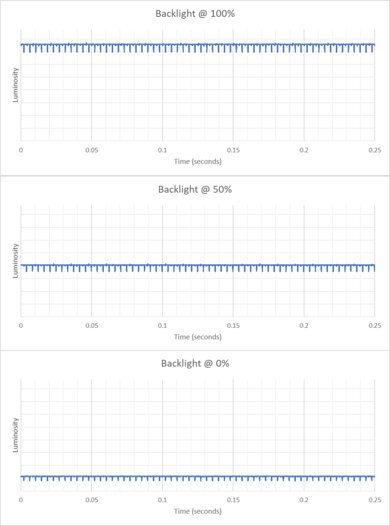
    The UltraSharp U2520D has a flicker-free backlight, which helps reduce eye strain.

    0.0
    Black Frame Insertion (BFI)
    Black Frame Insertion (BFI)
    No BFI
    BFI Maximum Frequency
    N/A
    BFI Minimum Frequency
    N/A

    The UltraSharp U2520D doesn't have a black frame insertion feature.

    5.9
    Refresh Rate
    Variable Refresh Rate
    No VRR
    Native
    60 Hz
    Max Refresh Rate
    60 Hz
    Variable Refresh Rate
    No
    FreeSync
    No
    G-SYNC
    No
    VRR Maximum
    N/A
    VRR Minimum
    No VRR
    VRR Supported ConnectorsNo VRR

    Update 01/18/2022: We tried to see if we could overclock the refresh rate to 75Hz. We can create a custom resolution and set the refresh rate to 75Hz, but it skips frames, so we don't consider that the max refresh rate.

    The Dell UltraSharp U2520D is limited to a 60Hz refresh rate. It doesn't support any variable refresh rate technology either. If you're looking for a smaller gaming monitor with a high refresh rate and VRR support, check out the Dell Alienware AW2521HF or the ASUS VG246H.

    Inputs
    9.0
    Input Lag
    Native Resolution
    8.7 ms
    Native Resolution @ 60Hz
    8.7 ms
    Variable Refresh Rate
    N/A
    Variable Refresh Rate @ 60Hz
    N/A
    10 Bit HDR
    N/A
    Black Frame Insertion (BFI)
    N/A

    The UltraSharp U2520D has an extremely low input lag for a 60Hz monitor, similar to the Dell UltraSharp U2721DE.

    Note: the monitor only supports 10-bit HDR over DisplayPort and not HDMI. However, we can't test HDR input lag over DisplayPort.

    8.3
    Resolution And Size
    Native Resolution2560 x 1440
    Aspect Ratio16:9
    Megapixels3.7 MP
    Pixel Density
    117 PPI
    Screen Diagonal25.0"
    Screen Area268 in²

    This monitor's 1440p resolution and 25-inch screen is good enough for multitasking and it fits in most home office setups.

    Inputs
    Total Inputs
    DisplayPort1 (DP 1.4)
    Mini DisplayPortNo
    HDMI1 (HDMI 2.0)
    DVINo
    VGANo
    DisplayPort Out1 (DP 1.4)
    USB3 (USB 3.0)
    USB C2 (1x USB, USB PD, DP Alt Mode, 1x USB 3 Amp))
    Analog Audio Out 3.5mm1
    Microphone In 3.5mmNo
    Digital Optical Audio OutNo
    Analog Audio Out RCANo
    Power SupplyInternal

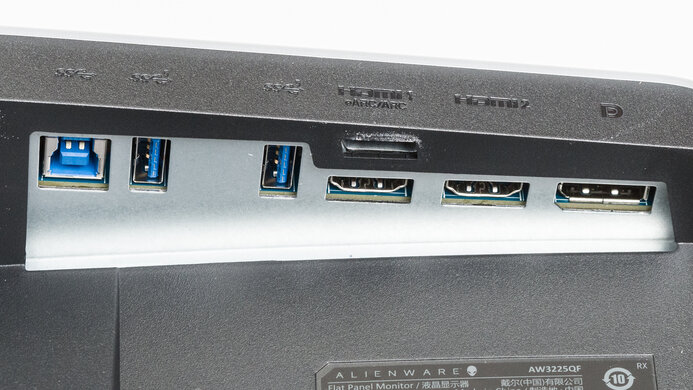
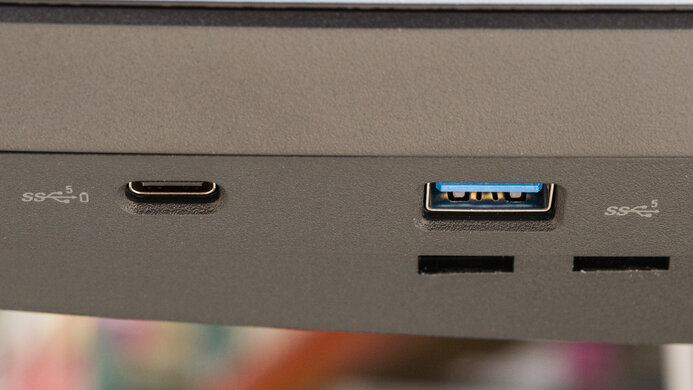
    New on the UltraSharp U2520D compared to the Dell U2518D is the USB-C inputs. One USB-C input is a downstream charging port while the other supports DisplayPort Alt Mode, which allows you to display an image from a device and charge it at the same time. There's also a USB port with B.C. 1.2 charging adaptability, which allows you to charge devices with a higher current. Also, you can daisy chain your screen to a second monitor with the DisplayPort output.

    Features
    Additional Features
    RGB Illumination
    No
    Speakers
    No
    HDR10Yes
    Multiple Input Display
    No

    The main features on the UltraSharp U2520D are with its connectivity options. You can daisy-chain a second screen or charge your devices with the USB hub. It also supports HDR10, but other than that, it has limited features.

    On-Screen Display (OSD)
    Controls

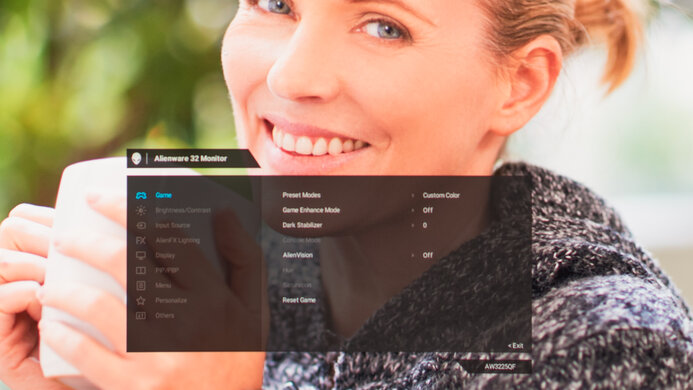
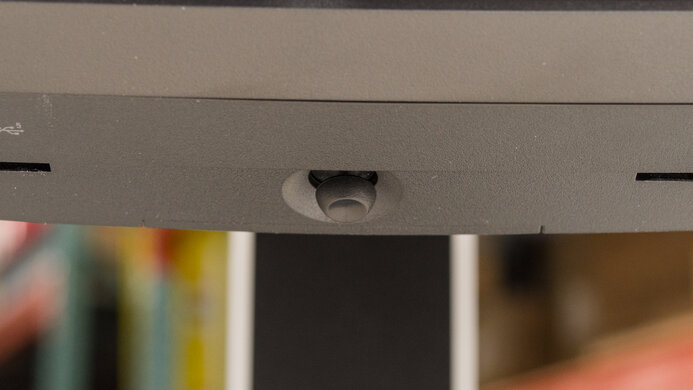
    There are four buttons and the power button underneath the monitor to control the on-screen display.

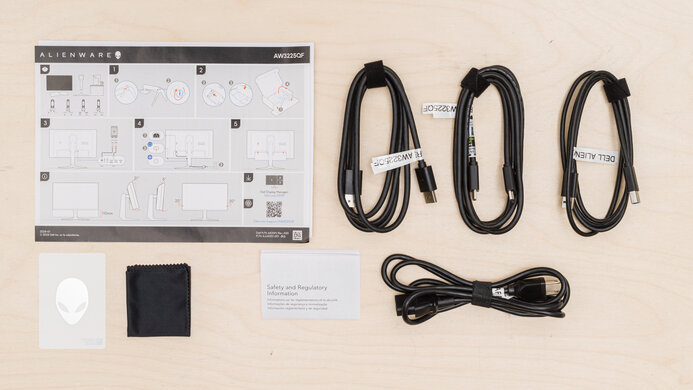
    In The Box

    • Power cable
    • DisplayPort cable
    • USB-A to USB-C cable
    • USB-C cable
    • Manual
    • Calibration report