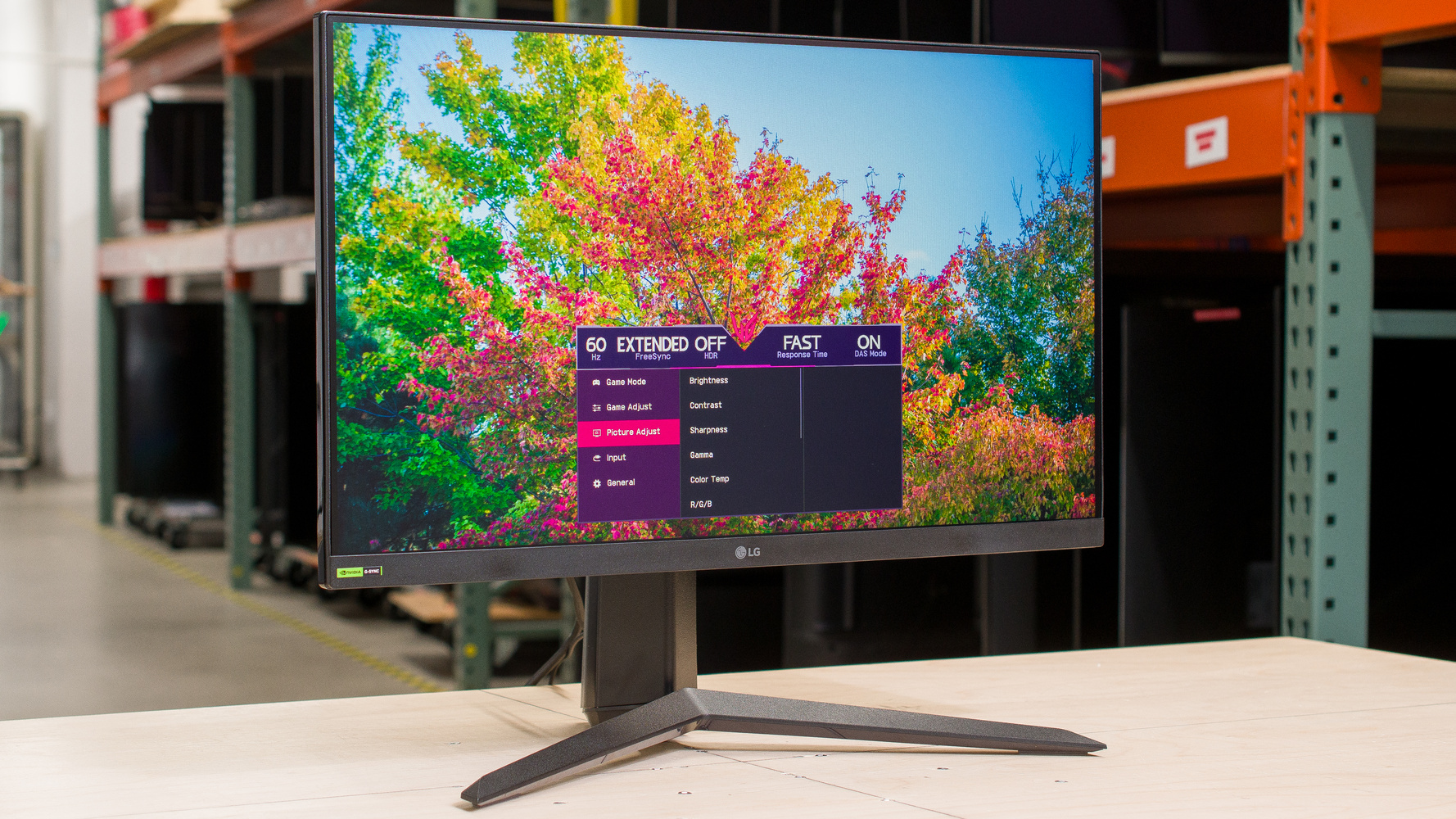
LG 24GS65F-B  Monitor Review

Reviewed Oct 06, 2025 at 01:15pm
Tested using Methodology v2.1.1 
LG 24GS65F-B
7.0
PC Gaming 
5.1
Console Gaming 
7.0
Office 
6.6
Editing 
7.0
Brightness 
7.5
Response Time 
4.8
HDR Picture 
6.5
SDR Picture 
 5

The LG 24GS65F-B is an entry-level 24-inch, 1080p gaming monitor. It's an updated version of the LG 24GN650-B, sitting alongside the 24GS60F-B, which has a different stand, and the 27-inch 27GS65F-B. This monitor has typical gaming features, like a 180Hz refresh rate and FreeSync VRR and G-SYNC compatibility. It has a basic selection of inputs, with DisplayPort 1.4 and HDMI 2.0 ports, but it doesn't have any USB ports. Besides some gaming perks, like crosshairs and a Black Stabilizer, it's limited in extra features, which is typical of cheap monitors like this one.

How We Test Monitors

We buy and test more than 30 monitors each year, with units that we buy completely on our own, without any cherry-picked units or samples. We put a lot into each unbiased, straight-to-the-point review, and there's a whole process from purchasing to publishing, involving multiple teams and people. We do more than just use the monitor for a week; we use specialized and custom tools to measure various aspects with objective data-based results. We also consider multiple factors before making any recommendations, including the monitor's cost, its performance against the competition, and whether or not it's easy to find.

Our Verdict

7.0
PC Gaming 

The LG 24GS65F is decent for PC gaming. It has a 180Hz refresh rate with FreeSync VRR and G-SYNC compatibility to reduce screen tearing. It has low input lag for a responsive feel, which is great for playing reaction-based games. Motion also looks sharp for the most part at any refresh rate, but there's still some blur behind fast-moving objects. Unfortunately, its biggest downside for gaming is that it has limited picture quality because it has a low contrast ratio that makes blacks look gray, and it fails to deliver an impactful HDR experience.

Pros
  • 180Hz refresh rate and VRR support.

  • Consistent response time at any refresh rate.

  • Low input lag.

Cons
  • Fast-moving objects still have blur.

  • Low contrast ratio and no local dimming.

  • Highlights don't pop in HDR.

5.1
Console Gaming 

The LG 24GS65F is disappointing for console gaming. It has limited support with consoles, as it only supports 1080p signals up to 120Hz and 1440p @ 60Hz with a PS5, PS5 Pro, and Xbox Series X|S. While it has low input lag for a responsive feel and it has a consistently fast response time at any refresh rate, there's still blur with fast-moving objects. Sadly, it has limited picture quality as blacks look gray in dark rooms due to its low contrast ratio, highlights don't pop in HDR, and colors are inaccurate in SDR.

Pros
  • Consistent response time at any refresh rate.

  • Low input lag.

Cons
  • Fast-moving objects still have blur.

  • Low contrast ratio and no local dimming.

  • Highlights don't pop in HDR.

  • Limited console compatibility.

7.0
Office 

The LG 24GS65F is decent for office use. It's fine if you want to use it in a well-lit room because it has good brightness and its coating reduces glare well, but reflections in sunny rooms are still distracting. Its 24-inch screen isn't big enough to comfortably multitask with two windows open next to each other, but while it has a low 1080p resolution, it still has decent text clarity. It also comes with an ergonomic stand that makes it easy to adjust for yourself, but it lacks swivel adjustment to turn the screen for someone next to you.

Pros
  • Ergonomic stand.

  • Decent text clarity.

  • Matte coating reduces glare well.

Cons
  • No swivel adjustment.

  • Small 24-inch screen.

  • Not bright enough to fight intense glare.

6.6
Editing 

The LG 24GS65F is okay for content creation. You need to calibrate it to get perfectly accurate colors because it lacks an sRGB mode, so colors are oversaturated before calibration. It has disappointing picture quality, especially in HDR, as blacks look gray and highlights are muted, so it's a bad choice for editing HDR content. You may find its 24-inch screen too small for editing video content, as you won't see much of your video timeline at once. That said, it still has decent image clarity, and it's fine if you want to use it in a room with some lights around, as its coating reduces glare well.

Pros
  • Decent text clarity.

  • Matte coating reduces glare well.

Cons
  • Low contrast ratio and no local dimming.

  • No sRGB mode; colors are oversaturated.

  • Needs full calibration for good accuracy.

  • Not bright enough to fight intense glare.

7.0
Brightness 

The LG 24GS65F has decent brightness. It gets bright enough to fight glare in most well-lit rooms, but visibility is still an issue in sunny environments. It also fails to make highlights pop in HDR.

Pros
  • Good overall brightness.

Cons
  • Highlights don't pop in HDR.

  • Not bright enough to fight intense glare.

7.5
Response Time 

The LG 24GS65F has a good response time. It remains consistently fast at any refresh rate, but there's still some blur with fast-moving objects.

Pros
  • Consistent response time at any refresh rate.

Cons
  • Fast-moving objects still have blur.

4.8
HDR Picture 

The LG 24GS65F has bad HDR picture quality. Blacks look gray due to its low contrast ratio, and it fails to make colors look vivid.

Pros
None
Cons
  • Low contrast ratio and no local dimming.

  • Colors are muted in HDR.

6.5
SDR Picture 

The LG 24GS65F has okay SDR picture quality. While it displays a wide range of colors, its low contrast ratio makes blacks look gray in any environment.

Pros
  • Displays wide range of colors in SDR.

Cons
  • Low contrast ratio and no local dimming.

7.6
Color Accuracy 

The LG 24GS65F has good color accuracy. It lacks an sRGB mode, so colors are oversaturated before calibration, but with proper calibration, you can get nearly perfectly accurate colors.

Pros
None
Cons
  • Needs full calibration for good accuracy.

  • 7.0
    PC Gaming
  • 5.1
    Console Gaming
  • 7.0
    Office
  • 6.6
    Editing

  • Performance Usages

  • 7.0
    Brightness
  • 7.5
    Response Time
  • 4.8
    HDR Picture
  • 6.5
    SDR Picture
  • 7.6
    Color Accuracy
  • Changelog

    1.  Updated Nov 10, 2025: We've converted this review to Test Bench 2.1.1. We removed the Vertical Viewing Angle test.
    2.  Updated Oct 06, 2025: Review published.
    3.  Updated Oct 02, 2025: Early access published.
    4.  Updated Sep 29, 2025: Our testers have started testing this product.

    Check Price

    24"24GS65F-B
    SEE PRICE
    Amazon.com
    24"24GS65F-B
    B&H
    24"24GS65F-B
    BestBuy.com
    24"24GS65F-B
    Walmart.com
    24"24GS65F-B
    LG.com

    Differences Between Sizes And Variants

    We bought and tested the 24-inch LG 24GS65F-B, and the results are only valid for this model. There's also the 24GS60F-B, which should perform the same, but it comes with a different stand. The 27-inch 27GS65F-B is available in some countries outside the United States, but it's a different monitor. You can see the main differences between some UltraGear monitors below.

    Model Size Panel Type Max Refresh Rate Stand
    24GS50F-B 24" VA 180Hz Tilt only
    24GS60F-B 24" IPS 180Hz Tilt only
    24GS65F-B 24" IPS 180Hz Tilt, height, and pivot
    24GN650-B 24" IPS 144Hz Tilt, height, and pivot
    27GS65F-B 27" IPS 180Hz Tilt, height, and pivot

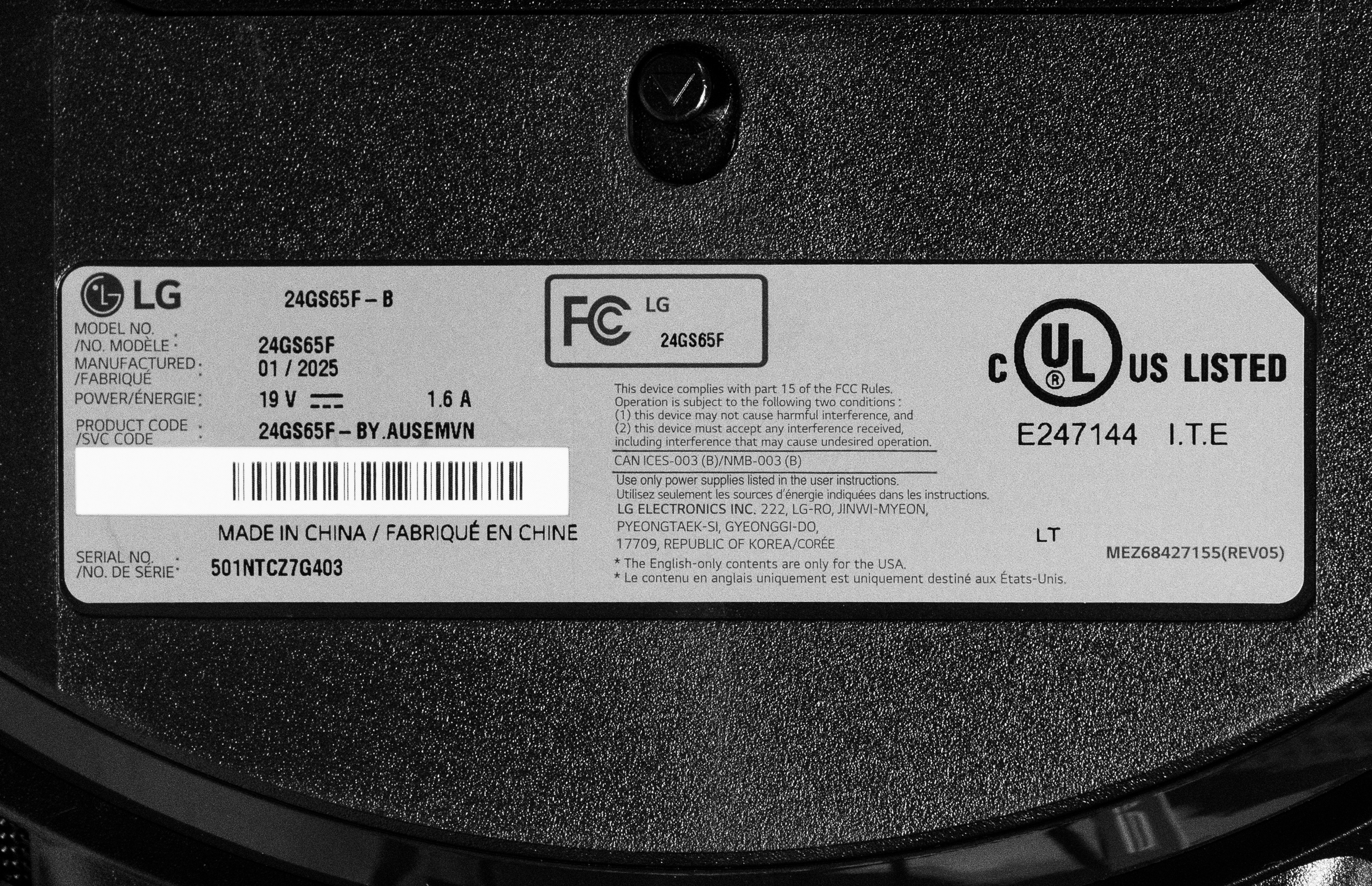
    Our unit's label indicates it was manufactured in January 2025 in China.

    Popular Monitor Comparisons

    The LG 24GS65F-B is an entry-level 1080p gaming monitor that you can get for cheap. It has typical features that you'd expect to find in a gaming display, like a 180Hz refresh rate and VRR support, but it doesn't have high-end perks, like HDMI 2.1 bandwidth, and it has disappointing picture quality. It's also decent for gaming, as it has low input lag and a consistent response time at any refresh rate, but fast-moving objects still have blur. There isn't anything in particular that makes this monitor stand out against the rest of the market, but it offers solid performance at a cheap price. If you're looking for a basic gaming monitor and you're on a limited budget, there isn't much to knock against it at this price point. That said, you can get other options with higher refresh rates, like with the ViewSonic XG2431, if you're willing to spend just a bit more.

    You can also see our recommendations for the best monitors under $200, the best gaming monitors under $300, and the best 24-25-inch monitors.

    AOC 24G15N

    The LG 24GS65F-B and the AOC 24G15N are both cheap gaming monitors with similar specs. While they each have a 24-inch size, 1080p resolution, and 180Hz refresh rate, the main difference is their panel types. The LG has an IPS panel with wider viewing angles, while the VA panel on the AOC has a higher contrast ratio. That said, the LG is better for most gamers as it has significantly better motion handling, without any smearing that the AOC has. The LG also gets brighter, making it the better choice for gaming in a well-lit room.

    MSI G274QPF-QD

    The MSI G274QPF-QD and the LG 24GS65F-B are both cheap gaming monitors, but they have different specs. The MSI has the bigger 27-inch screen with a higher 1440p resolution, so images are more detailed. That said, the lower resolution on the LG requires less bandwidth from your graphics card, and you can reach its max refresh rate over HDMI, unlike on the MSI. Though, the MSI is a bit more versatile overall, as it supports more signals from gaming consoles, and it has a USB-C port with DisplayPort Alt Mode, which the LG doesn't have.

    ViewSonic XG2431

    The ViewSonic XG2431 and the LG 24GS65F-B are both cost-friendly 1080p gaming monitors. The ViewSonic is a bit more well-rounded for gaming because it has a higher 240Hz refresh rate and better overall motion handling. The ViewSonic even has a customizable backlight strobing feature to further improve the appearance of motion, which is something the LG doesn't have. The ViewSonic also has a few extra perks, like a small USB hub.

    Dell G2524H

    The Dell G2524H and the LG 24GS65F-B are both entry-level 1080p gaming  monitors. The main difference between them is that the Dell has a higher 280Hz refresh rate, so it offers a smoother feel compared to the 180Hz refresh rate on the LG. The Dell also has better overall motion handling than the LG, with less blur behind fast-moving objects. Although the LG supports HDR, which the Dell doesn't, this doesn't make a big difference because the LG has limited picture quality in HDR anyways.
    Test Results
    perceptual testing image
    Sort:
    RATINGS
    Category:
    All
    Design
    Style
    Curved
    No
    Curve Radius
    Not Curved

    The LG 24GS65F-B has a gaming-oriented design with an all-black plastic body. Unlike other LG UltraGear monitors, it doesn't have any red accents, and the branding blends in with the rest of the monitor.

    7.5
    Build Quality

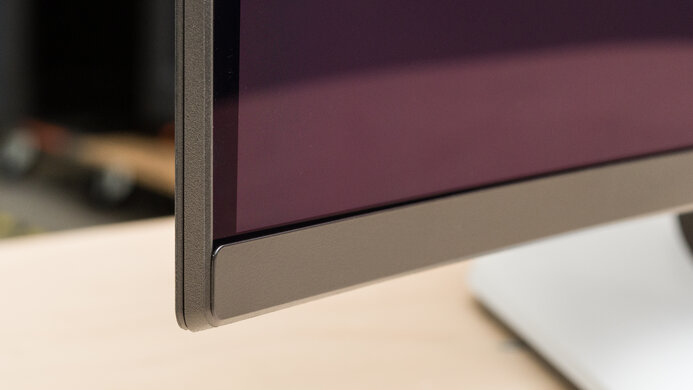
    The build quality is good. The plastic materials feel solid with minimal bending, although the front bezel flexes a bit. There's glossy, reflective plastic along the outside of the housing that feels a bit cheaper, though. Besides that, there aren't any obvious defects, and even the stand holds the screen well.

    8.1
    Ergonomics
    Min Height To Top Of Panel
    17.1" (43.5 cm)
    Height Adjustment
    4.3" (11.0 cm)
    Tilt Range
    -20° to 7.5
    Rotate Portrait/Landscape
    Yes, Clockwise
    Swivel Range
    No swivel
    Wall Mount
    VESA 100x100

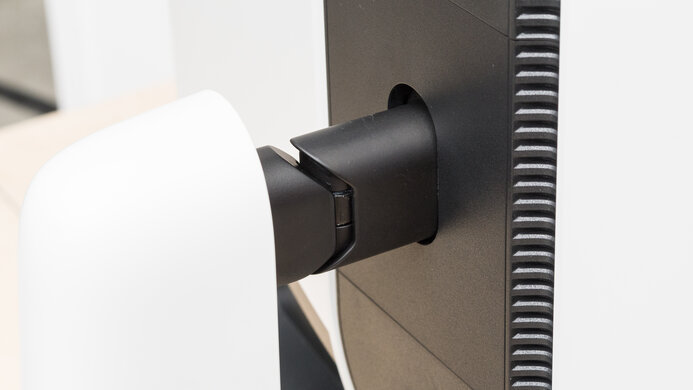
    The ergonomics are great. Besides not offering any swivel, you can adjust it how you like. The height adjustment feels smooth and easy to perform, but the other adjustments need some force. There's a small hook built into the stand for cable management.
    Stand
    Base Width
    16.7" (42.5 cm)
    Base Depth
    11.4" (29.0 cm)
    Thickness (With Display)
    8.5" (21.5 cm)
    Weight (With Display)
    11.8 lbs (5.4 kg)

    The stand is large and takes up a lot of space, especially for a 24-inch monitor. It holds the screen well with minimal wobble, and even when it does wobble a bit, it stabilizes itself quickly. 

    Display
    Size
    24"
    Housing Width
    21.3" (54.0 cm)
    Housing Height
    12.7" (32.3 cm)
    Thickness (Without Stand)
    1.7" (4.2 cm)
    Weight (Without Stand)
    7.8 lbs (3.5 kg)
    Borders Size (Bezels)
    0.3" (0.8 cm)
    Controls

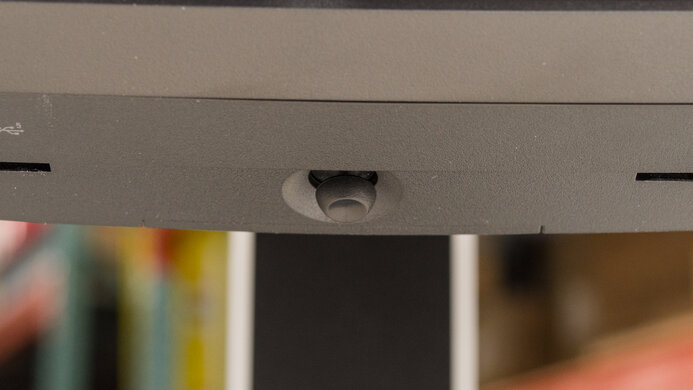
    There's a joystick underneath the bottom bezel to control the on-screen display.

    In The Box
    Power Supply
    External Brick

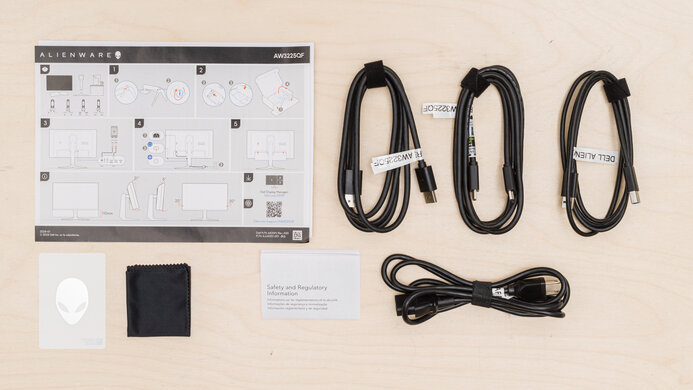
    • DisplayPort cable
    • Power cable and brick
    • User guides
    Picture Quality
    5.8
    Contrast
    Native Contrast
    878 : 1
    Contrast With Local Dimming
    N/A

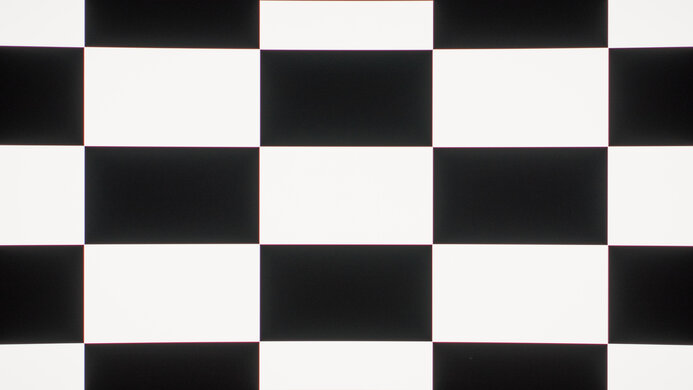
    The LG 24GS65F-B has a disappointing contrast ratio. Blacks look gray against bright highlights, and it lacks a local dimming feature to improve this.

    0.0
    Local Dimming
    Local Dimming
    No
    Backlight
    Edge

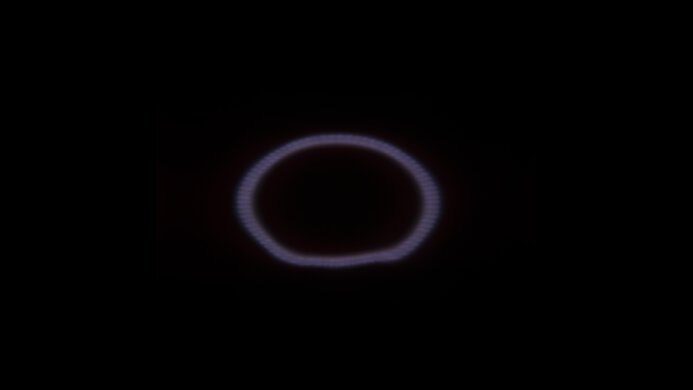
    Though this monitor doesn't have local dimming, we still film these videos so you can compare the backlight performance with a monitor that has local dimming.

    7.7
    SDR Brightness
    Real Scene
    309 cd/m²
    Peak 2% Window
    322 cd/m²
    Peak 10% Window
    320 cd/m²
    Peak 25% Window
    320 cd/m²
    Peak 50% Window
    320 cd/m²
    Peak 100% Window
    320 cd/m²
    Sustained 2% Window
    320 cd/m²
    Sustained 10% Window
    320 cd/m²
    Sustained 25% Window
    319 cd/m²
    Sustained 50% Window
    319 cd/m²
    Sustained 100% Window
    319 cd/m²
    Automatic Brightness Limiting (ABL)
    0.000
    Minimum Brightness
    40 cd/m²

    Settings

    • Game Mode: Gamer 2 (after calibration)
    • Brightness: Max

    The SDR brightness is good. It gets bright enough to fight some glare in moderately-lit rooms, but visibility is a problem in sunny environments.

    6.5
    HDR Brightness
    VESA DisplayHDR Certification
    No Certification
    Real Scene
    355 cd/m²
    Peak 2% Window
    366 cd/m²
    Peak 10% Window
    366 cd/m²
    Peak 25% Window
    367 cd/m²
    Peak 50% Window
    367 cd/m²
    Peak 100% Window
    367 cd/m²
    Sustained 2% Window
    366 cd/m²
    Sustained 10% Window
    366 cd/m²
    Sustained 25% Window
    367 cd/m²
    Sustained 50% Window
    367 cd/m²
    Sustained 100% Window
    367 cd/m²
    Automatic Brightness Limiting (ABL)
    0.000

    Settings

    • Game Mode: Gamer 1
    • Brightness: Max

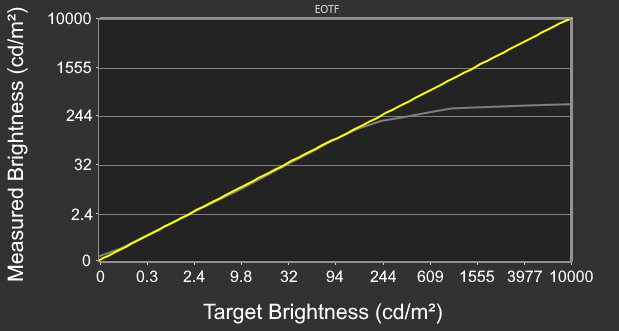
    The HDR brightness is okay. Although it's fairly bright and fights some glare, highlights don't pop at all. It also has inaccurate PQ EOTF tracking, with raised blacks in dark scenes and a slow roll-off before reaching its peak brightness. It's tone mapping before your source does, limiting how bright highlights get.

    8.5
    Gray Uniformity
    50% Std. Dev.
    2.885%
    50% DSE
    0.116%

    The gray uniformity is excellent. Colors are uniform throughout, although the edges are slightly darker. The uniformity is the same with 5% gray.

    5.9
    Black Uniformity
    Native Std. Dev.
    2.076%
    Std. Dev. w/ L.D.
    N/A

    The black uniformity is disappointing. There's clouding throughout, and it lacks a local dimming feature to improve the uniformity.

    6.6
    Color Accuracy (Pre-Calibration)
    Picture Mode
    Gamer 2
    sRGB Gamut Area xy
    129.5%
    White Balance dE (Avg.)
    1.75
    Color Temperature (Avg.)
    6,664 K
    Gamma (Avg.)
    2.01
    Color dE (Avg.)
    3.66
    Contrast Setting
    70
    RGB Settings
    50-50-50
    Gamma Setting
    Mode 2
    Brightness Setting
    100
    Measured Brightness
    324 cd/m²
    Brightness Locked
    No

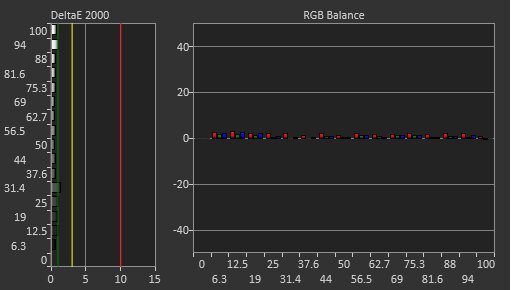
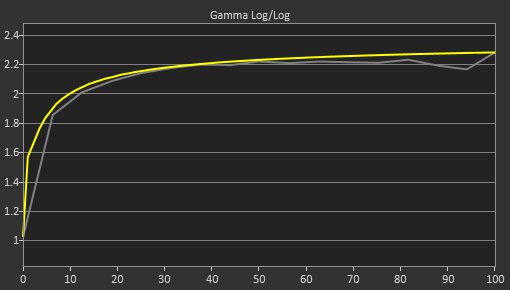
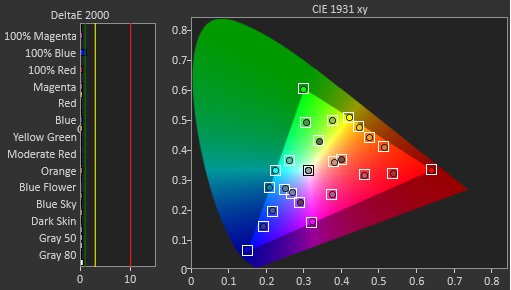
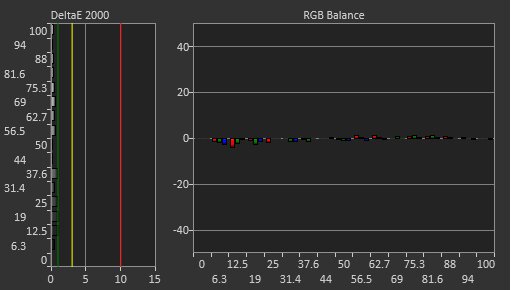
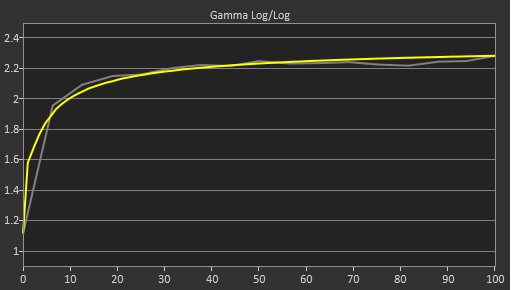
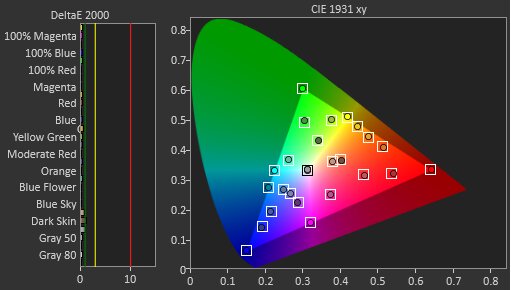
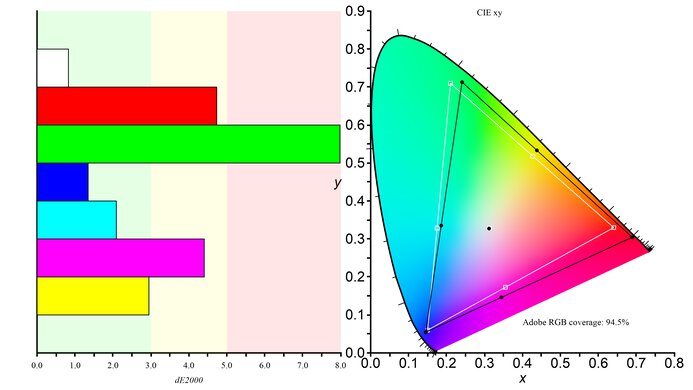
    The accuracy before calibration is okay. It doesn't have a dedicated sRGB mode, so colors are oversaturated. The gamma tracking is off, as most scenes are too bright. On the plus side, its color temperature is close to the 6500K target, and the white balance only has some minor inaccuracies. 

    9.7
    Color Accuracy (Post-Calibration)
    Picture Mode
    Gamer 2
    sRGB Gamut Area xy
    101.0%
    White Balance dE (Avg.)
    0.61
    Color Temperature (Avg.)
    6,505 K
    Gamma (Avg.)
    2.19
    Color dE (Avg.)
    0.51
    Contrast Setting
    70
    RGB Settings
    39-43-50
    Gamma Setting
    Mode 2
    Brightness Setting
    18
    Measured Brightness
    99 cd/m²
    ICC Profile
    Download

    The accuracy after calibration is remarkable. Calibrating it fixes most issues, particularly with oversaturation and gamma tracking.

    The monitor includes R/G/B and Six color hue and saturation settings to fine-tune your calibration.

    9.3
    SDR Color Gamut
    sRGB Coverage xy
    99.5%
    sRGB Picture Mode
    Gamer 2
    Adobe RGB Coverage xy
    82.3%
    Adobe RGB Picture Mode
    Gamer 2

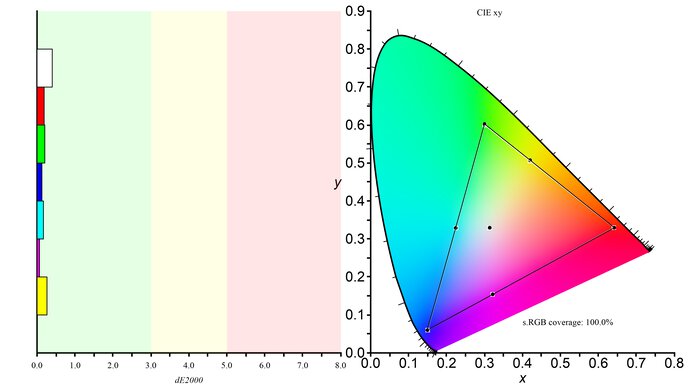
    This monitor has a fantastic SDR color gamut. It covers all of the sRGB color space used in most web content. It also displays a wide range of colors in the Adobe RGB color space, but reds are oversaturated and greens are undersaturated, although you may be able to fix this using a color-managed app.

    8.1
    HDR Color Gamut
    Wide Color Gamut
    Yes
    DCI-P3 Coverage xy
    91.0%
    DCI-P3 Picture Mode
    Gamer 1
    Rec. 2020 Coverage xy
    67.3%
    Rec. 2020 Picture Mode
    Gamer 1

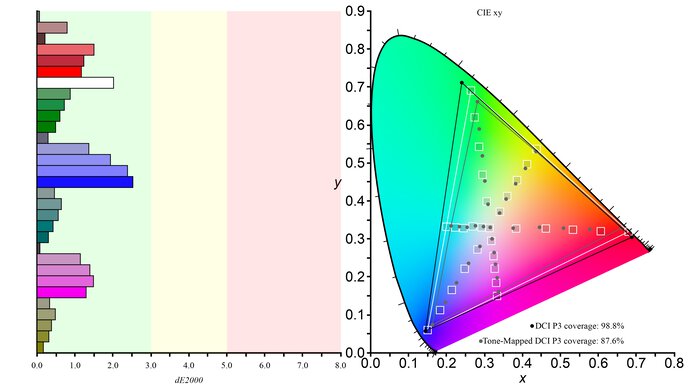
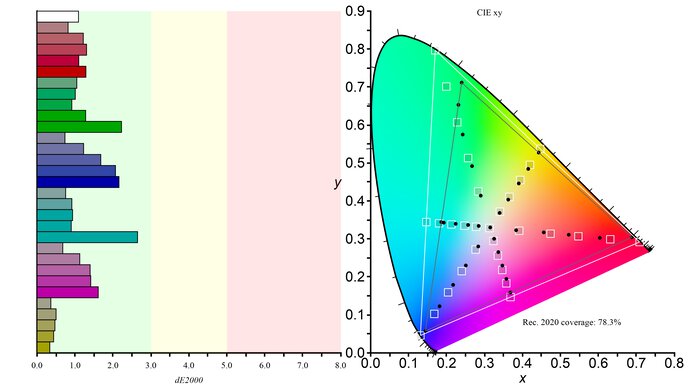
    The HDR color gamut is great. It has great coverage of the common DCI-P3 color space, with minimal inaccuracies, but it has more limited coverage of the wider Rec. 2020 color space.

    7.1
    HDR Color Volume
    1,000 cd/m² DCI-P3 Coverage ICtCp
    56.2%
    DCI-P3 Picture Mode
    Gamer 1
    10,000 cd/m² Rec. 2020 Coverage ICtCp
    27.0%
    Rec. 2020 Picture Mode
    Gamer 1

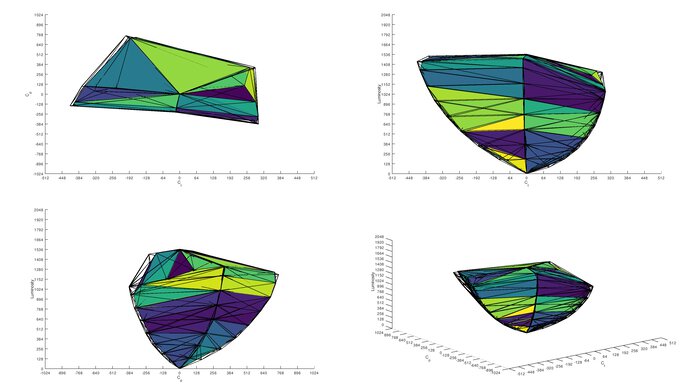
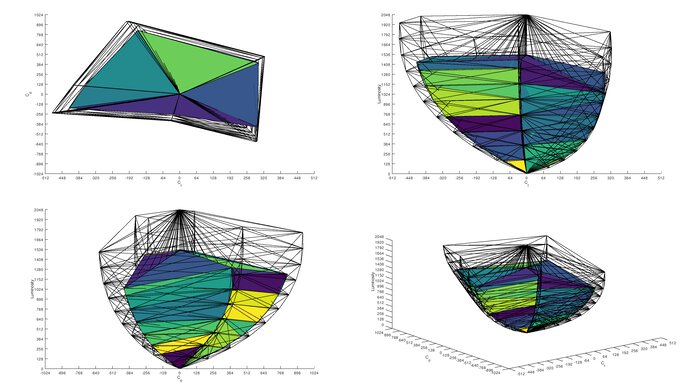
    The HDR color volume is decent. While it displays a wide range of colors, it fails to properly display dark and bright colors well, so HDR content looks muted.

    6.9
    Viewing Angle
    Color Washout From Left
    27°
    Color Washout From Right
    27°
    Color Shift From Left
    30°
    Color Shift From Right
    37°
    Brightness Loss From Left
    28°
    Brightness Loss From Right
    29°
    Black Level Raise From Left
    70°
    Black Level Raise From Right
    70°
    Gamma Shift From Left
    53°
    Gamma Shift From Right
    32°

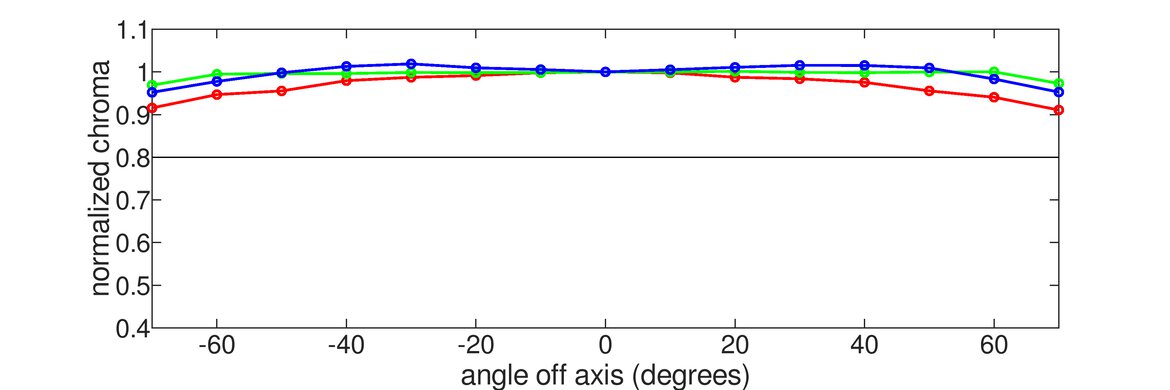
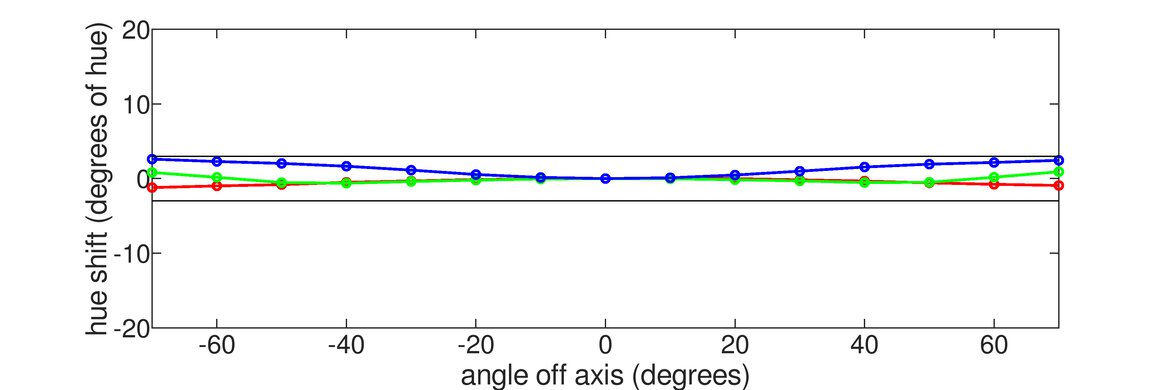
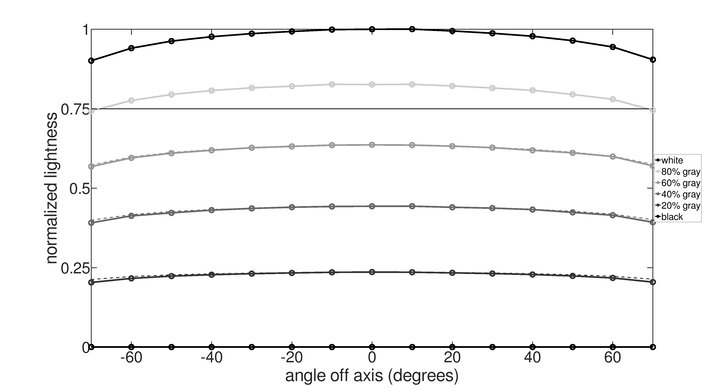
    The horizontal viewing angle is okay. It's fine if you need to share your screen with someone next to you, like for co-op gaming. However, the image gets darker and colors washout at wider angles.

    7.0
    Text Clarity
    Pixel Type
    IPS
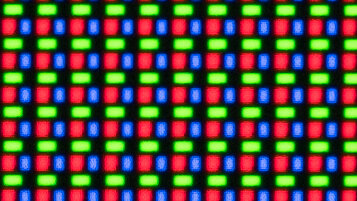
    Subpixel Layout
    RGB

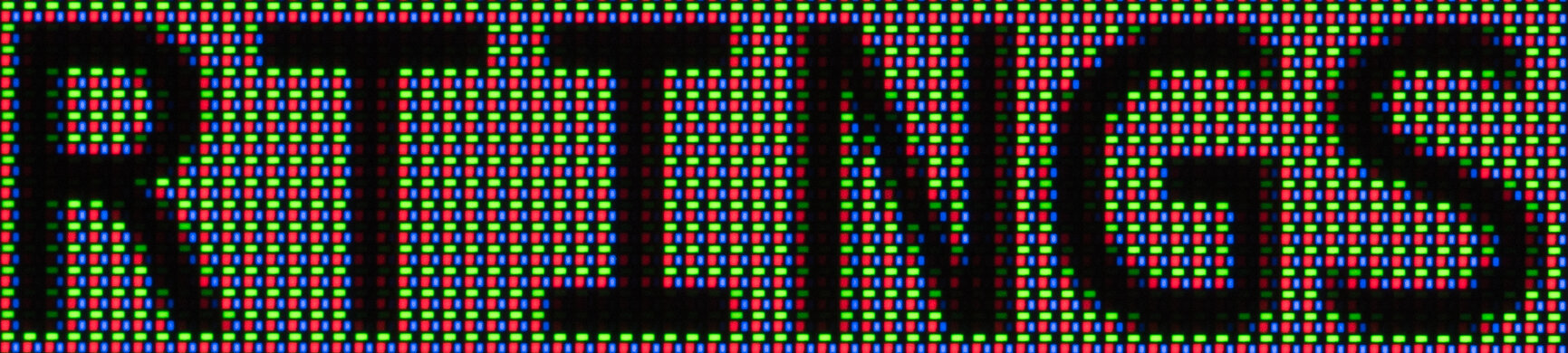
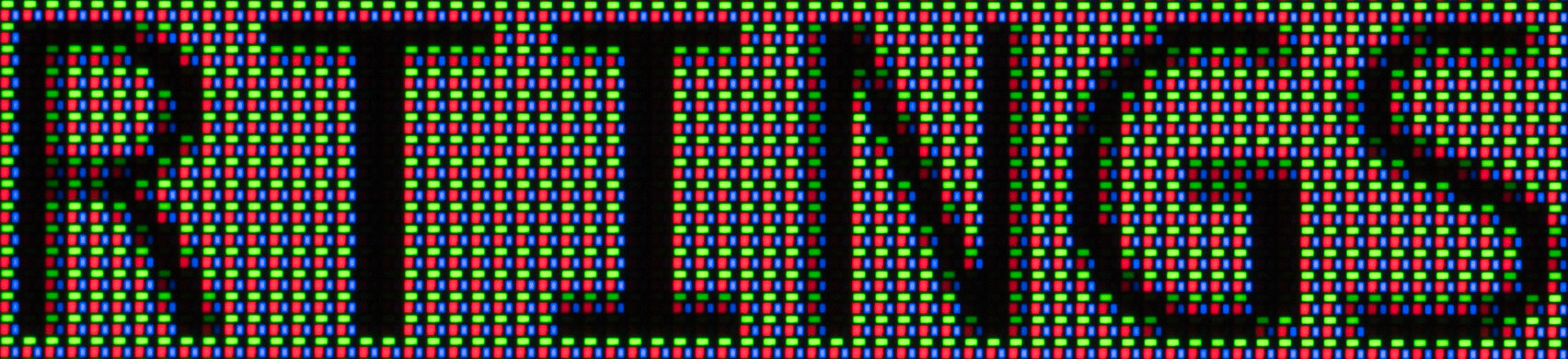
    The text clarity is decent. Using Windows ClearType (top photo) helps make text look bolder, but there are still some legibility issues. These photos are in Windows 10, and you can see them in Windows 11 with ClearType on and with ClearType off.

    7.5
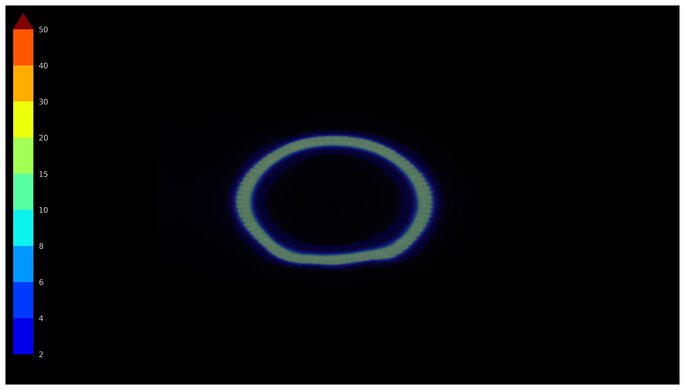
    Direct Reflections
    See details on graph tool
    Peak Direct Reflection Intensity
    19.8%
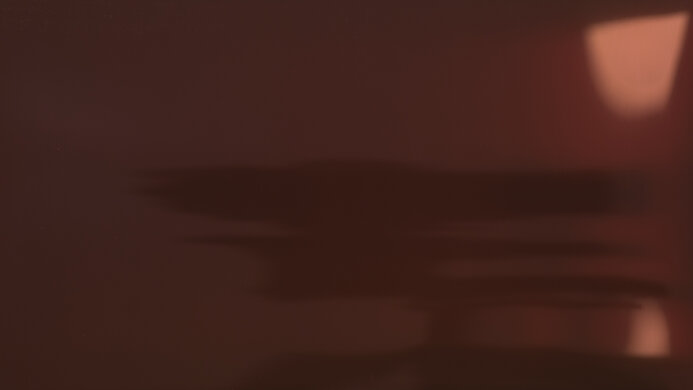
    Screen Finish
    Matte

    The direct reflection handling is good. The matte coating absorbs light well and spreads most out across the display, with minimal light reflecting off the screen.

    6.1
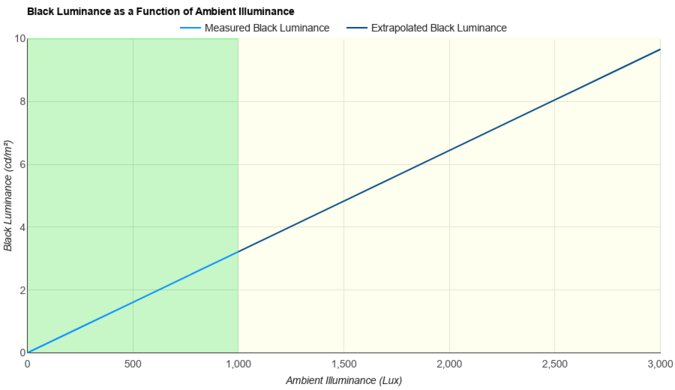
    Ambient Black Level Raise
    See details on graph tool
    Black Luminance @ 0 lx
    0.35 cd/m²
    Black Luminance @ 1000 lx
    2.06 cd/m²

    The black levels rise a bit in bright rooms, and combined with the monitor's low native contrast ratio, blacks look gray in any environment.

    6.9
    Total Reflected Light
    Total Reflected Light Intensity
    24,033% ⋅ pixel
    Diffraction Artifacts
    No

    This monitor has some distracting reflections in a bright room. Although the coating absorbs light well, the light spread out across the screen makes visibility an issue in sunny rooms.

    9.6
    Gradient
    Color Depth
    10 Bit

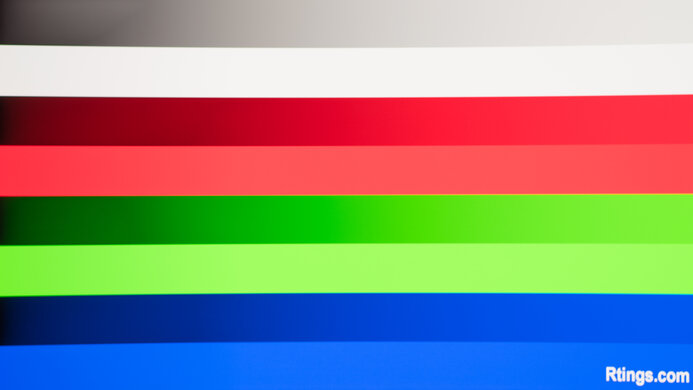
    The LG 24GS65F-B has superb gradient handling, with minimal banding between shades of similar colors.

    Motion
    7.7
    Refresh Rate
    Native Refresh Rate
    180 Hz
    Max Refresh Rate
    180 Hz
    Max Refresh Rate Over DP
    180 Hz
    Max Refresh Rate Over HDMI
    180 Hz
    Max Refresh Rate Over DP @ 10-bit
    180 Hz
    Max Refresh Rate Over HDMI @ 10-Bit
    120 Hz
    DSC Toggle
    No
    DSC Off Max Refresh Rate Over DP
    N/A
    DSC Off Max Refresh Rate Over HDMI
    N/A

    Due to bandwidth limitations, you can only get the max refresh rate over HDMI with 8-bit signals, and not 10-bit.

    Variable Refresh Rate (VRR)
    Variable Refresh Rate
    Yes
    FreeSync
    Yes
    G-SYNC
    Compatible (NVIDIA Certified)
    VRR Maximum
    180 Hz
    VRR Minimum
    < 20 Hz
    VRR Supported Connectors
    DisplayPort, HDMI

    NVIDIA - G-SYNC Compatibility
    Connection VRR Min VRR Max
    DisplayPort <20Hz 180Hz
    HDMI N/A N/A
    AMD - FreeSync
    Connection VRR Min VRR Max
    DisplayPort <20Hz 180Hz
    HDMI <20Hz 180Hz

    Unlike other modern monitors, this one doesn't support HDMI Forum VRR.

    7.5
    VRR Motion Performance
    See details on graph tool
    Recommended VRR OD Setting
    Fast
    Variable Overdrive Advertised
    No
    Avg. CAD
    182
    Best CAD
    164
    Worst CAD
    234

    Frame Rate CAD Heatmap RT Chart Pursuit Photo
    179 Heatmap Chart Photo
    165 Heatmap Chart Photo
    144 Heatmap Chart Photo
    120 Heatmap Chart Photo
    100 Heatmap Chart Photo
    80 Heatmap Chart Photo
    60 Heatmap Chart Photo

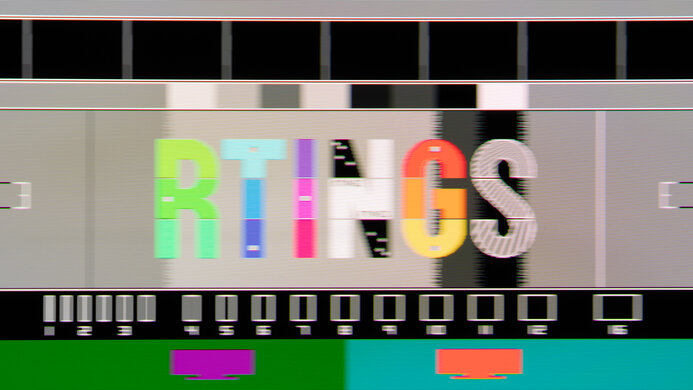
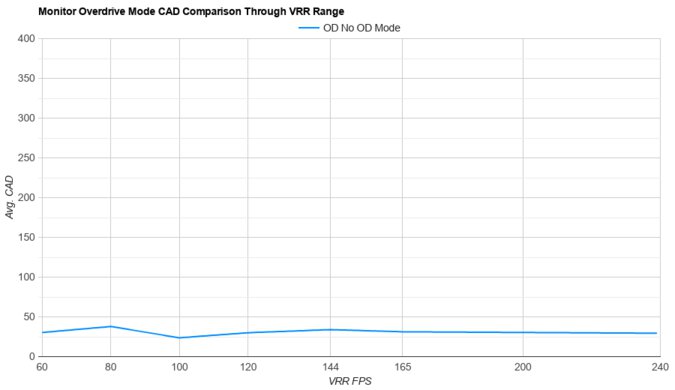
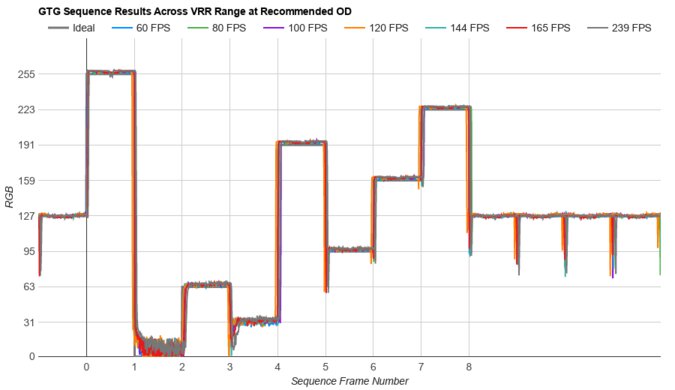
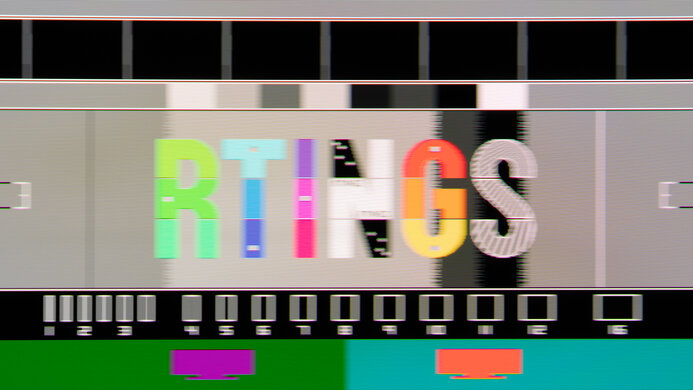
    The LG 24GS65F-B has good motion handling across its VRR range. The 'Fast' Response Time setting performs the best at most refresh rates, with only a bit of blur, but it has more inverse ghosting than 'Normal' and 'Off' at low refresh rates. The 'Faster' setting has such high CAD that it passes the limits of our chart, which you can see in an alternative graph.

    7.5
    Refresh Rate Compliance
    See details on graph tool
    See details on graph tool
    Compliance @ Max Hz
    47%
    Compliance @ 120 FPS
    60%
    Compliance @ 60 FPS
    76%

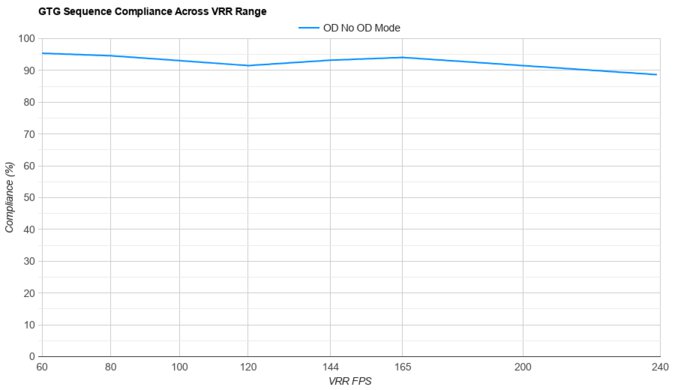
    The refresh rate compliance is good. While its response time isn't fast enough to make full-color transitions before the monitor draws the next frame, it's still faster than many other LCD displays.

    7.6
    CAD @ Max Refresh Rate
    OD Transition Max Refresh Rate
    od-transition-max-refresh-rate-fast-0-31
    OD fast
    0 to 31
    Recommended Overdrive Setting
    Fast
    Avg. CAD
    165
    Best 10% CAD
    85
    Worst 10% CAD
    290

    Overdrive Mode CAD Heatmap RT Chart Pursuit Photo
    Off Heatmap Chart Photo
    Normal Heatmap Chart Photo
    Fast Heatmap Chart Photo
    Faster Heatmap Chart Photo

    The CAD at the max refresh rate of 180Hz is good. There's only a bit of blur with the 'Fast' Response Time setting and no noticeable inverse ghosting. The 'Off' and 'Normal' settings have more blur, while 'Faster' has distracting inverse ghosting.

    Response Time @ Max Refresh Rate
    Recommended Overdrive Setting
    Fast
    First Response Time
    6.5 ms
    Total Response Time
    6.8 ms
    RGB Overshoot
    0 RGB
    Worst 10% First Response Time
    12.7 ms
    Worst 10% Total Response Time
    12.7 ms
    Worst 10% RGB Overshoot
    4 RGB

    Overdrive Mode First Response Heatmap Total Response Heatmap RGB Overshoot Heatmap
    Off Heatmap Heatmap Heatmap
    Normal Heatmap Heatmap Heatmap
    Fast Heatmap Heatmap Heatmap
    Faster Heatmap Heatmap Heatmap

    7.6
    CAD @ 120Hz
    OD Transition 120Hz
    od-transition-120-fast-0-31
    OD fast
    0 to 31
    Recommended Overdrive Setting
    Fast
    Avg. CAD
    168
    Best 10% CAD
    89
    Worst 10% CAD
    273

    Overdrive Mode CAD Heatmap RT Chart Pursuit Photo
    Off Heatmap Chart Photo
    Normal Heatmap Chart Photo
    Fast Heatmap Chart Photo
    Faster Heatmap Chart Photo

    The CAD at 120Hz is good. It performs similarly to its max refresh rate, as 'Fast' has less blur than 'Off' and 'Normal', and less inverse ghosting than 'Faster.'

    When using a PC with an NVIDIA graphics card, a 120Hz signal isn't available through the NVIDIA Control Panel. We had to create a custom resolution to get 1080p @ 120Hz over DisplayPort for testing. That said, it is an available signal over HDMI, and we confirmed that creating a custom resolution has no impact on motion.

    Response Time @ 120Hz
    Recommended Overdrive Setting
    Fast
    First Response Time
    5.4 ms
    Total Response Time
    7.7 ms
    RGB Overshoot
    3 RGB
    Worst 10% First Response Time
    9.7 ms
    Worst 10% Total Response Time
    11.7 ms
    Worst 10% RGB Overshoot
    9 RGB

    Overdrive Mode First Response Heatmap Total Response Heatmap RGB Overshoot Heatmap
    Off Heatmap Heatmap Heatmap
    Normal Heatmap Heatmap Heatmap
    Fast Heatmap Heatmap Heatmap
    Faster Heatmap Heatmap Heatmap

    7.2
    CAD @ 60Hz
    OD Transition 60Hz
    od-transition-60-fast-0-31
    OD fast
    0 to 31
    Recommended Overdrive Setting
    Normal
    Avg. CAD
    199
    Best 10% CAD
    114
    Worst 10% CAD
    306

    Overdrive Mode CAD Heatmap RT Chart Pursuit Photo
    Off Heatmap Chart Photo
    Normal Heatmap Chart Photo
    Fast Heatmap Chart Photo
    Faster Heatmap Chart Photo

    The CAD at 60Hz is decent. Unlike at higher refresh rates, the recommended Response Time setting is 'Normal' because it has less inverse ghosting than 'Fast.' That said, it's still fine if you want to leave it on 'Fast' to avoid changing settings in between games.

    Response Time @ 60Hz
    Recommended Overdrive Setting
    Normal
    First Response Time
    7.9 ms
    Total Response Time
    9.1 ms
    RGB Overshoot
    1 RGB
    Worst 10% First Response Time
    11.9 ms
    Worst 10% Total Response Time
    18.4 ms
    Worst 10% RGB Overshoot
    6 RGB

    Overdrive Mode First Response Heatmap Total Response Heatmap RGB Overshoot Heatmap
    Off Heatmap Heatmap Heatmap
    Normal Heatmap Heatmap Heatmap
    Fast Heatmap Heatmap Heatmap
    Faster Heatmap Heatmap Heatmap

    Backlight Strobing (BFI)
    Backlight Strobing (BFI)
    No BFI
    Maximum Frequency
    N/A
    Minimum Frequency
    N/A
    Longest Pulse Width Brightness
    N/A
    Shortest Pulse Width Brightness
    N/A
    Pulse Width Control
    No BFI
    Pulse Phase Control
    No BFI
    Pulse Amplitude Control
    No BFI
    VRR At The Same Time
    No BFI

    This monitor doesn't have a backlight strobing feature to reduce persistence blur.

    8.3
    VRR Flicker
    Dark Gray Flicker
    1.2 RGB
    Middle Gray Flicker
    1.6 RGB
    Light Gray Flicker
    1.5 RGB

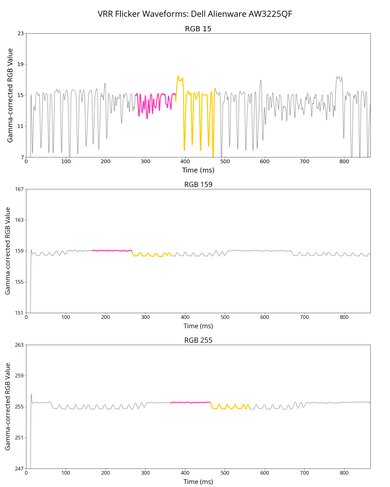
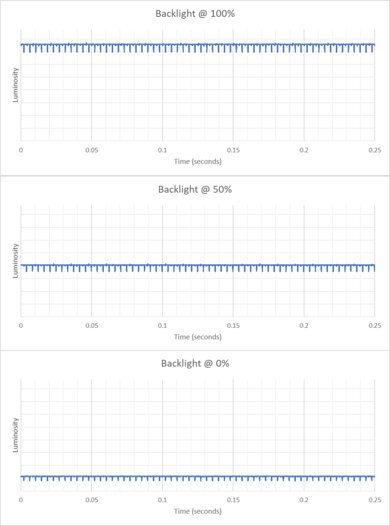
    This monitor has some VRR flicker in dark scenes and dark areas of bright scenes. It's noticeable, but not too distracting, either. However, it looks worse in person than in the video.

    10
    Image Flicker
    Flicker-Free
    Yes
    PWM Dimming Frequency
    0 Hz

    The monitor doesn't use pulse-width modulation to dim its backlight. There's still a slight increase in brightness that corresponds to the frame time, but this isn't the same as a full on-and-off flicker.

    Inputs
    9.0
    Input Lag
    Native Resolution @ Max Hz
    3.3 ms
    Native Resolution @ 120Hz
    4.6 ms
    Native Resolution @ 60Hz
    8.7 ms
    Backlight Strobing (BFI)
    N/A

    The LG 24GS65F-B has very low input lag for a responsive feel at any refresh rate.

    5.8
    Resolution
    Native Resolution
    1920 x 1080
    Aspect Ratio
    16:9
    Megapixels
    2.1 MP
    Pixel Density
    93 PPI
    2.3
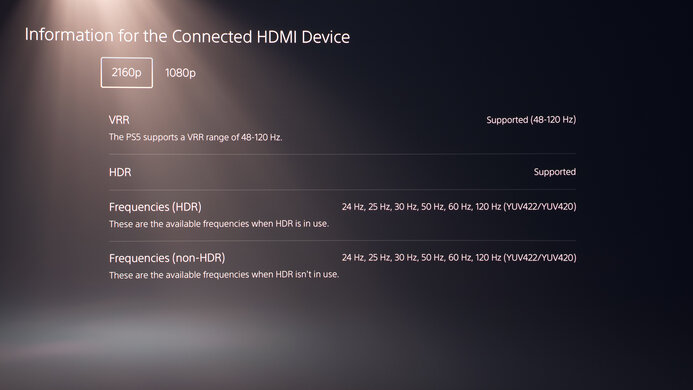
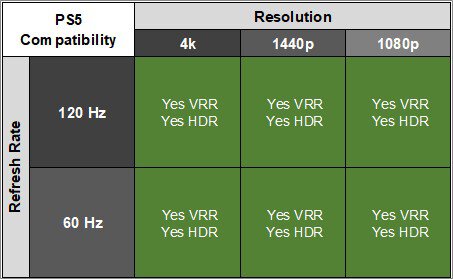
    PS5 Compatibility
    4k @ 120Hz
    No
    4k @ 60Hz
    No
    1440p @ 120Hz
    No
    1440p @ 60Hz
    Yes
    1080p @ 120Hz
    Yes
    1080p @ 60Hz
    Yes
    2.3
    Xbox Series X|S Compatibility
    4k @ 120Hz
    No
    4k @ 60Hz
    No
    1440p @ 120Hz
    No
    1440p @ 60Hz
    Yes
    1080p @ 120Hz
    Yes
    1080p @ 60Hz
    Yes

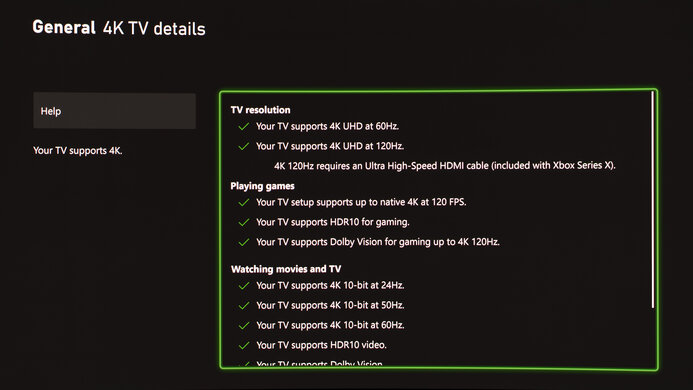
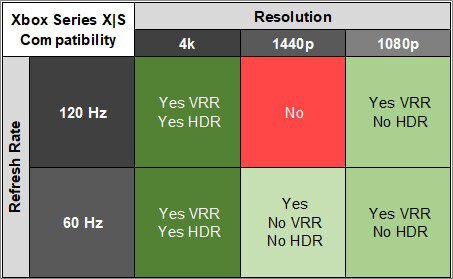
    To get downscaled 1440p @ 60Hz, you need to enable the console's HDMI override setting. As the Xbox Series X|S only supports HDR with 4k signals, you can't get HDR at all on this monitor.

    Inputs
    DisplayPort
    1 (DP 1.4)
    DisplayPort Transmission Bandwidth
    No DisplayPort 2.1
    Mini DisplayPort
    No
    HDMI
    1 (HDMI 2.0)
    HDMI 2.1 Bandwidth
    No HDMI 2.1
    Daisy Chaining
    No
    3.5mm Audio Out
    Yes
    Ethernet
    No
    HDR10
    Yes
    Dolby Vision
    No

    Unlike other LG UltraGear monitors, this one doesn't supports DTS HeadphoneX.

    USB
    USB-A Ports
    0
    USB-A Rated Speed
    No USB-A Ports
    USB-B Upstream Port
    No
    USB-C Ports
    0
    USB-C Upstream
    No USB-C Ports
    USB-C Rated Speed
    No USB-C Ports
    USB-C Power Delivery
    No USB-C Ports
    USB-C DisplayPort Alt Mode
    No USB-C Ports
    Thunderbolt
    No
    macOS Compatibility

    Tested with: M2 MacBook Pro (Sequoia 15.6.1)

    Connection HDMI 2.1 USB-C to DisplayPort
    Max Refresh Rate 180Hz 180Hz
    VRR Range N/A 48-180Hz
    HDR Yes Yes

    This monitor works fairly well with macOS, but there are some things to note. When using an HDMI connection, there's a rainbow-like effect and gray banding on the monitor's screen. However, this isn't the case when connected to the monitor over DisplayPort.

    If you're using a MacBook with either connection, the 'Gamer 1' and 'RTS' Game Modes in HDR look closest to the laptop's display, but the monitor has a warmer color temperature. If you have the MacBook plugged into power, you can close the lid and continue using the monitor. However, without the MacBook plugged into power, the monitor goes into idle mode when you close the lid. When reopening the lid or waking the laptop up from sleep, windows return to their original positions.

    Features
    Additional Features
    Speakers
    No
    RGB Illumination
    No
    Multiple Input Display
    No
    KVM Switch
    No
    Smart OS
    No

    The LG 24GS65F-B has a handful of extra features, including:

    • Black Stabilizer: Adjusts the black level so that it's easier to see opponents in dark games.
    • Crosshair: Adds a virtual crosshair that your game's anti-cheat tool won't detect.
    • FPS Counter: Displays the current frame rate from your source.
    • Reader Mode: Reduces blue light emitted from the monitor.
    On-Screen Display (OSD)

    You can find the monitor's user manual on LG's product support page.