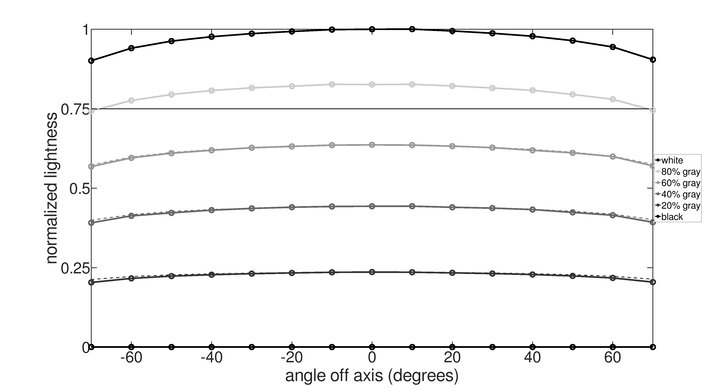
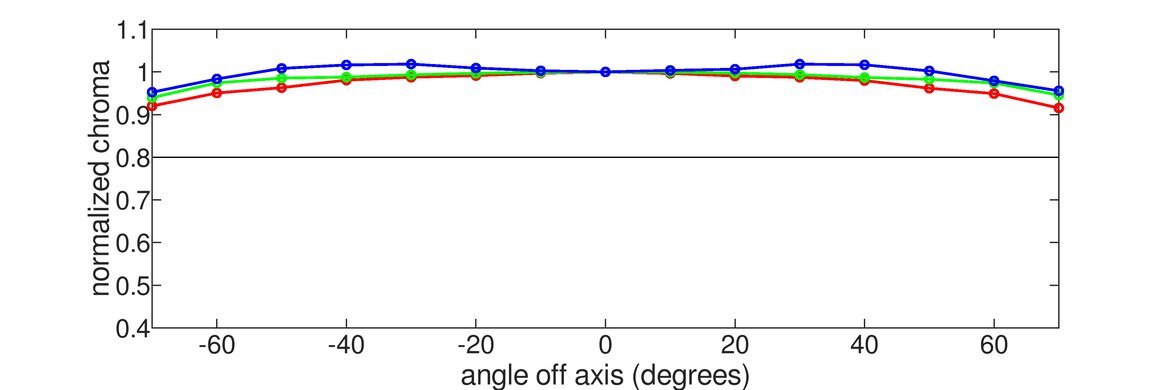
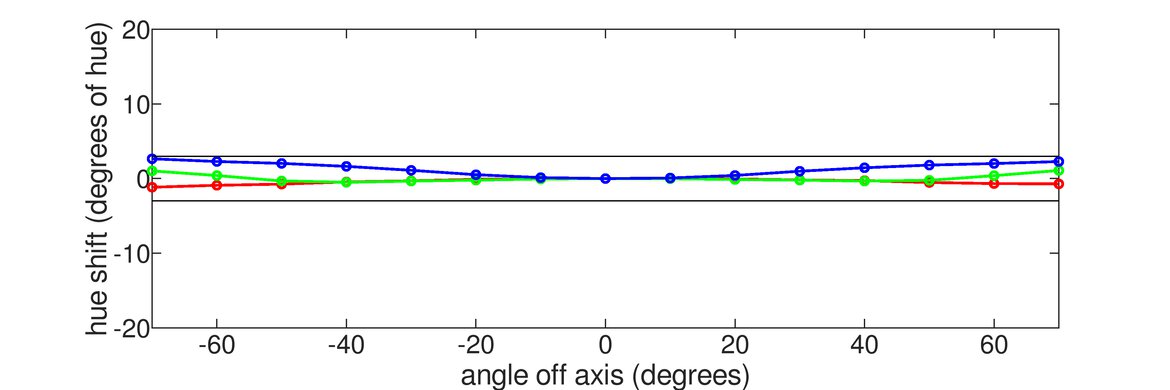
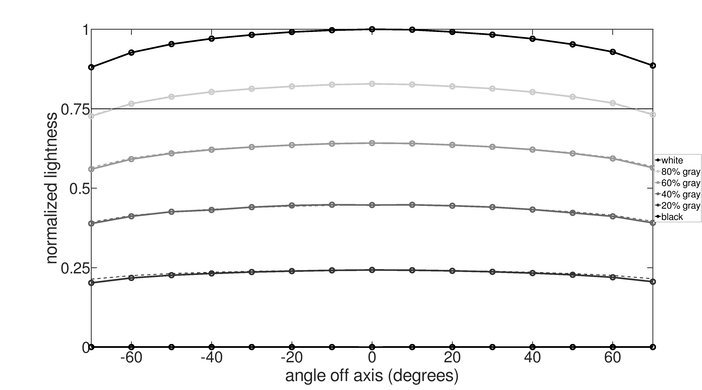
The LG UltraGear 32GN50T-B is a good budget gaming monitor. It delivers a smooth and responsive gaming experience thanks to its low input lag, quick response time, and high refresh rate. It has FreeSync support and G-SYNC compatibility to minimize screen tearing. Its VA panel can produce deep blacks, making it ideal for dark rooms, and it performs well in bright rooms too due to its great peak brightness. Sadly, while it has a large 32 inch screen that provides more immersion and space for multitasking, its 1080p resolution results in a fairly low pixel density, so it doesn't produce the sharpest images or text. Also, it only allows for tilt adjustment, and it has narrow viewing angles that make images look inaccurate from the sides.
Our Verdict
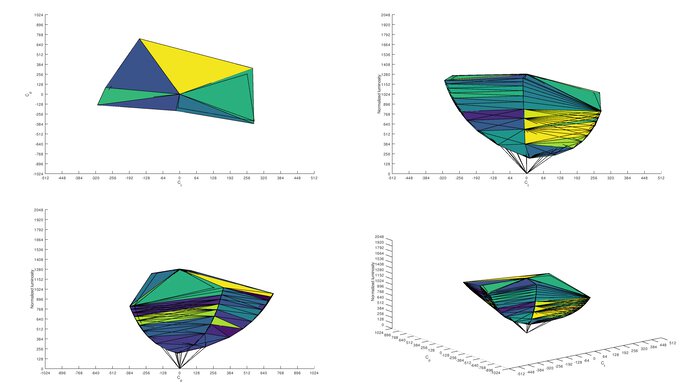
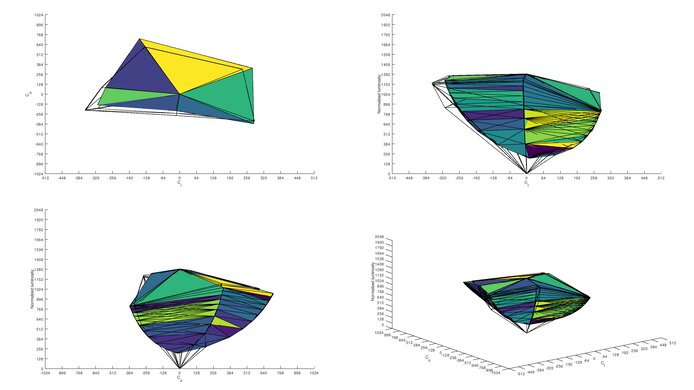
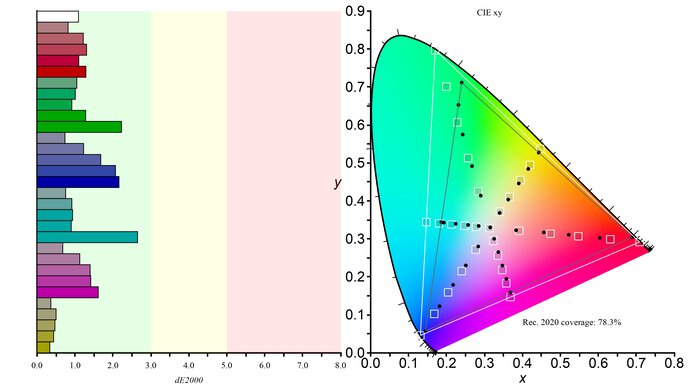
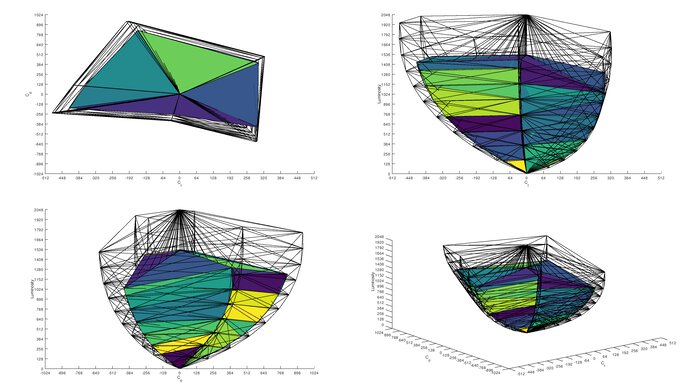
The LG 32GN50T is a decent monitor overall. It has a large screen to deliver an immersive gaming experience, and it has great motion handling, making it a good choice for gaming. However, it has a low pixel density that makes it less suitable for work, as text looks a bit blurry, and the image might not be sharp enough for content creators. It has a great contrast ratio to produce deep blacks, but it can't display a wide color gamut and doesn't get bright enough to deliver a good HDR experience.
- Great contrast ratio.
- Large screen.
- Good visibility in bright rooms.
- Low pixel density.
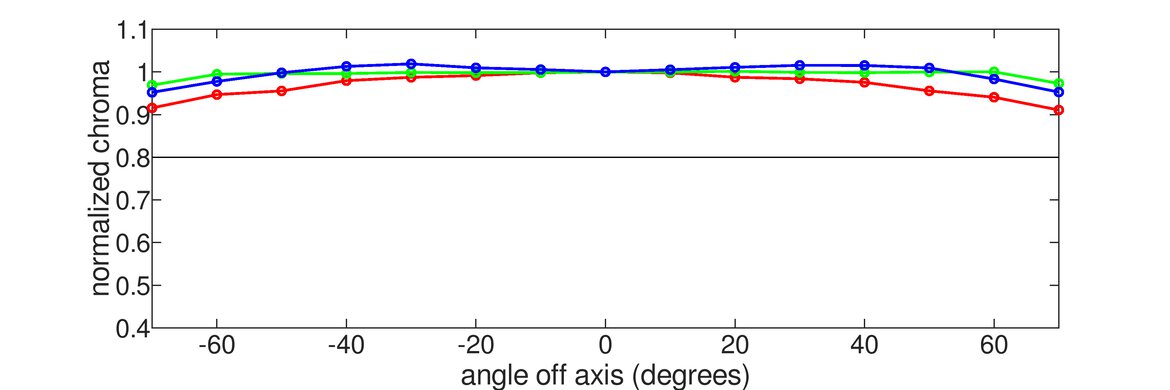
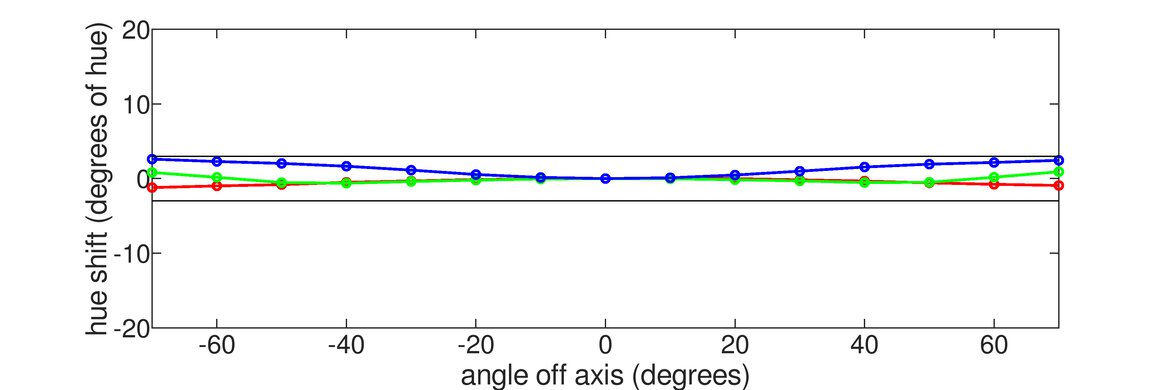
- Narrow viewing angles.
- Terrible ergonomics.
The LG 32GN50T is okay for office use. It handles reflections decently well and gets bright enough to combat glare in most lighting conditions. It has a large screen that allows you to open multiple windows side-by-side, but text clarity is mediocre due to its low pixel density. Its terrible ergonomics make it hard to adjust the screen to your optimal viewing position, and its narrow viewing angles aren't ideal if you need to share your work with colleagues.
- Great contrast ratio.
- Large screen.
- Good visibility in bright rooms.
- Low pixel density.
- Narrow viewing angles.
- Terrible ergonomics.
The LG 32GN50T is a good gaming monitor. It has exceptionally low input lag, quick response time, and a 165Hz refresh rate, resulting in smooth and responsive gameplay. It's compatible with both FreeSync and G-SYNC to reduce screen tearing. It has a large screen to deliver great immersion, but it doesn't produce the sharpest image due to its low pixel density. Viewing angles are sub-par and ergonomics are terrible, so it isn't the best choice if you want to play co-op games.
- Great contrast ratio.
- 165Hz refresh rate.
- Quick response time.
- VRR support.
- Low pixel density.
- Terrible ergonomics.
The LG 32GN50T is decent for media consumption. It has a large 32 inch screen that feels immersive, but images aren't as sharp due to its low pixel density. It has a high contrast ratio that makes it ideal for dark room viewing, and it gets bright enough to provide good visibility in well-lit environments. Unfortunately, it has terrible ergonomics and narrow viewing angles, so it isn't the best option for sharing content.
- Great contrast ratio.
- Large screen.
- Good visibility in bright rooms.
- Low pixel density.
- Narrow viewing angles.
- Terrible ergonomics.
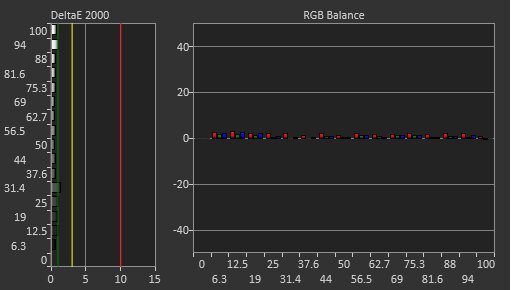
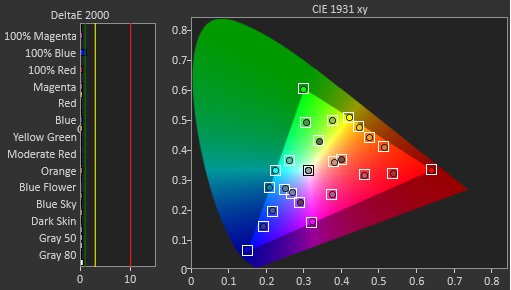
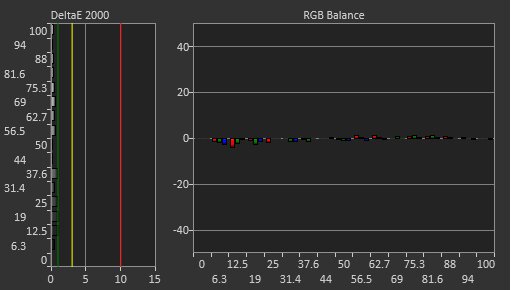
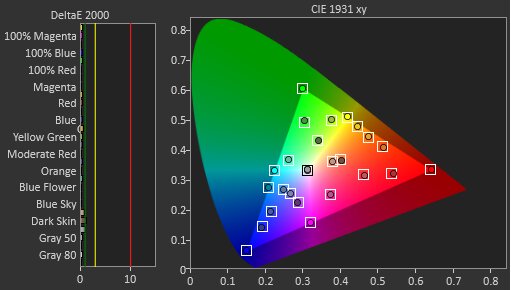
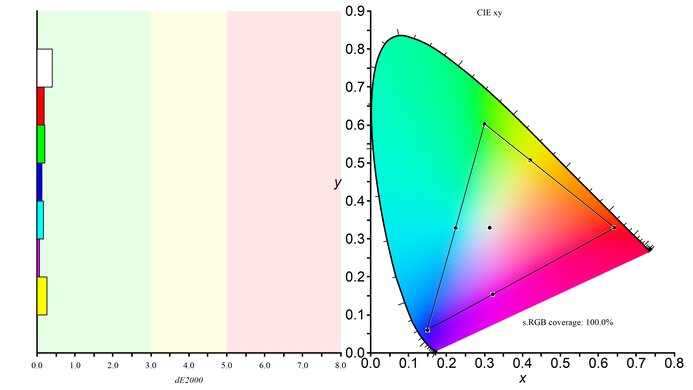
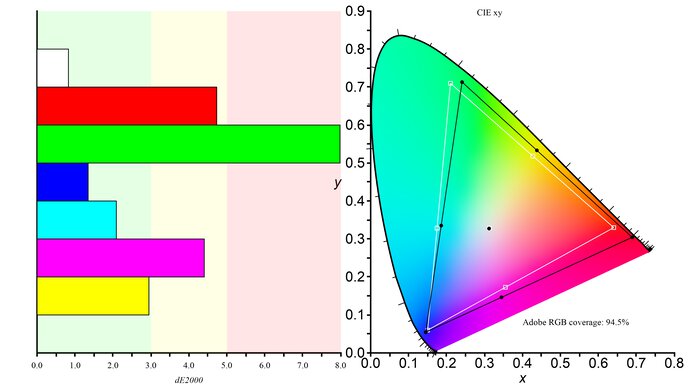
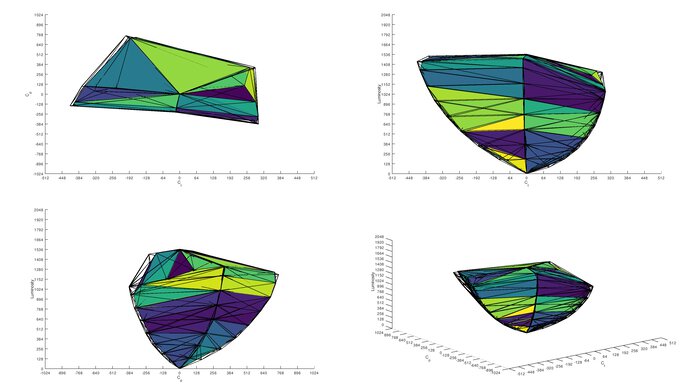
The LG 32GN50T is decent for content creation. It has an excellent SDR color gamut and good accuracy out of the box. Its 32 inch screen allows you to work comfortably, but it has a 1080p resolution that results in a low pixel density, so images aren't as sharp. It has narrow viewing angles and terrible ergonomics, which isn't ideal if you need to show your work to coworkers or clients.
- Great contrast ratio.
- Large screen.
- Good visibility in bright rooms.
- Low pixel density.
- Narrow viewing angles.
- Terrible ergonomics.
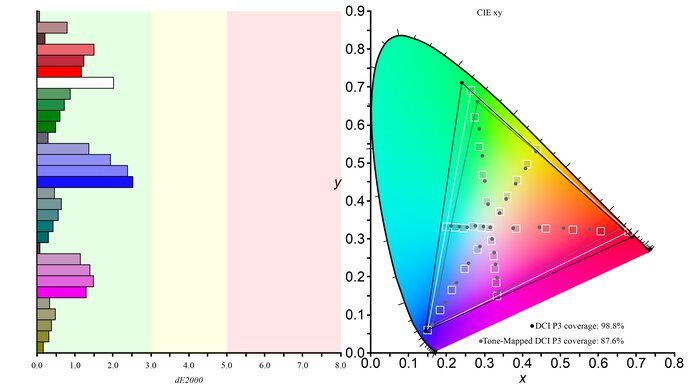
The LG 32GN50T is decent for gaming in HDR. It delivers a good gaming experience thanks to its low input lag, fast response time, and high refresh rate. However, HDR content doesn't look much different from SDR because it can't display a wide color gamut, lacks local dimming, and doesn't get bright enough to make highlights pop.
- Great contrast ratio.
- 165Hz refresh rate.
- Quick response time.
- VRR support.
- Low pixel density.
- Terrible ergonomics.
- Can't display wide color gamut.
- Doesn't get bright enough for HDR.
Changelog
- Updated Sep 02, 2022: Added that the LG 32GN63T-B is a higher-end model with a 1440p resolution.
- Updated Feb 23, 2021: We incorrectly listed the thickness with stand as 10.4" instead of 5.6". It has been fixed.
- Updated Jan 20, 2021: For consistency, we've changed the height adjustment from N/A to '0.0'. The score has been adjusted accordingly.
- Updated Dec 07, 2020: Review published.
Check Price
Differences Between Sizes And Variants
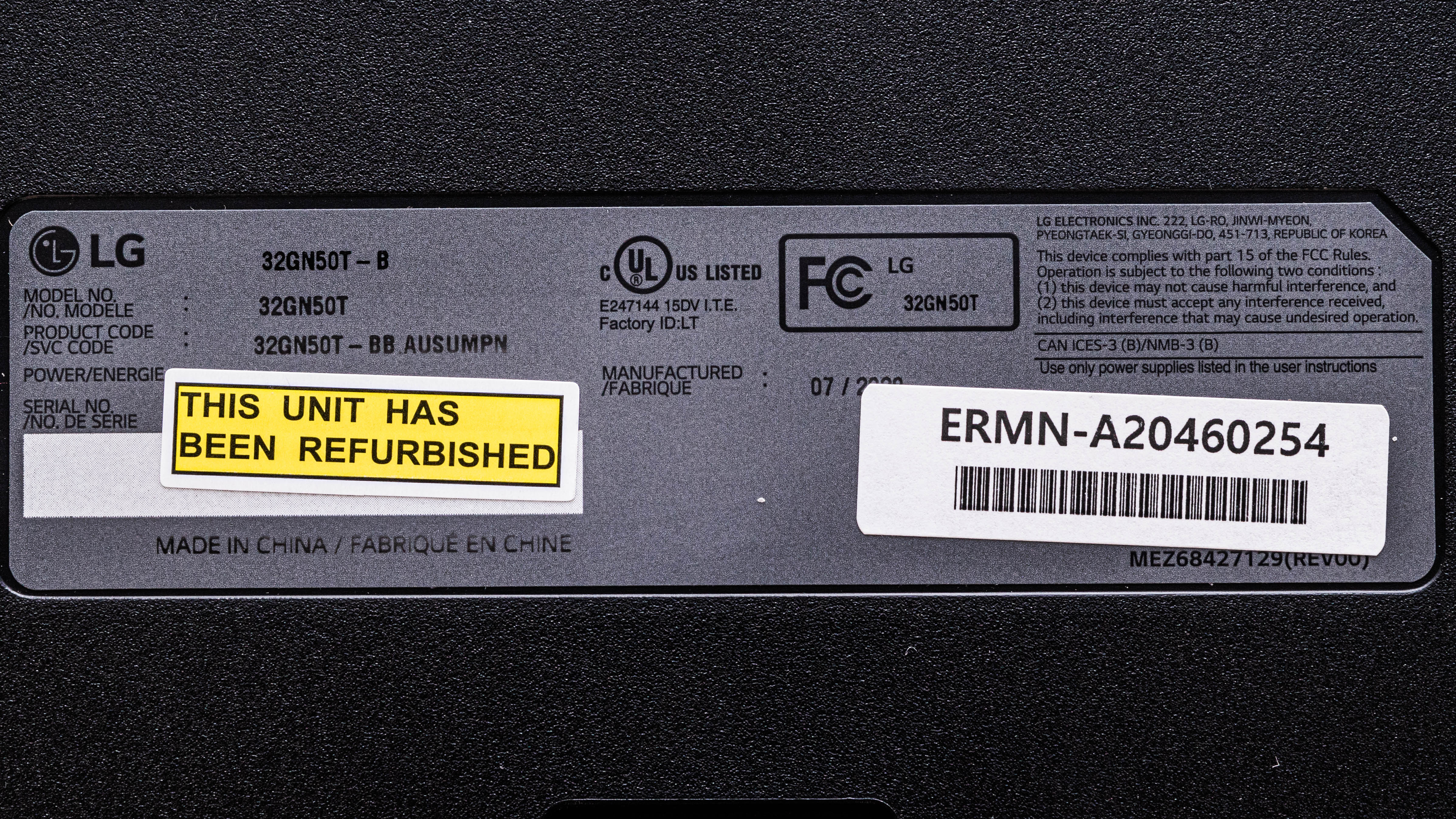
We tested the 32" LG UltraGear 32GN50T, and it's the only size available. The unit that we tested is refurbished, but we don't expect it to affect the results. It's also sold as the LG 32GN500-B in some regions, and there's a variant, known as the LG 32GN550-B, that has a much better stand. It's part of LG's Ultragear gaming monitor lineup, which offers many monitors in various sizes and configurations. You can see some of them in the table below.
| Model | Size | Panel Type | Resolution | Refresh Rate | VRR | Ergonomics |
|---|---|---|---|---|---|---|
| 32GN50T-B | 32" | VA | 1920 x 1080 | 165Hz | FreeSync, NVIDIA Certified | Tilt only |
| 32GN500-B | 32" | VA | 1920 x 1080 | 165Hz | FreeSync, NVIDIA Certified | Tilt only |
| 32GN550-B | 32" | VA | 1920 x 1080 | 165Hz | FreeSync, NVIDIA Certified | Tilt, height, and pivot |
| 27GN750-B | 27" | IPS | 1920 x 1080 | 240Hz | FreeSync, NVIDIA Certified | Tilt, height, and pivot |
| 27GN850-B | 27" | IPS | 2560 x 1440 | 144Hz | FreeSync, NVIDIA Certified | Tilt, height, and pivot |
| 27GN950-B | 27" | IPS | 3840 x 2160 | 144Hz | FreeSync, NVIDIA Certified | Tilt, height, and pivot |
| 34GN850-B | 34" | IPS | 3440 x 1440 | 160Hz | FreeSync, NVIDIA Certified | Tilt, height |
If someone comes across a different type of panel or their LG 32GN50T doesn't correspond to our review, let us know and we'll update the review. Note that some tests, such as the gray uniformity, may vary between individual units.
Our unit was manufactured in July 2020; you can see the label here.
Popular Monitor Comparisons
The LG 32GN50T is a good budget gaming monitor. It provides plenty of screen space for an immersive gaming experience, and it has great motion handling, but its low pixel density makes it less ideal for other uses. For more options, check out our recommendations for the best 32-inch monitors, the best 1080p monitors, and the best budget gaming monitors.
The LG 32GN50T-B is much better than the Samsung T55 for most uses. The LG has a lower input lag, faster response time, and a higher refresh rate. It also has a better contrast ratio, HDR support, and higher peak brightness. The Samsung has a better color gamut, and it's available in a 27 inch and 32 inch size.
The MSI Optix MAG273R is better than the LG 32GN50T-B for most uses. The MSI has an IPS panel with much wider viewing angles, better gradient handling, and it can display a wide color gamut for HDR content, which the LG can't. It has a smaller screen, but that means it has a higher pixel density to produce sharper images. On the other hand, the LG has a VA panel with a much higher contrast ratio, making it a better choice for dark rooms, and it gets a bit brighter overall.
The LG 32GN50T-B and the Acer G257HU Smidpx are very different monitors. The LG is a gaming monitor with a 1080p resolution and a 165Hz refresh rate, while the Acer is a basic 1440p monitor with a 60Hz refresh rate. The LG has a VA panel with a much higher contrast ratio, VRR and HDR support, and much lower input lag. However, the Acer has a higher pixel density to deliver sharper images and text, and its IPS panel has much wider viewing angles.
Overall, the LG 27GL650F-B is much better than the LG 32GN50T-B. The 27GL650F-B has better ergonomics, wider viewing angles, and faster response time. It also delivers sharper images and text due to its higher pixel density. However, the 32GN50T-B has a VA panel that can produce deep blacks, making it a better choice for dark rooms.
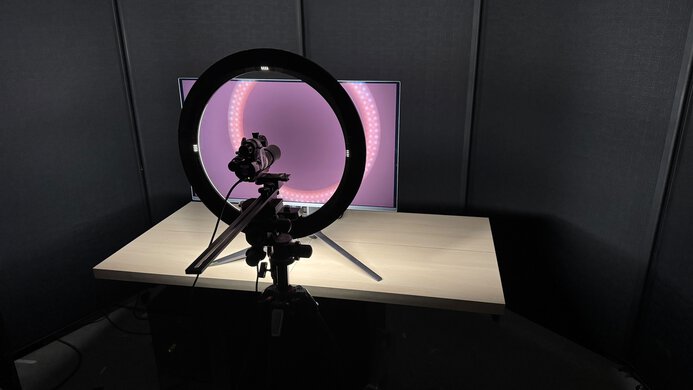
We buy and test more than 30 monitors each year, all of which we purchase ourselves, without cherry-picked units or samples. We put a lot into each unbiased, straight-to-the-point review, and there's a whole process from purchasing to publishing, involving multiple teams and people. We do more than just use the monitor for a week; we use specialized, custom tools to measure various aspects and deliver objective, data-driven results. We also consider multiple factors before making any recommendations, including the monitor's cost, its performance compared to the competition, and whether it's easy to find.
Test Results
for pictures & test results
for pictures & test results


for videos & test results

for pictures & test results
for pictures & test results
for pictures & test results
for videos & test results

for pictures & test results
for pictures & test results
for pictures & test results


for pictures & test results