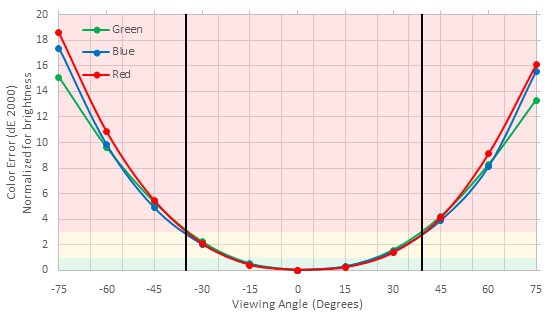
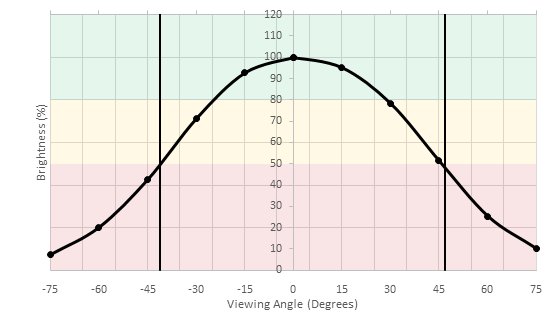
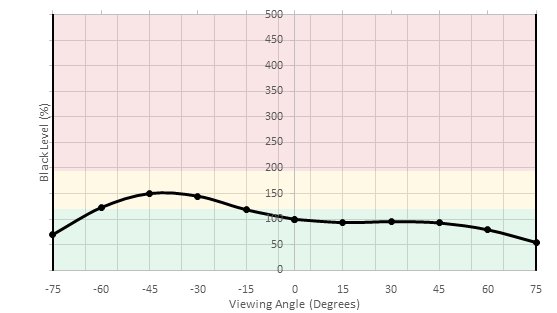
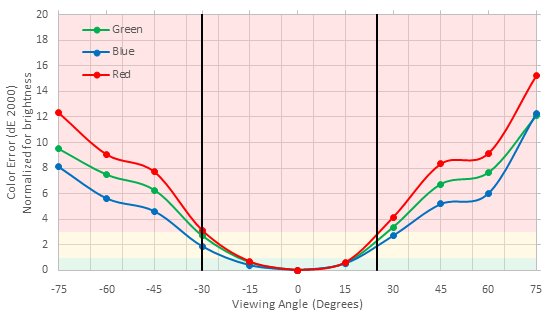
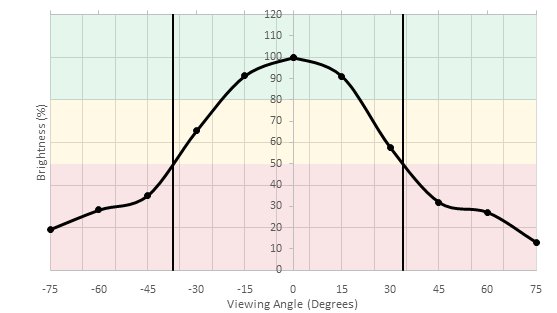
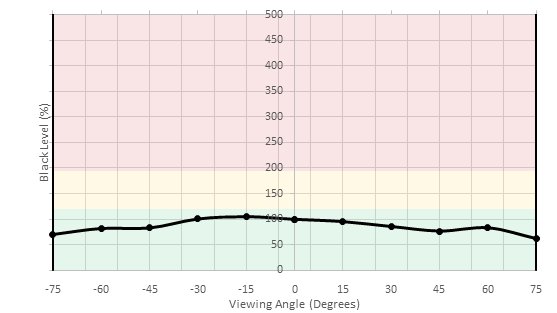
The MSI Optix G27C is an average VA-type gaming monitor with a fast 144 Hz refresh rate and support for variable refresh rates. It features a simplistic stand with limited mobility, and a curved design uncommon in monitors of this aspect ratio. While it has a better contrast ratio than average, its very poor black uniformity causes its picture quality in a dark room to be mediocre. Its very narrow viewing angle also means that a slight change in perspective can easily cause the screen to appear less uniform.
Our Verdict
The MSI G27C is only okay for mixed usage. Thanks to its 144 Hz refresh rate and low input lag, it does provide a decent gaming experience, but its mediocre picture quality and very narrow viewing angle can often cause issues.
- Supports FreeSync for smoother motion.
- 144 Hz makes for a responsive experience.
- Blacks are exceptionally cloudy.
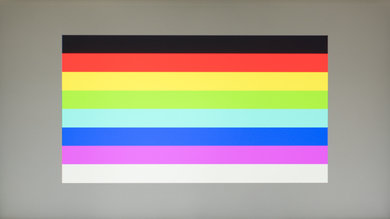
- Picture quality shifts with minor perspective changes.
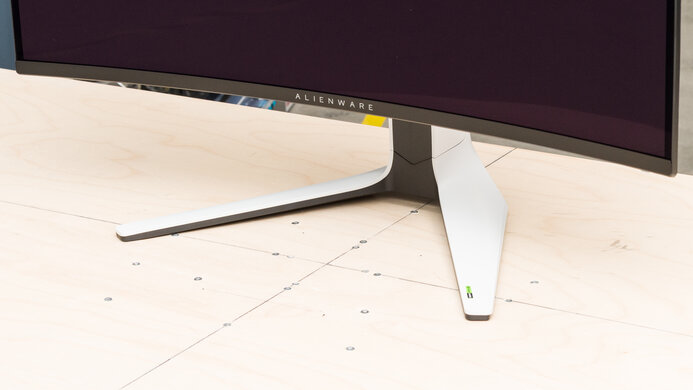
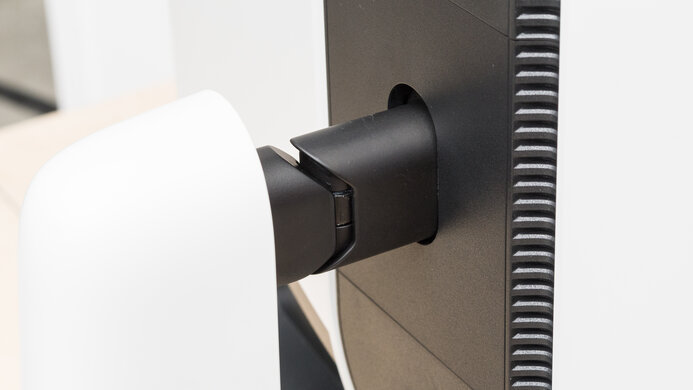
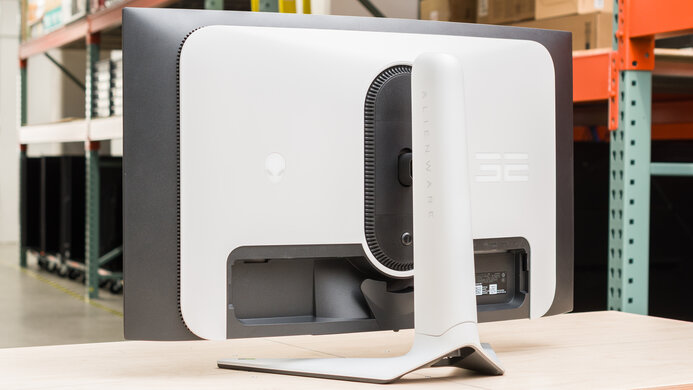
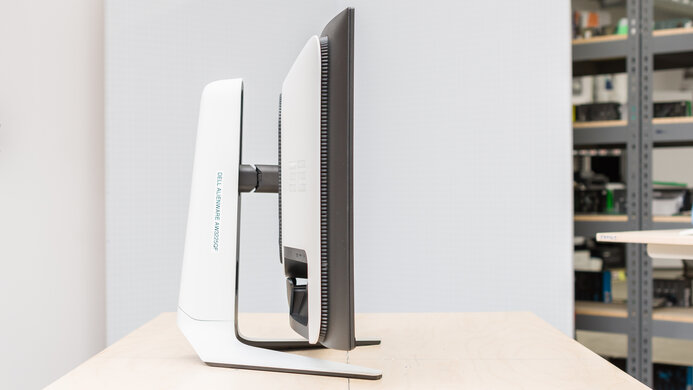
The MSI G27C is mediocre for use in an office. The stand provides very little adjustment for comfort, and the lack of a VESA mount makes it difficult to solve. Combined with its very narrow viewing angle and average brightness, it makes for a monitor that is both difficult to use in a team environment and less than seamless for a single user.
The MSI G27C is a decent monitor for playing video games. The 144 Hz refresh rate and Freesync support enable a smooth and responsive experience, and the very low input lag helps make games feel connected. Unfortunately, the monitor's subpar picture quality and low pixel density negatively impact immersion enough to be a detriment.
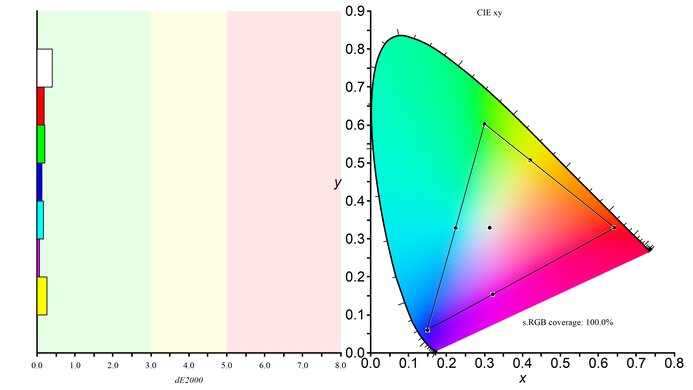
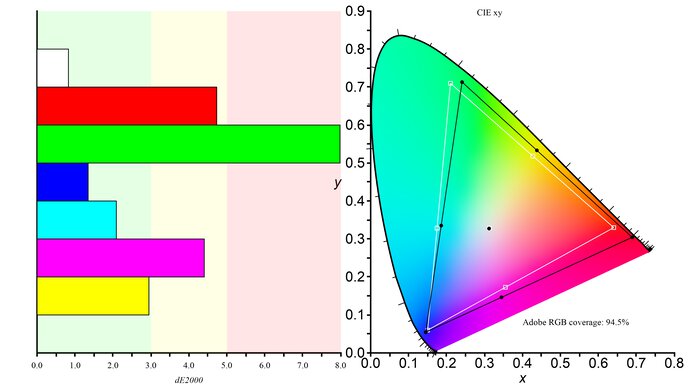
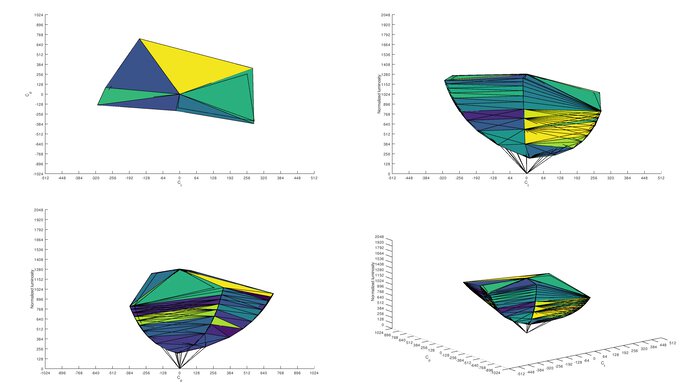
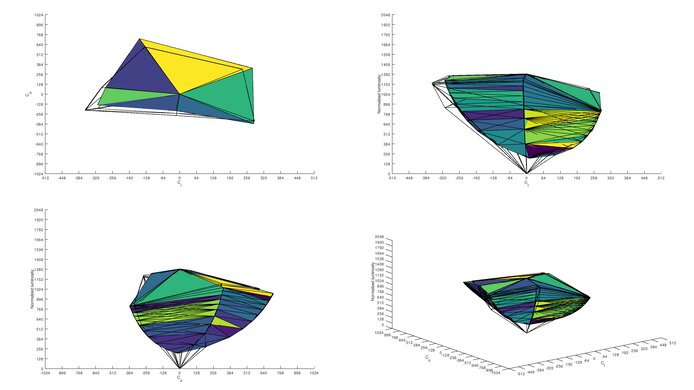
The MSI G27C is only acceptable for multimedia use. While it can cover the s.RGB color volume better than average thanks to its good contrast ratio, its blotchy blacks are significant enough to be damaging to the picture quality. It also lacks any HDR capabilities, which stops it from seeing any picture quality enhancement from wider gamut content.
The MSI Optix G27C is only mediocre for media creation. While it does cover the s.RGB and Adobe RGB color volumes better than average, its very narrow viewing angle causes the screen to be inaccurate in most viewing positions, and its basic 8 bits of color depth is limiting for professional users.
The MSI G27C doesn't support HDR.
Check Price
Differences Between Sizes And Variants
We tested the MSI Optix G27C, however, there are a series of Optix monitors with differing sizes, resolutions and other features - some of these are listed below.
If someone comes across a different type of panel or if their monitor doesn't correspond to our review, let us know and we will update the review. Note that some tests such as the gray uniformity may vary between individual units.
| Model | Size | Refresh Rate | FreeSync | Resolution |
| G24C | 24" | 144Hz | Yes | 1080p |
| MAG24C | 24" | 144Hz | Yes | 1080p |
| MPG27C | 27" | 144Hz | No | 1080p |
| MAG27C | 27" | 144Hz | Yes | 1080p |
| MAG27CQ | 27" | 144Hz | Yes | 1440p |
| AG32C | 31.5" | 165Hz | Yes | 1080p |
Popular Monitor Comparisons

The MSI Optix G27C is a decent gaming monitor with deep blacks and a fast 144Hz refresh rate, but it faces tough competition. See our recommendations for the best 144Hz monitors, the best gaming monitors, and the best gaming monitors under $300.
The AOC AGON AG271QX is much better than the MSI Optix G27C. The AOC AGON has much better ergonomics, making it easier to place it in the most comfortable position. The AGON displays gradients with almost no banding and has a very fast response time, so motion looks crisp with very little blur trail. The higher resolution of the AGON makes it easier to get more done or to see more fine details in games.
The ASUS VG248QE is much better than the MSI Optix G27C, despite the smaller size, unless dark room viewing is important to you. The Asus VG248QE has much better ergonomics, making it easier to place it in the ideal position. The ASUS has a TN panel, which has a nearly instantaneous response time, so motion is clear with no blur trail. The Optix G27C has a VA panel, which has much better dark room performance thanks to the better contrast ratio.
The ASUS PB277Q is much better than the MSI Optix G27C. The PB277Q has better ergonomics, so it's easier to adjust to the most optimal viewing positions. There is less motion blur on the PB277Q due to the faster response time, and the higher screen resolution allows you to see more fine details when gaming.
The ASUS ROG PG279Q is much better than the MSI Optix G27C. The PG279Q uses an IPS panel, which has much wider viewing angles and has a higher native resolution. It's much easier to place in an optimal viewing position thanks to the better ergonomics. Motion looks better on the PG279Q, as there is much less motion blur, thanks to the faster response time.
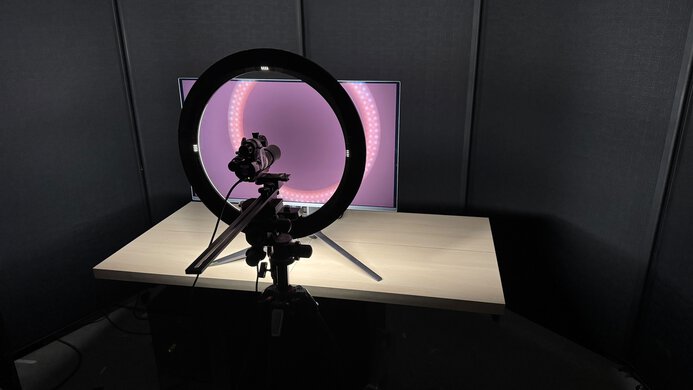
We buy and test more than 30 monitors each year, all of which we purchase ourselves, without cherry-picked units or samples. We put a lot into each unbiased, straight-to-the-point review, and there's a whole process from purchasing to publishing, involving multiple teams and people. We do more than just use the monitor for a week; we use specialized, custom tools to measure various aspects and deliver objective, data-driven results. We also consider multiple factors before making any recommendations, including the monitor's cost, its performance compared to the competition, and whether it's easy to find.
Test Results
for pictures & test results
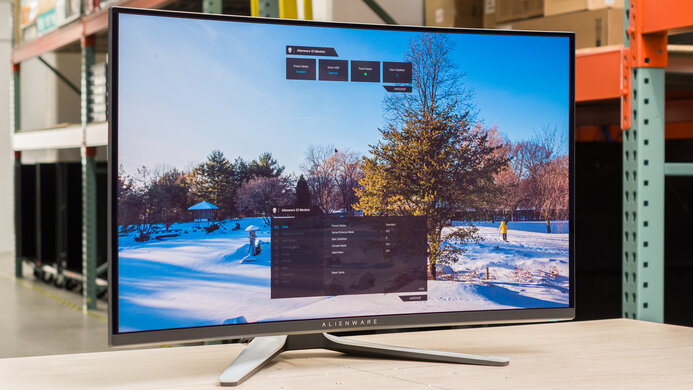
for pictures & test results



for videos & test results

for pictures & test results
for pictures & test results
for pictures & test results
for videos & test results

for pictures & test results
for pictures & test results
for pictures & test results



for pictures & test results






for pictures & test results