The Gigabyte M27Q (rev. 1.0) is a 27-inch 1440p budget-friendly gaming monitor with extra productivity features. It has a maximum refresh rate of 170Hz and VRR support to reduce screen tearing. It also has several additional features, including a Picture-in-Picture/Picture-by-Picture mode, a USB-C port that supports DisplayPort Alt Mode, and a KVM switch that lets you control two devices with the same mouse and keyboard.
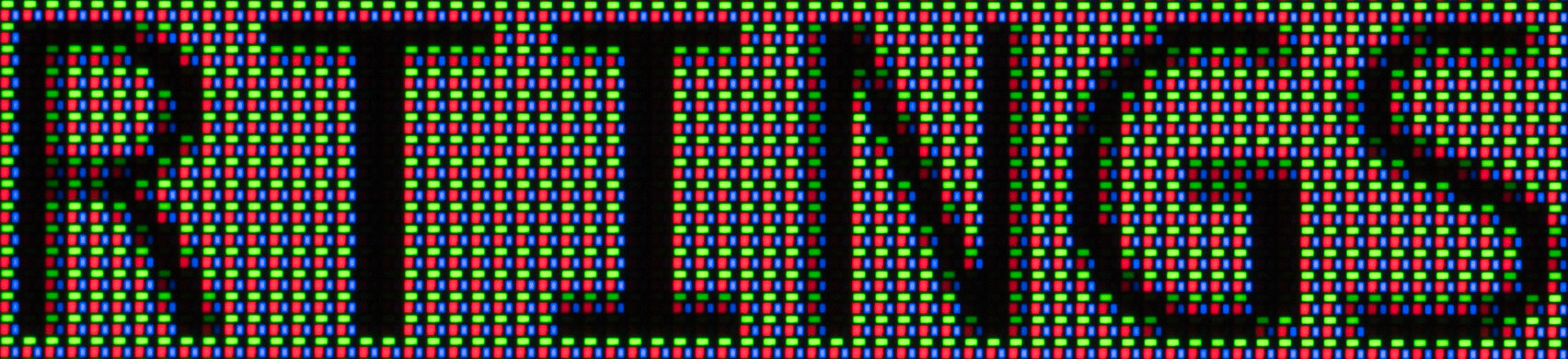
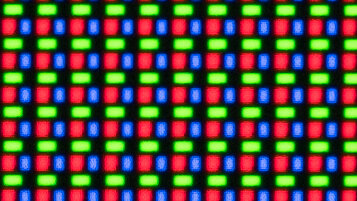
Gigabyte has released a second version of this monitor, the Gigabyte M27Q (rev. 2.0), which replaces the original version. It uses a different panel with an RGB subpixel layout instead of the BGR subpixel layout on the first version. It's unclear which version you'll get when buying from retailers, but the second version is more available, and there are differences on the boxes of the two versions to tell them apart, which you can read more about in the variants section.
Our Verdict
The Gigabyte M27Q is decent for PC gaming. It has a high 170Hz refresh rate for a smooth feel and VRR support to reduce screen tearing. It also has low input lag and a fast response time, but there's still motion blur with fast-moving objects. However, it has a low contrast ratio and no local dimming feature, so deep blacks appear gray in darker environments, and highlights don't pop in HDR either.
- Decent overall response time.
- High 170Hz refresh rate.
- VRR support.
- Low input lag.
- Low contrast ratio.
- Some blur with fast-moving objects.
- Highlights don't pop in HDR.
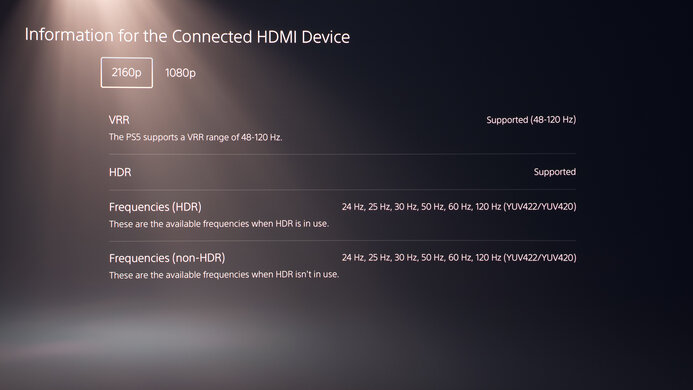
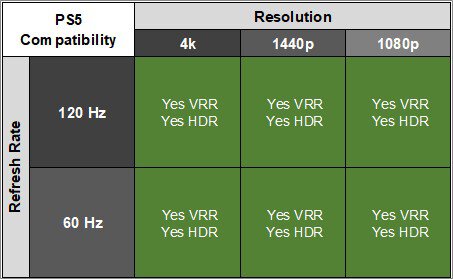
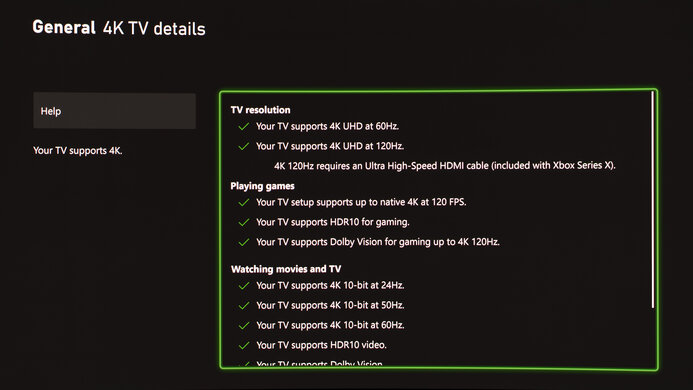
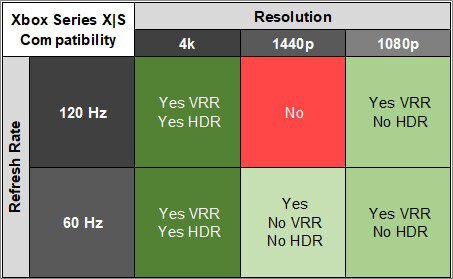
The Gigabyte M27Q is okay for console gaming. It lacks HDMI 2.0 bandwidth to take full advantage of the PS5 and Xbox Series X|S, but it still offers good gaming performance with low input lag for a responsive feel. It also has a decent response time, but fast-moving objects still have motion blur. However, it has limited picture quality with a low contrast ratio that makes blacks look gray, and it doesn't make highlights pop in HDR.
- Decent overall response time.
- Low input lag.
- Low contrast ratio.
- Some blur with fast-moving objects.
- Highlights don't pop in HDR.
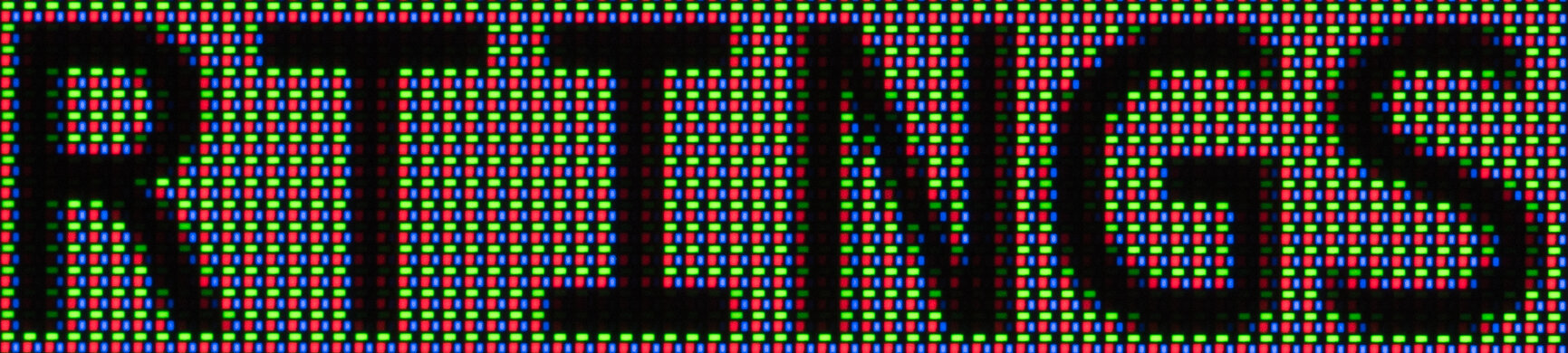
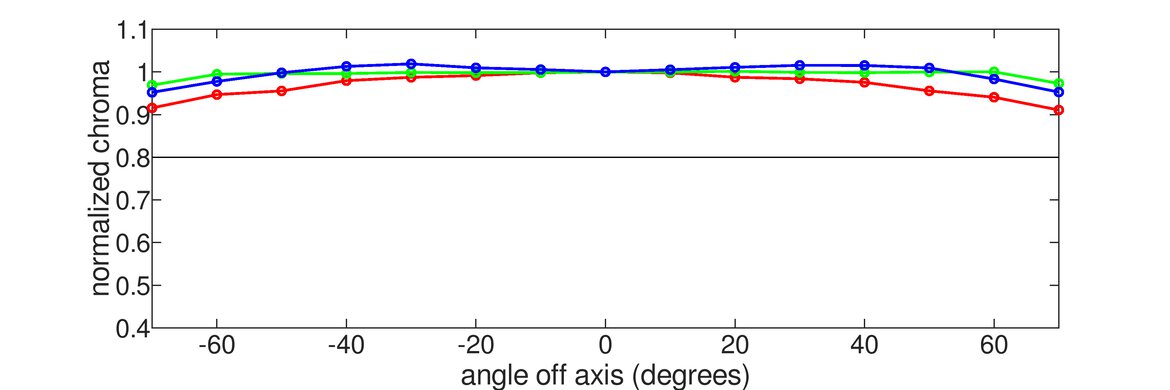
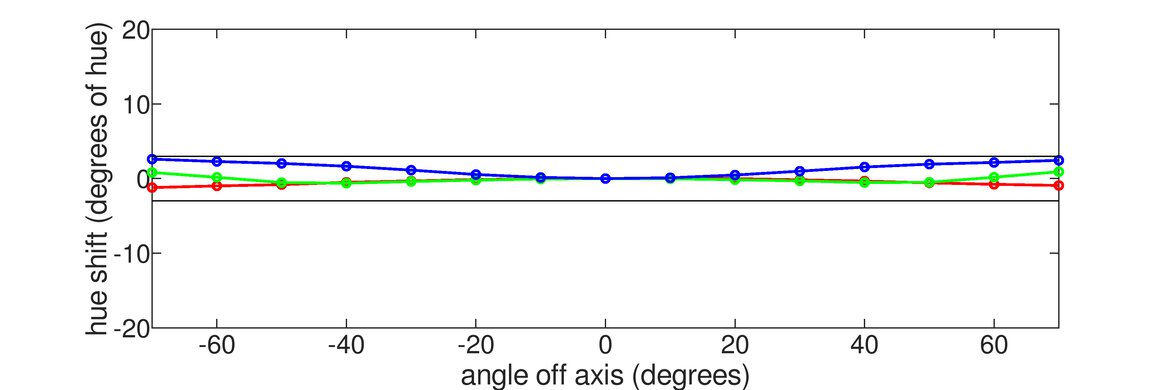
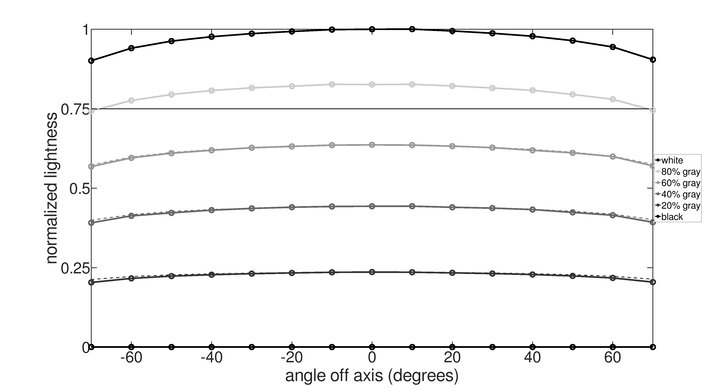
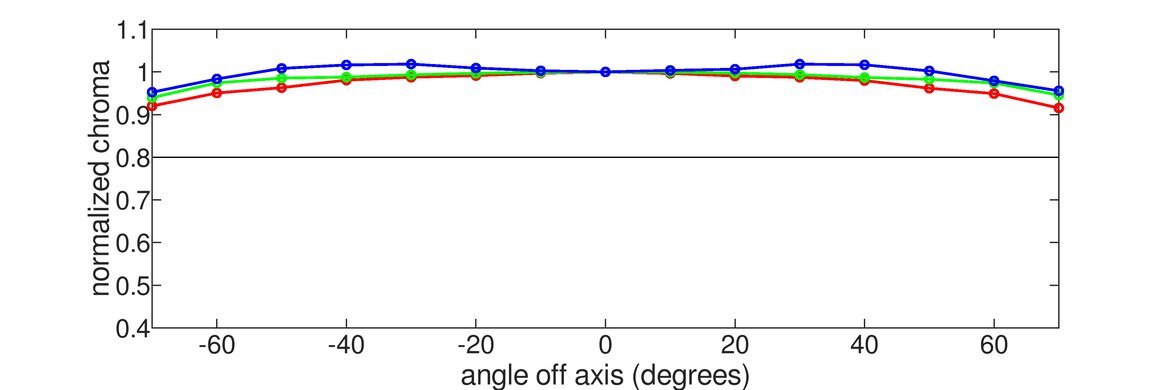
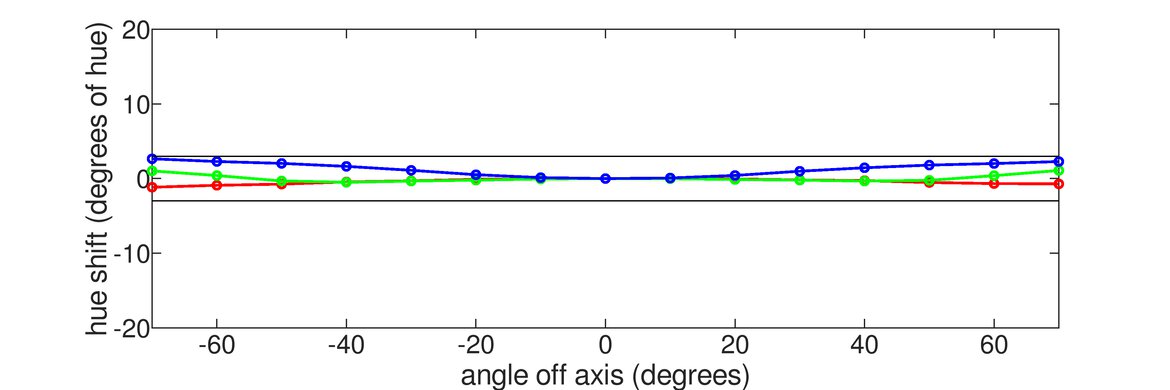
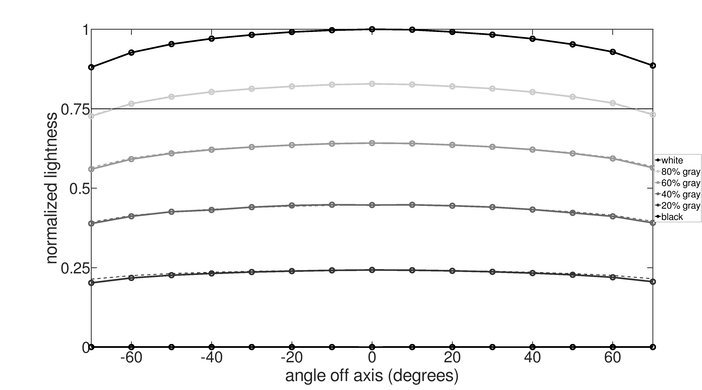
The Gigabyte M27Q is good for office use. Its 27-inch screen provides plenty of space for multitasking, but it has worse text clarity than other 1440p monitors due to its subpixel layout. It has great brightness and decent reflection handling and overcomes glare in most environments. It also has wide viewing angles so that images remain consistent when viewed from the sides. However, it lacks swivel adjustment, which is an issue if you need to turn the screen to show your work to others. On the plus side, it includes a KVM switch and a USB-C port for you to quickly connect a laptop, but it's limited to 10W of power.
- Wide viewing angles.
- Overcomes glare in most environments.
- Displays wide range of colors.
- KVM switch.
- Worse text clarity than other 27-inch, 1440p monitors.
- No swivel adjustment.
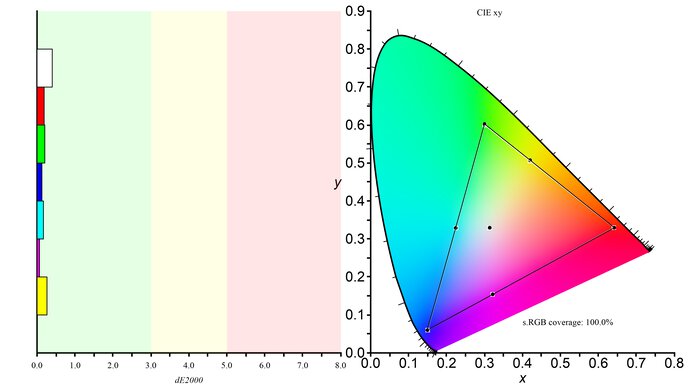
The Gigabyte M27Q is decent for content creation. Its 27-inch screen is big enough to open two windows side by side, but it has worse text clarity than other 1440p monitors due to its subpixel layout. It has an excellent sRGB mode, so you don't need to calibrate it for accurate colors. It has wide viewing angles, so the image remains consistent from the sides, too. However, it has a low contrast ratio, and no local dimming feature, so deep blacks appear gray in darker environments, and it's disappointing if you need to edit HDR content.
- Wide viewing angles.
- Overcomes glare in most environments.
- Displays wide range of colors.
- KVM switch.
- Worse text clarity than other 27-inch, 1440p monitors.
- No swivel adjustment.
- Low contrast ratio.
- No local dimming.
The Gigabyte M27Q has good brightness. It gets bright enough to fight glare, but it doesn't make highlights pop in HDR.
- Overcomes glare in most environments.
- Highlights don't pop in HDR.
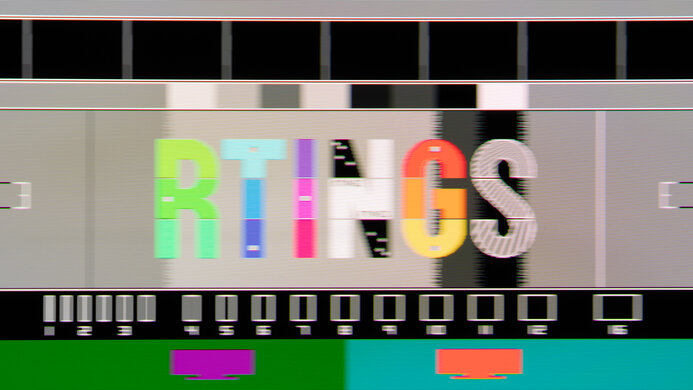
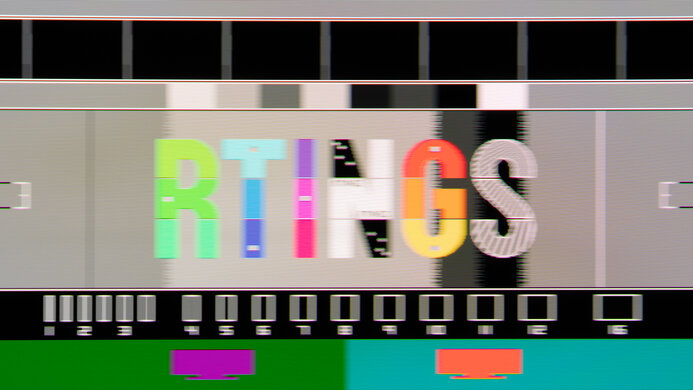
The Gigabyte M27Q has a decent response time. While its response time is fast with most refresh rates, there's still noticeable blur with fast-moving objects.
- Decent overall response time.
- Some blur with fast-moving objects.
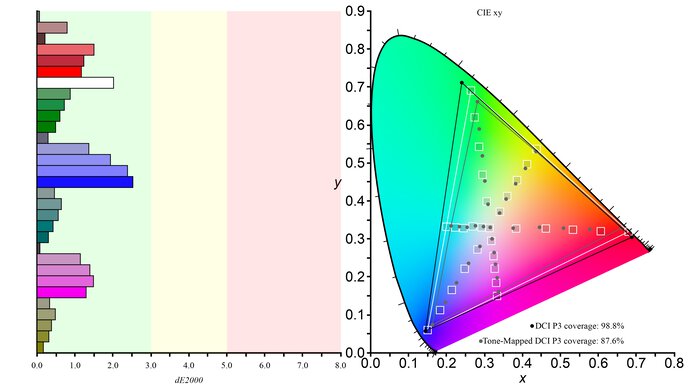
The Gigabyte M27Q is bad for HDR. It has a low contrast ratio makes black look gray, and it lacks a local dimming feature to further improve it. It also can't make colors look vivid.
- Low contrast ratio.
- No local dimming.
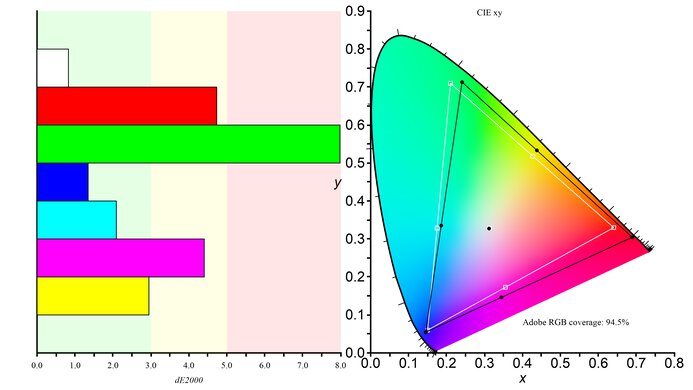
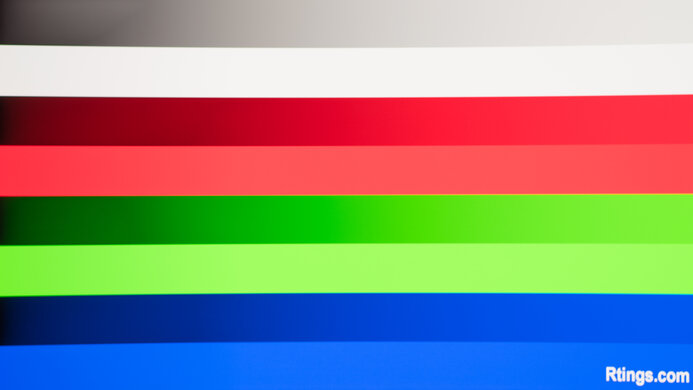
The Gigabyte M27Q has okay SDR picture quality. While it displays a wide range of colors, it has limited picture quality as it has a low contrast ratio that makes blacks look gray.
- Displays wide range of colors.
- Low contrast ratio.
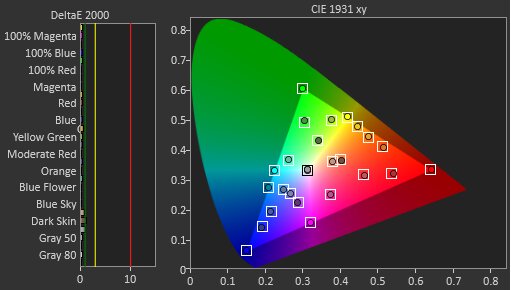
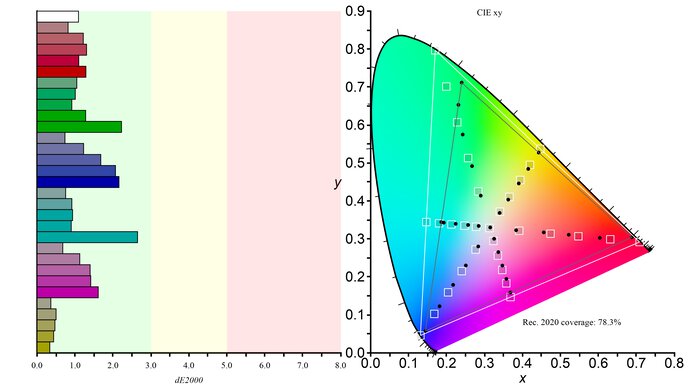
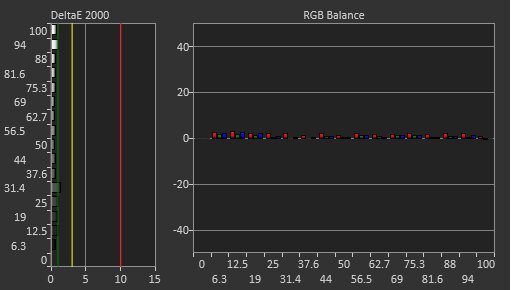
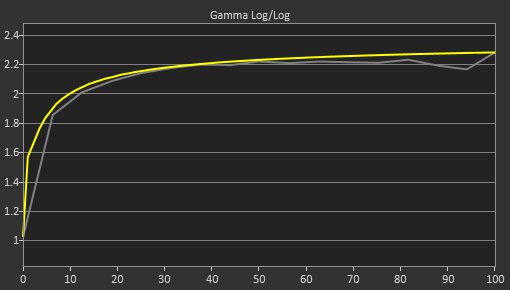
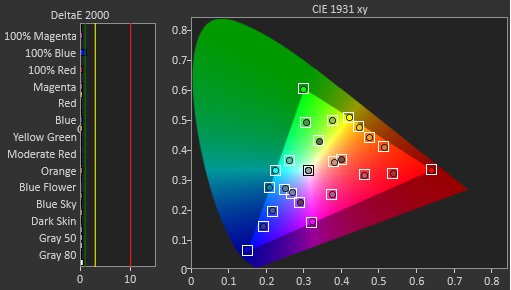
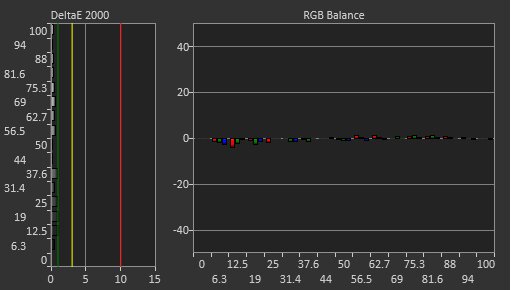
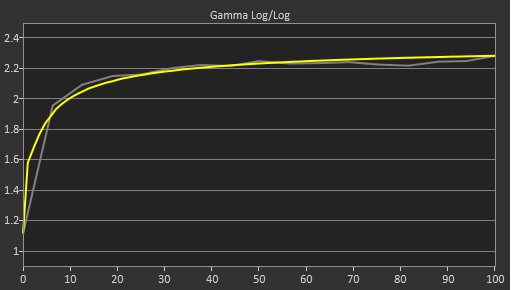
The Gigabyte M27Q has excellent color accuracy. It has a very accurate sRGB mode, but you can still calibrate it for the best accuracy.
- Accurate sRGB mode.
Performance Usages
Changelog
- Updated Feb 21, 2025: We've converted this review to Test Bench 2.0.1. This includes a new test result for DisplayPort 2.1 Transmission Bandwidth.
- Updated Jun 21, 2024: Changed the color of the 4k compatibility column in the Xbox Series X|S table for consistency with other reviews.
- Updated Jun 10, 2024: Updated text throughout the review according to Test Bench 2.0, mainly in the Verdict and Motion sections.
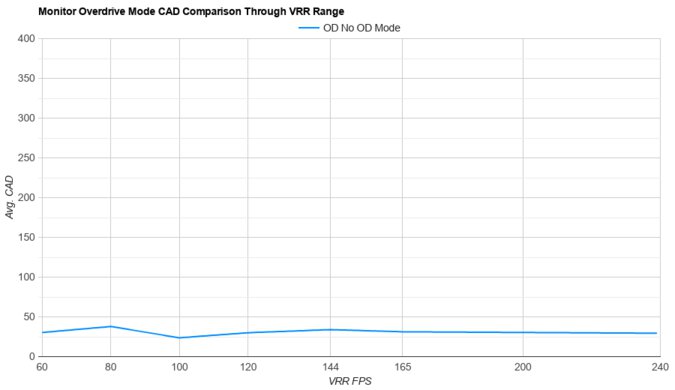
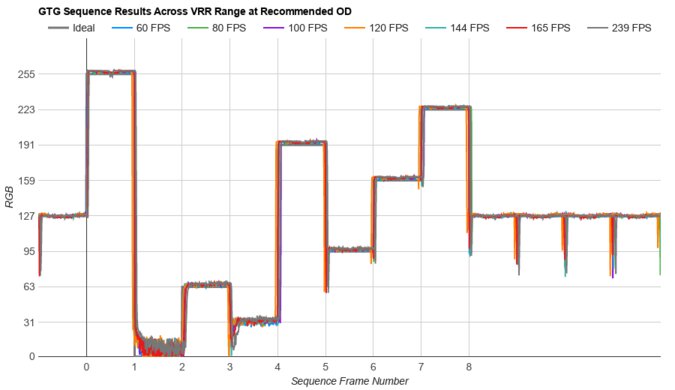
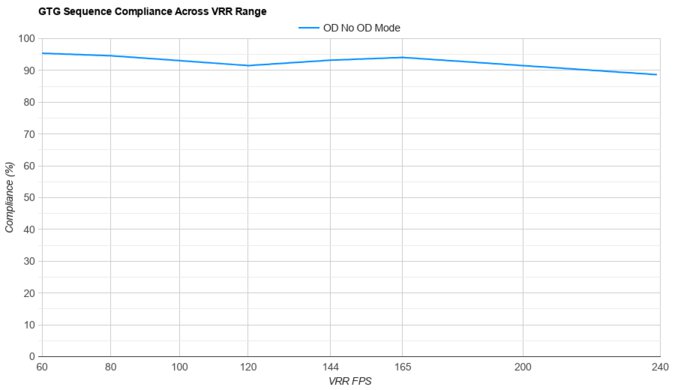
- Updated Jun 07, 2024: We've converted this review to Test Bench 2.0. This includes new tests for VRR Motion Performance, Refresh Rate Compliance, Cumulative Absolute Deviation (CAD), and VRR Flicker. You can read the full changelog here.
Check Price
Differences Between Sizes And Variants
We tested the 27-inch Gigabyte M27Q, which is the only size available for this monitor. Some European retailers also carry an M27Q-EK or M27Q-EEK variant. It's the same monitor but with the new energy efficiency labels.
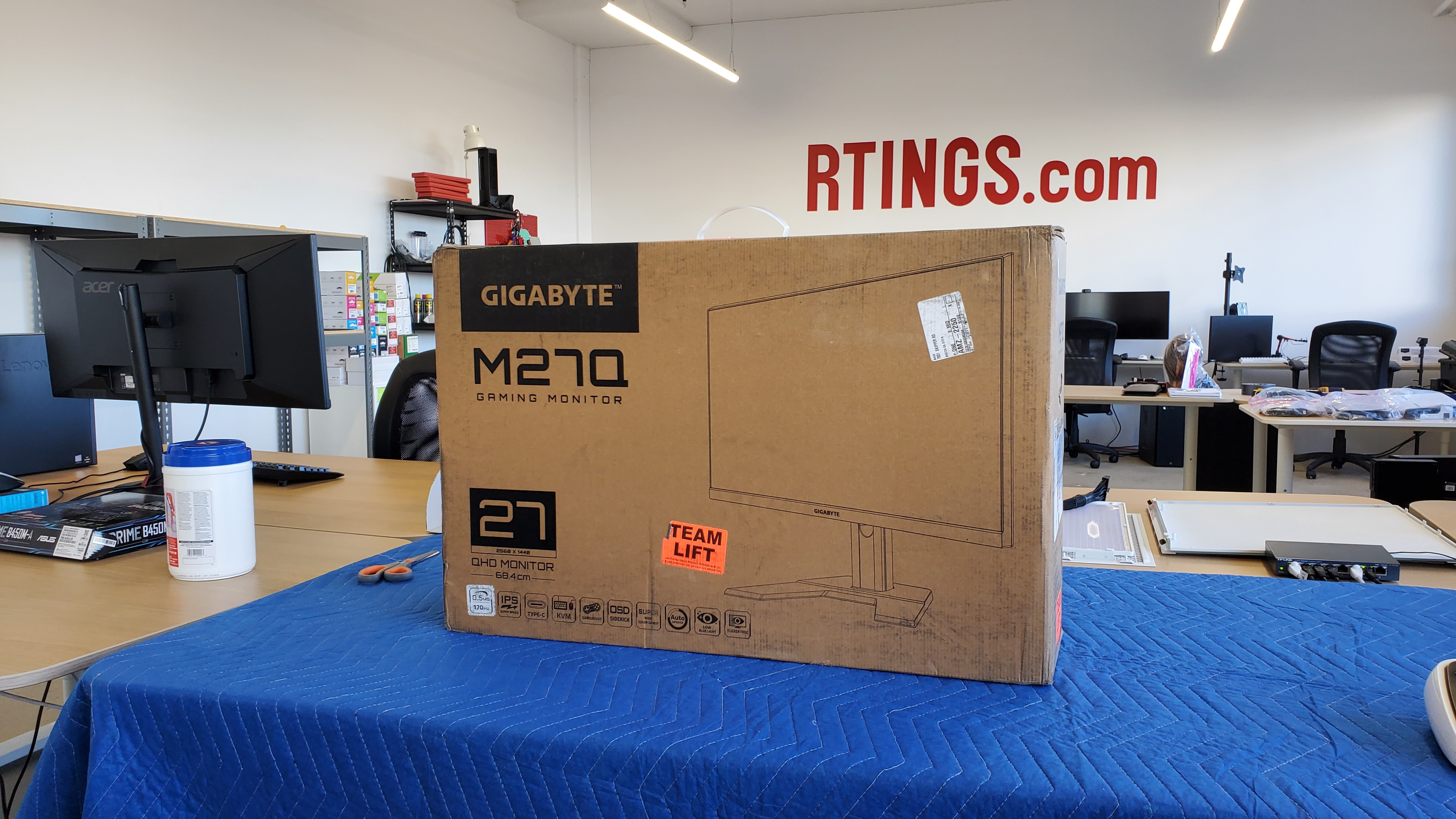
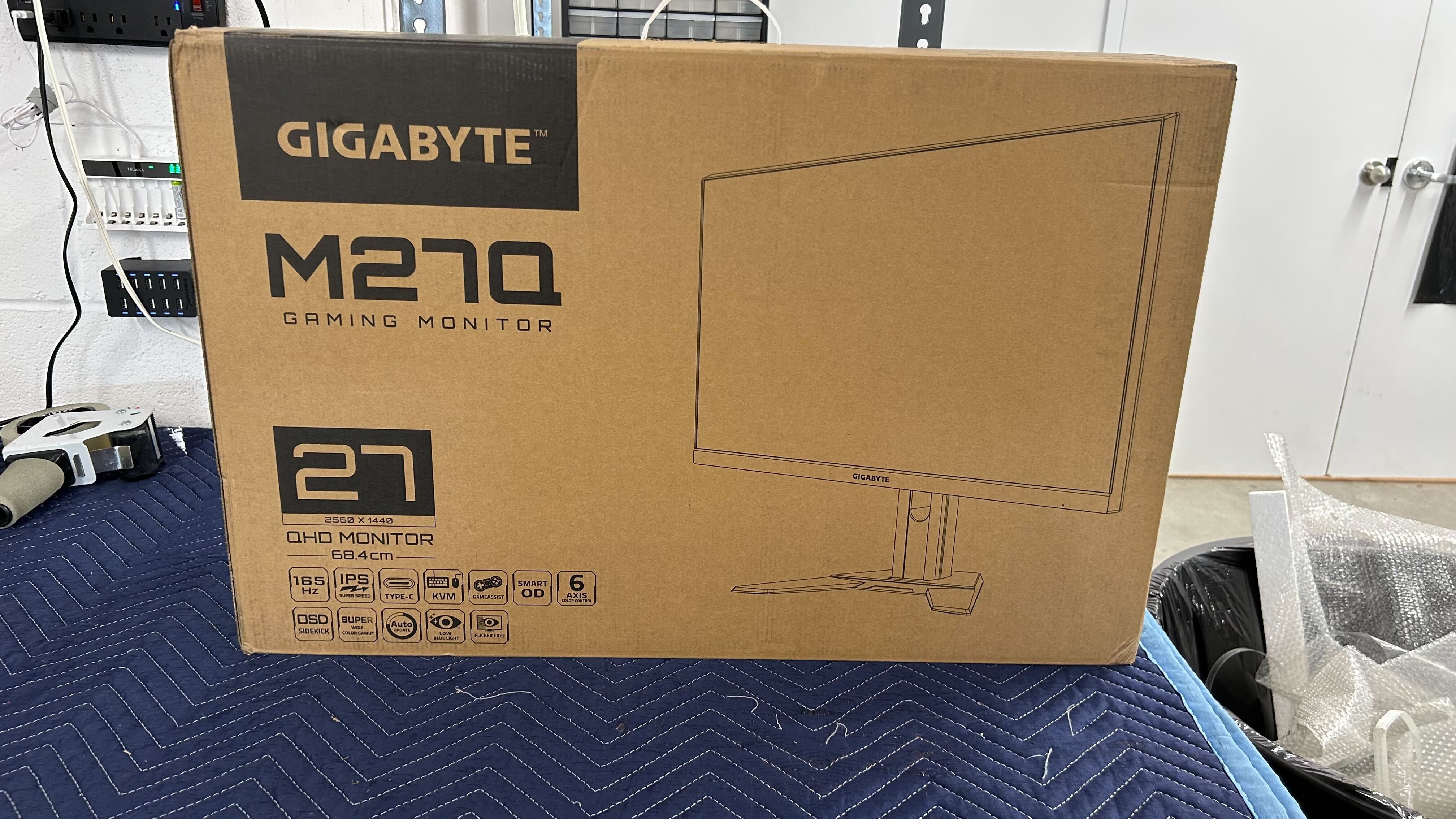
This monitor is the original version of the M27Q, which has a BGR subpixel layout and is different than the newer Gigabyte M27Q (rev. 2.0), which has an RGB subpixel layout. It's unclear which version you'll get when buying from retailers, as they don't specify if it's Rev. 1.0 or Rev. 2.0. The two versions have slightly different designs on the boxes they come with. You can see the box we got with Rev. 1.0 here and the one with Rev. 2.0 here. The biggest difference is that Rev. 1.0 is labeled as '170Hz' on the box, while Rev. 2.0 is labeled as '165Hz,' but each has a max refresh rate of 170Hz. That said, the second version is more available with most retailers.
There are also follow-up models to this monitor: the Gigabyte M27Q X, which has a higher max refresh rate, and the Gigabyte M27Q P, which supports DisplayPort 1.4 bandwidth. You can see the differences below, but the results are only valid for the first version of the M27Q.
| Model | Size | Panel Type | Resolution | Refresh Rate | DisplayPort Type |
|---|---|---|---|---|---|
| M27Q (rev. 1.0) | 27" | IPS (BGR) | 2560 x 1440 | 170Hz | 1.2 |
| M27Q (rev. 2.0) | 27" | IPS (RGB) | 2560 x 1440 | 170Hz | 1.2 |
| M27Q P | 27" | IPS (RGB) | 2560 x 1440 | 170Hz | 1.4 |
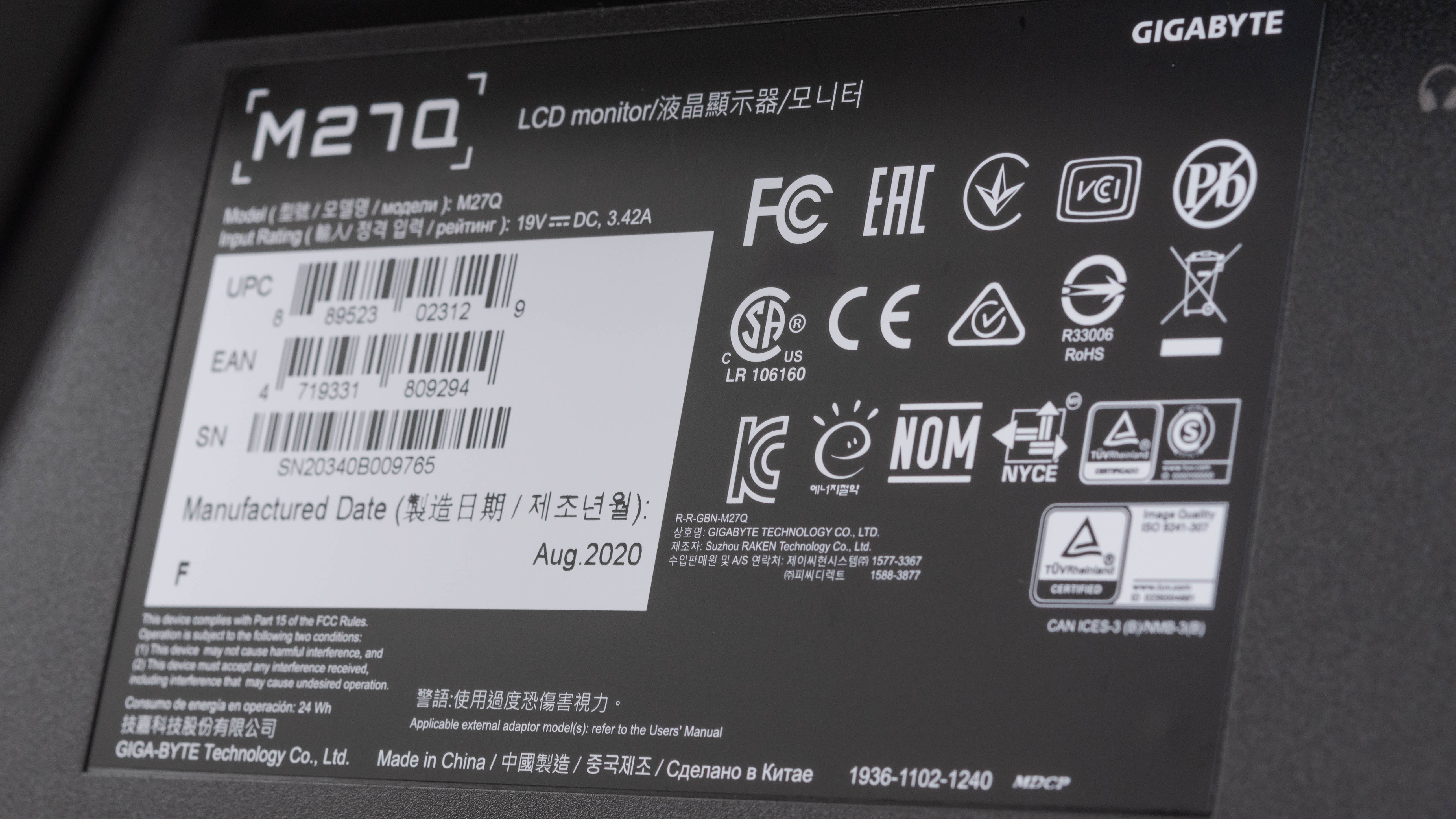
Our unit was manufactured in August 2020; you can see the label here.
Popular Monitor Comparisons
The Gigabyte M27Q is a good budget monitor that's well-suited to a number of uses. In addition to its great decent gaming performance, it's a good choice for work-from-home setups. The KVM switch lets you use the same keyboard and mouse with two computers with the press of a switch, but it has limited power delivery over USB-C. However, its BGR subpixel layout results in worse text clarity than other 27-inch, 1440p monitors, which may be distracting to some, but the newer Gigabyte M27Q (rev. 2.0) doesn't have this same panel type. If you don't need the office features of the Gigabyte monitor and want a budget monitor mainly for gaming, you can also consider the Dell G2724D, which has better motion handling.
For more options, check out our recommendations for the best 1440p gaming monitors, the best 27-inch monitors, and the best budget gaming monitors.
The Gigabyte M27Q (rev. 1.0) and the AOC Q27G3XMN are both 27-inch 1440p gaming monitors. The AOC is the better option for most gamers, as it displays deeper blacks, gets much brighter in HDR, and has better motion handling. The Gigabyte is a better option if you're sharing your screen with another person, as it has far better viewing angles, though it doesn't swivel.
The Gigabyte M27Q (rev. 1.0) and the LG 27GP850-B/27GP83B-B are similar 1440p gaming monitors. The Gigabyte has extra productivity features like a USB-C port and KVM switch, making it the better choice if you need to connect different computers. However, the LG has a faster response time, leading to less motion blur with fast-moving objects.
The Gigabyte M27Q (rev. 1.0) and the Samsung Odyssey G50D S27DG50 are both 1440p gaming monitors. However, there are some differences between them. The Samsung monitor has slightly better motion handling at low refresh rates. On the other hand, the Gigabyte has a few extra perks, like a USB hub and a KVM switch, making it easy to change between sources and use the same keyboard and mouse on both.
Although the AOC CQ27G2 and the Gigabyte M27Q (rev. 1.0) are both 1440p gaming monitors, there are many differences between them. Gaming-wise, the Gigabyte performs better because it has a higher refresh rate of 170Hz and a much faster response time. The Gigabyte has an IPS with wider viewing angles, while the AOC has a VA panel that makes it a better choice for dark rooms. The Gigabyte offers more features, like a USB-C input, HDR support, and a Picture-in-Picture mode. It also gets much brighter to combat glare.
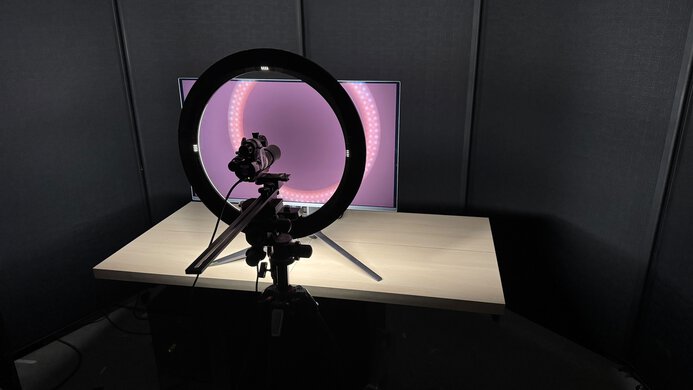
We buy and test more than 30 monitors each year, all of which we purchase ourselves, without cherry-picked units or samples. We put a lot into each unbiased, straight-to-the-point review, and there's a whole process from purchasing to publishing, involving multiple teams and people. We do more than just use the monitor for a week; we use specialized, custom tools to measure various aspects and deliver objective, data-driven results. We also consider multiple factors before making any recommendations, including the monitor's cost, its performance compared to the competition, and whether it's easy to find.
Test Results
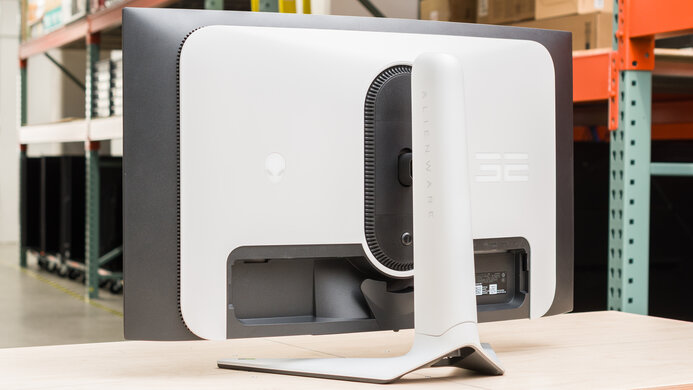
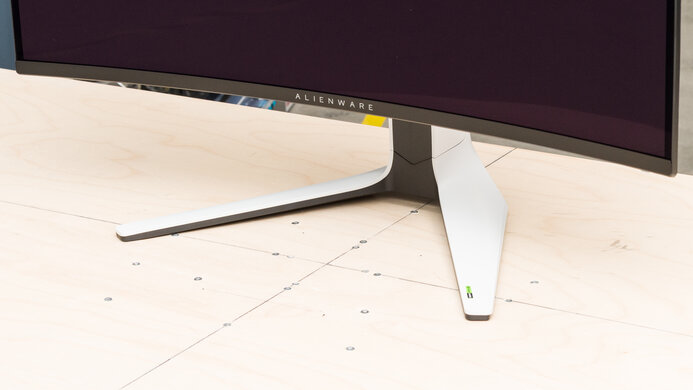
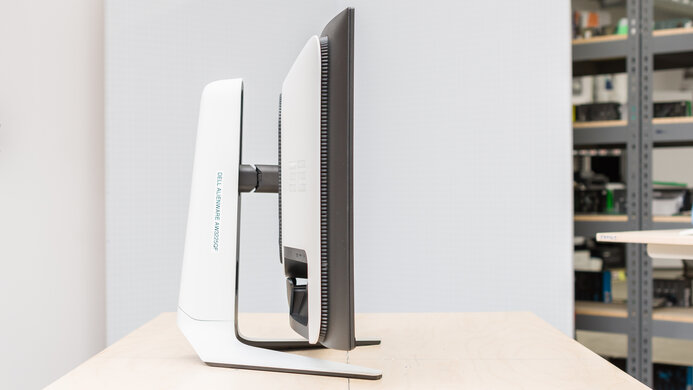
for pictures & test results
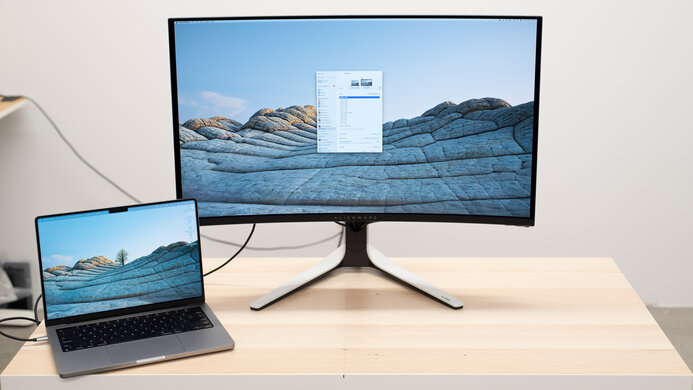

for pictures & test results
for videos & test results

for pictures & test results
for pictures & test results
for pictures & test results
for videos & test results

for pictures & test results
for pictures & test results
for pictures & test results

for pictures & test results
for pictures & test results
for pictures & test results
for pictures & test results
for pictures & test results
for pictures & test results